**Big Upgrade Coming Soon from Danny and Peter!**
We’re merging and refreshing all our cruise port guides into beautiful new master posts with hundreds of photos and 2026 tips.
This guide will be fully updated soon – stay tuned for the new version!
In the meantime, check our latest posts or subscribe for updates.
The Bay of Biscay, a vast and storied expanse of water off the western coast of France and northern Spain, is both a maritime marvel and a region steeped in history. For cruisers aboard Holland America Line’s Nieuw Statendam on the Canary Island Enchantment with Morocco & Portugal itinerary, crossing this iconic bay is a highlight filled with anticipation. In this blog post, we dive deep into the rich history of the Bay of Biscay, followed by an immersive recounting of our unforgettable sea day aboard the Nieuw Statendam. From a delectable brunch to a captivating port presentation and a memorable evening at the Tamarind restaurant, this day at sea was a perfect blend of relaxation, connection, and indulgence. Join us as we sail through history and share our personal adventure.
Table of Contents
The History of the Bay of Biscay
A Geological and Geographical Marvel
The Bay of Biscay, nestled between the western coast of France and the northern shores of Spain, is a triangular gulf in the Atlantic Ocean, bordered by the Cantabrian Sea to the south and the Celtic Sea to the north. Its unique geography, shaped by tectonic activity millions of years ago, has made it a significant feature in both natural and human history. The bay’s continental shelf extends far into its waters, creating steep underwater cliffs and abyssal plains that plunge to depths of over 4,000 meters. This dramatic underwater topography contributes to the bay’s reputation for unpredictable weather and turbulent seas.
Did You Know? The Bay of Biscay’s name is believed to derive from the Basque people, who have inhabited the region for millennia. The term “Biscay” may stem from the Latin Vasconicum Sinus, meaning “Basque Gulf.”
The bay’s formation began during the Mesozoic era, when the Iberian Peninsula drifted away from the European continent, creating a rift that filled with seawater. Over time, sediment deposits and tectonic shifts sculpted the bay into its current form. Its deep waters and strong currents have long fascinated oceanographers, while its rich marine biodiversity, including whales, dolphins, and various fish species, has supported coastal communities for centuries.
Ancient Maritime Crossroads
The Bay of Biscay has been a vital maritime route since antiquity. The Basque people, renowned for their seafaring prowess, navigated these waters as early as the Neolithic period. Archaeological evidence suggests they engaged in trade with neighboring regions, exchanging goods like flint, amber, and fish. By the Iron Age, Phoenician and Celtic traders used the bay as a conduit for commerce, connecting the Iberian Peninsula with the British Isles and beyond.
During the Roman Empire, the bay became a strategic hub for shipping wine, olive oil, and grain between Gaul (modern-day France) and Hispania (Spain). Roman ports like Burdigala (Bordeaux) and Oiasso (Irún) thrived as trade centers, with lighthouses and fortifications guarding the coast. The bay’s unpredictable weather, however, posed challenges even to these skilled mariners, earning it a reputation as a treacherous passage.
Medieval and Early Modern Significance
In the Middle Ages, the Bay of Biscay was a focal point for pilgrimage and trade. The Camino de Santiago, a major Christian pilgrimage route, brought travelers to the northern Spanish coast, where many embarked on ships to cross the bay en route to holy sites. Basque and Galician fishermen also ventured deep into the bay, perfecting whaling techniques that would later influence global maritime practices. By the 13th century, Basque whalers were sailing as far as Newfoundland, establishing the bay as a launchpad for transatlantic exploration.
The Age of Sail saw the Bay of Biscay become a battleground for European powers. During the Hundred Years’ War, naval skirmishes between England and France played out in its waters. The Spanish Armada’s ill-fated voyage in 1588 famously encountered fierce storms in the bay, contributing to its defeat. These events cemented the bay’s reputation as a formidable maritime challenge, with sailors recounting tales of towering waves and unrelenting gales.
Historical Snippet: In 1596, a Spanish fleet bound for Ireland was devastated by a storm in the Bay of Biscay, with over 5,000 men lost. This disaster underscored the bay’s perilous nature and inspired countless maritime legends.
The Bay in the Age of Exploration
As European nations expanded their empires, the Bay of Biscay served as a gateway to the New World. Spanish and Portuguese explorers, including Christopher Columbus, sailed through these waters on their way to the Americas. The bay’s ports, such as Bilbao and La Rochelle, became bustling centers for shipbuilding and trade, with goods like sugar, tobacco, and silver flowing through them. The wealth generated by colonial trade transformed the region, funding grand architecture and cultural advancements.
However, the bay’s strategic importance also made it a hotspot for piracy and privateering. English, French, and Dutch corsairs patrolled its waters, preying on treasure-laden galleons. The infamous Basque pirate Juan de Alcega, active in the 16th century, became a legend for his daring raids. These conflicts highlight the bay’s dual role as both a conduit for prosperity and a stage for violence.
Industrial Revolution and Modern Era
The 19th century brought technological advancements that reshaped the Bay of Biscay’s role. Steamships replaced sailing vessels, making crossings faster and more reliable. The bay’s fishing industry flourished, with cod, sardines, and anchovies supporting thriving coastal economies. Ports like Santander and Gijón modernized, becoming key nodes in global trade networks.
During the World Wars, the bay was a critical theater for naval operations. In World War I, German U-boats prowled its waters, targeting Allied shipping. World War II saw the Battle of the Atlantic spill into the bay, with convoys dodging submarines to deliver supplies to Europe. The bay’s strategic significance persisted into the Cold War, with NATO and Soviet naval forces monitoring its waters.
Environmental and Cultural Legacy
Today, the Bay of Biscay is a vibrant region known for its cultural heritage and environmental challenges. The Basque Country and Galicia maintain strong maritime traditions, with festivals celebrating their seafaring past. The bay’s ecosystems, however, face threats from overfishing, pollution, and climate change. Conservation efforts, such as marine protected areas, aim to preserve its biodiversity for future generations.
The bay’s historical legacy endures in its lighthouses, shipwrecks, and coastal villages, which attract historians and tourists alike. Its blend of natural beauty and turbulent past makes it a compelling destination for cruisers, who experience its majesty firsthand while sailing its waters.
Our Sea Day Experience Aboard Nieuw Statendam
Setting Sail: Day 3 in the Bay of Biscay
Our third day aboard Holland America Line’s Nieuw Statendam was a sea day, the second of our Canary Island Enchantment with Morocco & Portugal cruise. As we glided through the Bay of Biscay, the ship’s gentle motion reminded us of the bay’s storied reputation for unpredictable seas. Fortunately, the weather was kind, with smooth waters and a soft breeze accompanying our journey. This sea day was a perfect opportunity to immerse ourselves in the ship’s luxurious amenities, connect with fellow passengers, and savor the culinary delights that Nieuw Statendam is renowned for.
Cruising Tip: Sea days are the heart of a cruise, offering time to explore the ship’s offerings and relax. Plan your day with a mix of activities and downtime to make the most of it.
A Morning of Indulgence: Brunch in the Dining Room
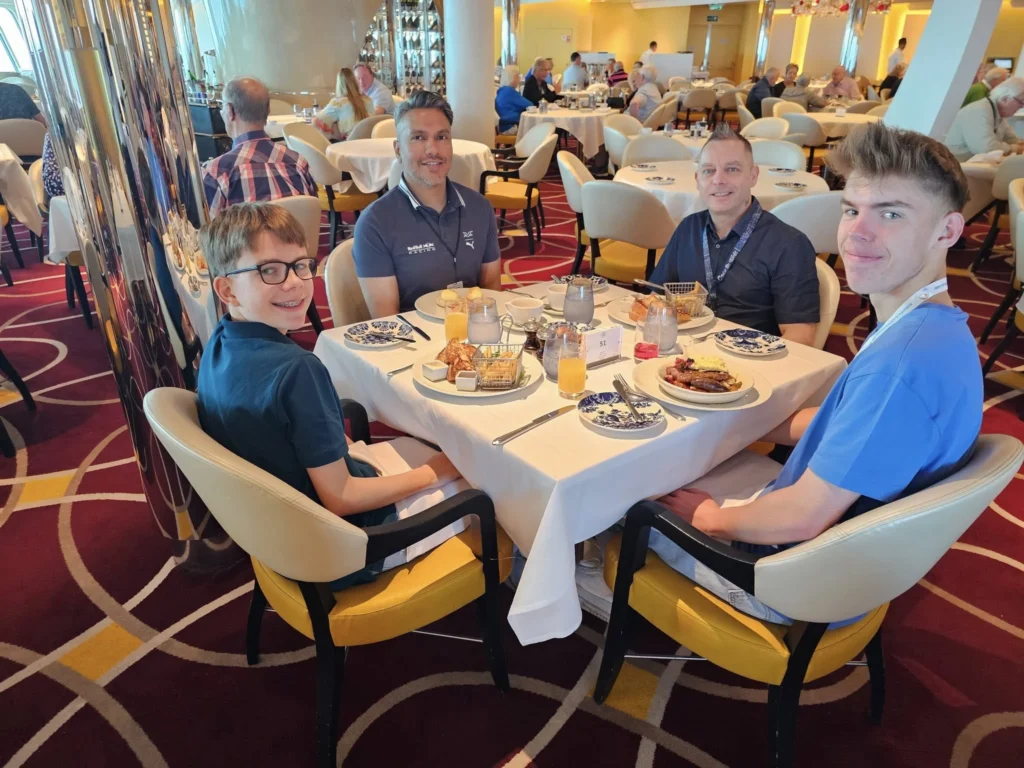
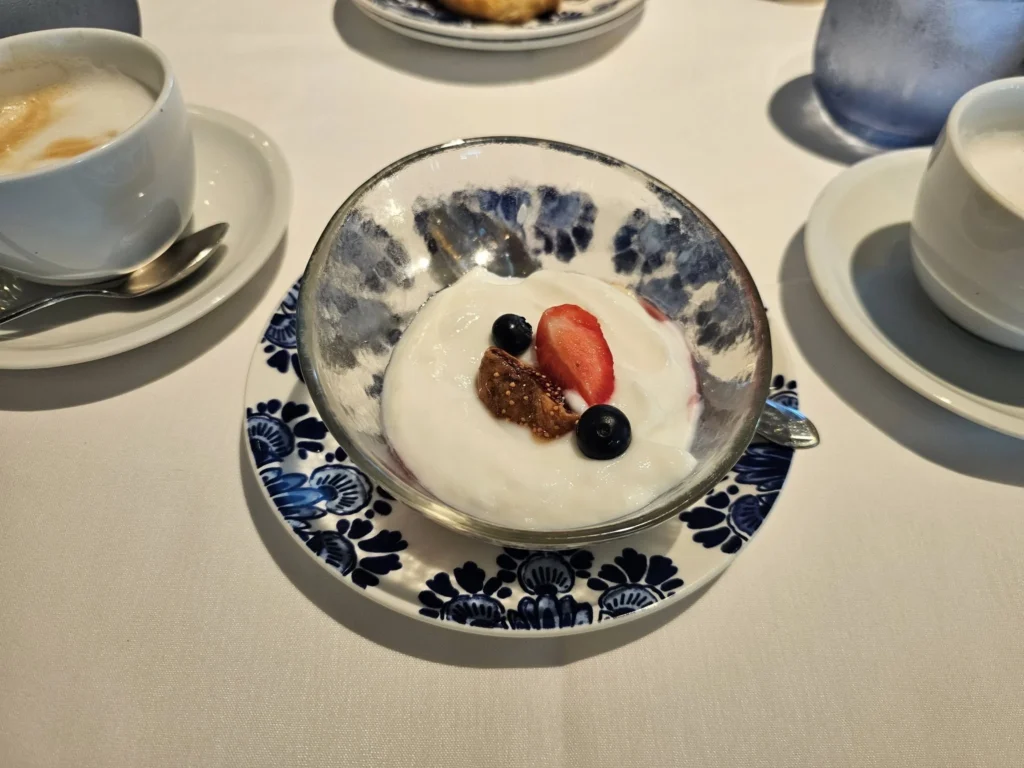
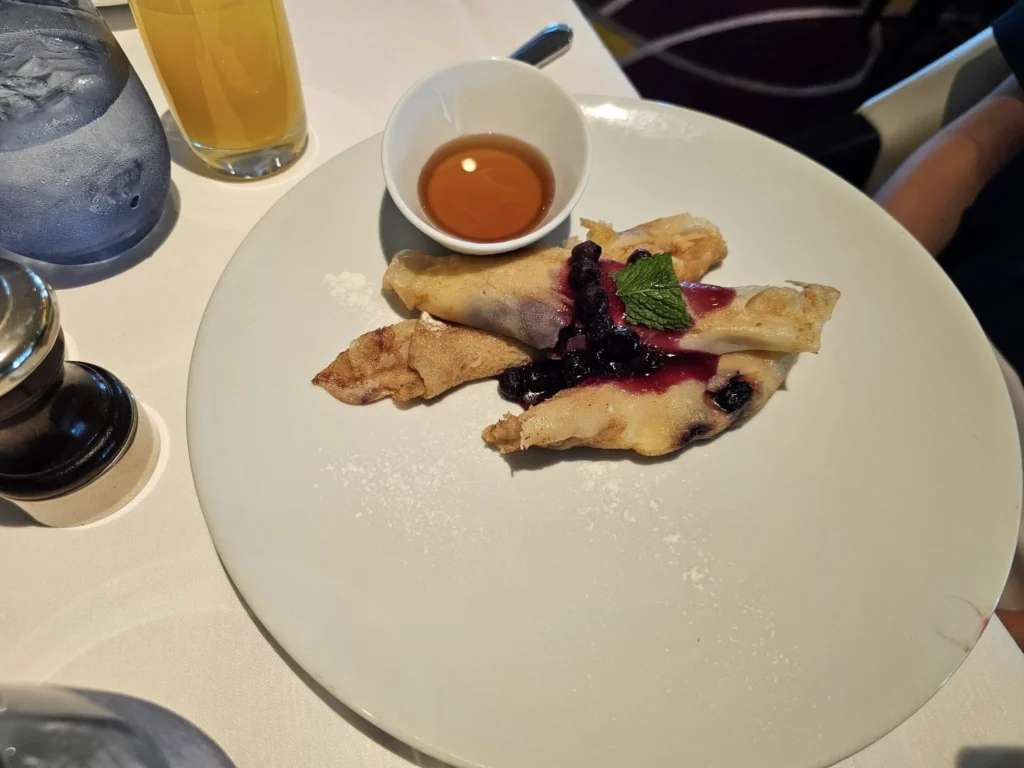
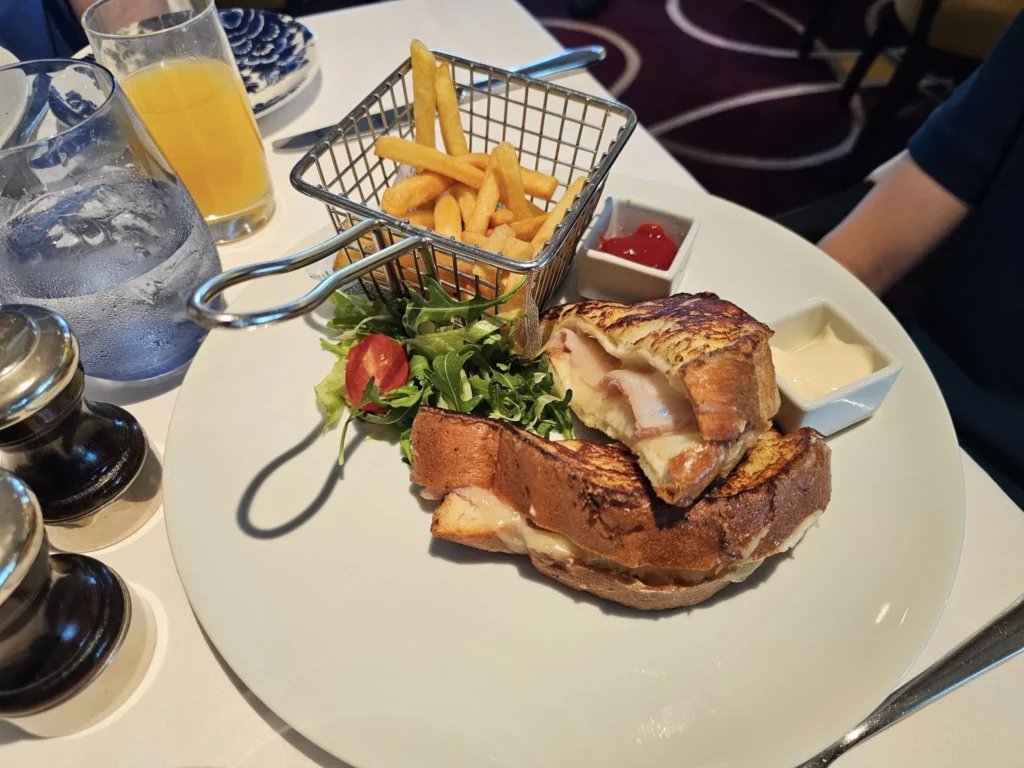
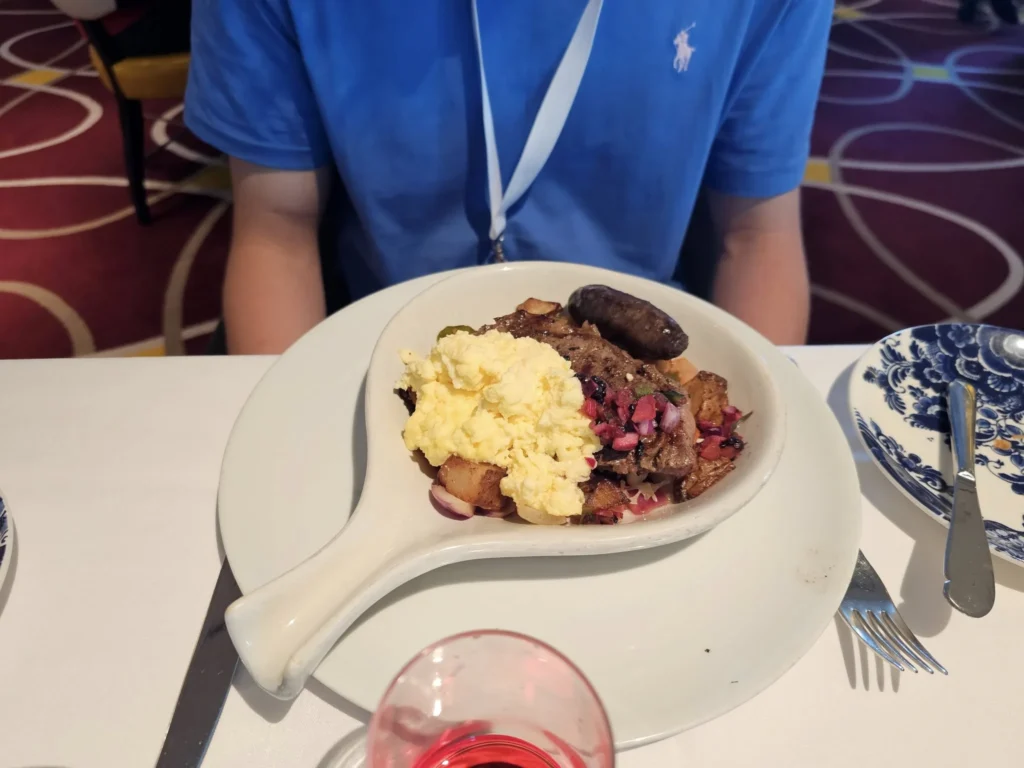
Our day began with a leisurely brunch in the Dining Room, the ship’s flagship dining venue known for its elegant ambiance and impeccable service. The room’s sophisticated decor, with its soft lighting and ocean views, set the tone for a delightful meal. The brunch menu was a feast for the senses, offering everything from classic eggs Benedict to exotic dishes inspired by the regions we’d visit.
We opted for the lobster Benedict, a decadent twist on the classic, paired with a vibrant tropical fruit platter. The flavors were exquisite, with the hollandaise sauce perfectly complementing the tender lobster. Our server, attentive and warm, recommended a mimosa to round out the experience, and we couldn’t resist. The meal was a testament to Holland America’s commitment to culinary excellence, leaving us energized for the day ahead.
The brunch in the Dining Room was a highlight of our sea day. Every bite was a reminder of why we love cruising with Holland America.




Learning and Anticipation: Port Presentation at World Stage
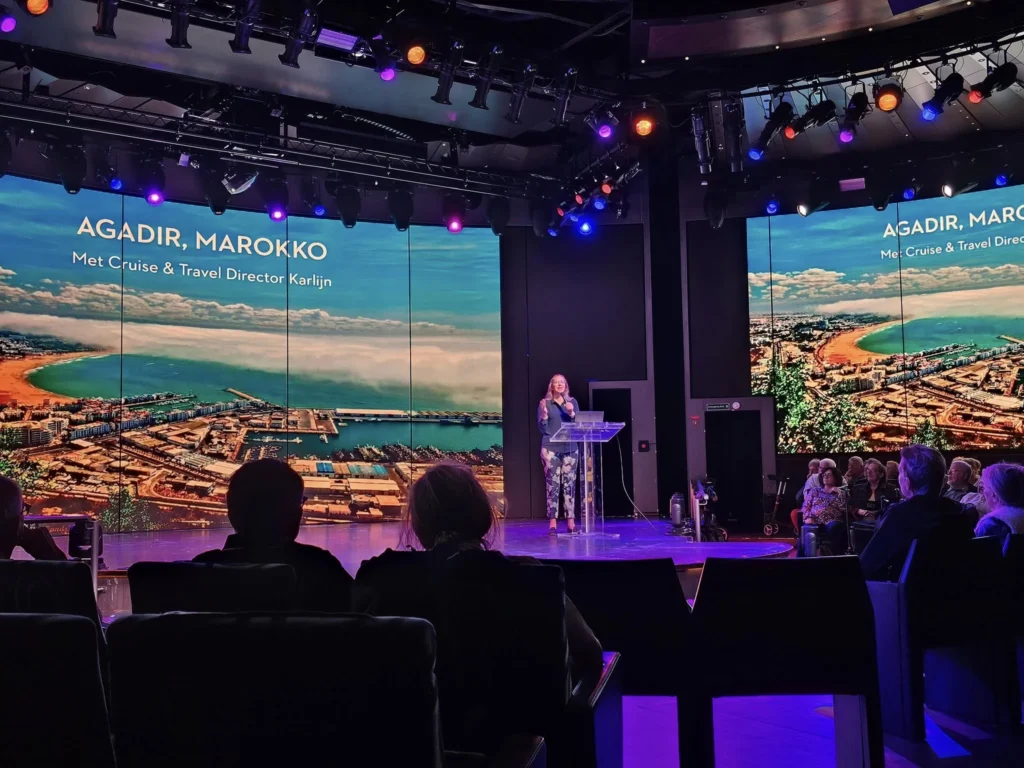
After brunch, we made our way to the World Stage, Nieuw Statendam’s state-of-the-art theater, for a presentation about our second port of call: Agadir, Morocco. The World Stage is a visual marvel, featuring a two-story LED screen that creates immersive backdrops for performances and lectures. As we settled into our seats, the Cruise & Travel Director introduced a local expert who brought Agadir’s history and culture to life.
The presentation covered Agadir’s transformation from a fishing village to a modern coastal city, highlighting its vibrant souks, pristine beaches, and the poignant history of its 1960 earthquake. We learned about must-visit sites like the Kasbah, offering panoramic views, and the bustling medina, perfect for sampling local delicacies. The expert’s enthusiasm was infectious, and the vivid visuals on the LED screen transported us to Morocco’s sun-drenched shores.
Travel Snippet: Agadir’s medina, rebuilt after the 1960 earthquake, is a vibrant marketplace where you can haggle for spices, leather goods, and handmade crafts. Don’t miss trying a traditional tagine!
The session concluded with practical tips for our shore excursion, including currency exchange and cultural etiquette. We left the World Stage buzzing with excitement, eager to explore Agadir’s blend of tradition and modernity.
Connecting with Friends: Mariners Reception at Lido Pool
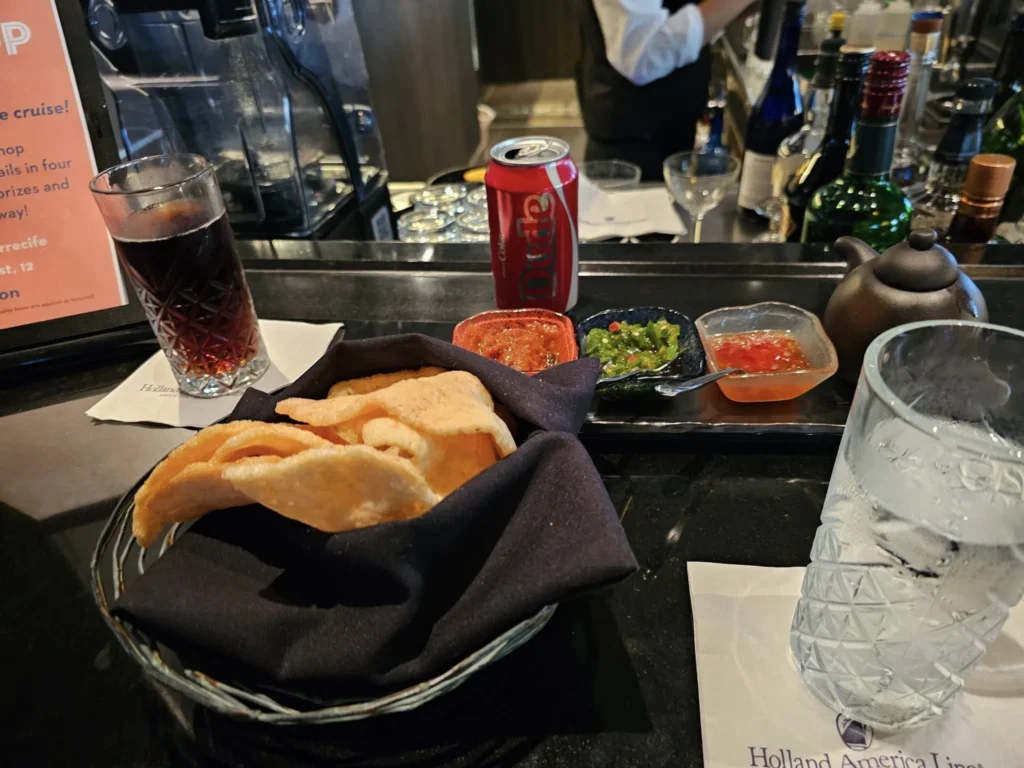
As evening approached, we attended the Mariners Reception at the Lido Pool, a special event for Holland America’s loyal cruisers. The Lido Pool area, with its retractable roof and tropical vibe, was transformed into a festive venue with twinkling lights and live music. The atmosphere was warm and celebratory, as guests mingled with glasses of champagne in hand.
What made this event truly special was reconnecting with friends from previous cruises and meeting fellow mariners who shared our passion for travel. We swapped stories of past adventures, from Alaskan glaciers to Caribbean beaches, and bonded over our love for Holland America’s refined cruising style. The ship’s officers, including the captain, made appearances, adding a personal touch to the evening. It was a reminder of the community that cruising fosters, turning strangers into lifelong friends.
The Mariners Reception was like a reunion. Chatting with old friends and new under the stars made the evening unforgettable.
A Culinary Masterpiece: Dinner at Tamarind
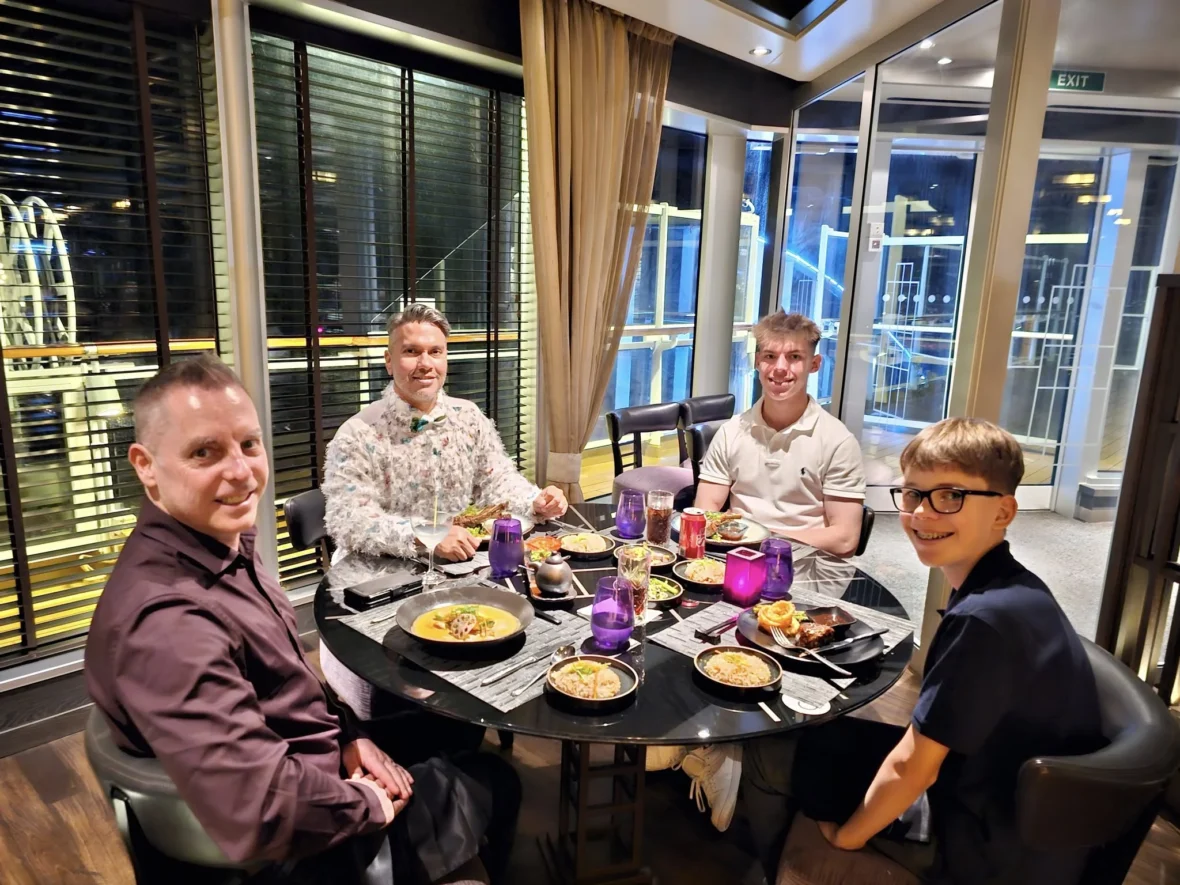
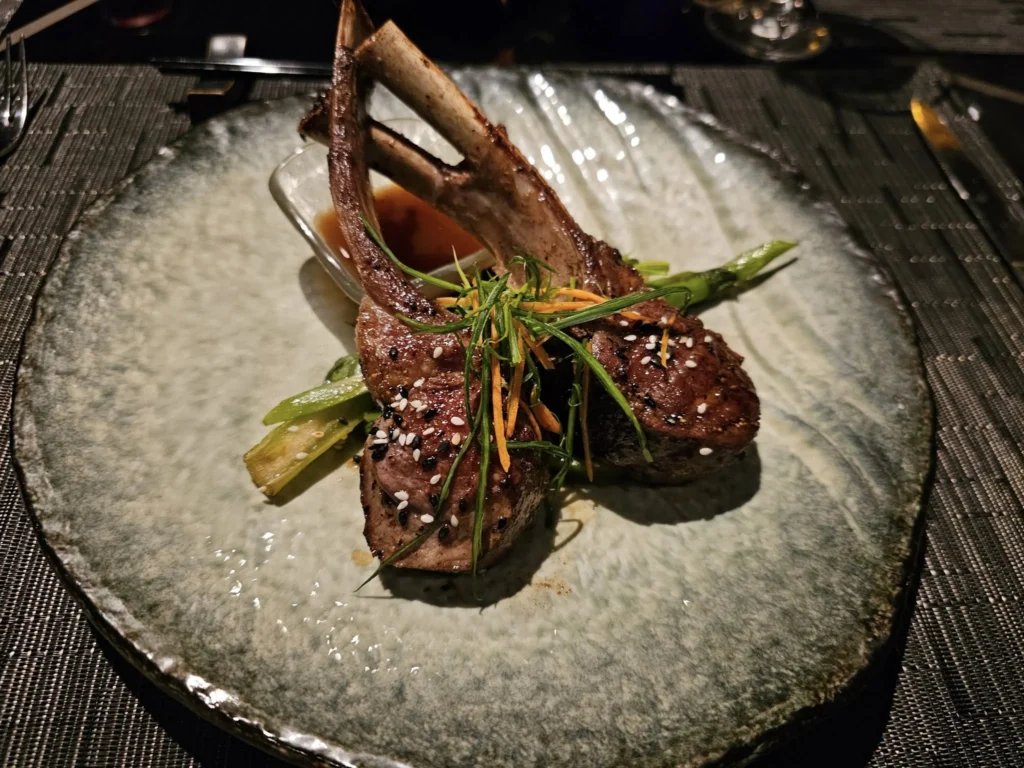
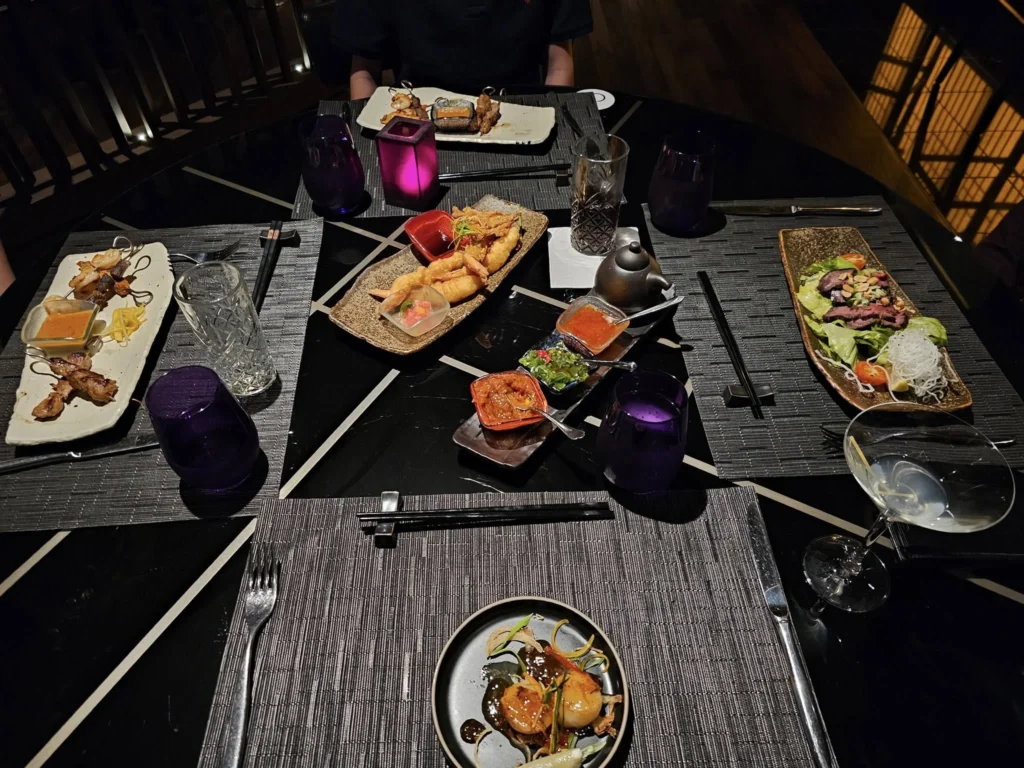
The highlight of our sea day was dinner at Tamarind, Nieuw Statendam’s specialty restaurant specializing in Pan-Asian cuisine. We’d dined at Tamarind on other Holland America ships, but this experience surpassed all expectations. The restaurant’s sleek design, with its warm wood tones and ocean views, created an intimate setting that felt worlds away from the ship’s bustling energy.
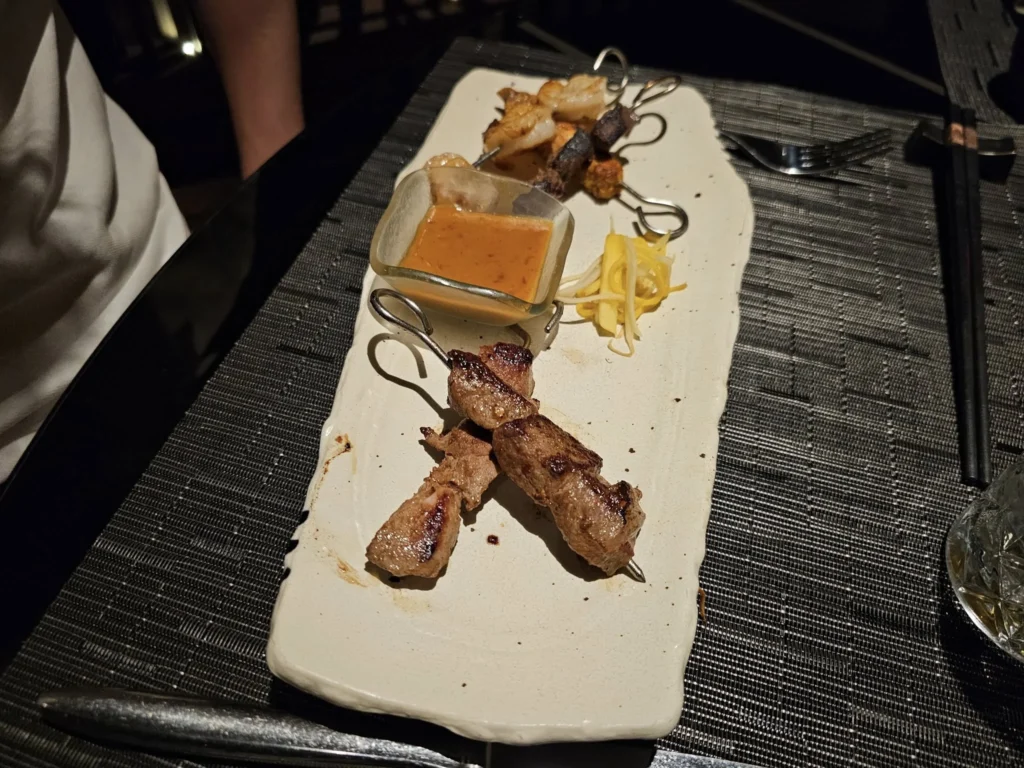
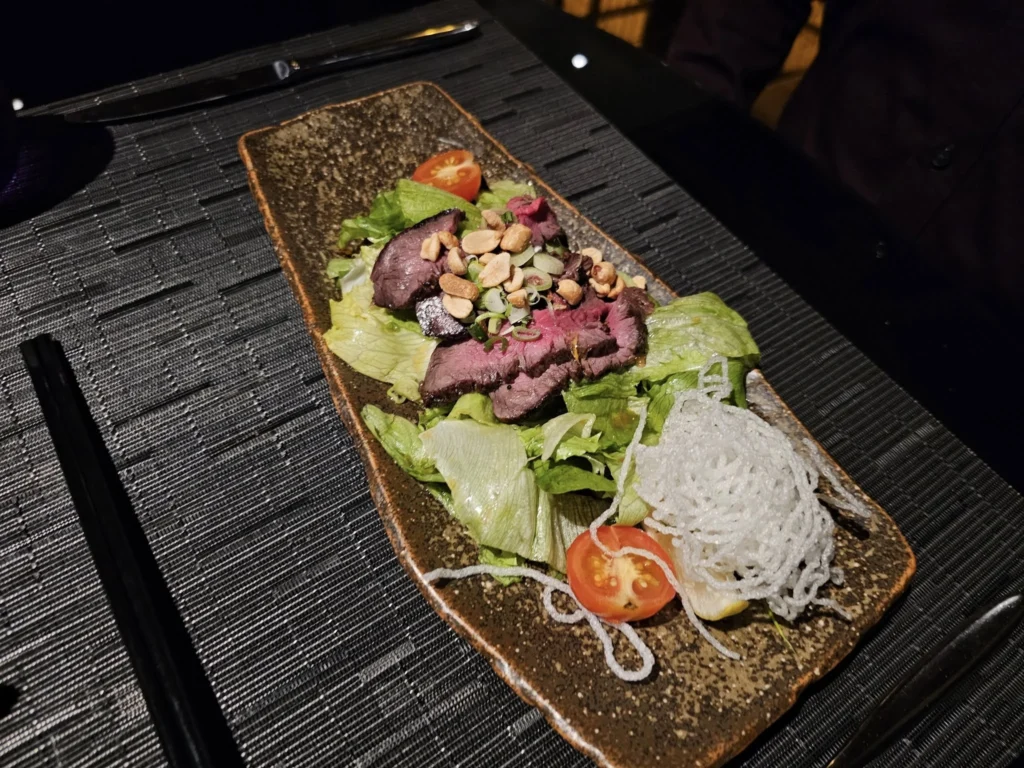
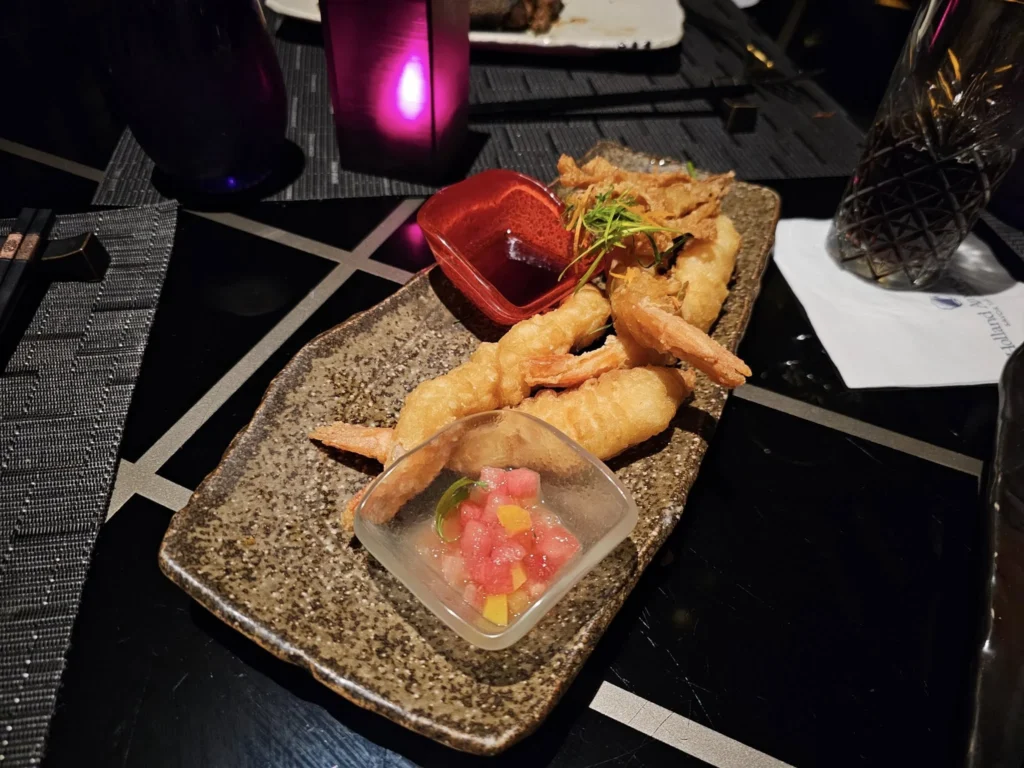
Our meal began with wasabi-crusted tenderloin skewers, a perfect balance of spice and savoriness, followed by shrimp tempura with a delicate soy-ginger dipping sauce. For the main course, we chose the Penang red curry with duck, a dish that married rich, creamy flavors with a subtle heat. Each bite was a revelation, showcasing the chef’s mastery of Asian culinary traditions. We paired the meal with a sake flight, recommended by our server, which elevated the experience to new heights.
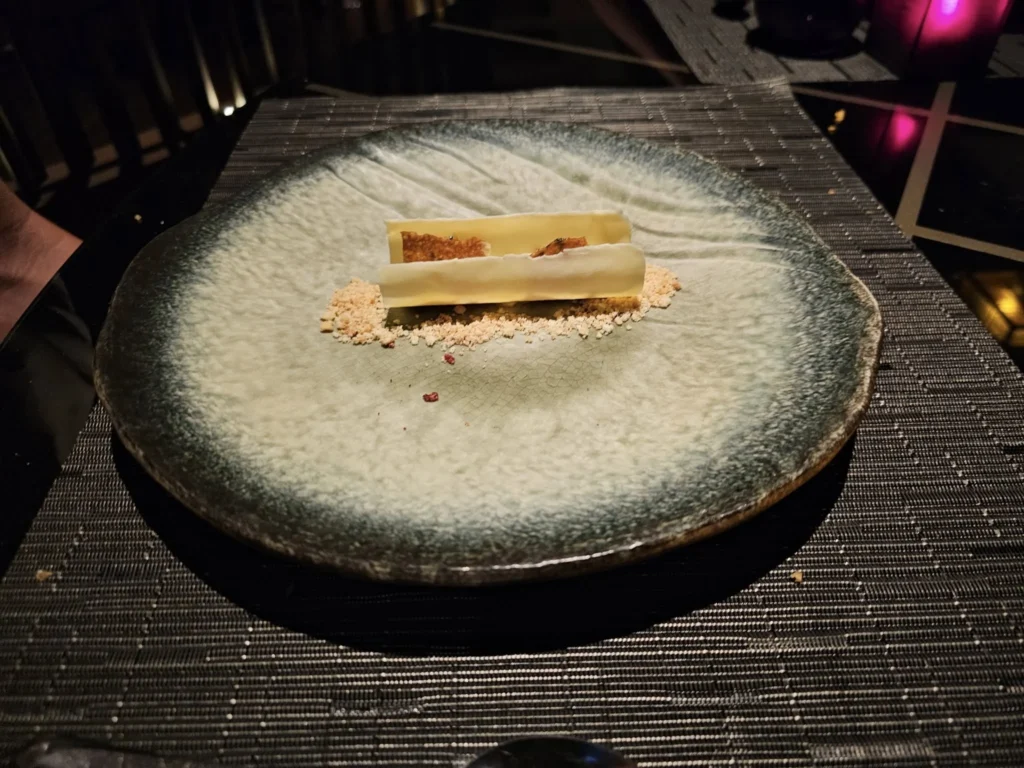
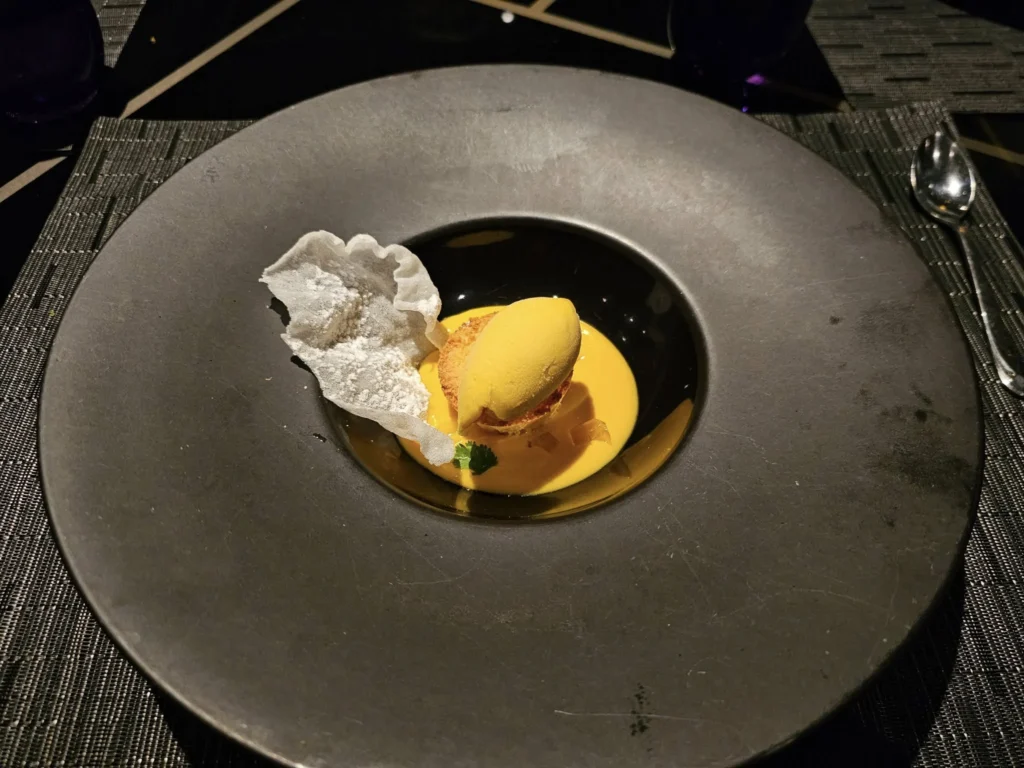
The dessert, a chocolate tart with yuzu cream, was a fitting finale—decadent yet light, with a citrusy zing that lingered on the palate. The service was flawless, with every detail attended to, from the perfectly timed courses to the staff’s genuine warmth. We left Tamarind in awe, already planning our next visit.
Dining Tip: Book Tamarind early in your cruise, as this popular venue fills up quickly. Opt for a window table for stunning ocean views.

Reflections on a Perfect Sea Day
As we retired to our stateroom, the gentle hum of the ship and the vastness of the Bay of Biscay outside our window felt like a lullaby. This sea day had been a microcosm of what makes cruising so special: the chance to indulge in world-class dining, learn about new destinations, and connect with a global community of travelers. The Nieuw Statendam, with its elegant design and attentive crew, was the perfect vessel for this journey.
The Bay of Biscay, with its historical significance and natural beauty, added a layer of depth to our experience. Crossing its waters felt like a rite of passage, linking us to the mariners, explorers, and adventurers who navigated it centuries ago. Our day aboard the Nieuw Statendam was a celebration of the present, enriched by the echoes of the past.








Sailing the Biscay’s Embrace
In the Bay of Biscay’s timeless arms,
Where waves whisper tales of ancient charms,
We sailed on Nieuw Statendam, proud and grand,
A floating palace on the ocean’s hand.

Through history’s pages, the bay unfolds,
Of Basque explorers, brave and bold,
Of Roman galleys, pirate lairs,
And storms that answered sailors’ prayers.

On day three, the sea was kind,
Its gentle sway soothed heart and mind.
Brunch in the Dining Room, a feast divine,
Lobster and mimosas, moments that shine.

At World Stage, Agadir’s tale was spun,
Of souks and sands beneath the sun.
The screen alive with Morocco’s grace,
We dreamed of shores we’d soon embrace.

By Lido Pool, the night came alive,
Mariners’ laughter, where friendships thrive.
Old friends, new tales, beneath the stars,
The sea our stage, the world ours.

In Tamarind’s glow, we dined as kings,
Curry and sake, the heart still sings.
Each dish a poem, each bite a song,
A memory crafted, vivid and strong.

Oh, Bay of Biscay, wild and free,
You cradle our ship, you carry our glee.
In your embrace, we found our way,
A sea day’s magic, forever to stay.