
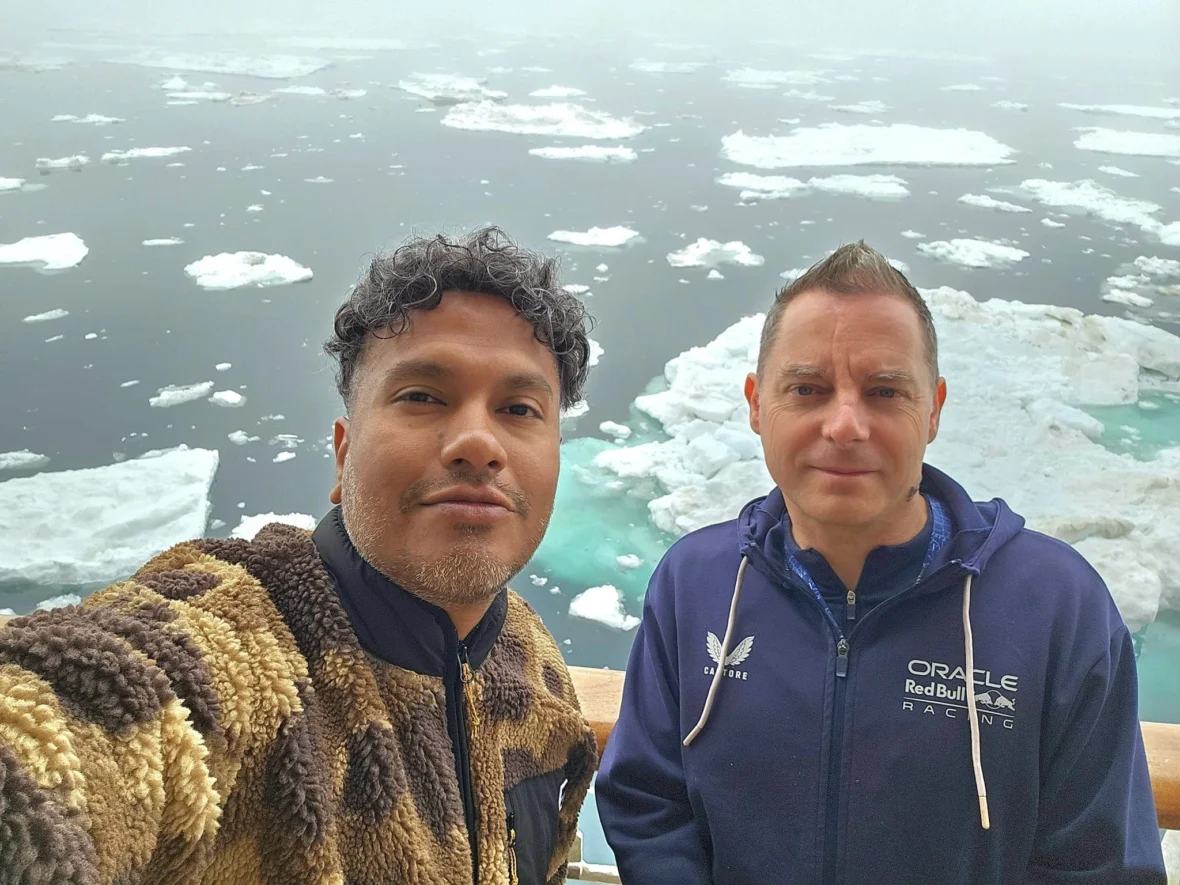
The Arctic Circle, a realm of ice and wonder, beckons adventurers to its frozen frontiers. Our journey aboard Holland America Line’s Westerdam during the Alaska Arctic Circle Solstice cruise was a transformative experience, weaving together the raw beauty of the Bering Sea, the thrill of the Polar Bear Plunge, and the majesty of Arctic wildlife. This blog post dives deep into the history of the Bering Sea, Alaska, and shares our immersive experience exploring one of Earth’s most pristine regions. Prepare for a comprehensive, captivating tale of adventure that will inspire your own Arctic dreams.
Table of Contents
The History of the Bering Sea, Alaska, United States
A Sea Steeped in Time and Exploration
The Bering Sea, nestled between the Alaskan mainland and Russia’s eastern shores, is a vast, enigmatic body of water that has shaped human history and ecosystems for millennia. Named after Danish explorer Vitus Bering, who charted its waters in the 18th century under Russian command, the sea is a critical link between the Pacific and Arctic Oceans. Its history is a tapestry of Indigenous resilience, exploration, and modern challenges, making it a fascinating backdrop for our Arctic Circle cruise.
Indigenous Roots and Early Human Presence
Long before European explorers arrived, the Bering Sea was home to vibrant Indigenous cultures, including the Yup’ik, Inupiat, and Aleut peoples. Archaeological evidence suggests human presence in the region dating back over 10,000 years, with communities thriving on the sea’s abundant resources. Seals, whales, and fish sustained these cultures, while the harsh environment fostered ingenuity, seen in tools like kayaks and harpoons crafted from bone and driftwood.
The Bering Sea has been a lifeline for Indigenous peoples, its waters teeming with life and stories passed down through generations.
The Bering Land Bridge, a now-submerged connection between Asia and North America, played a pivotal role in human migration. During the last Ice Age, this bridge allowed early humans and animals to cross into the Americas, shaping the continent’s ecological and cultural landscape. Today, the Bering Sea remains a cultural cornerstone for Alaska Native communities, who continue to practice traditional subsistence lifestyles.
European Exploration and the Age of Discovery
The Bering Sea entered European consciousness in the 1720s when Vitus Bering, commissioned by Peter the Great of Russia, embarked on expeditions to map the region. His voyages confirmed the separation between Asia and North America, though Bering himself perished in 1741 on what is now Bering Island. His legacy endures in the sea’s name and the region’s allure for explorers.
Russian colonization followed, with fur traders exploiting the sea’s sea otters and seals. The 1867 purchase of Alaska by the United States shifted control, but the Bering Sea remained a frontier. Its waters became a battleground for international fishing disputes, notably the 1880s Bering Sea Fur-Seal Controversy, which pitted the U.S. against Britain and Canada over sealing rights. Diplomatic agreements eventually established conservation measures, foreshadowing modern environmental concerns.
The Gold Rush and Economic Boom
The late 19th century brought new activity to the Bering Sea with the Klondike Gold Rush. Prospectors flocked to Nome, a Bering Sea coastal town, transforming it into a bustling hub. The sea served as a vital transportation route, though its treacherous storms and ice posed constant threats. Nome’s gold rush legacy endures, with historic sites dotting its shores, offering a glimpse into this frenzied era.
Modern Significance and Environmental Challenges
Today, the Bering Sea is one of the world’s most productive marine ecosystems, supporting massive fisheries for crab, pollock, and salmon. It’s also a critical habitat for wildlife, including polar bears, walruses, and migratory birds. However, climate change poses significant threats. Warming waters and melting sea ice disrupt ecosystems, impacting both wildlife and Indigenous communities reliant on traditional hunting.
The Bering Sea is a paradox—a place of abundance and fragility, where nature’s resilience meets humanity’s impact.
Scientific research, such as that conducted by the NOAA Arctic Program, underscores the sea’s importance in global climate systems. Its history of exploration continues through modern expeditions, including cruises like ours, which offer travelers a chance to witness its beauty while raising awareness of its conservation needs.
Key Historical Milestones of the Bering Sea
- 10,000+ years ago: Indigenous peoples thrive along the Bering Sea, utilizing its resources.
- 1728-1741: Vitus Bering’s expeditions map the sea, confirming the Asia-North America divide.
- 1867: U.S. purchases Alaska, integrating the Bering Sea into American territory.
- 1898-1900: Nome Gold Rush transforms the Bering Sea coast into an economic hub.
- 20th century: International agreements regulate fishing and sealing, addressing overexploitation.
- 21st century: Climate change emerges as a critical challenge, prompting global research efforts.
The Bering Sea’s history is a testament to its enduring significance, from ancient migrations to modern conservation battles. As we sailed its waters aboard the Westerdam, this rich past added depth to our Arctic adventure.
Our Arctic Circle Adventure: A Journey Through the Bering Sea
Embarking on the Westerdam’s Alaska Arctic Circle Solstice Cruise
Our journey began with a surge of anticipation as we boarded Holland America Line’s Westerdam for the Alaska Arctic Circle Solstice cruise. The ship, elegant yet equipped for polar exploration, promised an immersive experience into the Arctic’s untouched wilderness. As we set sail toward the Bering Sea, the crisp air and distant horizon hinted at the wonders awaiting us.
To sail into the Arctic Circle is to step into a world where nature reigns supreme, untouched by time.
The Westerdam was our floating home, offering luxurious amenities alongside educational programs about the Arctic’s ecology and history. From the moment we departed, the crew’s enthusiasm for the journey was infectious, setting the stage for an unforgettable adventure.

The Bering Sea: A Frozen Sea Adventure
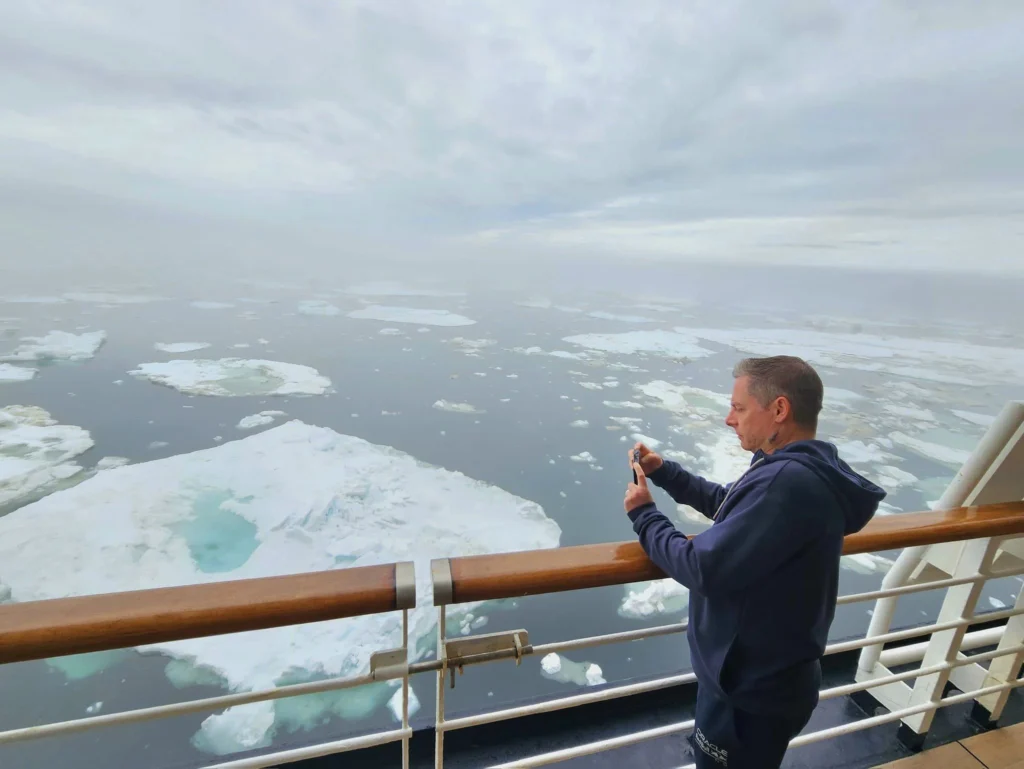
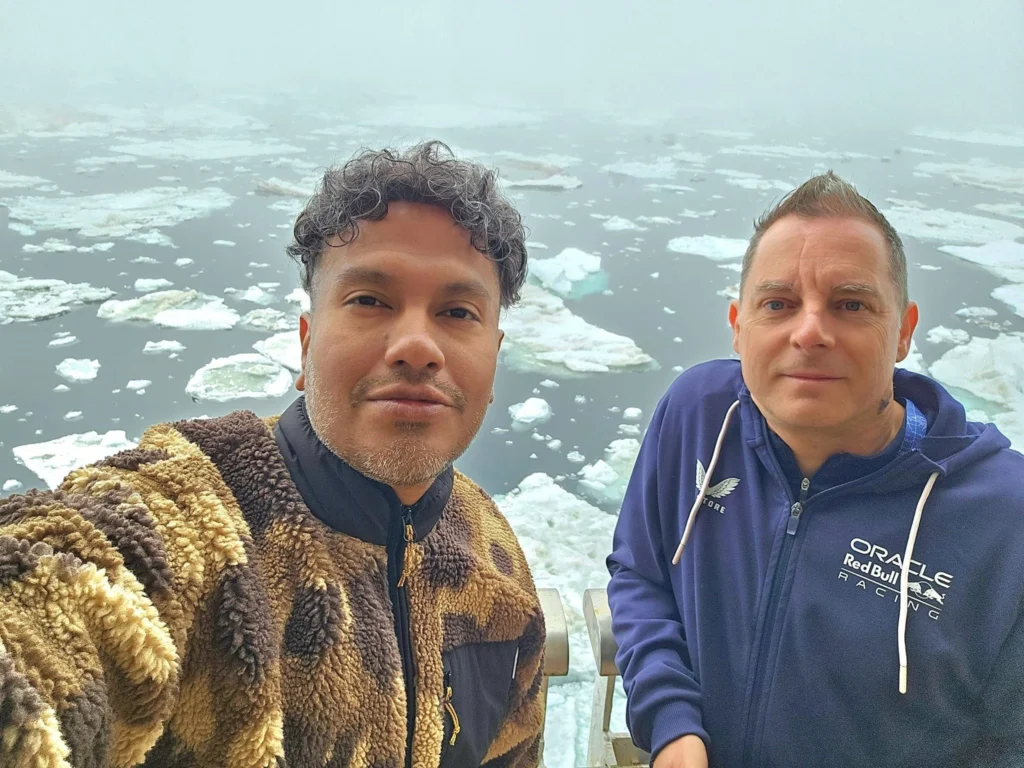
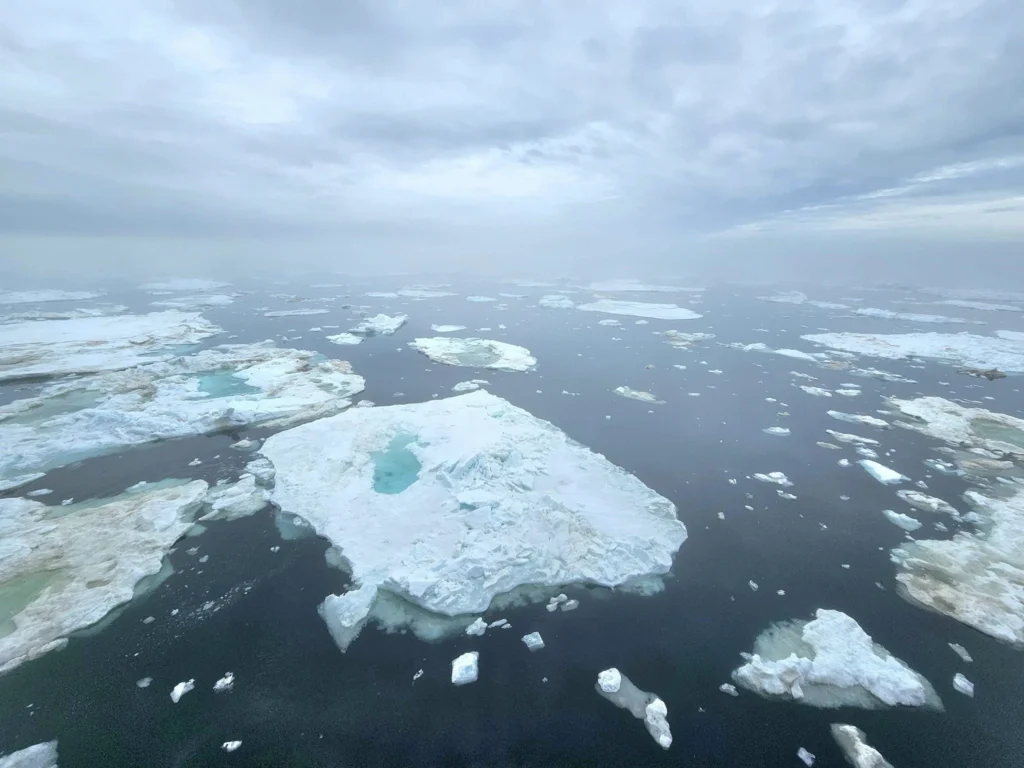
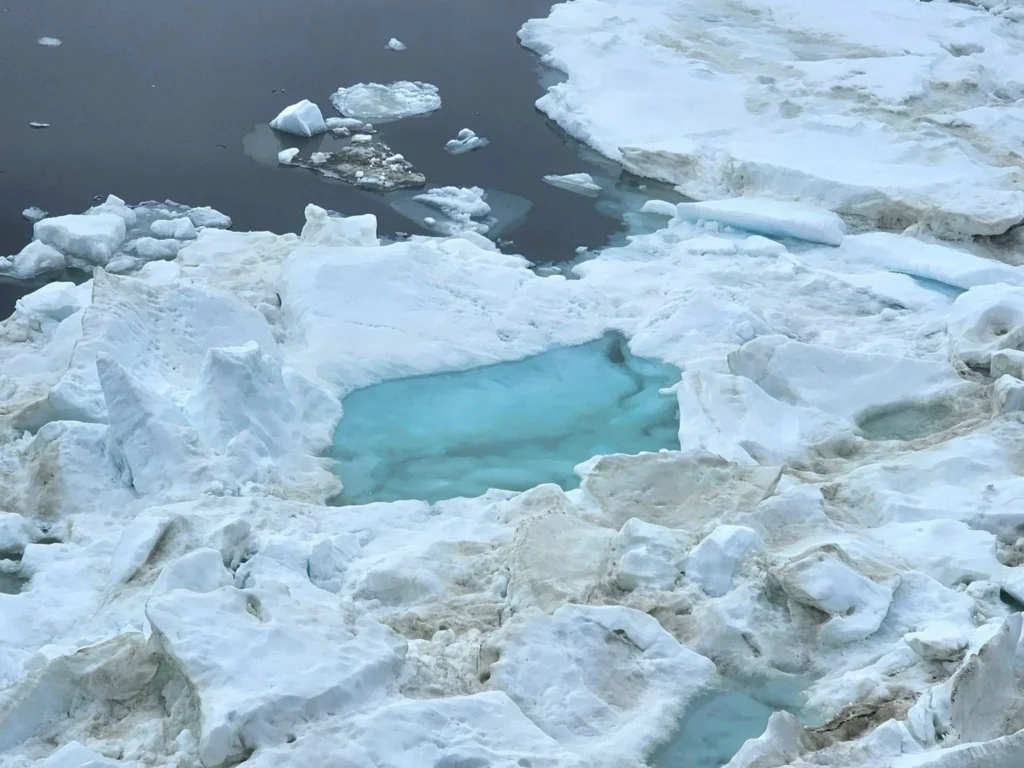
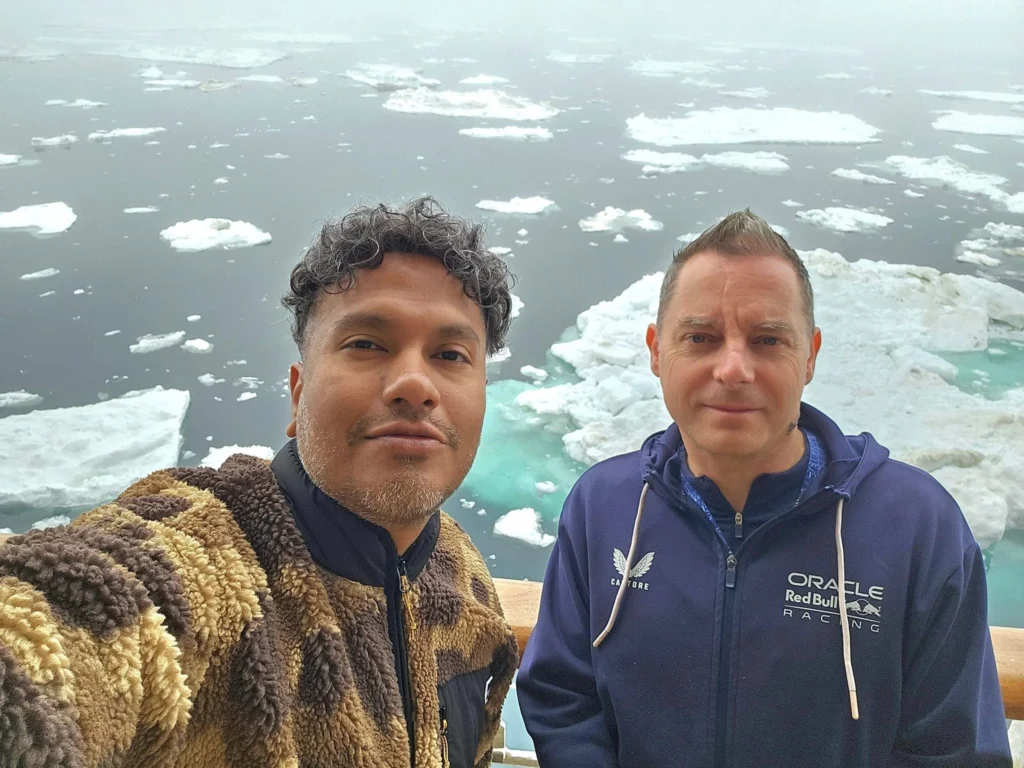
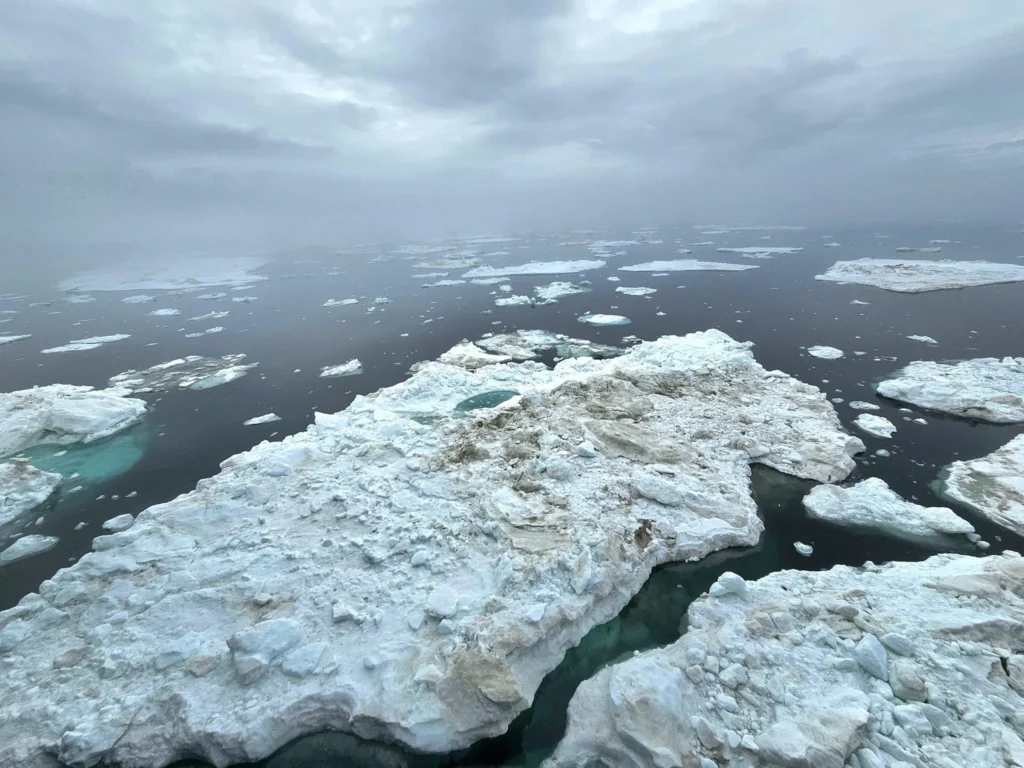
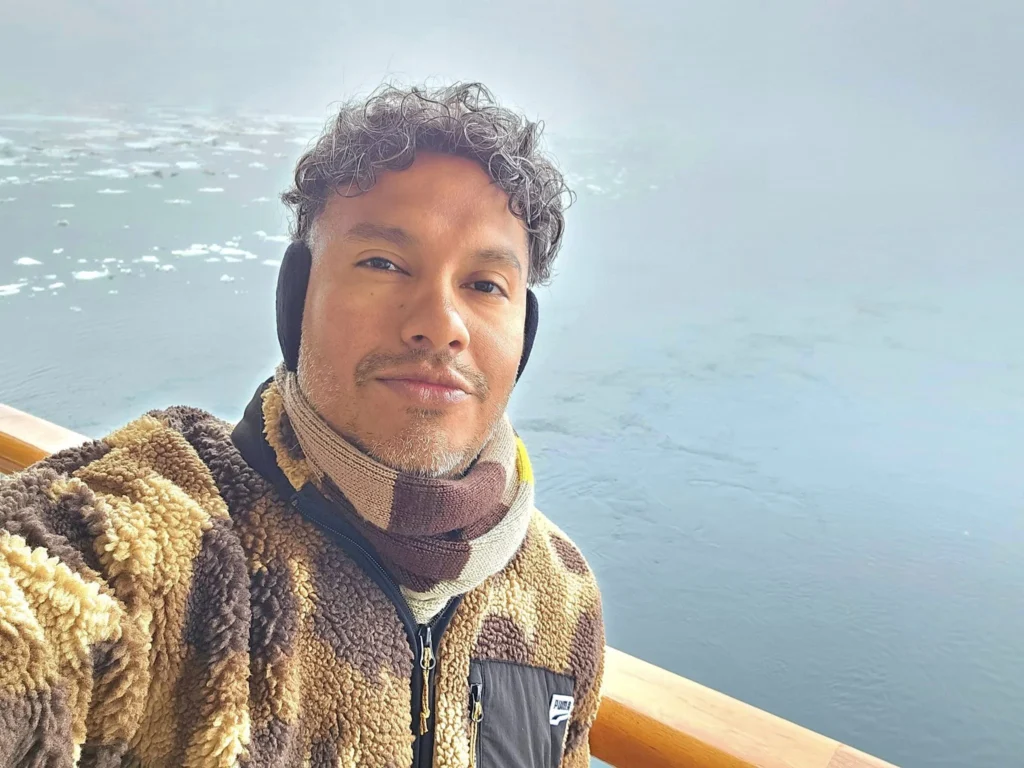
As we entered the Bering Sea, the landscape transformed into a surreal tableau of ice and water. The Frozen Sea Adventure unfolded before us, with jagged ice floes drifting across the deep blue expanse. These massive ice formations, some as large as small islands, created a dynamic environment that felt alive with movement.
Ice Floe Viewing: A Mesmerizing Spectacle
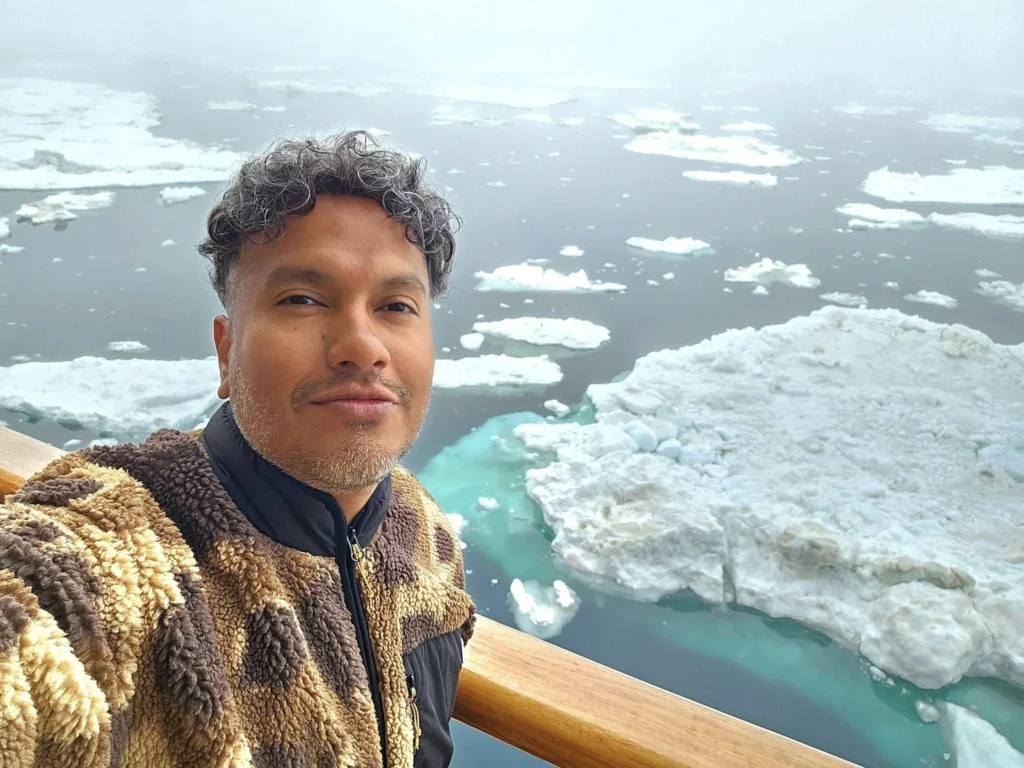
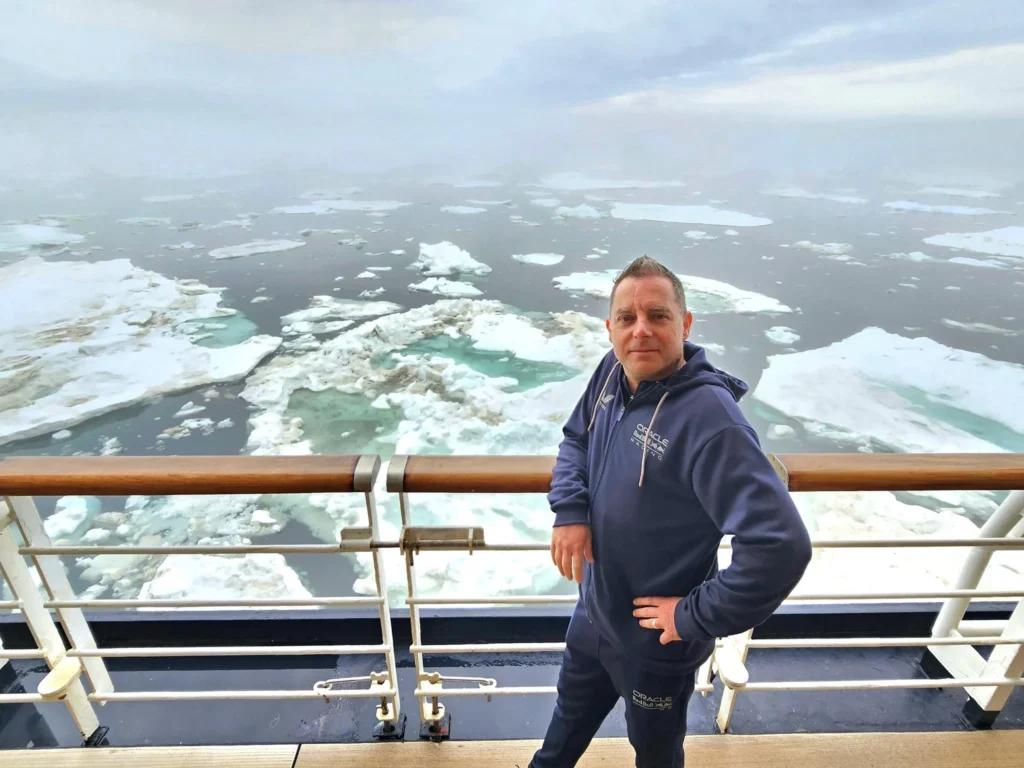
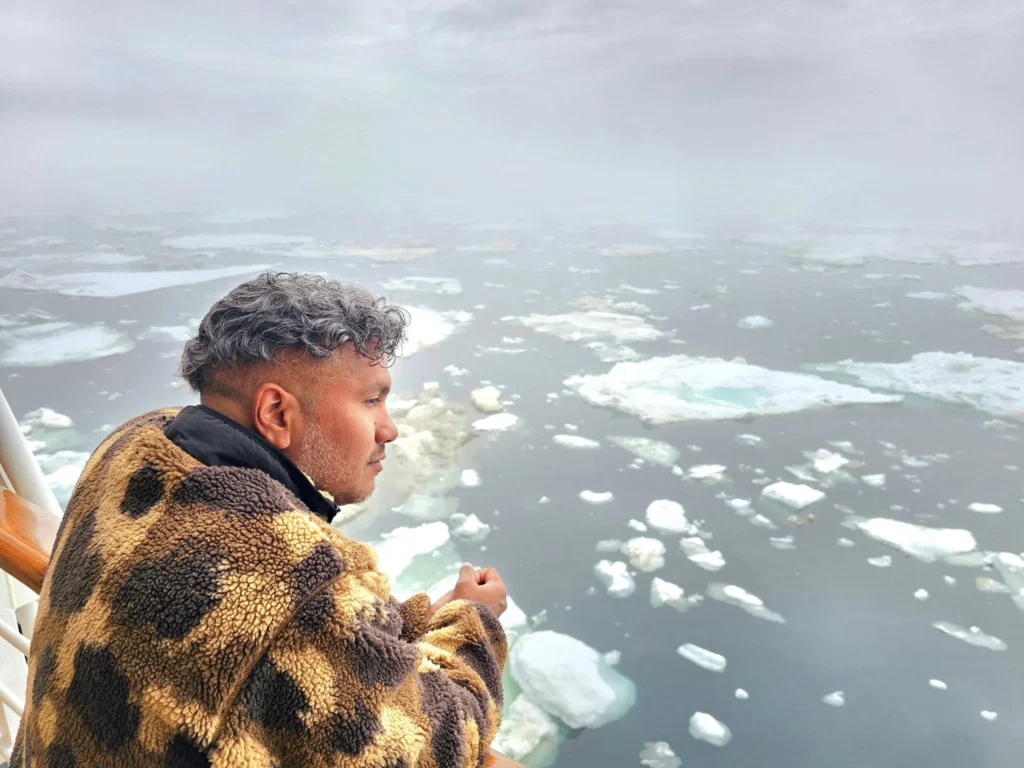
The Ice Floe Viewing Cruise was a highlight of our Bering Sea exploration. From the Westerdam’s observation decks, we marveled at the scale and beauty of the ice floes. Their surfaces, sculpted by wind and waves, glistened under the Arctic sun, casting reflections that danced across the water.
In the dance of the ice floes and the whispers of the wind, we are reminded of the wild, untouched world we have the privilege to witness.
The ship navigated carefully through the ice-filled waters, offering close-up views of these natural sculptures. Each floe was unique, some smooth and others jagged, creating a landscape that felt both ancient and ever-changing. The silence of the sea, broken only by the occasional crack of shifting ice, added to the sense of awe.
Arctic Wildlife: Encounters with Nature
The Bering Sea’s wildlife added another layer of magic to our journey. During our Arctic Wildlife Cruise, we spotted seals lounging on ice floes, their sleek bodies glistening in the sunlight. Seabirds, including puffins and guillemots, soared above, diving into the water in search of fish. In the distance, a whale’s spout broke the surface, eliciting gasps from fellow passengers.
These encounters underscored the Bering Sea’s ecological richness. The NOAA Arctic Program highlights the region’s role as a critical habitat, and witnessing it firsthand deepened our appreciation for its fragility. The crew’s naturalists provided insights into the animals’ behaviors, emphasizing the need for conservation in this rapidly changing environment.

Witnessing the Polar Bear Plunge: A Thrilling Spectacle
A standout moment was watching the Polar Bear Plunge Experience on the Westerdam’s Lido deck. Though we didn’t take the plunge ourselves, observing fellow passengers dive into the chilled pool was exhilarating. The event, designed to mimic the Arctic’s icy waters, was a celebration of courage and camaraderie.
The Build-Up to the Plunge
The Lido pool was transformed into an Arctic-inspired arena, with crew members chilling the water to simulate Bering Sea temperatures. Passengers gathered, some in swimsuits ready to plunge, others like us watching with anticipation. The atmosphere buzzed with excitement, laughter, and cheers as the crew briefed participants.
The cold is not just a challenge; it’s a triumph of the spirit, a moment where nature and courage collide.
The sense of community was palpable. Spectators clapped and shouted encouragement, creating a festive vibe that made the event unforgettable, even for those of us on the sidelines.
The Plunge in Action
As participants leaped into the icy pool, their gasps and laughter filled the air. The shock of the cold was evident on their faces, quickly replaced by triumphant smiles. Watching them emerge, wrapped in towels and beaming with pride, was infectious. Certificates awarded to plungers added a playful touch, and we cheered alongside them, caught up in the shared joy.
Though we didn’t plunge, observing this Arctic tradition connected us to the region’s raw power. It was a highlight that captured the cruise’s spirit of adventure.


Exploring the Arctic Circle: A Journey of Wonder
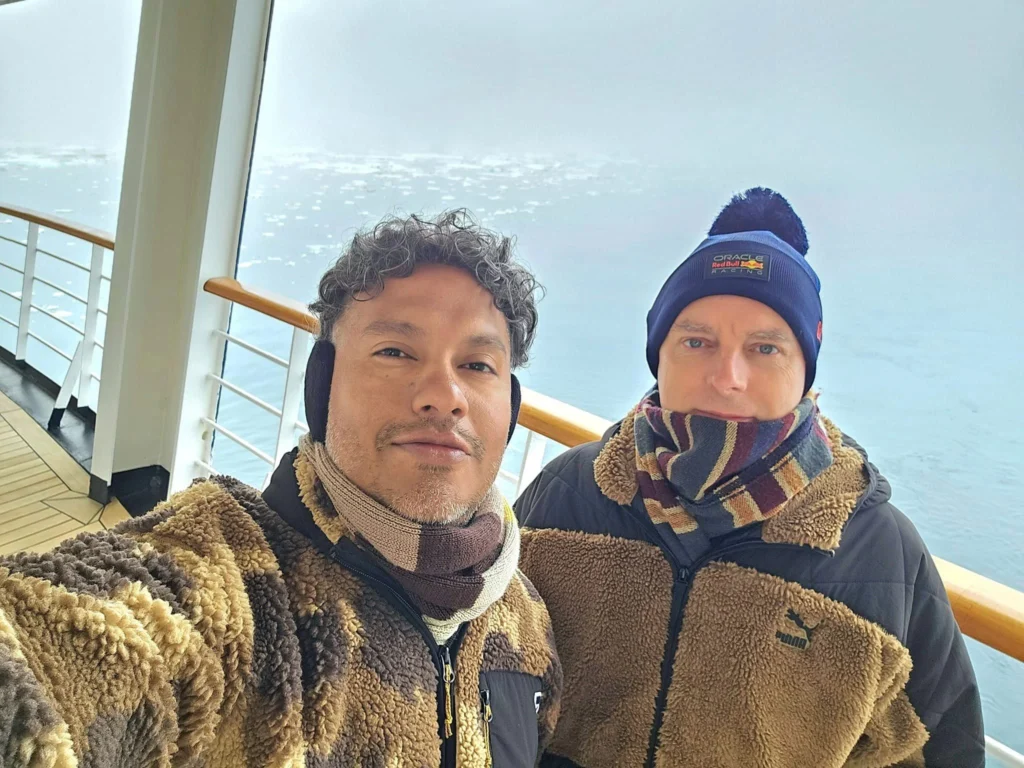
Beyond the plunge and ice floes, our Arctic Circle Expedition offered countless moments of discovery. The Westerdam’s route took us deep into the Arctic, where the sun hovered low on the horizon, casting a golden glow over the landscape. This Northern Hemisphere Cruise felt like a voyage to the edge of the world, where time and civilization seemed to fade away.
Glaciers and Icebergs: Nature’s Masterpieces
The sight of towering glaciers and drifting icebergs left us speechless. These massive structures, sculpted over centuries, stood as testaments to the Arctic’s enduring beauty. From the ship’s decks, we watched as chunks of ice calved from glaciers, sending ripples across the water.The interplay of light and ice created a kaleidoscope of colors, from deep blues to sparkling whites. These moments, captured in photos but etched in memory, highlighted the Arctic’s ability to inspire awe at every turn.
Cultural Connections:
Learning from the ArcticThe Westerdam’s onboard programs enriched our understanding of the Arctic’s cultural and environmental significance. Lectures on Indigenous history and climate change provided context for the landscapes we explored. We learned about the Yup’ik and Inupiat communities, whose traditions remain deeply tied to the Bering Sea.
These insights transformed our journey into more than a sightseeing trip. It became a chance to reflect on humanity’s relationship with the Arctic and our responsibility to protect it.
Reflecting on the Journey
As our cruise neared its end, we gathered on the Westerdam’s decks to watch the Bering Sea fade into the distance. The memories of ice floes, wildlife, and the Polar Bear Plunge lingered, each a thread in the tapestry of our adventure. This wasn’t just a cruise; it was a transformative experience that connected us with nature’s raw beauty.
This journey wasn’t just about seeing the Arctic; it was about feeling it, a deep connection to one of Earth’s last frontiers.
The Arctic Circle Solstice cruise aboard the Westerdam offered a rare opportunity to explore a region few will ever witness. It left us with a renewed appreciation for the planet’s wild places and a desire to advocate for their preservation.


Conclusion: The Ultimate Arctic Adventure
Our Arctic Circle cruise was a journey of discovery, adventure, and connection. From the Bering Sea Exploration to the Polar Bear Plunge Experience, every moment was filled with wonder. The Westerdam provided the perfect platform to explore the Arctic’s landscapes and wildlife, while the crew’s expertise ensured a seamless and enriching experience.
The Bering Sea, with its rich history and vibrant ecosystems, served as a breathtaking backdrop. This adventure wasn’t just about seeing the Arctic—it was about immersing ourselves in its untamed beauty and carrying its lessons forward. Whether you’re a seasoned traveler or a first-time cruiser, the Alaska Arctic Circle Solstice cruise is an experience that will stay with you forever.





Whispers of the Arctic: A Polar Bear Plunge Adventure
Beneath the sky where silence sings,
The Arctic’s chill, its beauty clings.
A Bering Sea, both wild and deep,
Where ice floes drift and cold winds sweep.

We sailed toward a realm untamed,
A frozen world, by nature framed.
An Arctic Circle far and wide,
Where icy waters kiss the tide.

Through glaciers’ whispers, past ice’s gleam,
A polar plunge, a frozen dream.
The pool, though warm, did not betray
The thrill of ice from far away.

A shiver, a gasp, the cold embrace,
Then laughter echoed through the space.
A challenge faced, a victory won,
Under the Northern Hemisphere's sun.

With every wave, with every gust,
We marveled at this frozen trust.
In awe of lands where few have roamed,
In Arctic beauty, we felt at home.

The ice floes dance, the sea still calls,
And in our hearts, the adventure stalls.
A memory carved in time and space—
The Polar Bear Plunge, a bold embrace.