**Big Upgrade Coming Soon from Danny and Peter!**
We’re merging and refreshing all our cruise port guides into beautiful new master posts with hundreds of photos and 2026 tips.
This guide will be fully updated soon – stay tuned for the new version!
In the meantime, check our latest posts or subscribe for updates.
Embarking on the Holland America Line’s Nieuw Statendam for the Canary Island Enchantment with Morocco & Portugal cruise promised a blend of cultural immersion, stunning landscapes, and unforgettable adventures. Among the many ports of call, Arrecife, the vibrant capital of Lanzarote in the Canary Islands, stood out as a highlight. This blog post dives deep into the rich history of Arrecife and Lanzarote, followed by a detailed recounting of our exhilarating day exploring the island’s volcanic wonders with a group of newfound friends. From lava caves to Martian-like landscapes, our experience in Arrecife was nothing short of extraordinary.
Table of Contents
The History of Arrecife, Lanzarote, Canary Islands
Early Beginnings: The Majos and Pre-European Times
Lanzarote, the easternmost of the Canary Islands, has a history as dramatic as its volcanic landscapes. Archaeological evidence suggests human presence on the island as early as 1000 BC, with the first inhabitants likely being Berber peoples from North Africa, known locally as the Majos. These early settlers, referred to as Guanches across the Canary Islands, lived in a “Stone Age” state, relying on basic agriculture, fishing, and pastoral activities. They cultivated barley to produce gofio (a coarse flour), kept goats, sheep, and pigs, and gathered wild fruits and shellfish. Their society was polygamous, possibly due to practices like female infanticide to manage limited resources on the arid island.
The Majos called Lanzarote Titerogaka or Titeroigatra, meaning “Rose-coloured Hill,” a nod to the island’s ochre-hued terrain before volcanic eruptions reshaped it. The island’s lush vegetation, evident from pollen analysis, began to decline with the introduction of pastoral animals and cereal farming, setting the stage for Lanzarote’s stark beauty. Despite their isolation, the Majos had minimal contact with Phoenicians and Romans, as evidenced by Roman potsherds and metal artifacts found at sites like El Bebedero in Teguise, dated between the 1st and 4th centuries.
The Majos lived in harmony with Lanzarote’s rugged terrain, shaping its early identity with their simple yet resilient way of life.
European Rediscovery and Conquest
Lanzarote’s modern history began with its rediscovery in 1312 by Genoese navigator Lancelotto Malocello, whose name inspired the island’s current moniker. Appearing on the 1339 Dulcert Atlas as Insula de Lançarote Mallucellus, the island drew European attention for its resources and strategic location. However, early expeditions often focused on capturing natives for slavery or harvesting orchilla, a lichen used for dye.
The definitive conquest began in 1402 when Norman privateers Jean de Bethencourt and Gadifer de la Salle landed at Costa del Rubicón, near modern-day Playa Blanca. They found a depopulated island with only about 300 Majos, led by Mencey Guardafia, son of the legendary Princesa Ico. Guardafia, seeking protection from pirates, signed a non-aggression pact with the invaders. Bethencourt later appointed his nephew Maciot as governor, marking the start of Spanish colonization. Unlike the fiercer resistance on Tenerife and Gran Canaria, Lanzarote’s conquest was relatively swift, setting the stage for its integration into the Spanish Crown.
Arrecife’s Rise as a Port and Capital
Arrecife, named for the volcanic reef (arrecife in Spanish) that shelters its coast, emerged as a small fishing settlement in the 15th century. Its natural lagoon, Charco de San Ginés, earned it the nickname “Venice of the Atlantic” and served as a safe anchorage for small boats. The settlement’s strategic importance grew with the construction of the Castillo de San Gabriel in the late 16th century to fend off pirate attacks, followed by the Castillo de San José in the 18th century.
By the 17th century, Arrecife’s port facilitated trade with mainland Spain and Spanish colonies in the Americas, handling goods like cochineal, a crimson dye derived from scale insects on cacti. The Church of San Ginés, built around 1630, became a cultural cornerstone, dedicated to Saint Genesius of Clermont, the patron saint of vineyards and sailors. Arrecife gained city status in 1812 and replaced Teguise as Lanzarote’s capital in 1852, reflecting its growing commercial and administrative significance.
Volcanic Transformations and Modern Development
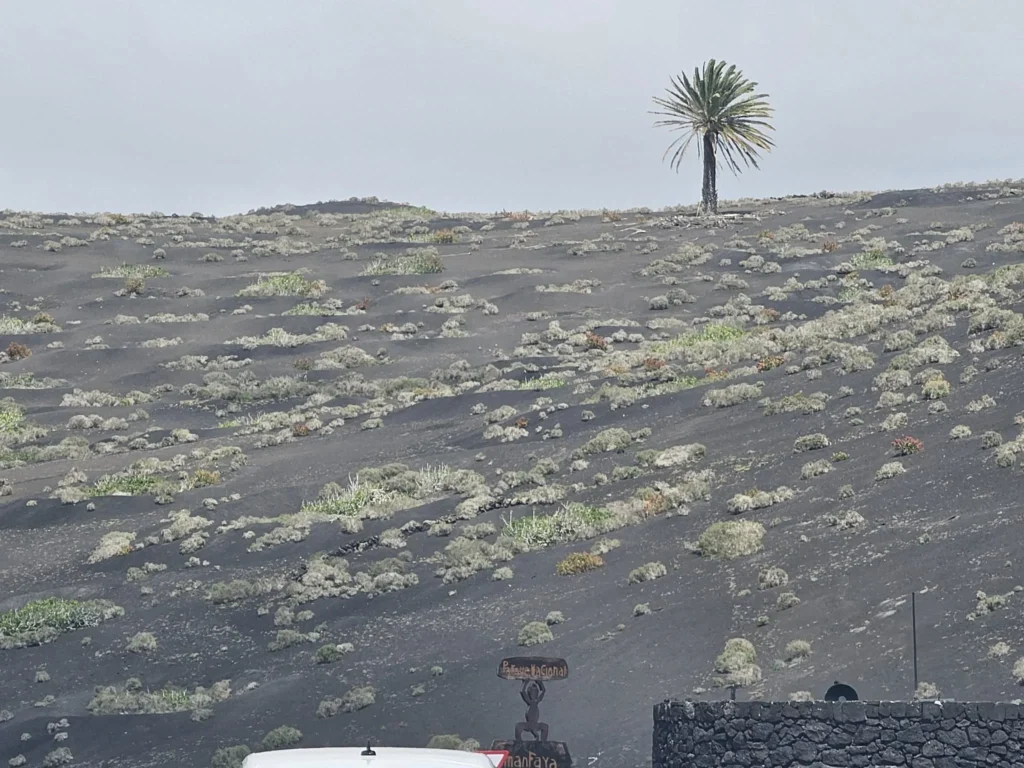
Lanzarote’s landscape was dramatically altered by volcanic eruptions between 1730 and 1736, which buried 11 villages and created the surreal terrain of Timanfaya National Park. A final eruption in 1824 further shaped the island, leaving behind the Montañas del Fuego (Fire Mountains), where heat still emanates from the ground. These events influenced Arrecife’s development, as the island’s arid climate and volcanic soil necessitated innovative farming techniques, such as terraced vineyards protected by lava stone walls.
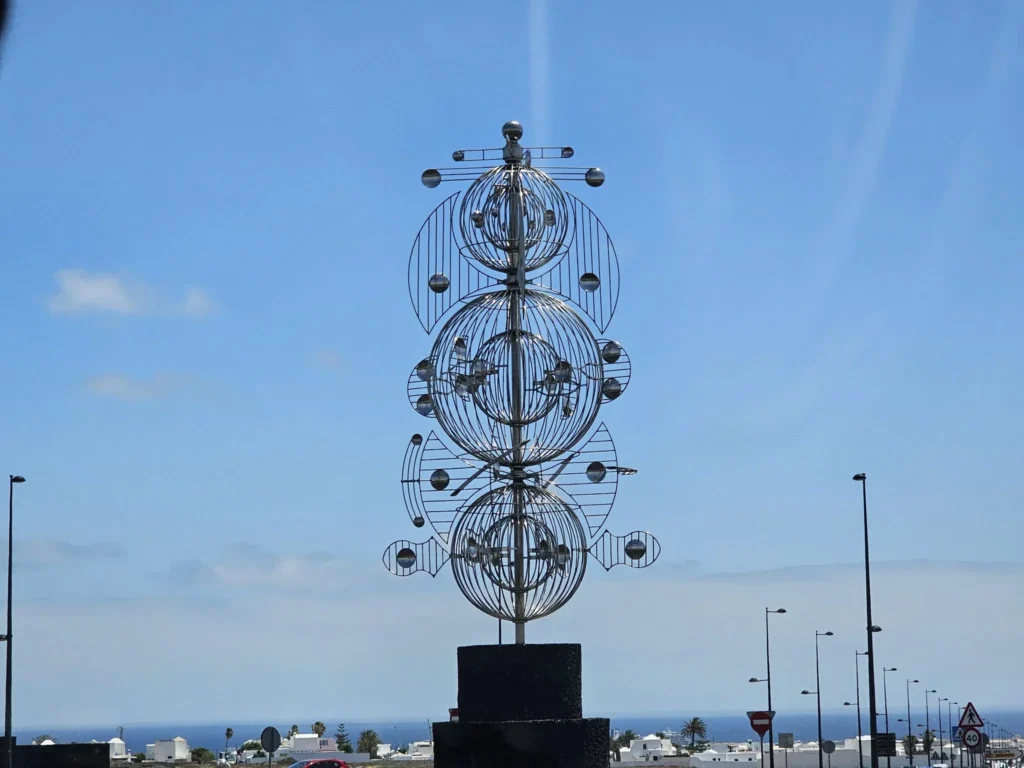
The 20th century saw Arrecife evolve into a bustling port city, with the Port of Arrecife (Puerto de los Mármoles) becoming the second busiest in the Canary Islands for passenger traffic. The city’s population grew to 64,645 by 2020, supported by agriculture, trade, and a booming tourism industry. The influence of local artist César Manrique (1919–1992) was pivotal, as he championed sustainable development, preserving Lanzarote’s unique character through projects like the Charco de San Ginés renovation and cultural sites like Jameos del Agua.
Arrecife Today: A Blend of Tradition and Tourism
Today, Arrecife is a vibrant hub blending its seafaring heritage with modern amenities. The Charco de San Ginés remains the city’s heart, surrounded by whitewashed buildings, fishing boats, and lively restaurants. Weekly markets, such as the Saturday tourist market in Las Palmas Square, showcase local crafts and produce. The city’s cultural offerings, including the Museo Internacional de Arte Contemporáneo in Castillo de San José, reflect its commitment to art and history. Arrecife’s Playa del Reducto, a palm-fringed urban beach, and the Arrecife Gran Hotel, the island’s tallest building, add to its appeal as a cruise port and tourist destination.
Arrecife’s history is a testament to resilience, from its Majo roots to its transformation into a modern capital that honors its volcanic legacy.
Our Adventure in Arrecife: A Day of Exploration and Friendship
Setting Sail on the Nieuw Statendam
Our journey to Arrecife began aboard the Nieuw Statendam, a pinnacle of luxury and comfort with Holland America Line. The Canary Island Enchantment with Morocco & Portugal itinerary promised a tapestry of cultures, and Lanzarote’s volcanic allure was a highlight we eagerly anticipated. As the ship docked at the Port of Arrecife, the sight of the city’s whitewashed buildings and the distant volcanic cones set the stage for an unforgettable day.
A Spontaneous Group Adventure
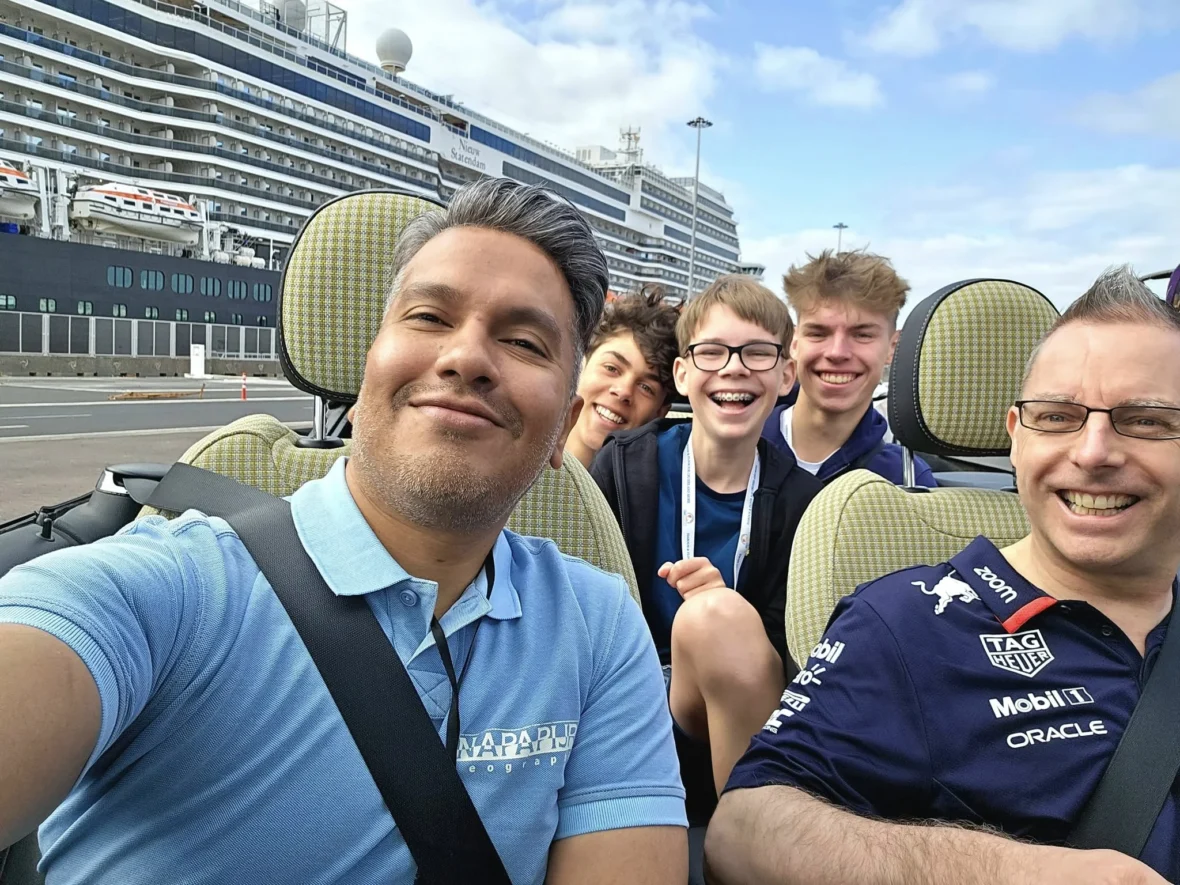
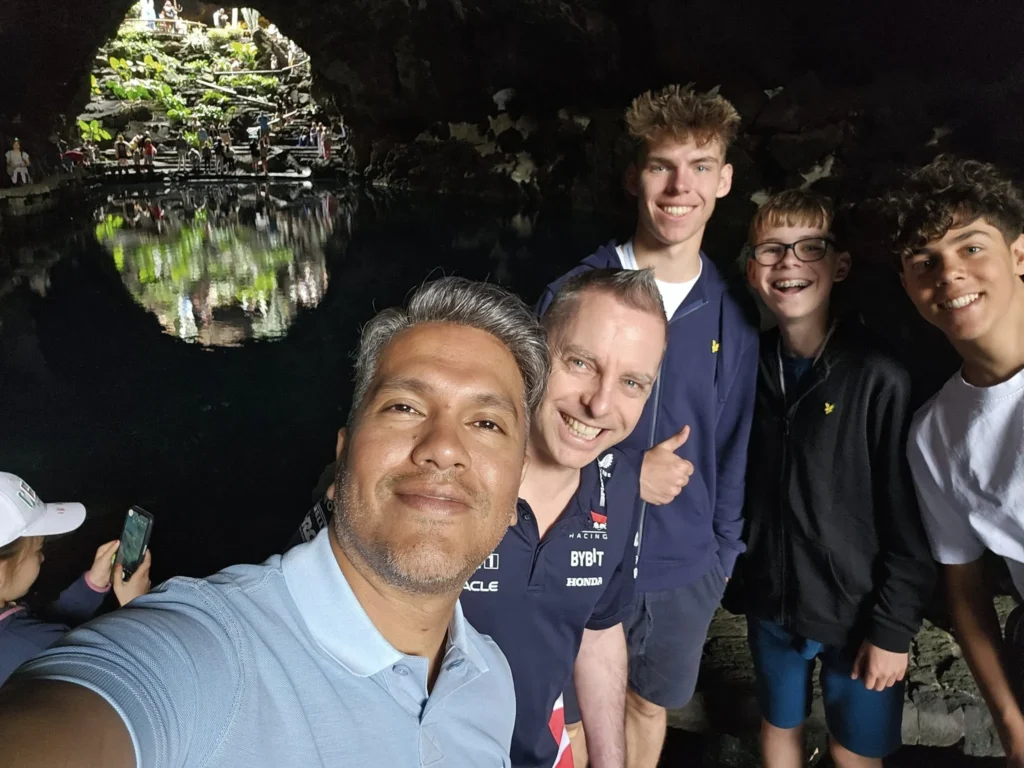
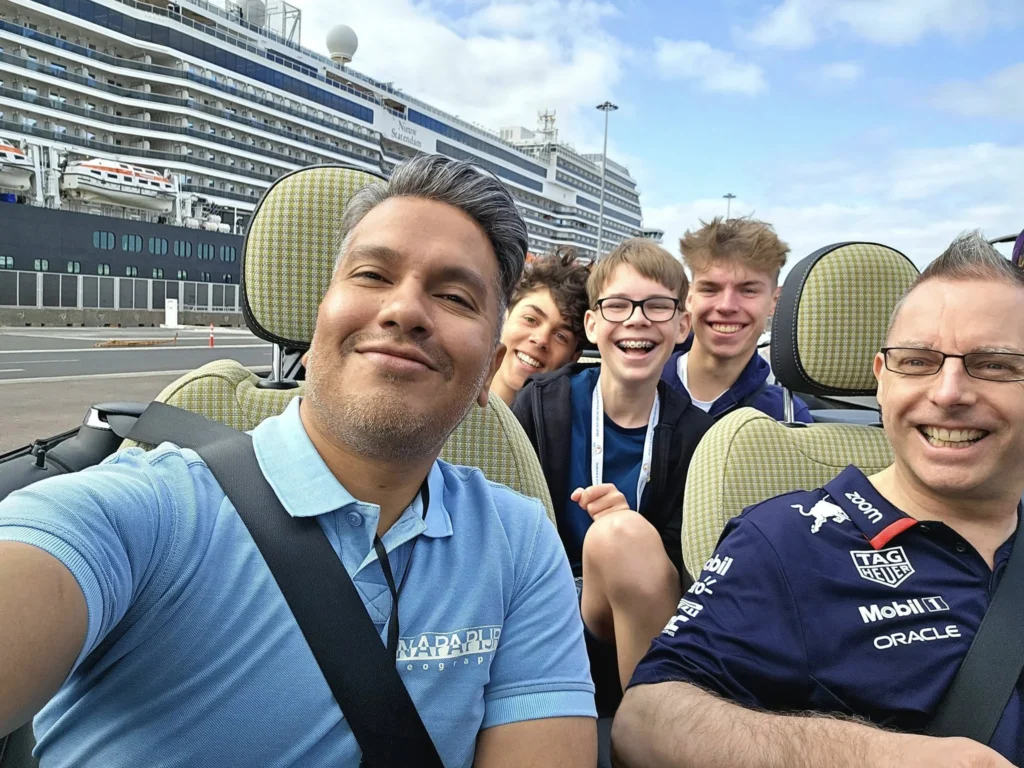
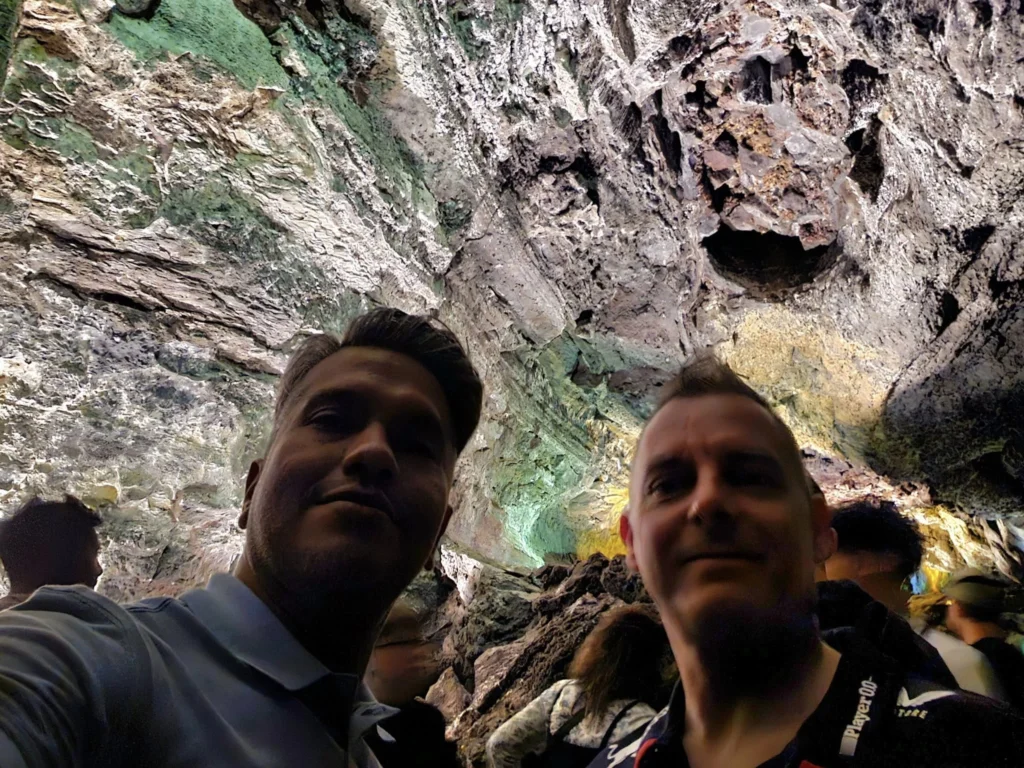
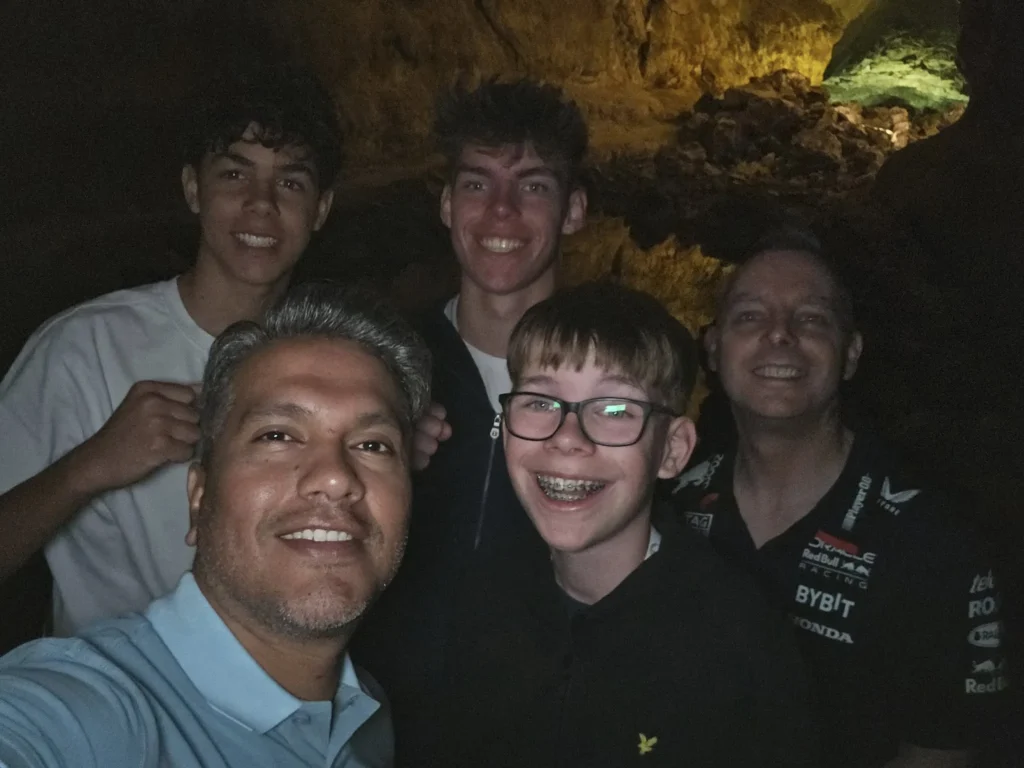
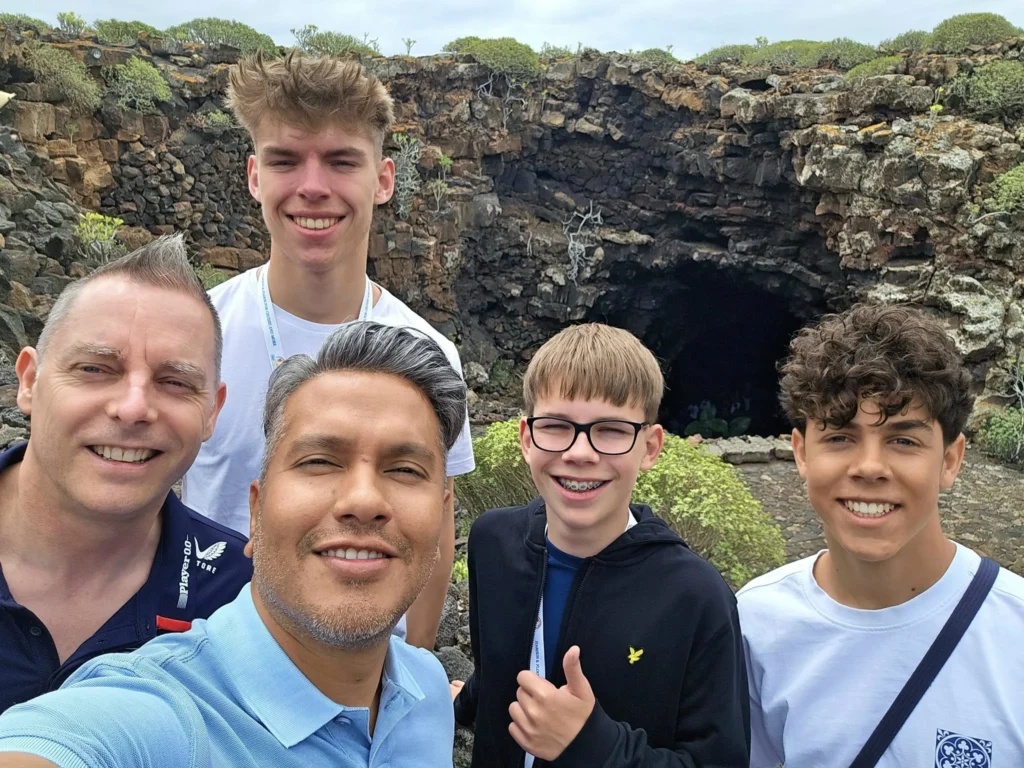
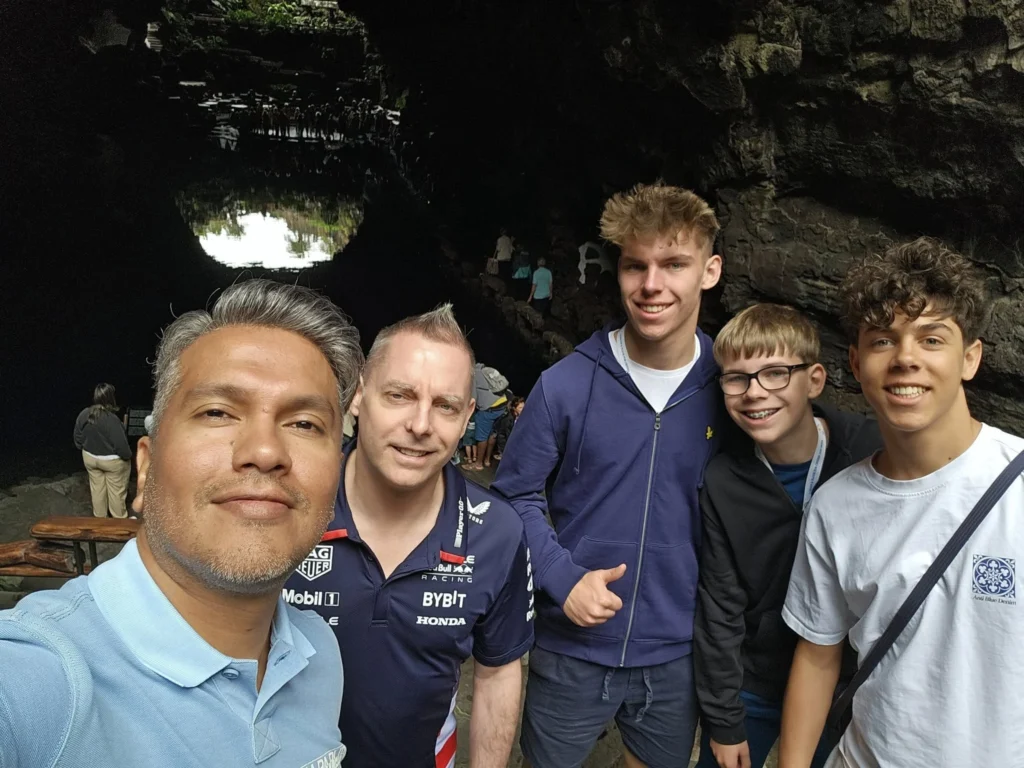
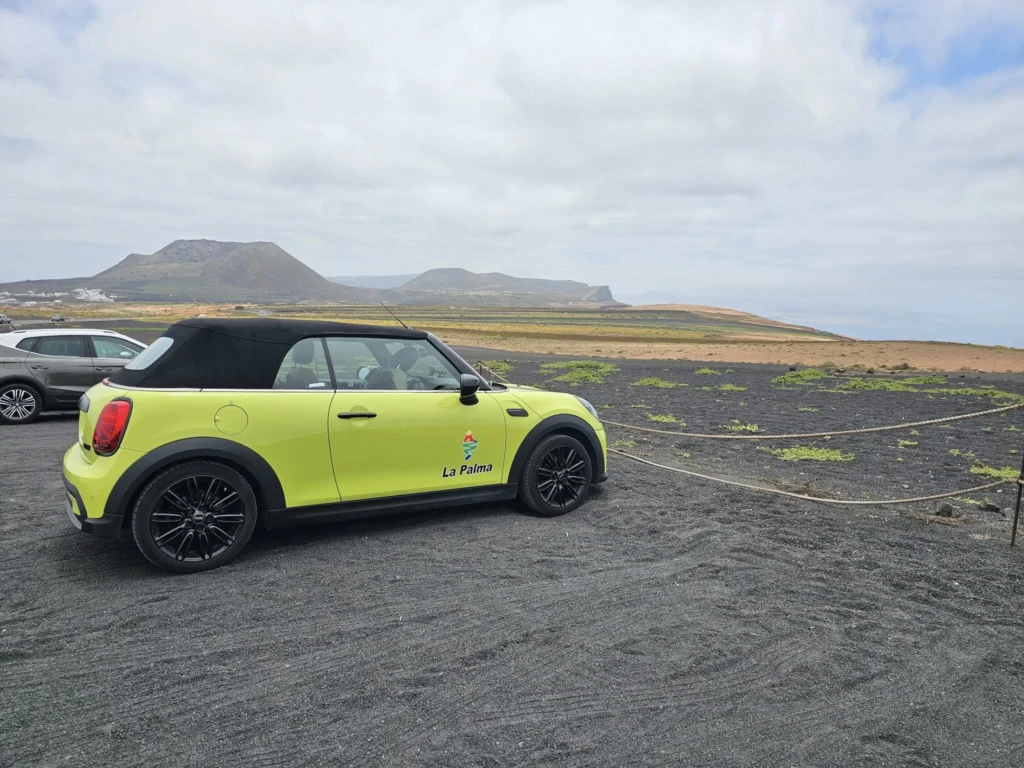
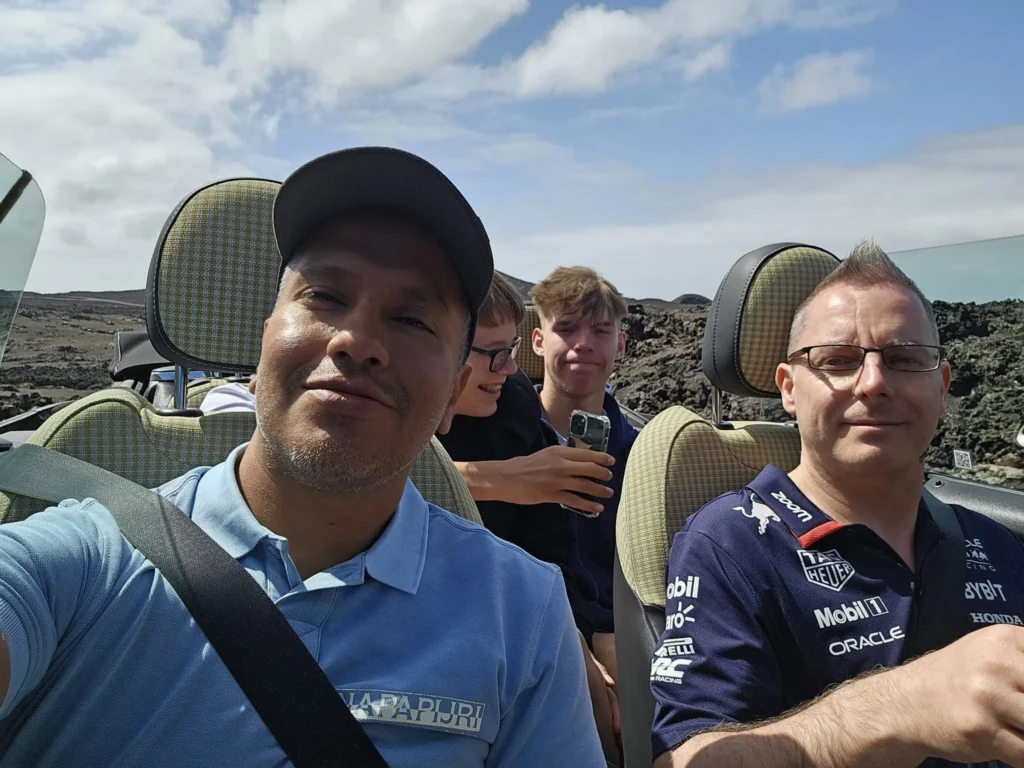
Our group consisted of four—my partner, two nephews, and me—eager to explore Lanzarote’s wonders. We had rented a compact car in advance, perfect for navigating the island’s roads. However, our plans took a delightful turn when our nephews onboard, who had formed a tight-knit group, asked if their new best friend could join us. The challenge? Our car was meant for four, not five.
After some creative problem-solving, we decided to make it work. With a bit of squeezing and a lot of laughter, we piled into the car, the extra passenger adding to the day’s camaraderie. The group’s infectious enthusiasm set the tone for an adventure filled with shared excitement and spontaneous joy.
Squeezing five into a car meant for four wasn’t ideal, but the laughter and stories we shared made it the perfect start to our Lanzarote adventure.

First Stop: Cueva de los Verdes
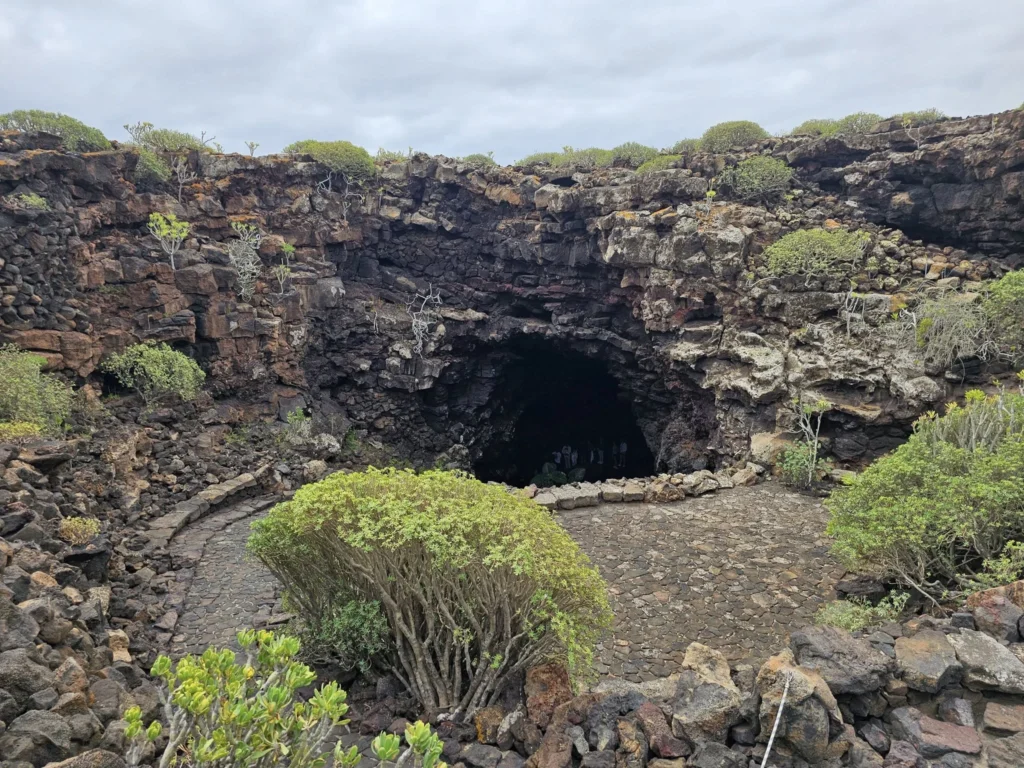
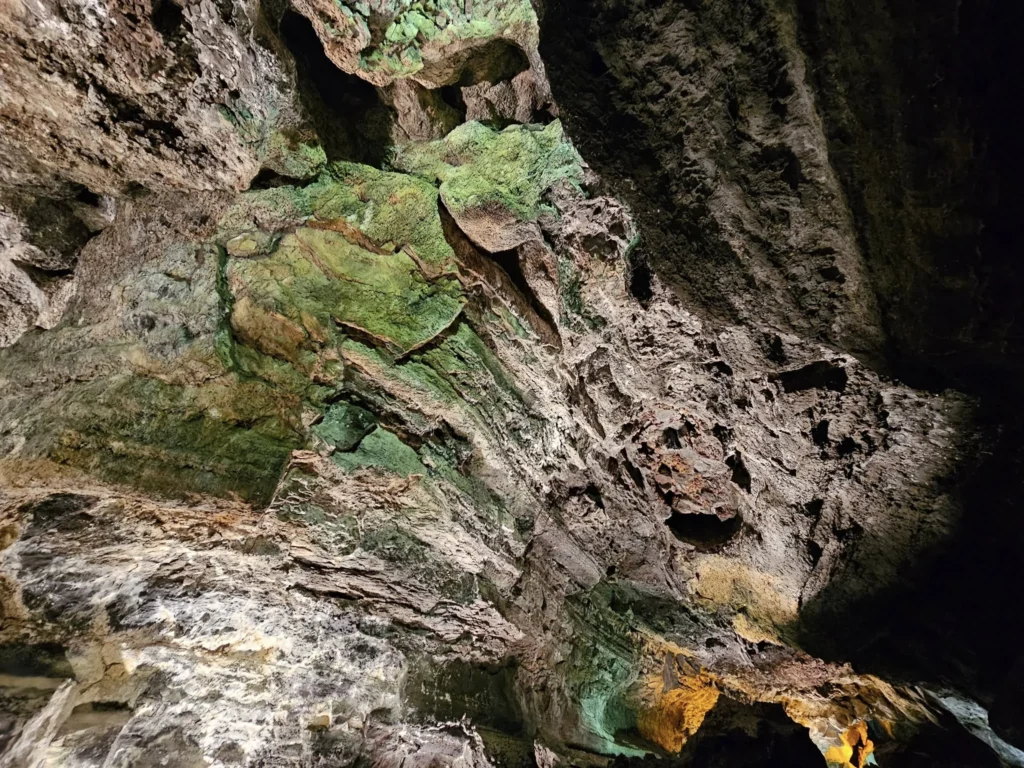
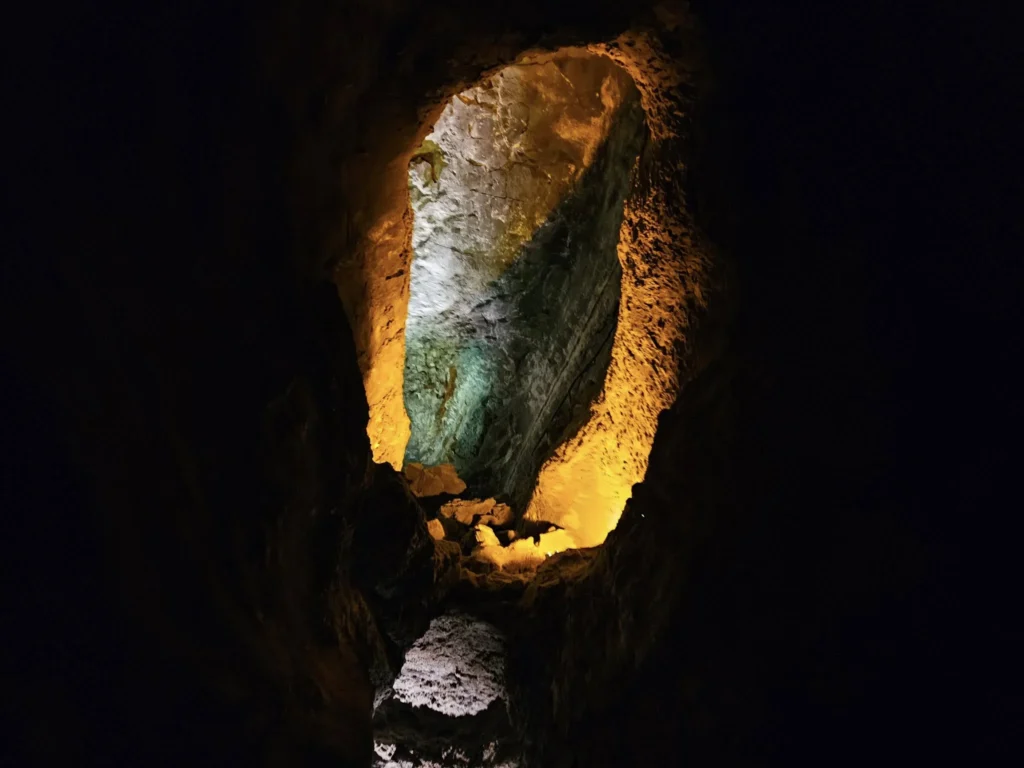
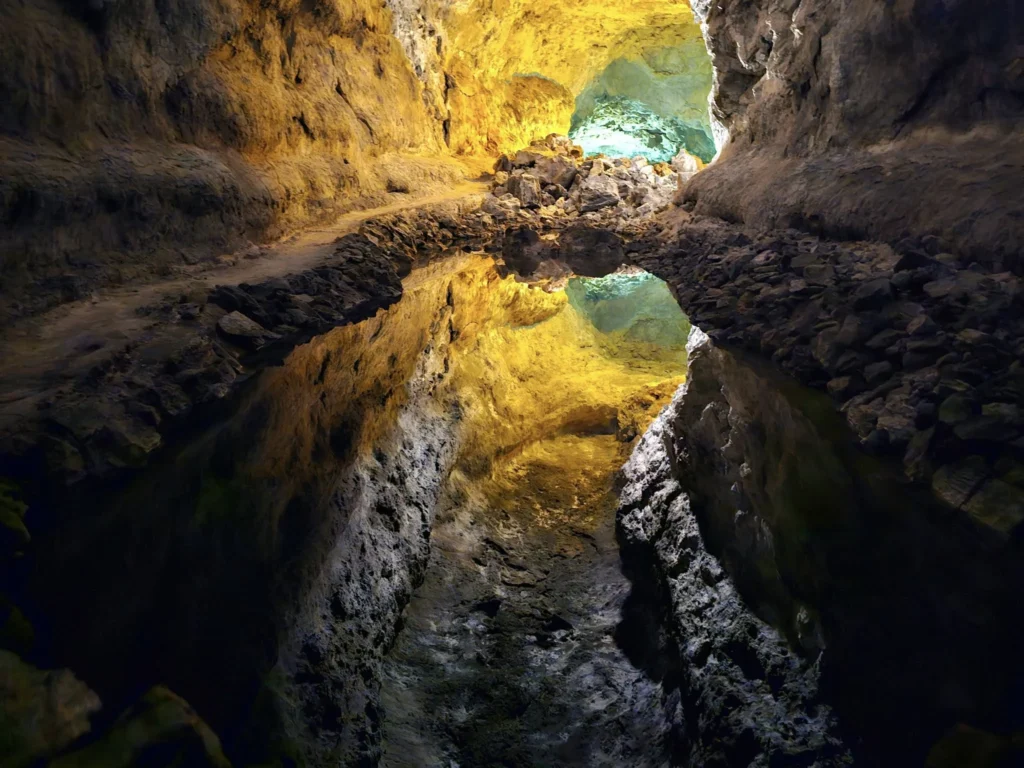
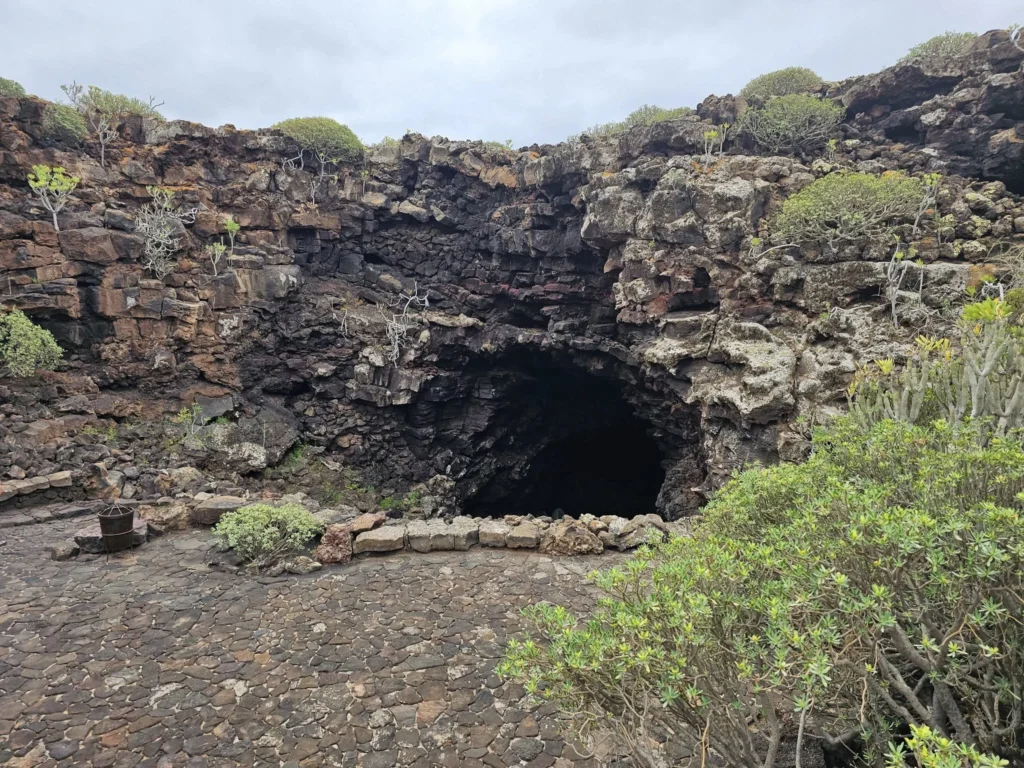
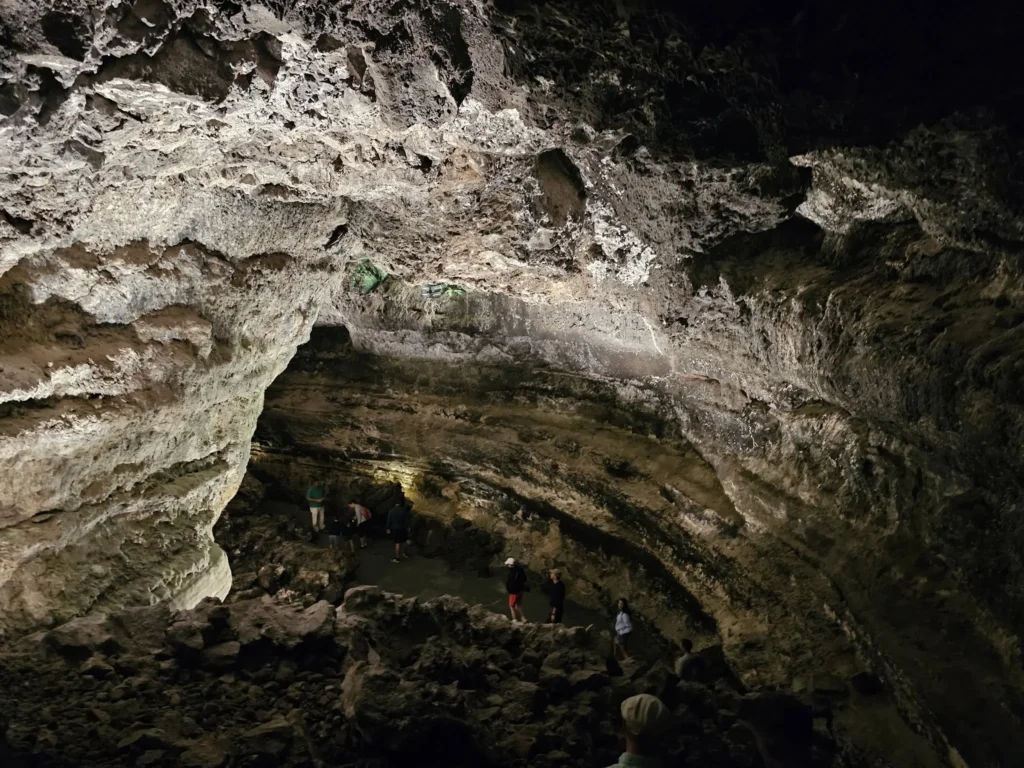
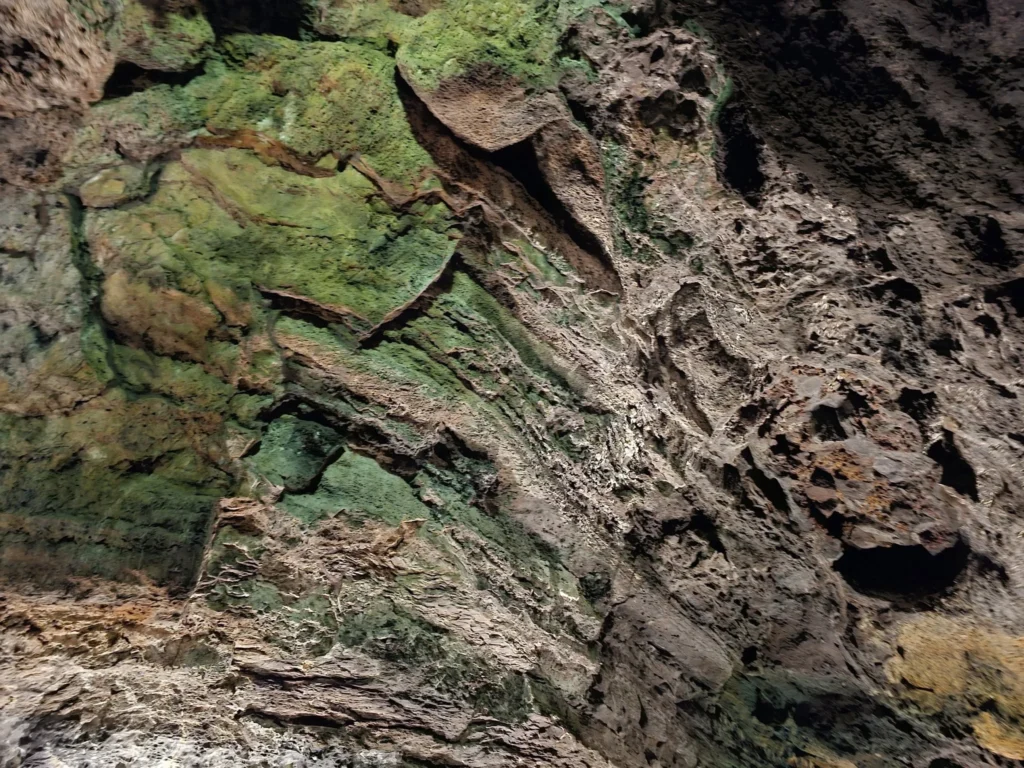
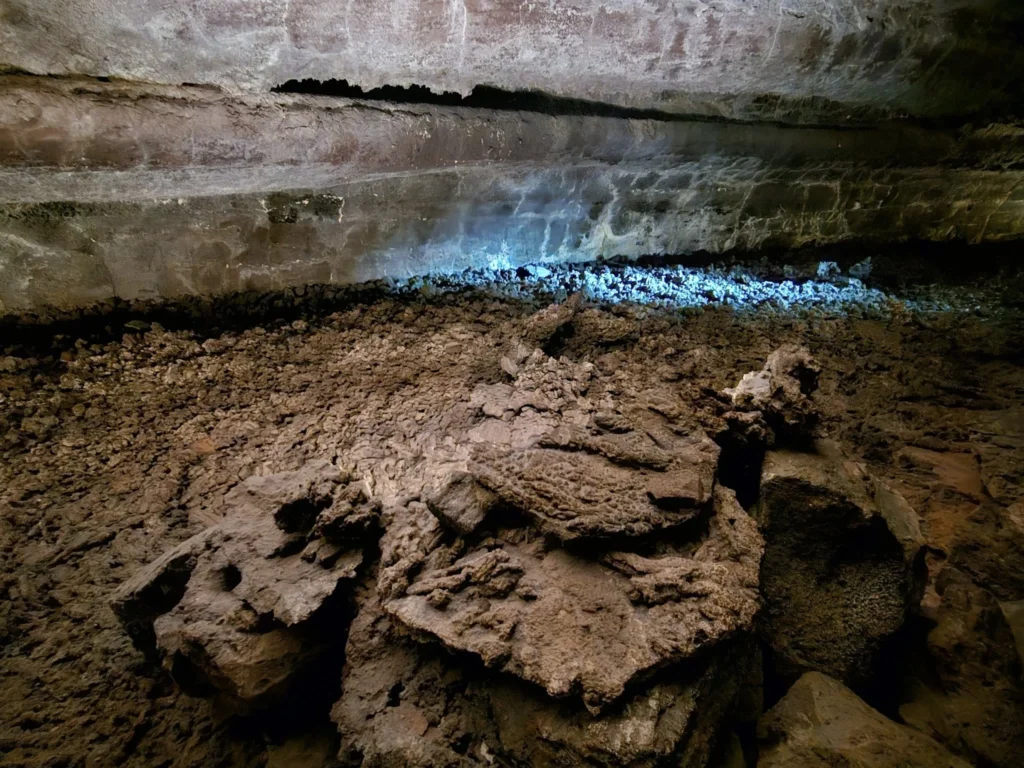
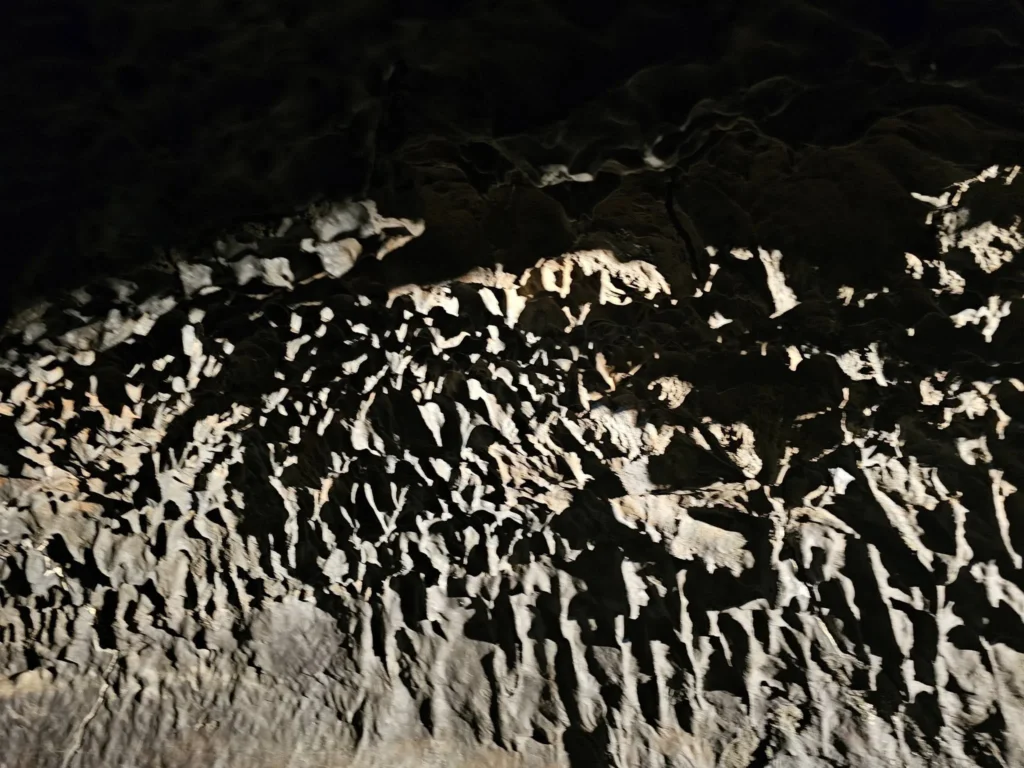
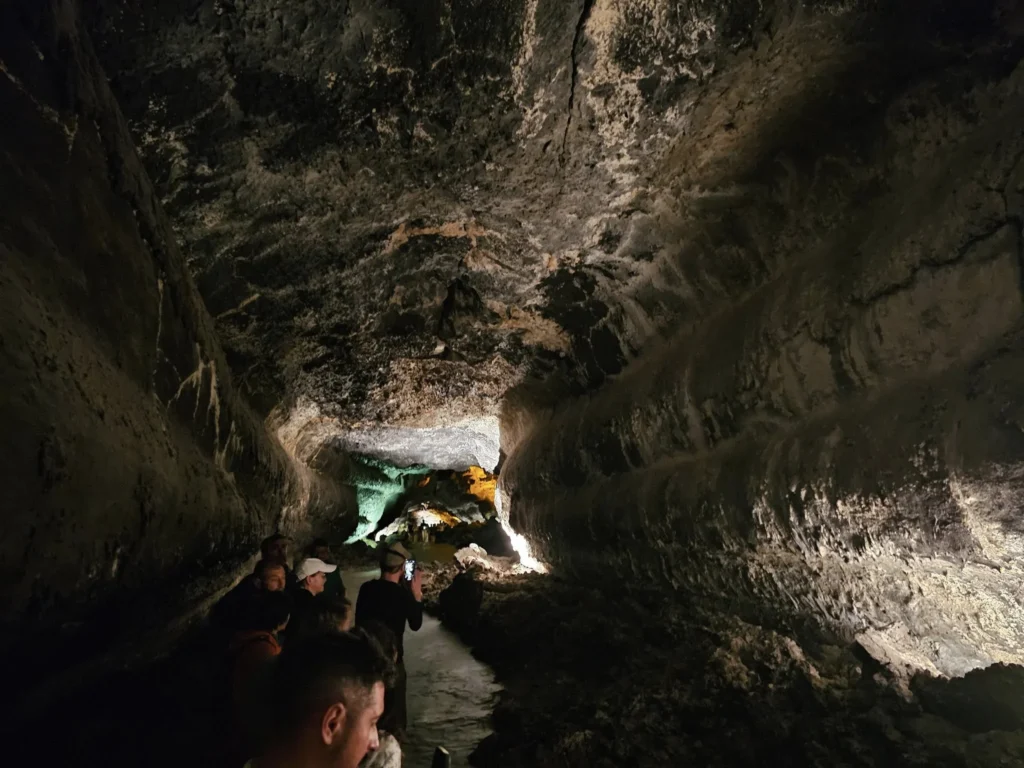
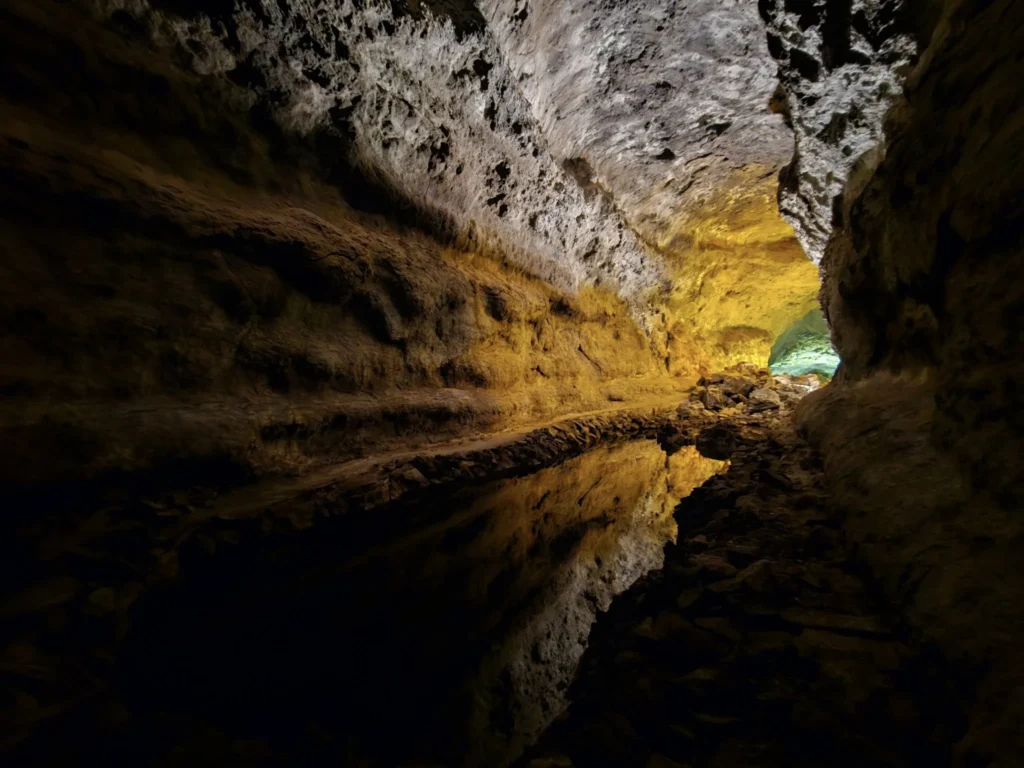
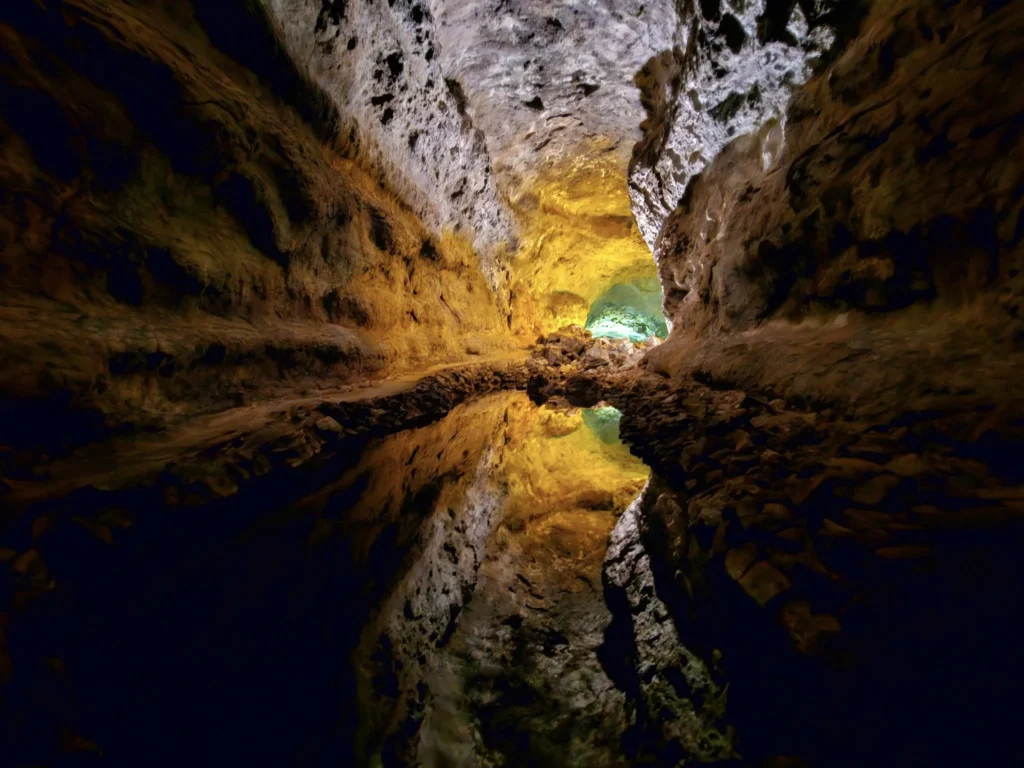
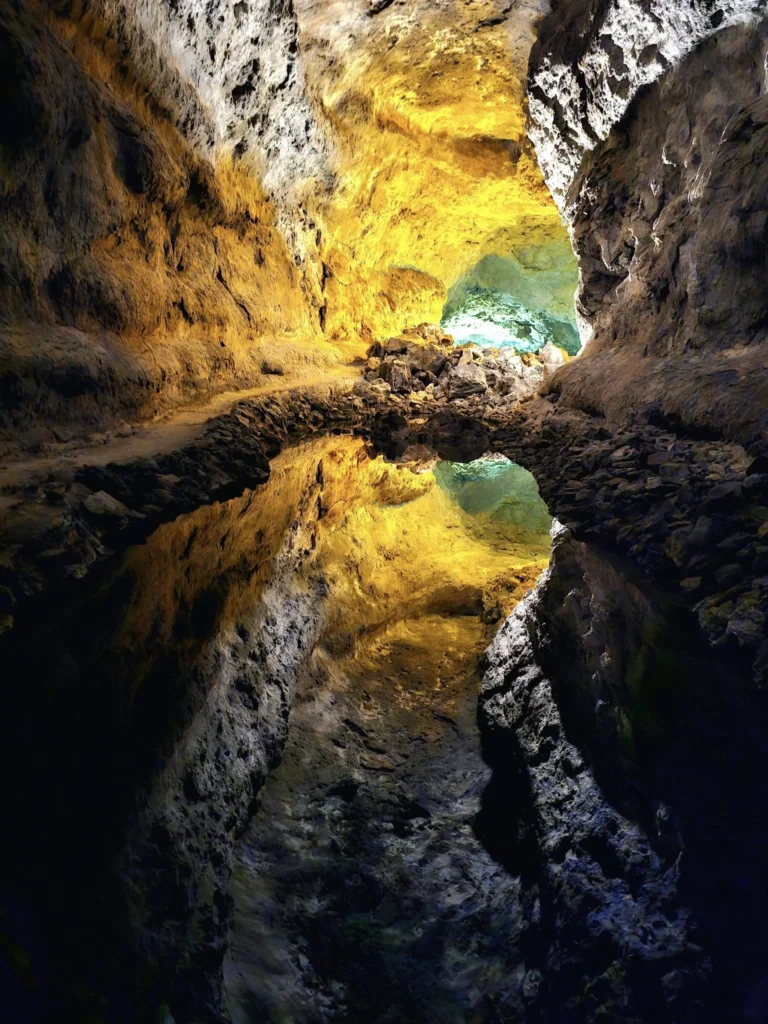
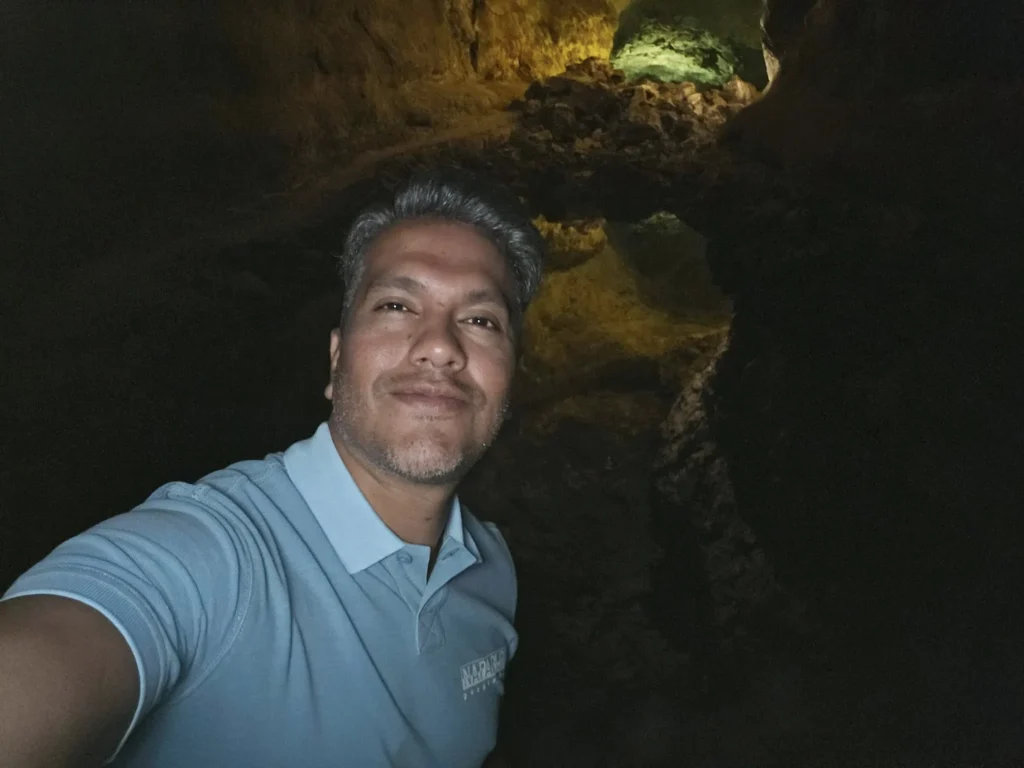
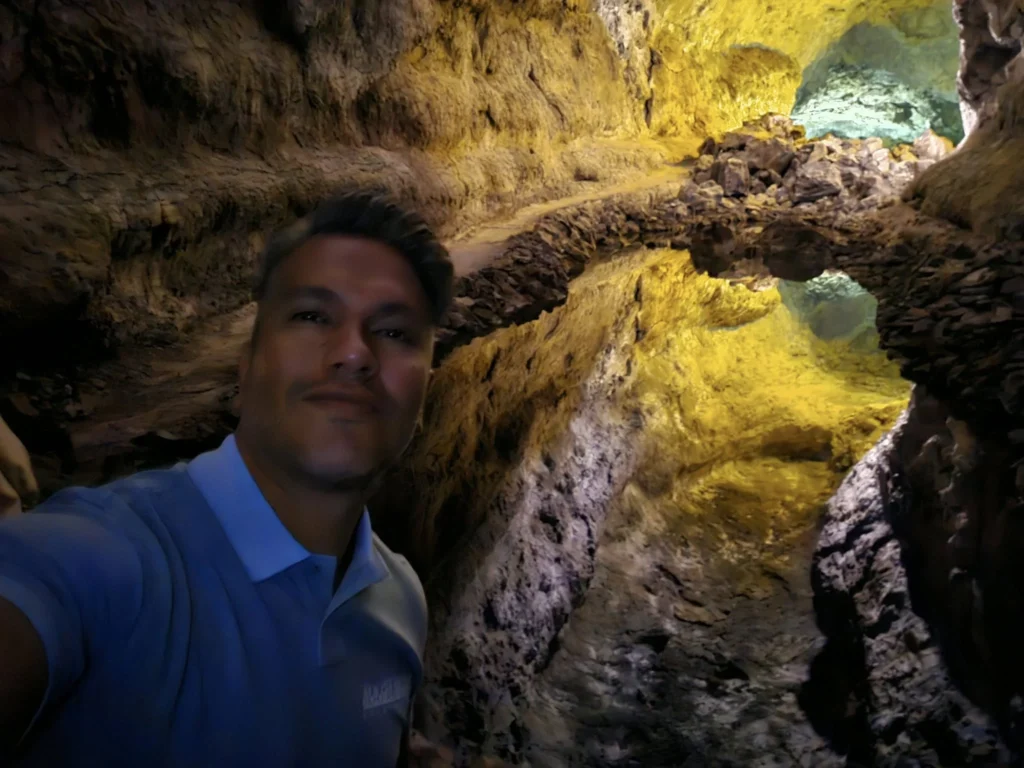
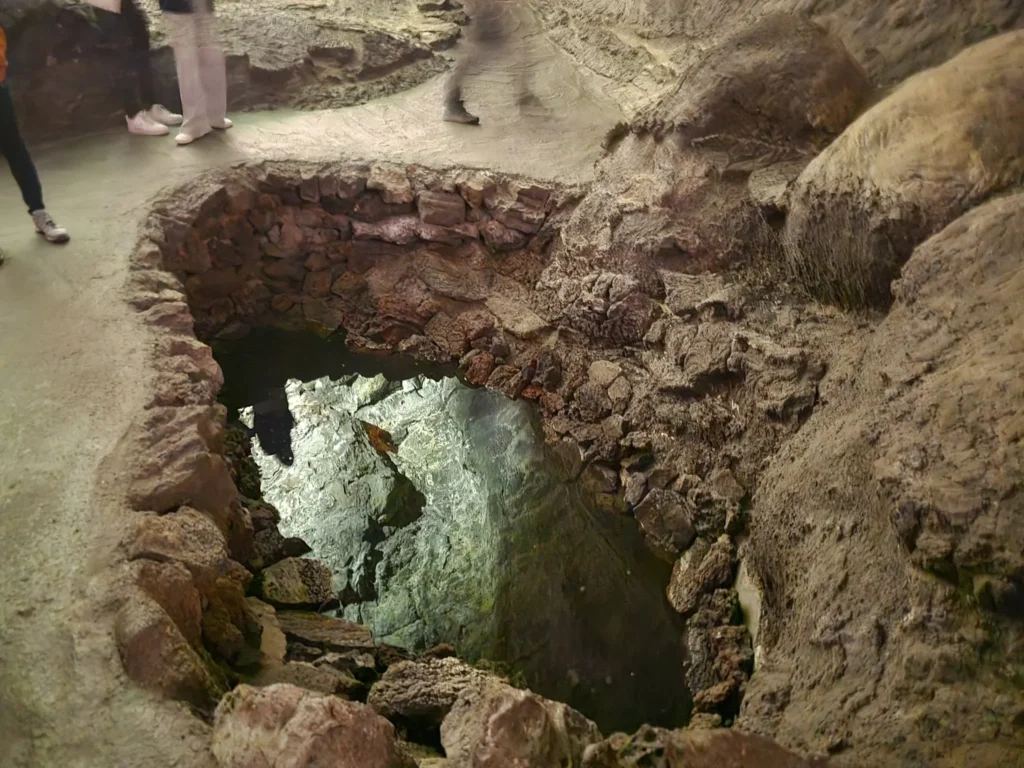
Our first destination was the Cueva de los Verdes, a mesmerizing lava tube formed by volcanic eruptions over 4,000 years ago. Located about 30 minutes north of Arrecife, this underground wonder is part of the same lava flow that created Jameos del Agua. As we descended into the cave, the cool, damp air contrasted with the island’s arid surface. The guided tour revealed a labyrinth of tunnels stretching over 6 kilometers, with dramatic lighting highlighting the cave’s natural sculptures and vibrant mineral colors—reds, oranges, and greens created by iron and sulfur deposits.
The group was captivated by the cave’s acoustics, tested by our guide’s gentle clap that echoed through the chambers. A highlight was the optical illusion near the tour’s end—a surprise we won’t spoil here, but it left us gasping and laughing in equal measure. The Cueva de los Verdes was a testament to Lanzarote’s geological drama, and our new friend’s awe-struck reactions made the experience even more memorable.
Snippet: Why Visit Cueva de los Verdes?
- Unique Geology: Explore a 4,000-year-old lava tube with stunning natural formations.
- Guided Tours: Learn about the cave’s history and secrets from knowledgeable guides.
- Photo Opportunities: Dramatic lighting creates Instagram-worthy moments.
- Accessibility: A 30-minute drive from Arrecife, perfect for a half-day trip.
Jameos del Agua: Nature Meets Art
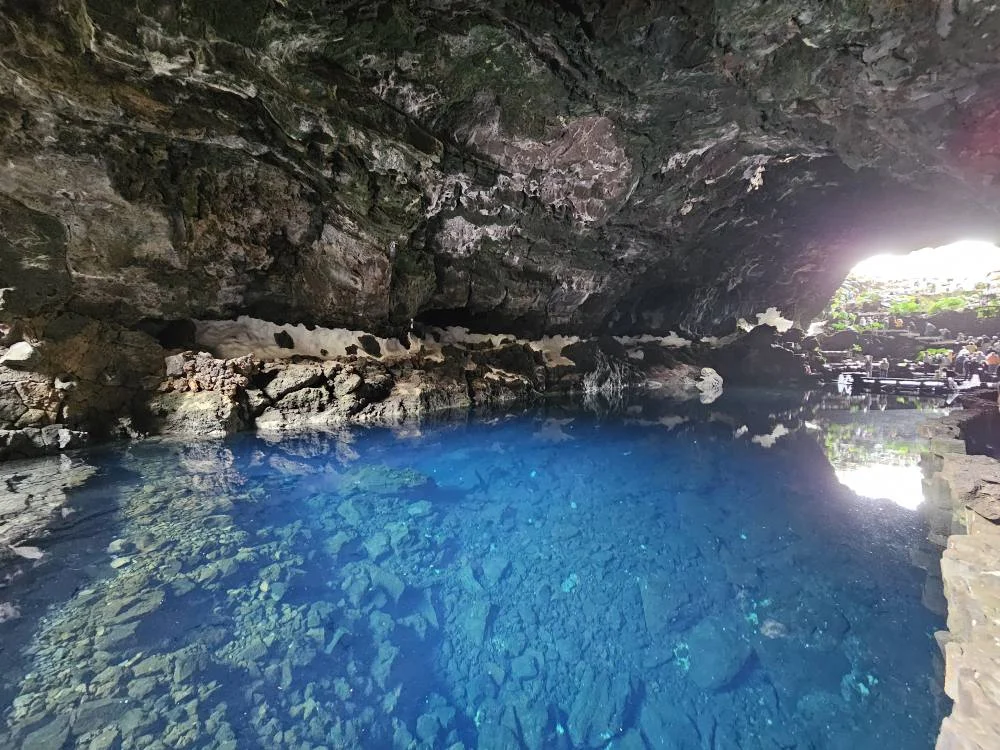
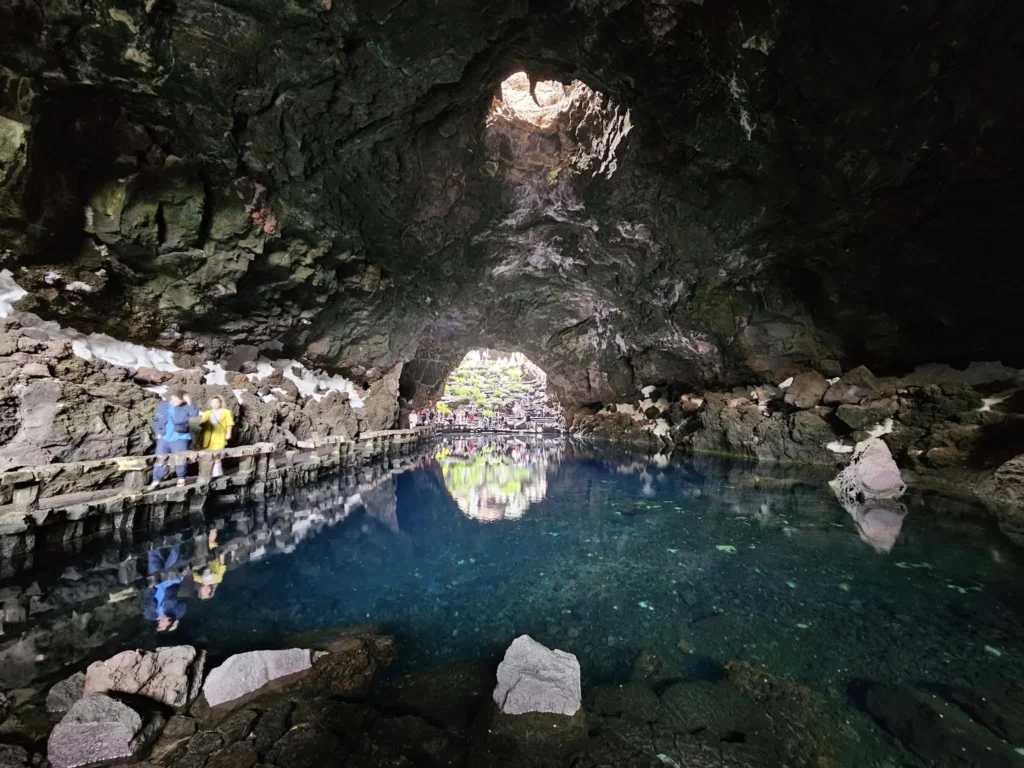
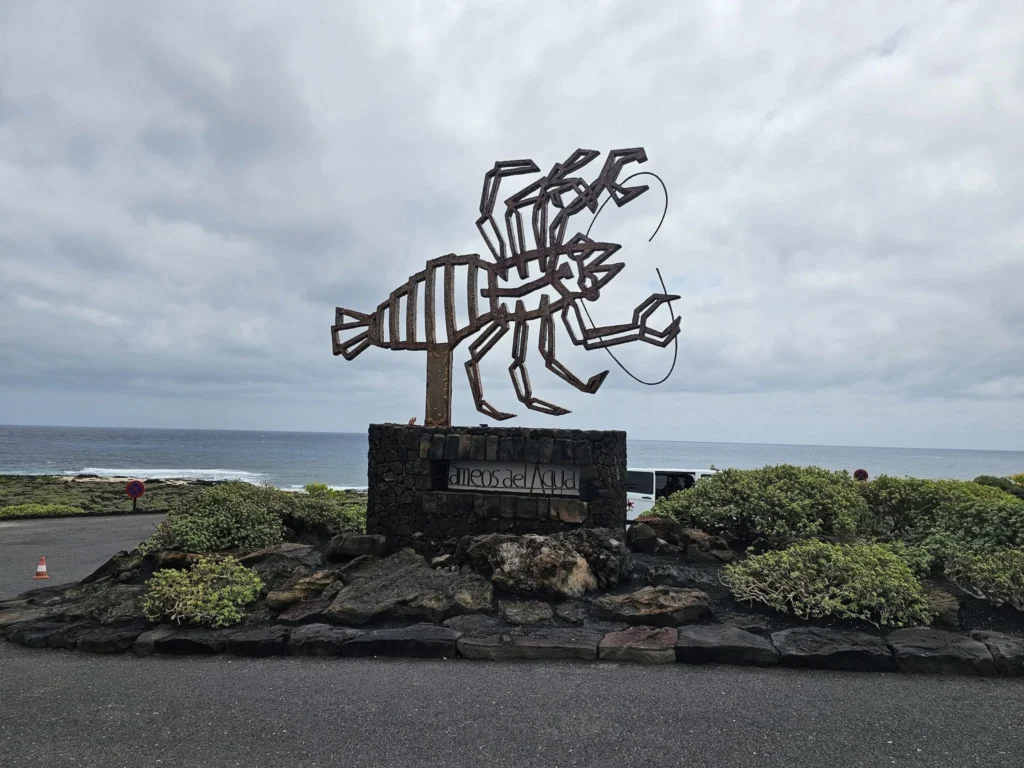
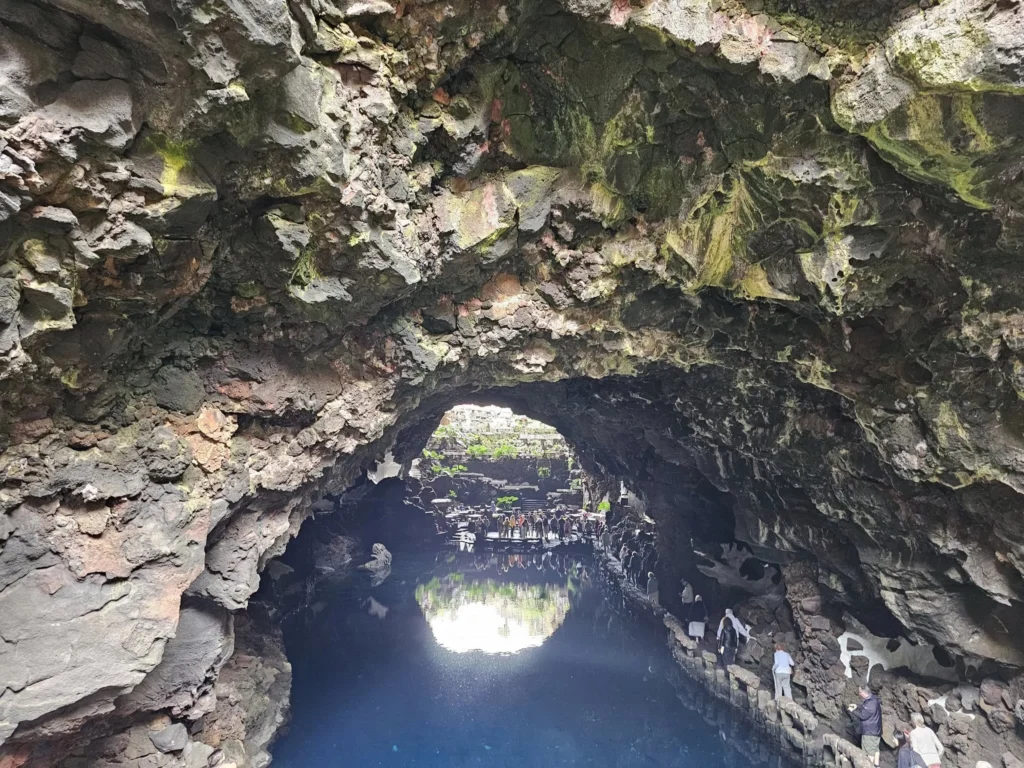
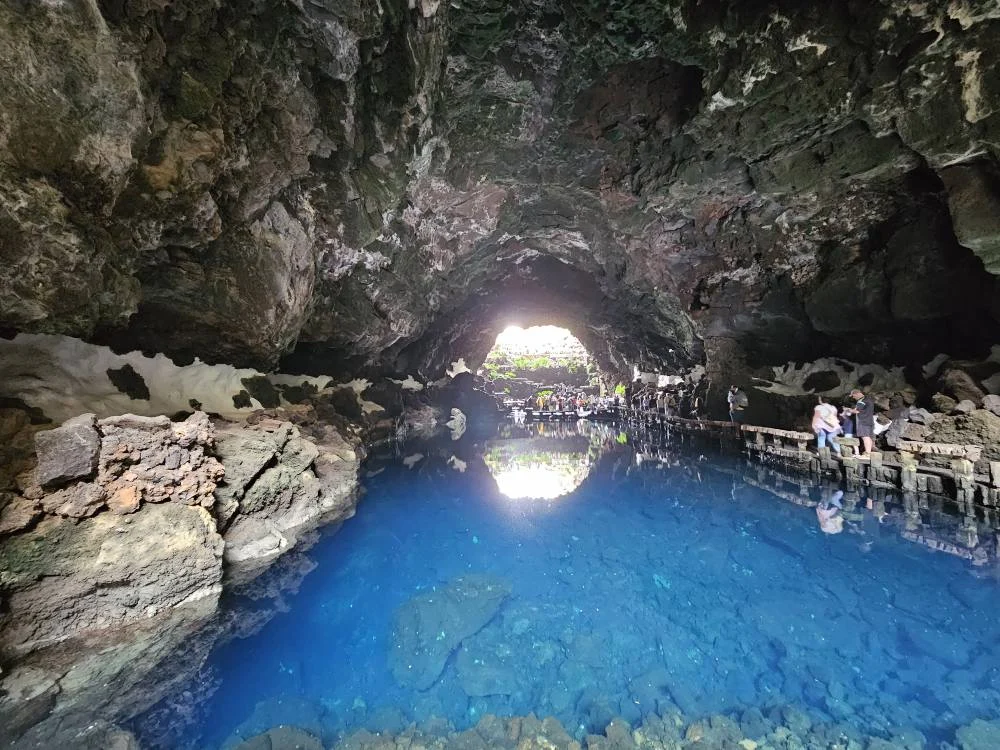
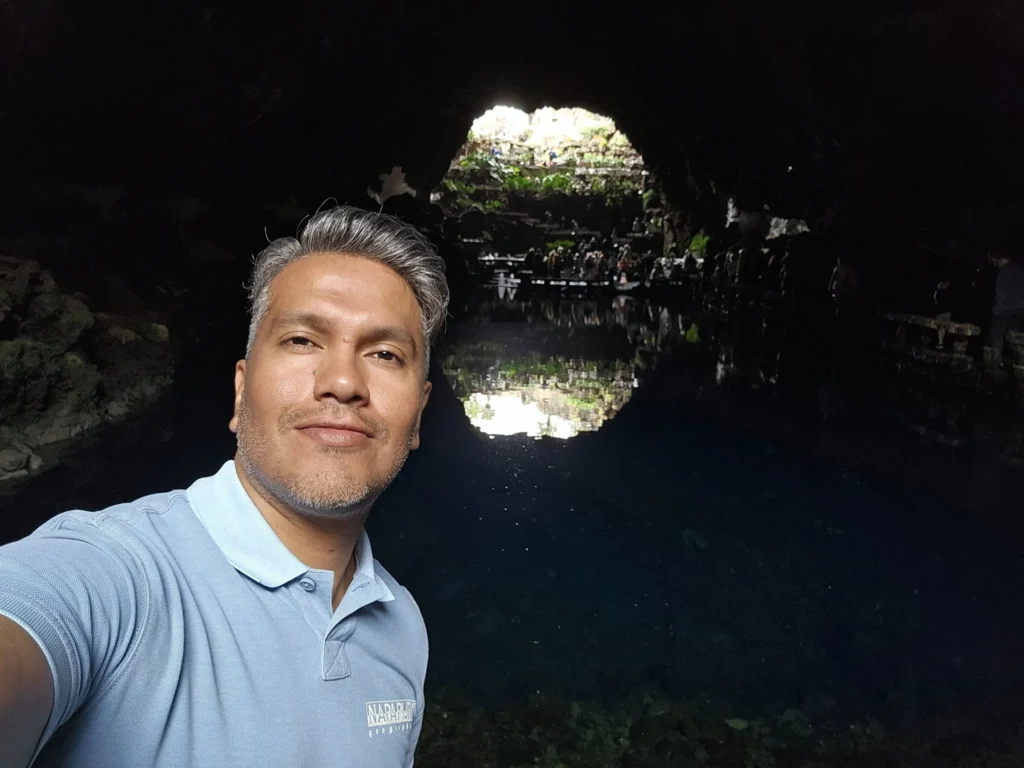
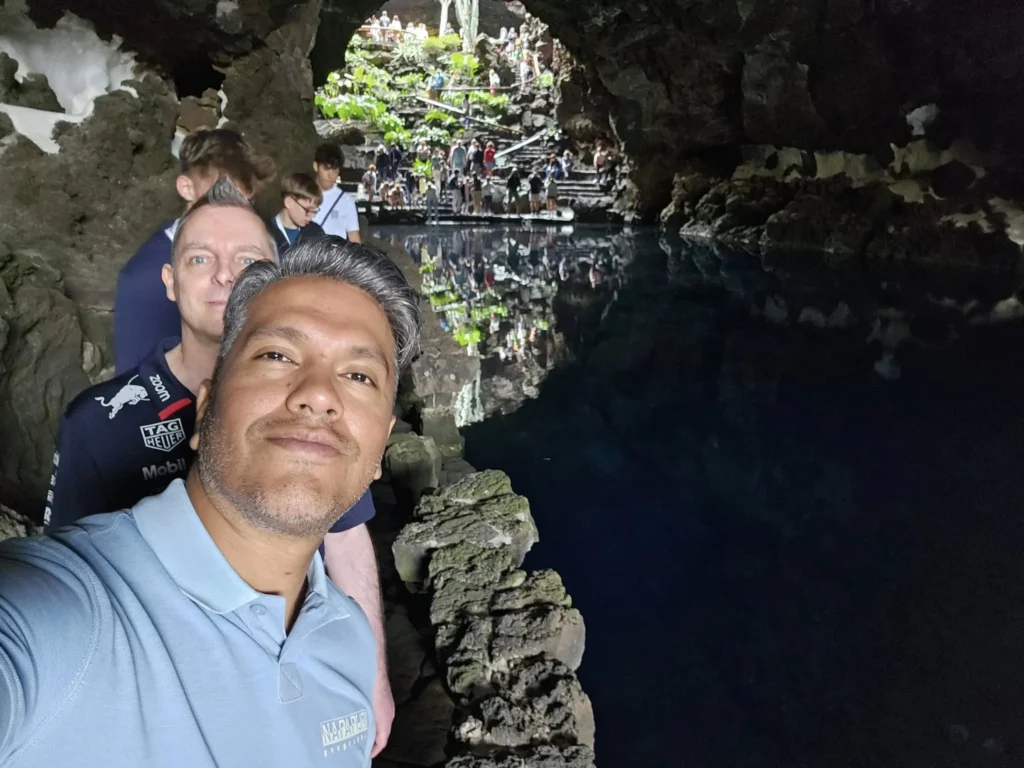
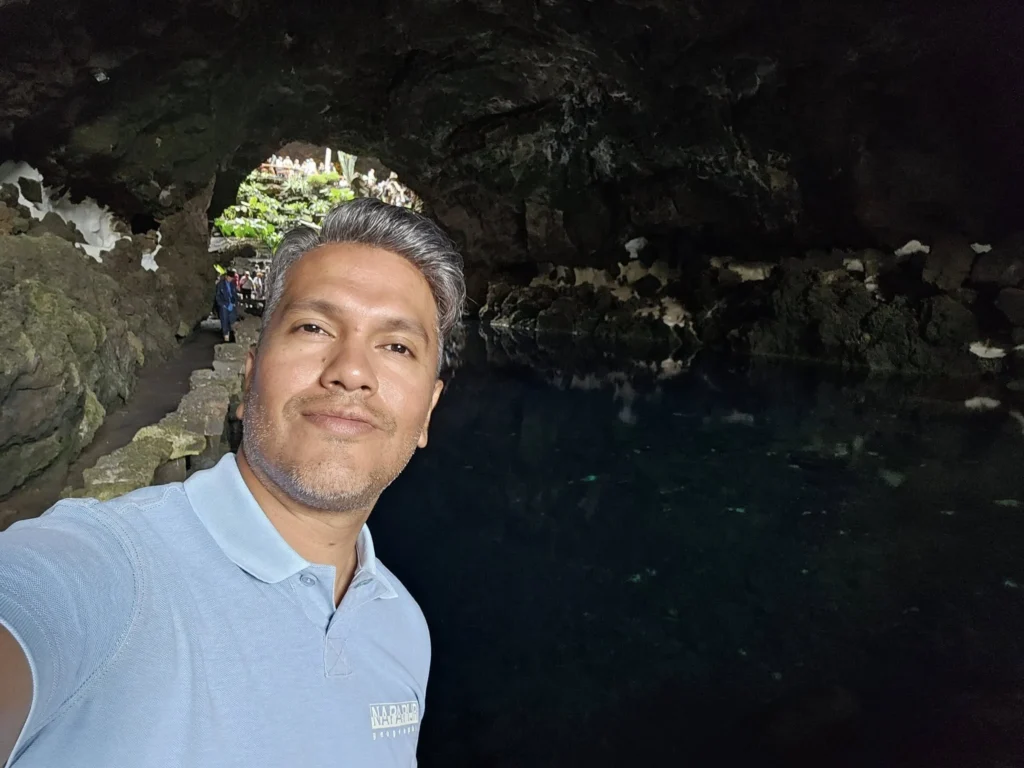
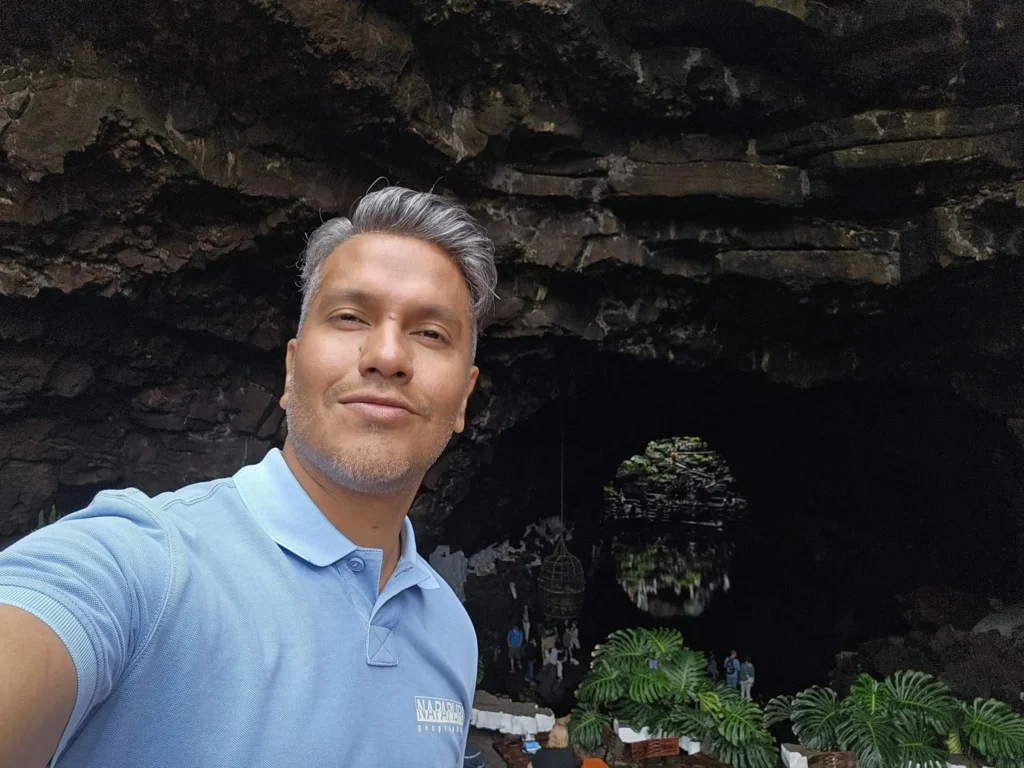
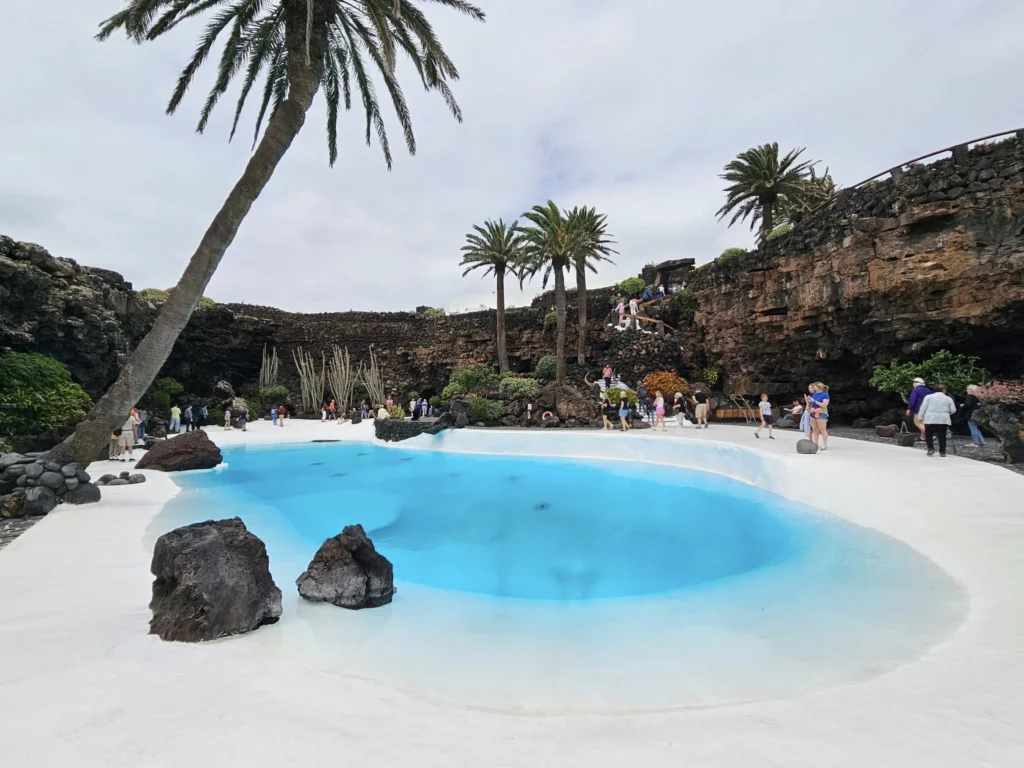
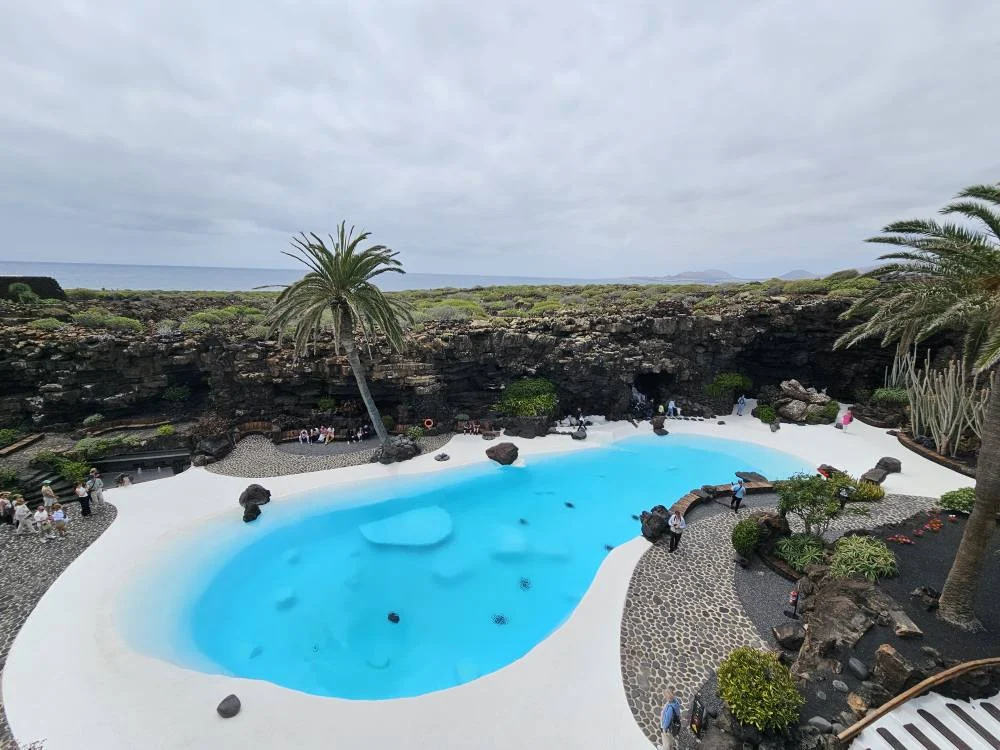
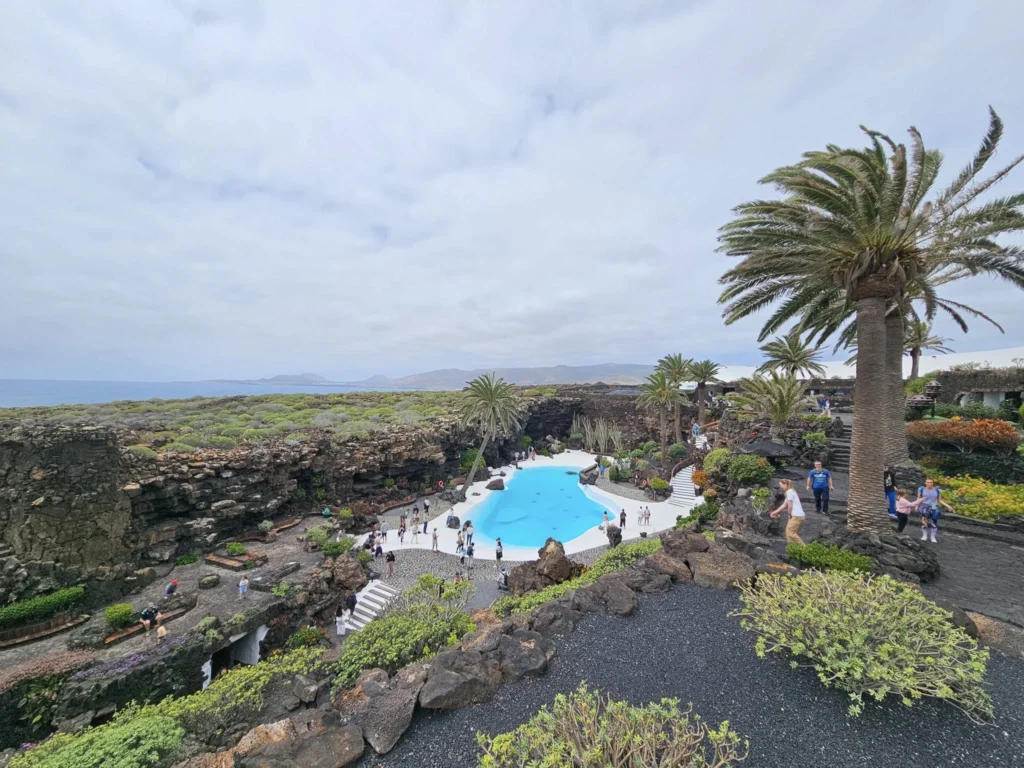
Next, we drove a short distance to Jameos del Agua, another volcanic marvel transformed by César Manrique’s visionary touch. This site, part of the same lava tube system, features a series of volcanic caves and tunnels adapted into a cultural and natural oasis. As we entered, we were greeted by a serene underground lake, home to the endemic blind albino crabs (Munidopsis polymorpha), tiny white creatures that shimmered like jewels in the water.
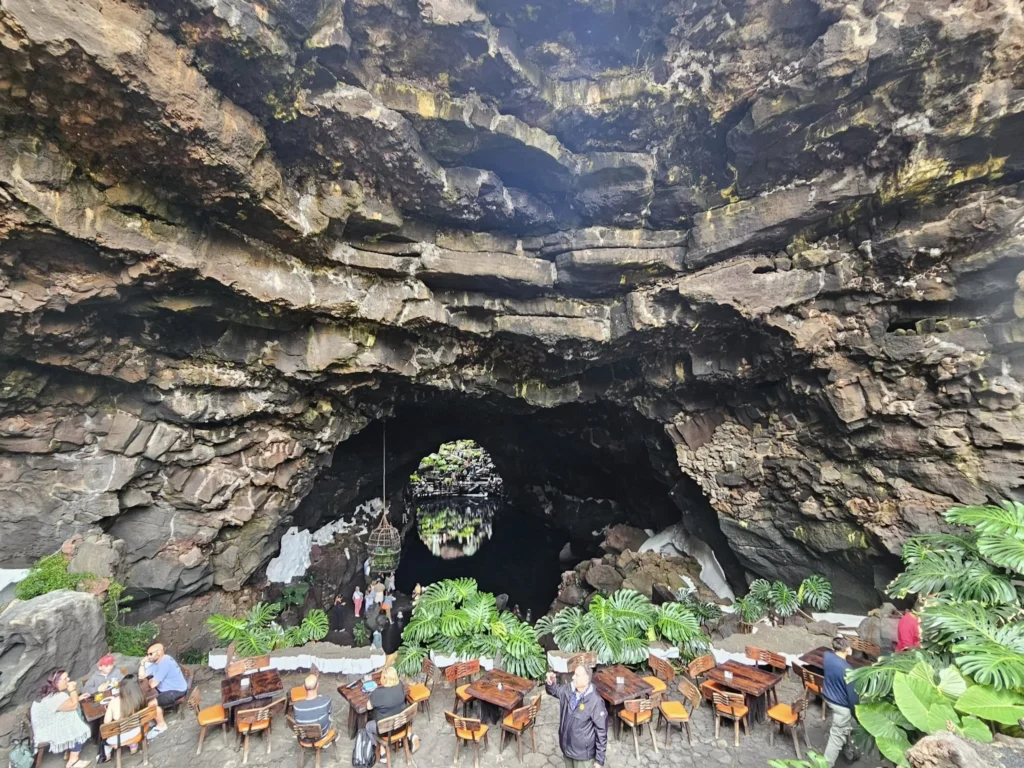
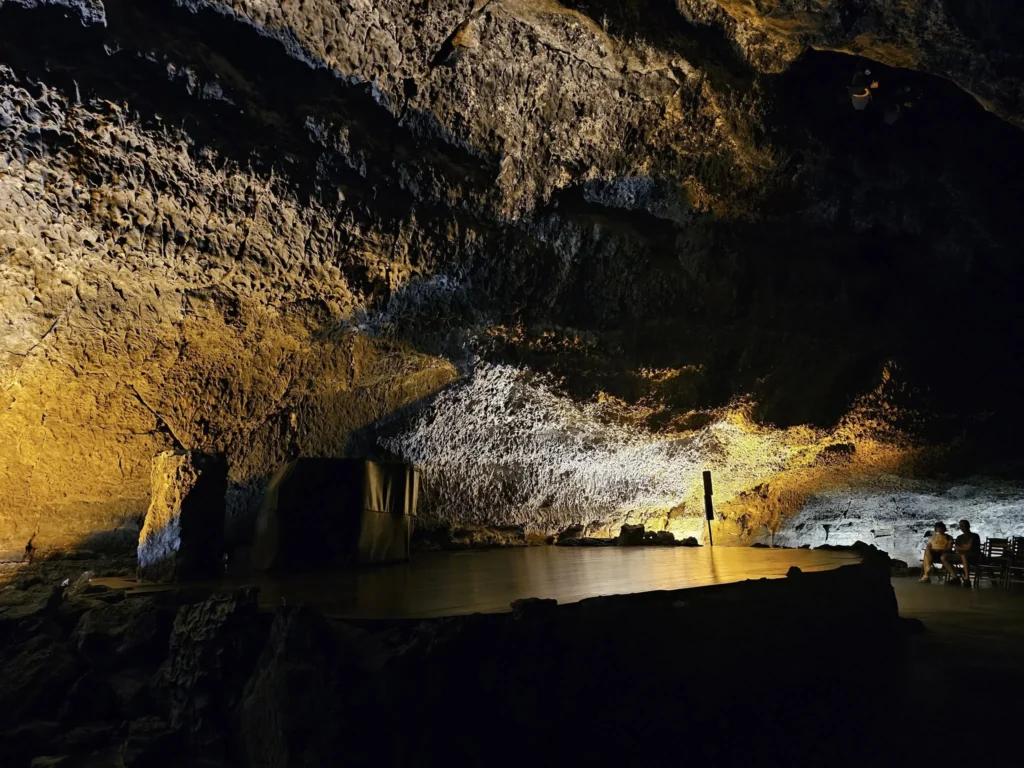
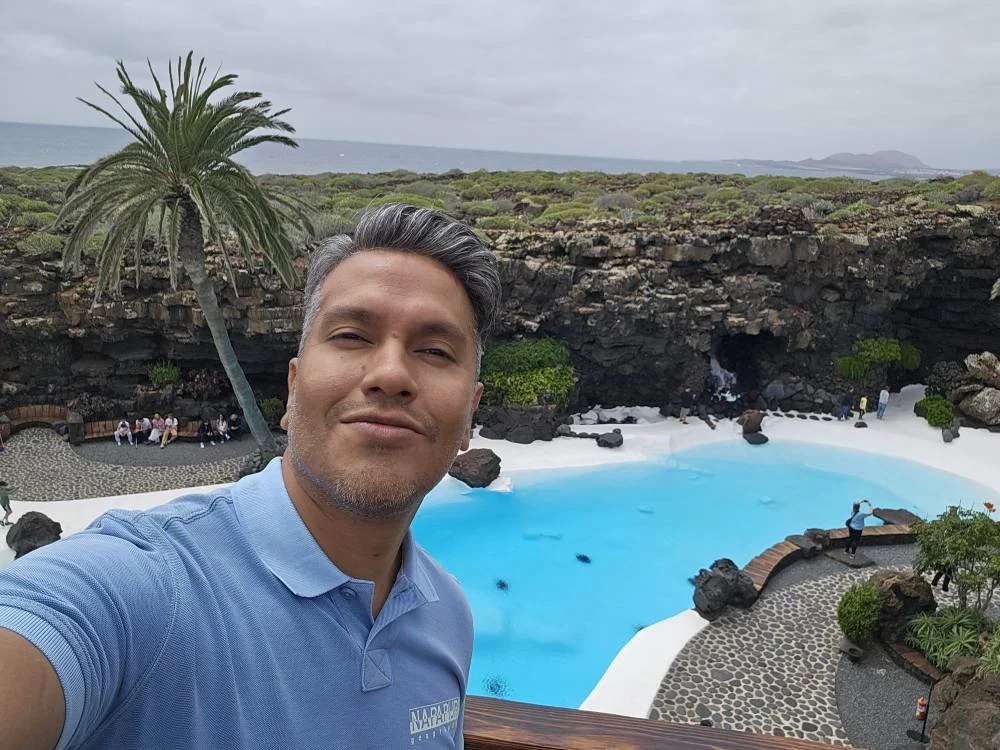
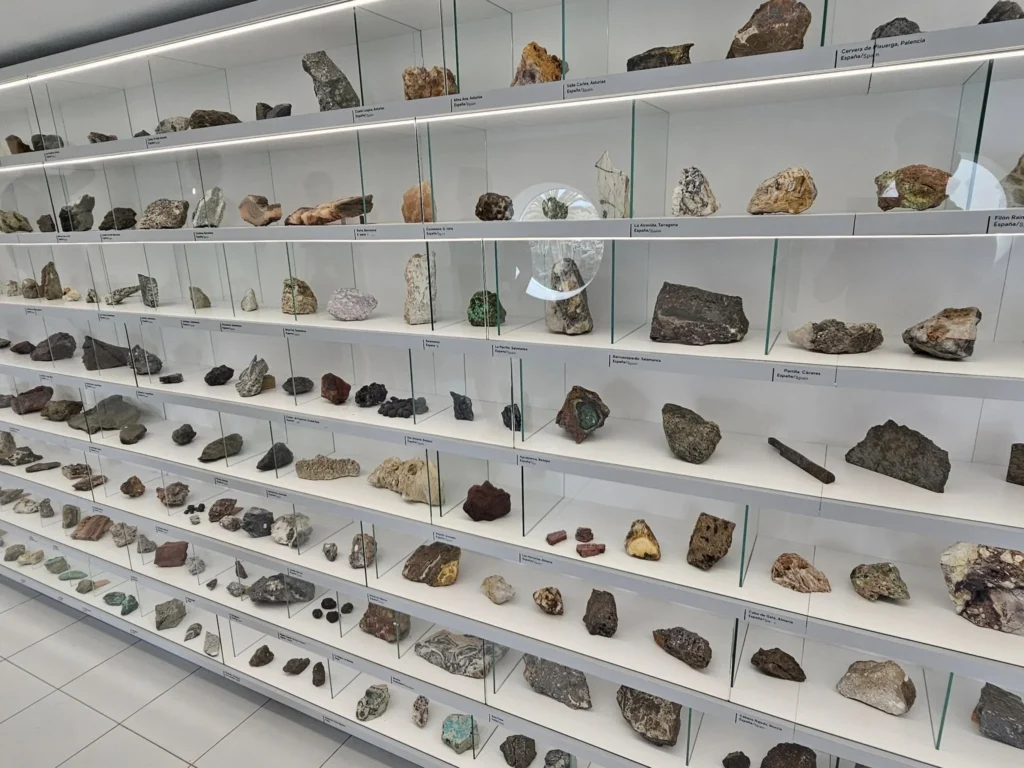
The group was enchanted by the juxtaposition of raw nature and Manrique’s artistic interventions. A turquoise pool, surrounded by lush gardens and volcanic rock, felt like a scene from a fantasy novel. We explored the small museum, which detailed Lanzarote’s volcanic history and Manrique’s legacy, before ascending to the open-air auditorium, where the cave’s acoustics are used for concerts. The group’s chatter turned to plans for a hypothetical return trip to attend a performance here.
Lunch at the site’s café was a relaxed affair, with fresh fish and papas arrugadas (wrinkly potatoes) served with spicy red and green mojo sauces. The flavors were a hit, especially with our new friend, who declared the green mojo their new favorite condiment. Jameos del Agua was a perfect blend of nature, art, and culture, leaving us inspired and ready for more.
Jameos del Agua felt like stepping into an artist’s dream, where volcanic caves and human creativity coexist in perfect harmony.
Snippet: What Makes Jameos del Agua Special?
- César Manrique’s Vision: A unique blend of art, architecture, and nature.
- Underground Lake: Home to rare blind albino crabs, a Lanzarote icon.
- Cultural Hub: Features a museum and auditorium for concerts.
- Dining: Enjoy Canarian cuisine with stunning cave views.
Mirador del Río: A Panoramic Pause
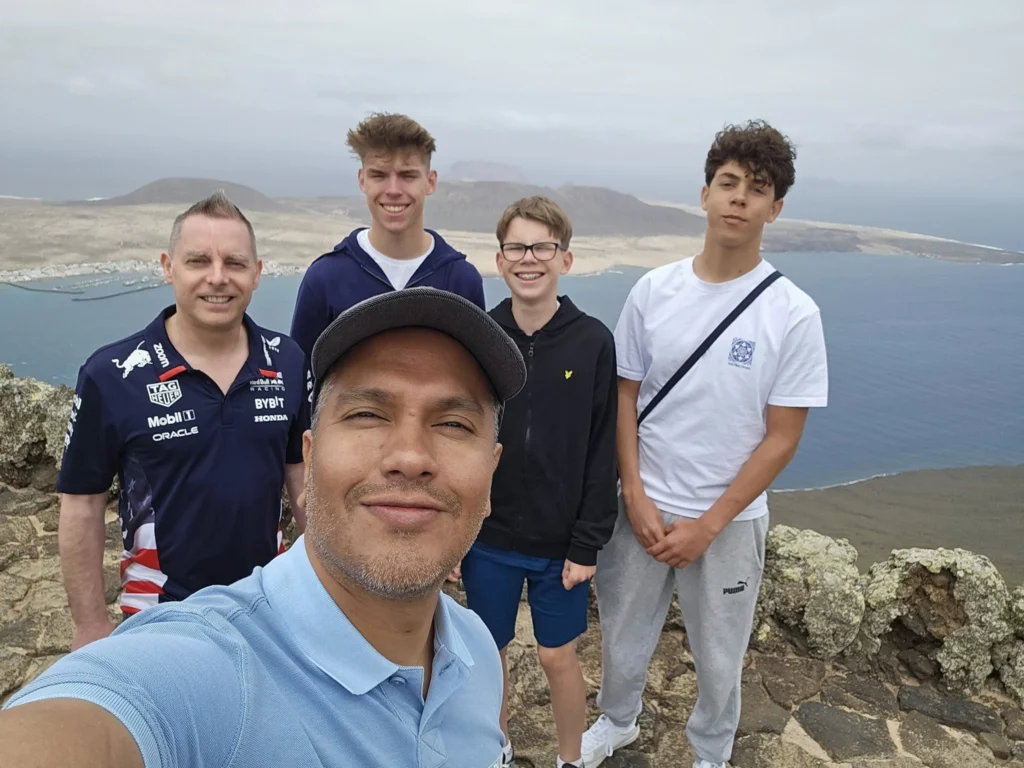
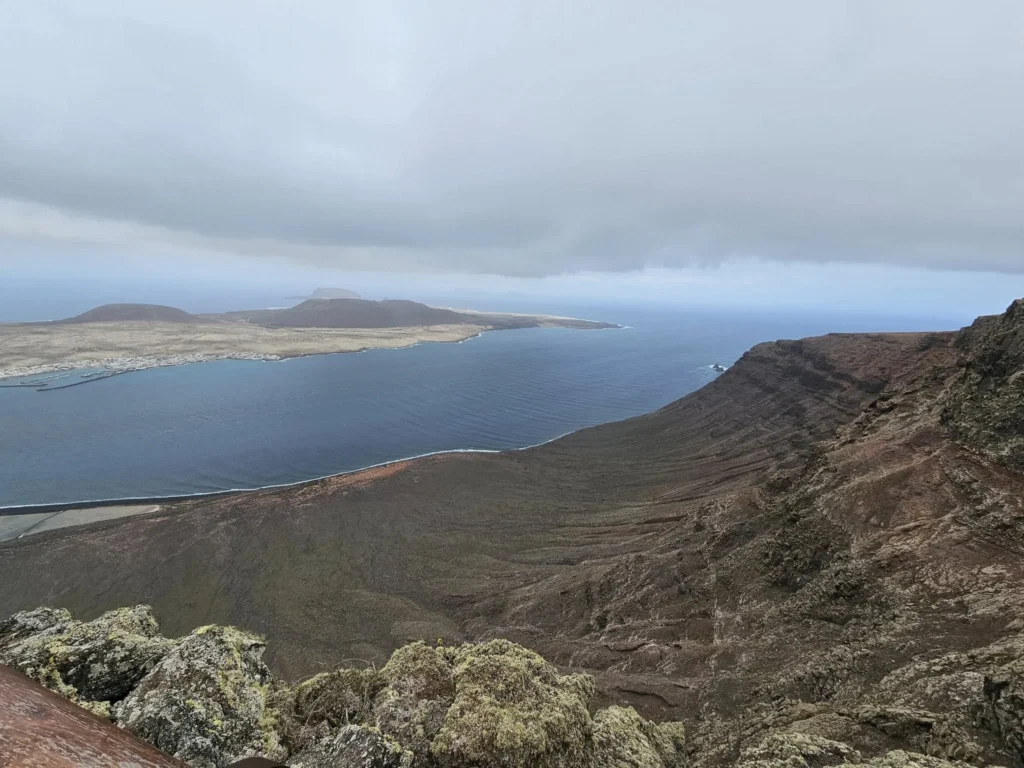
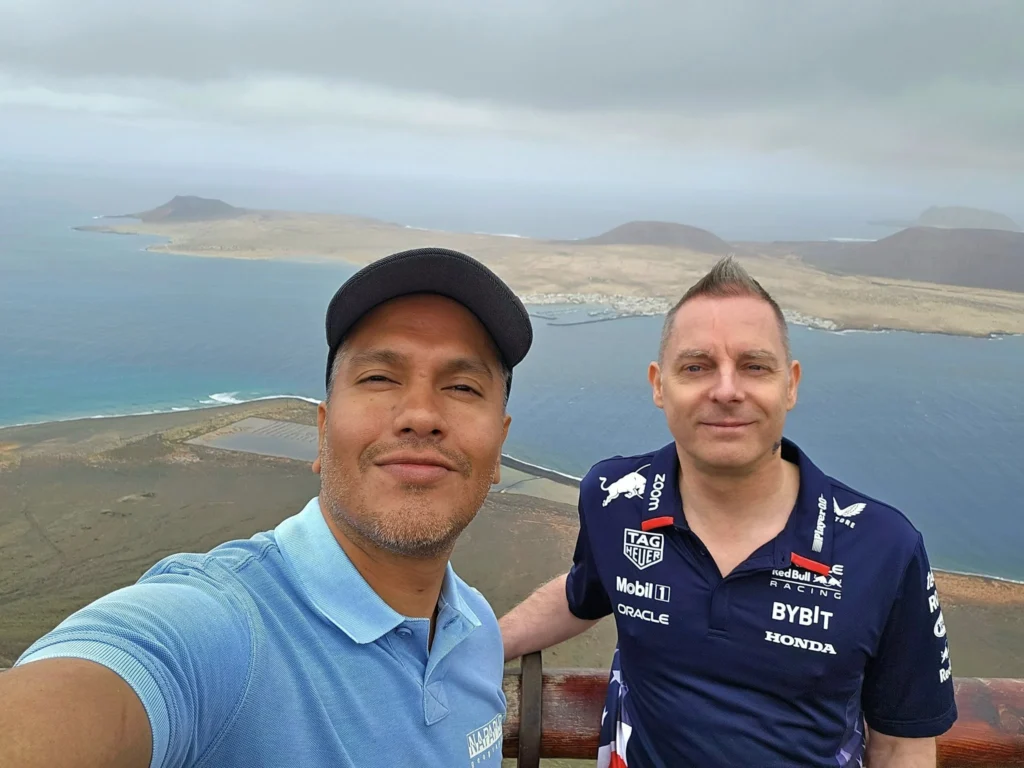
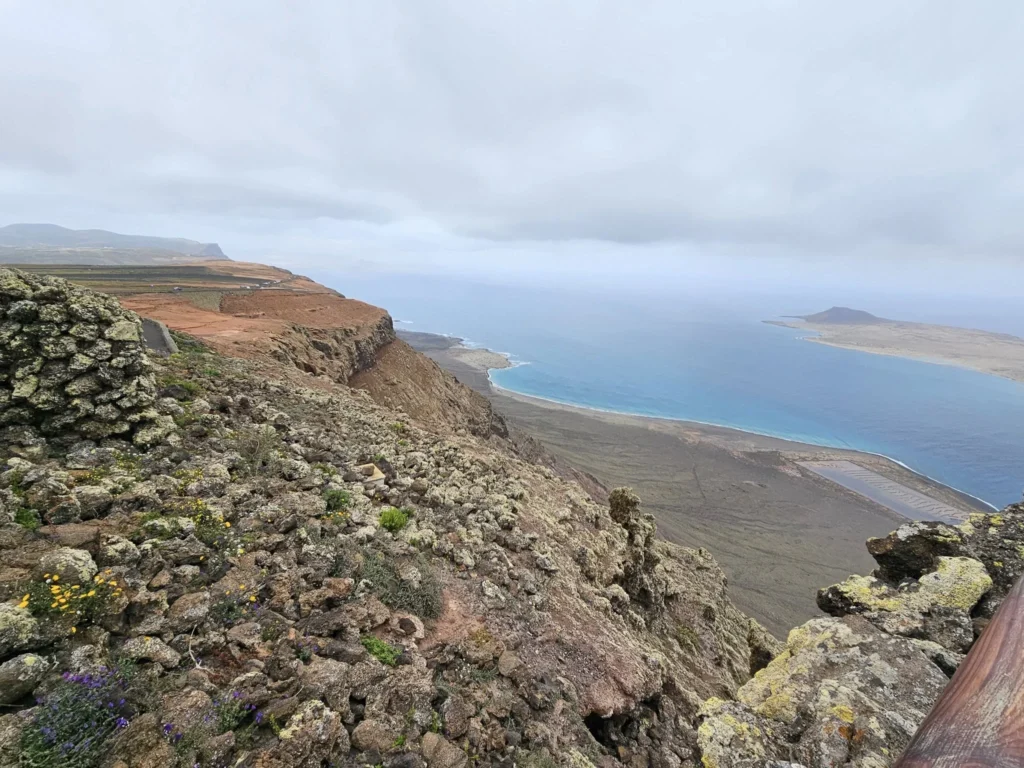
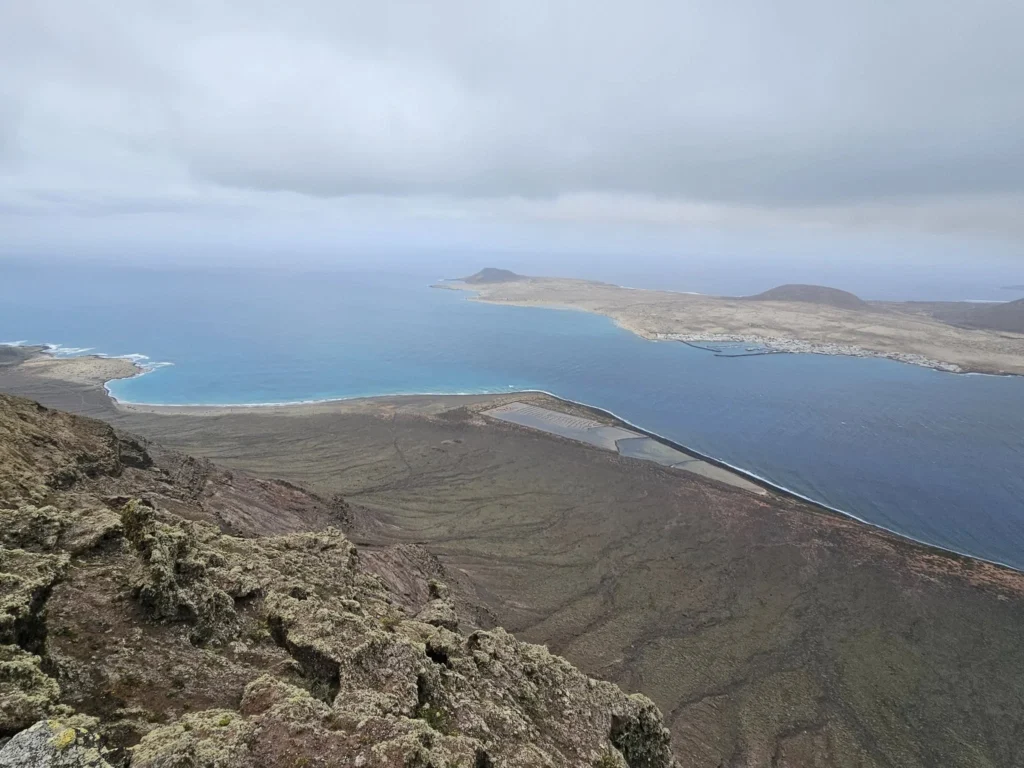
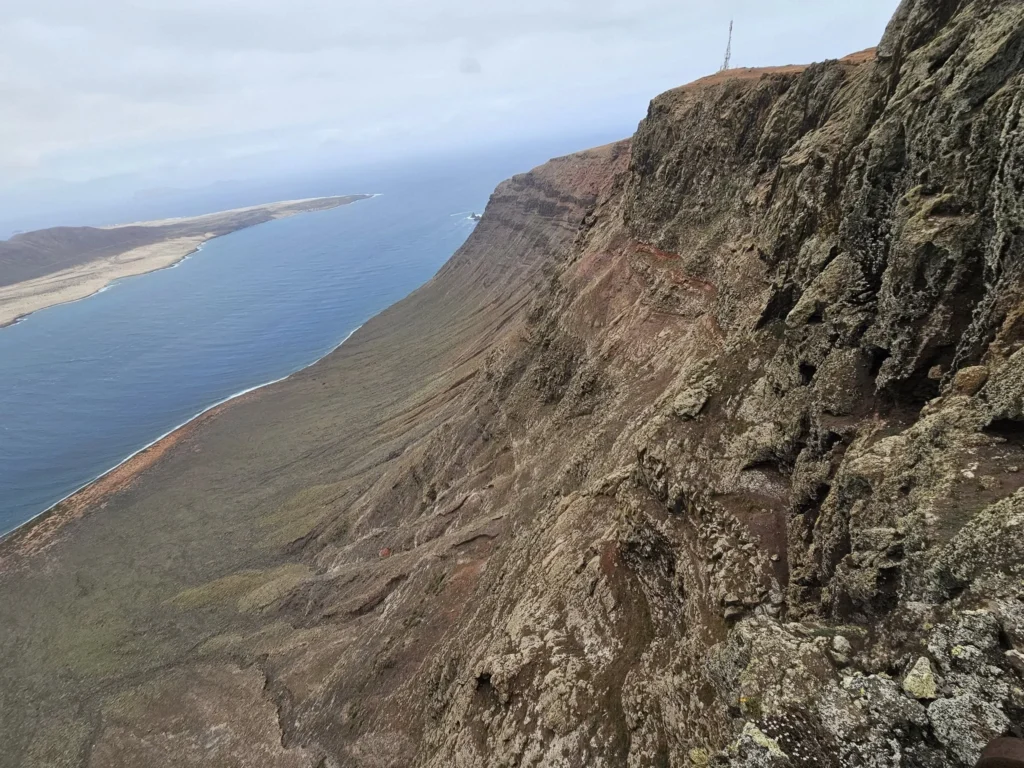
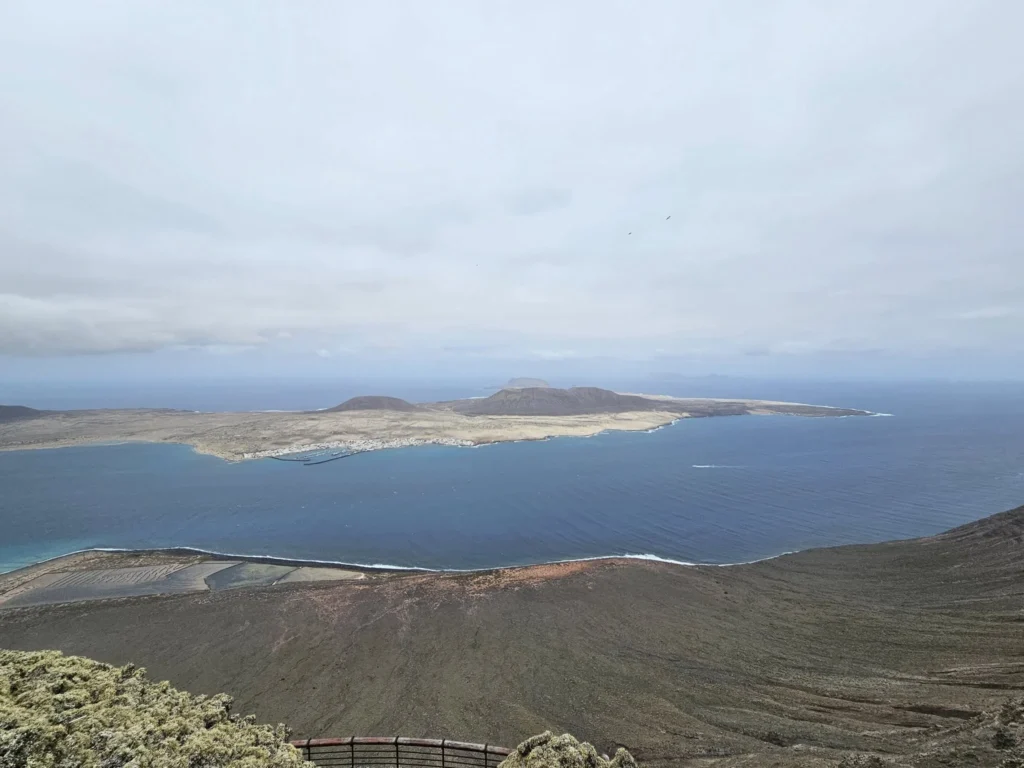
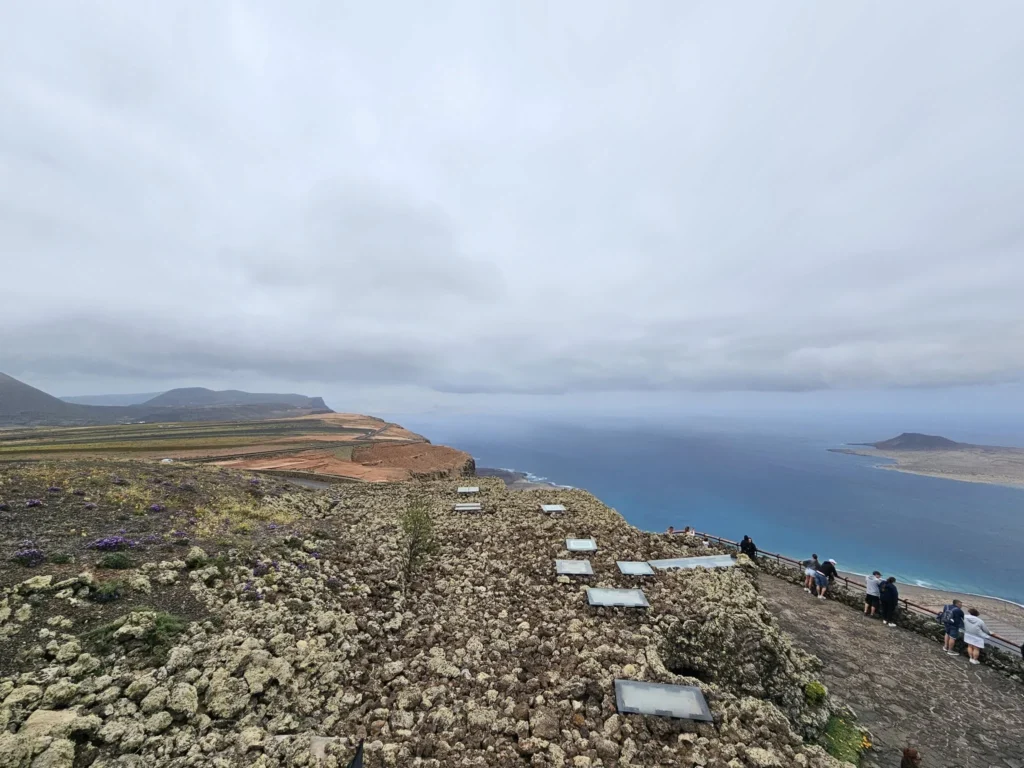
Our next stop was Mirador del Río, a cliffside viewpoint in northern Lanzarote designed by César Manrique. Perched 475 meters above sea level, it offers breathtaking views of the Atlantic Ocean and the nearby island of La Graciosa. The drive to the mirador was scenic, with winding roads revealing Lanzarote’s rugged beauty. Upon arrival, we were struck by the building’s seamless integration into the cliff, its curved windows framing the ocean like a living painting.
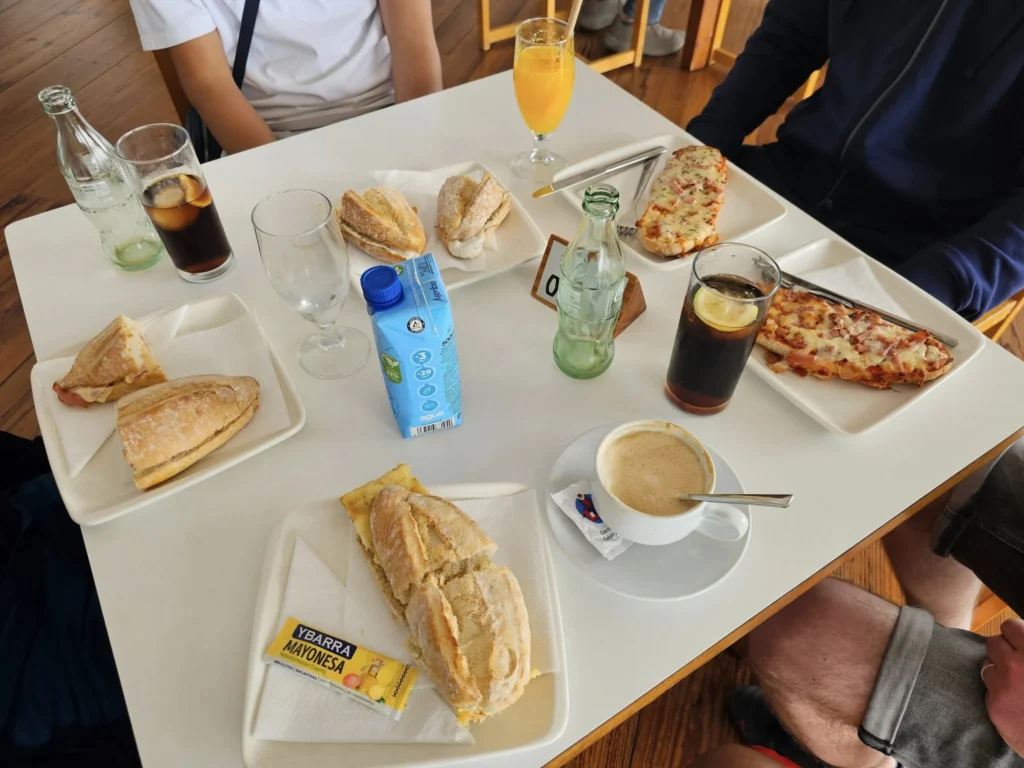
The group spent time soaking in the panorama, snapping photos, and marveling at the tiny islets dotting the horizon. We grabbed a light lunch at the mirador’s café, savoring sandwiches and coffee while discussing the island’s volcanic origins. The wind was brisk, but the view was worth every chilly gust. Mirador del Río was a moment of reflection, allowing us to appreciate Lanzarote’s raw, unspoiled beauty.
Snippet: Why Mirador del Río is a Must-See
- Stunning Views: Panoramic vistas of La Graciosa and the Atlantic.
- Manrique’s Design: A masterpiece of architecture blending with nature.
- Accessible Location: A short drive from Cueva de los Verdes and Jameos del Agua.
- Café with a View: Enjoy a meal or coffee with unforgettable scenery.
Timanfaya National Park: A Martian Adventure
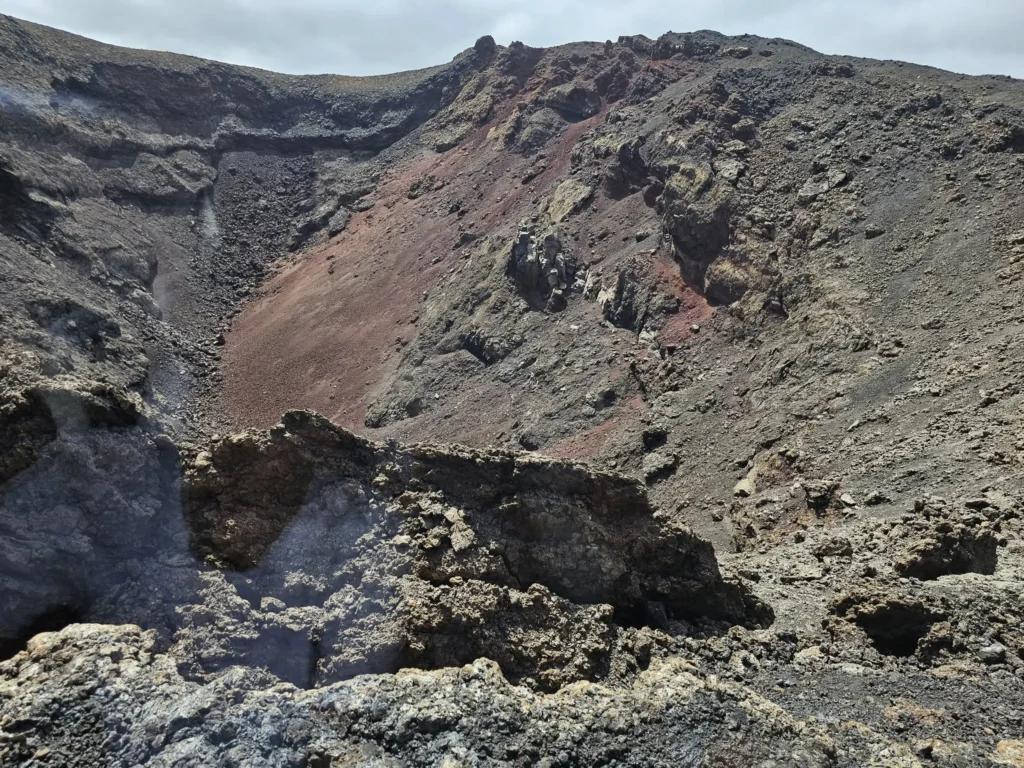
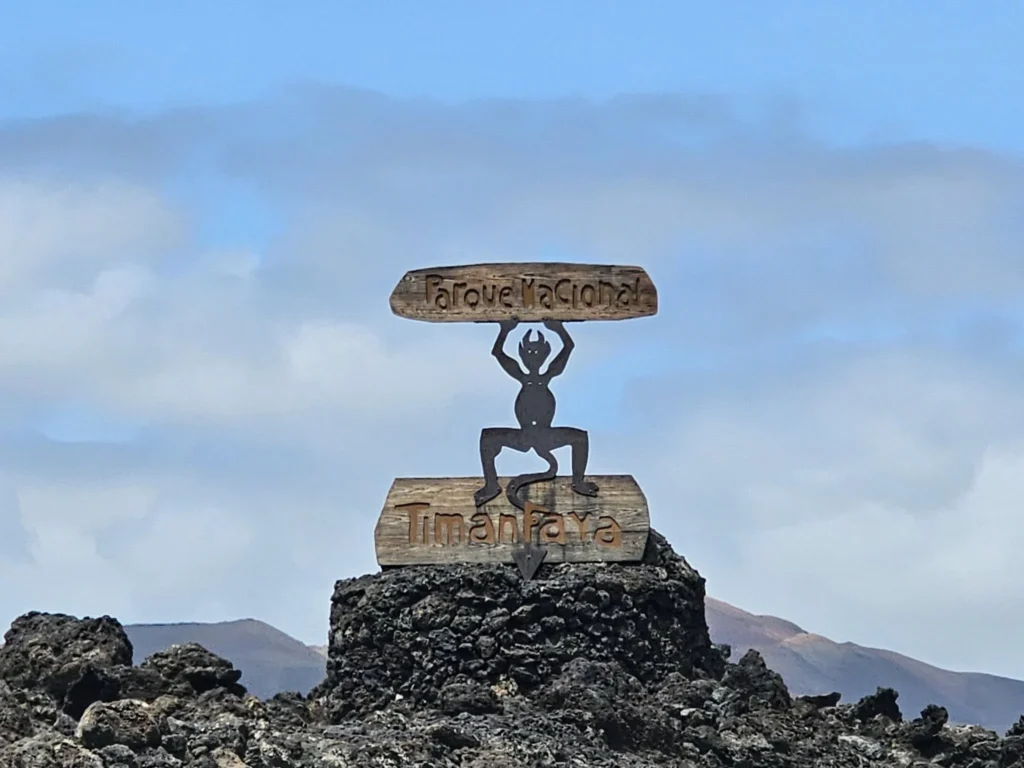
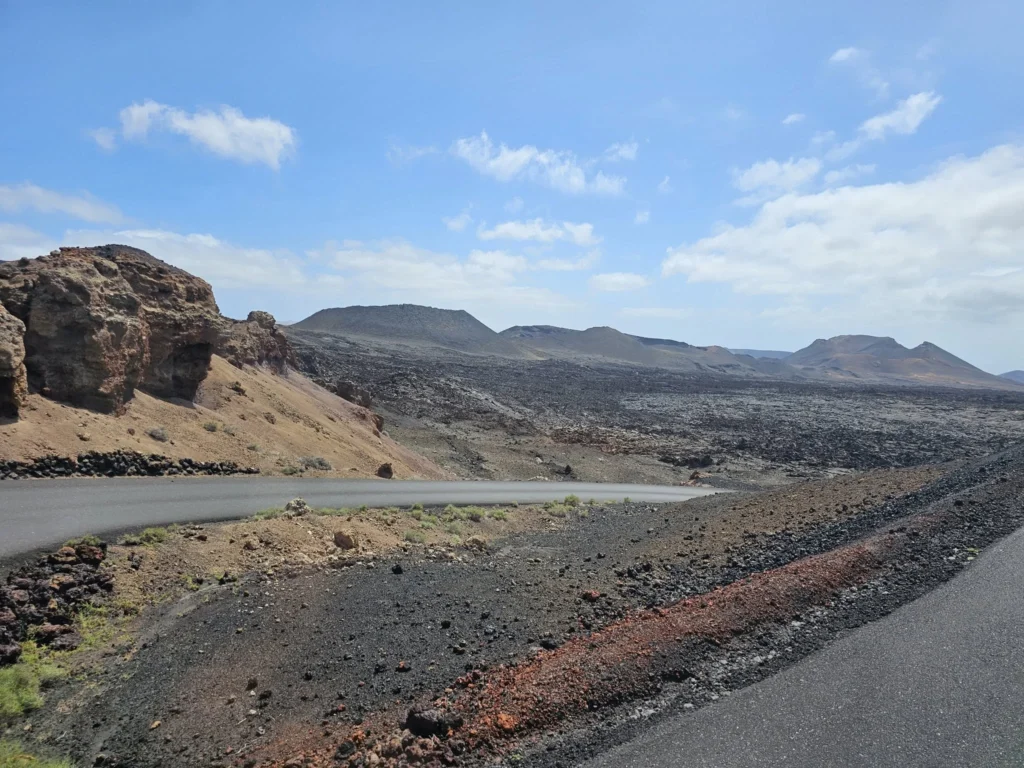
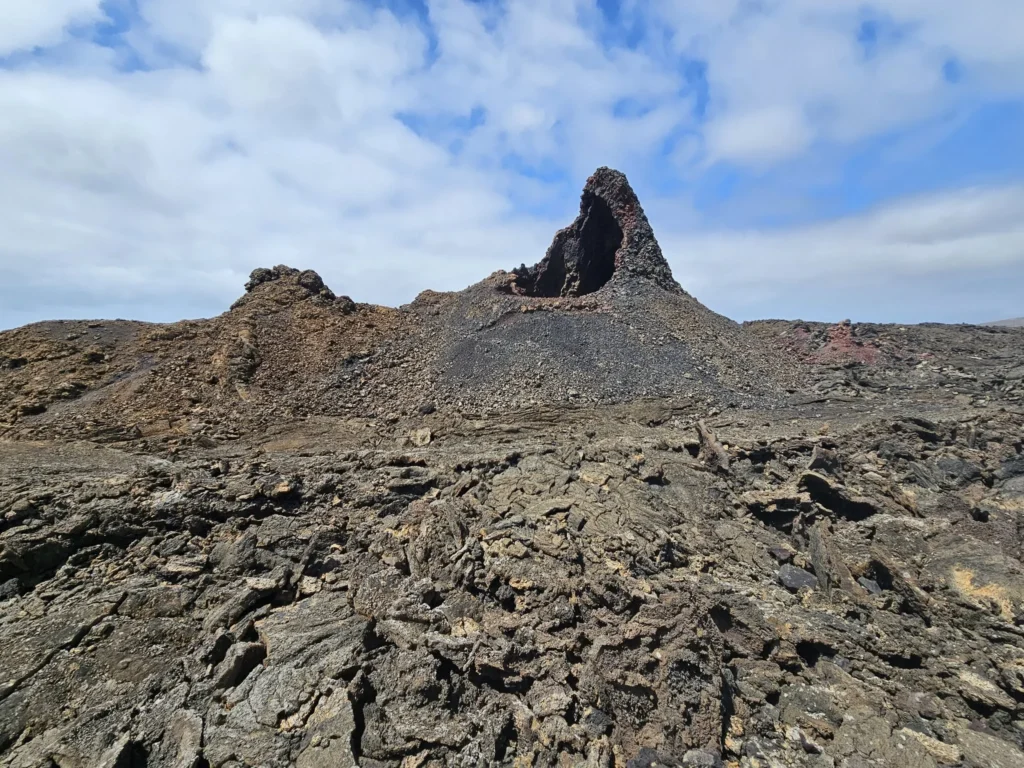
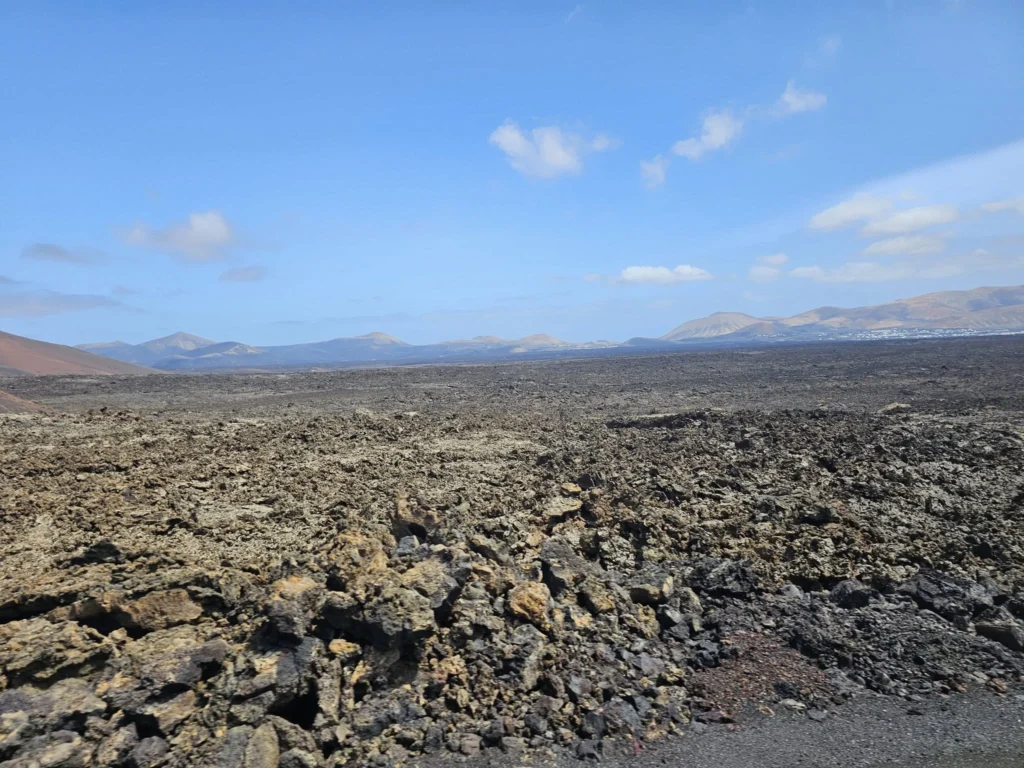
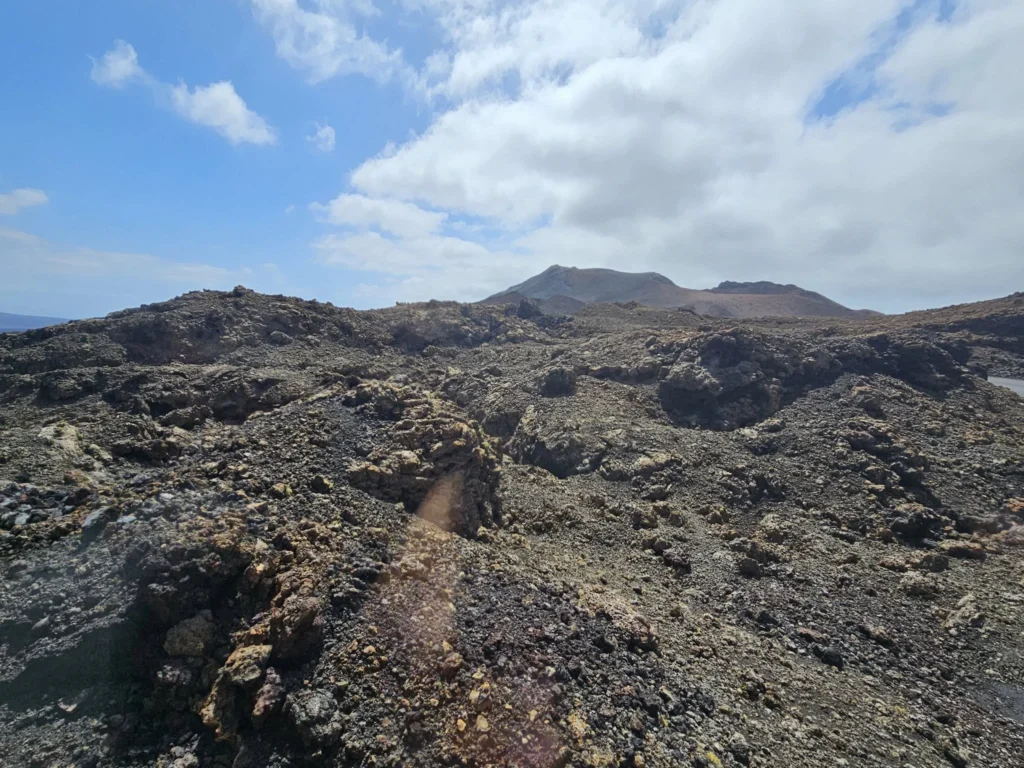
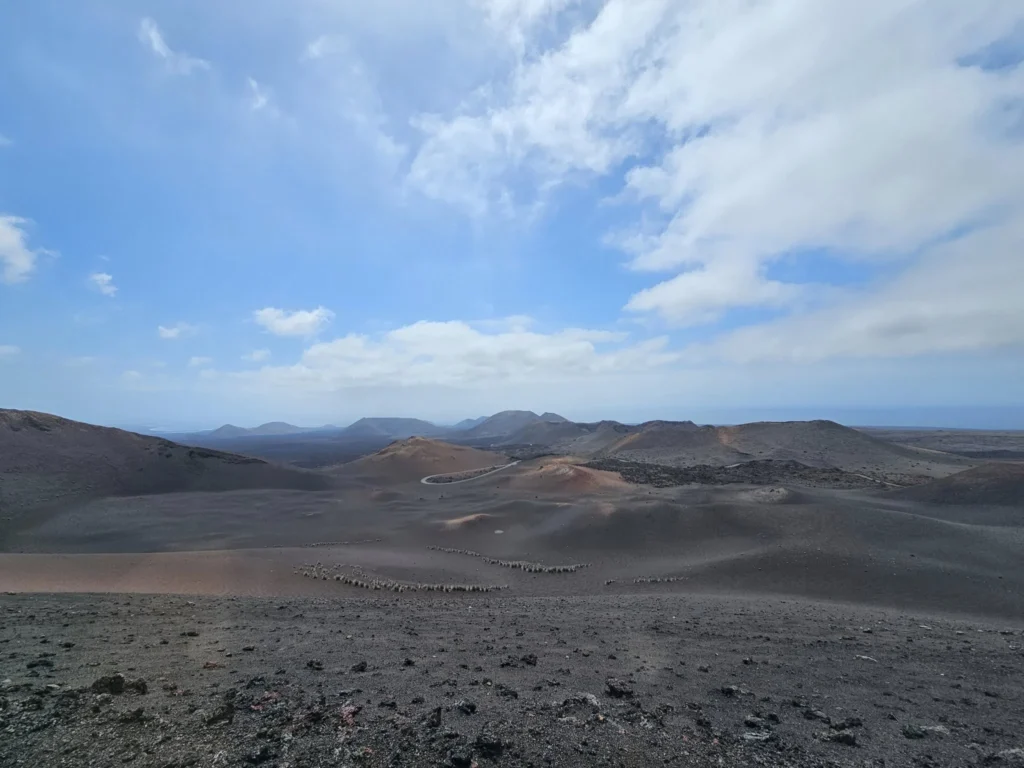
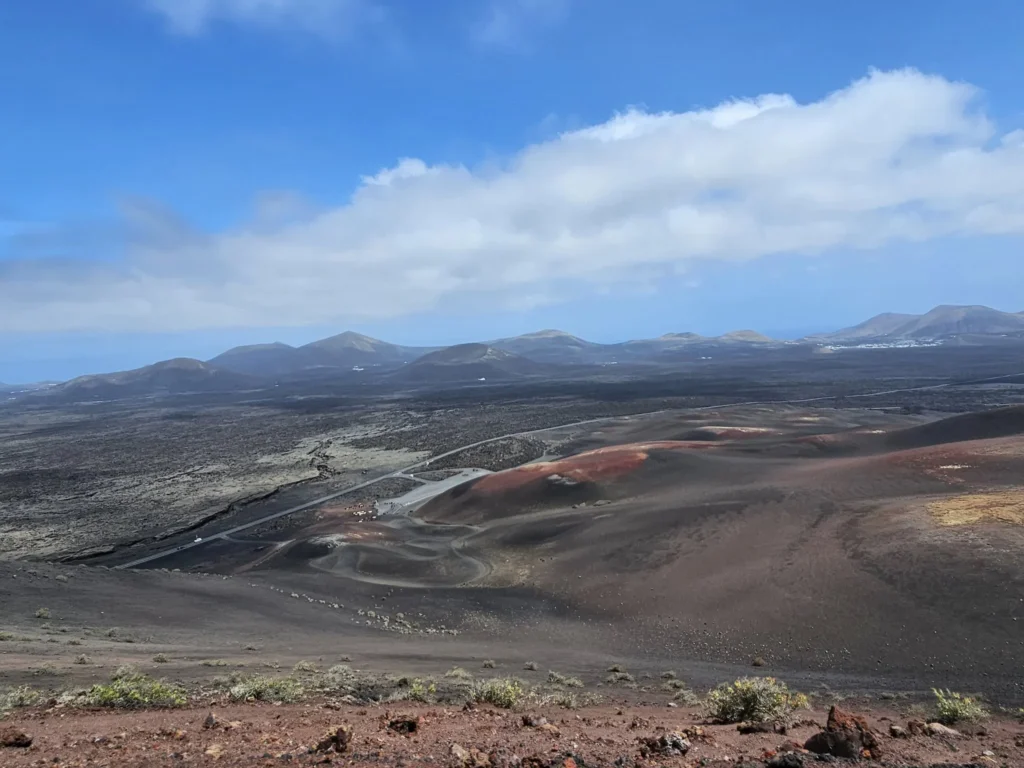
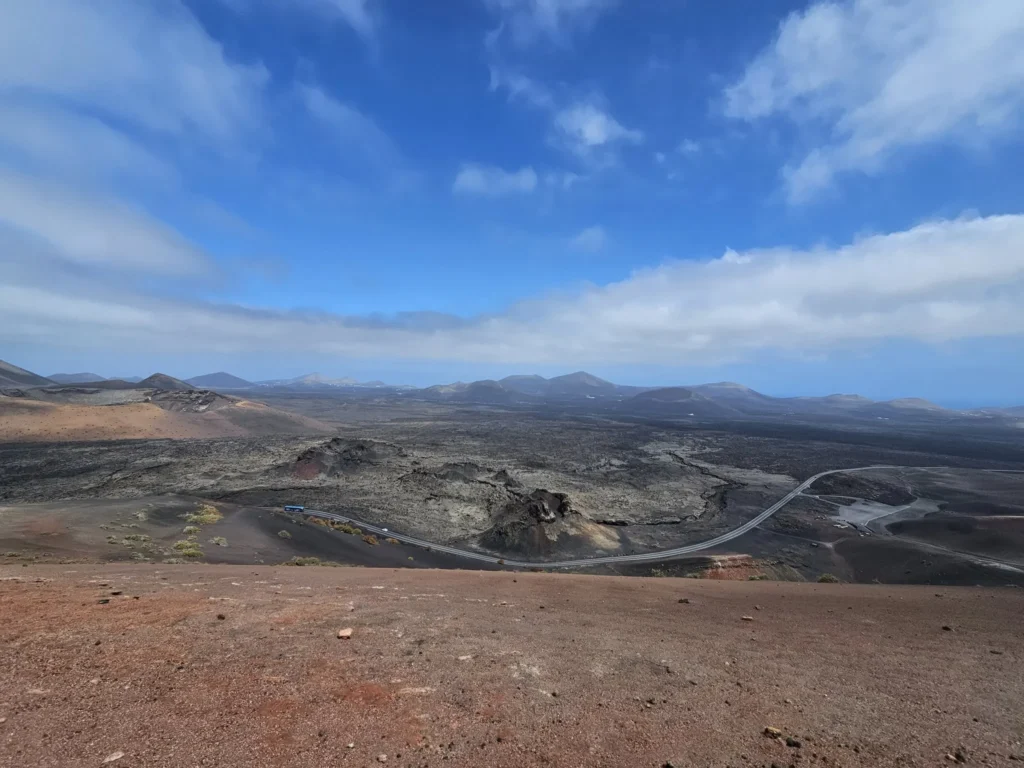
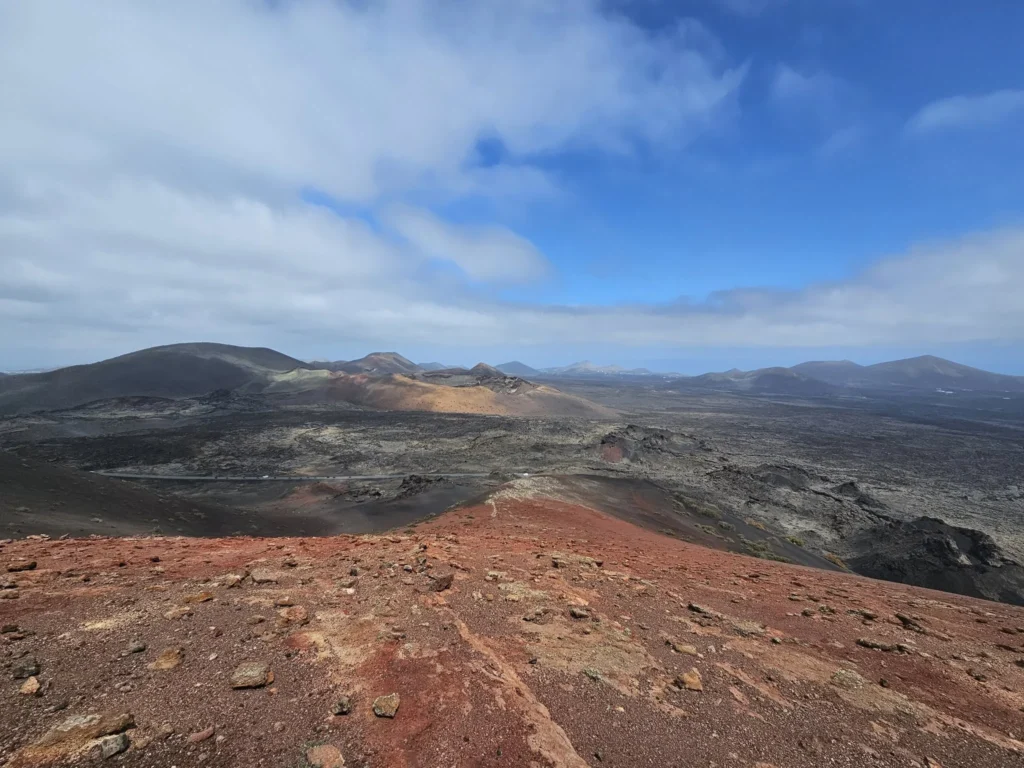
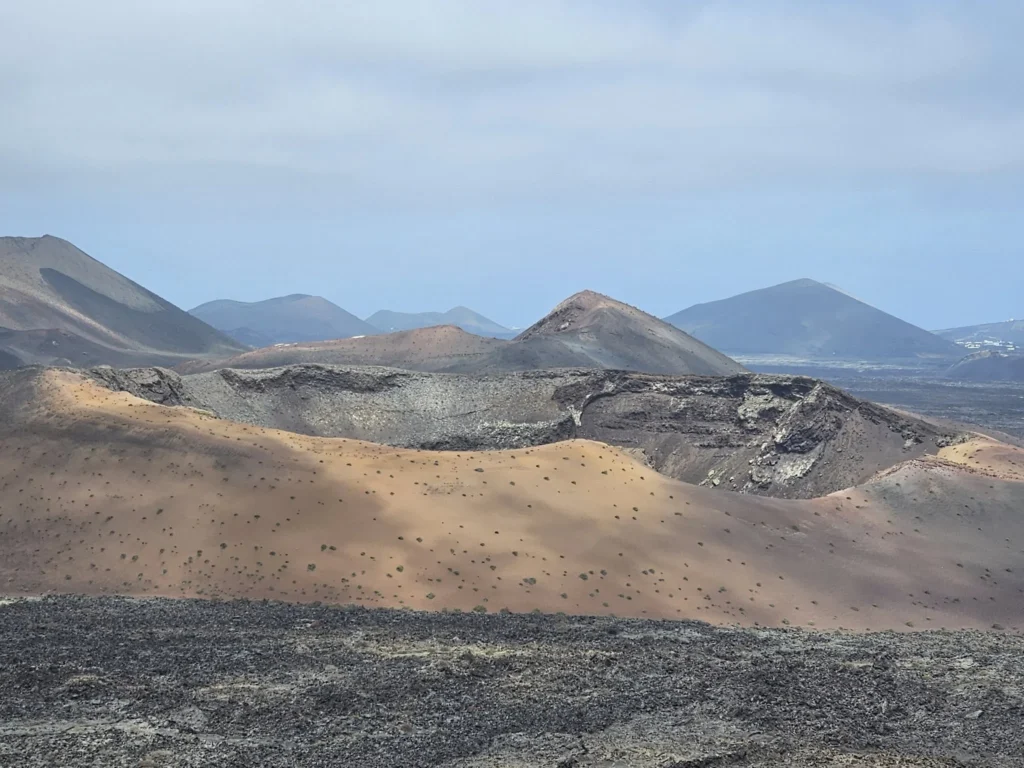
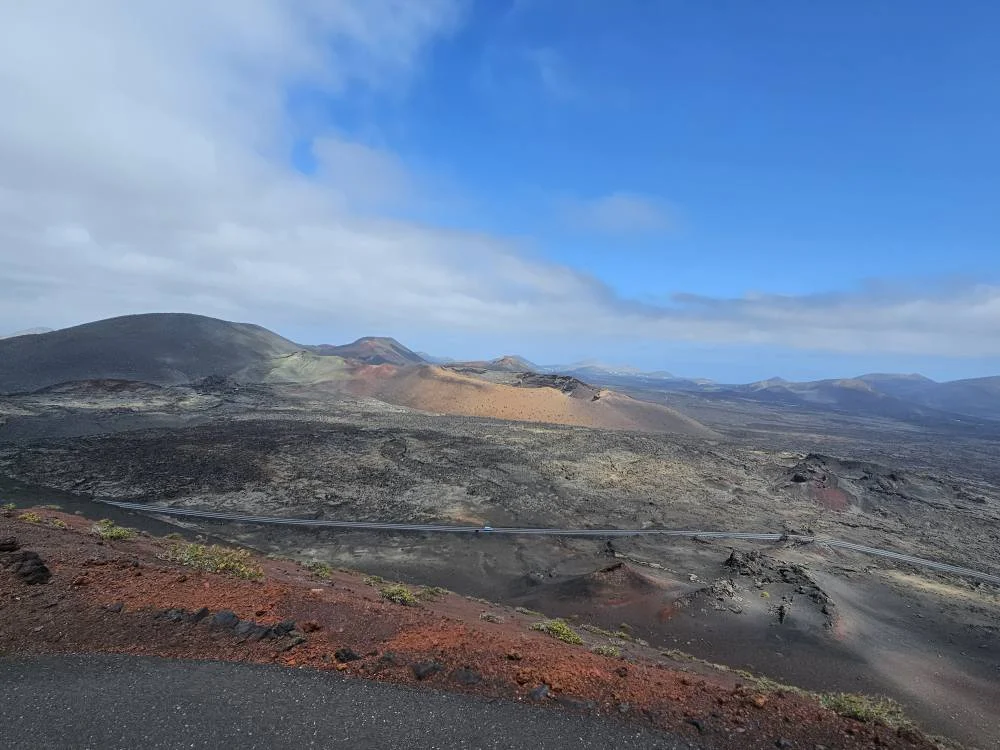
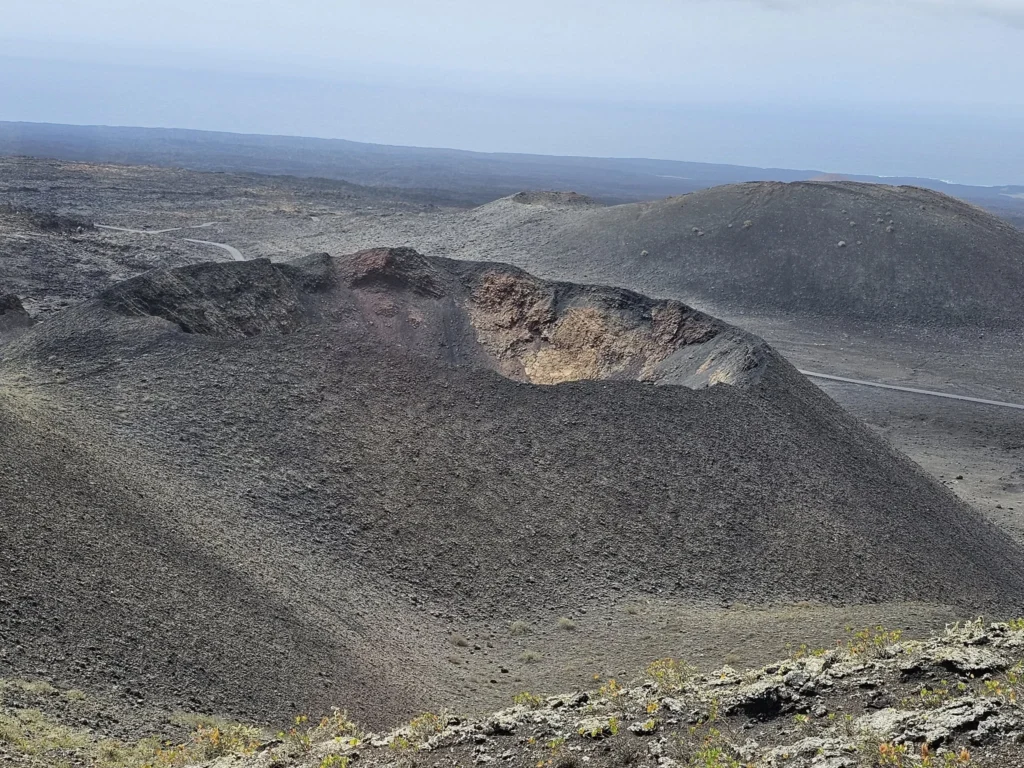
Our final stop was the pièce de résistance: Timanfaya National Park, specifically the Islote de Hilario within the Parque Nacional de los Volcanes. About an hour’s drive from Mirador del Río, this otherworldly landscape was formed by the 1730–1736 eruptions. As we approached, the scenery shifted dramatically—black and red lava fields stretched endlessly, punctuated by volcanic cones and ash fields. The group was speechless, with one friend exclaiming, “This is what Mars must look like!”
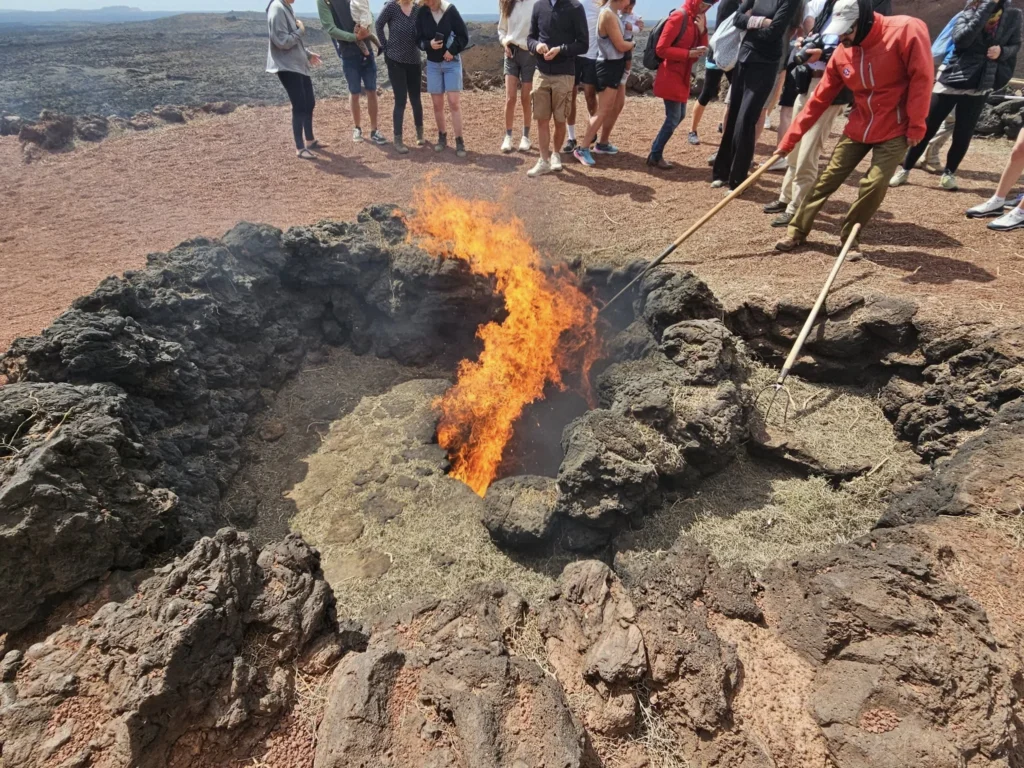
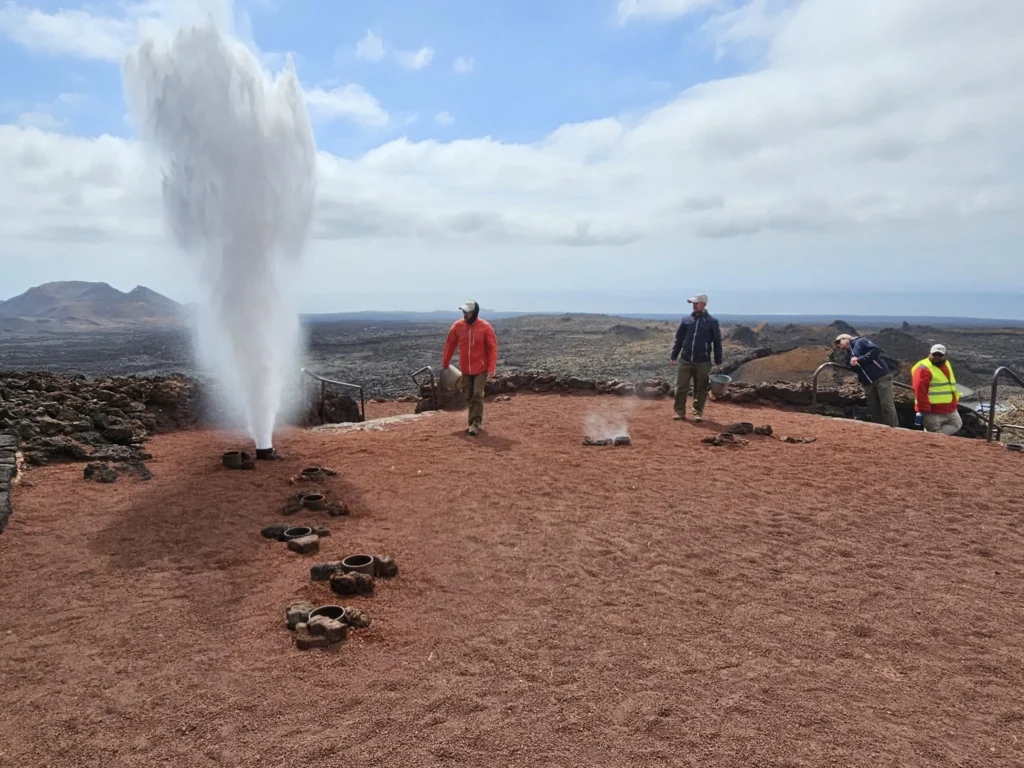
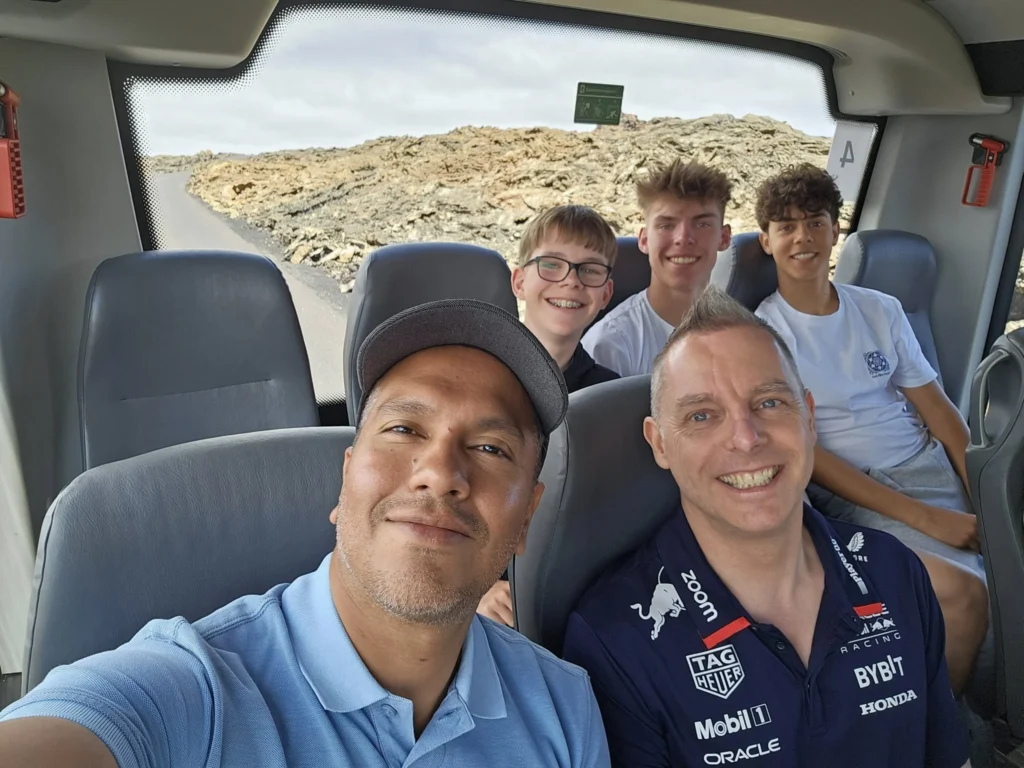
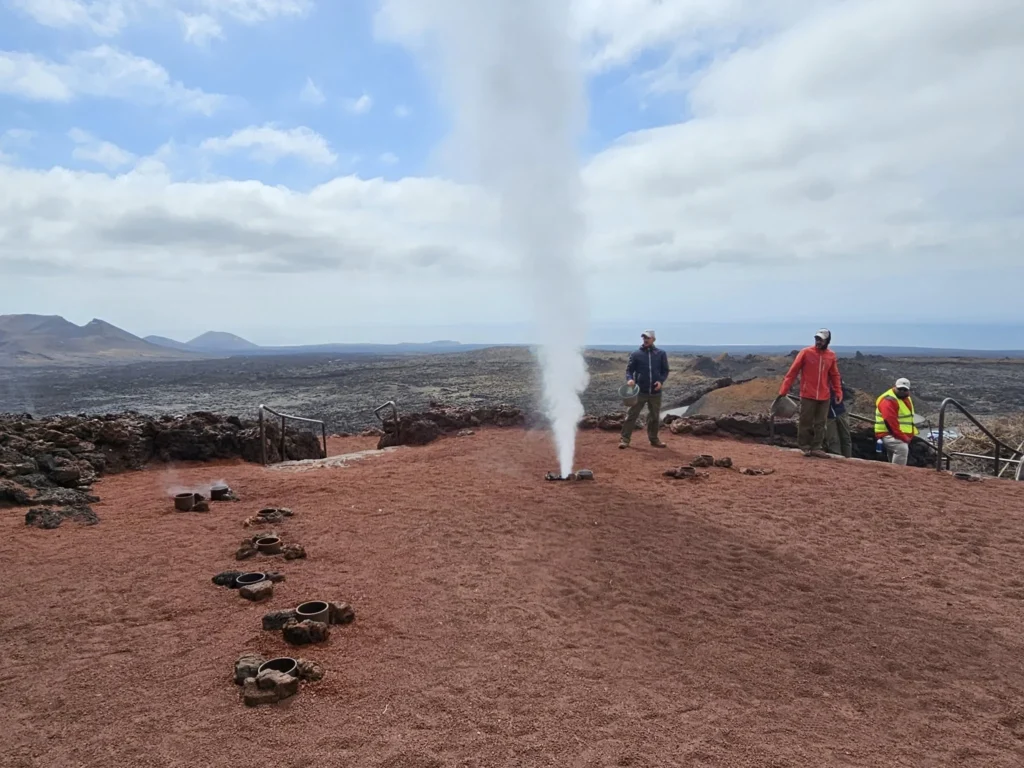
At Islote de Hilario, we joined a guided bus tour through the park’s restricted routes, as walking is limited to preserve the fragile ecosystem. The tour was a sensory overload: jagged lava formations, vibrant ochre and red hues, and an eerie silence broken only by the bus’s narration. Demonstrations at the visitor center showed the ground’s residual heat—straw ignited instantly when placed in a hole, and water poured into a pipe erupted as steam. The group was particularly impressed by the restaurant’s geothermal grills, where food is cooked using volcanic heat.
We spent the afternoon exploring the visitor center, learning about the park’s geology and Lanzarote’s conservation efforts. The group’s excitement was palpable, with our new friend snapping countless photos and declaring Timanfaya the highlight of their trip. As the sun began to set, casting a golden glow over the lava fields, we felt a profound connection to this alien landscape.
Timanfaya was like stepping onto another planet, a place where nature’s raw power left us in awe and wonder.
Snippet: Timanfaya National Park Highlights
- Martian Landscape: Explore lava fields and volcanic cones from 18th-century eruptions.
- Guided Bus Tours: Safe, informative journeys through restricted areas.
- Geothermal Demonstrations: Witness the ground’s heat in action.
- Unique Dining: Savor meals cooked on volcanic grills at Islote de Hilario.
Reflections on Arrecife and the Nieuw Statendam
Back in Arrecife, we returned the car and strolled along the Charco de San Ginés, reflecting on the day’s adventures. The lagoon’s calm waters and surrounding restaurants were tempting, but we needed to return to the Nieuw Statendam for dinner. The ship’s luxurious dining options and evening entertainment were the perfect way to unwind, with the group recounting favorite moments over cocktails.
Arrecife, though not the flashiest Canary Island capital, served as an ideal gateway to Lanzarote’s wonders. The city’s unpretentious charm, combined with the island’s volcanic attractions, made it a standout stop on our cruise. The addition of our new friend to the group added a layer of joy, reminding us that travel is as much about connections as it is about destinations.
Tips for Visiting Arrecife, Lanzarote
- Plan Ahead for Car Rentals: Book a vehicle suited for your group size, but be flexible for spontaneous additions.
- Prioritize Key Sites: Cueva de los Verdes, Jameos del Agua, Mirador del Río, and Timanfaya are must-visits for a full Lanzarote experience.
- Dress for the Weather: Lanzarote’s climate is mild, but bring layers for windy viewpoints and sunscreen for sunny days.
- Try Local Cuisine: Don’t miss papas arrugadas with mojo sauces and fresh fish at local eateries.
- Respect Nature: Follow guidelines in Timanfaya to preserve its delicate ecosystem.

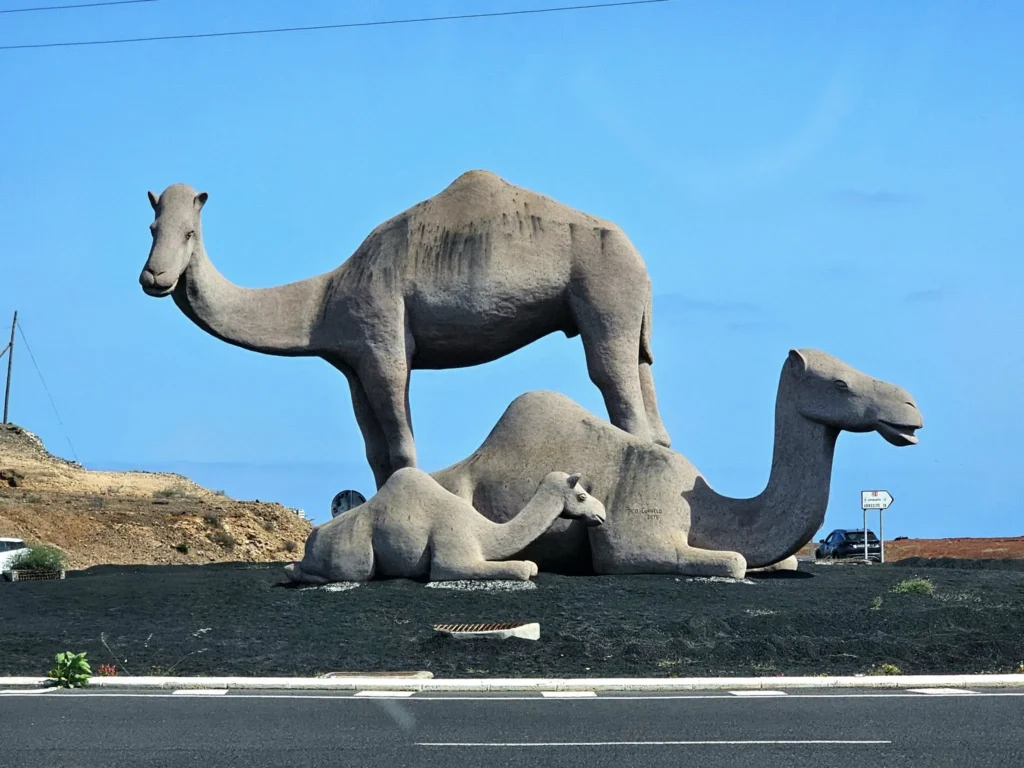
Echoes of Lanzarote’s Fire
In Arrecife’s arms, where reefs embrace the sea,
We sailed on Nieuw Statendam, hearts wild and free.
A car for four, yet five we became,
Friends forged in laughter, no one to tame.

Through Cueva de los Verdes, we wandered in awe,
Lava’s ancient whispers, nature’s raw law.
Jameos del Agua, where art and earth blend,
Albino crabs danced, where caves never end.

At Mirador del Río, the world fell away,
La Graciosa gleamed in the ocean’s soft sway.
We dined with the wind, the horizon our guide,
Lanzarote’s beauty, no heart could hide.

Timanfaya called, a Martian dream unfurled,
Volcanic scars painted a primal world.
Fire in the earth, steam kissed the sky,
Our souls ignited as the sun waved goodbye.

From Arrecife’s shores to lava’s embrace,
We found in Lanzarote a sacred space.
Friends, fire, and wonder, forever we’ll roam,
In the heart of the island, we found our home.