The Atlantic Ocean is a vast, storied expanse that has captivated humanity for millennia, serving as a conduit for exploration, trade, and cultural exchange. Our recent voyage aboard Holland America Line’s Nieuw Statendam on the Canary Island Enchantment with Morocco & Portugal itinerary allowed us to immerse ourselves in this iconic ocean, particularly during a memorable sea day that epitomized the joys of cruising. From gourmet dining to creative activities and world-class entertainment, our time at sea was a harmonious blend of relaxation and discovery. In this comprehensive blog post, we delve into the rich history of the Atlantic Ocean and share our unforgettable experience aboard the Nieuw Statendam, crafting a narrative that celebrates the sea’s timeless allure.
The History of the Atlantic Ocean: A Saga of Earth and Humanity
Geological Origins and Natural Wonders
The Atlantic Ocean, Earth’s second-largest ocean, spans roughly 41 million square miles, separating the Americas from Europe and Africa. Its origins trace back approximately 180 million years to the Mesozoic Era, when the supercontinent Pangaea began to fracture. Tectonic plates drifted apart, creating a rift that filled with seawater, birthing the Atlantic. The Mid-Atlantic Ridge, a sprawling underwater mountain chain, remains a testament to this ongoing process, with volcanic activity gradually widening the ocean basin at a rate of about one inch per year.
This geological dynamism has sculpted unique features, such as the Sargasso Sea, a gyre of calm waters encircled by currents and blanketed with floating sargassum seaweed. The Atlantic’s currents, notably the Gulf Stream, play a pivotal role in regulating global climate, transporting warm water from the tropics to northern Europe, where it tempers winters. The ocean also hosts biodiversity hotspots, from the coral reefs of the Bahamas to the nutrient-rich upwellings off West Africa, supporting species like humpback whales, leatherback turtles, and countless fish.
Ancient Mariners and Early Crossings
Humanity’s relationship with the Atlantic predates recorded history. As early as 1200 BCE, the Phoenicians, master seafarers, navigated its coastal waters, establishing trade routes from the Mediterranean to the Iberian Peninsula. Their voyages laid the groundwork for maritime innovation, including the development of sturdy ships and celestial navigation. By the 5th century BCE, Greek and Carthaginian sailors ventured further, documenting the ocean’s tides and winds.
The Viking Age marked a turning point in transatlantic exploration. Around 1000 CE, Norse explorer Leif Erikson sailed from Greenland to North America, landing in what is now Newfoundland, Canada. Archaeological evidence, such as the L’Anse aux Meadows site, confirms these early crossings, which preceded Christopher Columbus by nearly five centuries. The Vikings’ bold voyages demonstrated the Atlantic’s potential as a pathway to new lands, even as its storms and vastness tested their wooden longships.
The Age of Exploration and Colonial Ambitions
The 15th century ushered in the Age of Exploration, with the Atlantic as its central stage. In 1492, Christopher Columbus, sailing under the Spanish flag, crossed the ocean to reach the Caribbean, inadvertently connecting the Old World to the New. His voyages sparked a wave of exploration, with figures like Vasco da Gama, Ferdinand Magellan, and John Cabot charting the Atlantic’s shores. These journeys facilitated the exchange of goods, ideas, and cultures—known as the Columbian Exchange—but also brought devastating consequences, including disease and displacement for indigenous peoples.
By the 16th century, the Atlantic became a battleground for European empires. Spain and Portugal dominated early colonial efforts, establishing vast networks of trade and conquest in the Americas and Africa. The ocean carried sugar, tobacco, and precious metals to Europe, fueling economic growth. However, this era also saw the tragic transatlantic slave trade, which forcibly transported over 12 million Africans to the Americas between the 16th and 19th centuries. The Atlantic’s waters bore witness to unimaginable suffering, leaving a legacy that continues to shape global societies.
The Atlantic Ocean is a paradox—a bridge that unites and a chasm that divides, carrying both dreams and sorrows across its waves.
Piracy, Naval Power, and the Rise of Steam
The Atlantic’s lawless expanse gave rise to piracy, particularly during the 17th and early 18th centuries. Pirates like Blackbeard, Anne Bonny, and Sir Francis Drake exploited the ocean’s vastness, targeting merchant ships laden with colonial wealth. Their exploits, romanticized in literature, underscored the Atlantic’s role as a theater of opportunity and danger. Meanwhile, naval powers clashed for supremacy, with battles like the defeat of the Spanish Armada in 1588 cementing England’s maritime dominance.
The 19th century brought technological leaps that reshaped the Atlantic. The introduction of steamships, beginning with the SS Great Western in 1838, reduced crossing times from weeks to days, democratizing transatlantic travel. Iconic liners like the Cunard and White Star fleets carried immigrants, dignitaries, and adventurers, turning the Atlantic into a bustling highway. The 1858 laying of the first transatlantic telegraph cable revolutionized communication, shrinking the world long before the internet. Yet, tragedies like the Titanic’s sinking in 1912 reminded humanity of the ocean’s unpredictable power.
The Atlantic in the Modern Era
The 20th century saw the Atlantic as a critical arena during both World Wars. The Battle of the Atlantic (1939–1945), a prolonged struggle between Allied convoys and German U-boats, determined the flow of supplies to Europe, shaping the outcome of World War II. Submarines, aircraft carriers, and sonar transformed naval warfare, highlighting the ocean’s strategic importance.
Today, the Atlantic remains a vital economic and cultural lifeline. It handles over half of global maritime trade, with ports like Rotterdam, New York, and Lagos serving as global hubs. Beneath its surface, fiber-optic cables transmit data, powering the digital age. The ocean also inspires art, literature, and music, from Ernest Hemingway’s The Old Man and the Sea to traditional Celtic ballads celebrating its mystique.
Environmental Challenges and Conservation
The Atlantic faces pressing environmental threats. Overfishing has depleted stocks of cod and tuna, while plastic pollution—estimated at 200 million tons globally—endangers marine life. Climate change exacerbates these issues, warming waters and intensifying storms. The 2010 Deepwater Horizon oil spill in the Gulf of Mexico underscored the ocean’s vulnerability, with lasting ecological impacts.
Conservation efforts are gaining momentum. Initiatives like the Atlantic Ocean Research Alliance and the United Nations’ Decade of Ocean Science aim to protect ecosystems through sustainable practices and research. Marine protected areas, such as those in the Azores, safeguard biodiversity, ensuring the Atlantic’s wonders endure.
The Atlantic’s future hinges on our stewardship—its waves carry not just history, but a call to preserve its legacy for generations.
This rich history, spanning geological epochs and human triumphs, set the stage for our own Atlantic adventure aboard the Nieuw Statendam.
Our Experience Aboard the Nieuw Statendam: A Sea Day of Bliss
Embarking on a Pinnacle-Class Journey
Holland America Line’s Nieuw Statendam, a Pinnacle-class ship launched in 2018, is a floating sanctuary of elegance and innovation. With a capacity for 2,666 guests, it strikes a perfect balance—spacious enough for diverse amenities, yet intimate enough for personalized service. The Canary Island Enchantment with Morocco & Portugal itinerary promised a tapestry of vibrant ports and serene sea days, and our third sea day on the Atlantic Ocean became a cherished highlight. Surrounded by the ocean’s endless expanse, we embraced the ship’s luxurious offerings, creating memories that linger like the Atlantic’s gentle waves.
A Gourmet Start: Breakfast in the Main Dining Room
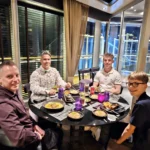
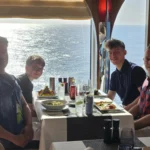
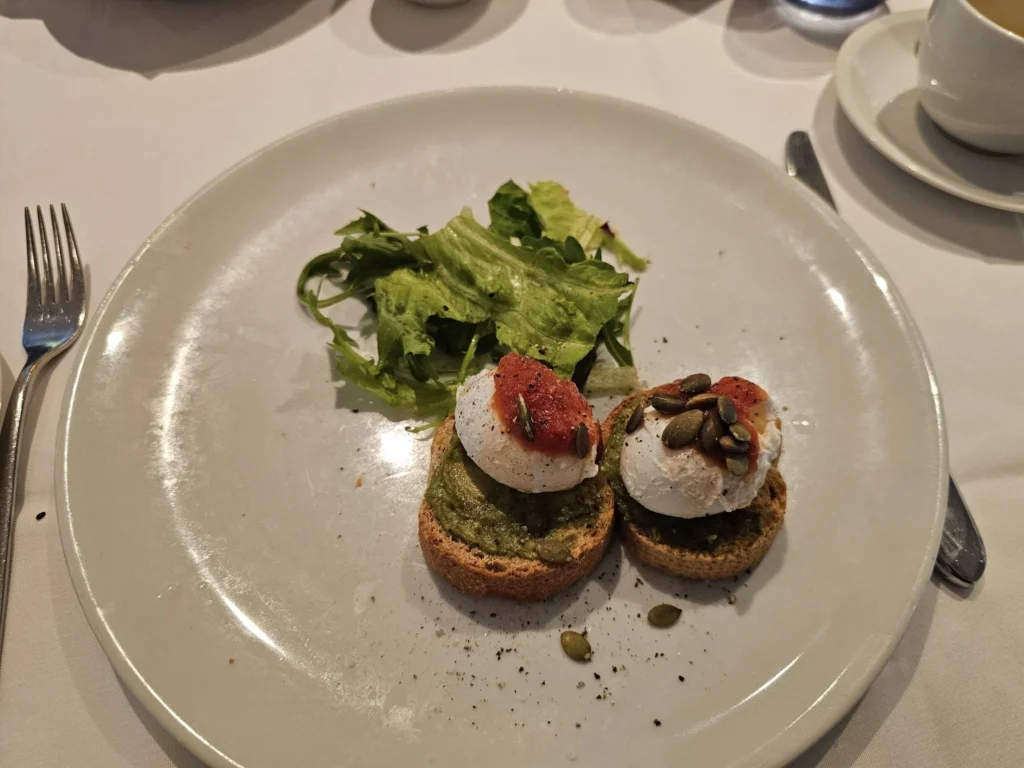
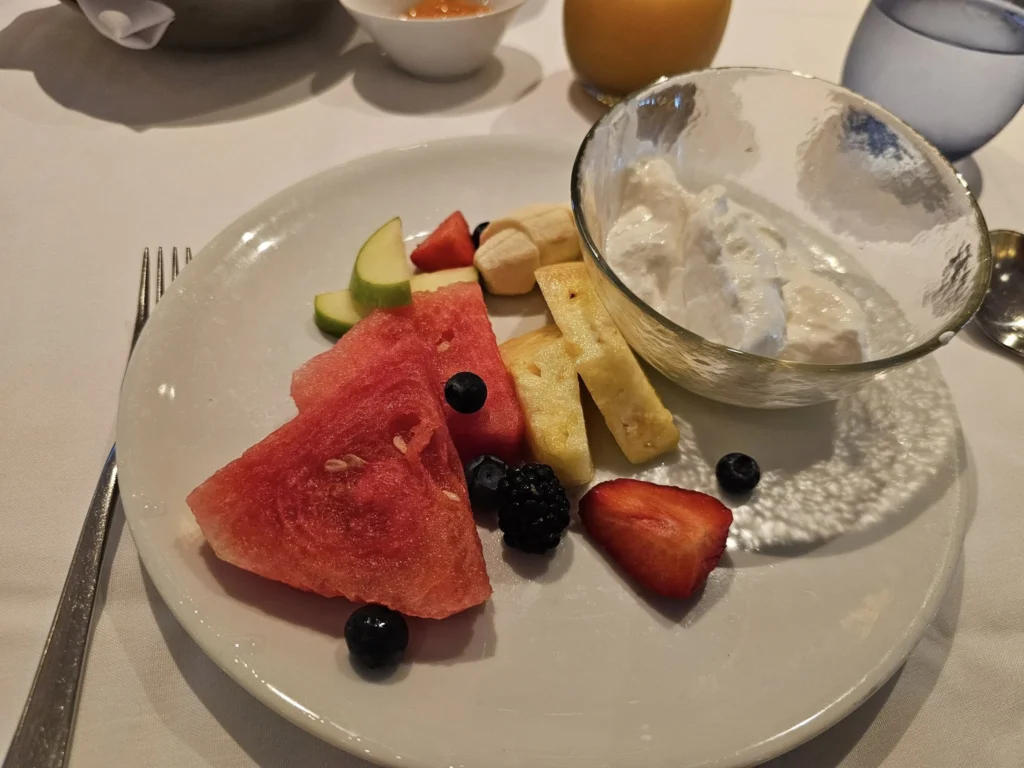
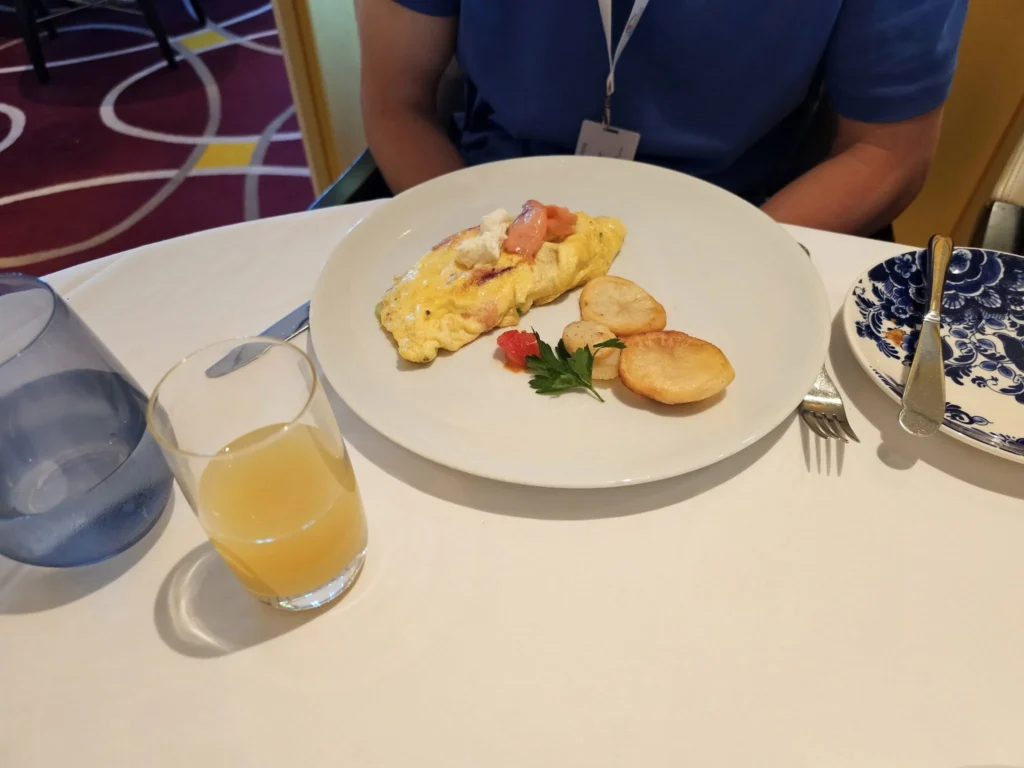
Our sea day began in the Main Dining Room, a breathtaking venue with soaring windows that framed the Atlantic’s azure horizon. The morning light danced on the water, casting a serene glow over our table. The menu was a culinary symphony, offering everything from smoked salmon bagels to avocado toast and indulgent Belgian waffles. We opted for eggs Benedict, the hollandaise sauce perfectly balanced, paired with fresh-squeezed orange juice and robust coffee. The staff, with their warm professionalism, made us feel like honored guests at a private estate.
The Main Dining Room’s ambiance—think crystal chandeliers, starched linens, and soft classical music—elevated the experience. We lingered over our meal, savoring the flavors and the view. The Atlantic stretched endlessly before us, its vastness both humbling and invigorating. Conversations flowed easily, from anticipation for upcoming ports to reflections on the ship’s impeccable service.
Breakfast in the Main Dining Room was more than a meal—it was a ritual, a moment to connect with the ocean and each other.


Creative Connections: Iris Collage with Sven and Liam
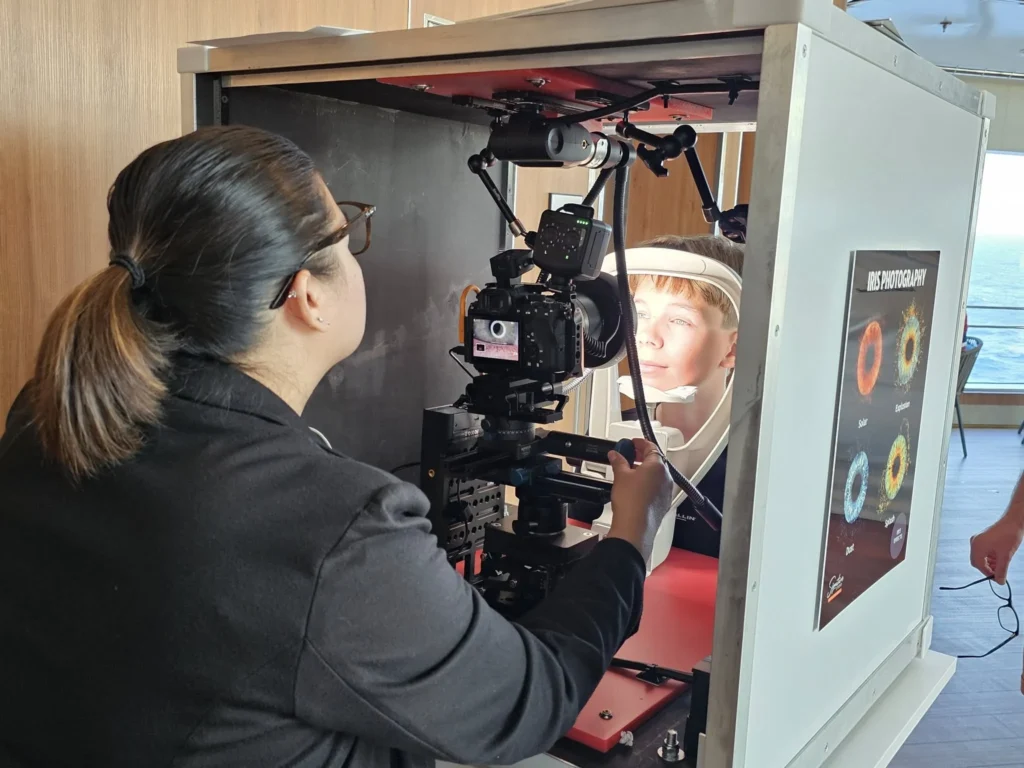
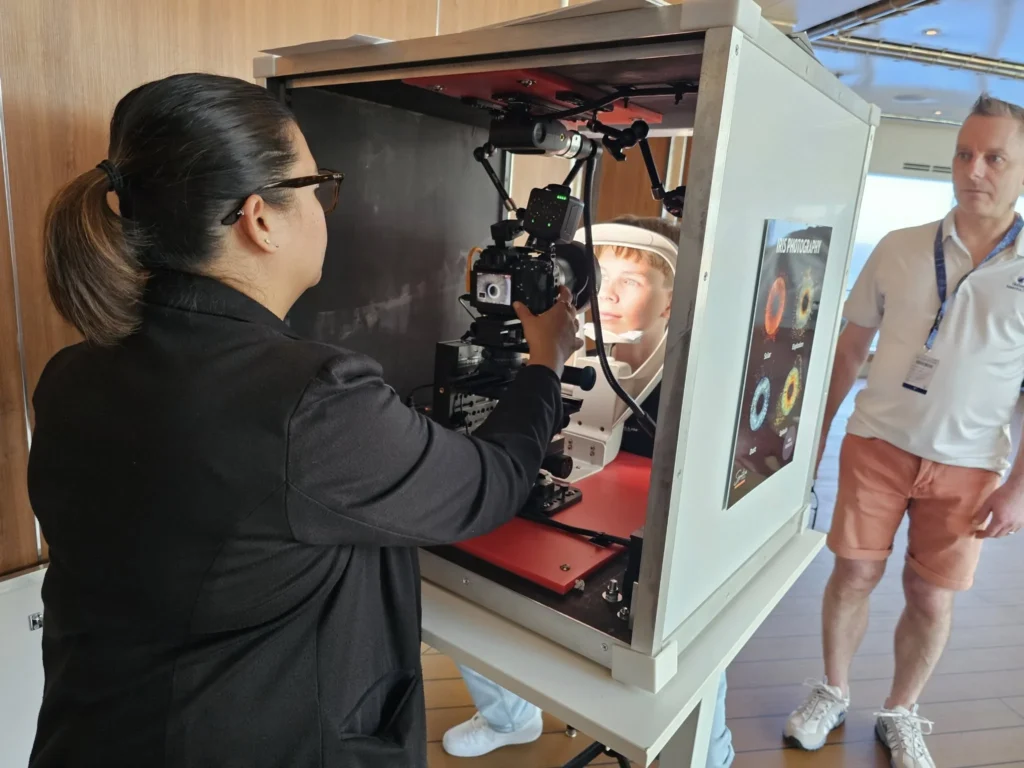
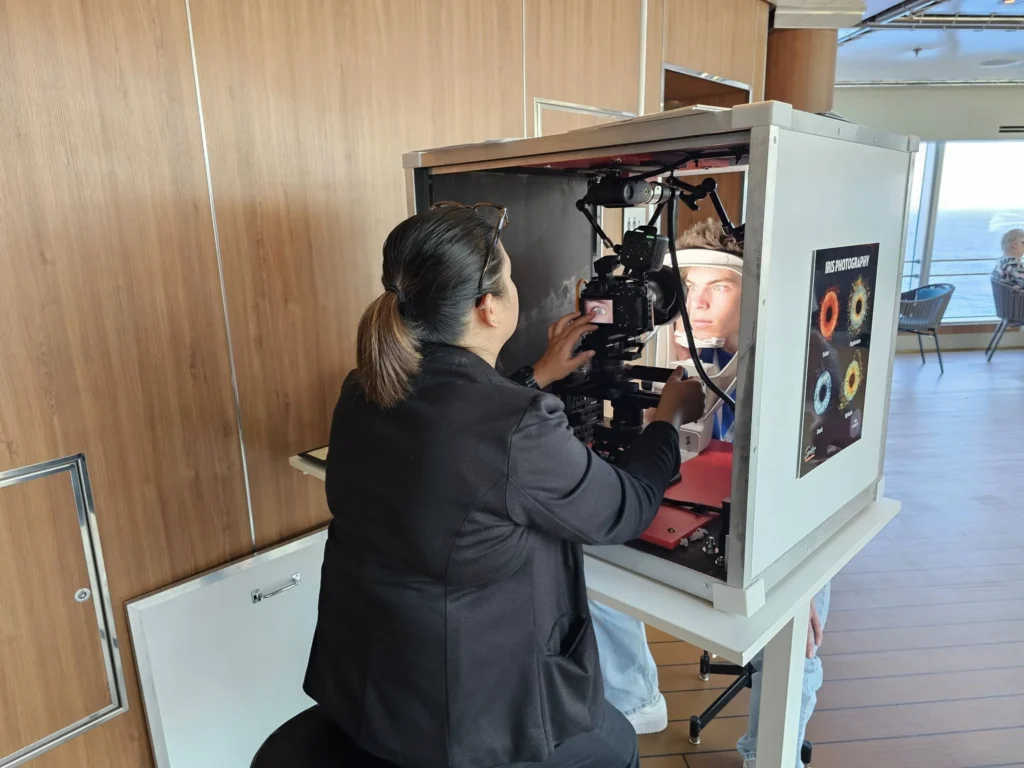
After breakfast, we strolled to one of the Nieuw Statendam’s innovative activities, where our nephews Sven and Liam participated in a captivating photo project. Using advanced imaging technology, their irises were photographed and transformed into a vibrant collage, a unique memento of our sea day. The process was mesmerizing—each iris revealed intricate patterns, like miniature galaxies, blending art and science. Sven’s enthusiasm and Liam’s playful commentary added laughter to the moment, making it a highlight of our morning.
This activity, offered in the ship’s Explorations Central lounge, showcased Holland America’s commitment to enriching experiences. From digital workshops to cultural talks, the Nieuw Statendam ensures every guest finds something to spark their curiosity. For us, watching Sven and Liam’s collage come to life was a reminder of how cruising fosters creativity and connection, with the Atlantic as our boundless backdrop.
Embracing the Sea Day Rhythm
With no port on the horizon, our sea day became a celebration of the Nieuw Statendam’s myriad offerings. The Atlantic Ocean enveloped us, its deep blue surface shimmering under a cloudless sky. We began the afternoon at the Lido Pool, where the retractable roof created a sunlit oasis. Lounging on cushioned deck chairs, we savored gourmet hot dogs and truffle fries from Dive-In, the poolside eatery. The sound of steel drum music from a nearby band mingled with the ocean’s gentle hum, creating a tropical vibe.
For a quieter retreat, we visited the Crow’s Nest on Deck 12, a panoramic lounge with floor-to-ceiling windows. Sipping herbal tea, we gazed at the Atlantic’s horizon, where sea and sky blurred into infinity. The lounge’s cozy armchairs and curated book selection invited introspection, a perfect counterpoint to the morning’s social energy. Later, we indulged in a hot stone massage at the Greenhouse Spa & Salon, where the scent of eucalyptus and the ship’s subtle motion lulled us into bliss.
The Nieuw Statendam’s design caters to every mood. Active travelers can join yoga classes, play basketball, or hit the Fitness Center’s treadmills with ocean views. We opted for a leisurely walk along the Promenade Deck, circling the ship as the Atlantic breeze tousled our hair. The deck’s classic teak planks and retro deck chairs evoked the golden age of ocean liners, connecting us to the Atlantic’s storied past.
A sea day on the Nieuw Statendam is a canvas of possibilities—paint it with adventure, relaxation, or a bit of both.
Evening Elegance: Nami Sushi and the World Stage
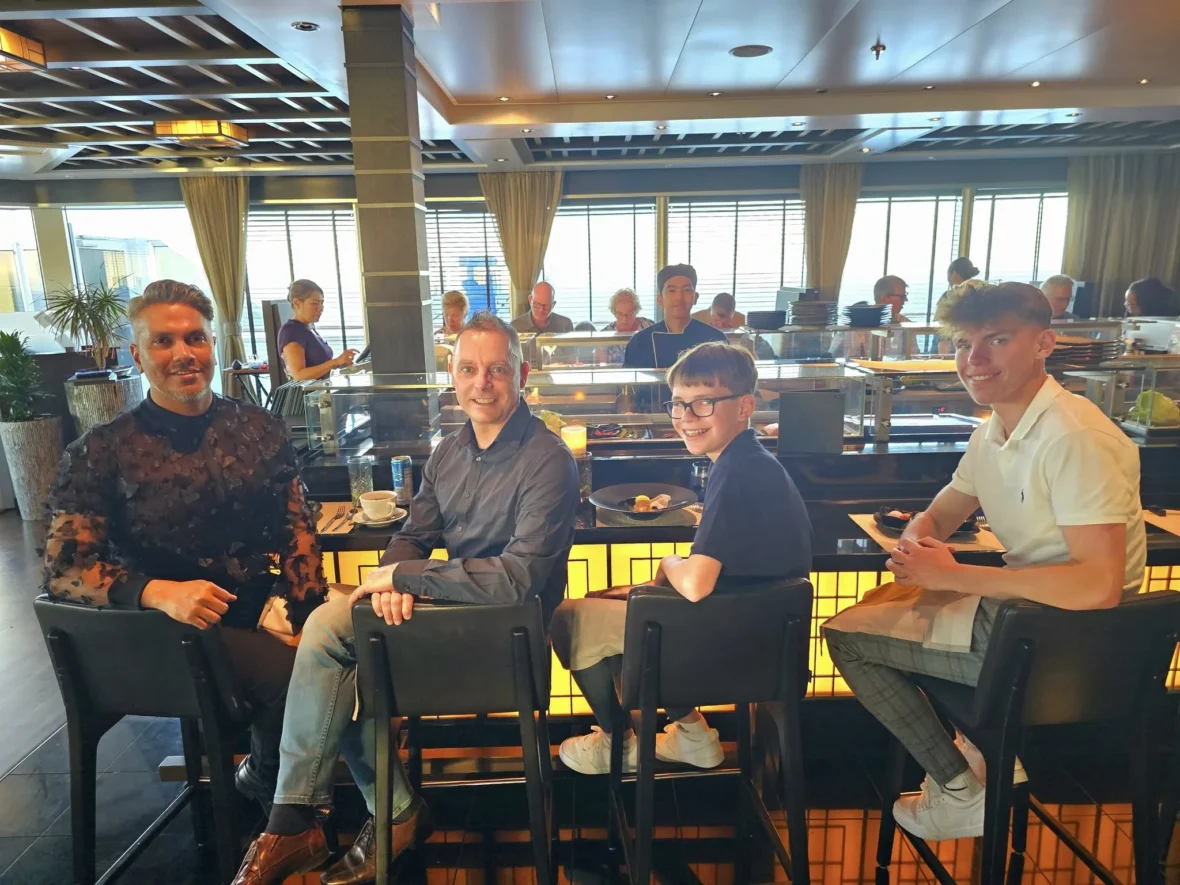
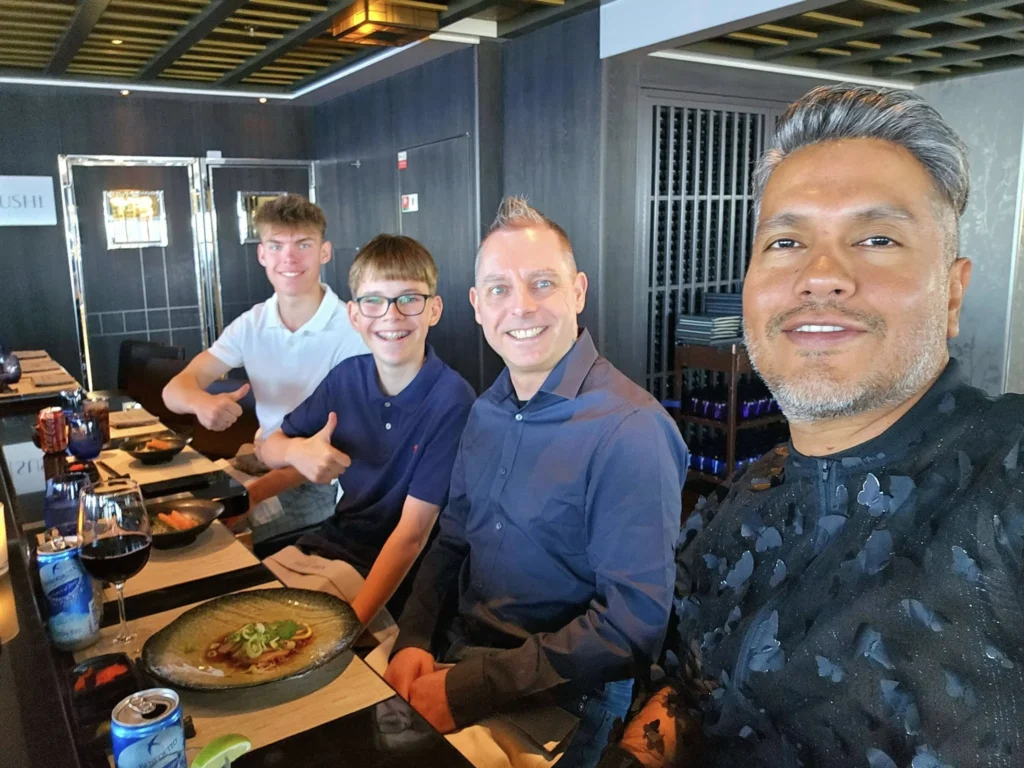
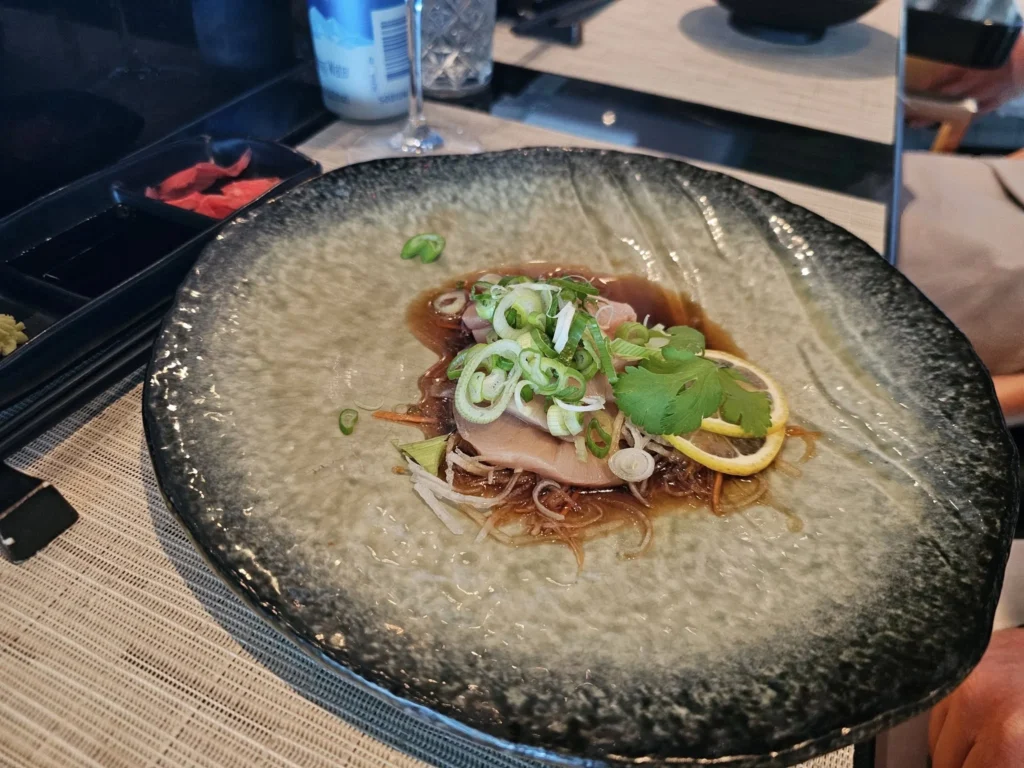
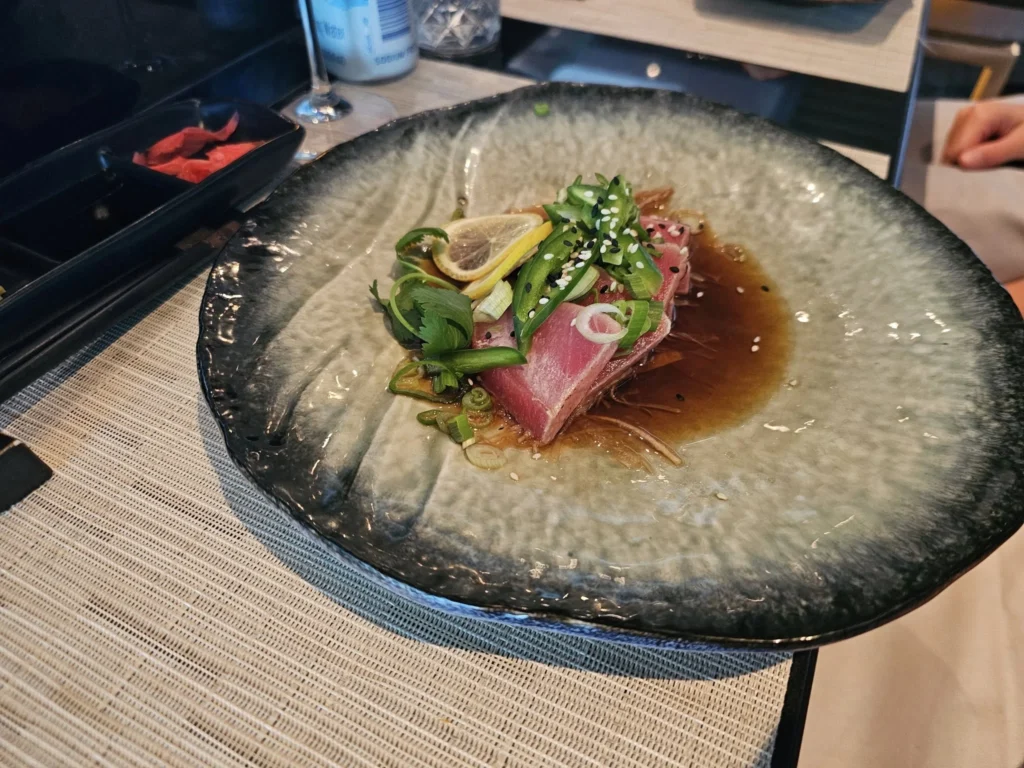
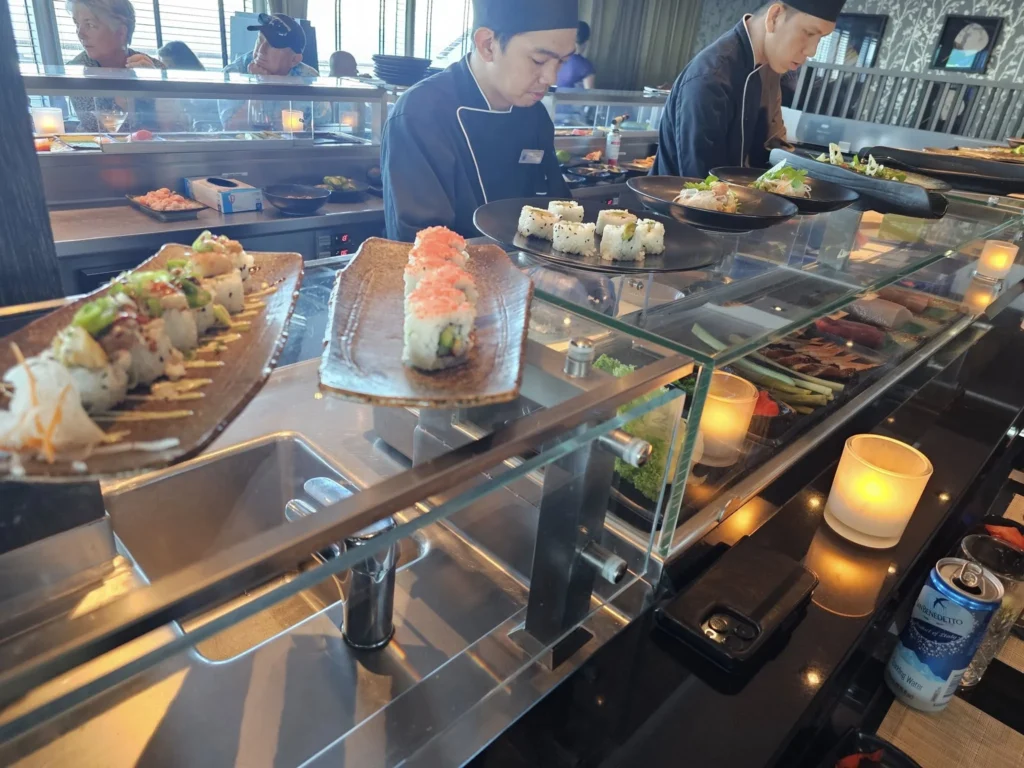
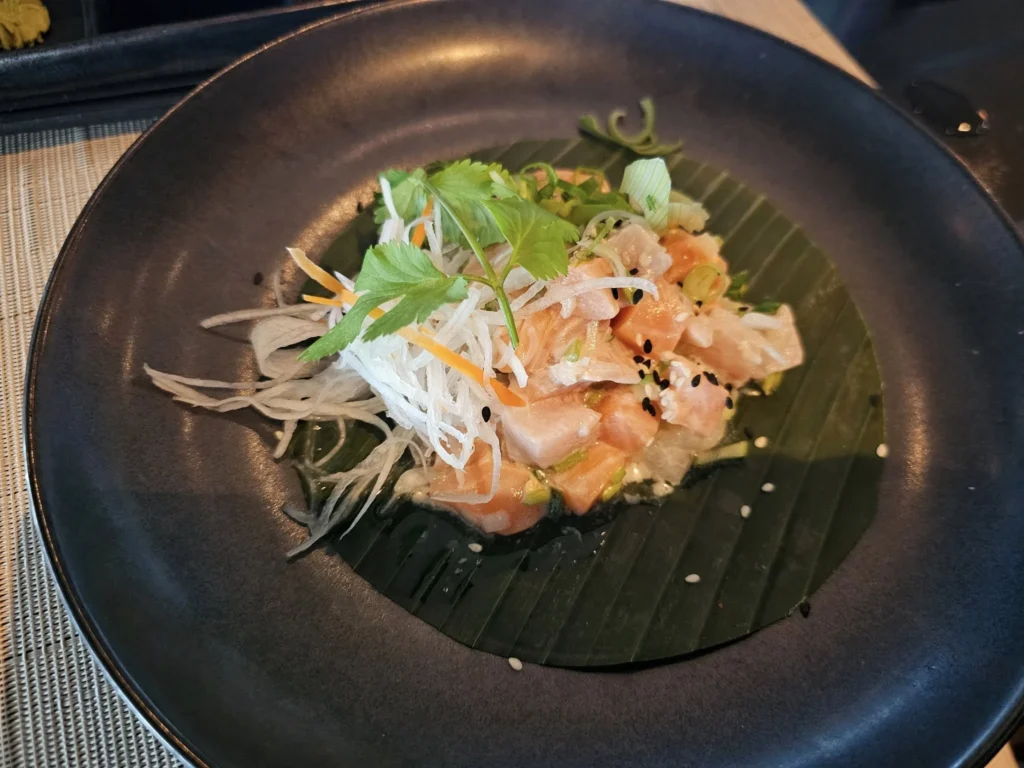
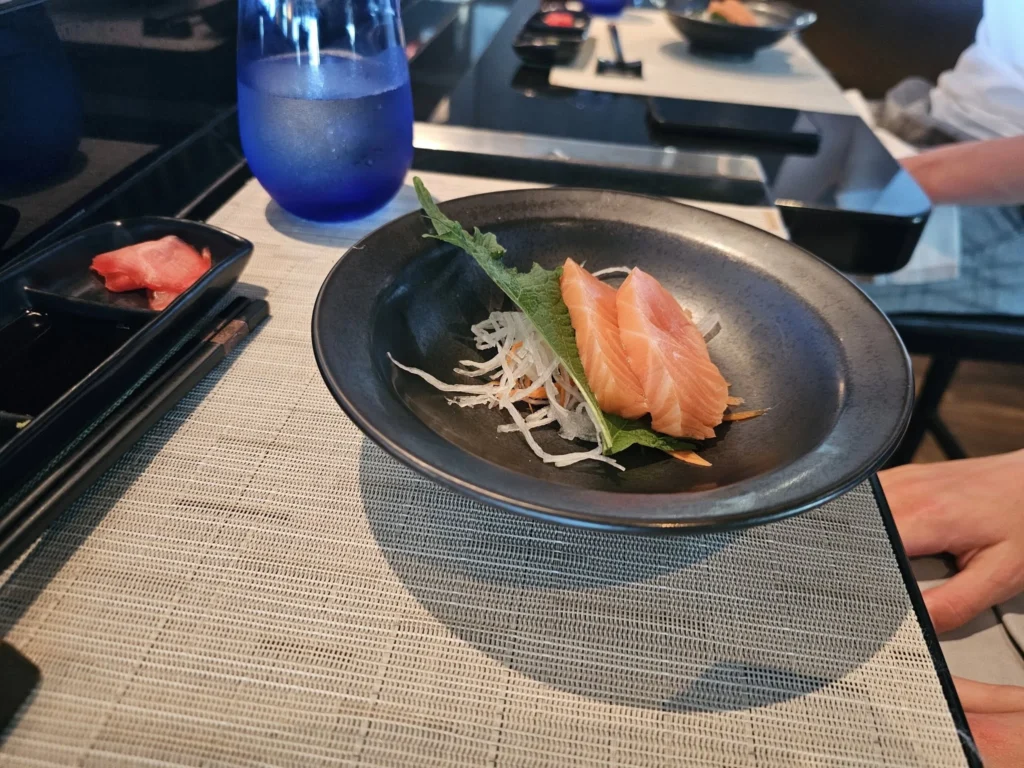
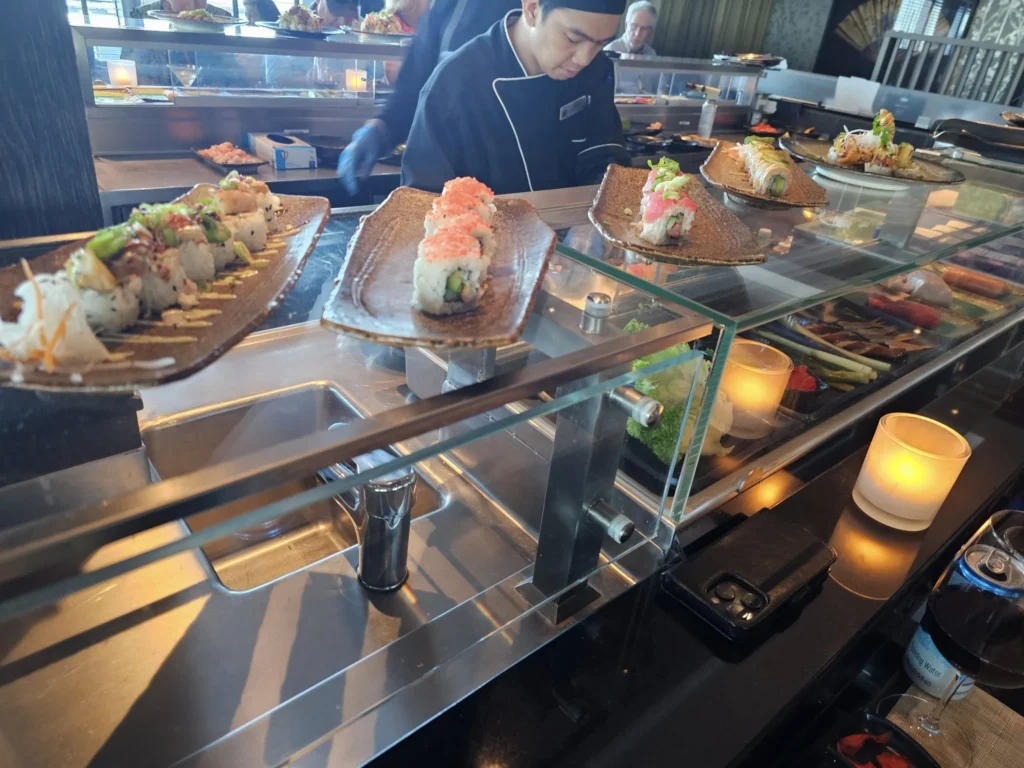
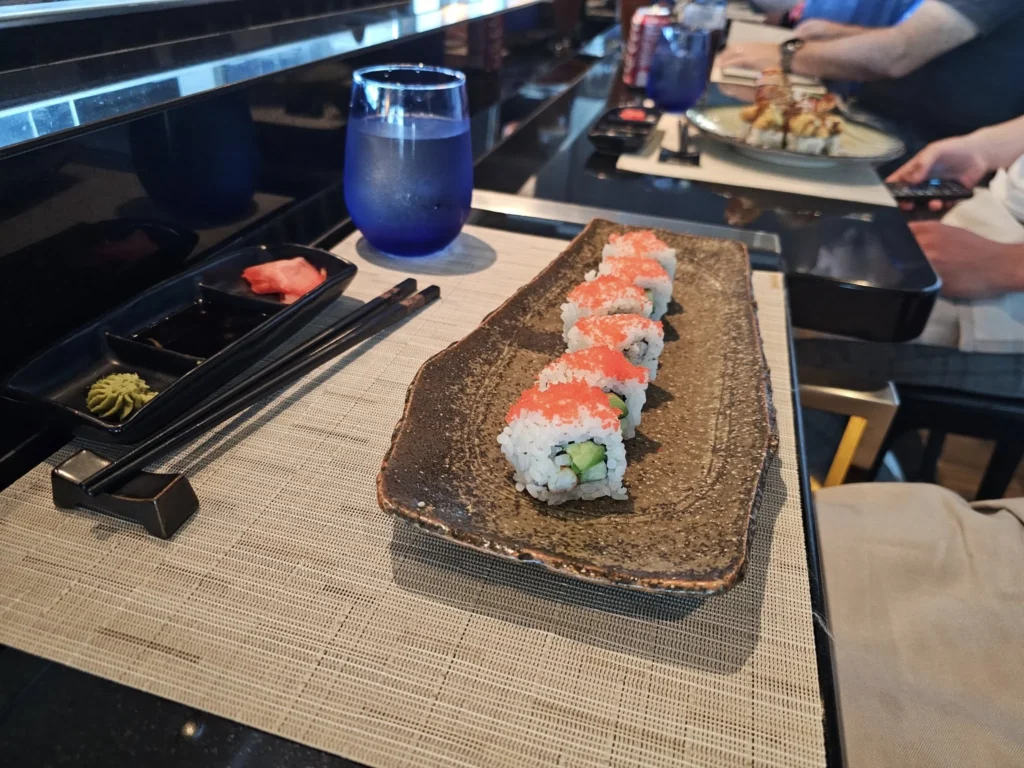
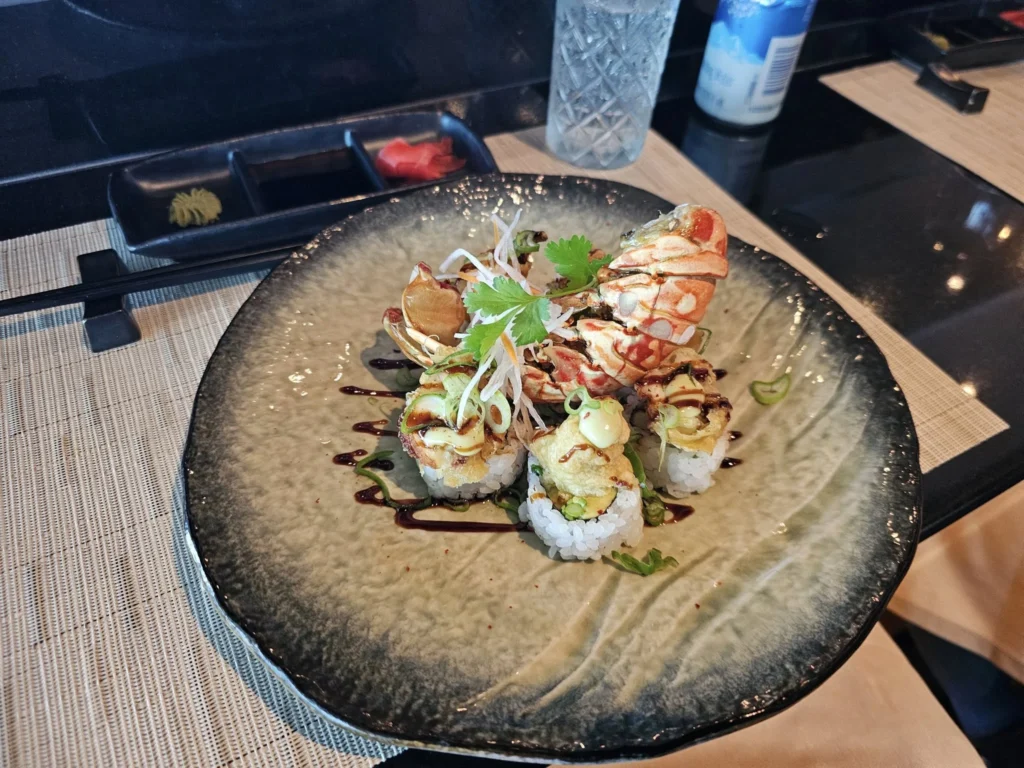
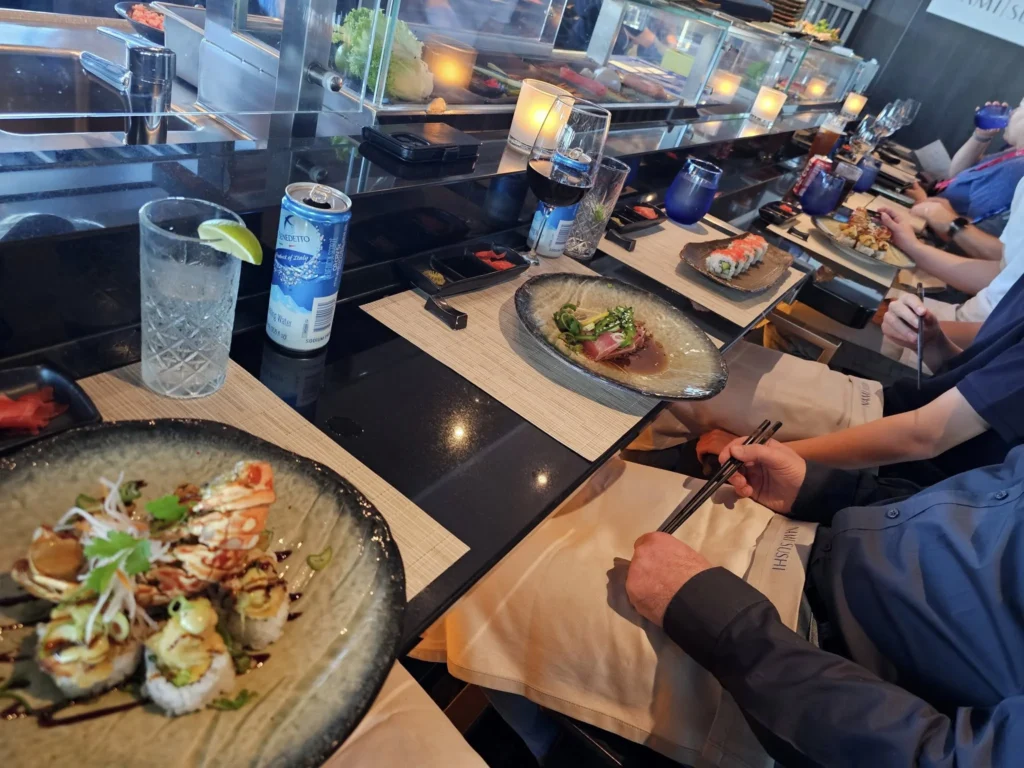
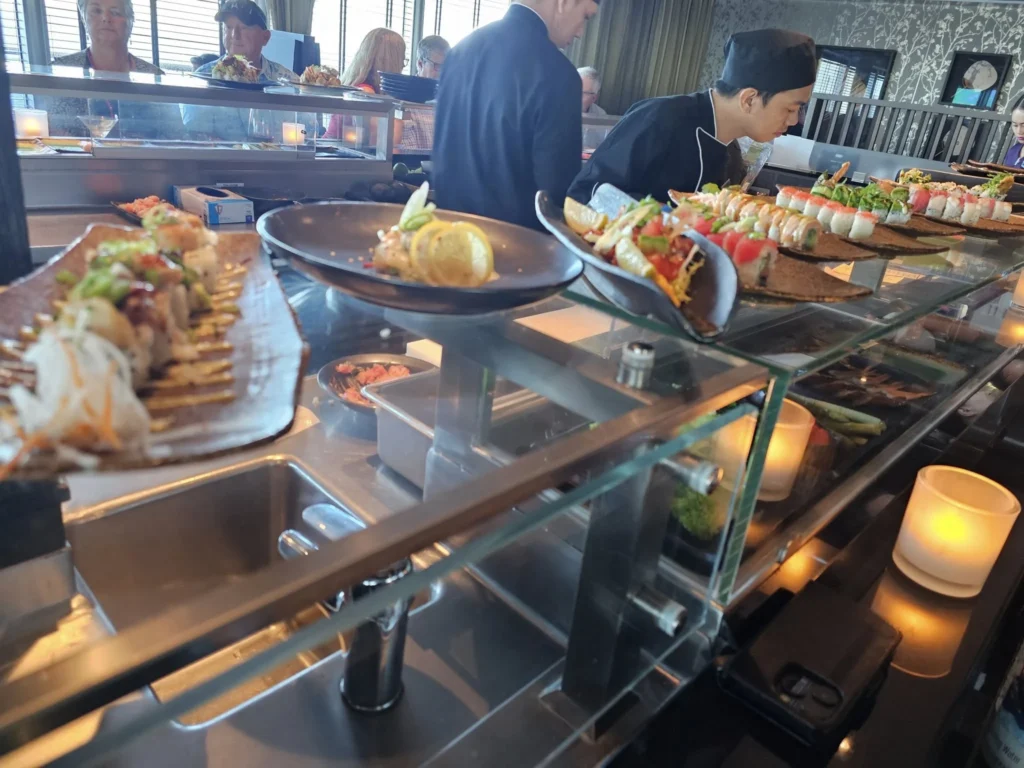
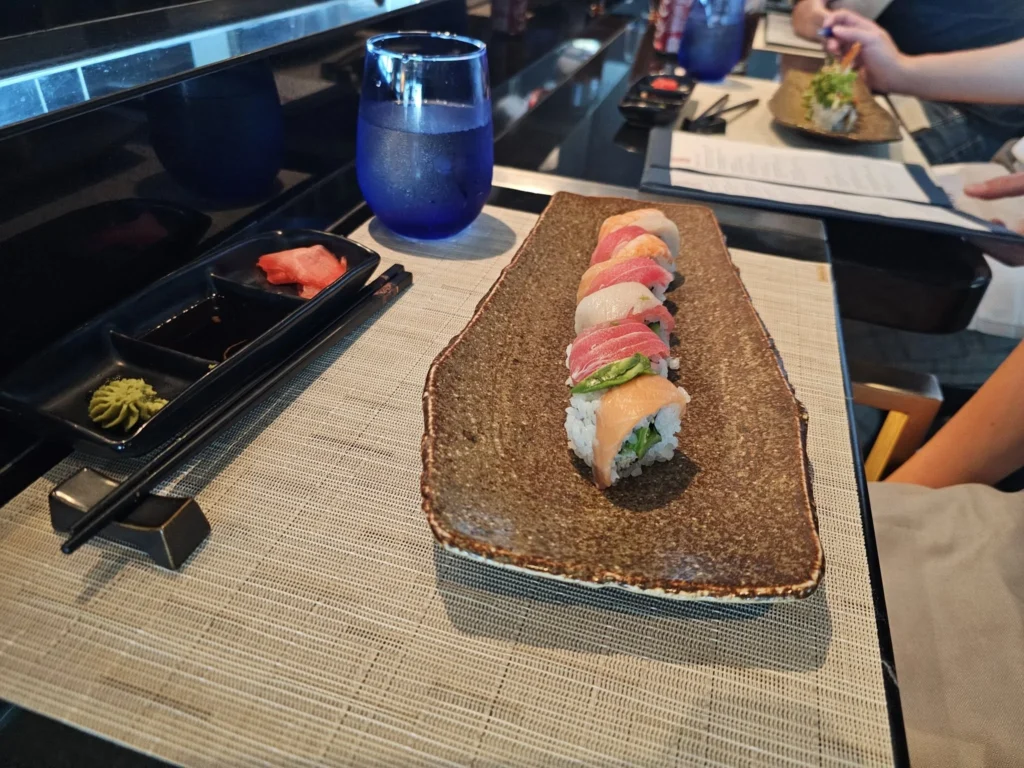
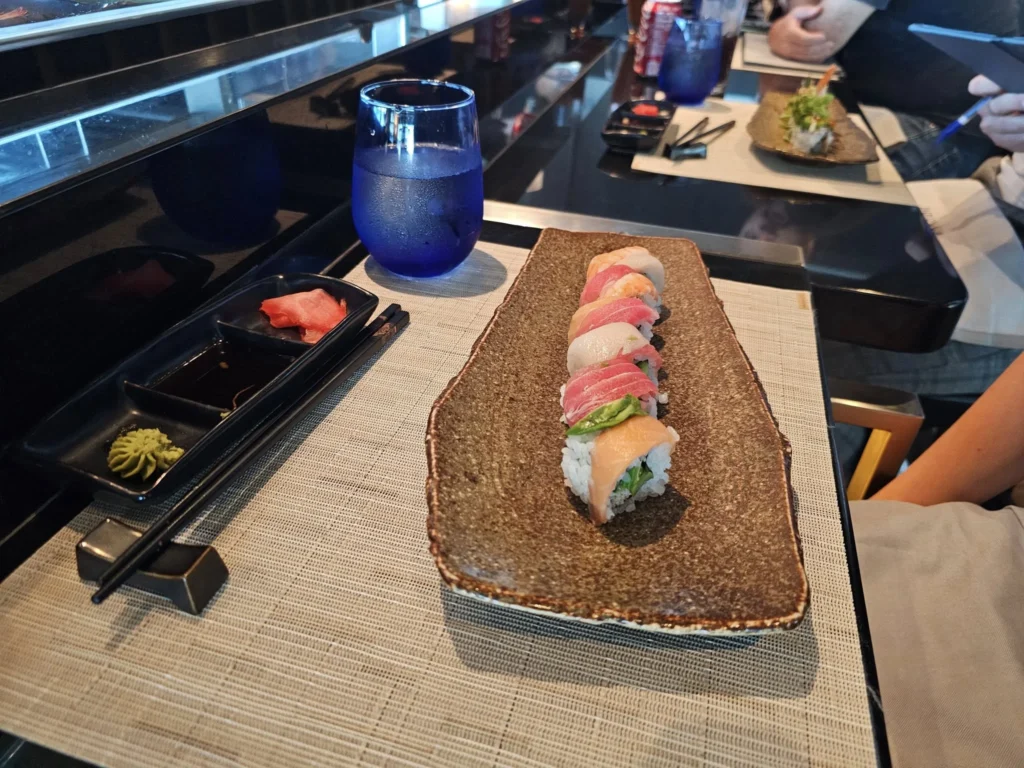
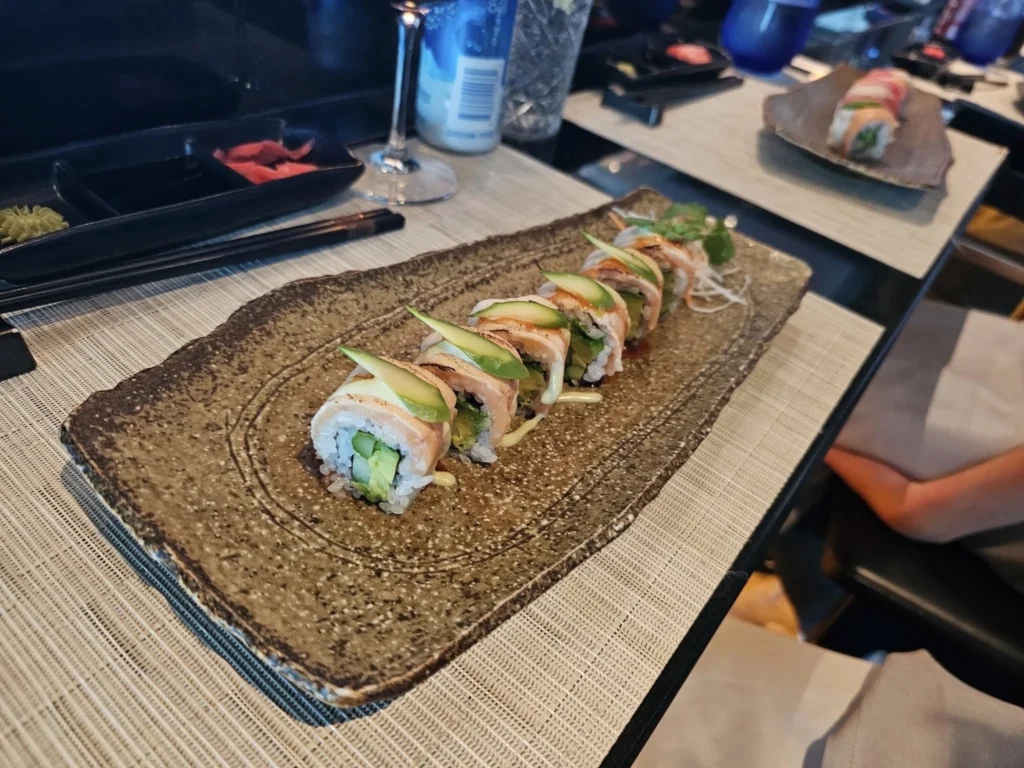
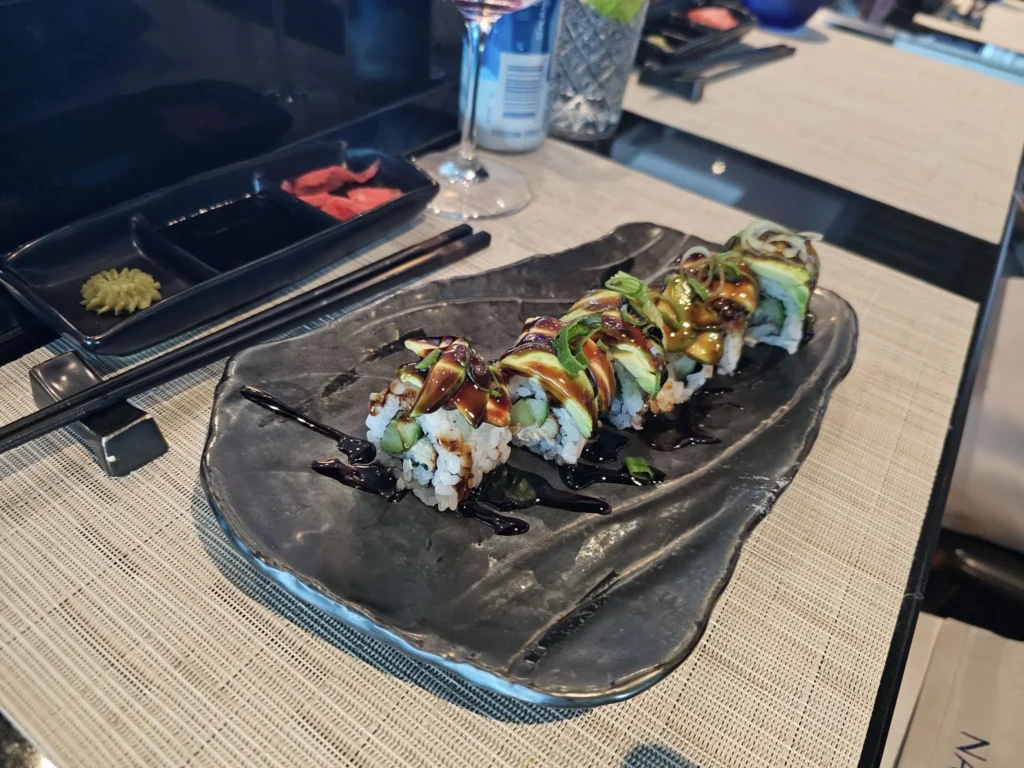
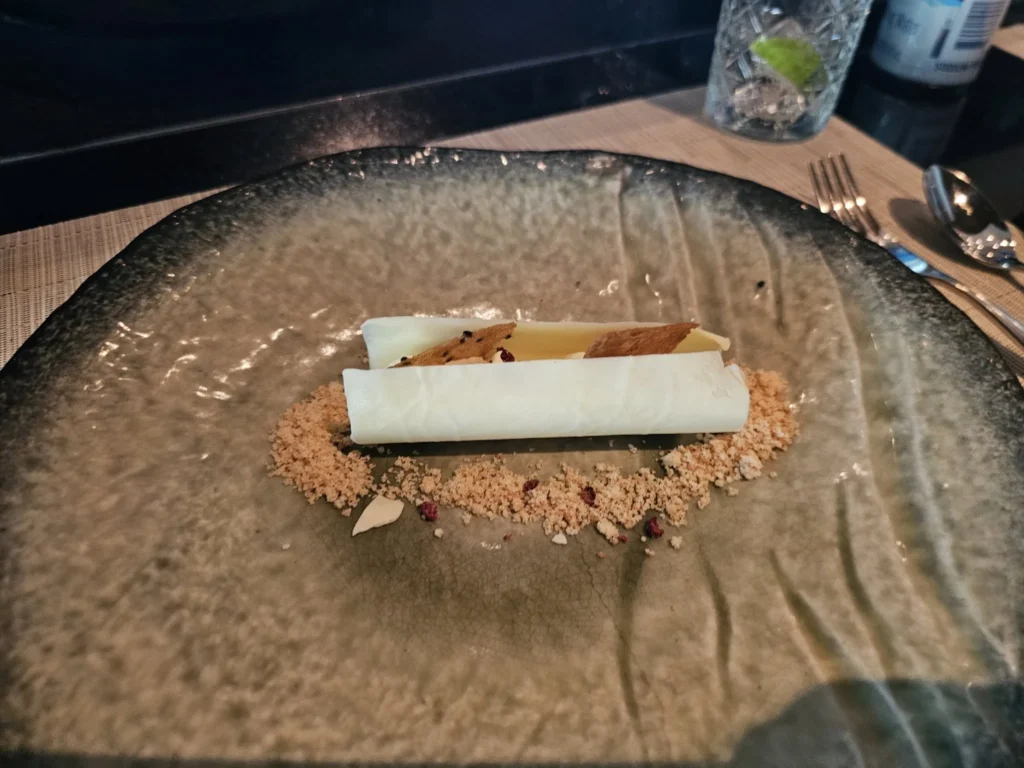
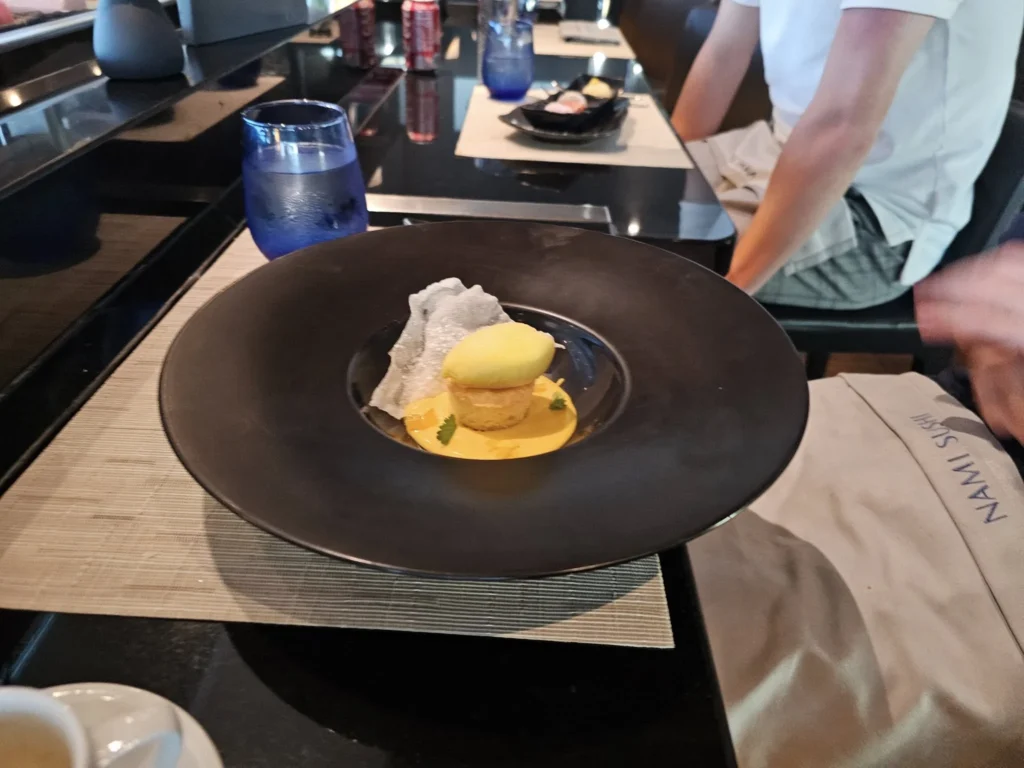
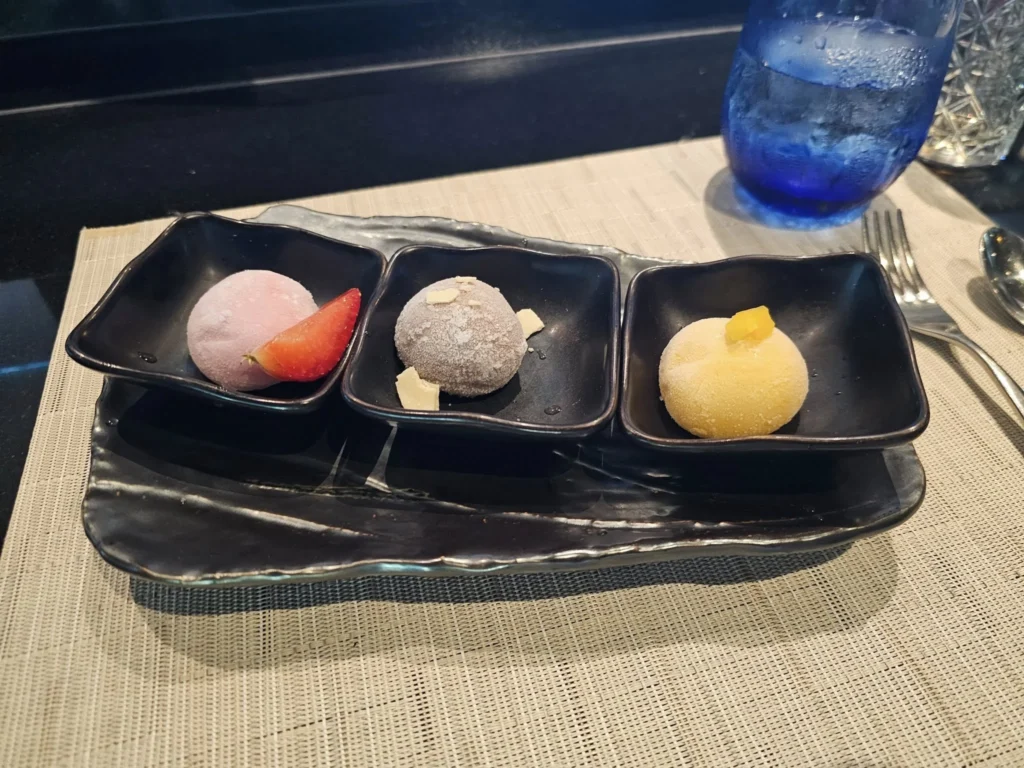
As twilight painted the Atlantic in hues of amber and violet, we prepared for an evening at Nami Sushi, a specialty restaurant that elevates Japanese cuisine to an art form. The intimate dining room, with its bamboo accents and soft lighting, felt like a hidden gem within the ship. Our meal began with miso soup, its delicate warmth setting the stage for a parade of dishes: silky sashimi, crunchy shrimp tempura rolls, and a show-stopping volcano roll drizzled with spicy aioli. Paired with a chilled glass of sake, each bite was a celebration of the ocean’s bounty.
The service at Nami Sushi was impeccable, with our server offering insights into the menu’s inspirations, from Tokyo’s fish markets to coastal Osaka. We savored every moment, the Atlantic’s gentle sway enhancing the sensory experience. Dessert—a matcha cheesecake with sesame brittle—capped the meal, leaving us in culinary euphoria.
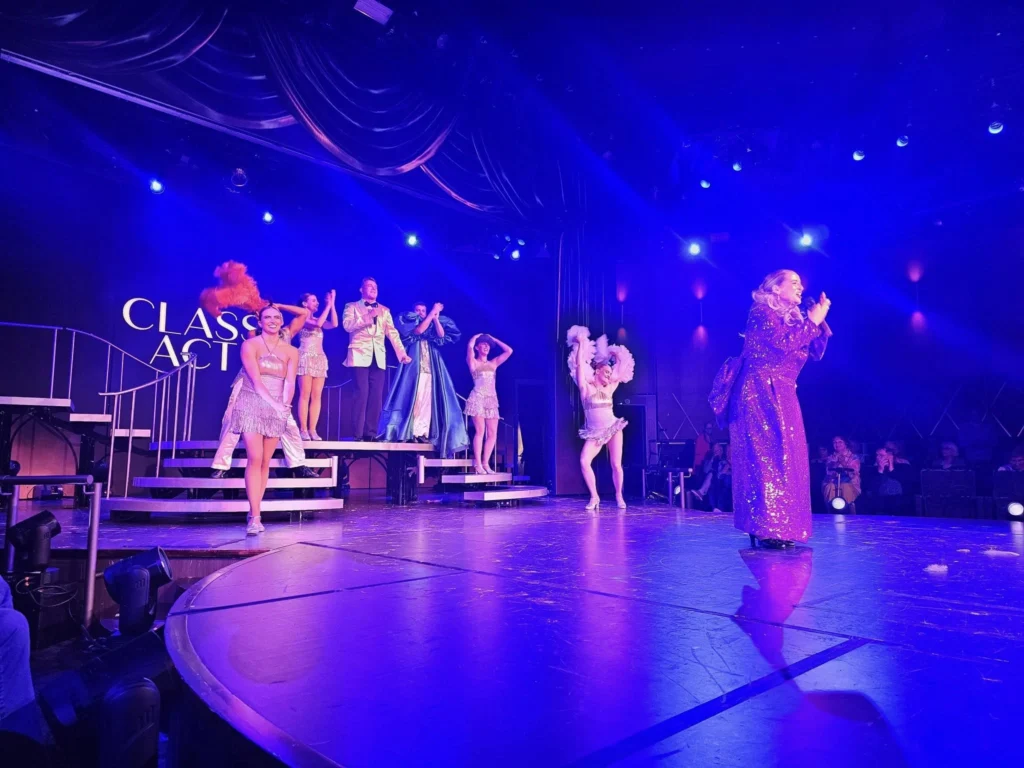
After dinner, we made our way to the World Stage, the Nieuw Statendam’s cutting-edge theater. The evening’s performance, Cassidy Robertson & Company in CLASS ACT, was a tour de force of song, dance, and visual storytelling. The theater’s 270-degree LED screens created dynamic backdrops, transporting us from a jazz-age ballroom to a futuristic cityscape. Cassidy’s powerhouse vocals and the troupe’s precision choreography had the audience on its feet, clapping to the rhythm of classic and contemporary hits.
The World Stage turned our sea day into a spectacle, proving that the Atlantic’s magic extends to the stories we share aboard.
Adapting to Change: Skipping Casablanca
As we exited the theater, the captain’s voice crackled over the intercom, delivering unexpected news: our scheduled stop in Casablanca would be canceled due to protests at the port. The demonstrations, rooted in local political issues, were unrelated to our cruise, but safety concerns prompted the decision. While we were disappointed to miss Casablanca’s iconic landmarks—like the towering Hassan II Mosque and the bustling souks—we respected Holland America’s prioritization of passenger safety.
The change meant an additional sea day before reaching Agadir, Morocco. Far from a setback, it offered more time to explore the Nieuw Statendam’s treasures. We began planning our next day, eyeing activities like a wine-tasting session, a lecture on Moroccan culture, and live music at B.B. King’s Blues Club. The announcement underscored cruising’s unpredictability, but also its resilience—turning challenges into opportunities to savor the journey.
The Soul of a Sea Day
Our sea day on the Atlantic Ocean encapsulated the essence of cruising with Holland America. The Nieuw Statendam is a destination unto itself, offering a world of dining, entertainment, and enrichment that rivals any land-based resort. The Atlantic, with its timeless grandeur, provided a breathtaking backdrop, reminding us of the ocean’s power to inspire and unite.
For those considering the Canary Island Enchantment itinerary, expect a journey that balances vibrant ports with the restorative calm of sea days. While destinations like Agadir and the Canary Islands dazzle with culture and beauty, it’s the time at sea—surrounded by the Atlantic’s embrace—that truly defines the experience. Whether you’re a seasoned cruiser or a first-timer, the Nieuw Statendam delivers a voyage that lingers in the heart.





Whispers of the Atlantic
Beneath the sky, where stars align,
We sailed the Nieuw Statendam, divine.
The Atlantic stretched, a boundless sea,
Its waves a hymn of eternity.

At dawn, the Dining Room did gleam,
With breakfast fit for a waking dream.
Eggs and waffles, coffee’s embrace,
The ocean’s glow upon each face.

Sven and Liam, with eyes alight,
Crafted art in the morning’s light.
Their irises bloomed, a cosmic art,
A sea day’s gift, a piece of heart.

By Lido’s pool, we laughed and dined,
With Dive-In’s fare, the sun did shine.
The Crow’s Nest called, with views serene,
Where Atlantic’s soul was softly seen.

At Nami Sushi, night unfurled,
With sashimi bright, a taste of world.
The World Stage sang, with CLASS ACT’s fire,
A dance of dreams, our hearts inspired.

Though Casablanca’s shores we’d miss,
For protests born of politics,
The sea day bloomed, a gift anew,
With Agadir’s promise coming true.

O Atlantic, vast, with secrets deep,
You hold the songs that dreamers keep.
On Nieuw Statendam, we found our place,
In your endless waves, we found our grace.