Embarking on the Canary Island Enchantment with Morocco & Portugal cruise aboard Holland America Line’s Nieuw Statendam promised a blend of cultural immersion, scenic beauty, and luxurious relaxation. Among the many highlights of this voyage, our sea day crossing the Bay of Biscay stood out as a moment of reflection, adventure, and indulgence. In this blog post, we’ll dive into the rich history of the Bay of Biscay, recount our unforgettable experience during this sea day, and share why this journey left an indelible mark on our hearts. From spotting dolphins to savoring a gala night dinner, this day at sea was anything but ordinary.
Table of Contents
The Historical Tapestry of the Bay of Biscay
A Gulf Steeped in Maritime Lore
The Bay of Biscay, a wide inlet of the North Atlantic Ocean, carves a roughly triangular shape along the western coast of France and the northern coast of Spain. Spanning approximately 86,000 square miles, it is bounded by Brittany’s Point Penmarc’h in the north and Spain’s Cape Ortegal in the south. Known in Spain as the Golfo de Vizcaya and in France as the Golfe de Gascogne, the bay carries a multitude of names reflecting its cultural significance across regions. The southern portion, often called the Cantabrian Sea, washes over Spain’s northern coast, a region historically tied to the Cantabri people.
The Bay of Biscay has been a crossroads of cultures and a crucible of maritime history, where the tides of time have shaped both legend and reality.
The bay’s name derives from the Spanish province of Biscay, though its Basque roots (Bizkaiko Golkoa) and Latin moniker (Sinus Cantabrorum) evoke a deeper connection to the region’s ancient inhabitants. Over centuries, the Bay of Biscay has been a stage for naval battles, trade routes, and tales of survival against its notorious storms. Its shallow continental shelf and unique geography contribute to the rough seas that have earned it a fearsome reputation among sailors.
Ancient Beginnings and Roman Influence
The Bay of Biscay’s history stretches back to antiquity. In the 1st century BC, the Romans named it Sinus Cantabrorum (Bay of the Cantabri) and Mare Gallaecum (Sea of the Galicians), recognizing the indigenous tribes along its shores. Medieval maps sometimes referred to it as El Mar del los Vascos (the Basque Sea), a nod to the seafaring Basque people who navigated its waters. The bay served as a vital link between the Iberian Peninsula and northern Europe, facilitating trade and cultural exchange.
The Romans, with their advanced maritime technology, used the bay as a route for transporting goods like wine, olive oil, and grain. However, even they respected its unpredictable nature, as sudden storms could turn a calm voyage into a perilous ordeal. The bay’s strategic importance grew over time, making it a focal point for naval engagements and exploration.
Naval Battles and Maritime Tragedies
The Bay of Biscay has witnessed some of history’s most significant naval conflicts. In 1592, during the Anglo-Spanish War, Spanish forces defeated an English fleet in the Battle of the Bay of Biscay, showcasing the bay’s role as a contested maritime frontier. The Biscay Campaign of 1795, part of the French Revolutionary Wars, saw the British Channel Fleet clash with the French Atlantic Fleet off Brittany’s southern coast, further cementing the bay’s military significance.
The 20th century brought more somber chapters. During World War I, the USS Californian sank in 1918 after striking a naval mine, and in 1920, the SS Afrique foundered in a storm, claiming 575 lives. World War II saw the Battle of the Bay of Biscay in 1943, where British cruisers HMS Glasgow and HMS Enterprise engaged German destroyers. The bay earned the grim nickname “Valley of Death” among U-boat crews due to relentless RAF attacks on German submarines. Notably, the Soviet submarine K-8 sank in 1970, losing 40 sailors and four nuclear torpedoes, underscoring the bay’s perilous legacy.
A Haven for Wildlife and Exploration
Beyond its turbulent history, the Bay of Biscay is a thriving ecosystem. Its waters teem with marine life, including dolphins, whales, and various seabirds. The deep waters beyond the continental shelf are particularly rich in cetaceans, making the bay a prime spot for whale-watching. The Plaiaundi Ecology Park, where the Bidasoa River meets the sea, is a haven for birdwatchers, hosting a variety of migratory species. Ferries from Gijón to Nantes and Portsmouth to Bilbao offer opportunities to spot cetaceans, with organizations like ORCA monitoring marine activity.
The bay’s unique geography, with its shallow shelf and deep abyssal plain, creates diverse habitats. In 1906, the alga Colpomenia peregrina was first documented here, highlighting the bay’s ecological significance. Today, modern cruise ships like the Nieuw Statendam allow passengers to appreciate this natural wonder while enjoying luxurious amenities, a far cry from the treacherous voyages of centuries past.
The Bay’s Notorious Weather
The Bay of Biscay’s reputation for rough seas stems from its geography and weather patterns. The continental shelf extends far into the bay, creating shallow areas that amplify wave heights during storms. Atlantic swells, funneled into the bay’s triangular shape, can produce powerful waves, especially in winter. Severe gales, known as galernas, can exceed 70 miles per hour, posing hazards to navigation.
Sailors have long feared the Bay of Biscay, where the Atlantic’s fury meets the land’s embrace, creating a tempestuous dance of wind and wave.
In late spring and early summer, a large fog triangle often blankets the southwestern bay, adding to its mystique. Depressions from the west frequently enter the bay, either bouncing north to the British Isles or moving south to the Ebro Valley, where they can trigger thunderstorms in the Mediterranean. These conditions have led to countless shipwrecks, though modern technology and ship design have significantly reduced such risks.
Cultural and Economic Significance
The bay’s shores are dotted with vibrant port cities like Bordeaux, Bilbao, and Santander, each with its own cultural heritage. Resorts such as Biarritz and La Baule attract visitors with their scenic beauty, while oyster farming thrives in French lagoons. Fishing remains a key industry, supporting coastal communities. The bay’s ports, though limited in handling large vessels, are bustling hubs of trade and tourism.
The Bay of Biscay continues to captivate historians, ecologists, and travelers. Its blend of natural beauty, ecological diversity, and storied past makes it a compelling backdrop for a sea day aboard a cruise ship. As we sailed through these historic waters, we couldn’t help but feel connected to the countless mariners who navigated its challenges before us.
Our Sea Day Experience in the Bay of Biscay
A Morning of Purpose and Wonder
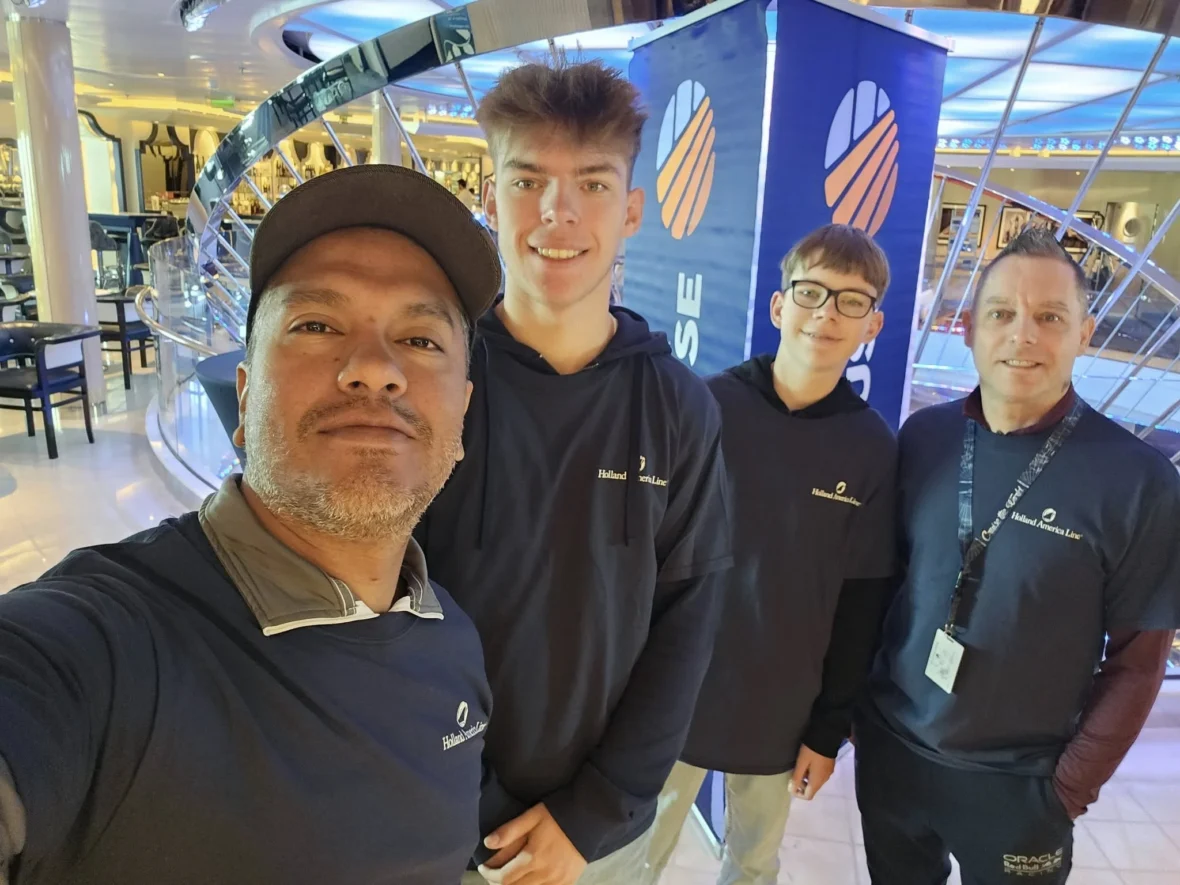
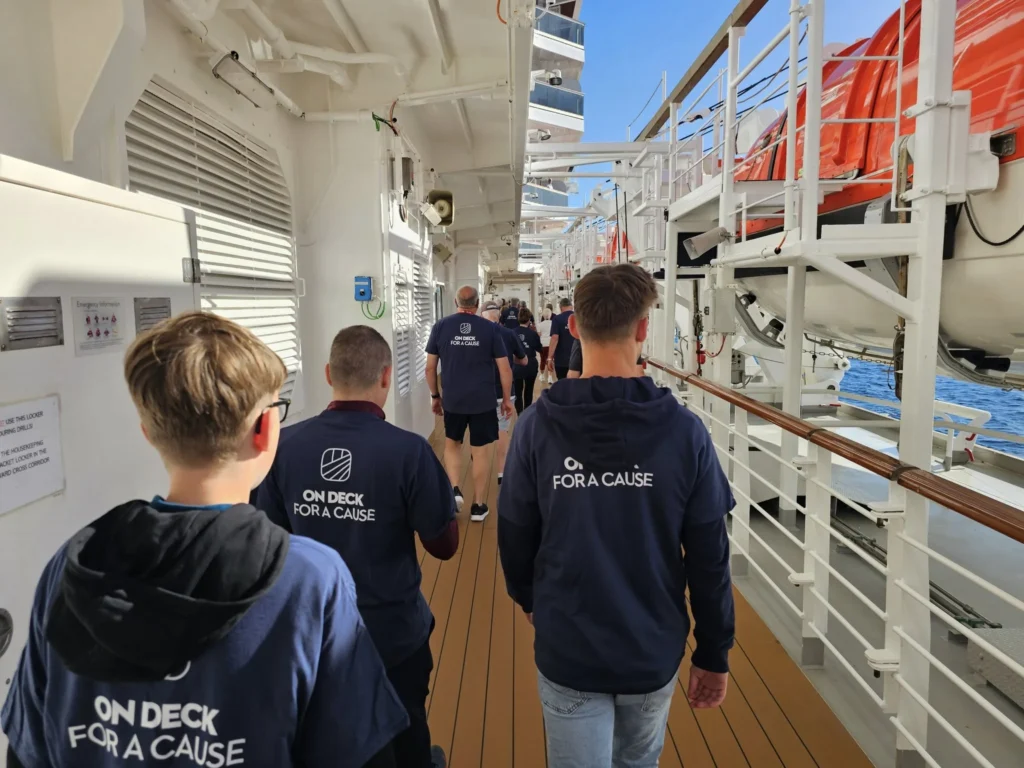
Our sea day in the Bay of Biscay began with a refreshing breeze and the gentle hum of the Nieuw Statendam gliding through the Atlantic. The ship, a masterpiece of modern design with its fluid lines inspired by musical instruments, felt like a floating sanctuary. After a leisurely breakfast in the elegant Dining Room, where floor-to-ceiling windows offered panoramic ocean views, we headed to the deck for a special event: a walk for a cause. This charity walk, organized to support a meaningful initiative, brought passengers together in a spirit of camaraderie.
As we circled the deck, the salty air invigorated our senses, and the vast expanse of the Bay of Biscay stretched before us. The morning took an unexpected turn when a fellow passenger pointed excitedly toward the water. “Dolphins!” they shouted. Sure enough, a pod of dolphins leaped gracefully alongside the ship, their sleek bodies glinting in the sunlight. It was a magical moment, a reminder of the bay’s vibrant marine life. We paused our walk, leaning against the railing to watch the dolphins dance through the waves, their playful energy infectious.
Seeing dolphins in the wild, so close to the ship, felt like a gift from the sea—a fleeting, perfect moment that made the morning unforgettable.
The walk concluded with a sense of accomplishment, and we lingered on deck, sipping coffee from the Panorama Bar and soaking in the serene beauty of the sea day. The Bay of Biscay, often feared for its rough seas, was calm and inviting, allowing us to fully appreciate the Nieuw Statendam’s stability and comfort.


Afternoon Enrichment at the World Stage
After a light lunch at the Lido Market, where we savored fresh salads and made-to-order sandwiches, we made our way to the World Stage, the ship’s state-of-the-art theater. The afternoon’s highlight was a port talk about Dover, our upcoming stop for a day trip to London. The talk, part of Holland America’s Explorations Central (EXC) program, was led by a knowledgeable guide who brought Dover’s history to life.
We learned about Dover’s iconic white cliffs, the historic Dover Castle, and the town’s role as a gateway to London. The presenter shared practical tips for our London excursion, from navigating the train to exploring landmarks like the Tower of London and Buckingham Palace. The World Stage’s two-story LED screen enhanced the experience, displaying vivid images of Dover’s landmarks and London’s bustling streets.
The port talk was both informative and inspiring, building excitement for our upcoming adventure. Afterward, we browsed the onboard shops, picking up a few souvenirs, and enjoyed a relaxing spa treatment at the Greenhouse Spa, where ocean views added to the tranquility. The Nieuw Statendam’s spa, with its indulgent treatments and serene ambiance, was the perfect way to unwind before the evening’s festivities.



A Gala Night to Remember
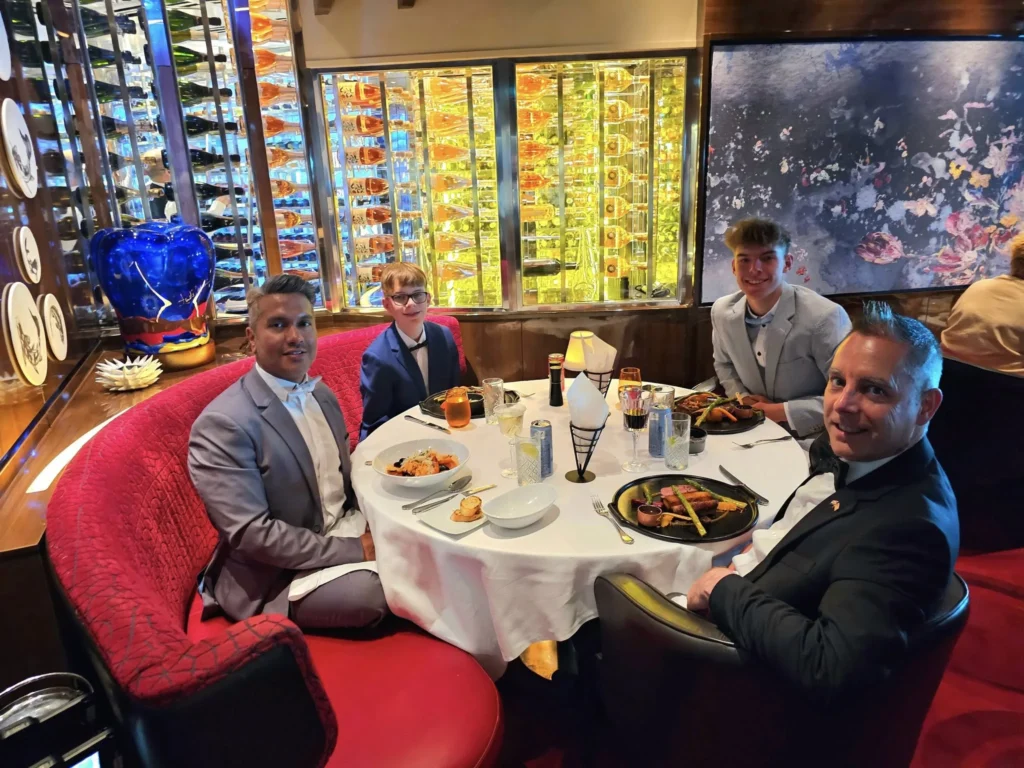
As evening approached, the ship transformed into a hub of elegance for Gala Night. Passengers donned their finest attire, and the Nieuw Statendam sparkled with festive energy. We began the evening with a photoshoot on deck, capturing the golden hour’s glow against the backdrop of the Bay of Biscay. The ship’s photographers expertly framed us with the ocean horizon, creating keepsake moments we’ll cherish for years.
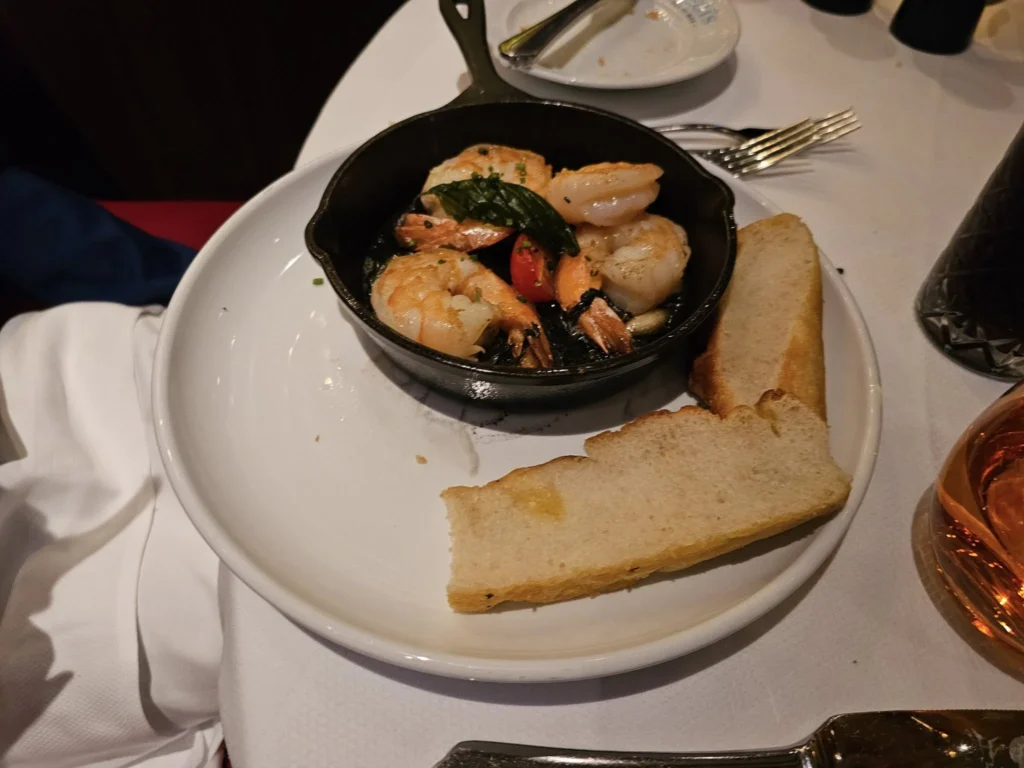
Dinner was the centerpiece of the evening, and we had reserved a table at Rudi’s Sel de Mer, the Nieuw Statendam’s award-winning seafood brasserie. Helmed by Master Chef Rudi Sodamin, the restaurant offered a modern twist on classic French dishes. We started with a creamy lobster bisque, followed by perfectly seared scallops and a tender filet mignon for the main course. The dessert, a decadent chocolate soufflé, was a fitting finale. The attentive service and intimate ambiance made the meal a highlight of the cruise.
Dining at Rudi’s Sel de Mer was like a culinary journey within our journey—each dish a masterpiece, each bite a celebration of the sea.
After dinner, we strolled to the World Stage for the evening’s show, a mesmerizing performance by the Step One Dance Company. The troupe’s choreography, paired with the theater’s panoramic LED screen, created a visual spectacle that blended contemporary dance with vibrant storytelling. The show was a perfect capstone to a day filled with relaxation, enrichment, and indulgence.


Reflections on a Day at Sea
The sea day in the Bay of Biscay was a microcosm of what makes cruising with Holland America Line so special: a seamless blend of adventure, education, and luxury. From the morning’s dolphin sighting to the evening’s gala night, every moment felt curated yet spontaneous. The Nieuw Statendam’s array of dining options, entertainment venues, and enrichment programs ensured there was never a dull moment, even on a day without a port of call.
The Bay of Biscay, with its storied past and natural beauty, provided a captivating backdrop. While its reputation for rough seas loomed in our minds, the day was blissfully calm, allowing us to focus on the ship’s offerings and the joy of being at sea. The dolphins, the port talk, the gala dinner, and the evening show wove together a tapestry of experiences that felt both grand and intimate.
Tips for Enjoying a Sea Day on the Nieuw Statendam
Top 5 Sea Day Activities on Nieuw Statendam
- Join a Deck Event: Participate in walks or fitness classes to stay active and connect with fellow passengers.
- Attend a Port Talk: Gain insights into upcoming destinations at the World Stage.
- Indulge in Dining: Book a specialty restaurant like Rudi’s Sel de Mer for a memorable meal.
- Relax at the Spa: Treat yourself to a massage or sauna session at the Greenhouse Spa.
- Enjoy Live Entertainment: Catch a show at the World Stage or live music at the Rolling Stone Lounge.
Making the Most of Your Day
- Plan Ahead: Check the daily navigator for events like port talks or special activities.
- Explore the Ship: Use sea days to discover venues like the BB King’s Blues Club or the Fitness Center.
- Capture Memories: Schedule a photoshoot or keep a journal to document your experience.
- Balance Activity and Rest: Mix enrichment activities with downtime to fully recharge.
Why the Bay of Biscay Sea Day Stands Out
This sea day was more than a pause between ports; it was a celebration of the journey itself. The Nieuw Statendam’s thoughtful design, from its spacious staterooms to its world-class dining, created an environment where every moment felt special. The Bay of Biscay, with its historical depth and natural wonders, added a layer of meaning to our experience. Whether we were marveling at dolphins, learning about Dover, or savoring a gala night, the day encapsulated the magic of cruising.
Holland America Line’s commitment to enriching travel experiences shone through, making this sea day a highlight of our Canary Island Enchantment cruise. For anyone considering a similar voyage, we wholeheartedly recommend embracing the sea days—they’re where the ship truly comes alive, and the ocean’s stories unfold.



















Echoes of Biscay’s Tide
In the heart of the Atlantic, where legends abide,
We sailed through the Bay, on Biscay’s wide tide.
Aboard Nieuw Statendam, with grace and with glee,
We danced with the dolphins, embraced by the sea.

The morning awoke with a walk for a cause,
Each step on the deck met with heartfelt applause.
Then dolphins appeared, in a shimmering play,
Their leaps through the waves lit the start of our day.

By noon, the World Stage spun tales of old Dover,
Of cliffs white as chalk and of London’s grand clover.
We listened, enthralled, as the screens came alive,
Each word a new spark for the dreams we’d derive.

The evening was gala, a night to unfold,
In gowns and in tuxes, our stories retold.
At Rudi’s Sel de Mer, we savored the sea,
With scallops and soufflé, pure culinary glee.

On deck, we were framed by the sunset’s soft glow,
The Biscay’s horizon, a sight to bestow.
Then back to the Stage, where the dancers took flight,
Their moves wove a spell in the heart of the night.

Oh, Bay of Biscay, with your storms and your lore,
Your waters have cradled both peace and uproar.
This day on your waves, we found joy in your sway,
A chapter of wonder, forever to stay.