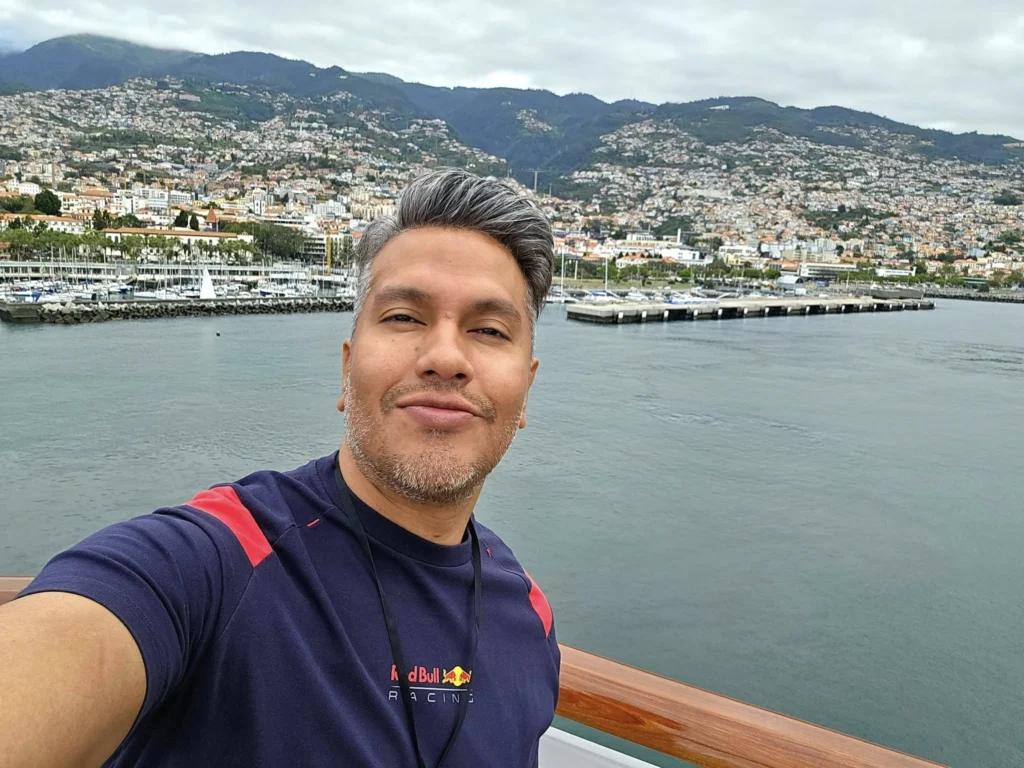
The Holland America Line’s Nieuw Statendam cruise, Canary Island Enchantment with Morocco & Portugal, offers a vibrant blend of cultures, landscapes, and experiences. Among its many ports, Funchal, Madeira, Portugal, stands out as a gem in the Atlantic, where centuries of history meet natural splendor and modern charm. In this in-depth blog post, we delve into the rich past of Funchal and share our exhilarating day on the island, from a thrilling trike tour to savoring local flavors and enjoying world-class entertainment aboard the ship. This comprehensive guide aims to inspire your next adventure and capture the magic of Madeira.
Table of Contents
The History of Funchal, Madeira, Portugal
The Dawn of Discovery
Funchal, the vibrant capital of Madeira, traces its origins to the Age of Exploration in the early 15th century. In 1419, Portuguese navigators João Gonçalves Zarco and Tristão Vaz Teixeira, under the patronage of Prince Henry the Navigator, discovered the uninhabited island of Madeira. They named the principal settlement Funchal, inspired by the abundant fennel (funcho) that grew wild along its fertile shores. The island’s volcanic soil, enriched by ancient eruptions, and its subtropical climate made it a paradise for agriculture, setting the stage for Funchal’s rise as a key Atlantic hub.
Funchal was born from fennel and ambition, a haven where explorers planted the seeds of a new world.
The early settlers transformed the island by carving levadas, intricate irrigation channels that harnessed the island’s abundant water. These channels enabled the cultivation of sugarcane, which quickly became Madeira’s economic backbone. By the mid-15th century, Madeira’s sugar was a prized commodity in Europe, earning the island the nickname “Sugar Island.” Funchal’s deep natural harbor became a bustling port, welcoming ships bound for Africa, Asia, and the Americas. This strategic location attracted traders, adventurers, and settlers, fostering a cosmopolitan culture that shaped Funchal’s early identity.
A Golden Age of Prosperity
The 16th century marked a golden age for Funchal, as wealth from sugarcane and the emerging Madeira wine industry fueled growth. The city’s prosperity is immortalized in the Sé Cathedral, a Gothic masterpiece completed in 1514. Its intricate cedar ceiling, adorned with ivory and gold, showcases the craftsmanship of Madeiran artisans, while its bell tower served as a navigational beacon for sailors. Today, the cathedral remains a cultural landmark, its serene interiors drawing visitors from around the world.
Funchal became a hub for merchants from Flanders, Italy, and Spain, who built lavish residences and contributed to the city’s architectural diversity. The Jesuit College, established in 1569, fostered intellectual and religious exchange, elevating Funchal’s status as a center of learning. In the surrounding hills, wealthy landowners constructed quintas—opulent manor houses surrounded by lush gardens. Many, like the Quinta das Cruzes, now serve as museums, housing collections of art, furniture, and artifacts that offer a glimpse into Madeira’s aristocratic past.
The rise of Madeira wine was a defining moment in Funchal’s history. Fortified to endure long sea voyages, this unique wine gained fame in European courts and American colonies, particularly after the American Revolution, when it became a staple in colonial households. The city’s wine lodges, such as Blandy’s and Henriques & Henriques, trace their roots to this era and continue to produce Madeira wine using traditional methods. Visitors can tour these lodges, sampling vintages aged in oak casks and learning about the wine’s role in Funchal’s global trade network.
Trials and Resilience
Funchal’s prosperity faced significant challenges. In the 16th and 17th centuries, pirate attacks targeted the city’s wealth, prompting the construction of fortifications like the Fort of São Tiago. This striking yellow stronghold guarded the harbor and now houses a contemporary art museum, its cannons a reminder of Funchal’s turbulent past. The Fort of São Lourenço, another key defense, further protected the city, its stone walls standing as testaments to Madeiran resilience.
Natural disasters also tested Funchal’s spirit. A devastating earthquake in 1748 damaged much of the city, followed by catastrophic floods in 1803 that swept through the streets. Each time, the people of Funchal rebuilt, their determination evident in the restored churches, homes, and public squares. The Church of São João Evangelista, with its ornate Baroque interiors, and the Municipal Square, lined with historic buildings, reflect this era of renewal. The city’s ability to recover from adversity solidified its reputation as a place of strength and perseverance.
The Birth of Tourism
The 19th century marked a turning point for Funchal, as the island’s mild climate and exotic flora attracted European elites seeking health and leisure. Madeira’s reputation as a “floating garden” drew visitors like Empress Elisabeth of Austria (Sisi), who recuperated in Funchal in 1860, and Winston Churchill, who painted the island’s landscapes in the 1950s. The opening of Reid’s Palace in 1891, a luxurious hotel perched above the harbor, cemented Funchal’s status as a premier destination. Its pink facade, lush gardens, and tradition of afternoon tea remain iconic, offering a glimpse into the elegance of this era.
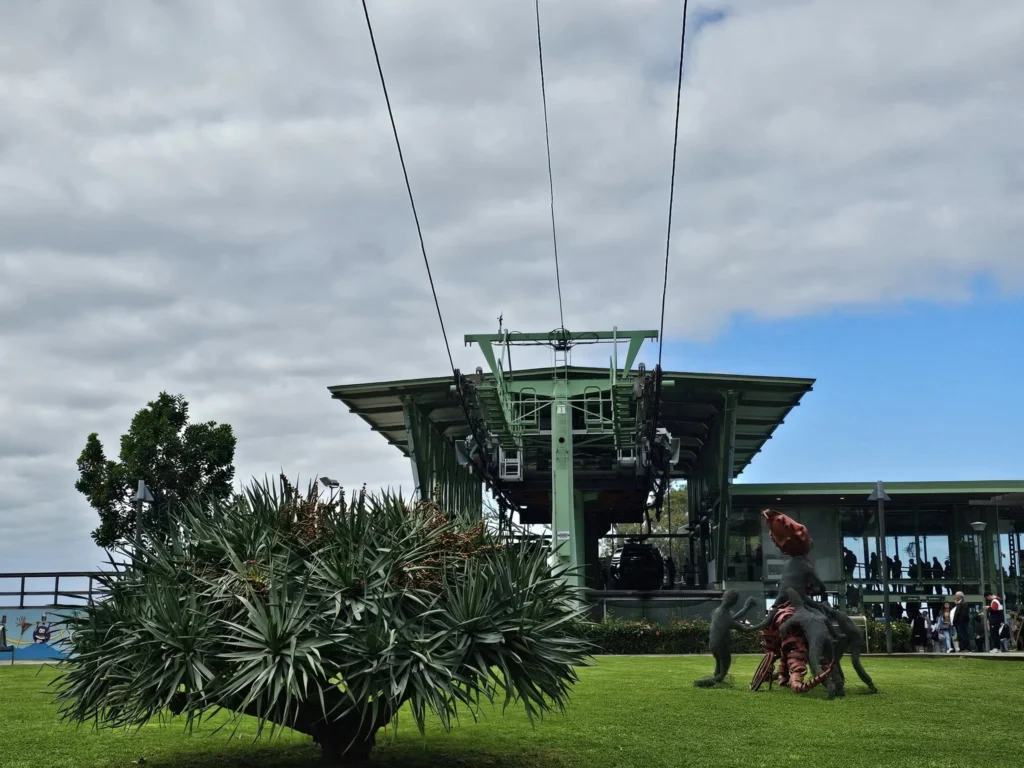
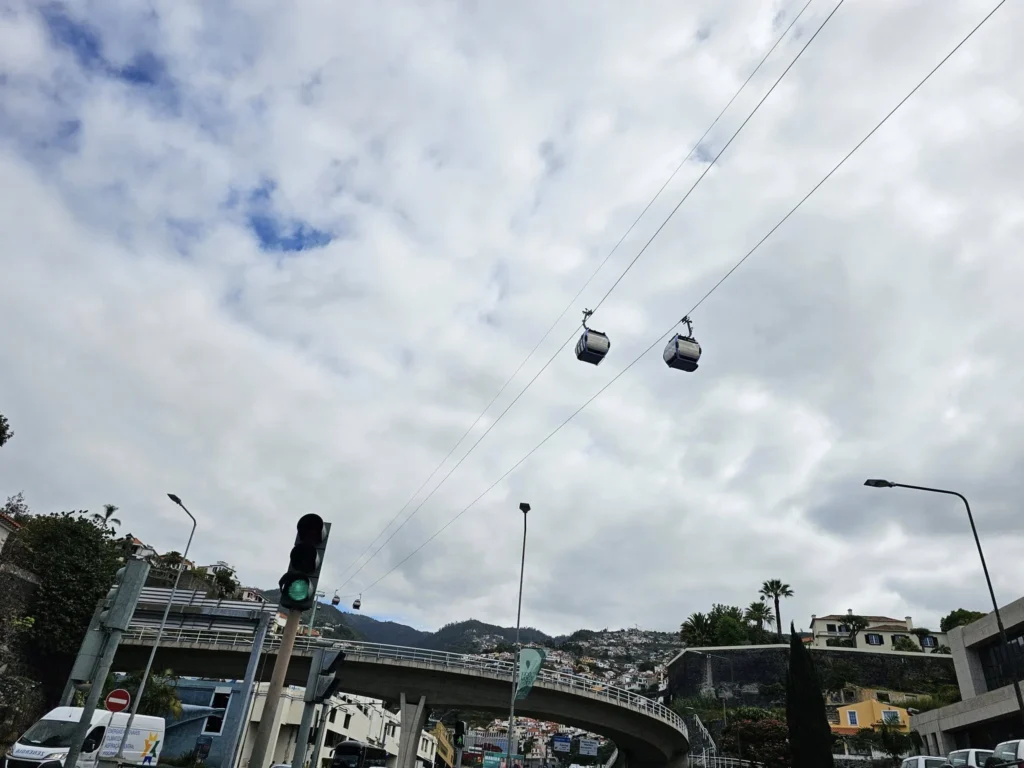
Tourism spurred new infrastructure, including the Madeira Cable Car, introduced in the early 20th century to connect Funchal with the hilltop village of Monte. The Botanical Garden, established in 1960 but rooted in earlier horticultural traditions, showcased Madeira’s biodiversity, from orchids to palms. These attractions, still popular today, highlight Funchal’s ability to blend natural beauty with visitor-friendly innovation.
Funchal in the Modern Era
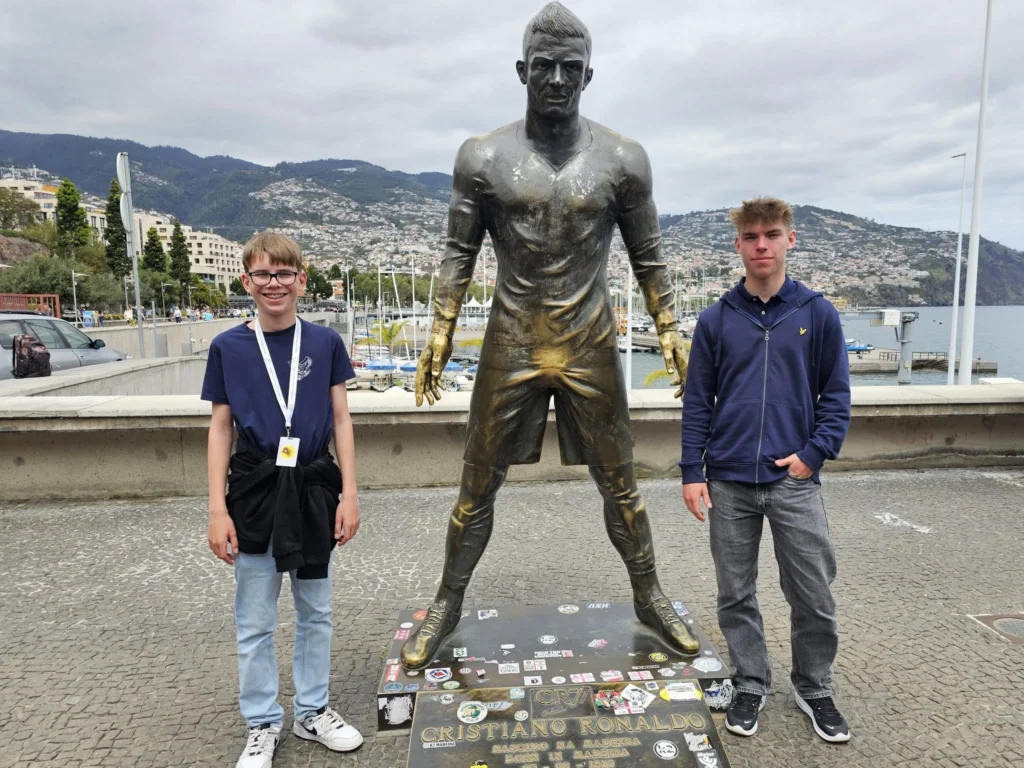
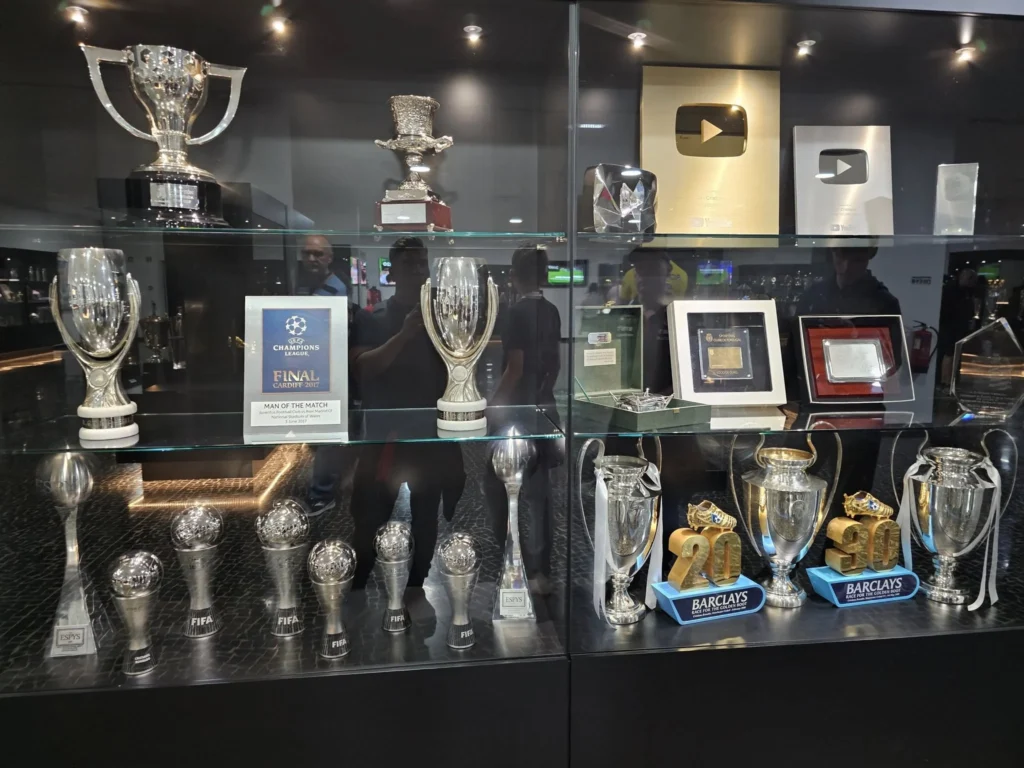
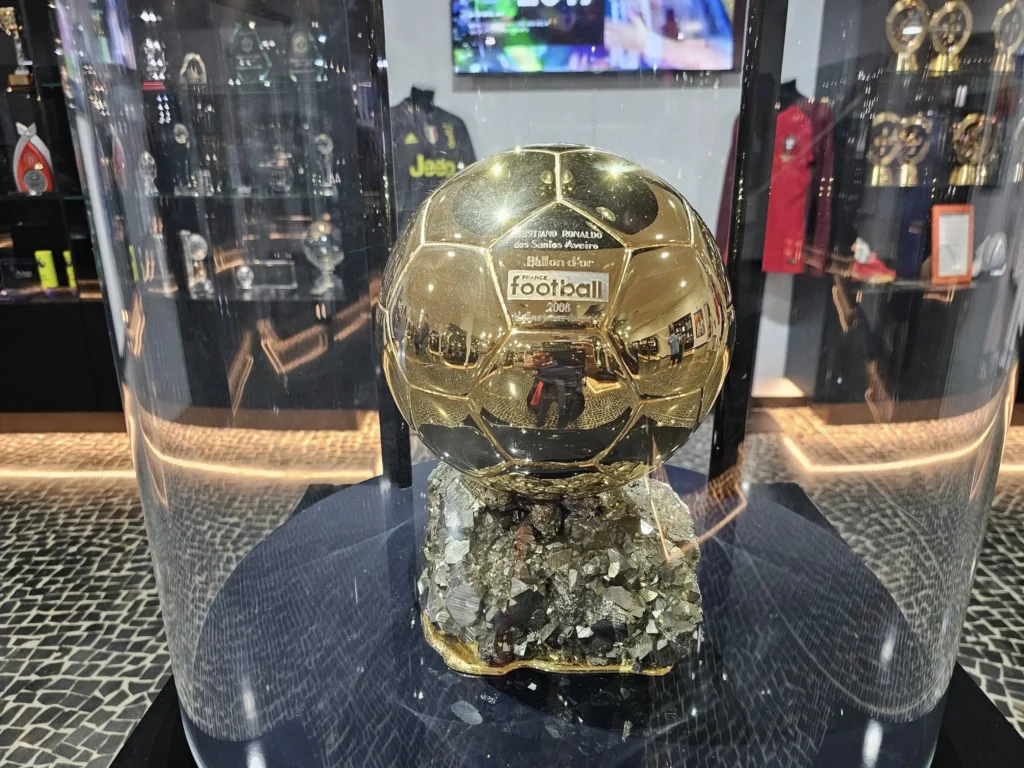
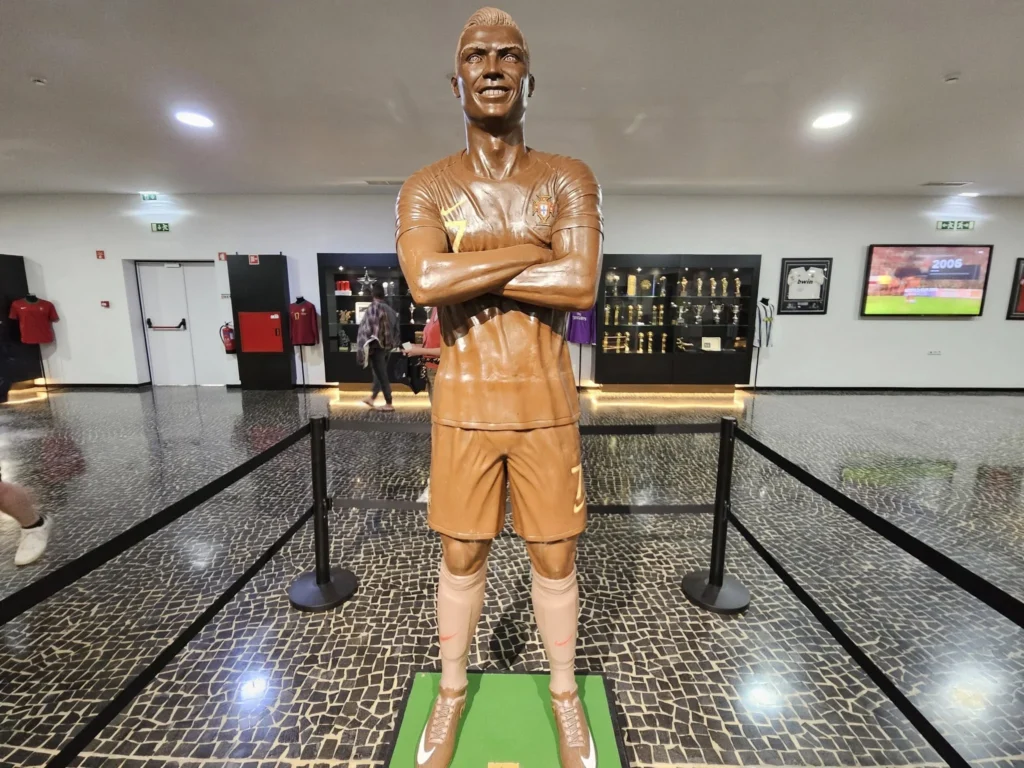
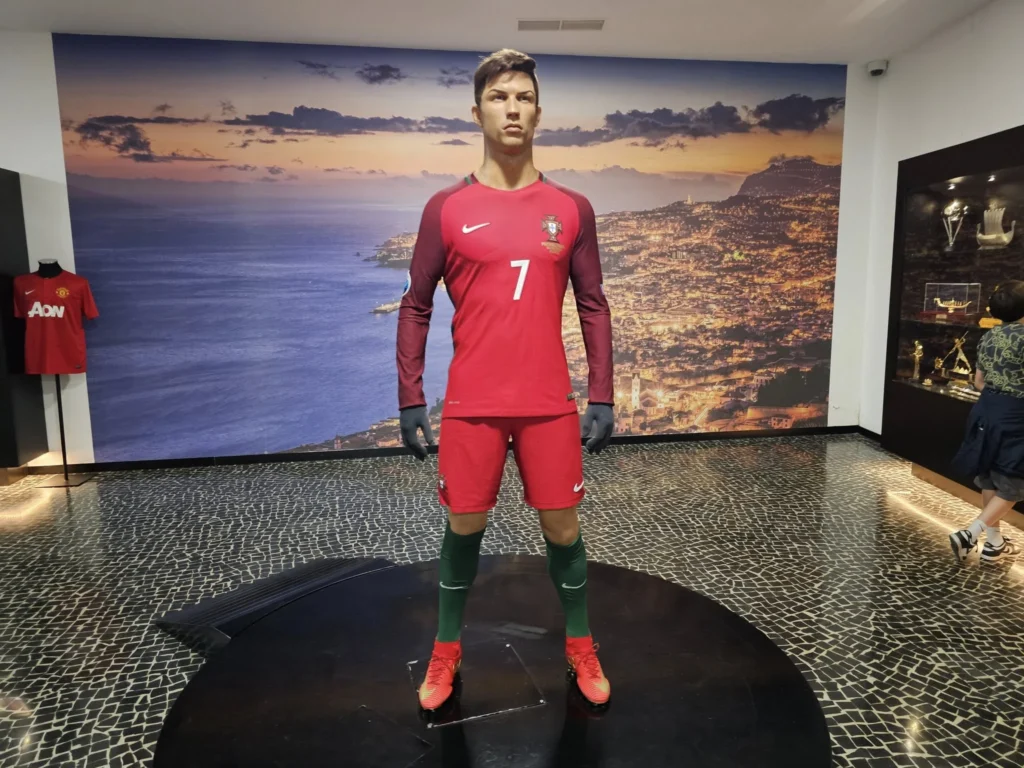
Today, Funchal is a dynamic city that balances its historical roots with contemporary appeal. The Zona Velha (Old Town), with its cobblestone streets and painted doors, exudes historic charm, while modern landmarks like the CR7 Museum, dedicated to football legend Cristiano Ronaldo, draw global crowds. The museum, filled with trophies and memorabilia, celebrates Madeira’s pride in its most famous son, born in Funchal in 1985.
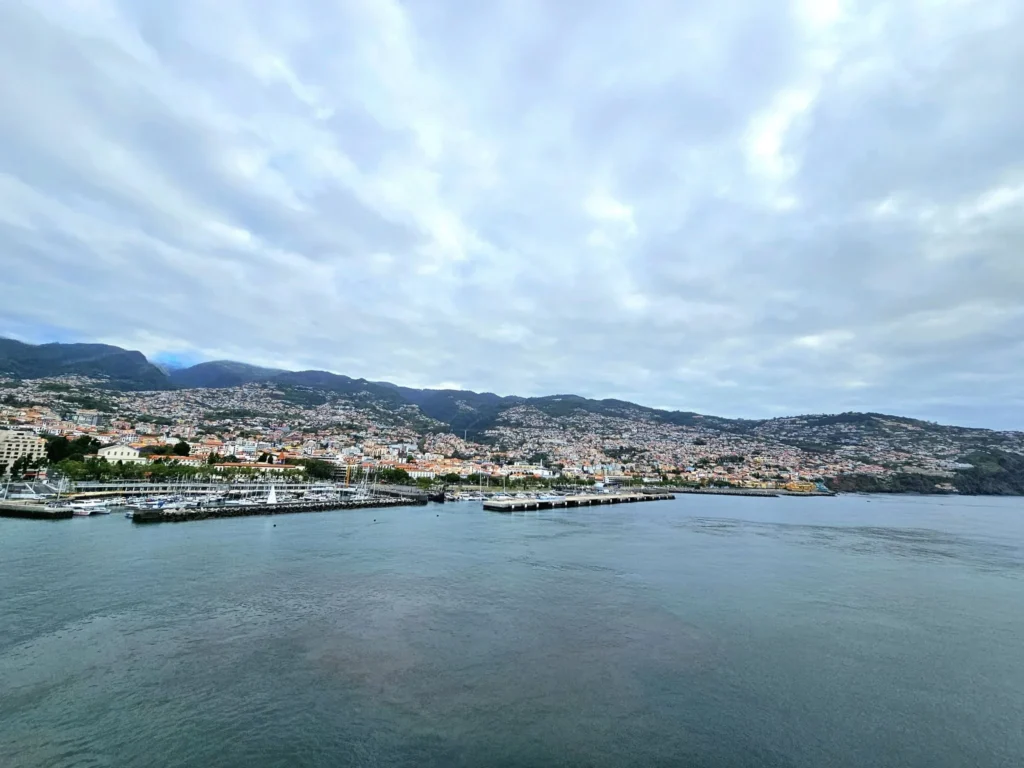
Funchal’s role as a cruise destination has amplified its global profile. Ships like the Nieuw Statendam bring thousands of visitors each year, eager to explore the island’s dramatic cliffs, lush valleys, and rich culinary traditions. The Mercado dos Lavradores, a bustling market, bursts with tropical fruits, vibrant flowers, and local crafts, offering a sensory immersion into Madeiran life. The city’s festivals, such as the Flower Festival, with its parades of floral floats, and the Wine Festival, celebrating Madeira’s viticultural heritage, draw crowds from around the world.
Funchal’s New Year’s Eve fireworks, one of the largest displays globally, light up the harbor, attracting cruise passengers and locals alike. The city’s ability to preserve its heritage—seen in its historic churches, forts, and wine lodges—while embracing modern tourism makes it a must-visit destination. From the levadas that still irrigate the island to the cable cars that soar above it, Funchal remains a place where history and innovation coexist in harmony.
Key Historical Milestones of Funchal
- 1419: Madeira discovered by Portuguese explorers.
- 1450s: Sugarcane plantations drive economic growth.
- 1514: Sé Cathedral completed, symbolizing prosperity.
- 1569: Jesuit College established, fostering education.
- 1748: Earthquake prompts rebuilding efforts.
- 1891: Reid’s Palace opens, marking the rise of luxury tourism.
- Modern Day: Funchal thrives as a cruise and cultural hub.
Our Unforgettable Experience in Funchal, Madeira
Our day in Funchal, a highlight of the Nieuw Statendam’s Canary Island Enchantment cruise, was a whirlwind of adventure, culture, and indulgence. From a heart-pounding trike tour to savoring Madeiran cuisine and enjoying onboard entertainment, every moment was infused with the island’s magic. Here’s a detailed recounting of our experience, designed to inspire your own journey to this Atlantic paradise.
Embarking on a Thrilling Trike Tour
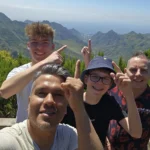
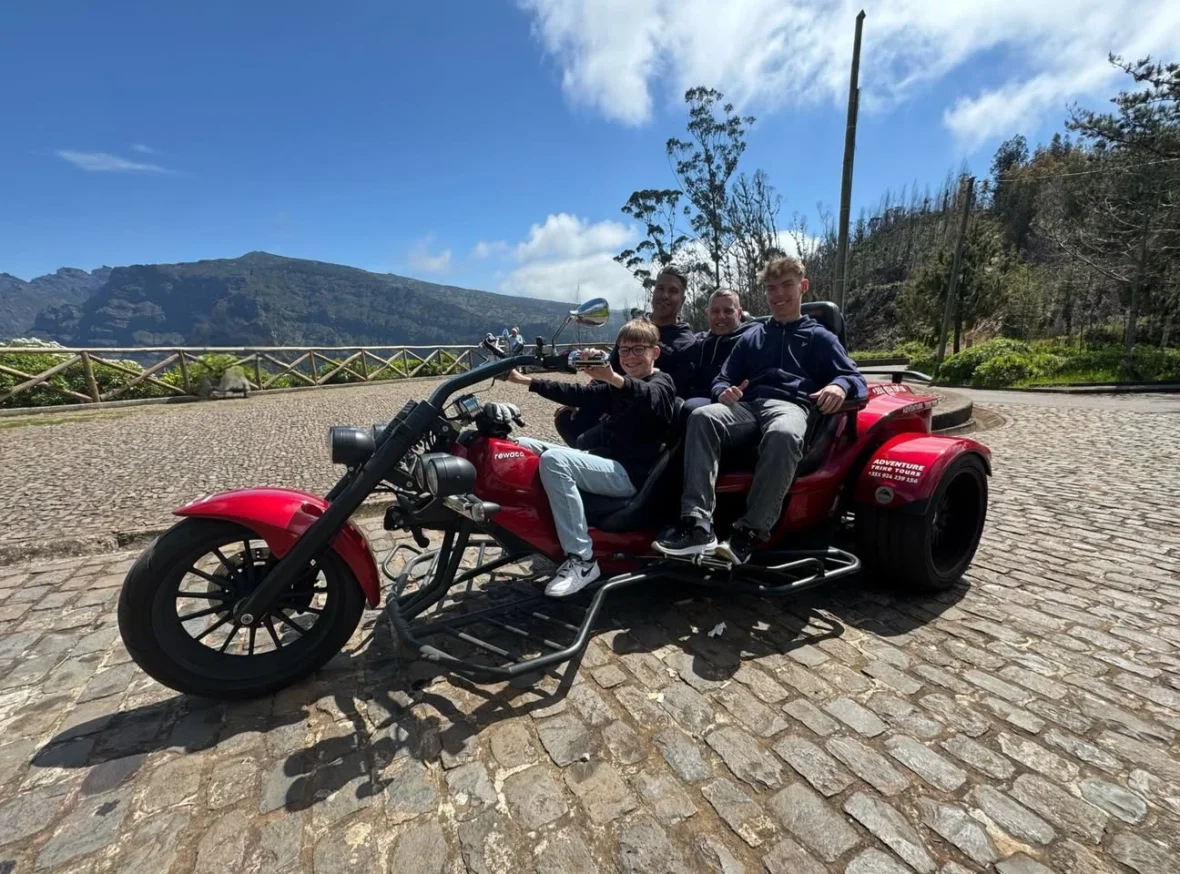
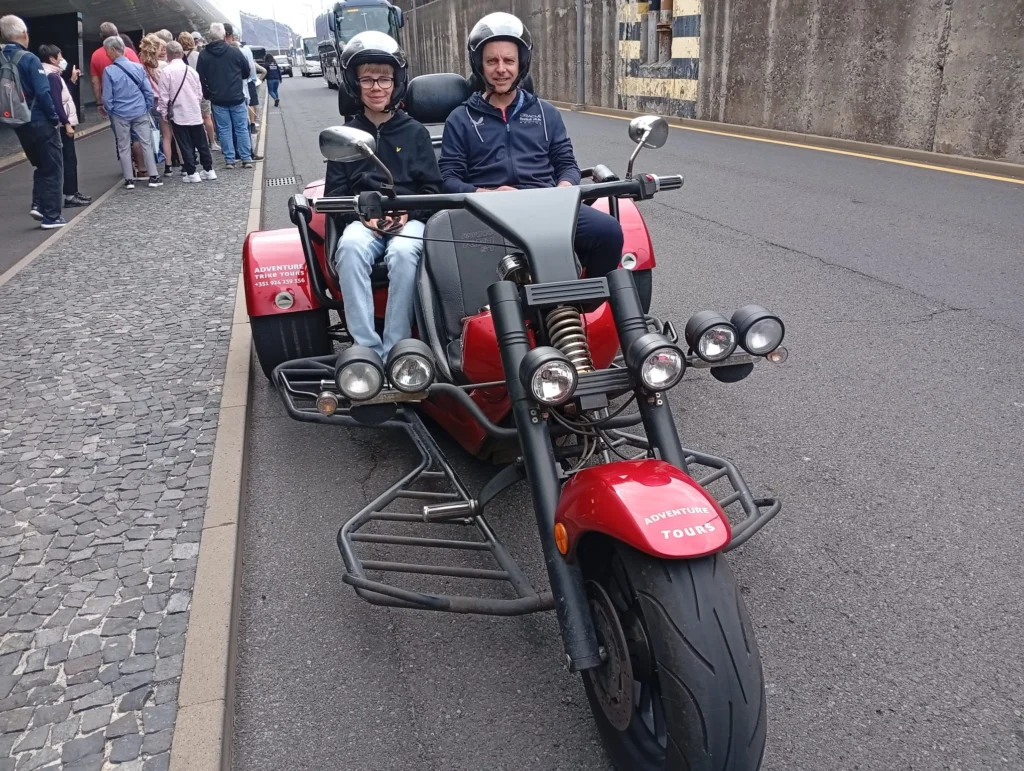
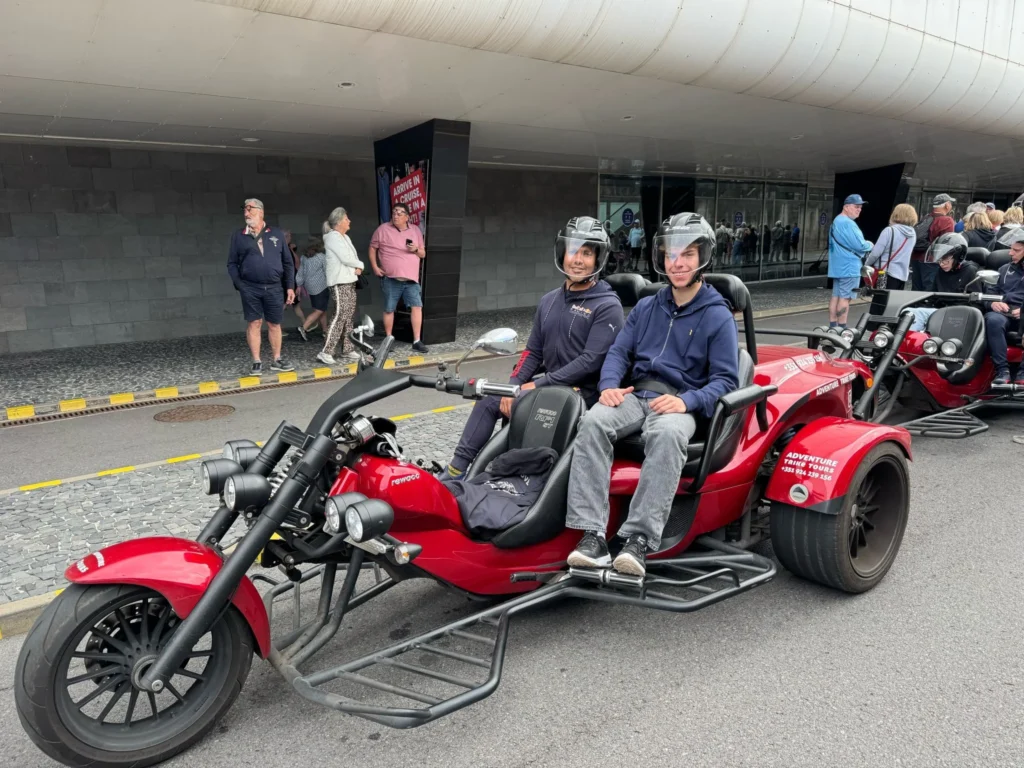
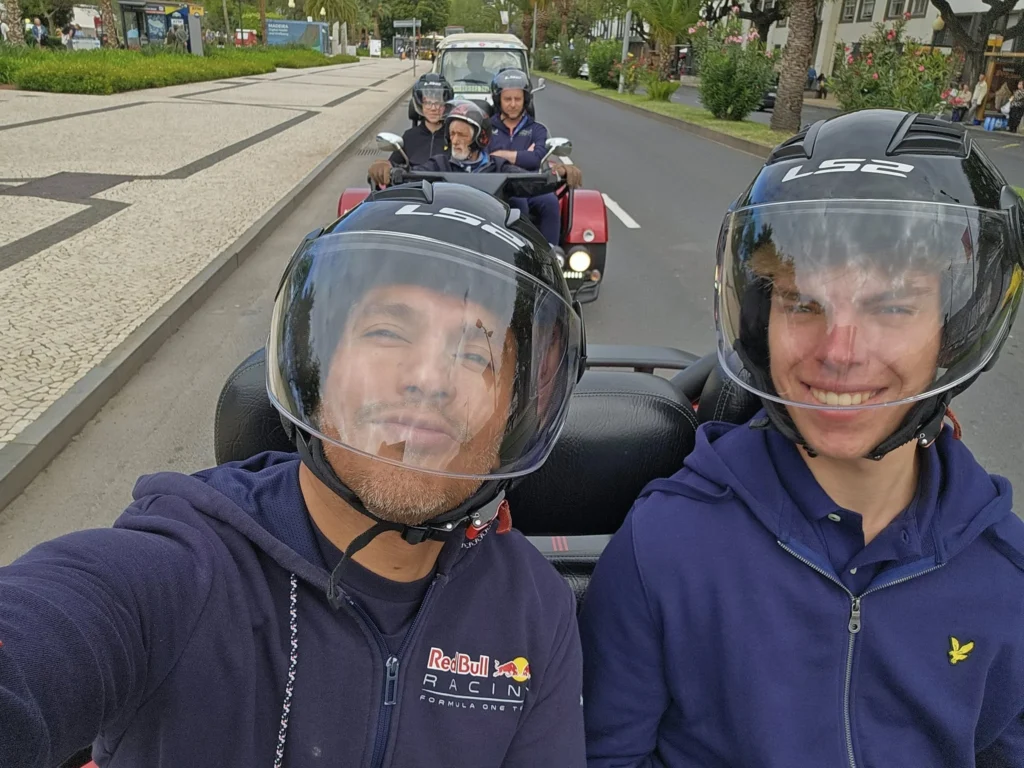
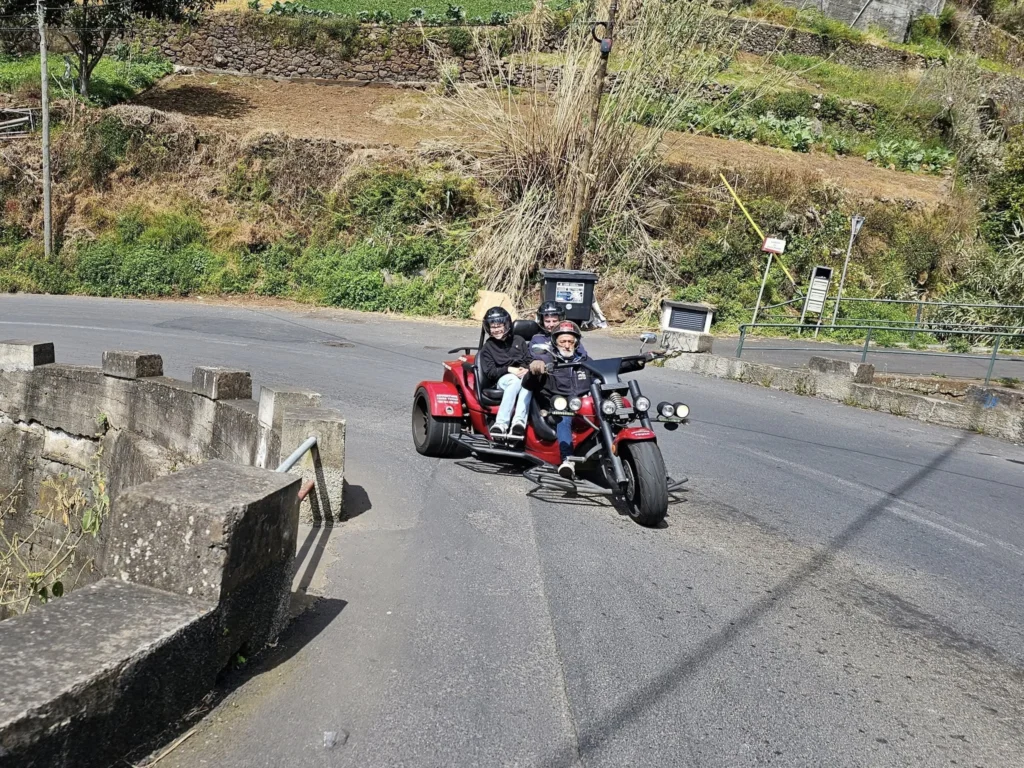
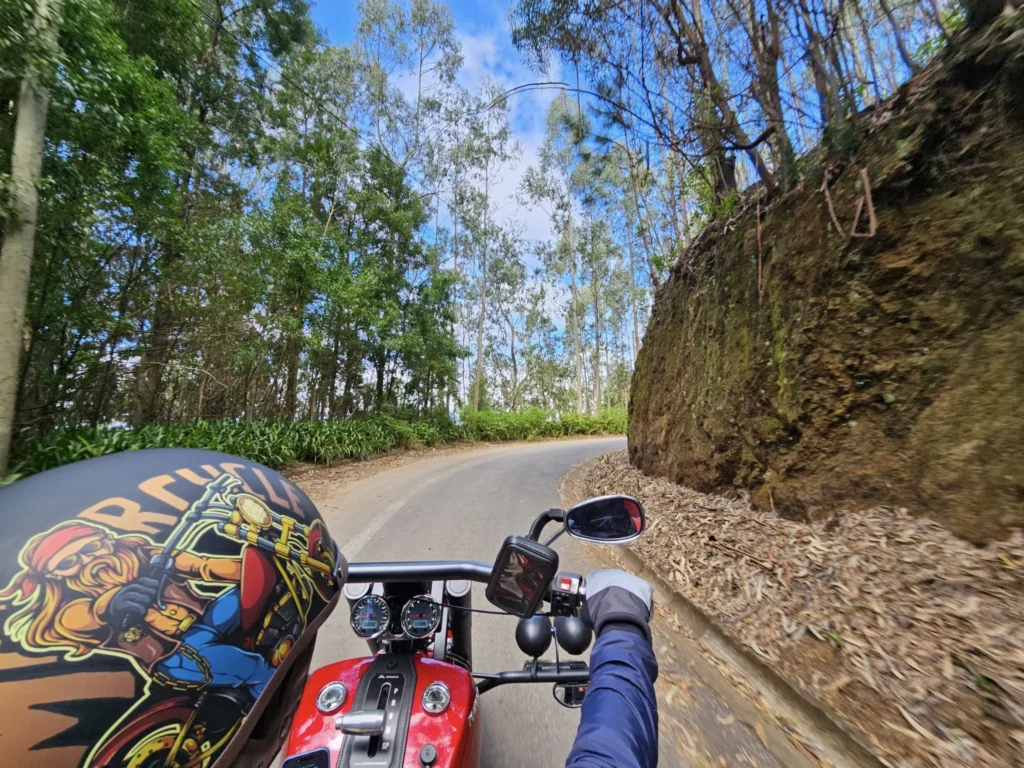
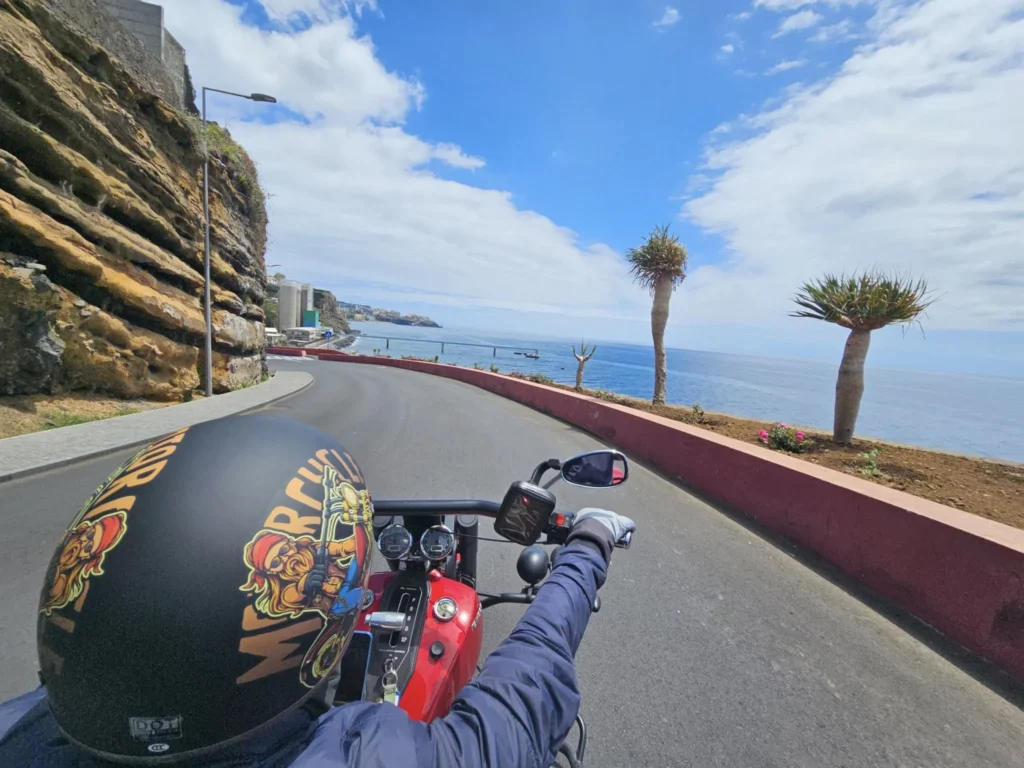
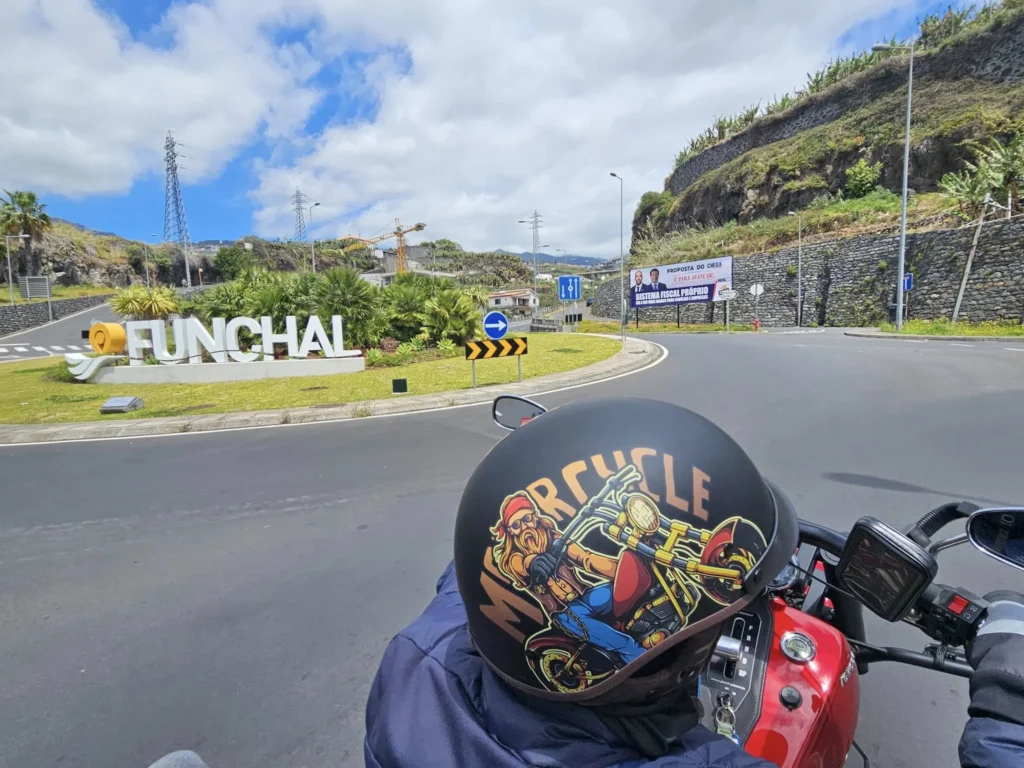
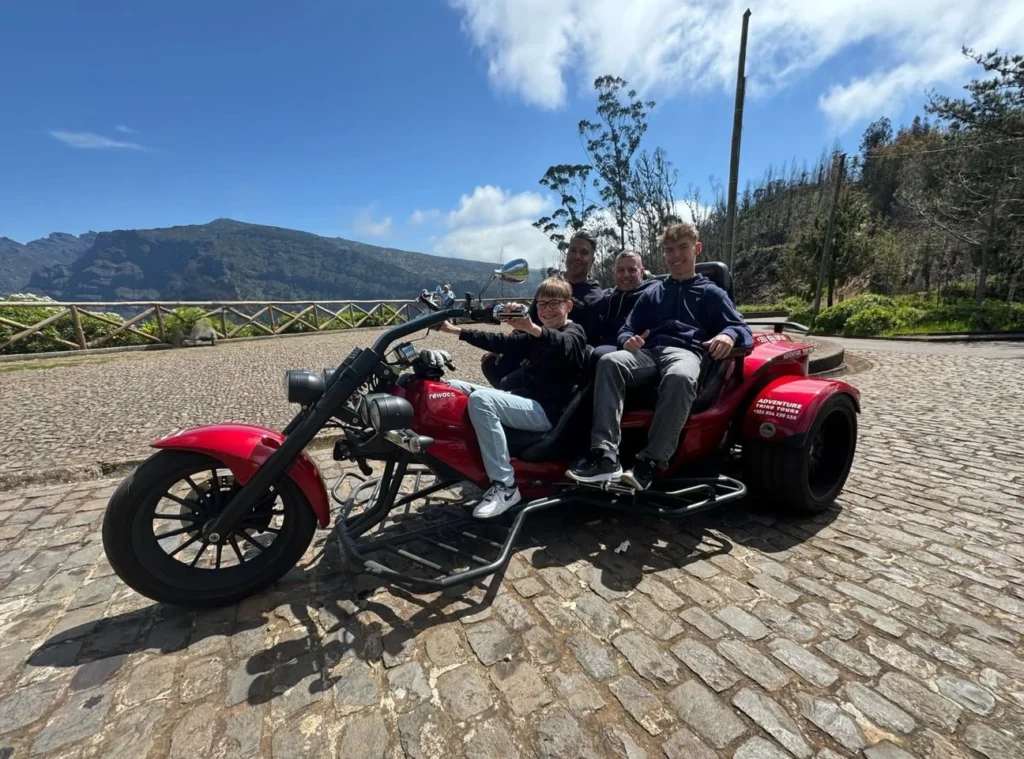
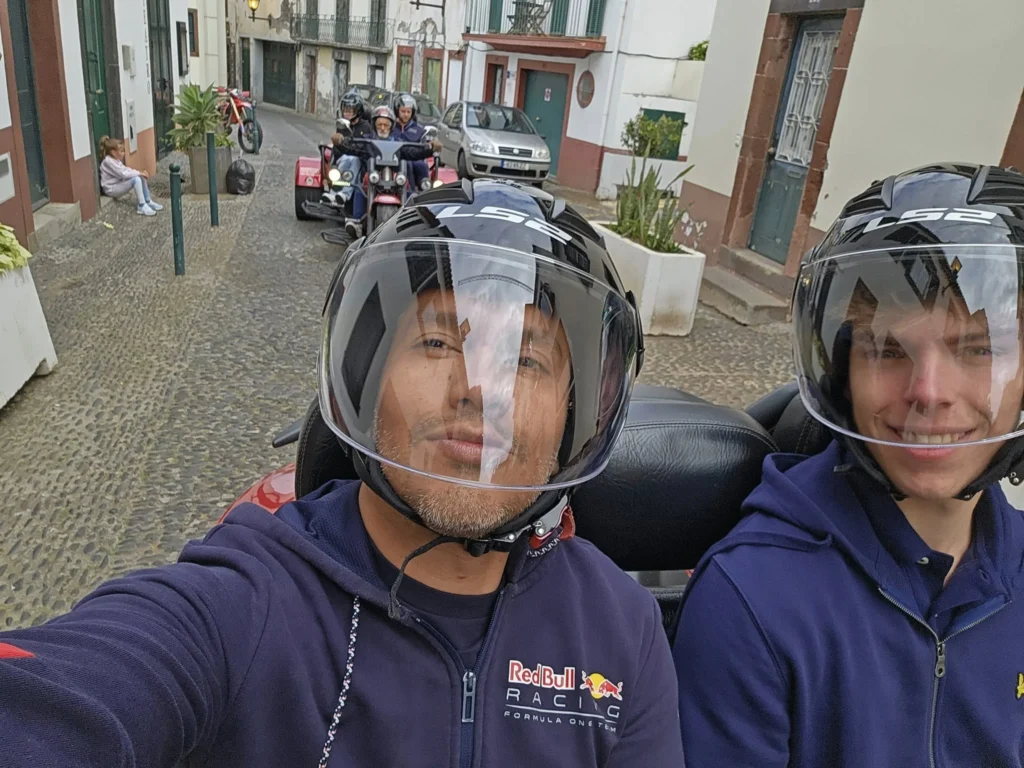
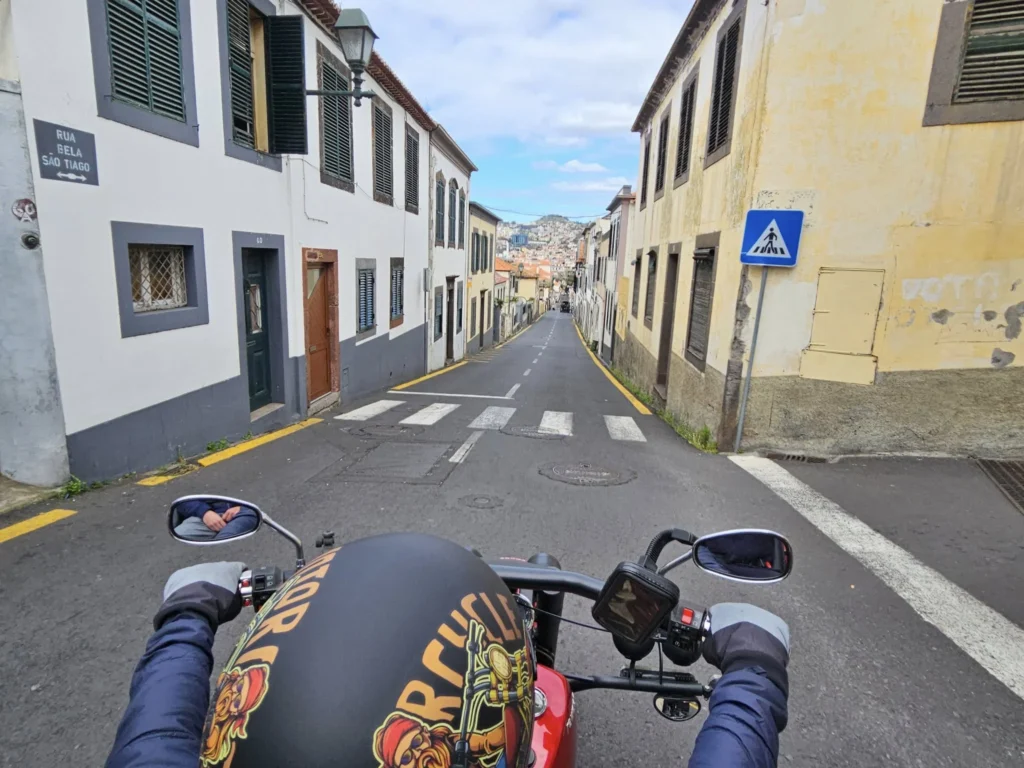
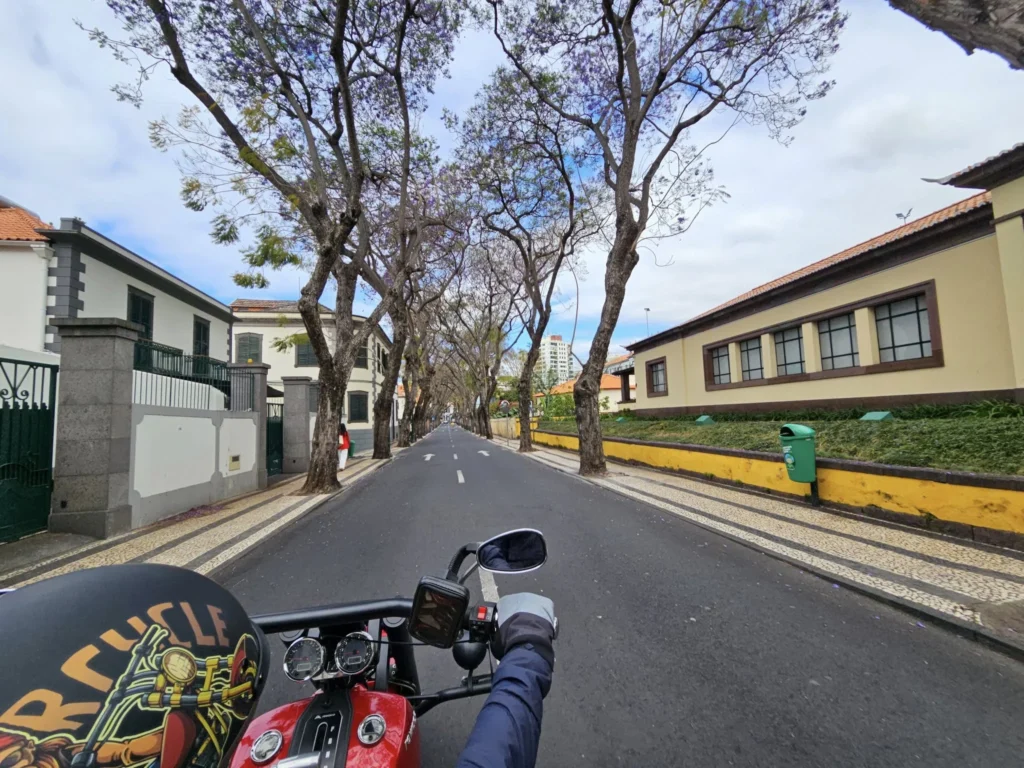
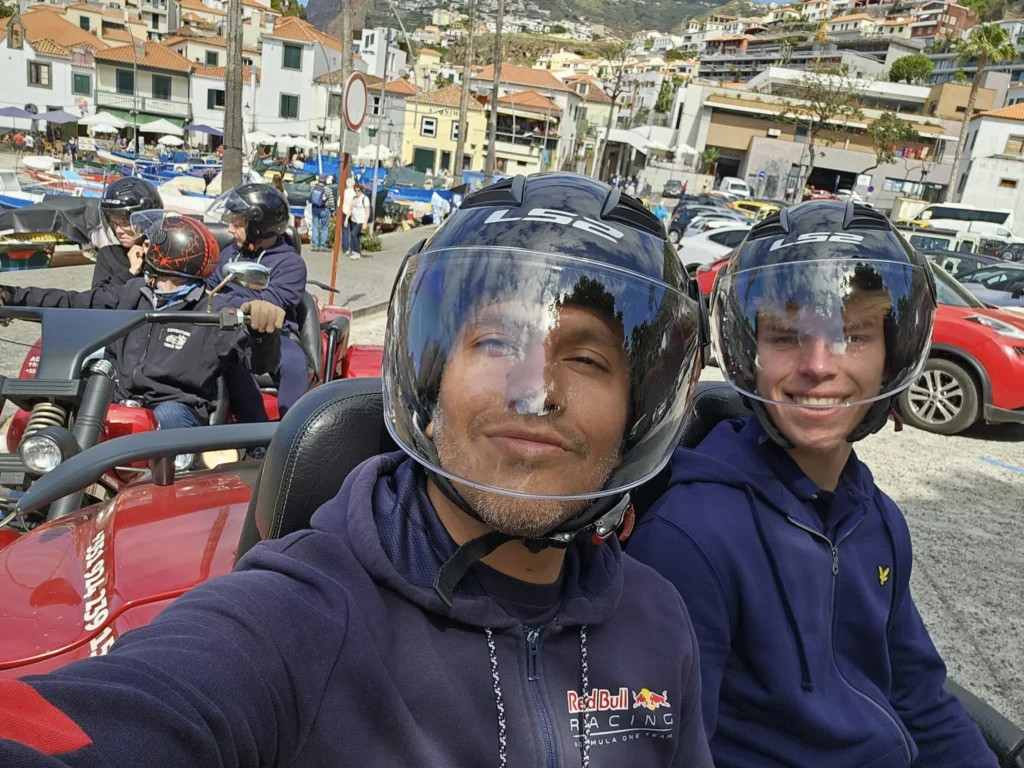
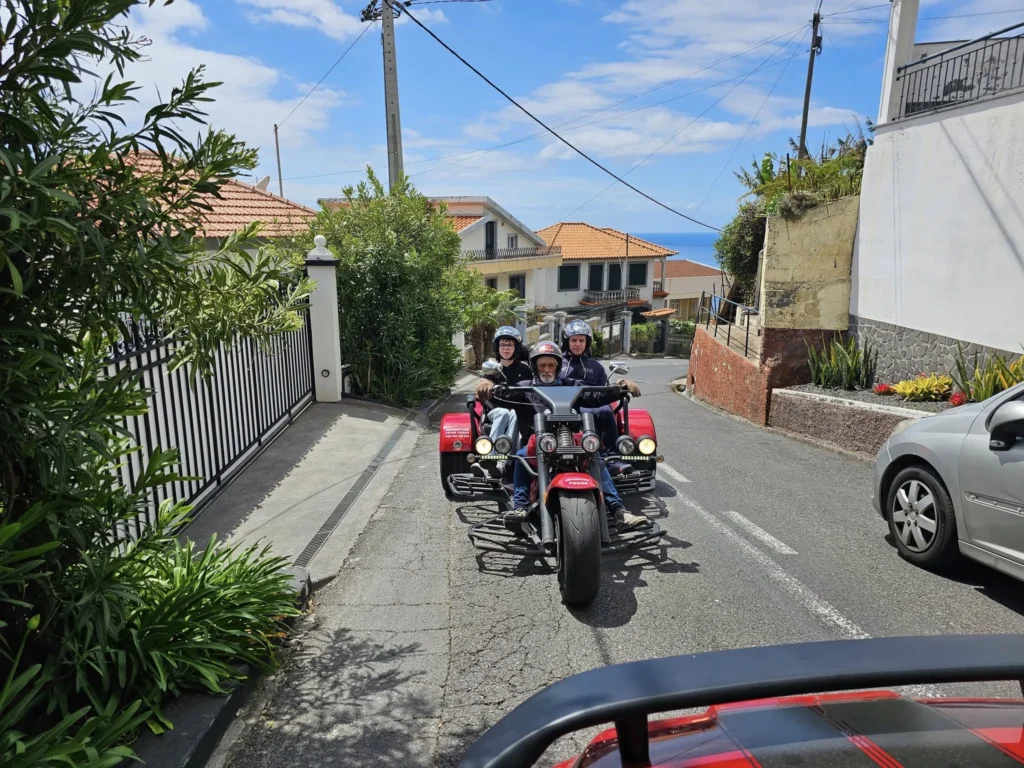
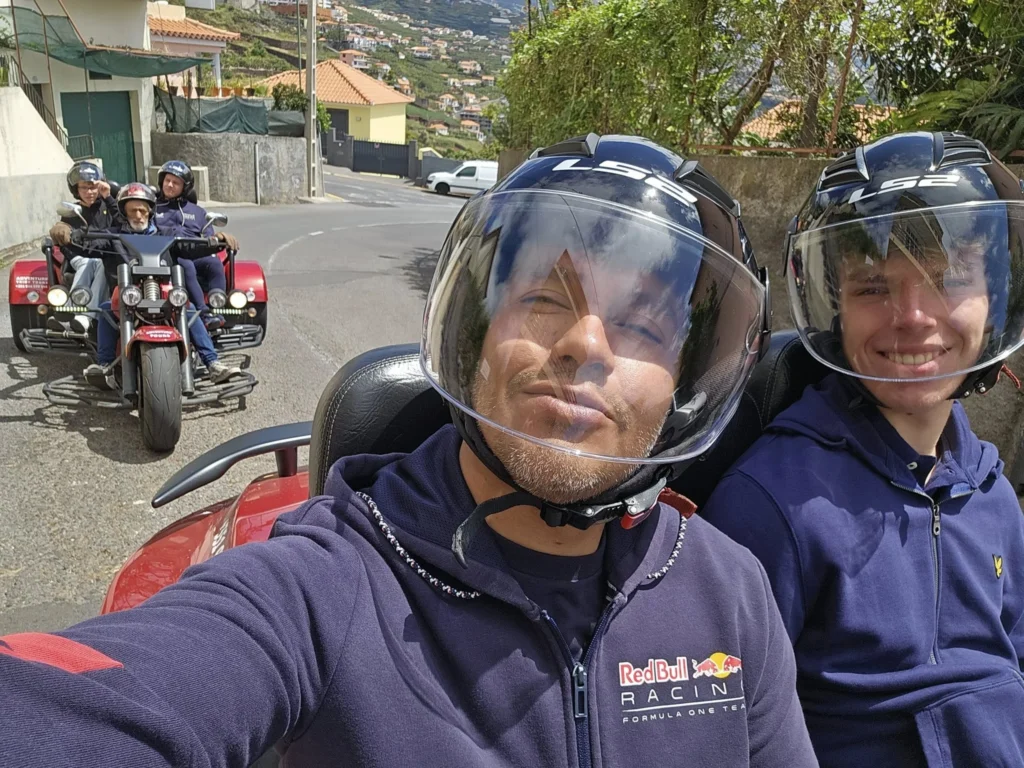
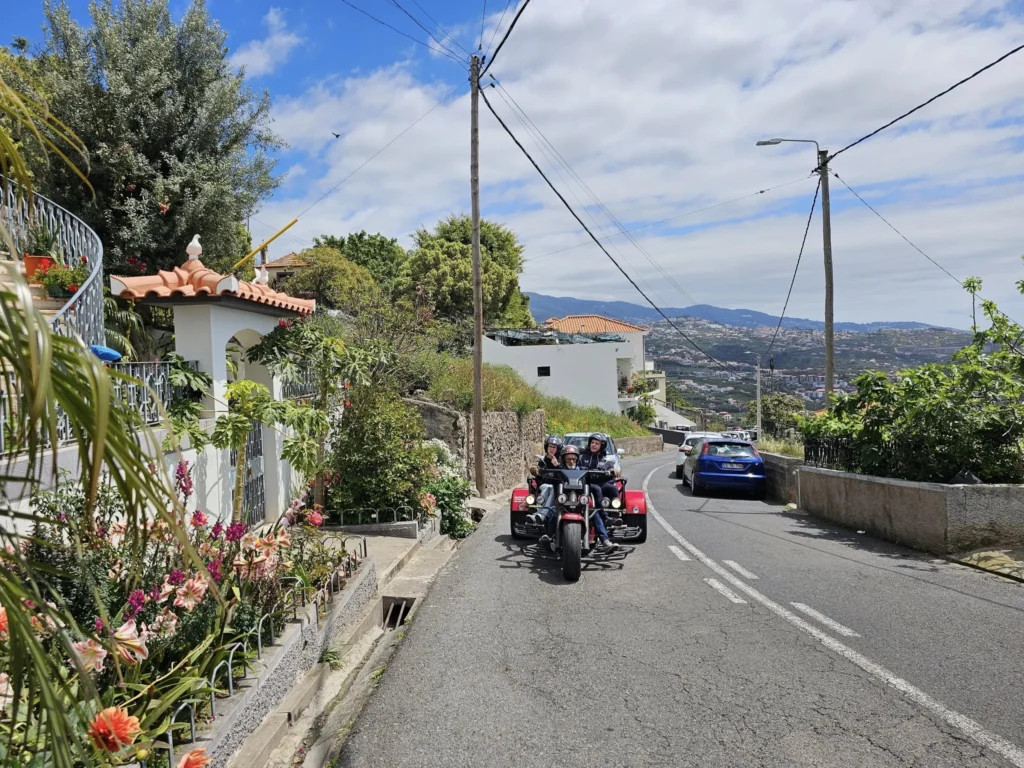
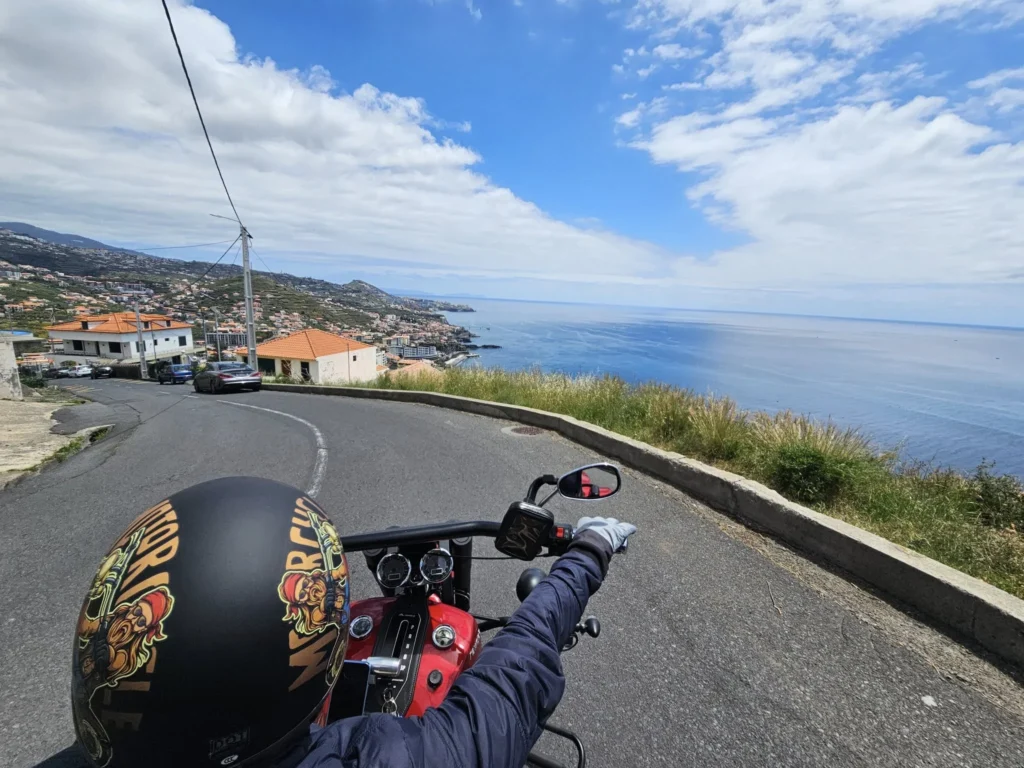
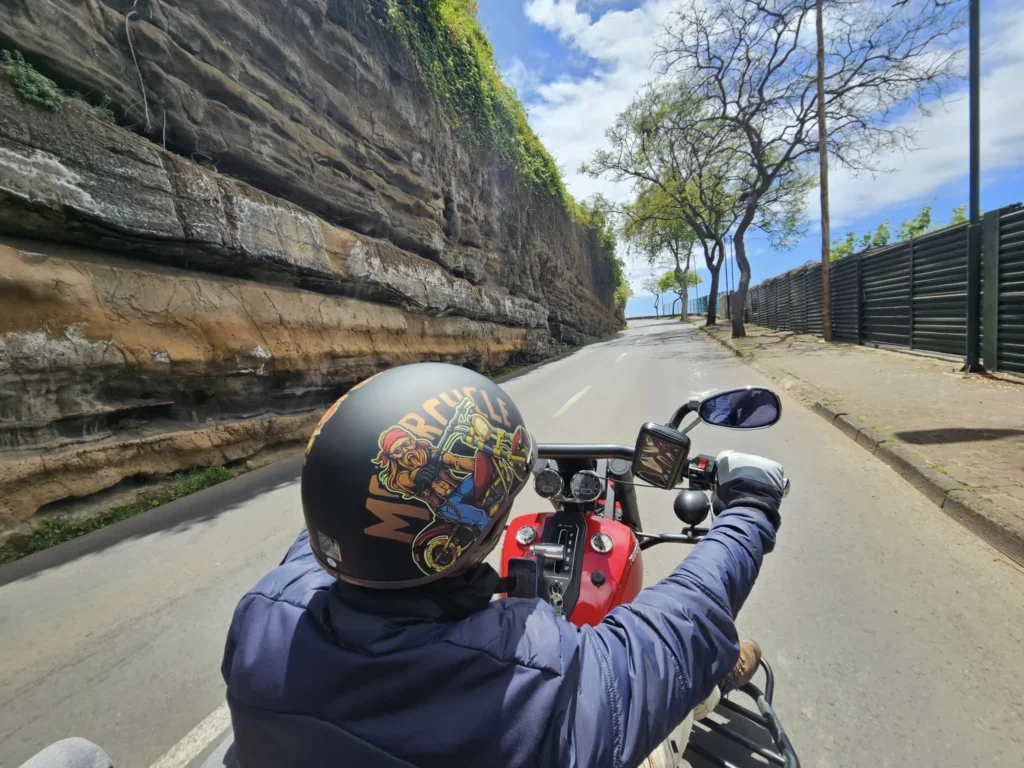
Our adventure began with a private half-day trike tour, a unique and exhilarating way to explore Madeira’s rugged landscapes. The boys were practically bouncing with excitement as we were picked up at the cruise terminal, where the sleek, three-wheeled vehicles awaited, their engines humming with promise. Our guide, a local expert with a deep knowledge of Madeira’s history and geography, tailored the itinerary to showcase the island’s most breathtaking sights, ensuring a perfect blend of adrenaline, natural beauty, and cultural discovery. You can book a trike tour or other Funchal excursions to experience this yourself.
Funchal’s Old City Centre: A Vibrant Start
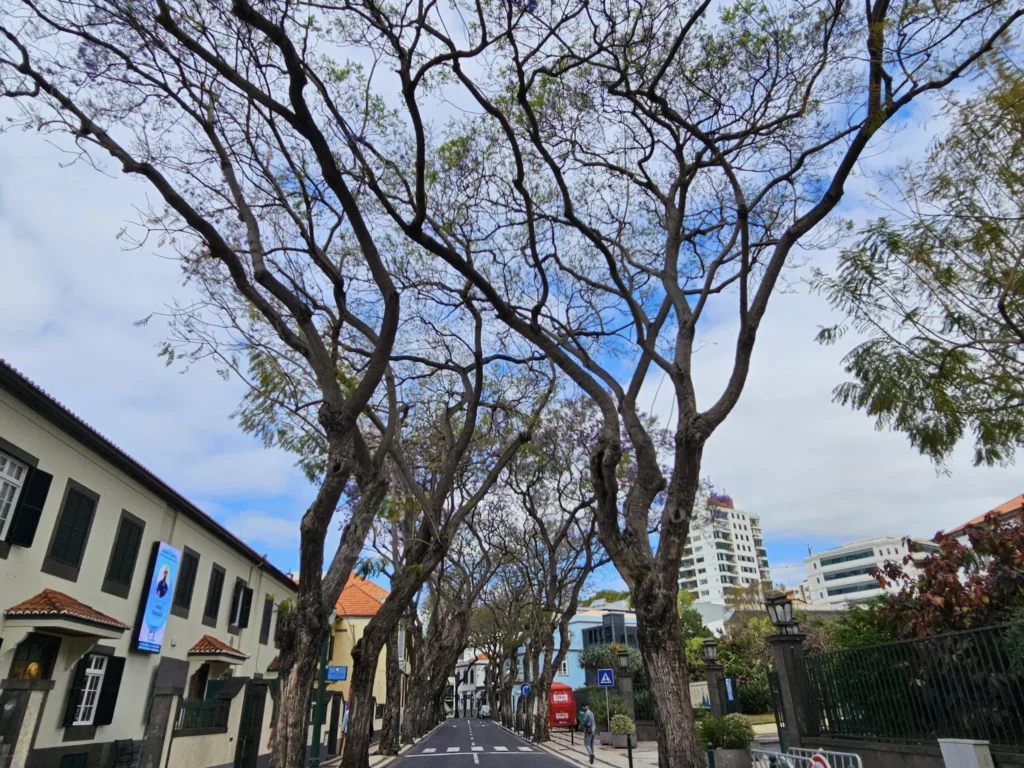
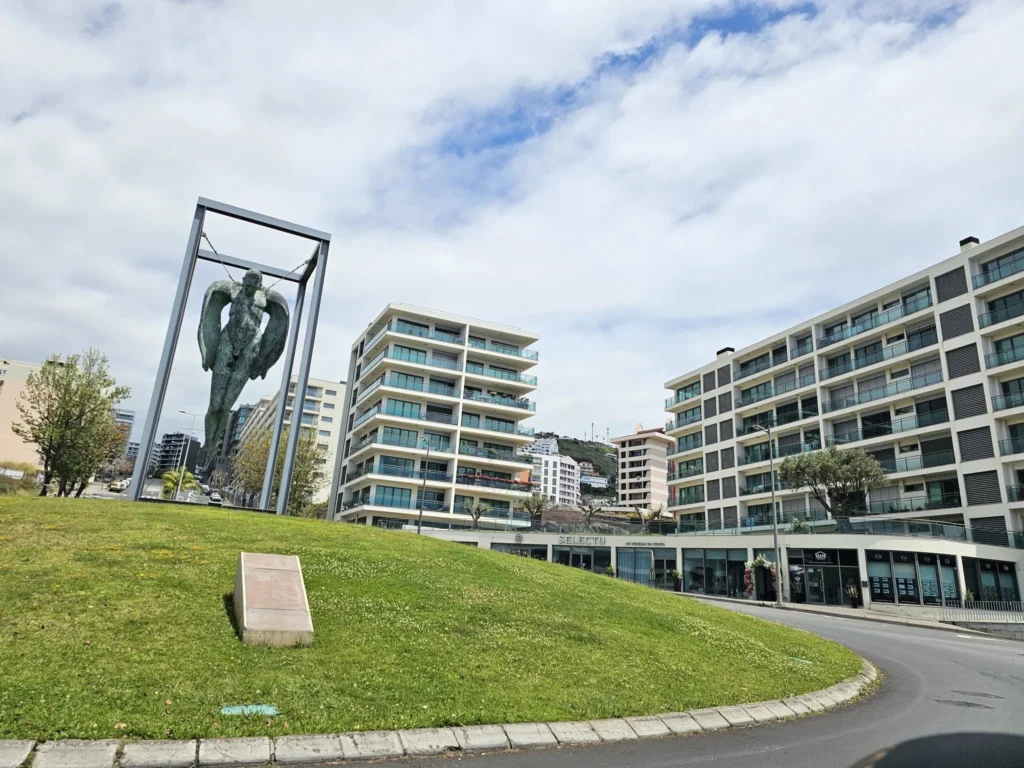
Our tour kicked off with a thrilling drive through the old city centre of Funchal, where narrow cobblestone streets buzzed with life. The colorful facades of Zona Velha, adorned with painted doors showcasing local art, created a vibrant backdrop as we weaved through the historic district. The scent of fresh flowers from nearby markets mingled with the salty breeze from the harbor, and our guide pointed out landmarks like the Sé Cathedral and the Mercado dos Lavradores, where vendors sell tropical fruits and crafts. The boys were enchanted by the lively atmosphere, their eyes darting between street musicians and quaint cafés. This brief ride through Funchal’s heart set an energetic tone, immersing us in the city’s blend of history and modern charm.
The old city centre of Funchal pulsed with life, a colorful gateway to Madeira’s soul.

Câmara de Lobos: Winston Churchill’s Muse
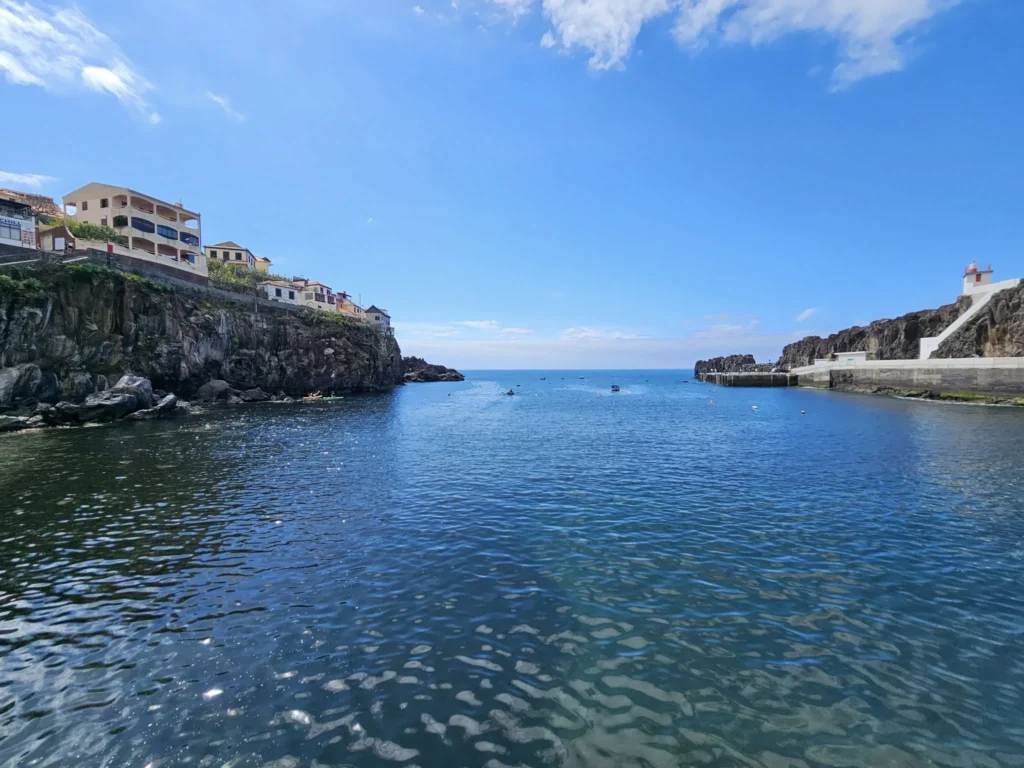
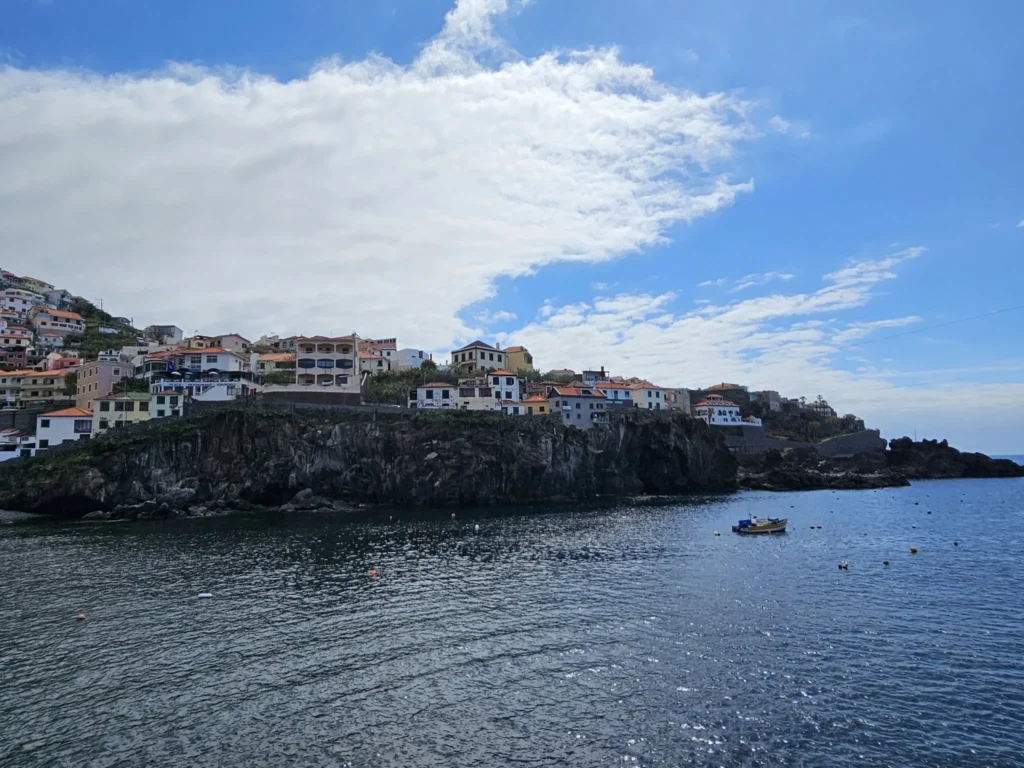
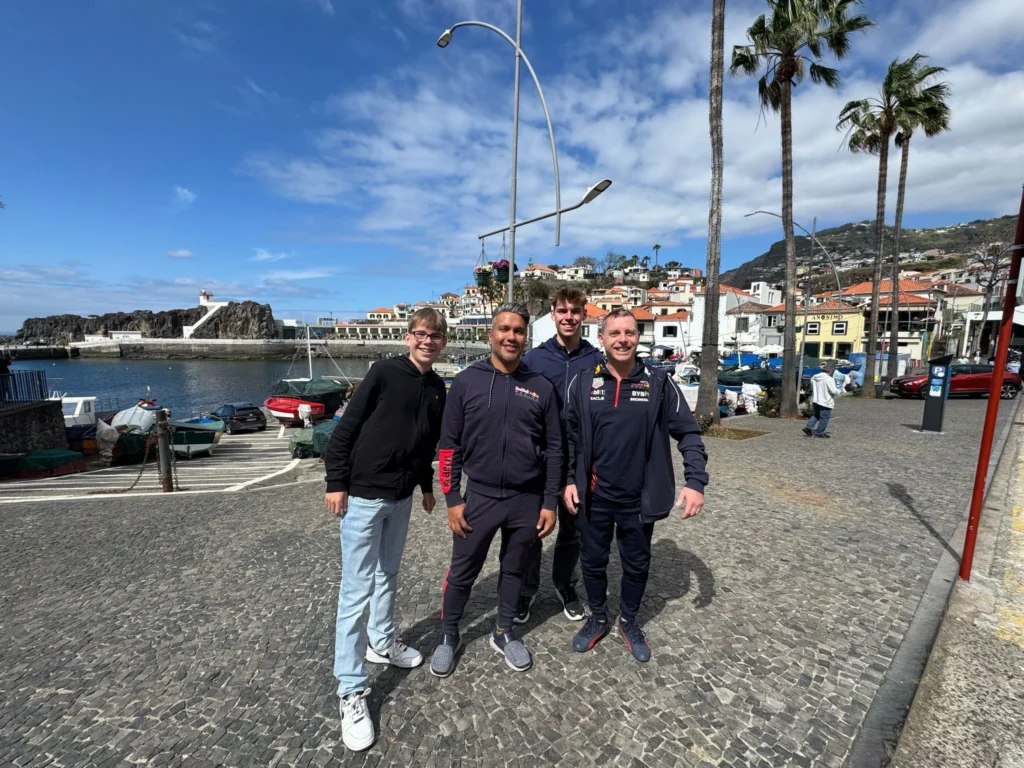
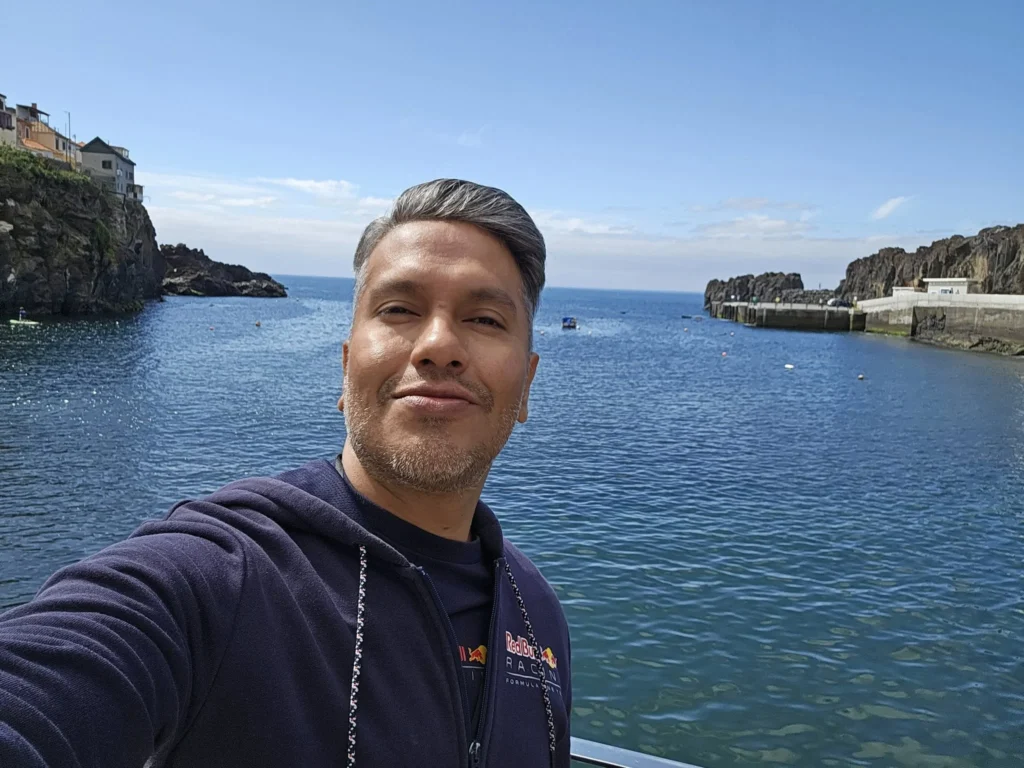
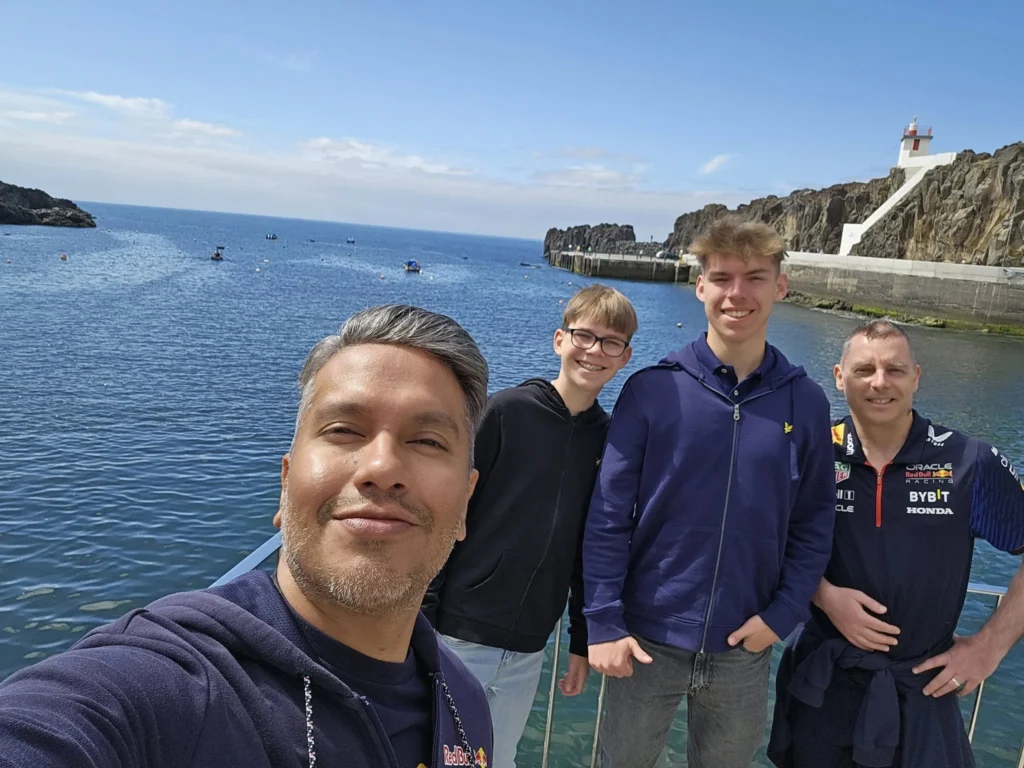
Next, we rode to Câmara de Lobos, a picturesque fishing village west of Funchal, famously immortalized by Winston Churchill, who painted its colorful boats and rugged cliffs in 1950. The harbor, dotted with traditional fishing vessels bobbing gently on the water, exuded a timeless charm. Our guide shared how the village’s name, meaning “Chamber of Wolves,” refers to the monk seals once abundant here. We paused at a viewpoint overlooking the bay, where banana plantations and terraced vineyards stretched toward the sea. The boys snapped photos of the vibrant scene, inspired by Churchill’s artistic legacy, while we marveled at the village’s serene beauty and its role as a cultural touchstone.
Scenic Drive Through Banana Fields
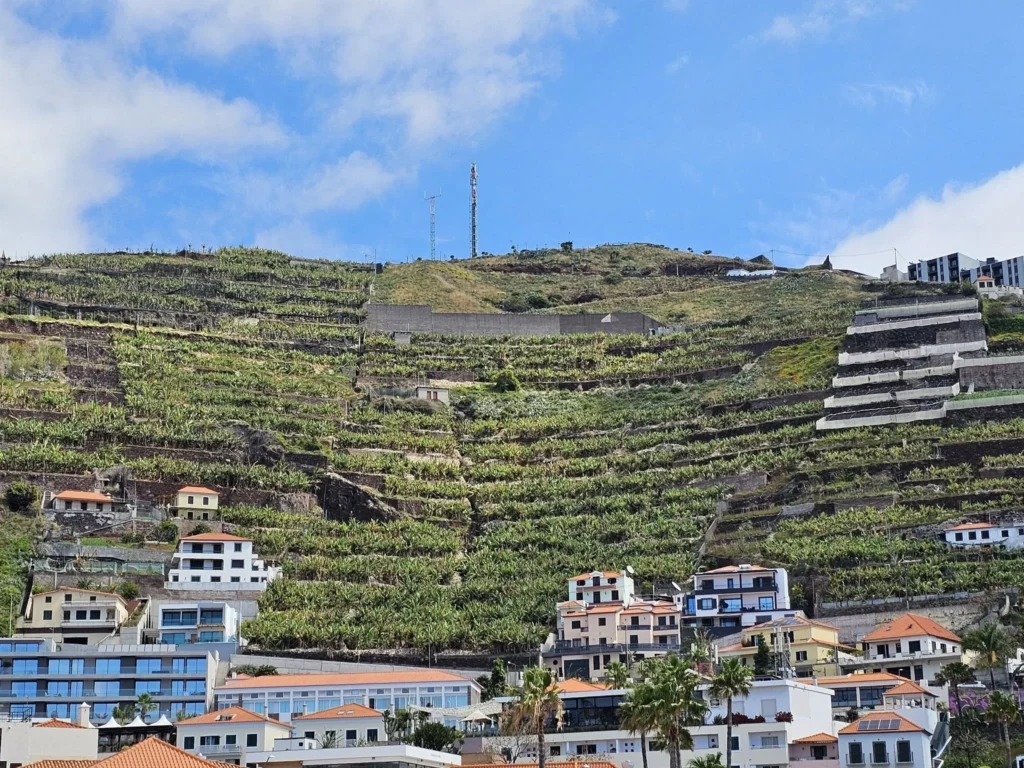
Our trikes roared through a scenic drive across banana fields, where lush green plantations blanketed the rolling hills. The air was warm and fragrant with the sweet scent of ripening bananas, a staple of Madeira’s agriculture. Our guide explained how the island’s microclimates and levada irrigation system create ideal conditions for these crops, with bananas thriving in the lower, warmer regions. The boys were fascinated by the sight of banana trees swaying in the breeze, their broad leaves casting dappled shadows on the road. This stretch of the tour felt like a journey through Madeira’s agricultural heart, connecting us to the island’s fertile legacy and the ingenuity of its people.
Viewpoint to Valley of the Nuns: A Hidden Sanctuary
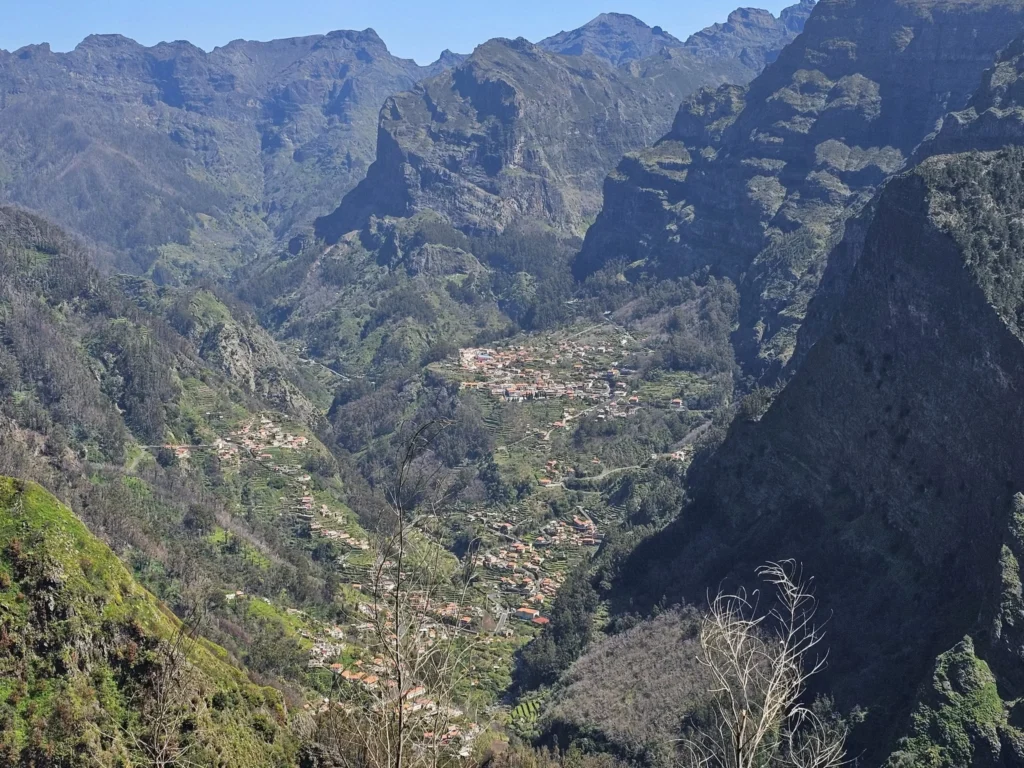
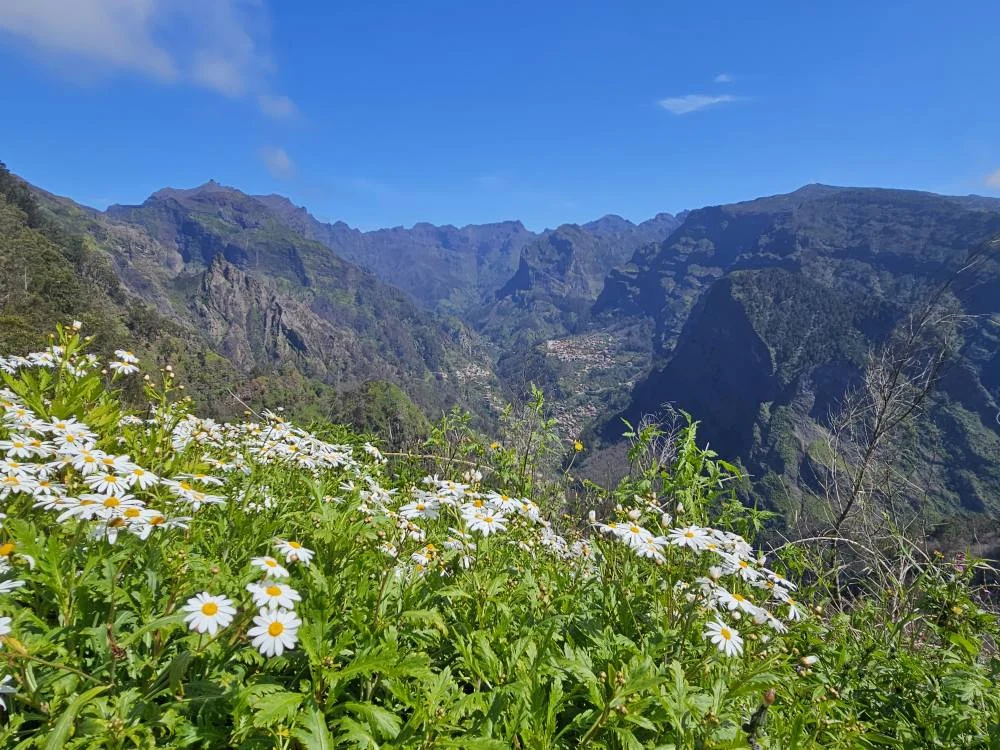
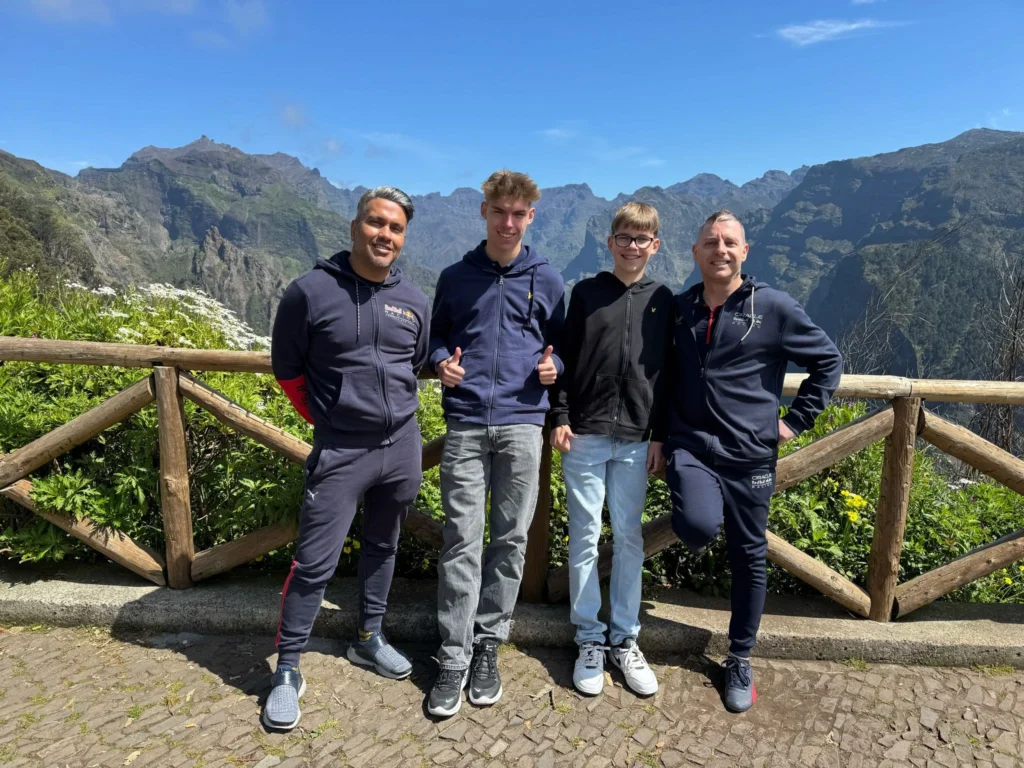
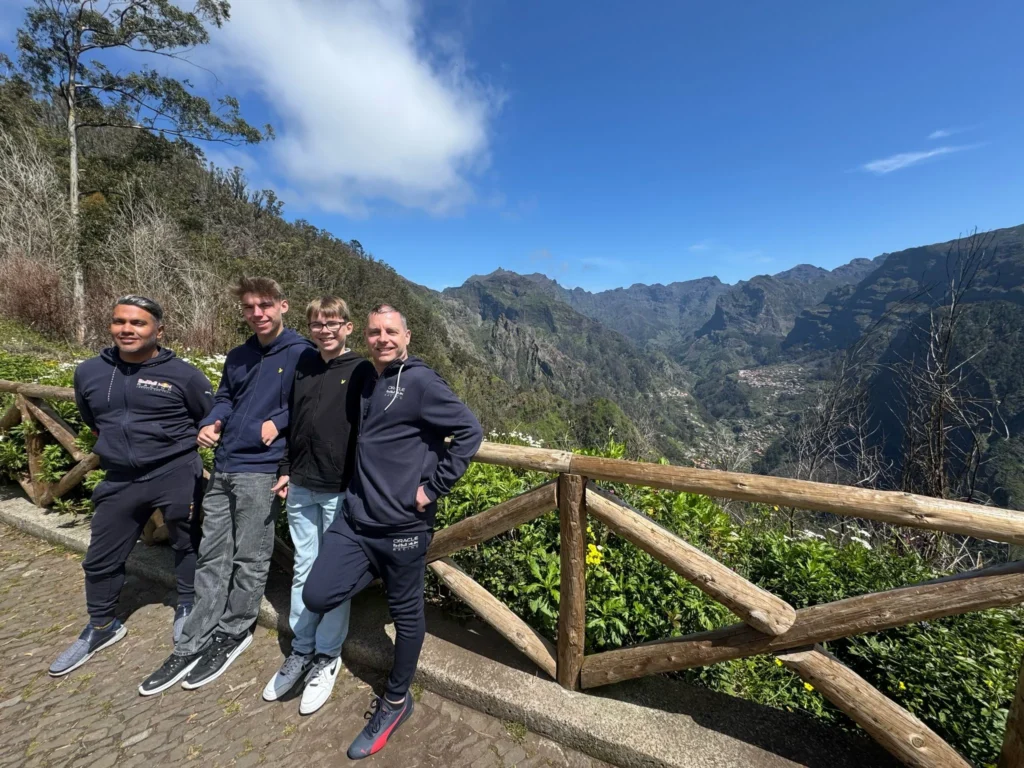
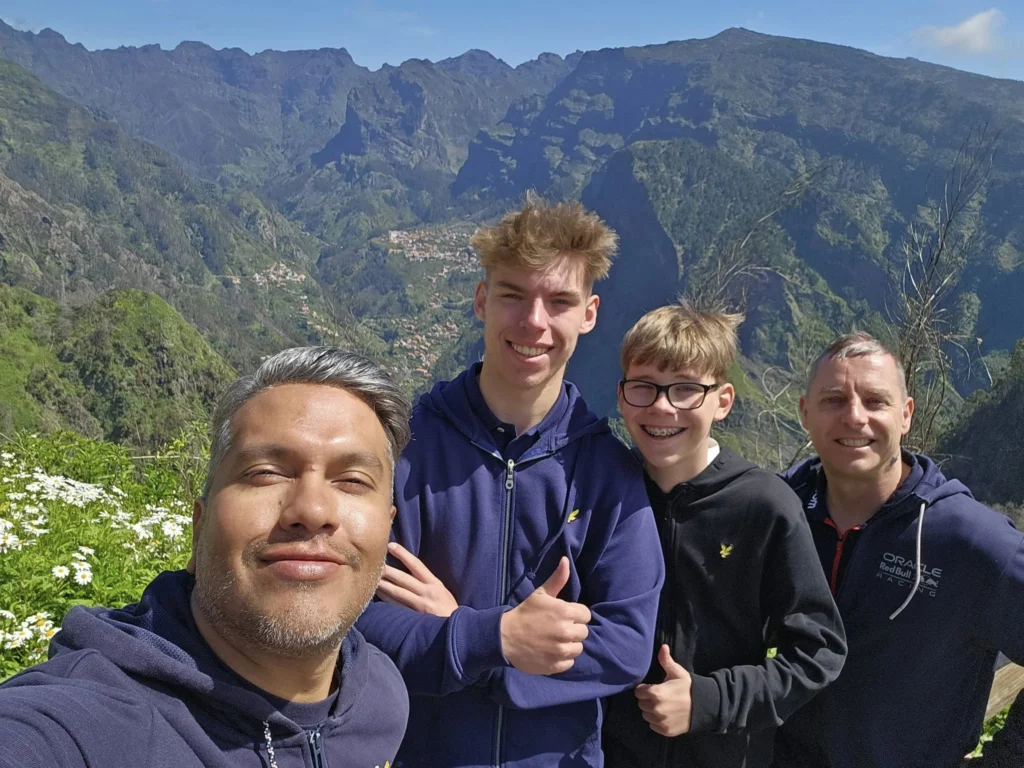
We continued to a viewpoint overlooking the Valley of the Nuns (Curral das Freiras), a breathtaking basin cradled by towering mountains in Madeira’s heart. The vista was awe-inspiring: mist clung to the jagged peaks, casting an ethereal glow over the stone houses and terraced fields below. The valley’s name stems from the 16th century, when nuns from Funchal’s Santa Clara Convent fled here to escape pirate attacks, finding refuge in its remote embrace. Our guide shared this history, and the boys were captivated, imagining the nuns hiding among the craggy peaks.
The Valley of the Nuns felt like a secret world, where mountains guard stories and nature sings.
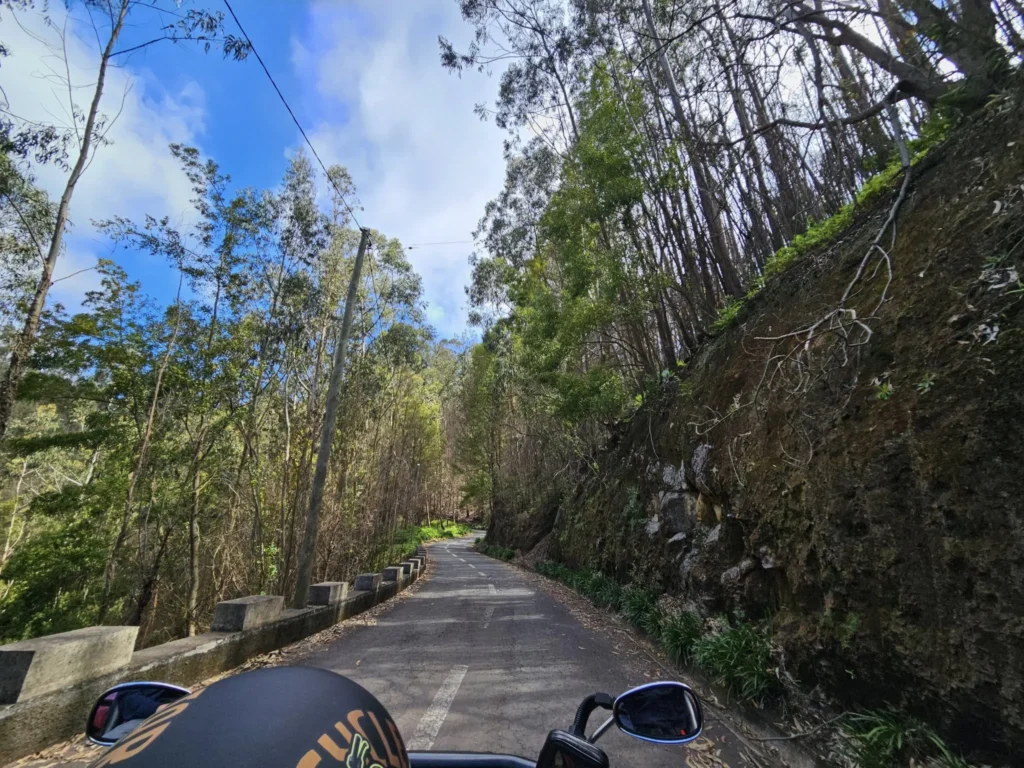
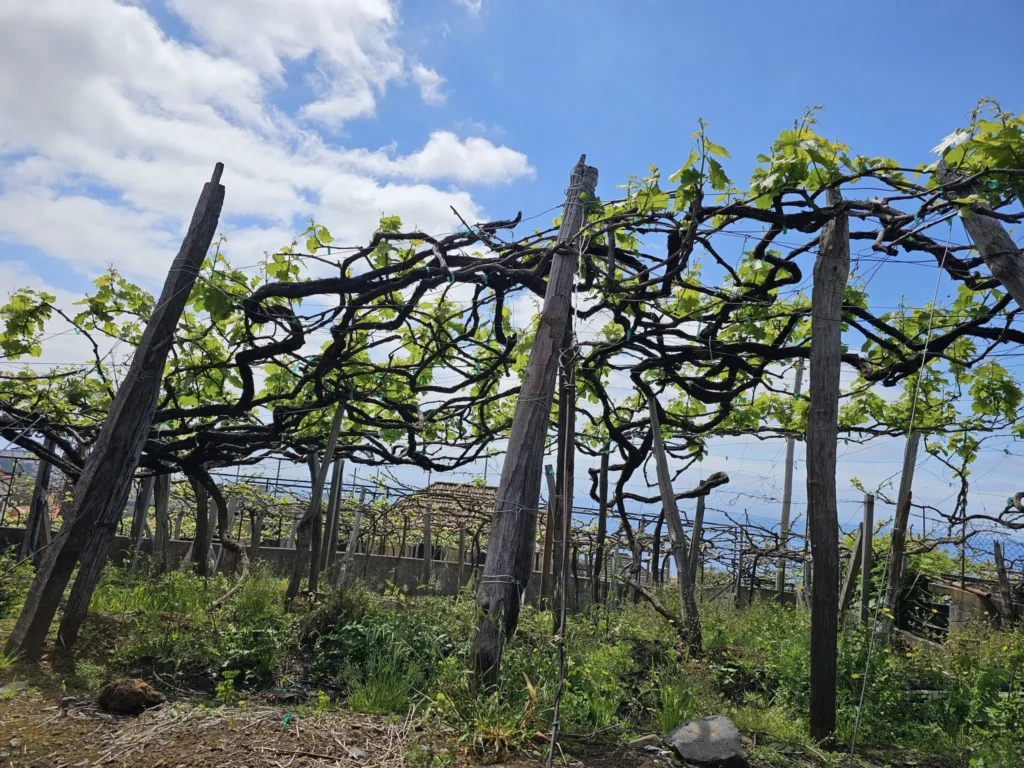
The air was cool and fragrant with eucalyptus and grapes, a contrast to the banana fields below, highlighting Madeira’s diverse microclimates. We lingered at the viewpoint, savoring the silence broken only by the distant bleating of goats, a moment of connection with the island’s history and natural splendor.
Cabo Girão: Touching the Sky
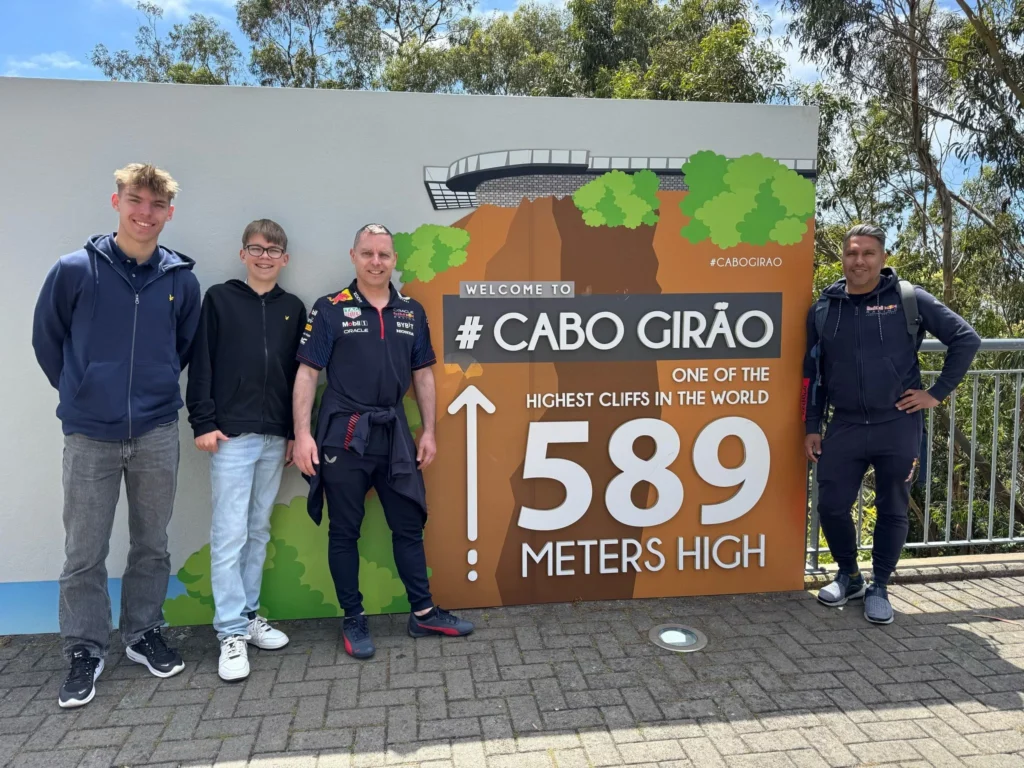
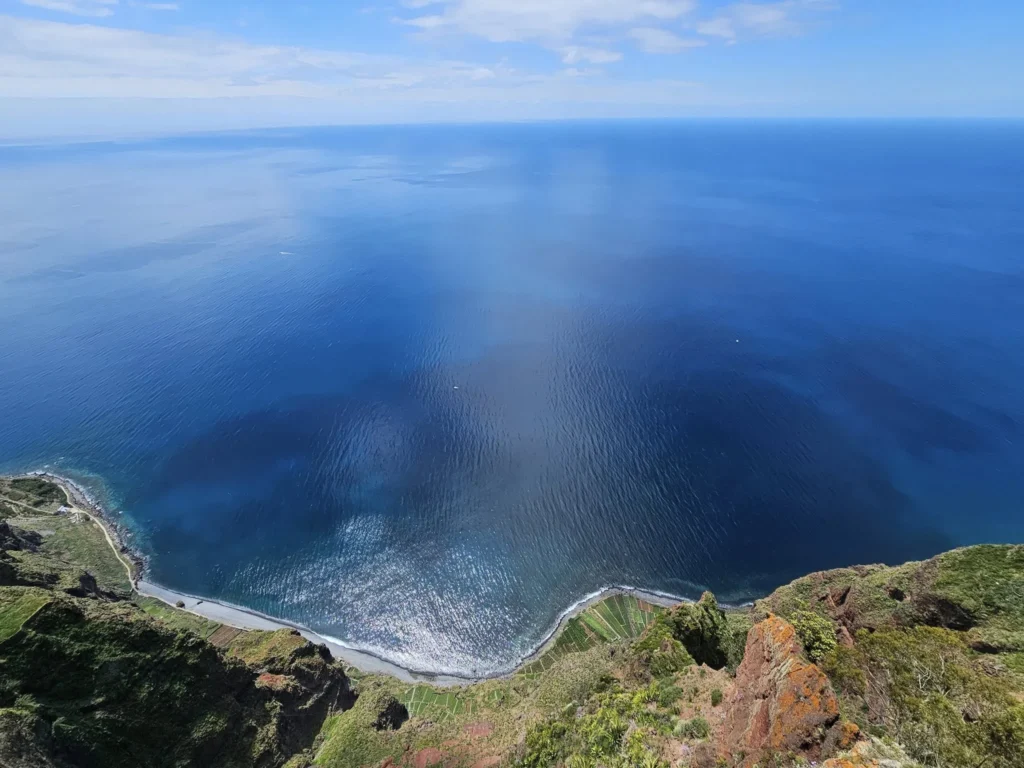
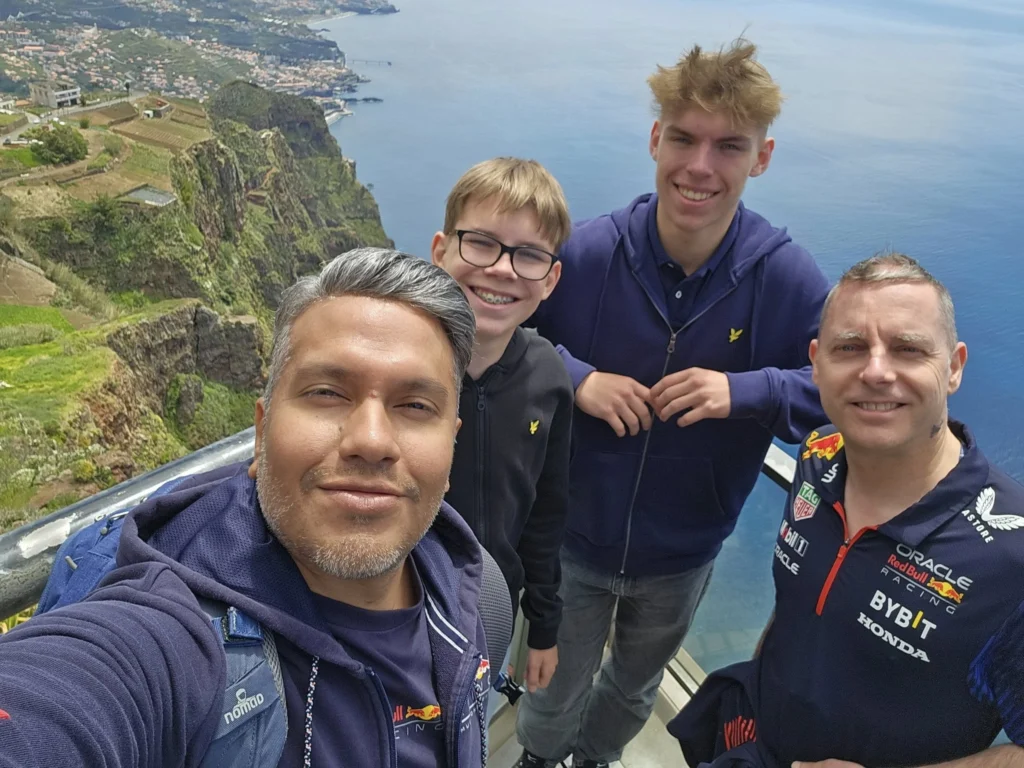
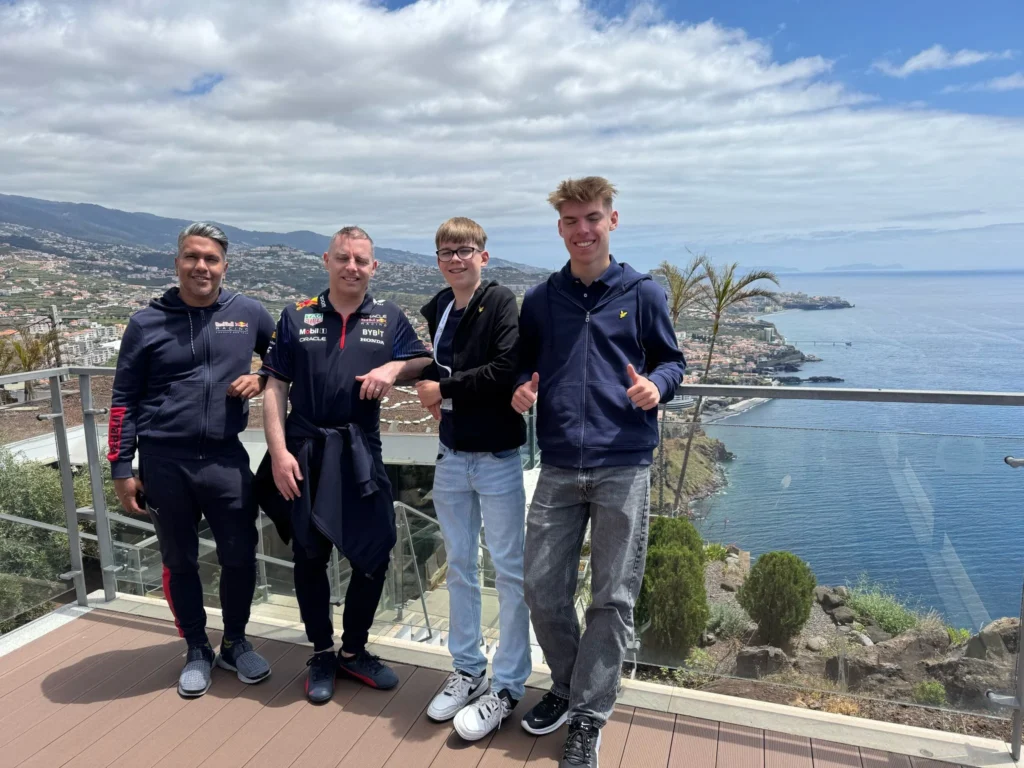
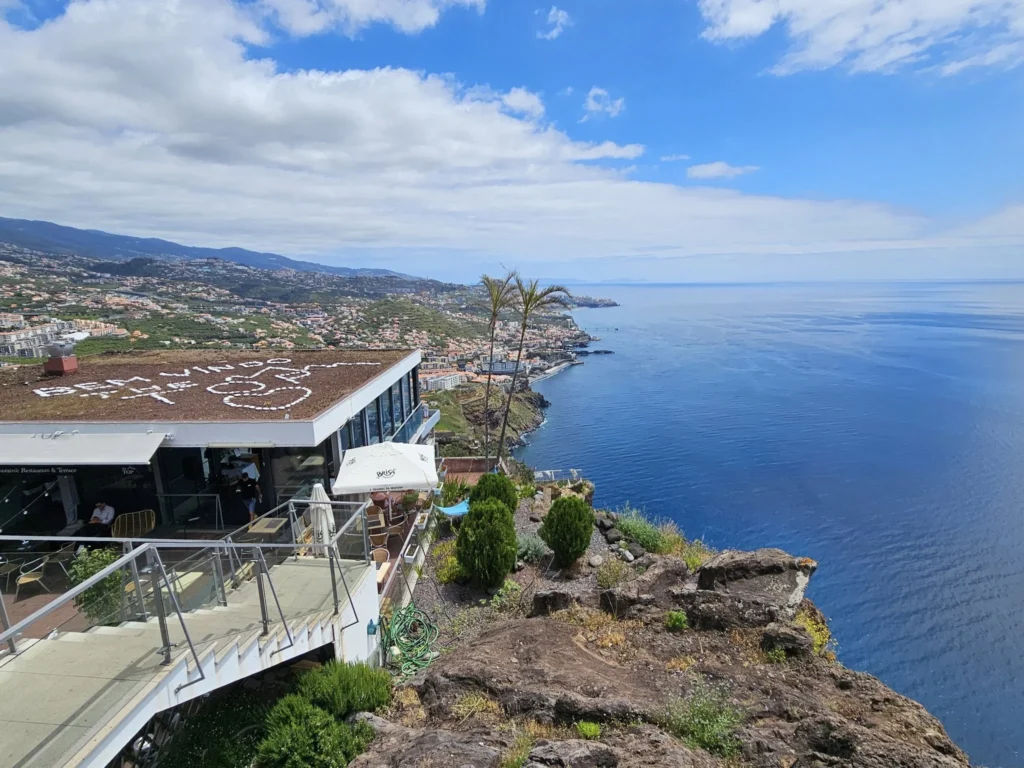
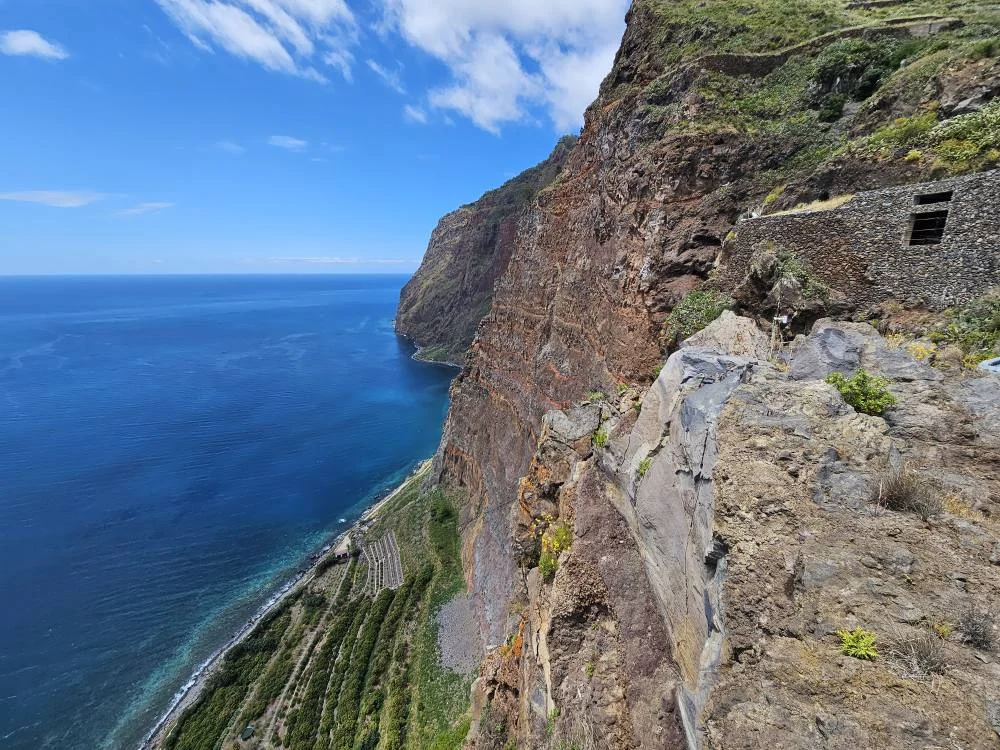
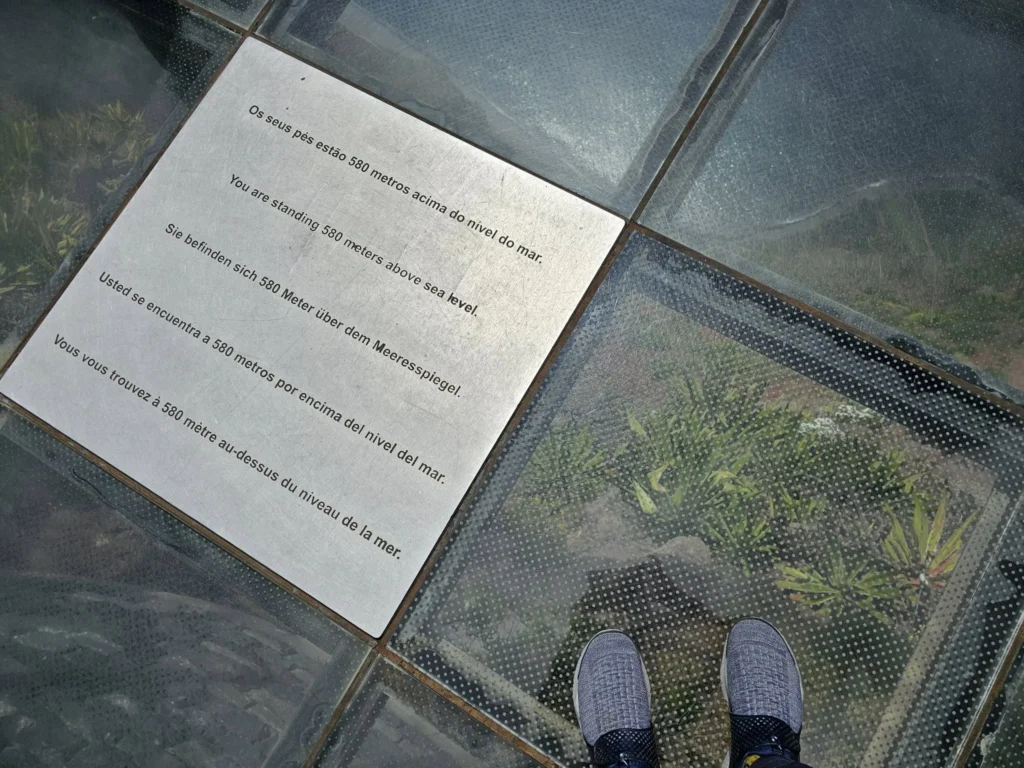
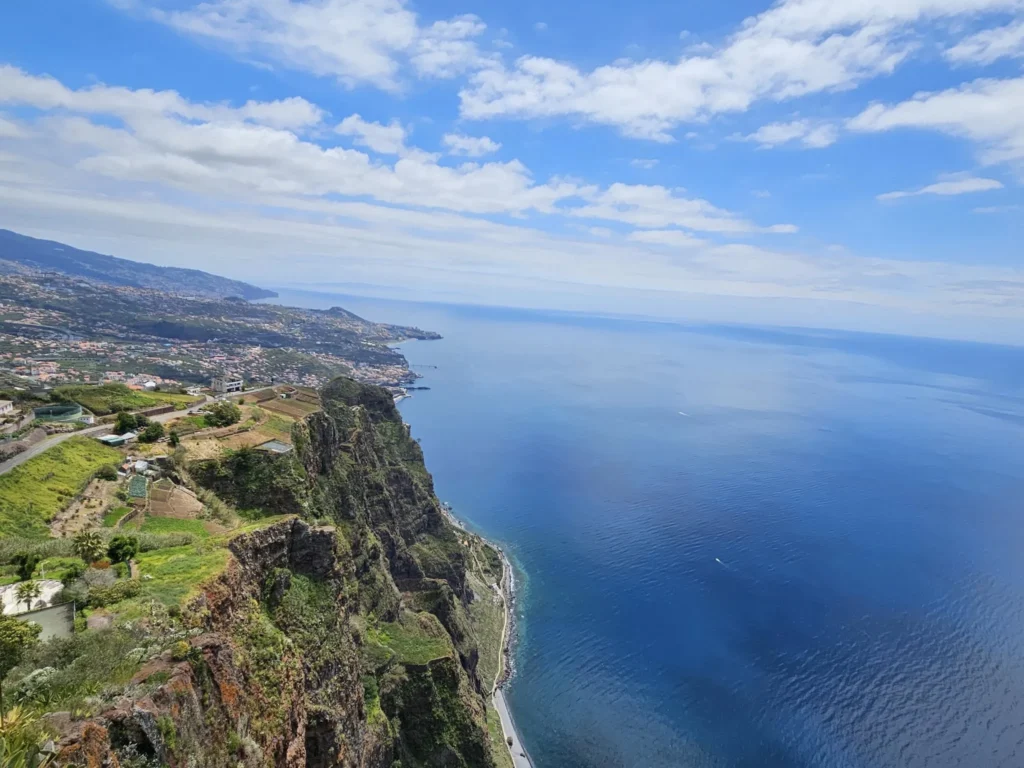
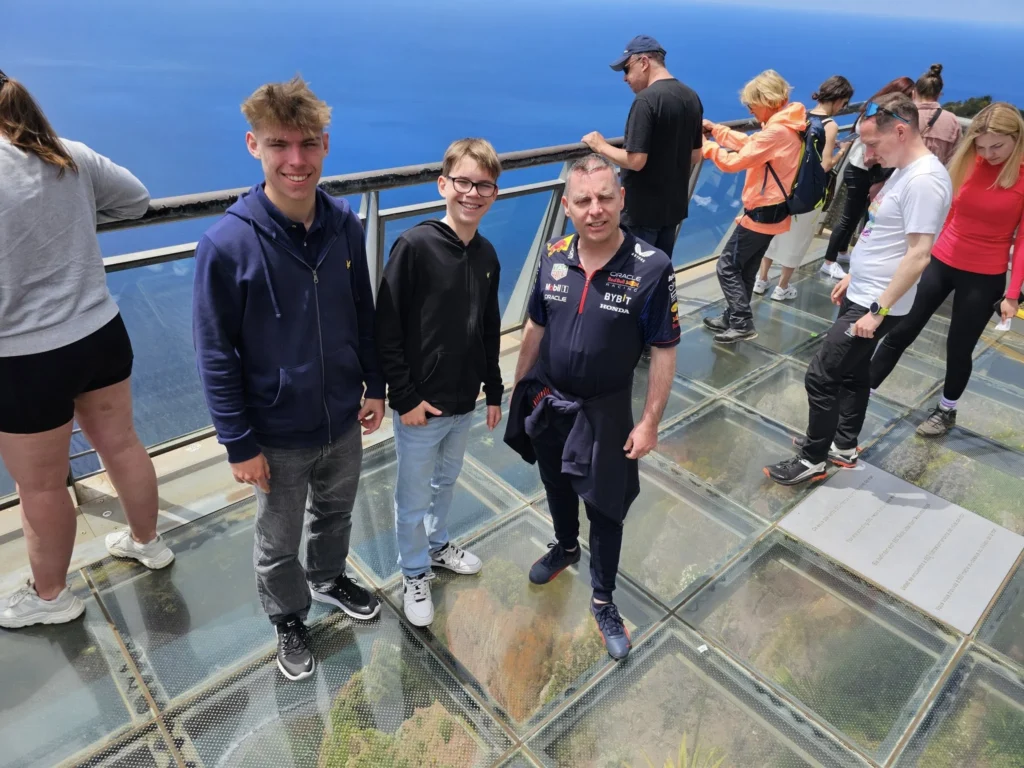
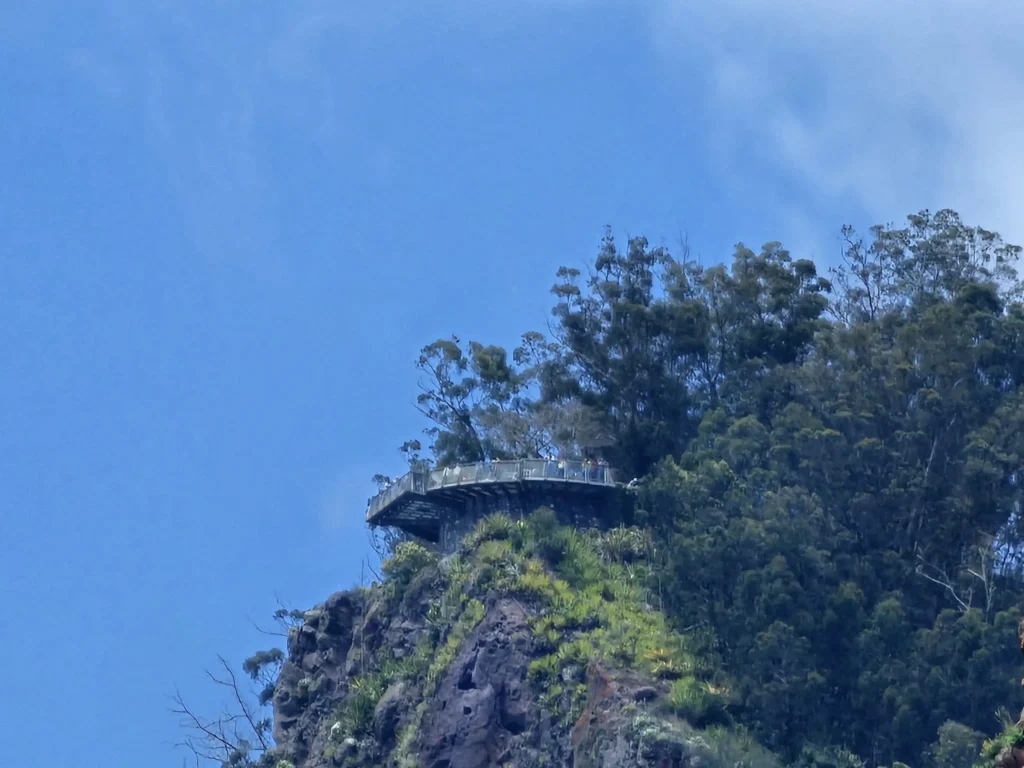
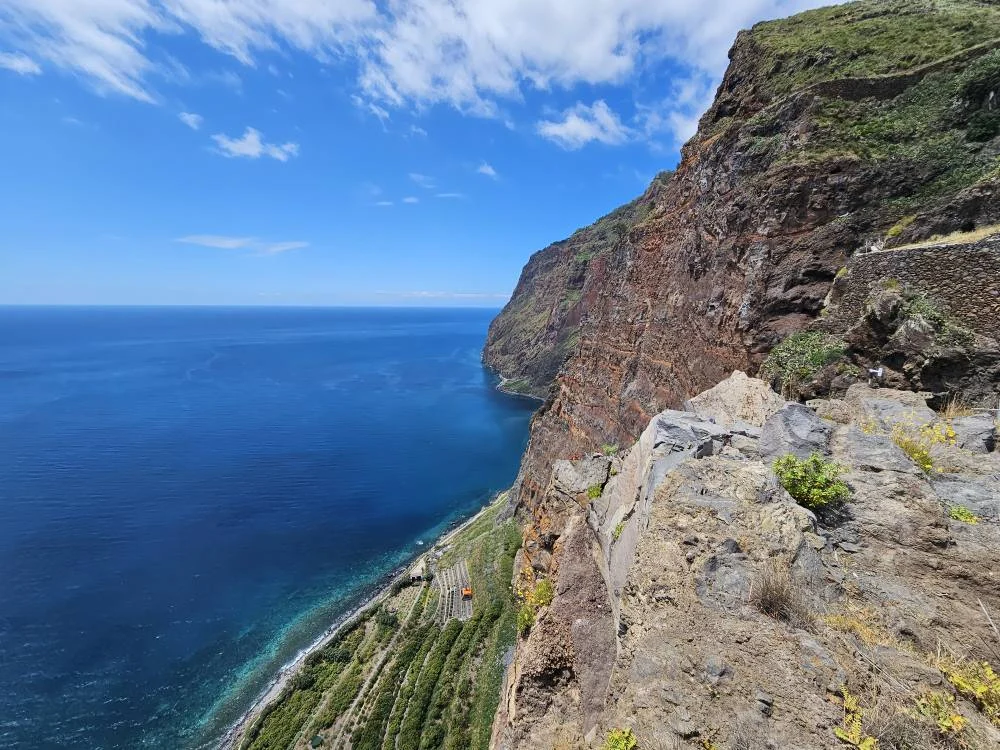
Our next stop was Cabo Girão, one of the world’s highest sea cliffs, soaring 580 meters above the Atlantic. The glass-bottomed skywalk was a thrilling highlight, offering heart-pounding views of the ocean and the terraced fields below, known as fajãs. The boys dared each other to step onto the transparent platform, their nervous giggles turning to triumphant cheers. Even for those of us with vertigo, the vista was worth it: the coastline stretched endlessly, with waves crashing against the cliffs and the sky merging with the sea in a symphony of blue. Our guide noted that Cabo Girão is a hub for paragliding and local festivals, adding to its cultural significance. The interplay of cliffs, ocean, and sky felt like a love letter from nature.
Santuário de Nossa Senhora de Fátima: A Spiritual Pause
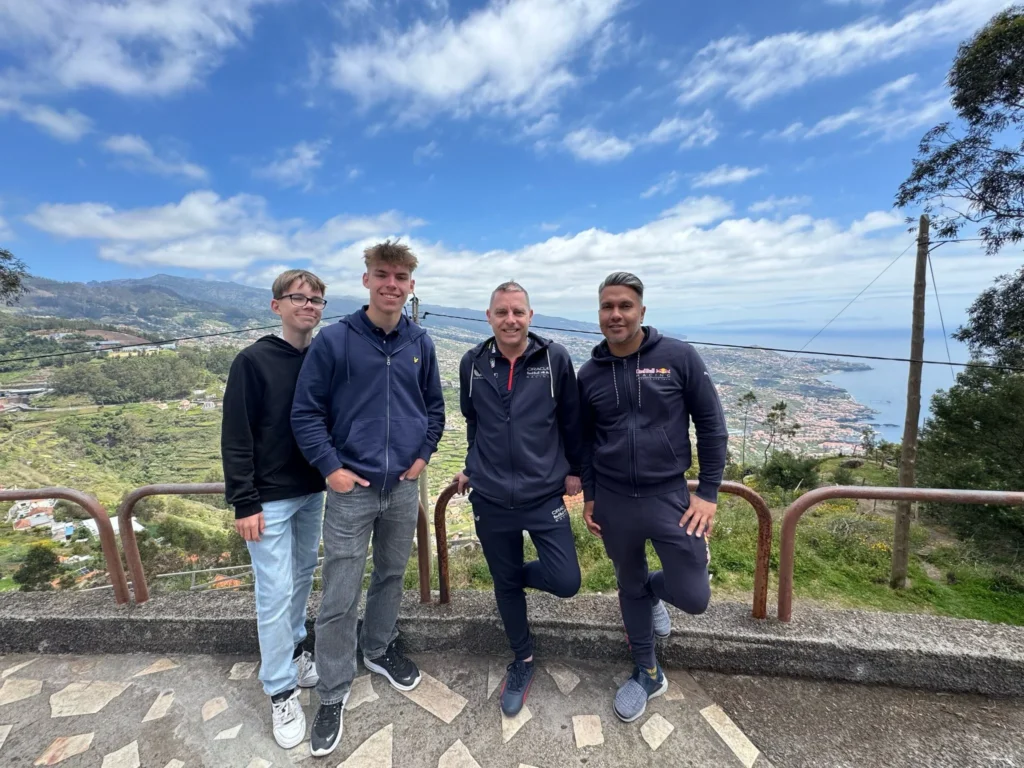
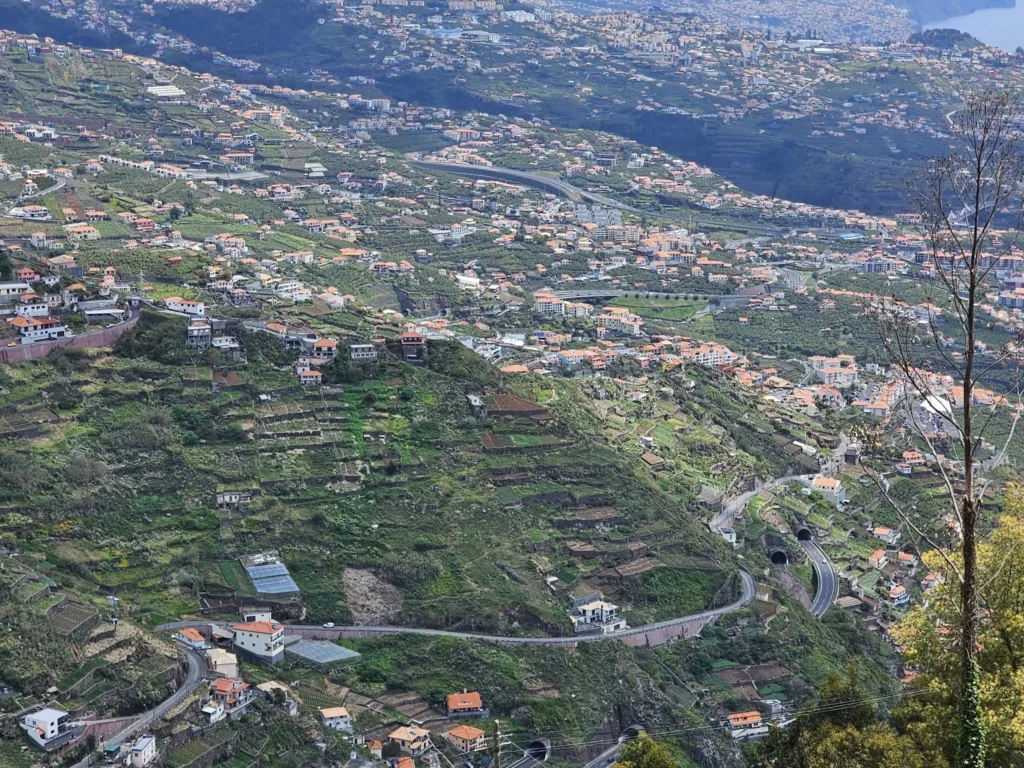
We then visited the Santuário de Nossa Senhora de Fátima, a serene chapel in the parish of São Martinho, dedicated to Our Lady of Fátima. The simple white facade and peaceful interior offered a moment of reflection amidst our high-energy tour. Our guide explained that the chapel, built in the 20th century, is a pilgrimage site for locals, especially during the annual Fátima celebrations in May. The boys were intrigued by the small votive candles flickering inside, and we all appreciated the tranquil contrast to the dramatic landscapes we’d explored. The surrounding gardens, with views of Funchal’s hills, added to the site’s quiet beauty, making it a meaningful stop.
Teleférico das Fajãs do Cabo Girão: A Coastal Descent
Our final adventure was the Teleférico das Fajãs do Cabo Girão, a cable car that descends from the cliff’s edge to the fajãs—small coastal plains used for agriculture. The ride offered stunning views of the Atlantic and the terraced fields below, where grapes and bananas thrive. The boys were thrilled by the gentle sway of the cable car, pointing out fishing boats and distant shores. Our guide shared how these fajãs are cultivated by local farmers, accessible only by boat or cable car, showcasing Madeira’s agricultural ingenuity. The descent felt like a journey into another world, blending adventure with the island’s rural heritage.
Drop-Off in Old Town: A Fond Farewell
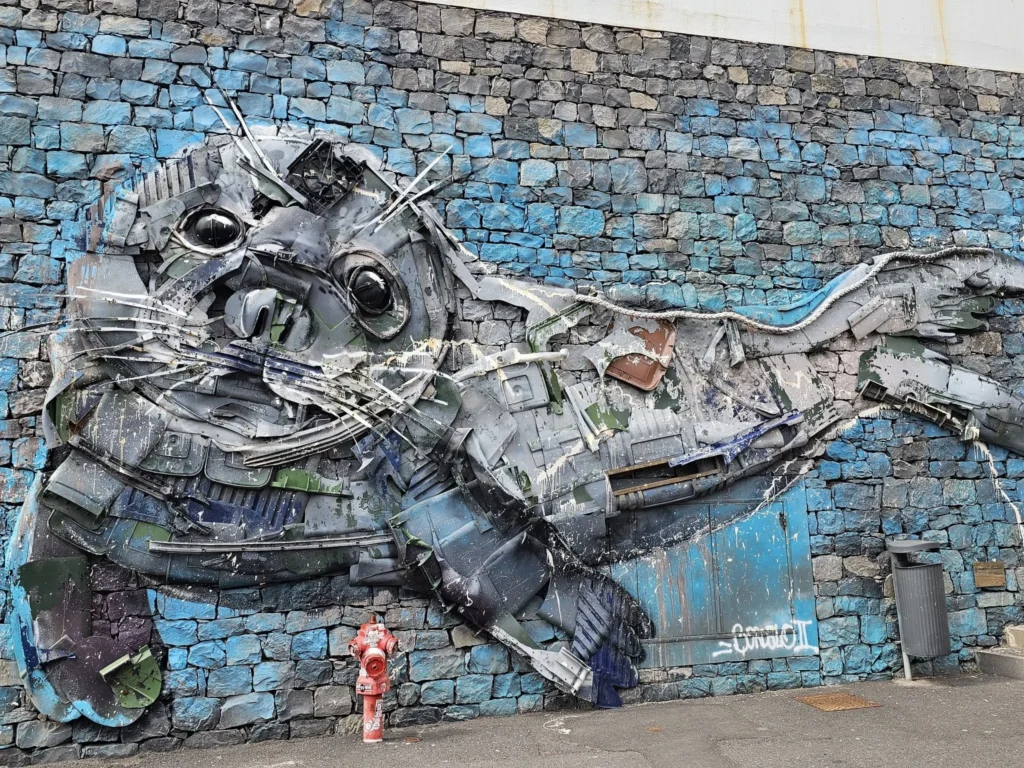
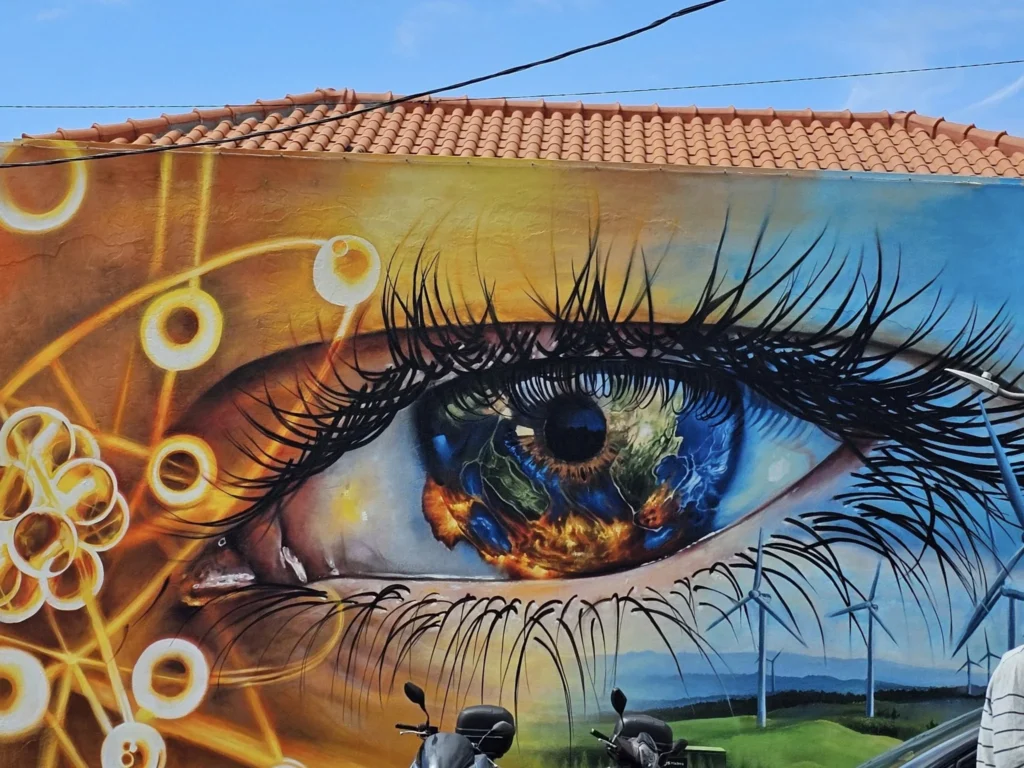
Our trike tour concluded with a drop-off in Funchal’s old town, where the vibrant streets welcomed us back. The colorful buildings, street art, and bustling cafés felt even more inviting after our morning’s adventures. Our guide bid us farewell with recommendations for local eateries, setting the stage for our next experience. The boys were still buzzing with excitement, recounting their favorite moments as we stepped into the heart of Funchal, ready to explore further.
Trike Tour Itinerary
- Pickup at Cruise Terminal: Start from Funchal’s harbor.
- Old City Centre of Funchal: Vibrant streets with historic charm.
- Câmara de Lobos: Winston Churchill’s picturesque fishing village.
- Scenic Drive Through Banana Fields: Lush plantations and sweet aromas.
- Viewpoint to Valley of the Nuns: Misty basin with a storied past.
- Cabo Girão: Glass-bottomed skywalk over towering cliffs.
- Santuário de Nossa Senhora de Fátima: Serene chapel with spiritual significance.
- Teleférico das Fajãs do Cabo Girão: Cable car to coastal plains.
- Drop-Off in Old Town: Return to Funchal’s lively Zona Velha.
A Culinary Journey in Funchal’s Old Town
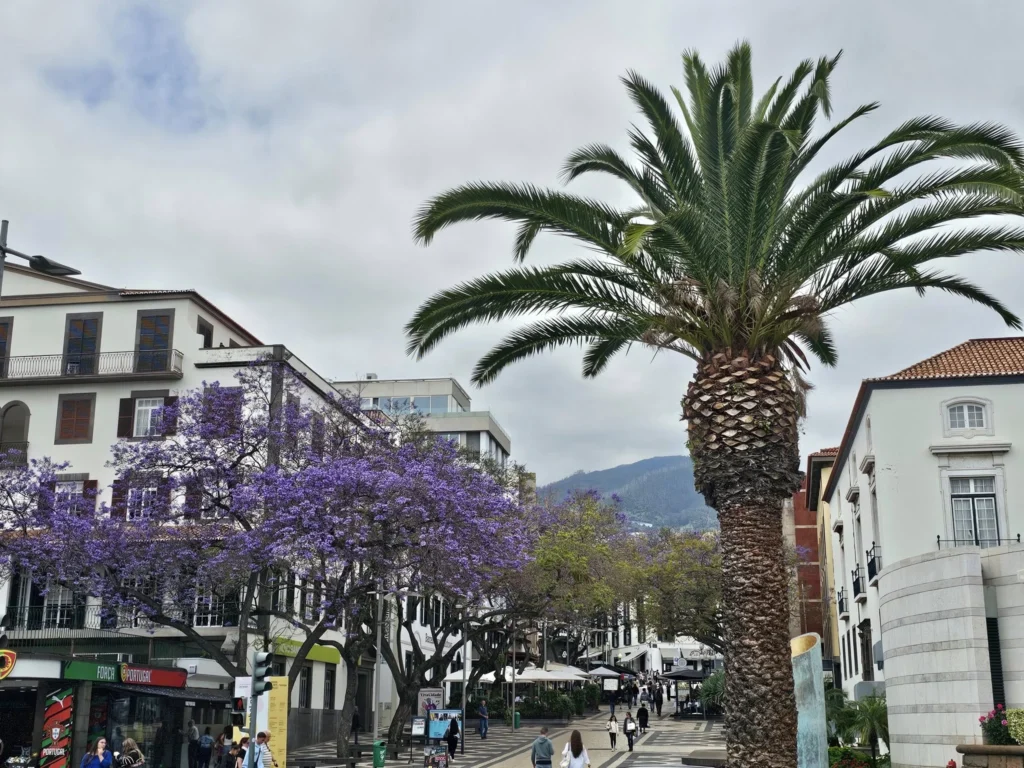
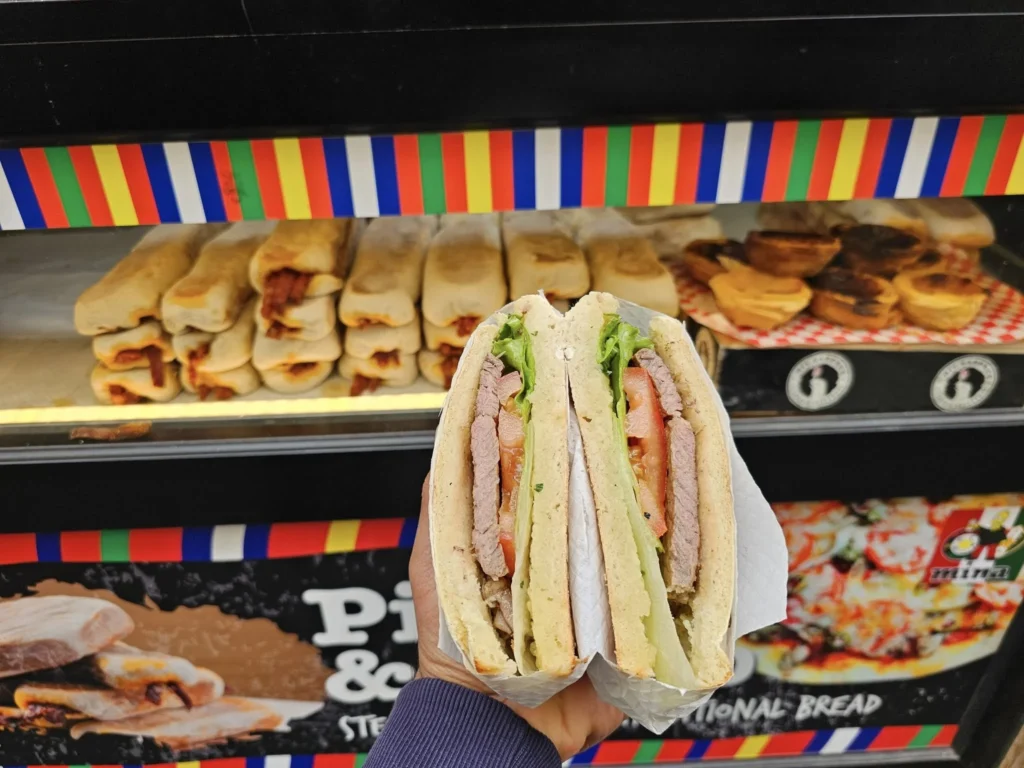
After our morning adventure, we headed to Funchal’s Zona Velha, the historic old town, for lunch. The cobblestone streets, lined with colorful buildings and painted doors, buzzed with energy. We settled at a cozy café to try bolo do caco, a traditional Madeiran flatbread served warm with garlic butter and filled with juicy steak. The combination was heavenly, the bread’s crisp exterior giving way to a soft, flavorful center.
Bolo do caco was more than food—it was a taste of Madeira’s heart, shared with smiles and stories.
We paired our meal with coral beer, a crisp local brew, while the boys sipped passion fruit juice. The lively atmosphere, with street musicians and the chatter of locals, made our lunch a cultural immersion. We wandered through the Mercado dos Lavradores, marveling at the vibrant displays of tropical fruits, flowers, and handmade crafts, before continuing our day.
Exploring the CR7 Museum
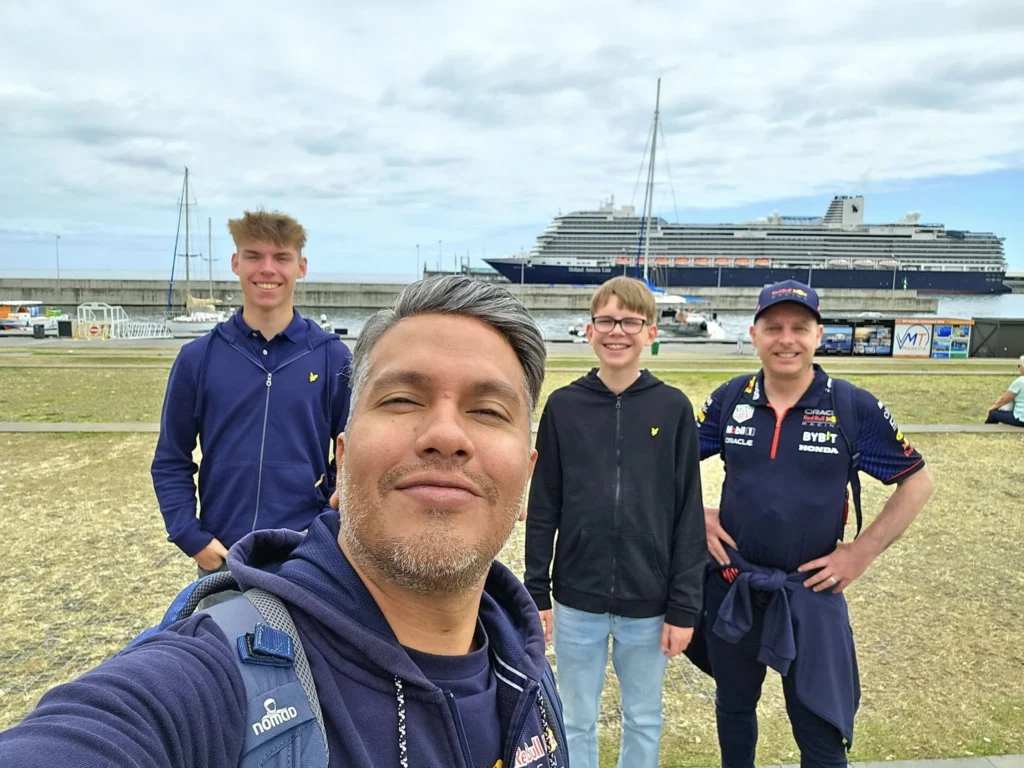
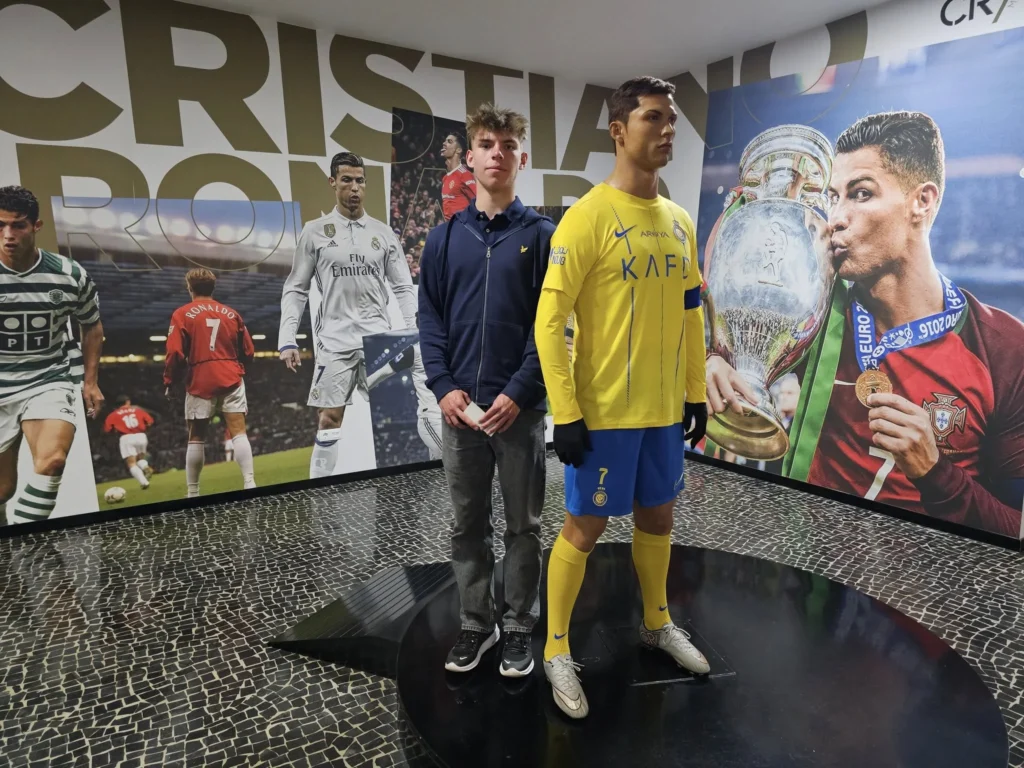
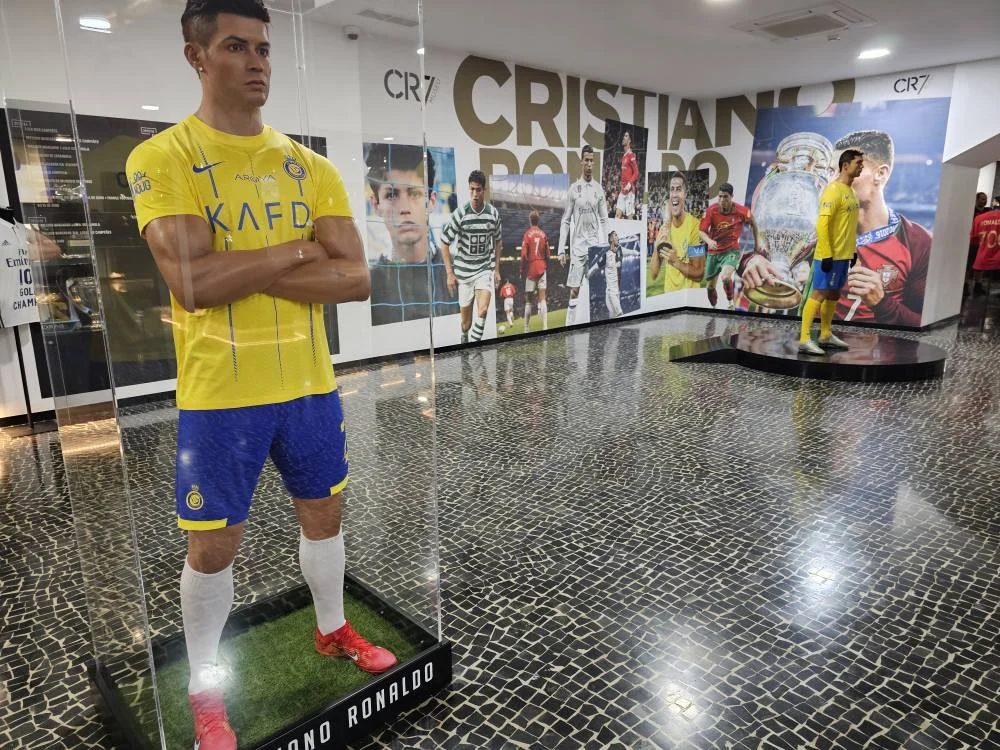
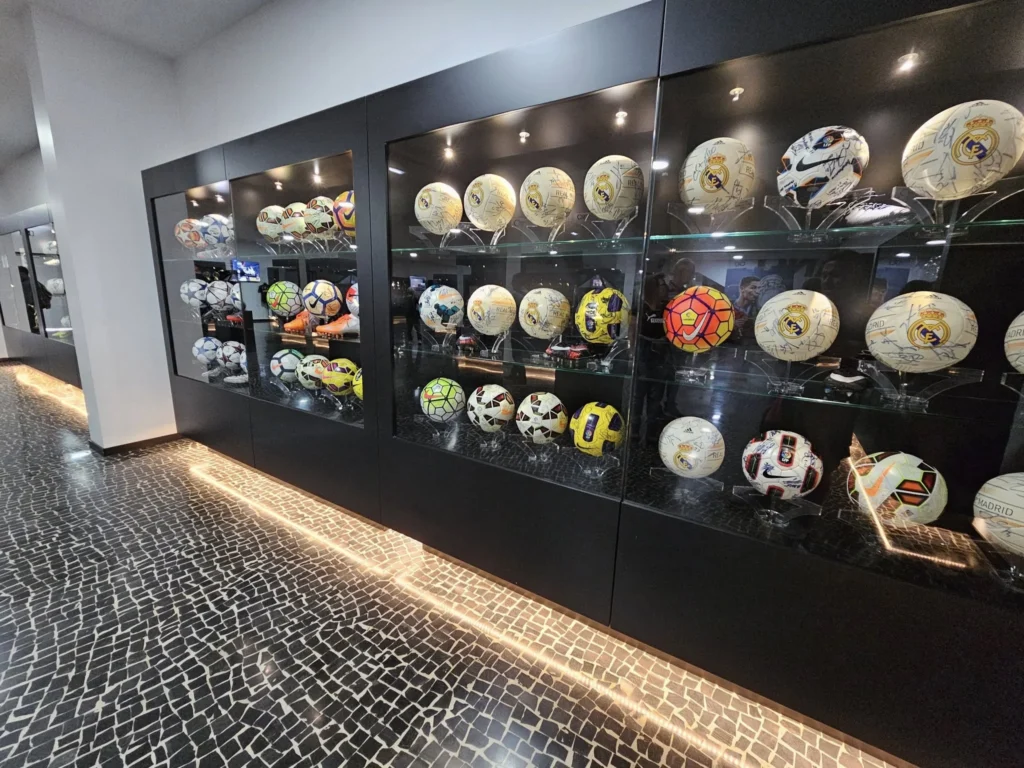
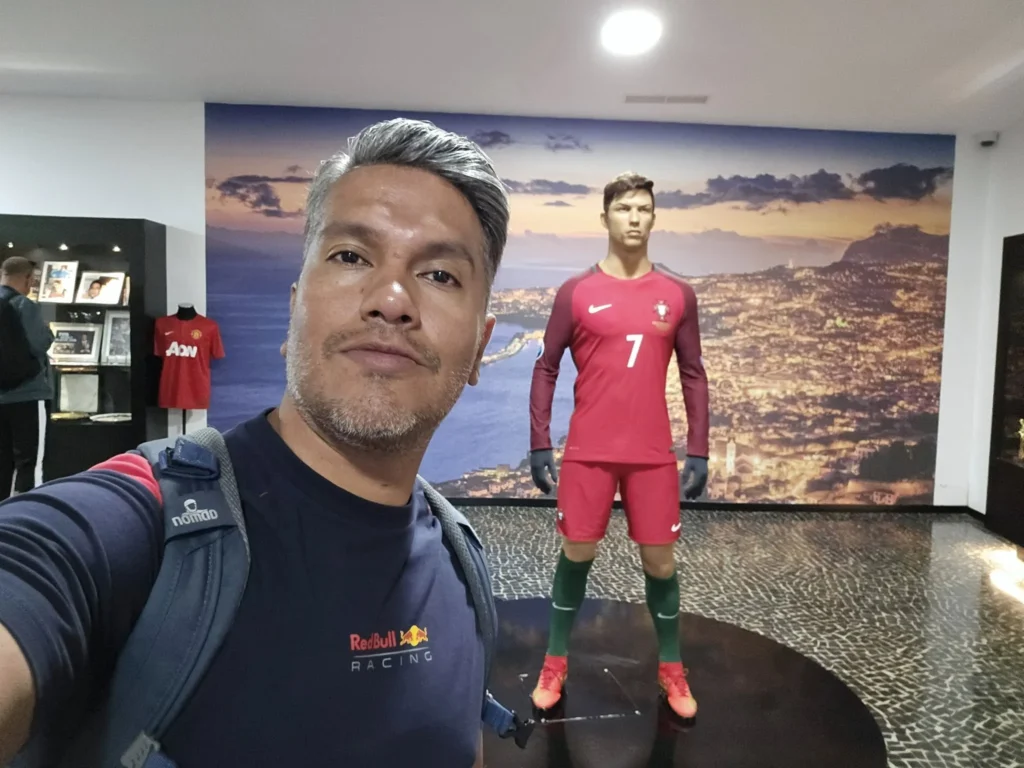
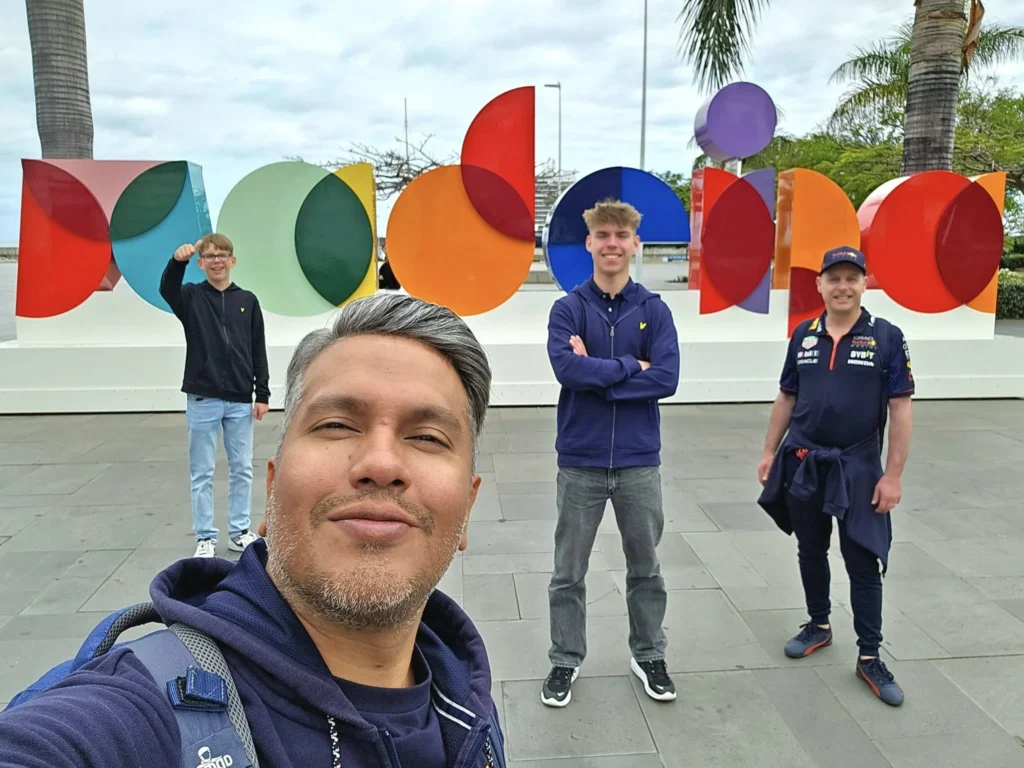
In the afternoon, we visited the CR7 Museum, a tribute to Funchal’s hometown hero, Cristiano Ronaldo. The museum was a dream come true for the boys, who were awestruck by the collection of trophies, jerseys, and interactive exhibits chronicling Ronaldo’s career. A larger-than-life statue of the football star sparked endless selfies, and we all appreciated the pride Madeira takes in its global icon.
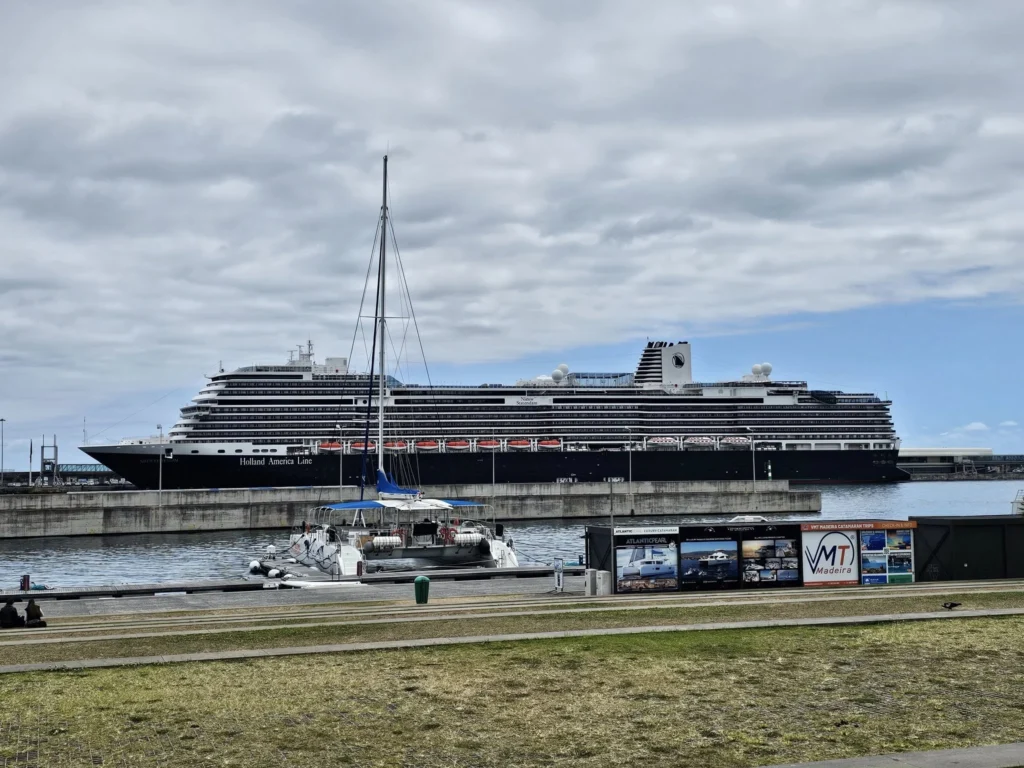
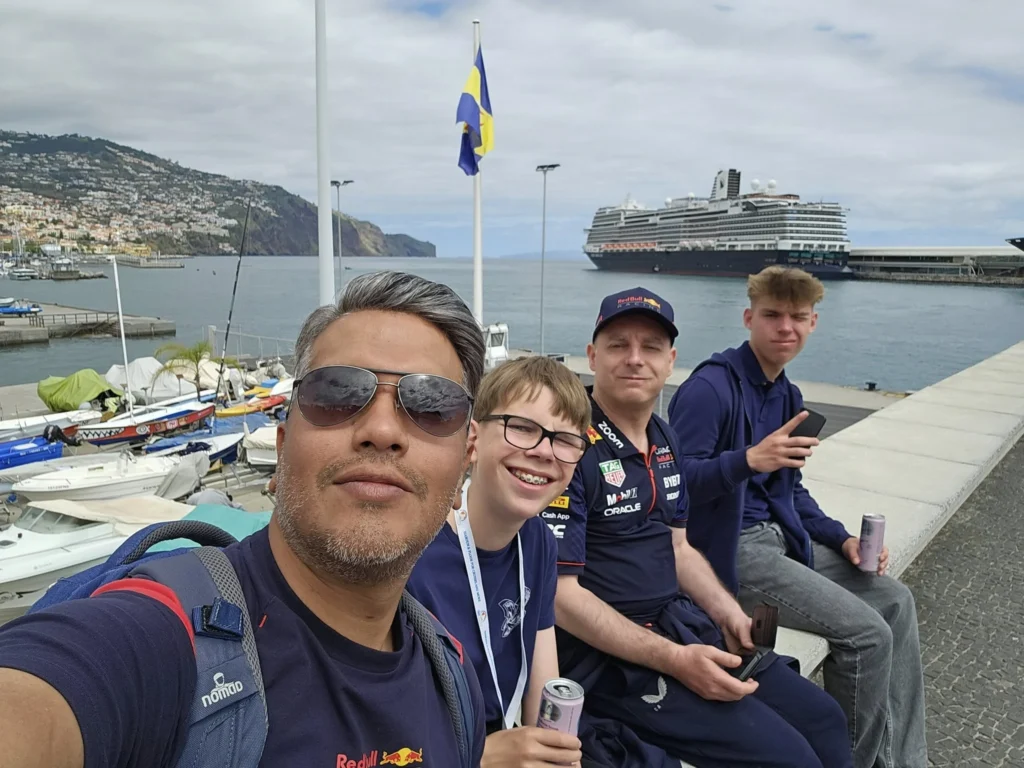
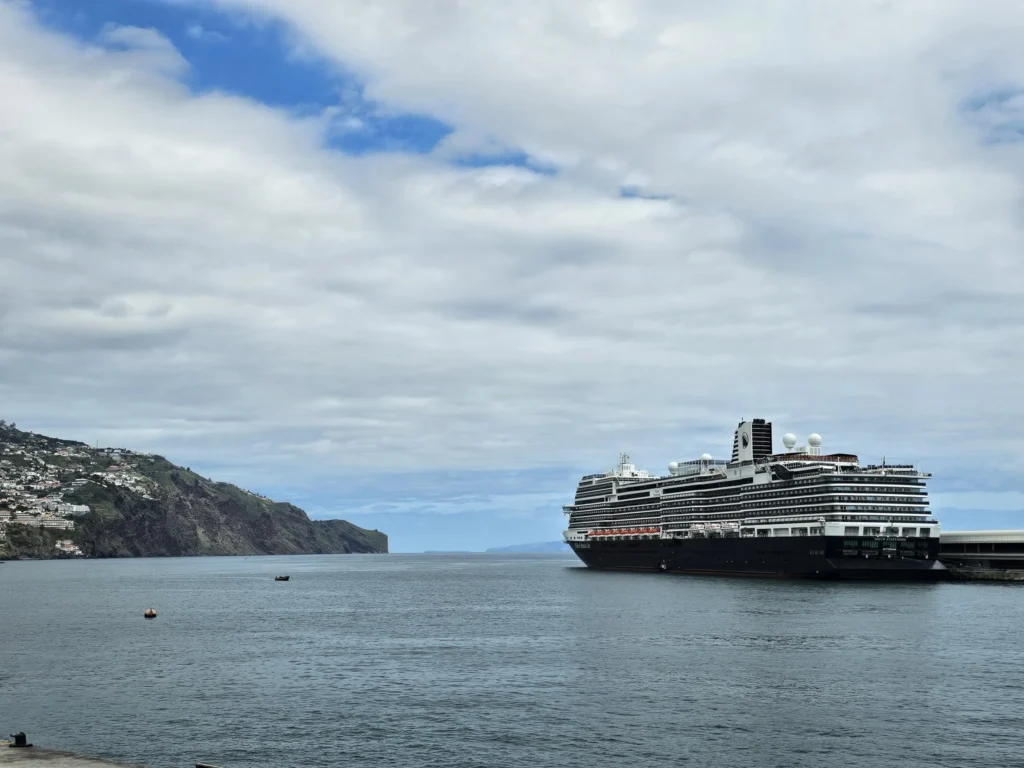
The museum’s waterfront location offered stunning views of the Nieuw Statendam docked in the harbor, its sleek silhouette a reminder of the luxury awaiting us. The visit was a perfect blend of modern culture and local pride, leaving the boys inspired and us adults impressed by Ronaldo’s legacy.
An Evening of Indulgence Aboard the Nieuw Statendam
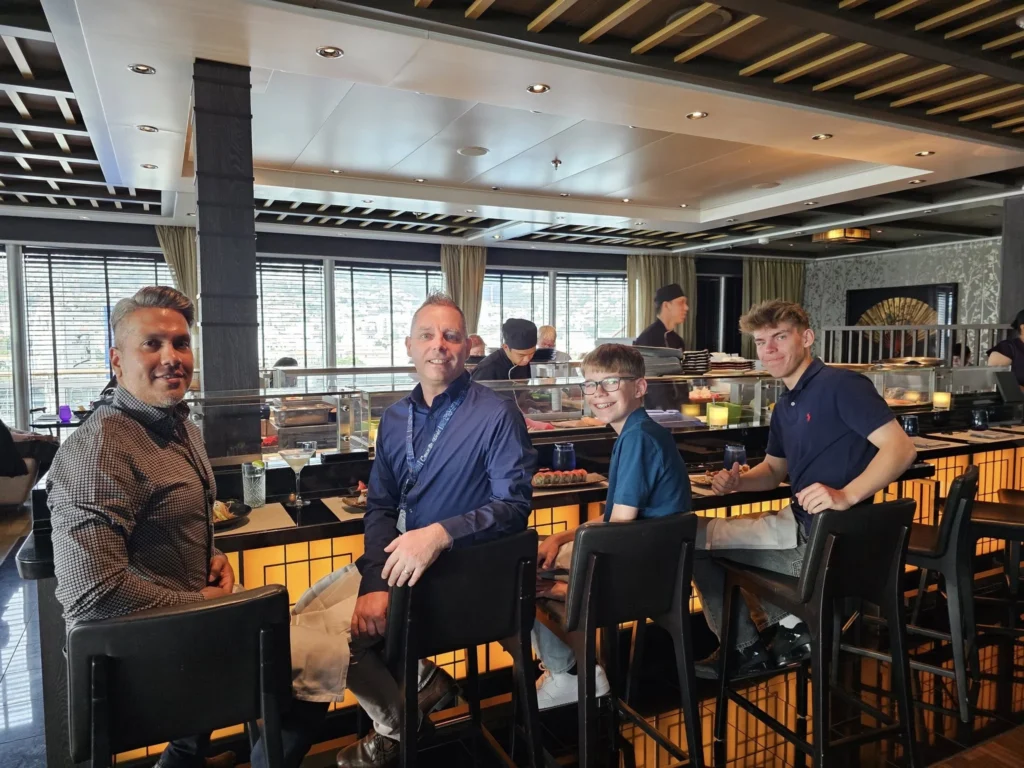
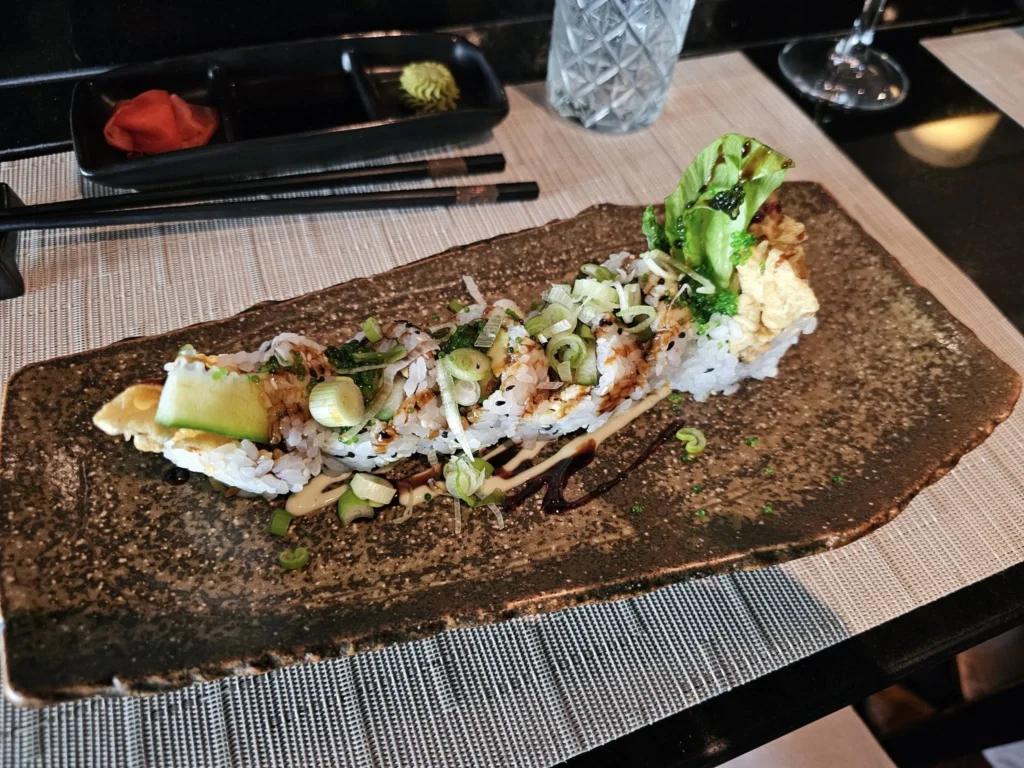
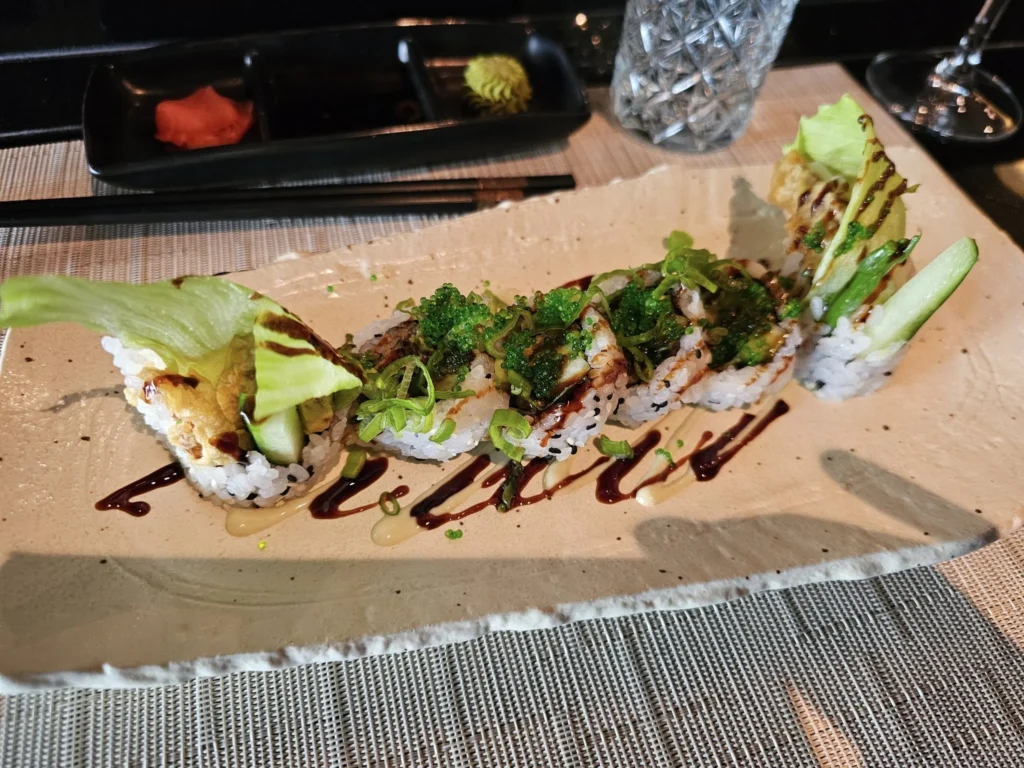
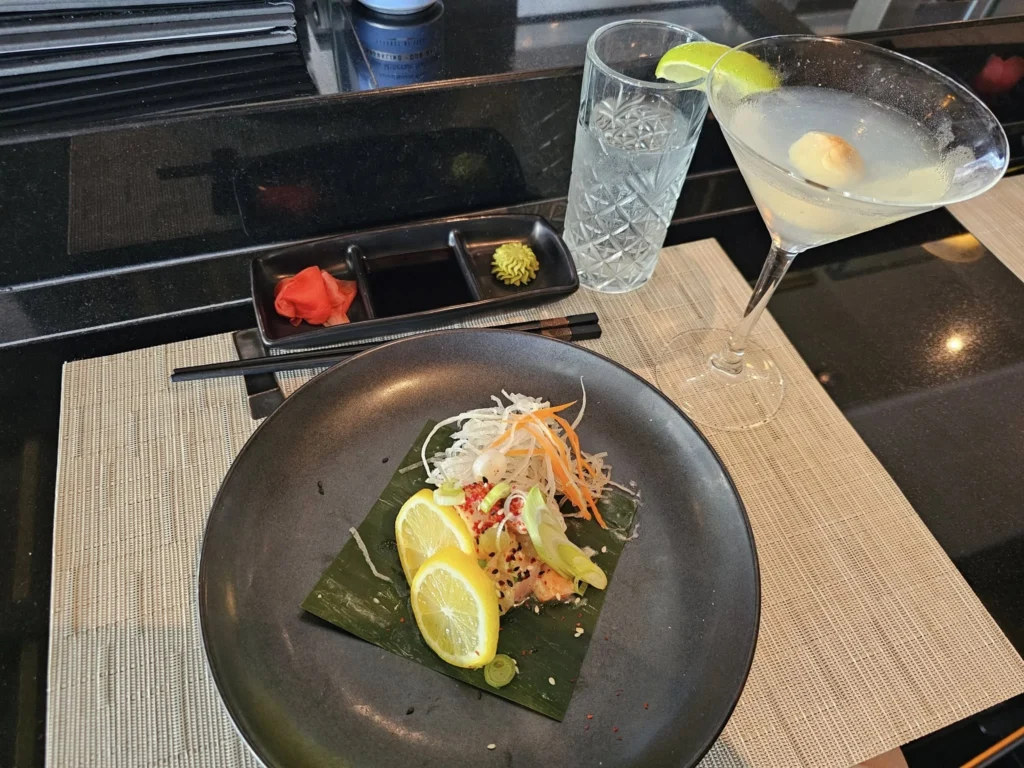
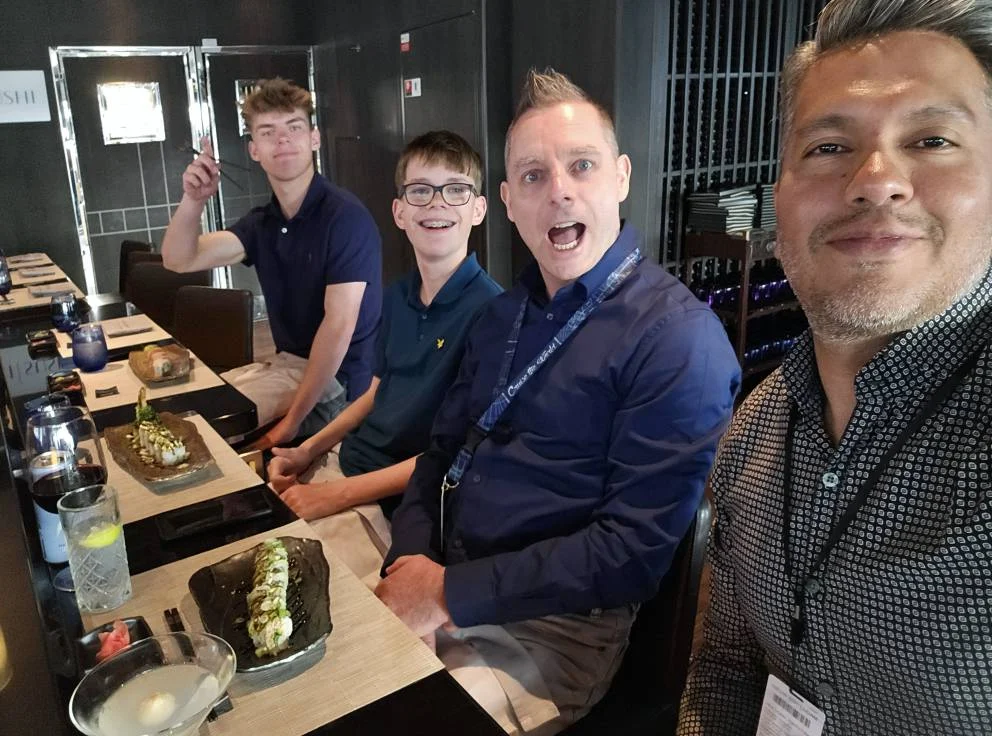
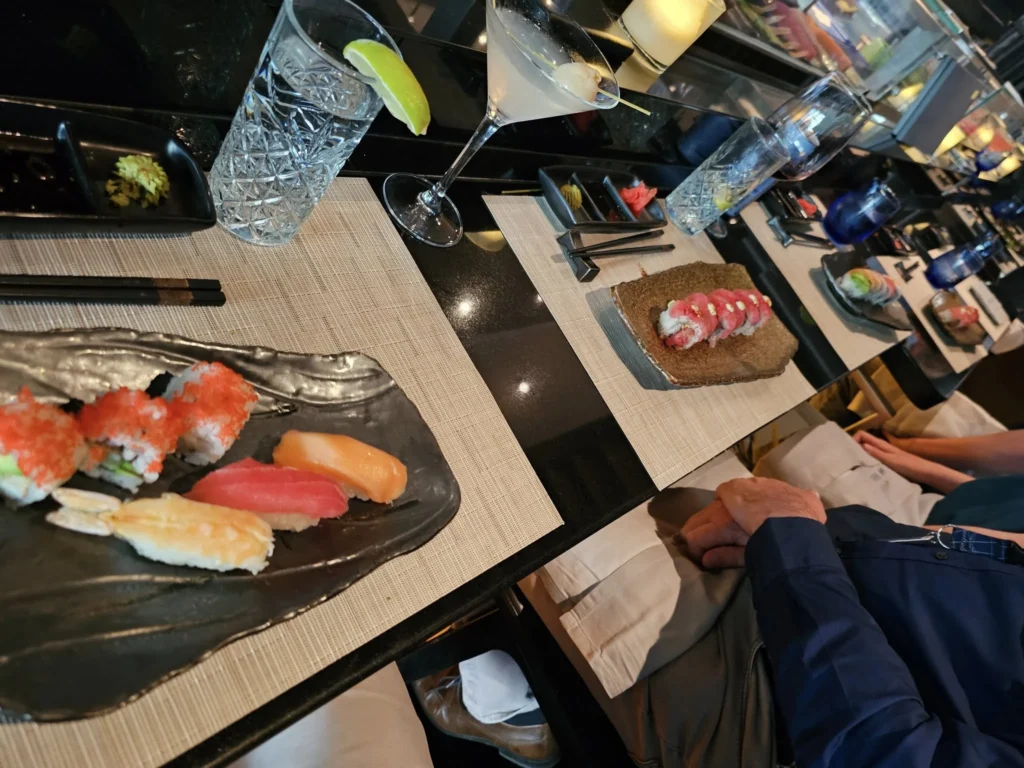
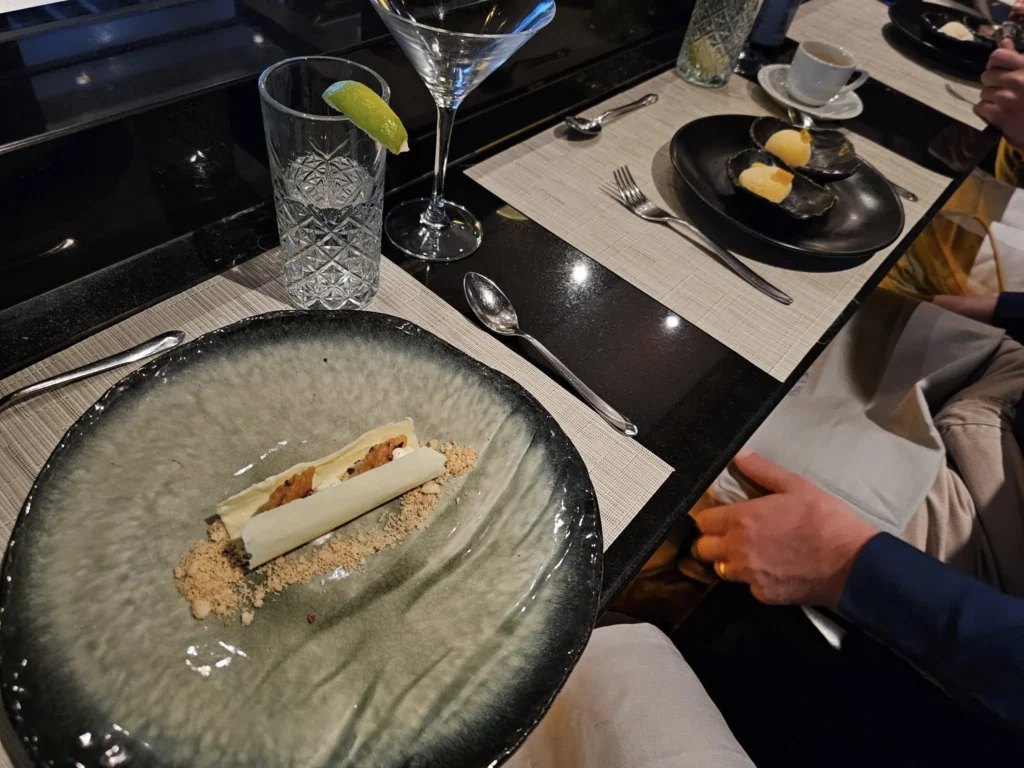
Back on the Nieuw Statendam, we dined at Nami Sushi Bar, a specialty restaurant that elevated our evening. The menu featured fresh sushi and sashimi, crafted with precision by expert chefs. The boys raved about the tempura rolls, while we savored the delicate nigiri and creative cocktails, like the sake-infused martini.
Nami Sushi Bar turned dinner into an art form, each dish a celebration of our day in Madeira.
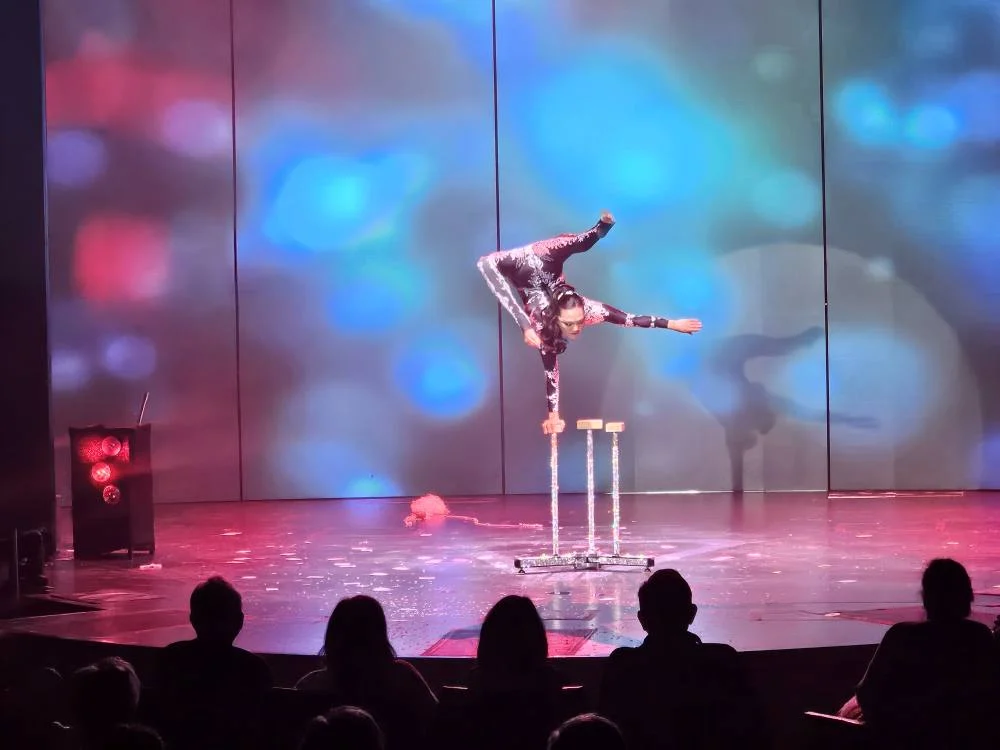
After dinner, we headed to the World Stage for a captivating show featuring a magician and a contortionist. The magician’s sleight-of-hand tricks left the boys spellbound, while the contortionist’s gravity-defying moves had us all gasping. The theater’s immersive digital screens enhanced the performance, creating a multisensory experience that was the perfect finale to our day.
Onboard Highlights
- Nami Sushi Bar: Exceptional sushi in a sophisticated setting.
- World Stage: A mesmerizing show with magic and acrobatics.
Why Funchal Belongs on Your Cruise Itinerary
Funchal is a destination that captivates every traveler. Our trike tour unveiled the island’s diverse landscapes, from coastal cliffs to mountain valleys, while the old town and CR7 Museum offered a taste of Madeiran culture. Aboard the Nieuw Statendam, luxurious dining and entertainment completed the experience, making our day feel seamless and extraordinary.
Whether you’re seeking adventure, history, or culinary delights, Funchal delivers. The ability to customize excursions like the trike tour ensures a personalized journey, while the city’s blend of tradition and modernity appeals to all ages. From the thrill of a skywalk to the warmth of bolo do caco, Funchal is a port that lingers in the heart.
Tips for Visiting Funchal
- Book a trike tour for a thrilling, customizable exploration.
- Wear layers to adapt to Madeira’s microclimates.
- Savor bolo do caco in the old town for an authentic taste.
- Visit the CR7 Museum to celebrate Madeira’s modern icon.
- Reserve a table at Nami Sushi Bar for a memorable onboard meal.


Ode to Madeira’s Magic
On trikes we roared, the wind our guide,
Through Madeira’s arms, where dreams abide.
From Funchal’s bay to cliffs that soar,
The island whispered tales of yore.

Pico dos Barcelos, a canvas grand,
Painted with green and ocean’s hand.
Cascata dos Anjos, a silver stream,
Wove through the rocks, a fleeting dream.

Madalena’s shore, where pebbles sing,
Cliffs stand tall, as waves take wing.
In Nuns’ Valley, time holds still,
Eucalyptus whispers on every hill.

Cabo Girão, where skies embrace,
The heart of earth in boundless space.
Bolo do caco, warm and true,
Tastes of home in old town’s hue.

Ronaldo’s tale, a hero’s lore,
In Funchal’s heart, forevermore.
At Nami’s table, sushi’s art,
A fleeting joy to warm the heart.

On the World Stage, magic spun,
Contortion bent where dreams were won.
Oh, Madeira, island fair,
Your spell remains in sea-kissed air.