**Big Upgrade Coming Soon from Danny and Peter!**
We’re merging and refreshing all our cruise port guides into beautiful new master posts with hundreds of photos and 2026 tips.
This guide will be fully updated soon – stay tuned for the new version!
In the meantime, check our latest posts or subscribe for updates.
Embark on a transformative journey to one of nature’s grandest spectacles with our detailed recounting of an unforgettable Hubbard Glacier tour aboard the Holland America Line’s Westerdam during the Alaska Arctic Circle Solstice cruise. This immersive experience blends breathtaking scenery, thrilling natural phenomena, and moments of profound reflection, set against the pristine wilderness of Alaska. In this comprehensive blog post, we’ll explore the rich history of Hubbard Glacier, share our firsthand experience of this Arctic marvel, and reflect on its environmental significance. Whether you’re planning your own glacier adventure or simply dreaming of Arctic exploration, this post offers an in-depth guide to every facet of this remarkable journey.
Table of Contents
The History of Hubbard Glacier, Alaska, United States
Geological Formation and Evolution
Hubbard Glacier, nestled in Alaska’s Yakutat Bay near Disenchantment Bay, is one of North America’s most iconic tidewater glaciers, renowned for its size, beauty, and dynamic behavior. Its origins trace back millions of years to the tectonic upheavals that shaped Alaska’s rugged landscape. The collision of the Pacific and North American tectonic plates gave rise to the towering St. Elias Mountains, where heavy snowfall over millennia accumulated and compressed into the massive ice field that forms Hubbard Glacier. Spanning approximately 76 miles in length, the glacier is one of the largest of its kind in North America, with a face that stretches six miles wide and towers up to 400 feet above the sea.
Unlike most glaciers worldwide, which are retreating due to rising global temperatures, Hubbard Glacier is one of the few that continues to advance. This forward movement is fueled by consistent snowfall in the St. Elias Mountains, which replenishes the glacier’s ice mass. The glacier’s advance is a slow but relentless process, with ice flowing from the mountains to the sea, shaping the landscape and creating a dynamic interplay between land, ice, and water. This unique characteristic makes Hubbard a focal point for scientists studying glacial dynamics and climate change.
The glacier’s tidewater nature—where its terminus meets the ocean—adds to its geological significance. As the ice reaches the sea, it interacts with warmer ocean waters, leading to dramatic calving events where chunks of ice break off and plunge into the bay. These events not only create a spectacle for visitors but also contribute to the glacier’s role in shaping the local ecosystem, as glacial silt enriches the surrounding waters.
Hubbard Glacier’s ceaseless advance is a testament to nature’s enduring power, carving a legacy through Alaska’s untamed wilderness.
Indigenous Significance and Cultural Heritage
Long before Western explorers arrived, the Tlingit people, indigenous to Southeast Alaska, held a deep connection to the region surrounding Hubbard Glacier. The glacier and its surrounding waters were integral to their way of life, providing resources such as fish and seals while shaping their cultural and spiritual narratives. Tlingit oral traditions often depict the glacier as a living entity, imbued with spiritual significance and revered as a symbol of resilience and permanence. The Tlingit name for the glacier and its surroundings reflects this reverence, though the name “Hubbard” was later applied by Western explorers.
The Tlingit people’s relationship with the land underscores the importance of preserving Hubbard Glacier as more than a geological marvel. It is a cultural touchstone, linking past and present generations. Their stories and traditions remind us that the glacier is not only a natural wonder but also a sacred space, deserving of respect and protection. Efforts to incorporate indigenous perspectives into modern conservation initiatives highlight the need for a holistic approach to preserving Alaska’s natural and cultural heritage.
Exploration and Naming of the Glacier
Hubbard Glacier was named in 1890 after Gardiner Greene Hubbard, a prominent American lawyer, philanthropist, and founder of the National Geographic Society. Hubbard’s contributions to geographical exploration and scientific inquiry made the naming fitting, as the glacier became a focal point for researchers and adventurers. Early explorers, traveling by steamship in the late 19th century, were captivated by the glacier’s immense size and the spectacle of its calving events. Accounts from these expeditions describe the glacier’s towering ice face and the thunderous sounds of ice crashing into the sea, experiences that continue to draw visitors today.
In the early 20th century, Hubbard Glacier gained attention for its scientific value. Researchers began studying its advance, which contrasted with the retreat of many other glaciers. A notable event occurred in 1986 when the glacier surged forward, temporarily blocking Russell Fjord and creating a natural dam. This phenomenon, known as the Hubbard Glacier surge, trapped water in the fjord, forming a temporary lake and altering the local ecosystem. The event captured global interest, highlighting the glacier’s dynamic behavior and its role in shaping the region’s geography.
Scientific Research and Environmental Role
Hubbard Glacier is a critical subject of study for glaciologists and climate scientists. Its advance offers a rare opportunity to understand glacial processes in a warming world. The glacier’s interaction with the ocean influences local ecosystems, as glacial silt creates nutrient-rich waters that support a diverse array of marine life, including phytoplankton, fish, and marine mammals. This ecological richness makes Hubbard Glacier not only a geological marvel but also a vital component of Alaska’s coastal ecosystem.
The glacier’s role in the Earth’s climate system extends beyond its immediate environment. As a tidewater glacier, it contributes to global sea level dynamics through calving and melting. While Hubbard’s advance mitigates some of these effects, its behavior provides valuable data for understanding how glaciers respond to climate change. Scientists monitor the glacier closely, using satellite imagery, on-site measurements, and modeling to track its movement and predict future changes.
Hubbard Glacier stands as a living laboratory, offering insights into the delicate balance of Earth’s climate and ecosystems.
Modern Tourism and Conservation Challenges
Today, Hubbard Glacier is a cornerstone of Alaska’s tourism industry, attracting thousands of visitors each year via cruise ships like the Holland America Line’s Westerdam. These cruises offer unparalleled opportunities to witness the glacier’s majesty, with guided tours providing educational insights into its history, geology, and ecological significance. However, the influx of tourists has raised concerns about environmental impacts, including cruise ship emissions and potential disturbances to wildlife.
Conservation efforts, led by organizations like the National Park Service and local Alaskan communities, aim to balance tourism with preservation. Initiatives focus on reducing the environmental footprint of cruise ships, regulating visitor numbers, and educating tourists about the importance of protecting this pristine environment. The Tlingit people also play a role in these efforts, advocating for sustainable practices that honor their cultural connection to the land.
The future of Hubbard Glacier depends on global efforts to address climate change. While the glacier is currently advancing, rising temperatures could alter its dynamics, affecting both the glacier and the ecosystems it supports. Visitors to Hubbard Glacier are encouraged to support conservation initiatives and adopt sustainable practices to ensure this natural wonder endures for future generations.
Our Unforgettable Hubbard Glacier Tour Experience
Embarking on the Arctic Adventure
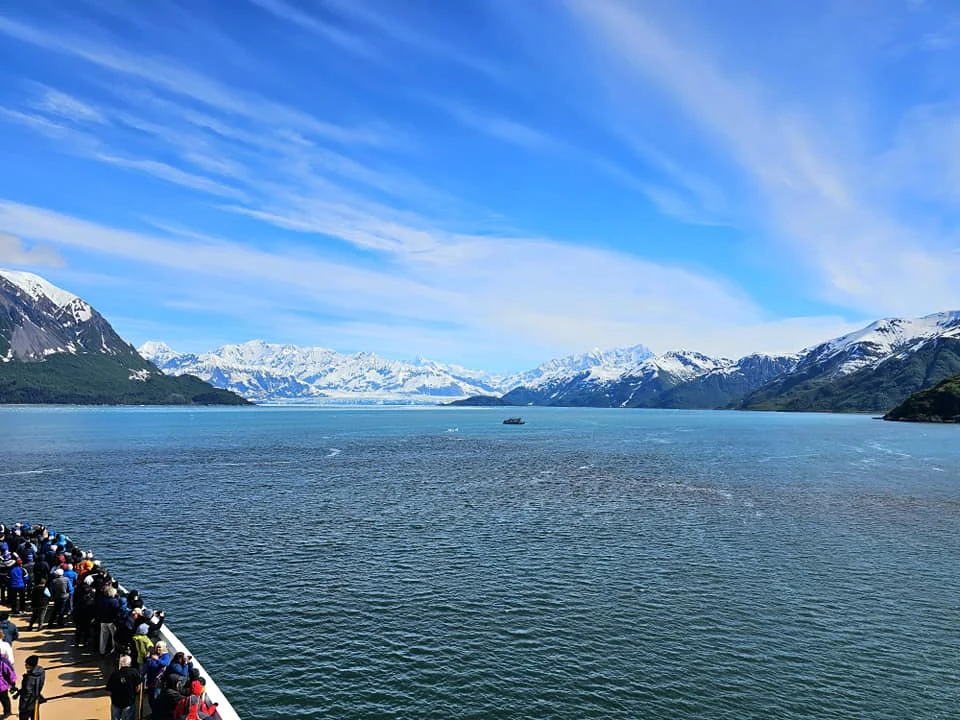
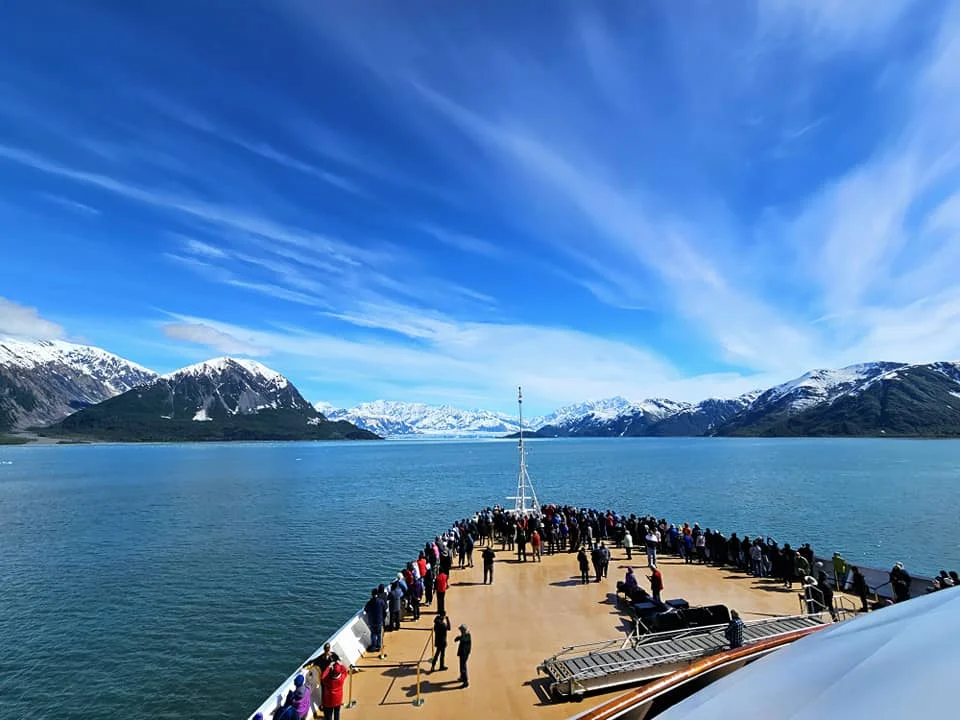
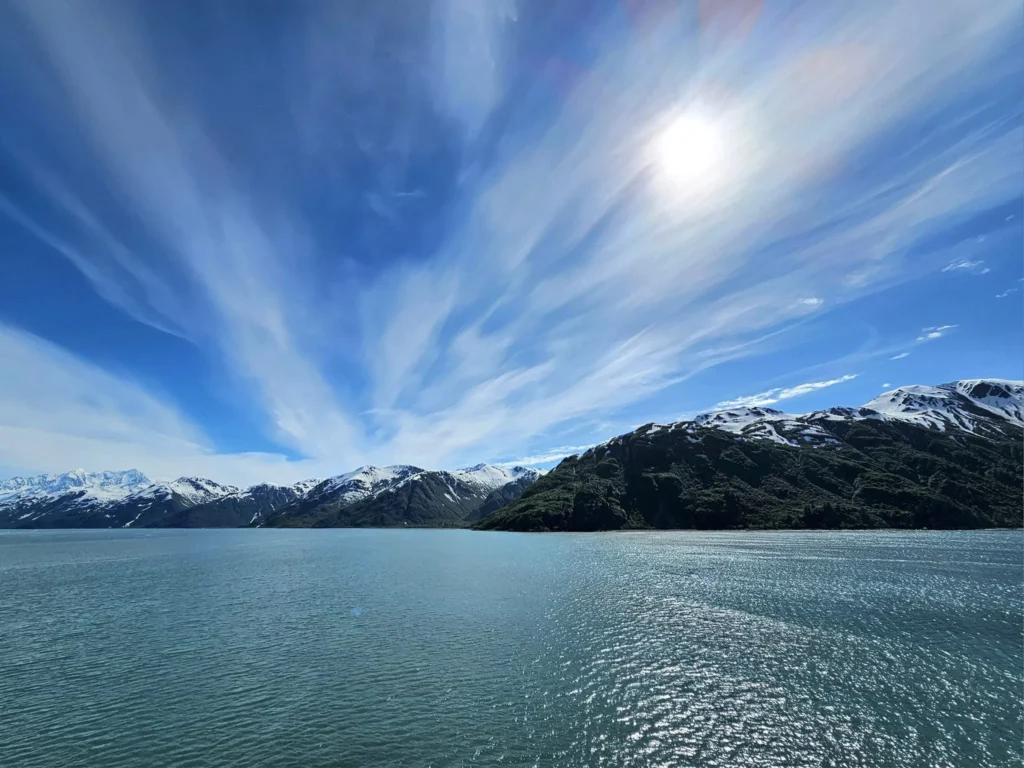
Our journey to Hubbard Glacier began aboard the Holland America Line’s Westerdam, a luxurious vessel designed to immerse passengers in the splendor of Alaska’s wilderness. As part of the Alaska Arctic Circle Solstice cruise, the anticipation of witnessing one of the world’s most active glaciers filled the air with excitement. The ship glided through calm waters, flanked by rugged fjords and snow-draped peaks, setting the stage for an unforgettable day.
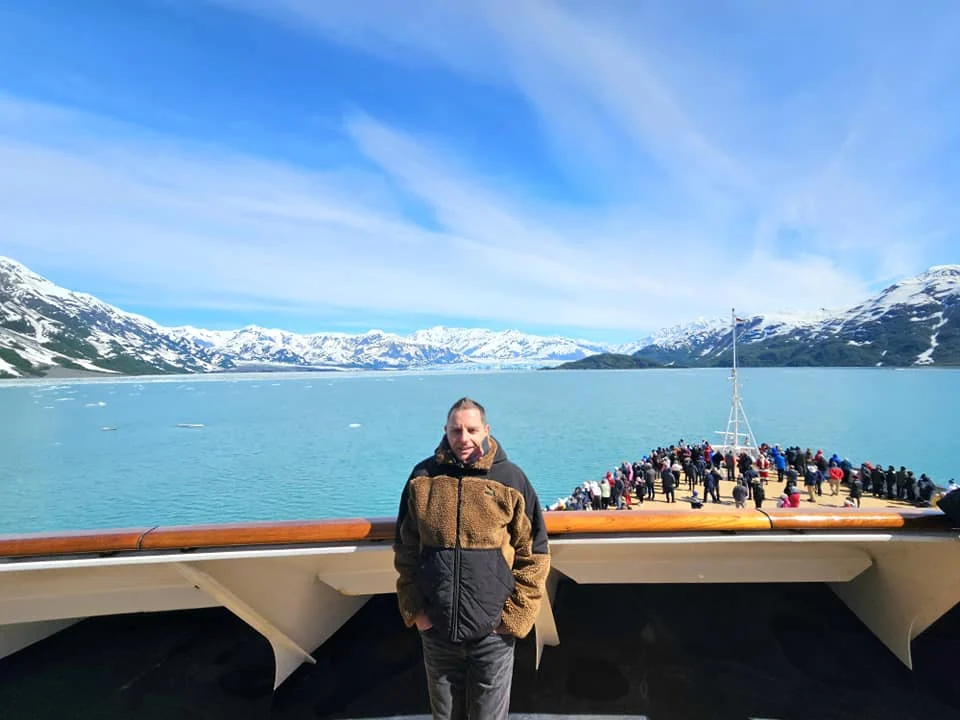
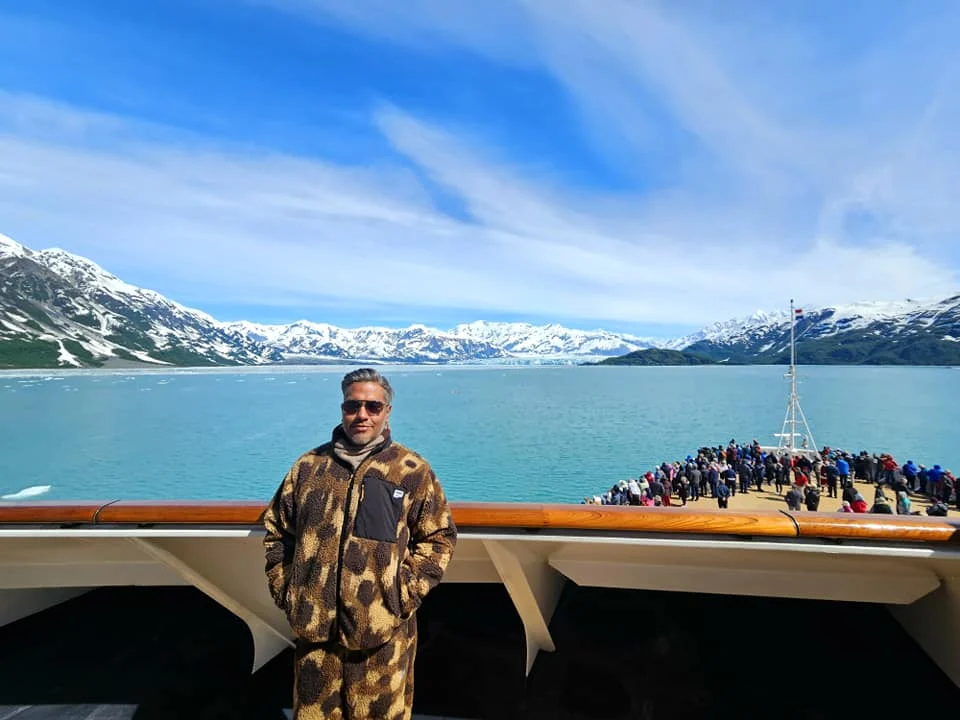
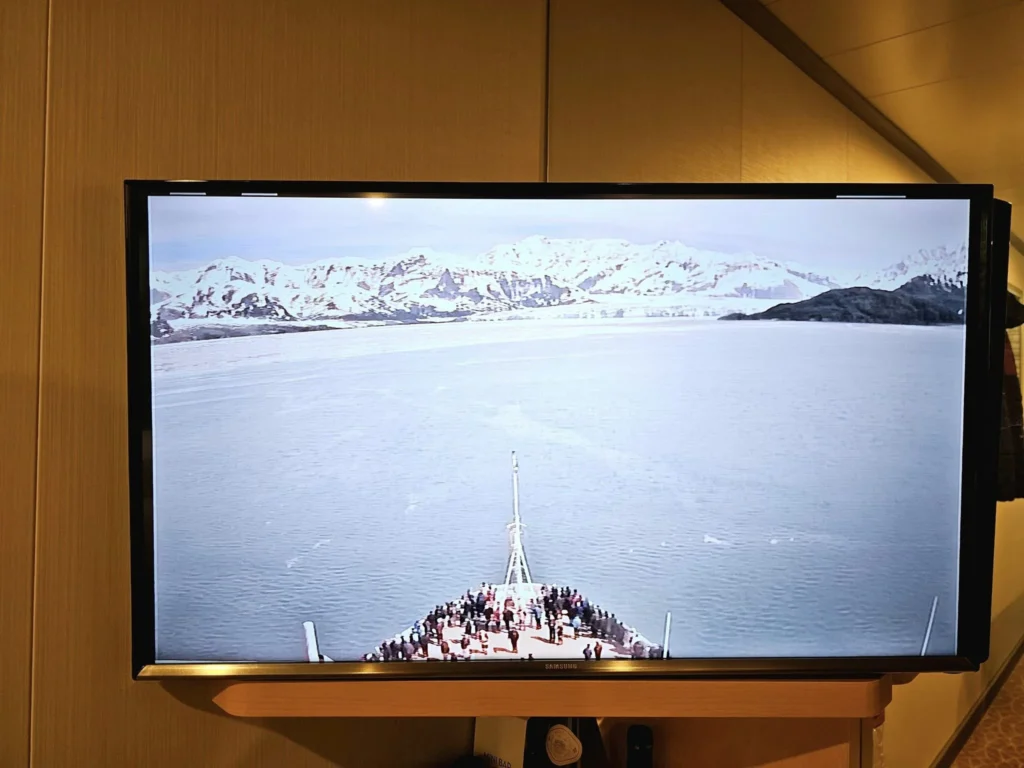
Before arriving at Hubbard Glacier, the Westerdam’s crew ensured we were well-prepared. A naturalist-led briefing provided a wealth of information about the glacier’s geology, history, and ecological significance. Equipped with binoculars, cameras, and warm layers, we gathered on the observation decks, eager to experience the Arctic wonder up close. The crisp air and the promise of adventure heightened our senses, making every moment vibrant with possibility.
Sailing toward Hubbard Glacier felt like entering a realm where nature reigns supreme, untouched and eternal.


First Encounter: The Glacier’s Grandeur
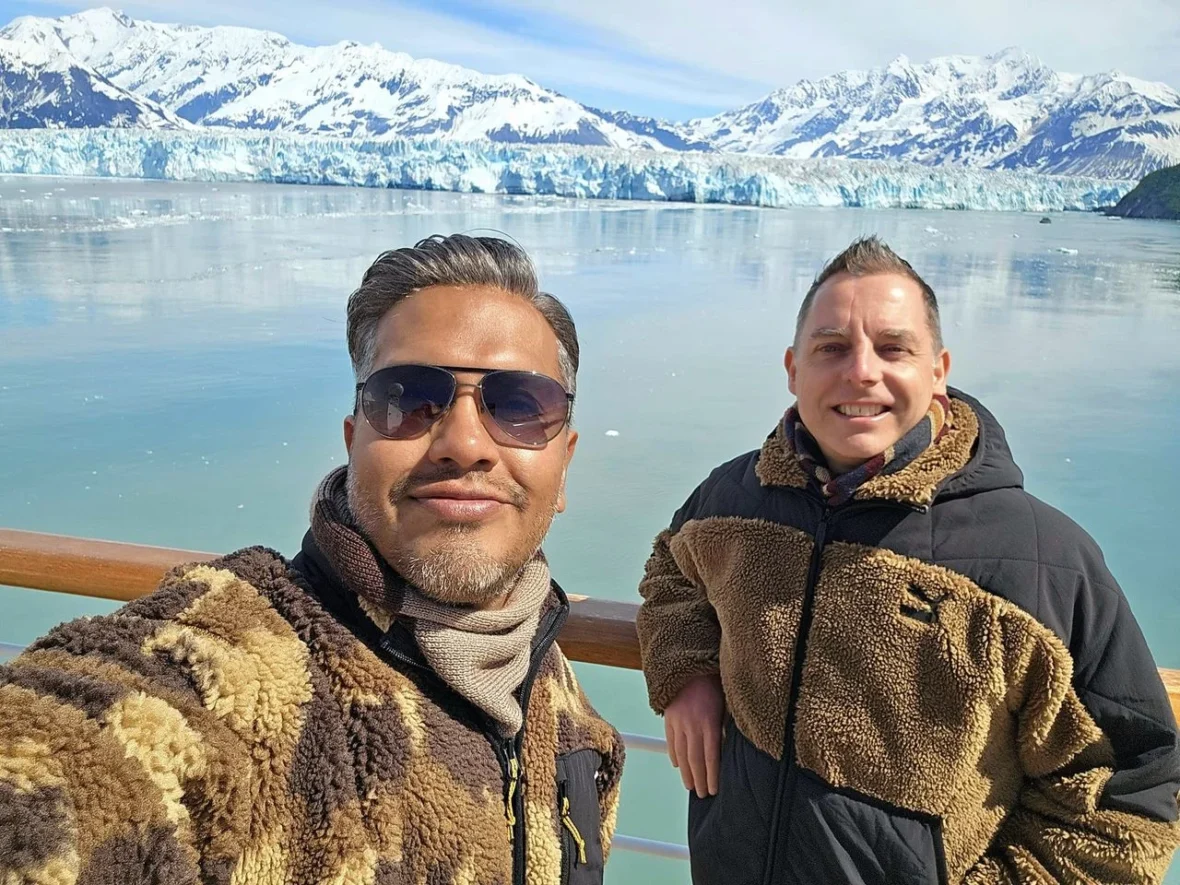
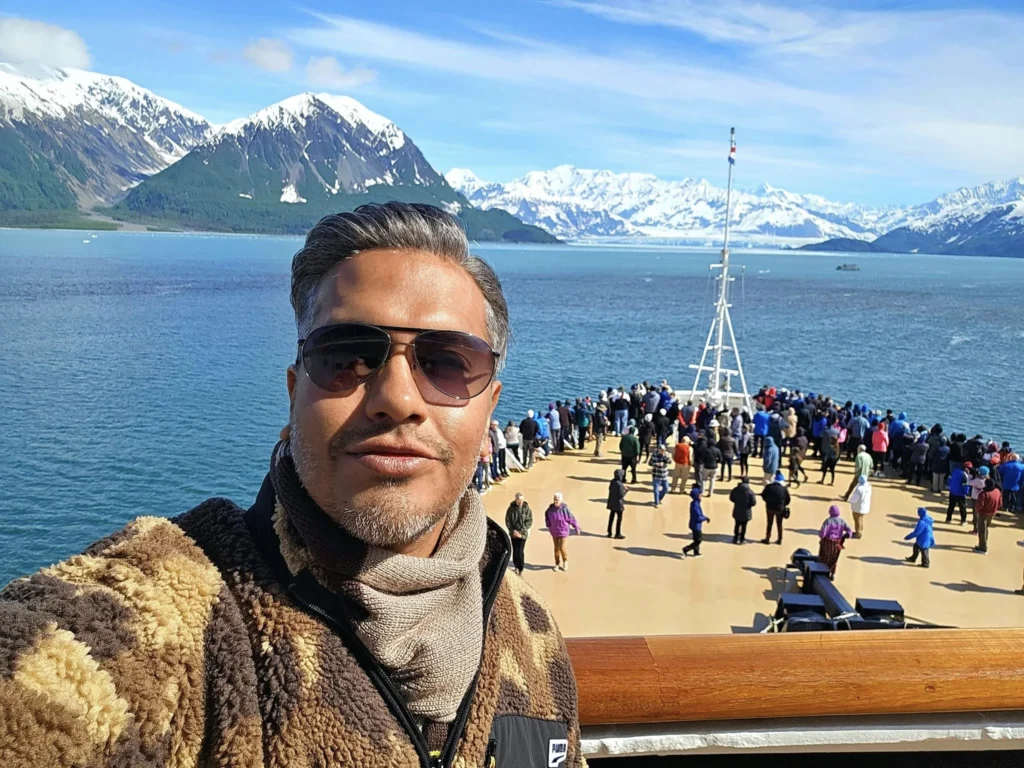
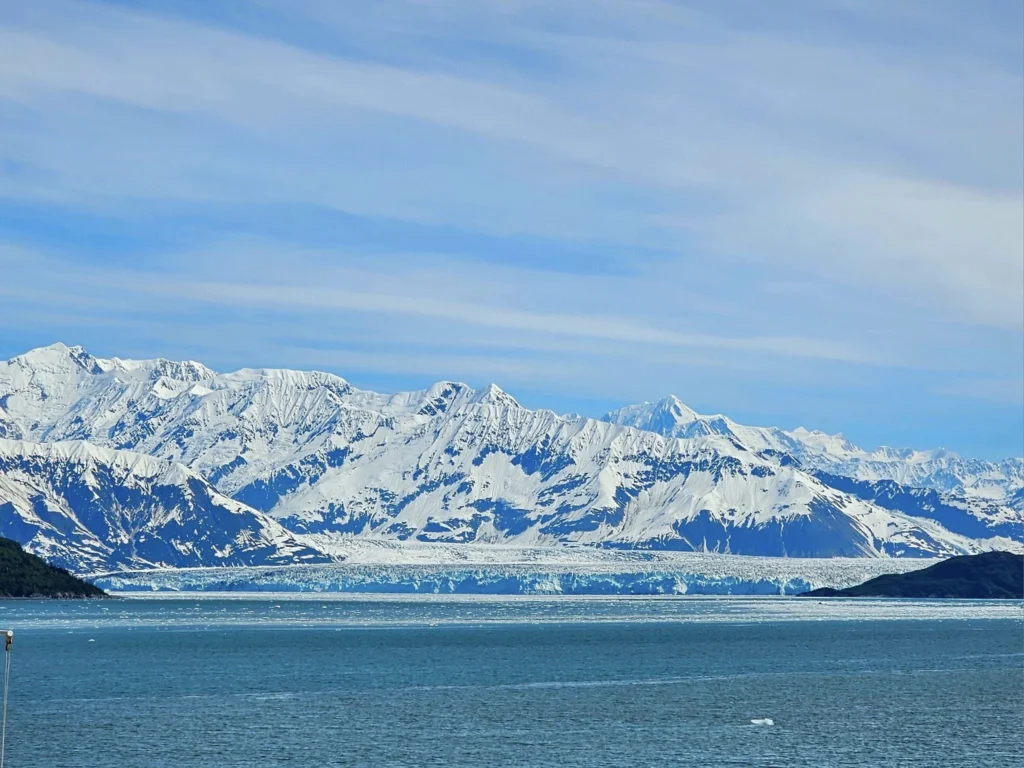
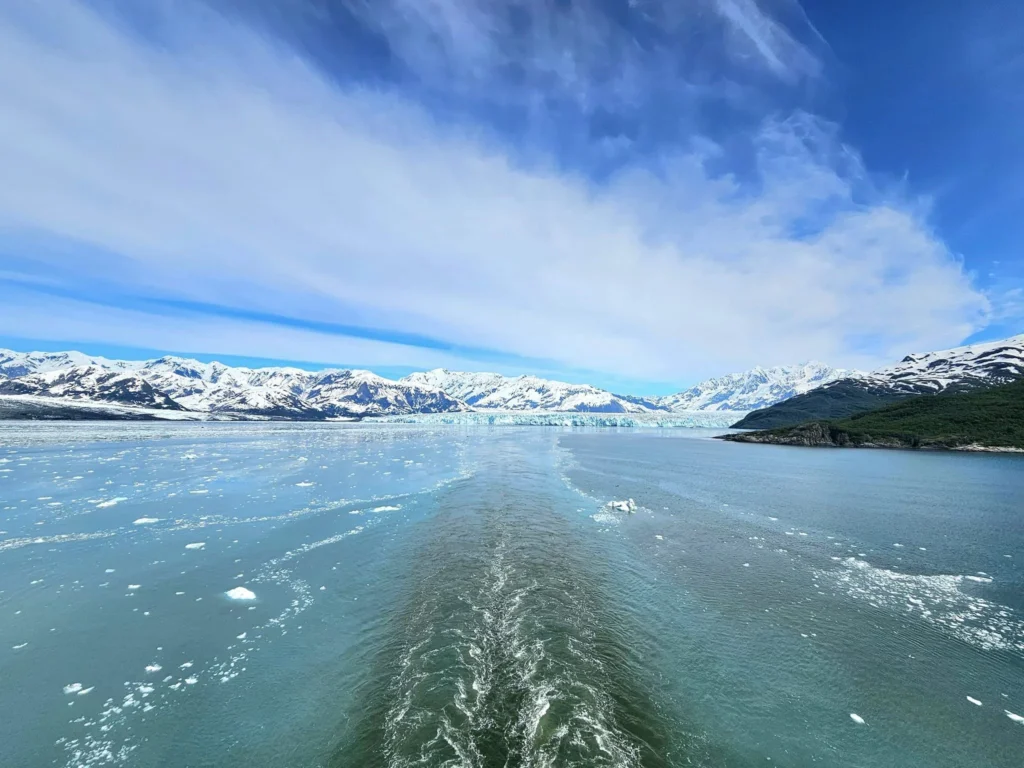
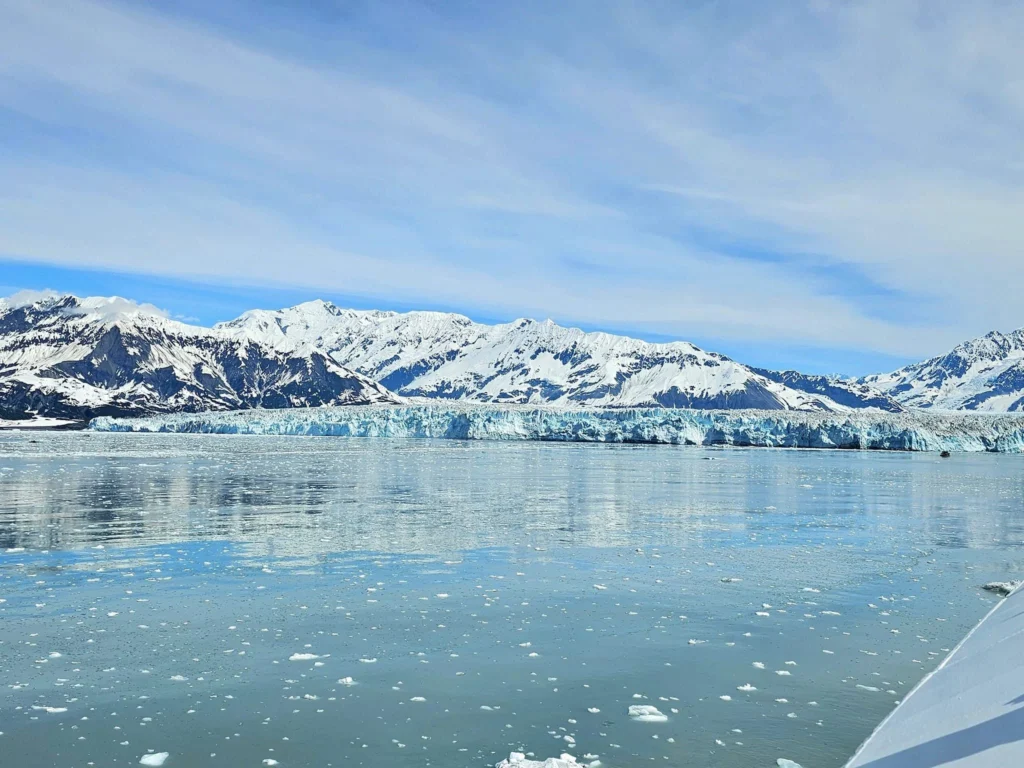
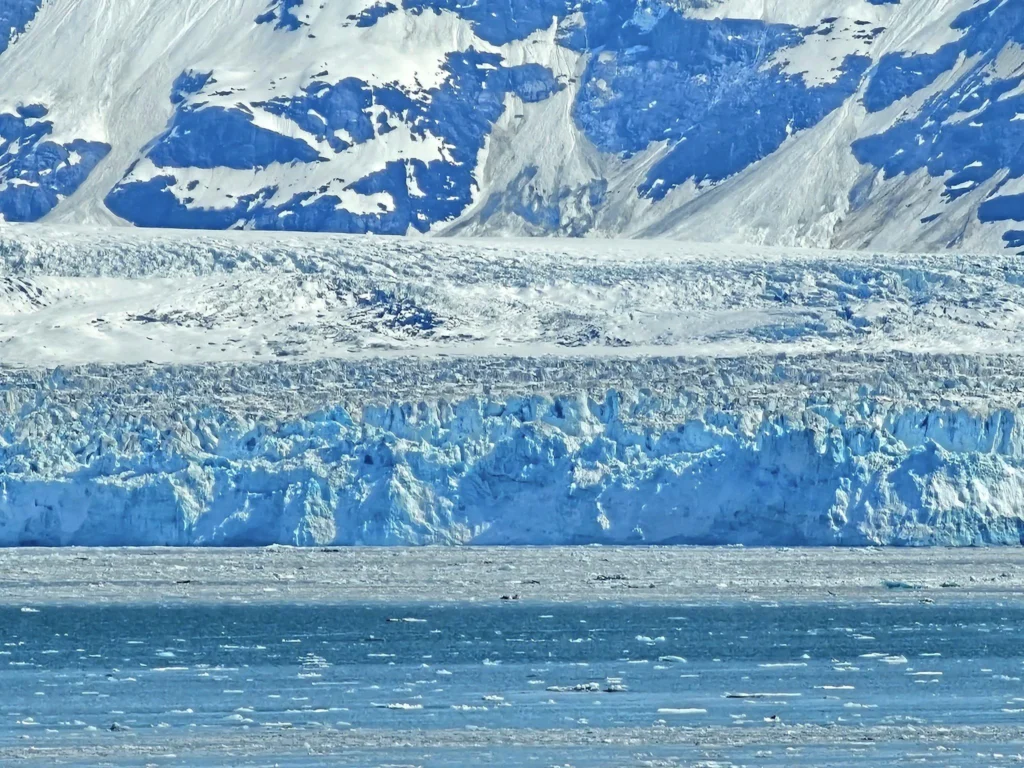
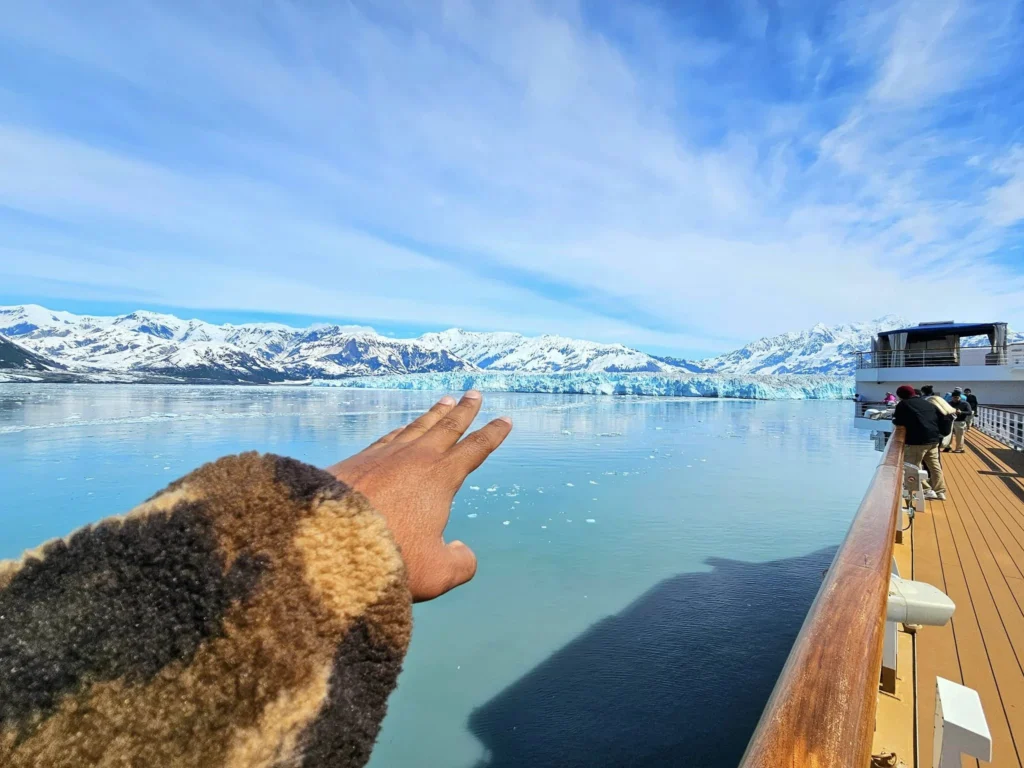
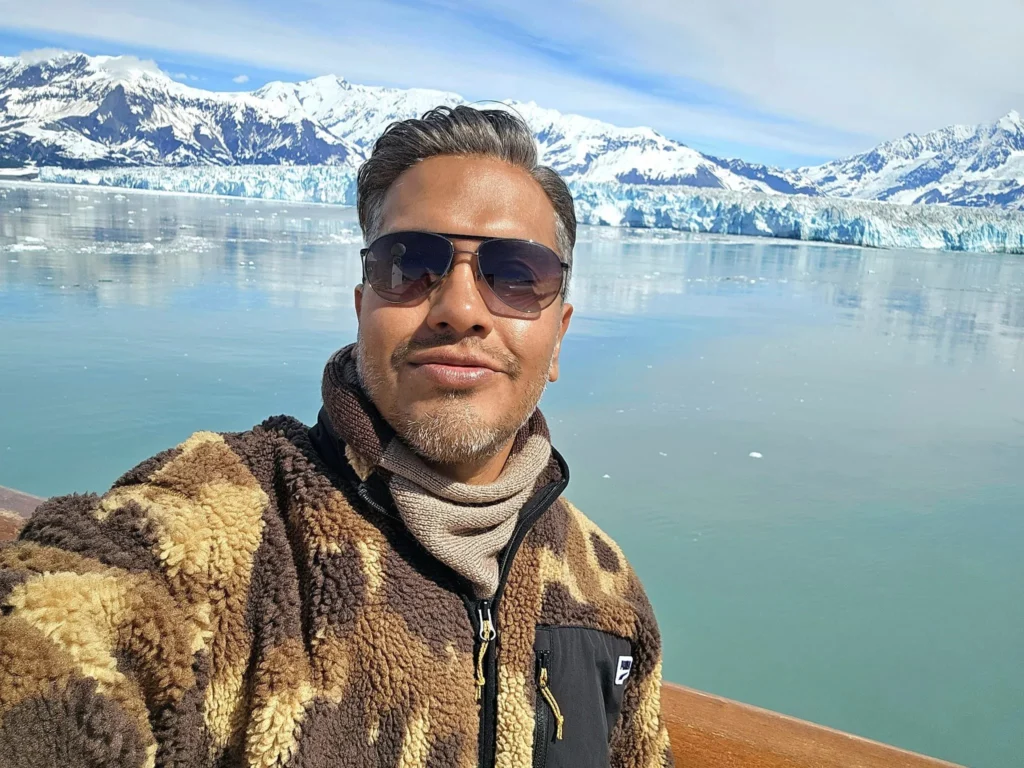
As the Westerdam approached Hubbard Glacier, its immense scale came into view, leaving us in awe. The glacier’s face, a towering wall of blue and white ice, stretched six miles across the horizon, its jagged edges glistening in the sunlight. Deep crevasses and towering spires revealed the glacier’s ancient layers, formed over centuries of compression. The interplay of light and shadow on the ice created a breathtaking tapestry, with vibrant blue hues that seemed almost otherworldly.
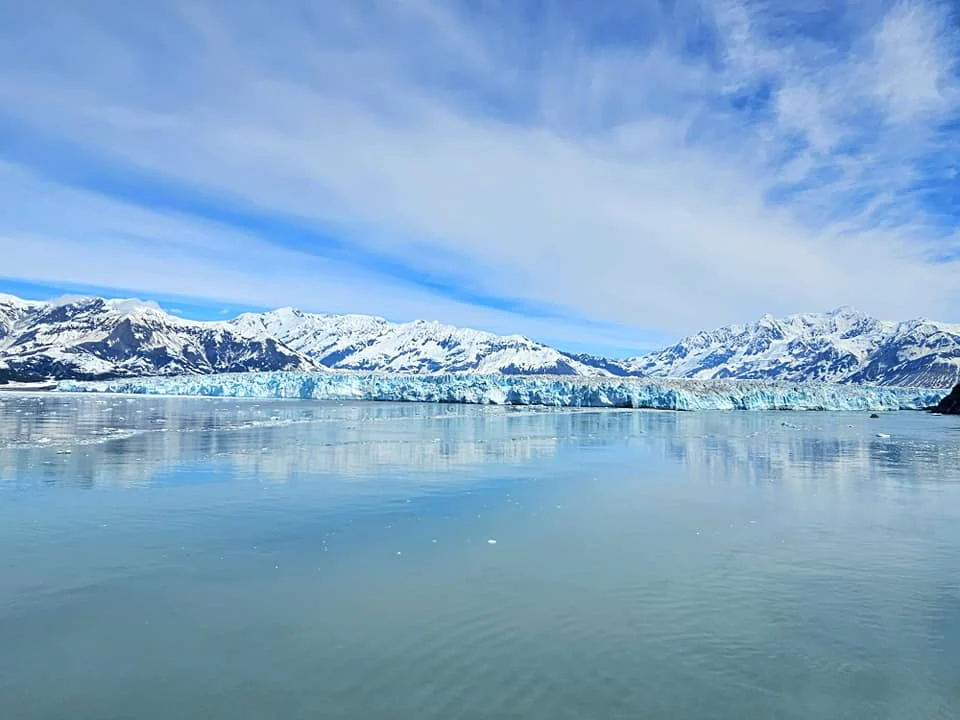
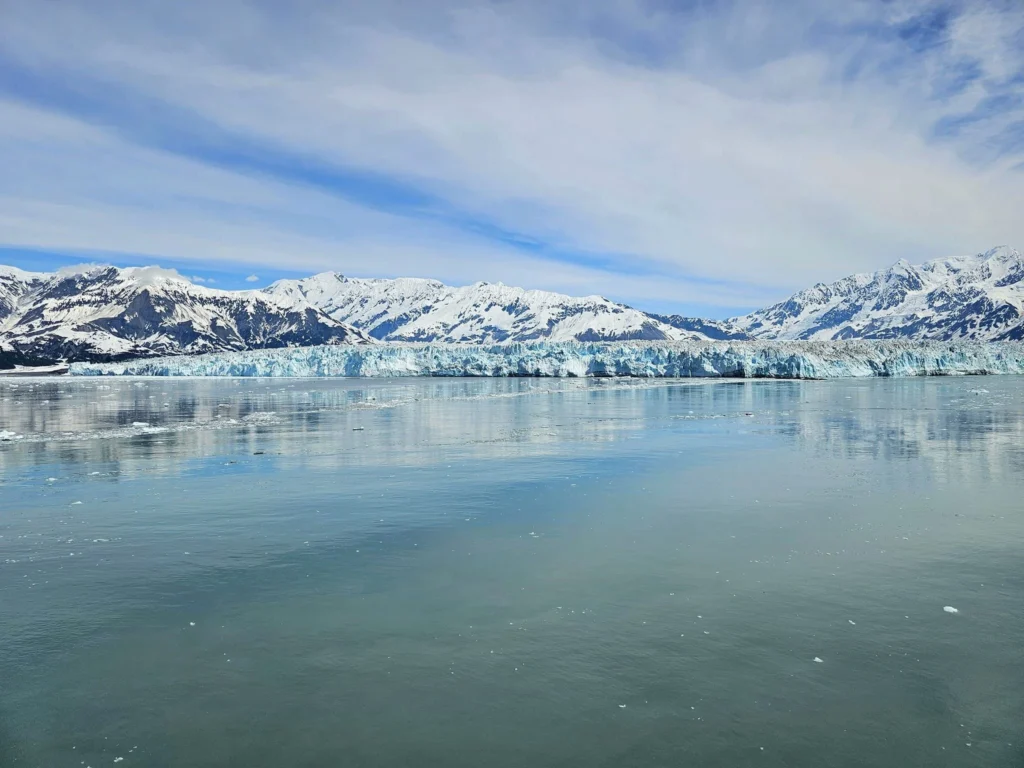
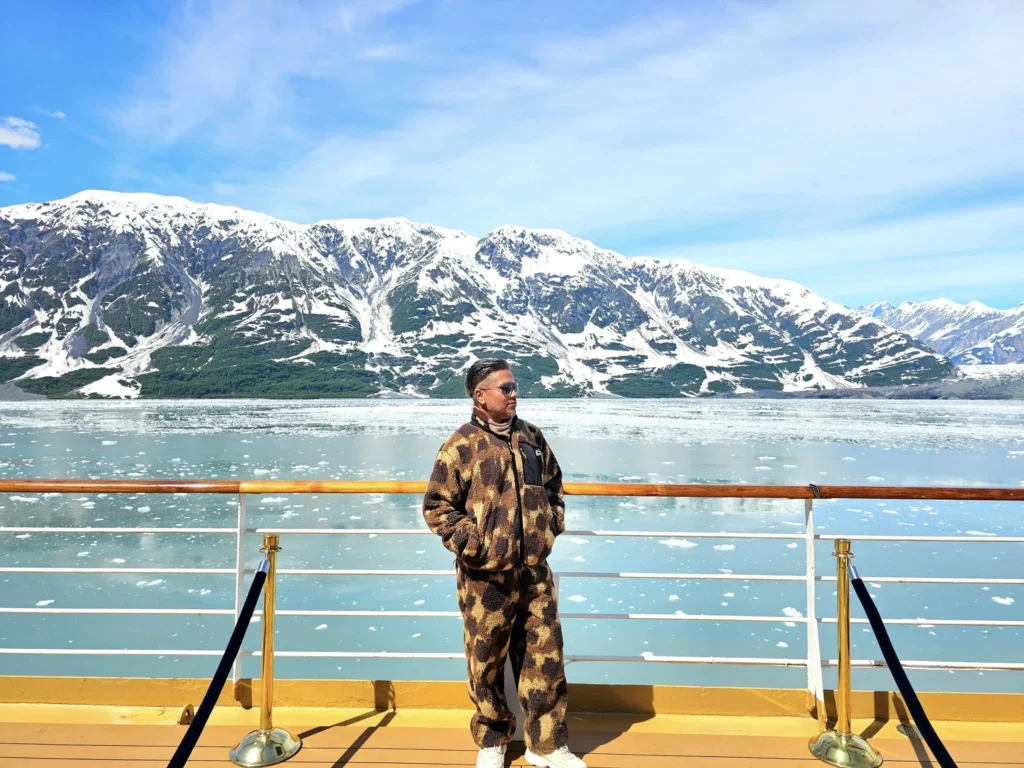
The calm waters of Disenchantment Bay mirrored the glacier, doubling its visual impact. The serene atmosphere was occasionally broken by the distant rumble of ice calving, a reminder of the glacier’s dynamic nature. Standing on the deck, we felt a profound sense of reverence, as if we were witnessing a moment frozen in time yet alive with movement.
The first sight of Hubbard Glacier was a humbling encounter with nature’s grandeur, a vision of ice and light that stirred the soul.

The Spectacle of Ice Calving
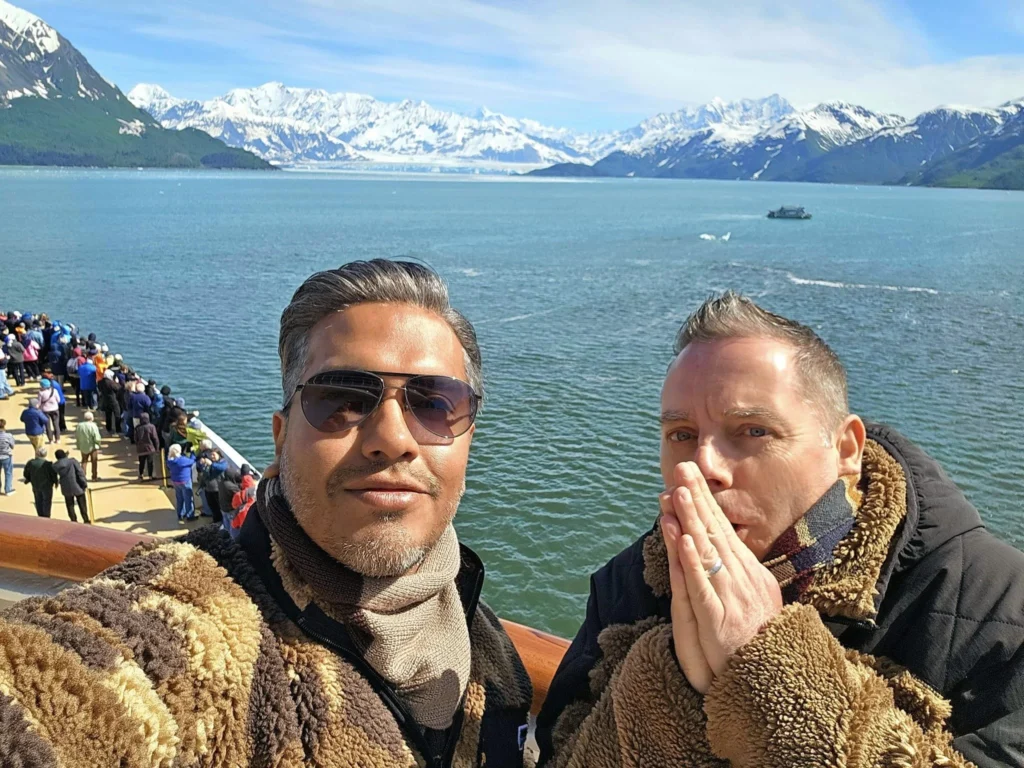
One of the most thrilling moments of our tour was witnessing an ice calving event. As we watched, a massive chunk of ice broke free from the glacier’s face, plunging into the water with a thunderous roar. The sound echoed through the fjord, a powerful testament to nature’s raw energy. Waves rippled outward, and icebergs of varying sizes floated away, shimmering in the sunlight like jewels on the water’s surface.
Our guide explained that calving is a natural process, driven by the glacier’s relentless advance and the interaction of ice with warmer ocean waters. Each event was unique, with some producing towering splashes and others creating a cascade of smaller ice fragments. The visceral experience of witnessing this natural phenomenon was both exhilarating and humbling, a reminder of the glacier’s ceaseless motion.
The roar of calving ice was nature’s symphony, a powerful reminder of the glacier’s untamed beauty and ceaseless energy.

Immersing in the Glacier’s Beauty
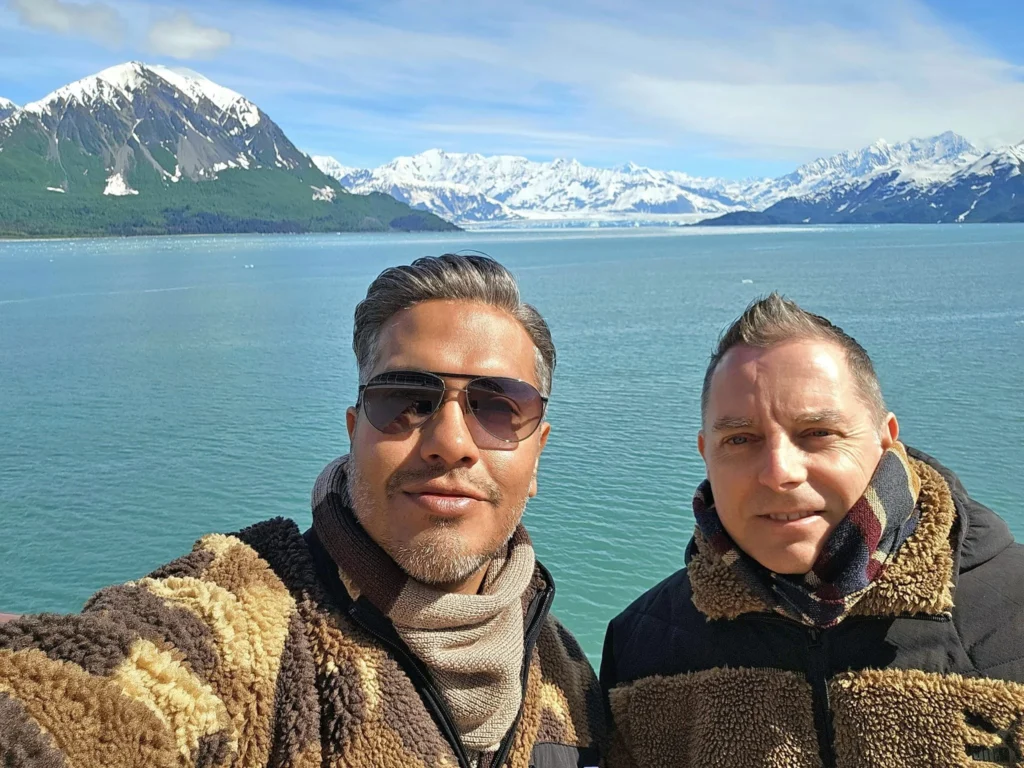
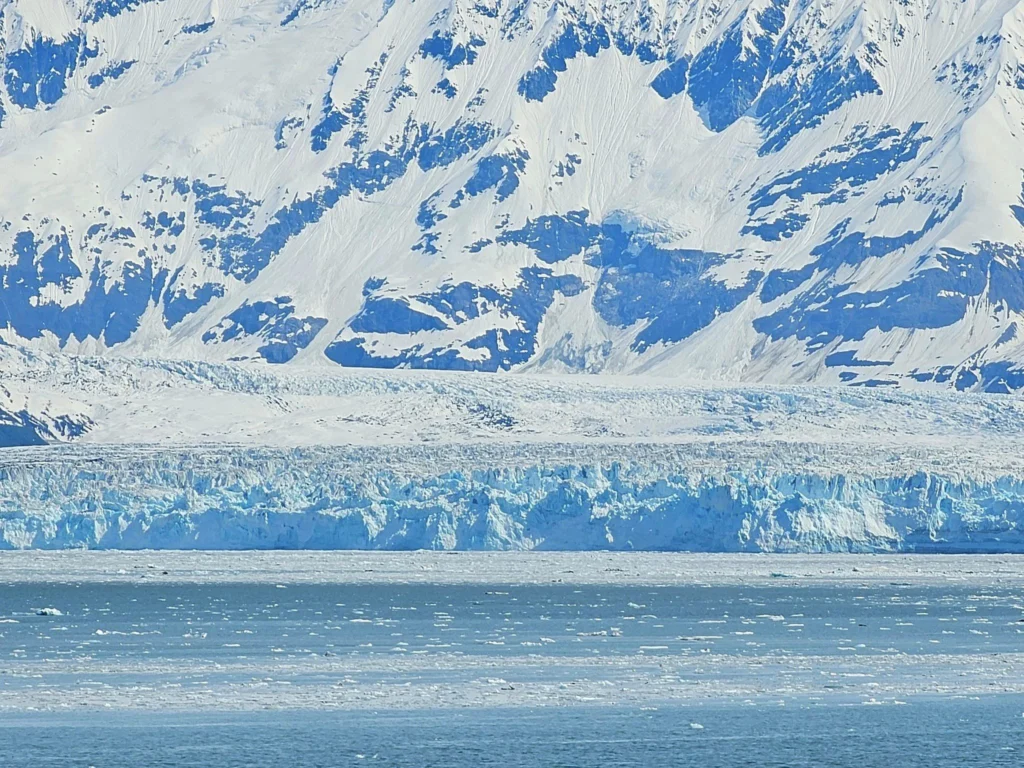
The Westerdam positioned itself at a safe distance from the glacier, allowing us to fully appreciate its grandeur while remaining immersed in the Arctic environment. The glacier’s intricate ice formations were a sight to behold, with deep blue hues revealing the density of the ice. The jagged edges and towering spires created a dramatic silhouette against the sky, inviting us to marvel at the glacier’s complexity.
Our guide’s commentary enriched the experience, explaining how the glacier’s vibrant blue color results from the ice’s density, which absorbs all colors of the spectrum except blue. We learned about the glacier’s advance, which has occasionally blocked Russell Fjord, creating temporary lakes and altering the local ecosystem. This blend of scientific insight and visual splendor made the tour both educational and awe-inspiring.


A Scenic Cruise Through Disenchantment Bay
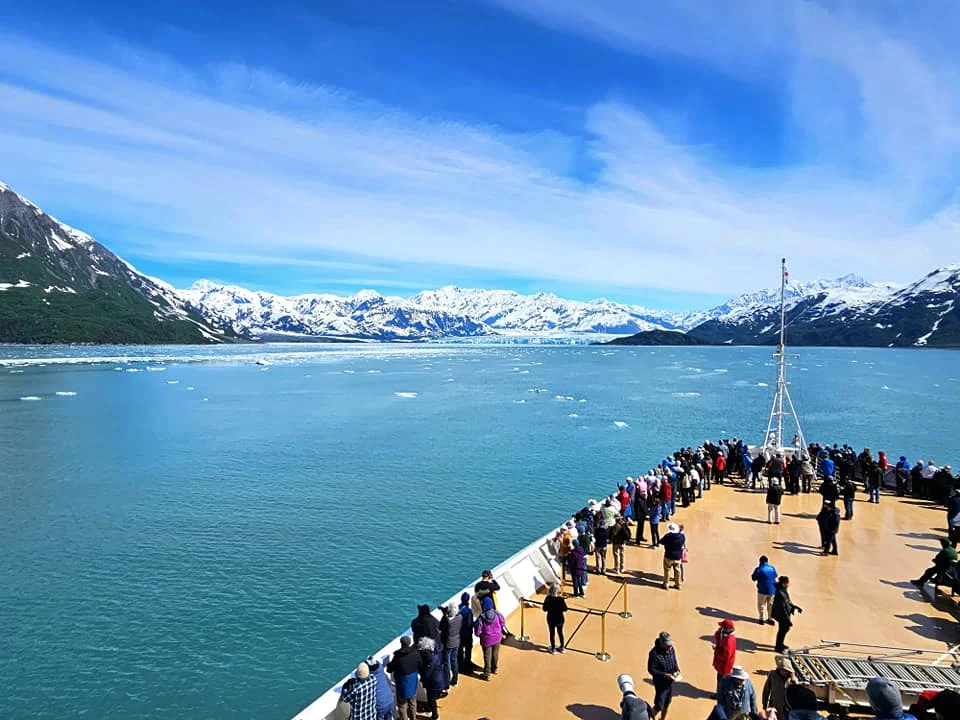
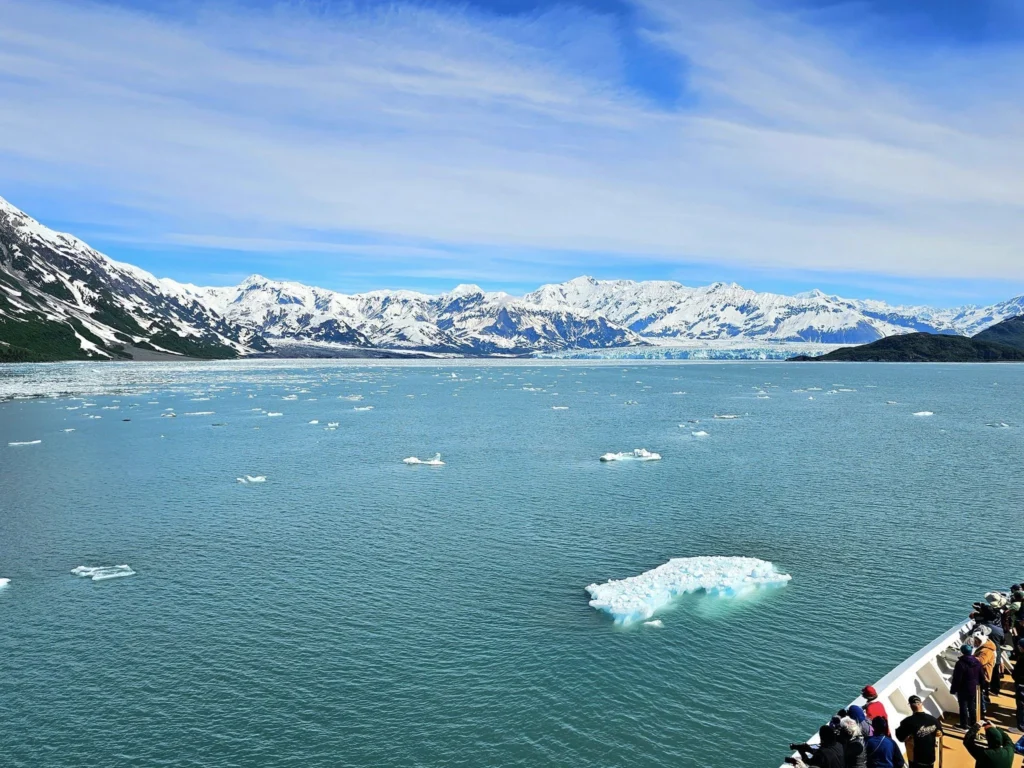
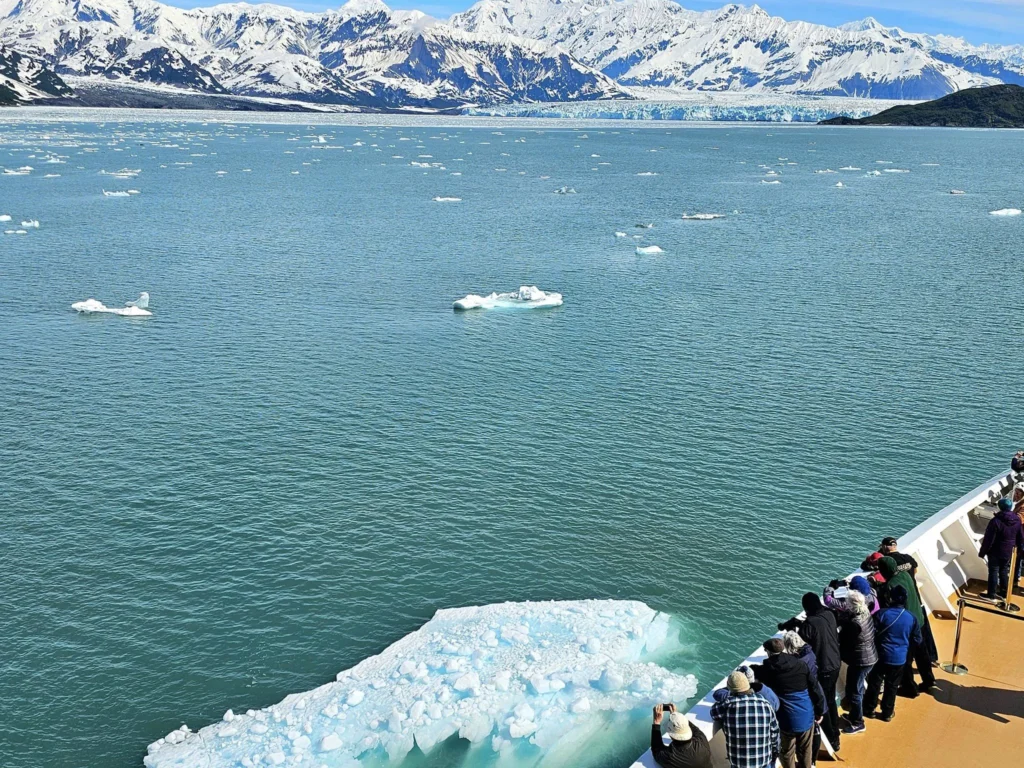
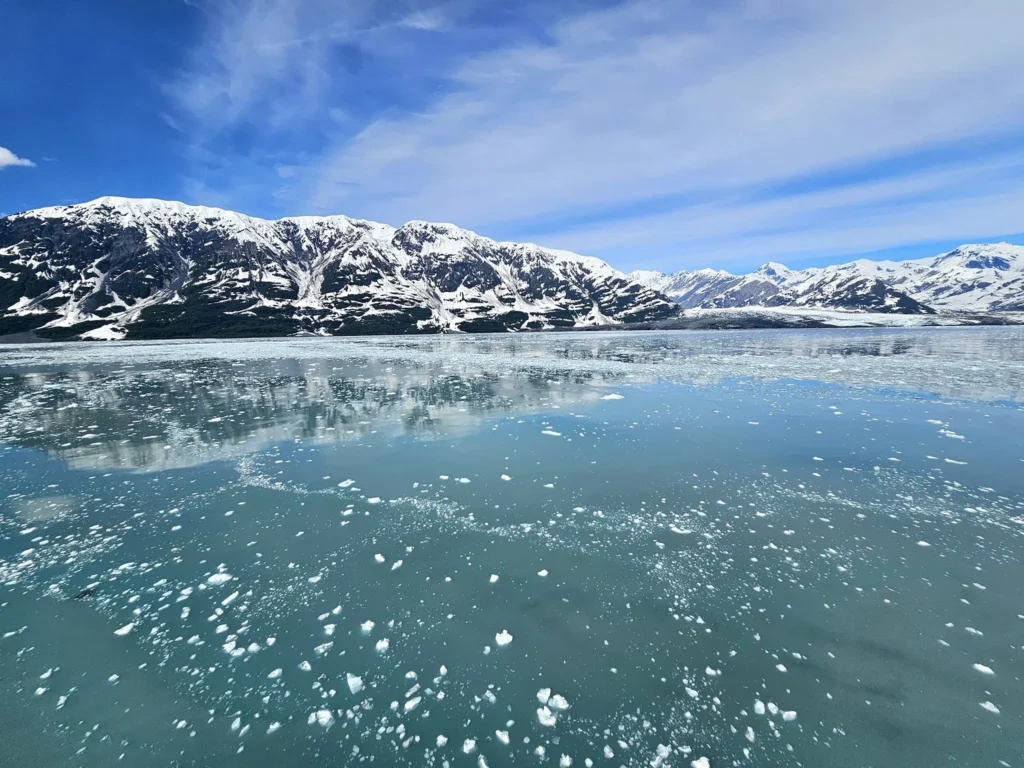
The cruise through Disenchantment Bay was a highlight of the tour, offering panoramic views of the surrounding fjords, distant mountains, and floating icebergs. The Westerdam navigated carefully through waters dotted with icebergs, ranging from small fragments to massive chunks the size of a small house. The stillness of the bay, combined with the glacier’s imposing presence, created a serene yet exhilarating atmosphere.
Cruising through Disenchantment Bay was like entering a world untouched by time, where ice and water danced in perfect harmony.
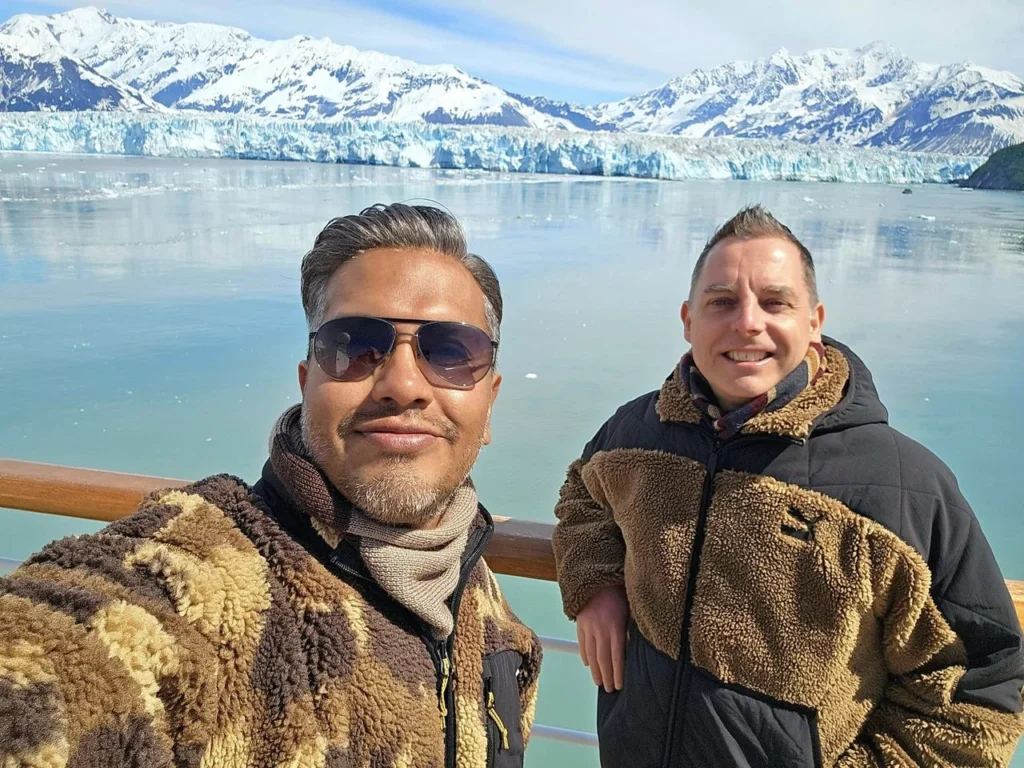
The calm waters provided stunning reflections of the glacier, making every photograph a work of art. We spent hours on the deck, alternating between capturing the scenery and simply absorbing the moment. The crisp Arctic air, tinged with the scent of salt and ice, heightened our senses, making every detail of the experience vivid and unforgettable.
Wildlife Encounters in the Arctic Wilderness
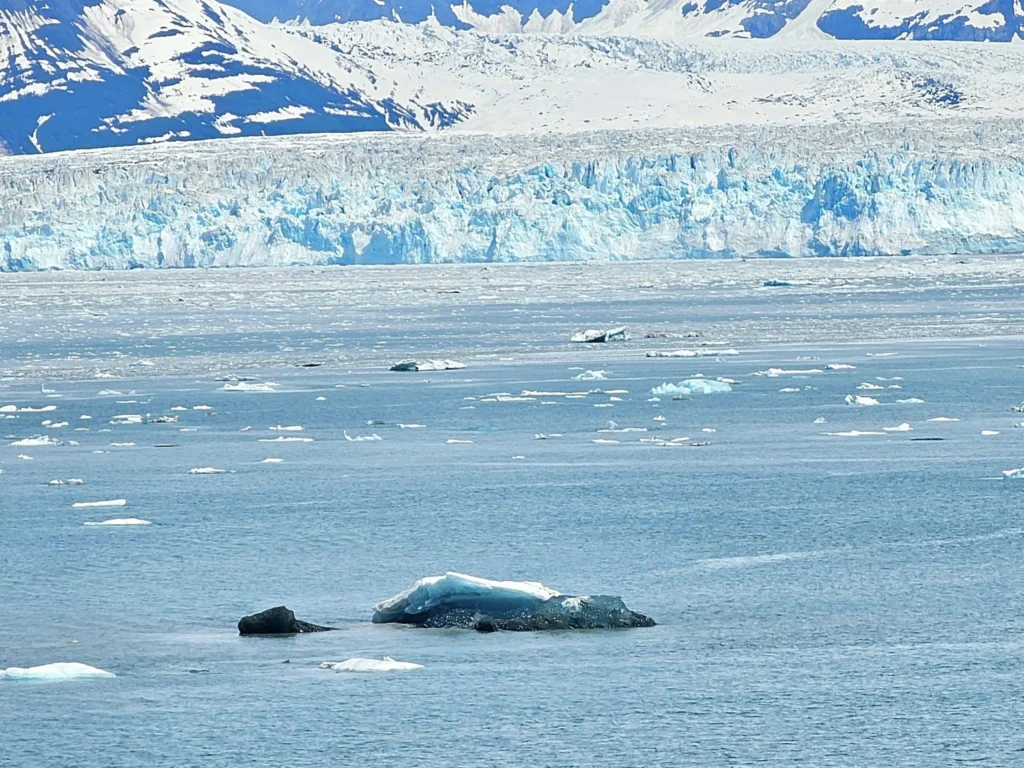
Hubbard Glacier’s ecosystem is as vibrant as its icy facade. As we cruised through Disenchantment Bay, we spotted harbor seals lounging on icebergs, their sleek bodies glistening in the sunlight. Overhead, bald eagles soared, their sharp cries piercing the quiet air. Our guide pointed out a distant pod of humpback whales, their spouts visible against the horizon, adding to the sense of being immersed in a thriving wilderness.
These wildlife encounters enriched our tour, reminding us of the interconnectedness of the Arctic ecosystem. The glacier’s silt-laden waters create a nutrient-rich environment, supporting a diverse array of marine life, from phytoplankton to larger predators. Observing these creatures in their natural habitat was a humbling experience, reinforcing the importance of preserving this pristine environment.
The sight of seals and eagles against the glacier’s backdrop was a reminder of the Arctic’s vibrant, interconnected ecosystem.


Capturing the Arctic Through Photography
Photography was a central part of our Hubbard Glacier experience. The glacier’s vibrant colors, dramatic calving events, and serene reflections provided endless opportunities for stunning shots. The Westerdam’s observation decks offered prime vantage points, allowing us to capture the glacier’s majesty from multiple angles. Whether focusing on the intricate details of the ice or the sweeping panorama of the bay, every photograph was a testament to the Arctic’s beauty.
Beyond the technical aspects, photography became a way to preserve the fleeting beauty of the moment. Each image captured not just the glacier’s physical form but also the emotions it evoked—wonder, peace, and reverence. Sharing these photos later became a way to relive the experience and inspire others to explore Hubbard Glacier.


Reflecting on Glacier Preservation
As our tour progressed, our guide shared insights into the challenges facing glaciers worldwide. While Hubbard Glacier is advancing, many others are retreating due to climate change, threatening ecosystems and contributing to rising sea levels. This discussion prompted us to reflect on our role in protecting these natural wonders. The guide highlighted the National Park Service’s efforts to monitor and preserve glaciers, emphasizing the need for sustainable practices.
Hubbard Glacier’s enduring presence is a call to action, urging us to protect our planet’s fragile ecosystems for future generations.
Learning about these initiatives deepened our appreciation for the glacier and inspired us to advocate for environmental stewardship. The National Park Service website offers valuable resources for those interested in glacier conservation, providing a starting point for further exploration.

The Serenity of the Arctic Atmosphere
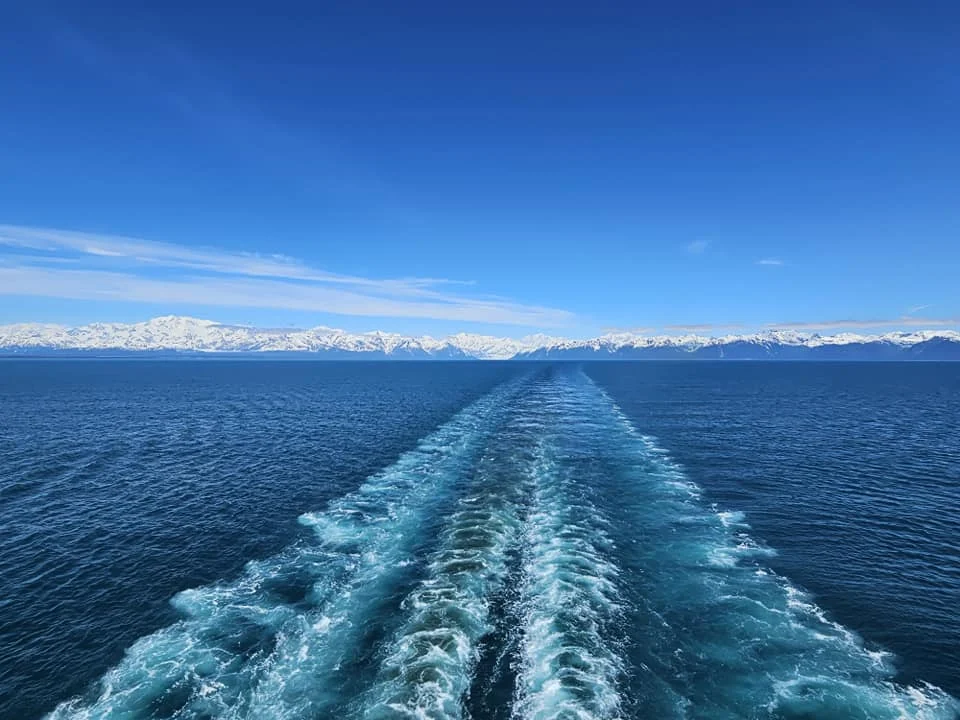
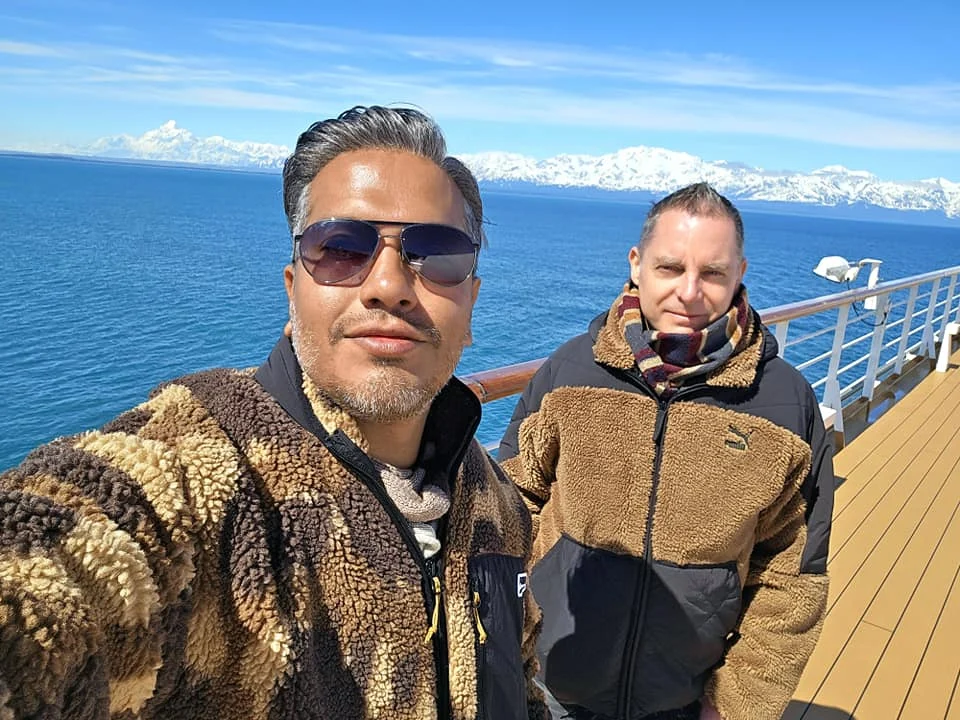
One of the most profound aspects of our tour was the sense of tranquility that enveloped us. The Arctic’s stillness, broken only by the sounds of calving ice and distant wildlife, created a meditative atmosphere. Standing before the glacier, we felt a deep connection to the natural world, as if time itself had paused to let us absorb the moment.
This serenity was a stark contrast to the hustle of everyday life, offering a rare opportunity for reflection. The glacier’s timeless presence reminded us of the enduring power of nature and the importance of preserving it for future generations. These moments of quiet contemplation became some of the most cherished memories of our journey.
Conclusion: A Transformative Arctic Adventure
Our Hubbard Glacier tour aboard the Westerdam was a journey of discovery, blending thrilling natural spectacles with moments of profound reflection. From the awe-inspiring sight of the glacier’s towering ice face to the exhilarating sounds of calving, every aspect of the experience was unforgettable. The scenic cruise, wildlife encounters, and educational insights added layers of richness to the day, while the Arctic’s serene beauty left an indelible mark on our hearts.
Whether you’re a nature enthusiast, a photography lover, or simply seeking a transformative travel experience, a Hubbard Glacier tour is a must. It’s a chance to witness one of the world’s most dynamic glaciers, connect with the Arctic’s pristine wilderness, and reflect on our responsibility to protect these irreplaceable wonders.
















Echoes of the Arctic: A Glacier’s Song
In the realm where ice meets sky,
Where ancient giants silently lie,
We ventured forth, hearts aglow,
To witness wonders only nature knows.

The Hubbard Glacier, grand and blue,
Unfolded its splendor in the Arctic hue.
A timeless giant, majestic and bold,
Its icy grandeur a story told.

Beneath the clear and tranquil skies,
We sailed through waters calm and wise,
The glacier’s edges, jagged and bright,
Glistened in the sun’s pure light.

With every crack and thunderous fall,
Of ice calving from the glacier’s wall,
A thrilling dance of nature’s might,
Echoed through the fjord’s still night.

In the mirror of the still, serene bay,
The glacier’s reflection softly lay,
A world of blue in tranquil grace,
A fleeting glimpse of a frozen place.

A picnic shared with awe-inspired cheer,
The glacier's majesty drawing us near,
We savored both the food and scene,
In this Arctic dream, serene and keen.

Amidst the ice and Arctic breath,
We pondered nature’s dance with death,
A solemn reminder of the world’s grand scheme,
In the silent grandeur of an icy dream.

As the day waned and shadows grew,
We cherished moments, old and new,
In the heart of the glacier's icy song,
We felt a peace profound and strong.

Our journey etched in memory’s light,
An unforgettable day in the Arctic’s might,
Where the glacier’s beauty, pure and grand,
Left its mark upon our hearts, and hands.