
**Big Upgrade Coming Soon from Danny and Peter!**
We’re merging and refreshing all our cruise port guides into beautiful new master posts with hundreds of photos and 2026 tips.
This guide will be fully updated soon – stay tuned for the new version!
In the meantime, check our latest posts or subscribe for updates.
Embarking on a cruise with Holland America Line’s Nieuw Statendam for the Canary Island Enchantment with Morocco & Portugal itinerary promised a tapestry of vibrant cultures, stunning landscapes, and unforgettable experiences. Among the many ports of call, Santa Cruz de Tenerife in the Canary Islands stood out as a highlight, blending rich history with breathtaking natural beauty. This blog post delves into the storied past of Santa Cruz and chronicles our immersive day exploring its scenic viewpoints, trekking trails, golden beaches, and culinary delights, culminating in a festive sailaway and an exquisite dining experience aboard the ship.
Table of Contents
The History of Santa Cruz, Tenerife: A Legacy of Conquest, Trade, and Culture
Santa Cruz de Tenerife, the capital of Tenerife and co-capital of the Canary Islands alongside Las Palmas, is a city steeped in history, shaped by its strategic position in the Atlantic Ocean. Its story spans millennia, from indigenous inhabitants to European conquest, and its evolution into a bustling modern port city.
The Guanche Era: Tenerife’s Indigenous Roots
Before European explorers set foot on Tenerife, the island was home to the Guanches, an indigenous Berber-related people who lived in harmony with the island’s volcanic landscapes. The Guanches, believed to have arrived around the 1st century BCE, developed a sophisticated culture with unique burial practices, mummification techniques, and a pastoral economy. Their society was organized into small kingdoms, with Tenerife divided among nine menceyatos (chiefdoms).
The Guanches revered the natural world, particularly Mount Teide, the island’s toweringStratovolcano, which they called Echeyde and considered a sacred site. Archaeological evidence, such as cave dwellings and rock carvings, points to their deep connection to the land. Today, the Museum of Nature and Archaeology (MUNA) in Santa Cruz preserves Guanche artifacts, including mummies, offering a glimpse into their way of life.
Spanish Conquest and the Founding of Santa Cruz
The arrival of Spanish conquistadors in the late 15th century marked a turning point for Tenerife. In 1494, Alonso Fernández de Lugo, a Castilian adventurer, landed on the island with a force of approximately 2,200 men, including Castilian soldiers and indigenous auxiliaries from neighboring islands. On May 3, 1494, he planted a cross on the shores of Añazo, founding the settlement of Santa Cruz de Tenerife—a name meaning “Holy Cross of Tenerife.” This act symbolized Spanish claim over the island, though the conquest was far from immediate.
The Guanches fiercely resisted Spanish encroachment, particularly under the leadership of mencey (king) Bencomo. The First Battle of Acentejo in 1494 saw a devastating defeat for the Spanish, with hundreds killed in an ambush. However, Fernández de Lugo regrouped, and by 1496, after the Battle of Aguere and subsequent campaigns, the Spanish subdued the island. The Guanches were gradually assimilated, enslaved, or decimated by disease and conflict, leaving a lasting but diminished legacy in Tenerife’s culture.
Santa Cruz emerged as a fortified outpost, its strategic harbor making it a vital stopover for ships traveling between Europe, Africa, and the Americas. The city’s early years were marked by the construction of defensive structures, such as the Castillo de San Cristóbal, to fend off pirate attacks from the likes of Sir Francis Drake and other European powers vying for control of the Atlantic trade routes.
Santa Cruz was born from a cross planted in the sand, a symbol of conquest that grew into a gateway to the world.
The Golden Age of Trade and Cultural Exchange
By the 16th and 17th centuries, Santa Cruz had become a thriving port, fueled by the Canary Islands’ role as a provisioning hub for transatlantic voyages. The city exported wine, sugar, and cochineal (a red dye derived from insects), while importing goods from Europe and the Americas. This trade brought wealth and cultural diversity, with merchants, sailors, and settlers from across Spain, Portugal, and beyond shaping the city’s cosmopolitan character.
The 18th century saw Santa Cruz solidify its status as a regional capital. In 1723, it was designated the administrative center of the Canary Islands, a role it shared with Las Palmas from 1833 onward. The city’s defenses were tested in 1797 during the Battle of Santa Cruz, when British Admiral Horatio Nelson attempted to capture the city. Nelson’s fleet was repelled, and he famously lost his arm to a cannonball fired from the Tiger Cannon at Castillo de San Cristóbal. This victory cemented Santa Cruz’s reputation as an impregnable stronghold.
Modern Santa Cruz: A Blend of Tradition and Innovation
The 19th and 20th centuries brought significant growth to Santa Cruz. The city expanded beyond its colonial core, with elegant plazas like Plaza de España and cultural landmarks such as the Iglesia de la Concepción. The rise of banana exports and tourism further boosted the economy, while the port remained a linchpin of global trade.
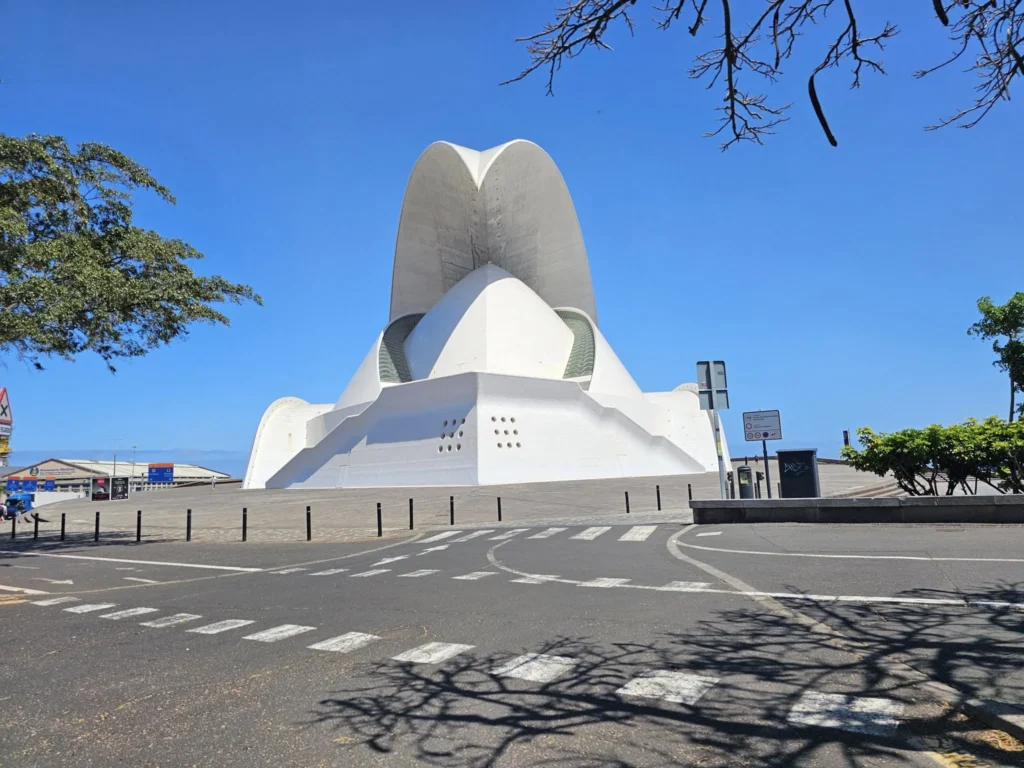
In the 20th century, Santa Cruz embraced modernity while preserving its heritage. The Auditorio de Tenerife, designed by Santiago Calatrava and opened in 2003, became an architectural icon, its wave-like silhouette symbolizing the city’s dynamic spirit. The annual Carnival of Santa Cruz, recognized by UNESCO as a Festival of International Tourist Interest, draws thousands with its vibrant parades, costumes, and music, rivaling Rio de Janeiro’s famed celebration.
Today, Santa Cruz is a bustling metropolis of over 200,000 residents, blending historic charm with contemporary flair. Its old town, with cobblestone streets and colonial churches, contrasts with modern shopping districts and cultural venues like the Tenerife Espacio de las Artes (TEA). The city’s proximity to natural wonders, such as Anaga Rural Park and Playa de las Teresitas, makes it a gateway to Tenerife’s diverse landscapes.
From Guanche caves to Calatrava’s auditorium, Santa Cruz weaves a tapestry of time, where every corner tells a story.
Santa Cruz’s Role in the Canary Islands
As co-capital of the Canary Islands, Santa Cruz plays a pivotal role in the archipelago’s governance, culture, and economy. The Canary Islands, formed by volcanic activity millions of years ago, are a unique blend of Spanish, African, and Latin American influences, with Santa Cruz at the heart of this cultural crossroads. Its port remains one of the busiest in Spain, welcoming cruise ships, cargo vessels, and ferries, while its universities and research institutions contribute to the region’s intellectual life.
The city’s history is a testament to resilience, adaptation, and diversity. From the Guanches’ sacred landscapes to the Spanish conquest, from pirate battles to modern festivals, Santa Cruz de Tenerife stands as a vibrant chronicle of human endeavor and natural beauty.
What is the history of Santa Cruz de Tenerife?
Santa Cruz de Tenerife, founded in 1494 by Alonso Fernández de Lugo, began as a Spanish outpost after the conquest of the Guanche people. It grew into a major Atlantic port, surviving pirate attacks and British invasions, including Nelson’s failed assault in 1797. Today, it’s a vibrant capital blending colonial charm with modern landmarks like the Auditorio de Tenerife.
Our Unforgettable Day in Santa Cruz, Tenerife: A Journey of Views, Trails, and Tastes
Our day in Santa Cruz de Tenerife was a whirlwind of adventure, discovery, and indulgence, perfectly capturing the island’s multifaceted allure. From renting a car to explore breathtaking viewpoints, trekking through lush forests, relaxing on a golden beach, and savoring culinary delights both ashore and aboard the Nieuw Statendam, every moment was a celebration of Tenerife’s magic.
Setting Sail with Holland America Line
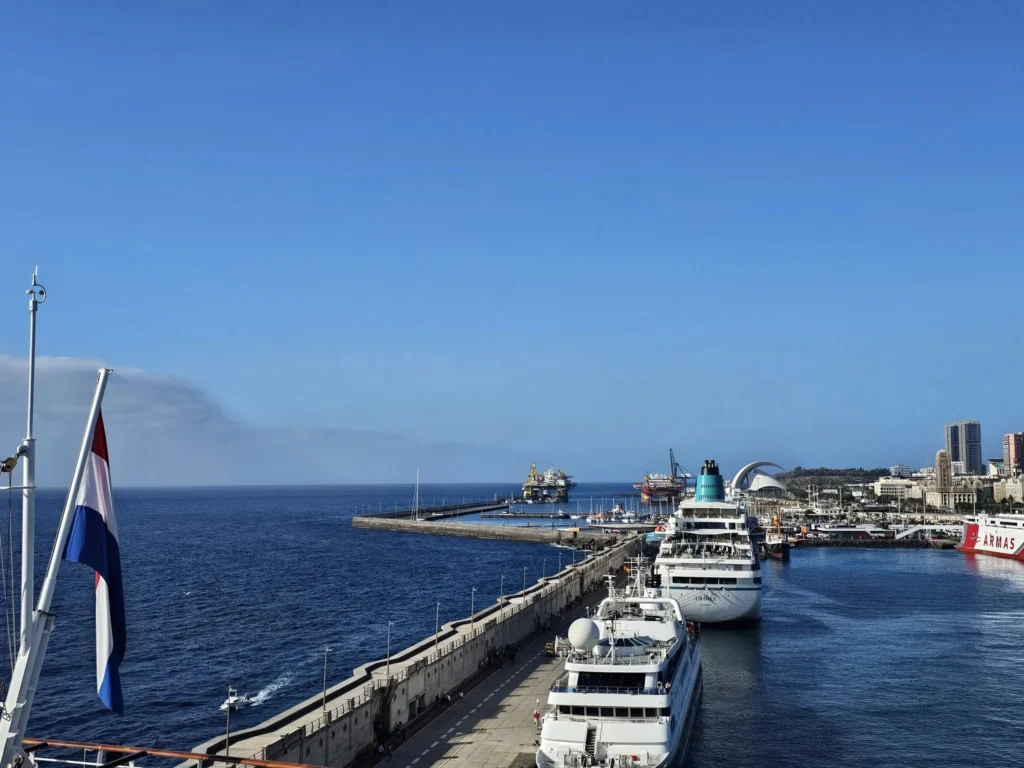
Our journey began aboard the Nieuw Statendam, a pinnacle-class ship that exuded elegance and comfort. The Canary Island Enchantment with Morocco & Portugal itinerary promised a diverse array of destinations, and Santa Cruz was an early highlight. As we docked in the city’s bustling port, the sight of Santa Cruz’s skyline—framed by the distant peaks of the Anaga Mountains—set the stage for an exciting day ahead.
Renting a Car: Freedom to Explore
To make the most of our time in Santa Cruz, we decided to rent a car, giving us the flexibility to explore Tenerife’s diverse landscapes at our own pace. Renting a car in Tenerife is straightforward, though an international driving license is required, and drivers must be at least 21 years old. We opted for a compact vehicle, perfect for navigating the island’s winding roads, and set off from the port with a map and a sense of adventure.
With the keys in hand and the open road ahead, we felt the thrill of discovery as Tenerife’s wonders awaited us.
Viewpoints of Anaga Rural Park: Nature’s Masterpiece
Our first destination was Anaga Rural Park, a UNESCO Biosphere Reserve just a 30-minute drive from Santa Cruz. This subtropical wonderland, home to one of the world’s last remaining laurel forests (Laurisilva), promised stunning viewpoints and immersive trekking opportunities. We targeted three iconic miradors (viewpoints): Mirador Cruz del Carmen, Mirador Llano de los Loros, and Mirador Pico del Inglés.
Mirador Cruz del Carmen: A Gateway to Anaga
Our journey began at Mirador Cruz del Carmen, a popular viewpoint accessible via the TF-12 road from Santa Cruz. As we arrived, the parking lot buzzed with fellow explorers, but the view quickly stole our attention. Perched at 920 meters, the mirador offered panoramic vistas of the Anaga Mountains’ lush greenery, with mist curling through the valleys below. On clear days, Mount Teide’s snow-capped peak is visible in the distance, but even with a veil of clouds, the scene was mesmerizing.
We spent time soaking in the view, snapping photos of the laurel forest’s dense canopy and the rugged coastline far below. A small visitor center provided maps and information about Anaga’s trails, and we enjoyed a quick coffee at the adjacent café, savoring the crisp mountain air.
Mirador Llano de los Loros: A Trekker’s Reward
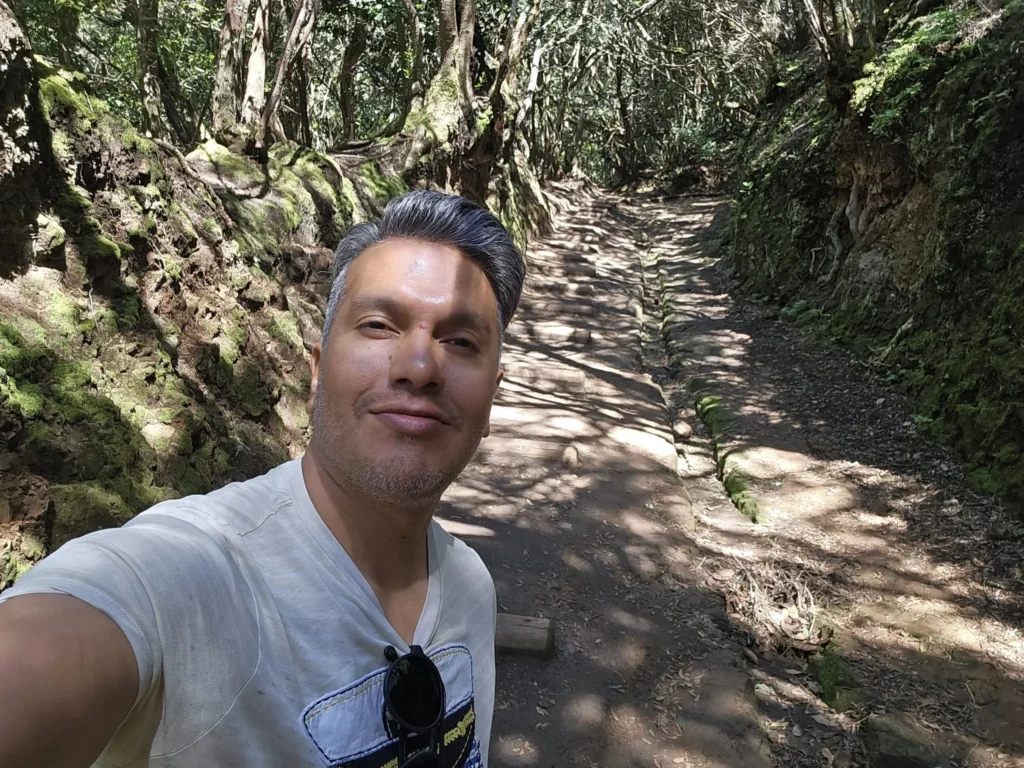
Next, we set out for Mirador Llano de los Loros, reachable via the Sendero de los Sentidos (Trail of the Senses), a popular hike in Anaga Rural Park. The trail, starting near Mirador Cruz del Carmen, took about an hour round-trip, with a gentle downhill path to the viewpoint and a steeper climb back. The forest enveloped us in a symphony of sounds—chirping birds, rustling leaves, and the occasional drip of moisture from the humid canopy.
The trail was well-marked, with sensory stations encouraging us to touch moss-covered rocks and smell the earthy aroma of the laurel trees. As we reached Mirador Llano de los Loros, the reward was breathtaking: a sweeping view of emerald hills, deep ravines, and a glimpse of Santa Cruz’s skyline in the distance. The contrast between the forest’s humidity and the arid landscapes we’d see later was striking, a testament to Tenerife’s ecological diversity.
Trekking through Anaga’s enchanted forest felt like stepping into a fairy tale, where every turn revealed nature’s artistry.
Mirador Pico del Inglés: Panoramic Perfection
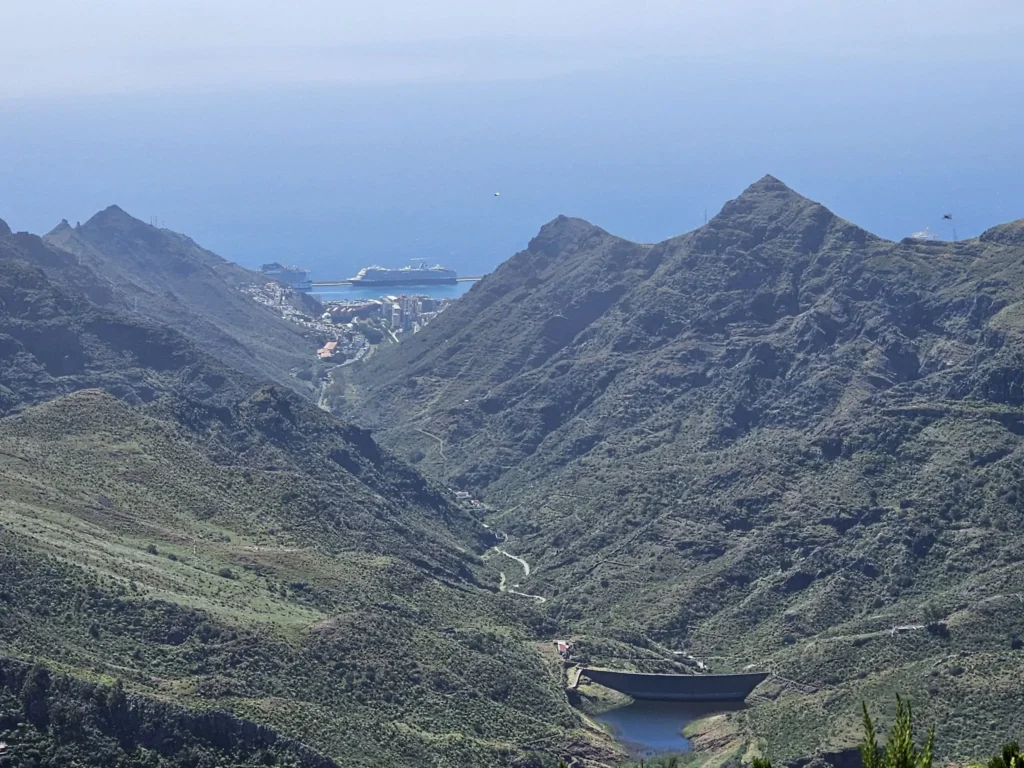
Our final viewpoint, Mirador Pico del Inglés, was the crown jewel of our Anaga adventure. Located higher up in the park, this mirador required a scenic drive through twisting roads and dense forest. Known for its moody microclimate, Pico del Inglés can be shrouded in clouds, but we were fortunate to arrive on a clear moment.
The 360-degree panorama was nothing short of spectacular, encompassing the Anaga range’s jagged peaks, verdant valleys, and the Atlantic Ocean’s shimmering expanse. We could see the tiny village of Taganana nestled below and the distant silhouette of Santa Cruz. The viewpoint’s altitude and exposure made it feel like standing at the edge of the world, and we lingered to capture the scene in photos and memory.
What are the best viewpoints in Santa Cruz, Tenerife?
Explore Anaga Rural Park’s stunning viewpoints: Mirador Cruz del Carmen for lush forest views, Mirador Llano de los Loros via the Trail of the Senses, and Mirador Pico del Inglés for panoramic mountain and ocean vistas. Each offers breathtaking scenery and photo opportunities.


Trekking in Anaga: A Dance of Contrasts
Beyond the viewpoints, Anaga’s trails beckoned us to explore further. We chose a short loop trail near Mirador Pico del Inglés, winding through the laurel forest’s misty paths. The humidity clung to our skin, a stark contrast to the dry, sunny conditions we’d encounter later at the beach. The forest floor was soft with fallen leaves, and the air was thick with the scent of damp earth and vegetation.
The trail offered glimpses of Tenerife’s geological history, with volcanic rock formations peeking through the foliage. We paused at a clearing to admire the interplay of light and shadow, where sunrays pierced the canopy, illuminating patches of moss. The trek was moderately challenging, with some uneven terrain, but the serenity and beauty made every step worthwhile.


Playa de las Teresitas: A Golden Oasis
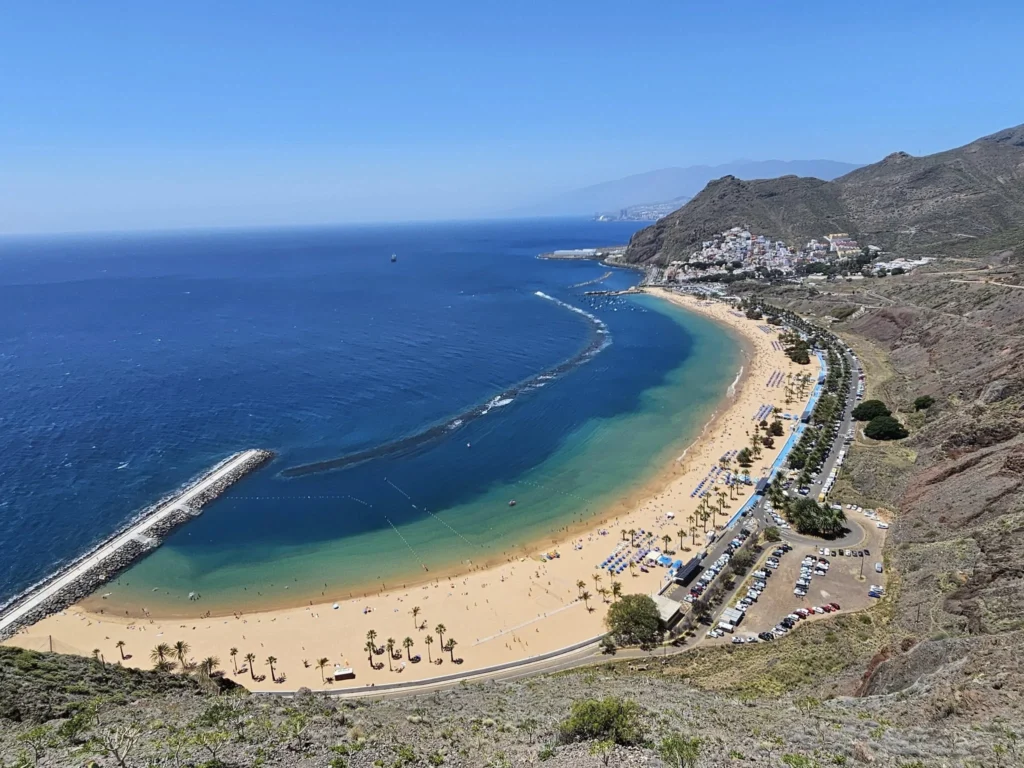
After our mountain adventure, we descended to Playa de las Teresitas, Tenerife’s most iconic beach, just a 15-minute drive from Santa Cruz. This man-made beach, with its 1.5 kilometers of golden Sahara sand, is a tropical paradise framed by palm trees and the Anaga Mountains. We parked easily near the shore, grateful for the free parking, and made our way to the beach.
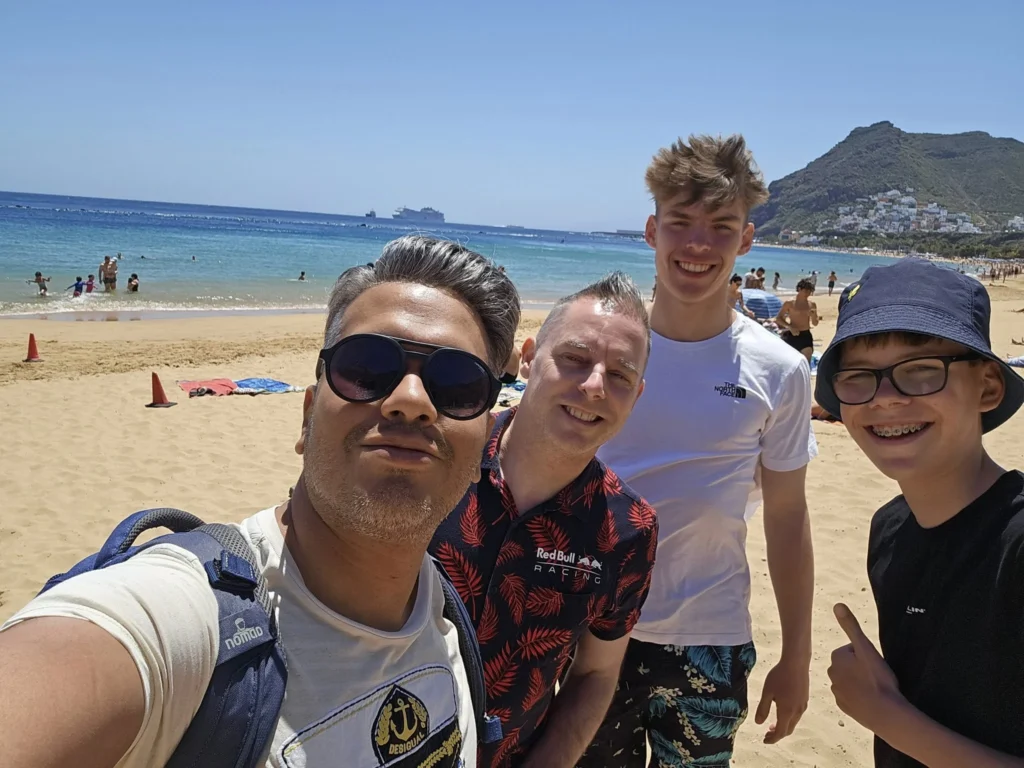
The calm, crystal-clear waters were perfect for swimming, and we waded in, relishing the refreshing dip after our morning’s exertions. The beach was lively but not overcrowded, with families and couples enjoying the sunny weather. We rented loungers for a modest fee and settled in to soak up the sun, marveling at the contrast between the arid beach and the humid forest we’d left behind.
Seafood Lunch: A Taste of the Atlantic
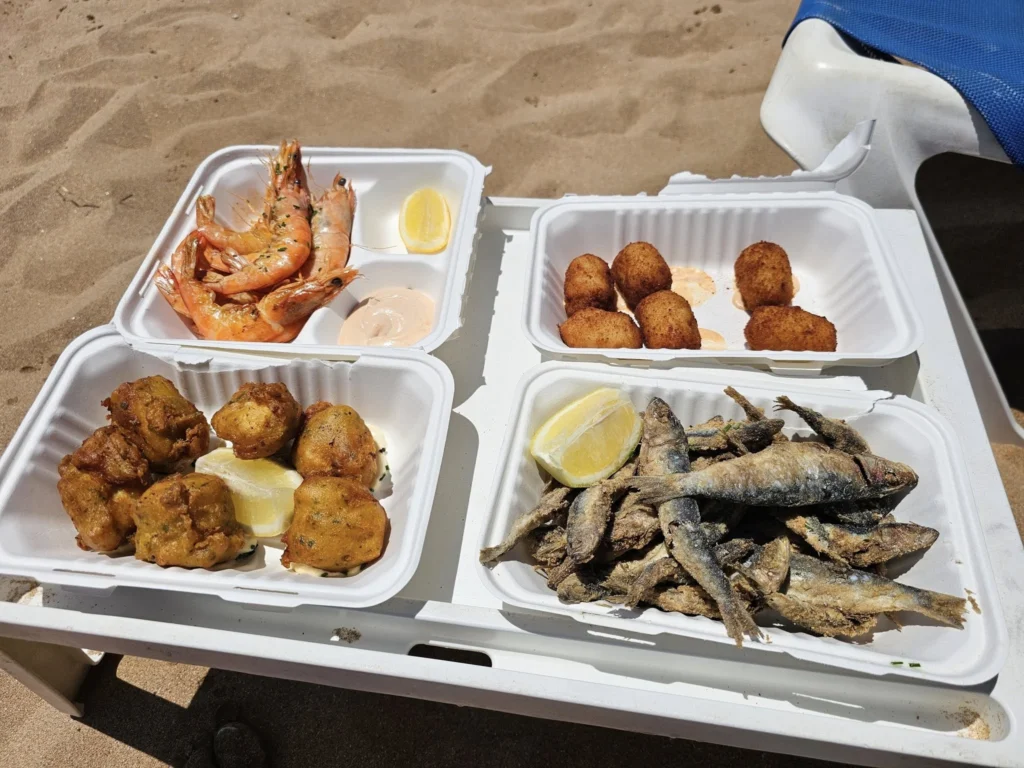
For lunch, we chose a beachfront restaurant, one of the many chiringuitos lining Playa de las Teresitas. The menu featured fresh seafood, a Canary Islands specialty, and we ordered a platter of grilled prawns, calamari, and papas arrugadas (wrinkled potatoes) with mojo sauce. The prawns were succulent, the calamari perfectly tender, and the mojo sauce added a spicy kick that complemented the meal. Sipping on a chilled barraquito (a Canarian coffee with condensed milk and liqueur), we watched the waves lap the shore, feeling utterly content.
The taste of fresh seafood by the sea, with the sun warming our skin, was a moment of pure bliss.
Is Playa de las Teresitas worth visiting?
Playa de las Teresitas, a man-made beach near Santa Cruz, boasts golden Sahara sand, calm waters, and palm-lined shores. Ideal for swimming, relaxing, and enjoying fresh seafood at beachfront restaurants, it’s a must-visit for a tropical escape in Tenerife.


Returning to the Nieuw Statendam: A Festive Sailaway
As the afternoon waned, we returned our rental car and boarded the Nieuw Statendam, buzzing with excitement from our day’s adventures. The ship’s crew had organized a Sailaway celebration on the Lido Deck, complete with live music, tropical cocktails, and a festive atmosphere. As the ship pulled away from Santa Cruz’s port, we gathered at the railings, toasting to the day’s memories with glasses of sangria. The city’s skyline receded, framed by the Anaga Mountains, and the setting sun cast a golden glow over the ocean.


Rijsttafel at Tamarind: A Culinary Finale
That evening, we dined at Tamarind, the Nieuw Statendam’s Asian-inspired specialty restaurant, for a special Rijsttafel event. This Indonesian “rice table” feast was a culinary journey, featuring an array of dishes served with fragrant rice. From spicy beef rendang to delicate vegetable spring rolls, each dish was a burst of flavor, beautifully presented with vibrant garnishes. The tamarind-glazed shrimp was a standout, its sweet-tangy sauce lingering on our palates.
The restaurant’s ambiance, with its elegant décor and attentive service, elevated the experience. We savored each course, reflecting on the day’s contrasts—from the misty forests to the sunny beach, and now this exotic dining experience. The Rijsttafel was a perfect capstone, blending cultures and flavors in a way that echoed Santa Cruz’s own diversity.
At Tamarind, each bite was a celebration of the journey, a reminder that travel feeds both the body and soul.
What is the Canary Island Enchantment cruise like?
Holland America Line’s Nieuw Statendam offers the Canary Island Enchantment with Morocco & Portugal itinerary, featuring stops like Santa Cruz de Tenerife. Enjoy luxurious amenities, festive sailaways, and specialty dining like the Rijsttafel at Tamarind for an unforgettable journey.


Reflections on Santa Cruz
Our day in Santa Cruz de Tenerife was a microcosm of what makes the Canary Islands so enchanting: a blend of history, nature, and culture, all accessible within a single port call. The freedom of our rental car allowed us to chase viewpoints and trails, while Playa de las Teresitas offered relaxation and culinary delights. Back aboard the Nieuw Statendam, the sailaway and Rijsttafel added layers of joy and indulgence to an already perfect day.









Ode to Tenerife’s Embrace
Beneath the sun where oceans kiss the shore,
Santa Cruz unfolds, a tale of yore.
From Guanche whispers in the volcanic stone,
To Spanish crosses where the seeds were sown,
We sailed to Tenerife, hearts open wide,
On Nieuw Statendam, with the sea as our guide.

Through Anaga’s arms, where laurels weave,
We drove to heights where clouds and dreams conceive.
At Cruz del Carmen, mists did softly play,
Painting the hills in hues of green and gray.
Llano de los Loros, a trekker’s prize,
Where forest hums beneath enchanted skies.

Pico del Inglés, where the world unfolds,
Mountains and sea in stories yet untold.
The trail’s embrace, both damp and wild,
A contrast stark to beaches mild.
Teresitas gleamed, her sands of gold,
A Sahara gift, where warmth consoled.

We swam in waves where azure met the sun,
Feasted on prawns till the day was done.
The mojo’s spice, the coffee’s sweet delight,
Each bite a memory of Tenerife’s light.
Back to the ship, with sangria’s cheer,
The sailaway sang as the stars drew near.

At Tamarind’s table, a feast divine,
Rijsttafel’s flavors, like threads of time.
From forest deep to ocean’s gleam,
Santa Cruz wove a traveler’s dream.
O Tenerife, your heart we’ll keep,
In every vista, in every deep.