Seattle, Washington, is a city where urban vibrancy meets the raw beauty of the Pacific Northwest, serving as the perfect gateway for an unforgettable day of exploration. Before embarking on Holland America Line’s Westerdam Alaska Arctic Circle Solstice cruise, we spent a day immersing ourselves in Seattle’s dynamic culture and the surrounding wonders through the Pacific Northwest Waterfalls Tour. This comprehensive blog post delves into Seattle’s rich history and chronicles our immersive experience through cascading waterfalls, historic towns, and cultural landmarks.
Table of Contents
The History of Seattle, Washington: A City Forged by Nature and Ambition
Indigenous Foundations: The Coast Salish Legacy
Seattle’s story begins long before its founding as a modern city, rooted in the traditions of the Coast Salish peoples, including the Duwamish, Suquamish, Snoqualmie, and other tribes. For millennia, these Indigenous communities thrived along the shores of Puget Sound, a vital waterway teeming with salmon, shellfish, and other resources. They developed sophisticated cultures, crafting intricately carved cedar canoes for fishing and trade, and living in harmony with the land’s abundant forests and waters. The city’s name honors Chief Si’ahl (Seattle), a revered Duwamish and Suquamish leader known for his diplomacy in fostering peace between Indigenous groups and early settlers. His famous speech, though debated in its exact wording, emphasized respect for the land and coexistence, leaving a lasting legacy. The Duwamish Longhouse and Cultural Center, opened in 2009, preserves these traditions, offering a space for storytelling, art, and cultural education.
The arrival of European explorers in the late 18th century marked a turning point. Spanish explorers, such as Manuel Quimper in 1790, and British navigators, like George Vancouver in 1792, charted the Pacific Northwest, naming landmarks like Puget Sound. However, it was American settlers who would profoundly shape the region. In November 1851, the Denny Party, led by Arthur A. Denny, landed at Alki Point on a stormy beach, establishing a settlement they ambitiously called “New York Alki,” meaning “New York by-and-by” in Chinook jargon, reflecting their dreams of a major trading hub. The harsh winters and challenging terrain at Alki prompted a move across Elliott Bay to what is now downtown Seattle, where the sheltered harbor and fertile land offered better prospects.
The Timber Boom: Building a Frontier City
Seattle’s early economy was built on its vast forests, earning it the title “The Timber Capital of the World.” The Pacific Northwest’s old-growth forests, dense with Douglas fir, cedar, and hemlock, provided lumber for local construction and export. Henry Yesler’s sawmill, established in 1853, became the city’s economic engine, processing logs skidded down a muddy path now known as Yesler Way, or “Skid Road.” This term, later associated with urban poverty as “skid row,” originated from the literal skidding of logs to the waterfront. By the 1870s, Seattle’s port bustled with ships carrying timber to San Francisco, Asia, and beyond, fueling the city’s growth.
The timber industry shaped Seattle’s early character, attracting workers and fostering a rugged, industrious spirit. The city’s waterfront became a hub of activity, with docks, warehouses, and saloons catering to loggers and sailors. However, the Great Seattle Fire of 1889, which destroyed much of the downtown, tested the city’s resilience. Sparked by a glue pot in a carpentry shop, the fire spread rapidly through wooden buildings, leveling 25 city blocks. Undeterred, Seattle rebuilt with brick and stone, creating the foundation for today’s historic Pioneer Square. The fire also spurred innovations like improved fire codes and the establishment of a professional fire department.
From the ashes of the Great Seattle Fire, a stronger city rose, its brick buildings a testament to resilience and ambition.
The Klondike Gold Rush: Seattle’s Gateway to the North
The Klondike Gold Rush of 1897 transformed Seattle into a global hub. When gold was discovered in the Yukon, prospectors flooded north, and Seattle positioned itself as the primary outfitting point. Merchants like Nordstrom, then a shoe store, and outfitters supplied miners with clothing, tools, and provisions. The city’s port saw unprecedented activity, with steamships departing for Alaska daily. The influx of wealth and population—Seattle’s population doubled to over 80,000 by 1900—spurred infrastructure growth, including railroads and an expanded waterfront.
The gold rush also left a cultural mark. Newspapers like the Seattle Post-Intelligencer promoted the city as the “Gateway to Alaska,” and businesses thrived on the “Klondike trade.” The Assay Office, established to weigh and certify gold, processed millions in precious metal, some of which stayed in Seattle, funding banks and real estate. This era solidified Seattle’s reputation as a city of opportunity, where ambition and resourcefulness converged.
The 20th Century: Aviation and the World’s Fair
The early 20th century brought new industries. The University of Washington, founded in 1861, fostered a culture of education and innovation, attracting scholars and researchers. The Hiram M. Chittenden Locks, completed in 1917, connected Puget Sound to Lake Washington, enhancing maritime trade and enabling shipbuilding. The founding of Boeing in 1916 by William E. Boeing marked a pivotal moment. During World Wars I and II, Boeing’s factories produced iconic aircraft like the B-17 Flying Fortress and B-29 Superfortress, employing thousands and cementing Seattle’s role in aviation. The post-war boom, driven by the 747 jetliner, brought economic prosperity and a diverse workforce.
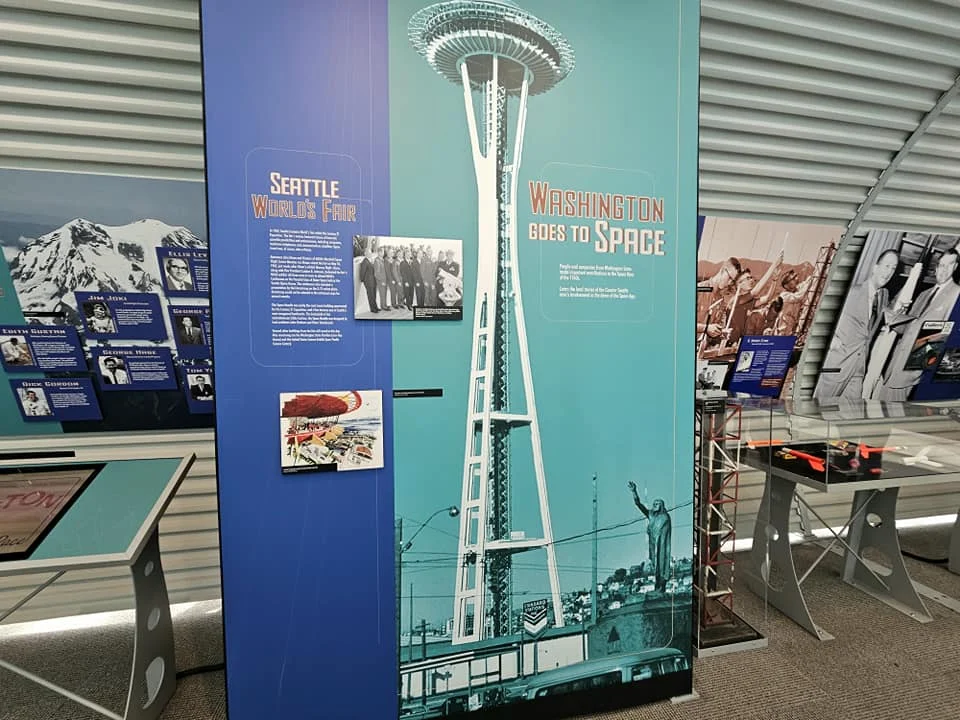
The 1962 World’s Fair, officially the Century 21 Exposition, showcased Seattle’s futuristic vision. The Space Needle, a 605-foot icon, became a symbol of the city’s ambition, while the Monorail and other fair innovations highlighted its blend of technology and optimism. The fair drew nearly 10 million visitors, putting Seattle on the global stage and reinforcing its identity as a forward-thinking city.
Cultural and Technological Renaissance
In the late 20th century, Seattle became a cultural and technological powerhouse. The 1980s and 1990s saw the rise of the grunge movement, with bands like Nirvana, Pearl Jam, and Soundgarden emerging from Seattle’s music scene. Grunge reflected the city’s independent spirit, blending raw creativity with a rejection of mainstream norms. Venues like the Crocodile Café became legendary for hosting these bands, shaping Seattle’s cultural identity.
Concurrently, the tech industry transformed the city. Microsoft, founded by Bill Gates and Paul Allen in 1975, established Seattle as a tech hub, attracting talent and investment. Amazon, founded by Jeff Bezos in 1994, further solidified this status, growing from an online bookstore to a global giant. The tech boom reshaped Seattle’s skyline, with modern skyscrapers joining the Space Needle, and brought challenges like rising costs and gentrification, sparking debates about growth and equity.
Modern Seattle: A City of Contrasts
Today, Seattle is a vibrant metropolis balancing urban sophistication with natural beauty. Neighborhoods like Pioneer Square, with its historic brick buildings, and Capitol Hill, with its eclectic energy, reflect the city’s diversity. The revitalized waterfront offers stunning views of Puget Sound and the Olympic Mountains, while cultural institutions like the Museum of Pop Culture, designed by Frank Gehry, and Chihuly Garden and Glass, showcasing Dale Chihuly’s vibrant sculptures, highlight Seattle’s artistic legacy. The city’s history is a testament to its resilience, from Indigenous roots to global tech leadership, all while staying connected to the Pacific Northwest’s natural splendor.
Our Seattle Adventure: The Pacific Northwest Waterfalls Tour
Morning at Pike Place Market: Seattle’s Vibrant Heart
Our day began in the bustling heart of Seattle at Pike Place Market, a sensory explosion of sights, sounds, and aromas. We settled into a cozy café, savoring locally roasted coffee—its rich, earthy notes a perfect wake-up call—and fresh pastries still warm from the oven. Outside, the market was coming alive: fishmongers tossed salmon with theatrical flair, flower vendors arranged vibrant bouquets, and street musicians filled the air with melody. The energy was infectious, a vibrant introduction to Seattle’s soul and the perfect start to our Pacific Northwest Waterfalls Tour.
Pike Place Market is where Seattle’s spirit dances, a whirlwind of fish-throwing vendors and blooming colors that ignite the day.
We met our guide, a warm and knowledgeable local with a deep love for the Pacific Northwest, and boarded a comfortable tour van. The anticipation of exploring waterfalls, forests, and historic towns filled us with excitement. This day trip, a prelude to our upcoming journey on Holland America Line’s Westerdam, promised to unveil the region’s natural and cultural treasures.
The Scenic Drive: From City to Wilderness
Leaving Seattle, we traveled east on Interstate 90, watching the city’s skyline—punctuated by the Space Needle—fade into the distance. The urban landscape gave way to rolling hills, dense forests, and glimpses of Mount Rainier’s snow-capped peak, a majestic sentinel in the distance. The air grew cooler, carrying the scent of pine and damp earth, a stark contrast to the city’s bustle. Our guide shared stories of Seattle’s logging roots and its role as a gateway to the Pacific Northwest, weaving a narrative that connected the city to the wilderness ahead.
The 30-minute drive to Twin Falls was a visual feast, with emerald-green forests and cascading streams visible from the road. This transition from urban energy to natural serenity was a hallmark of the Pacific Northwest, where city and wilderness coexist in harmony. We felt a sense of anticipation, knowing we were about to step into the region’s wild heart.

Twin Falls: A Hike Through Enchanted Forests
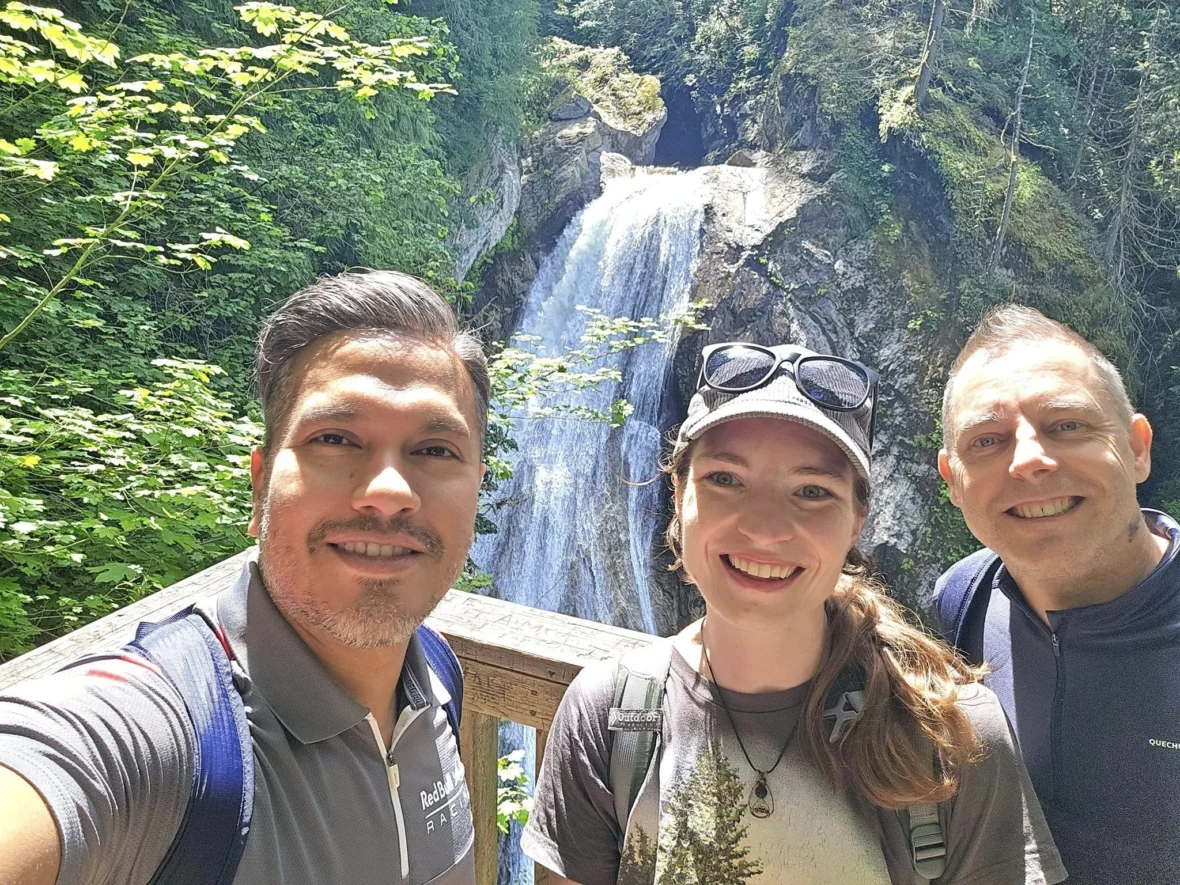
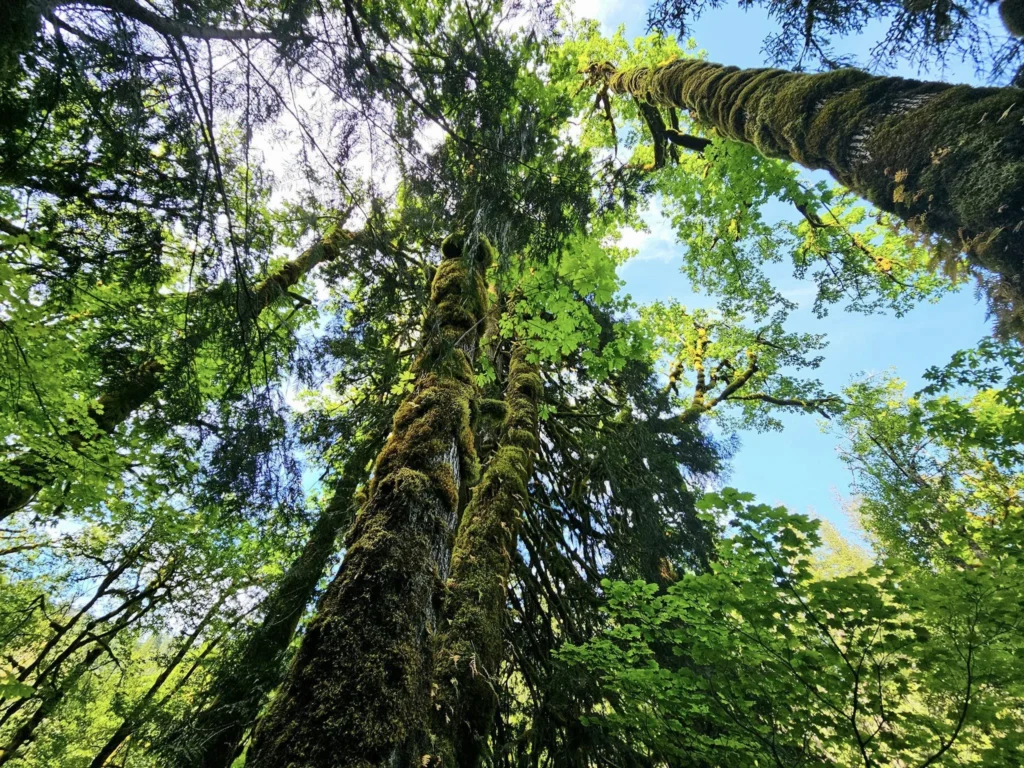
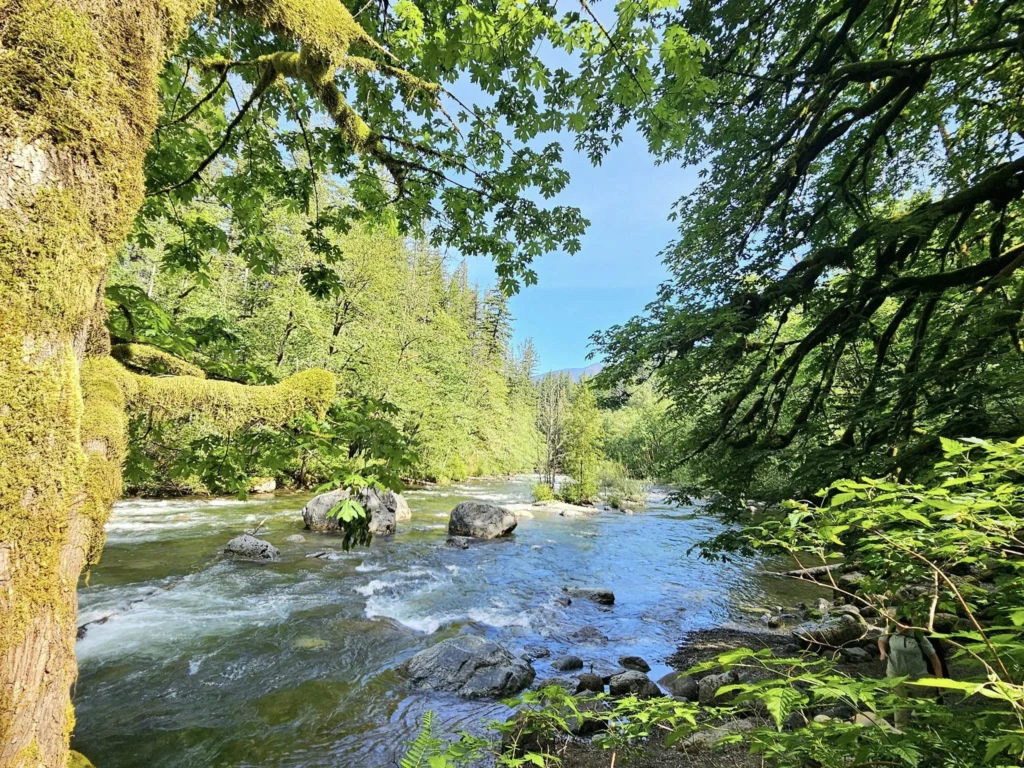
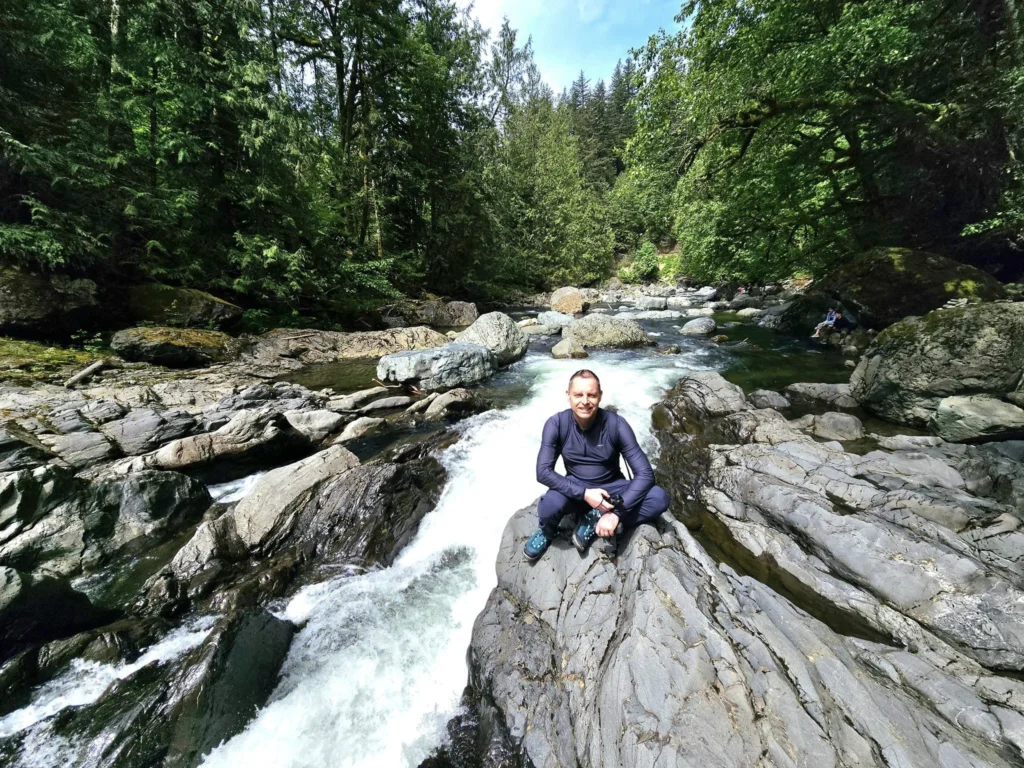
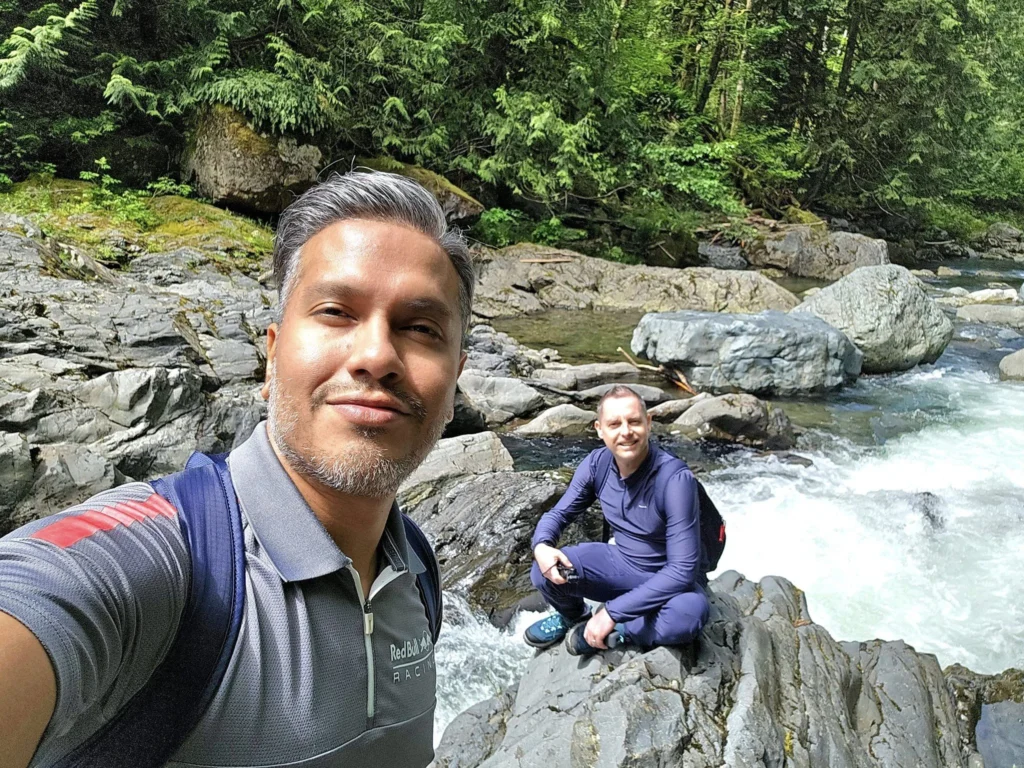
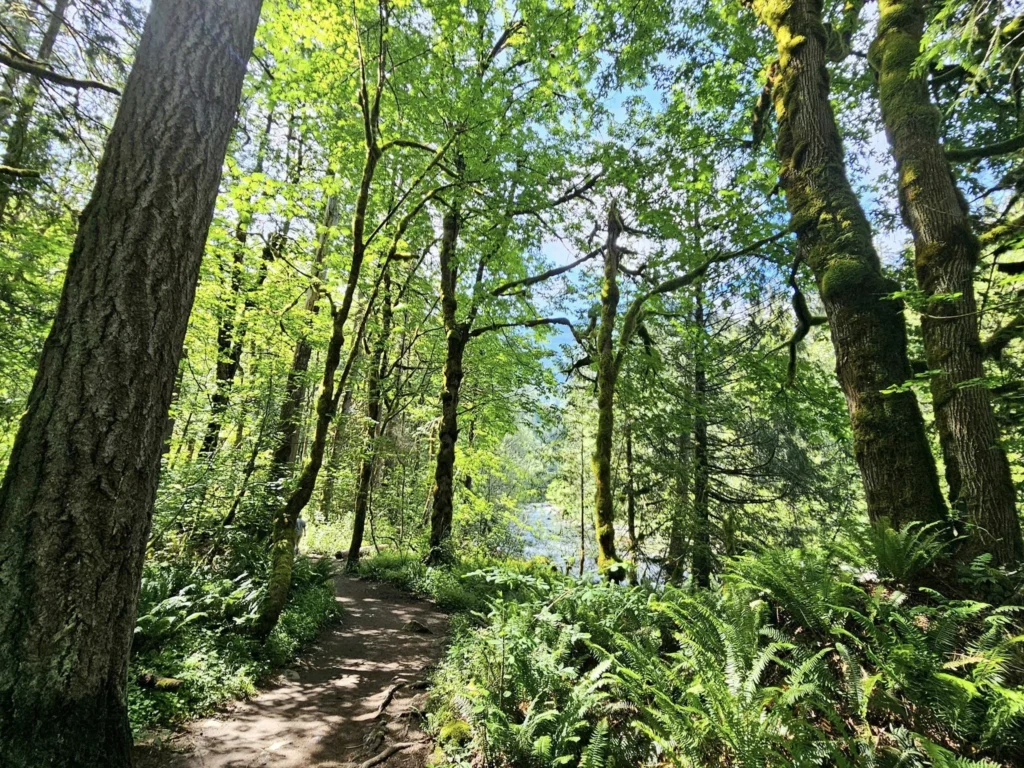
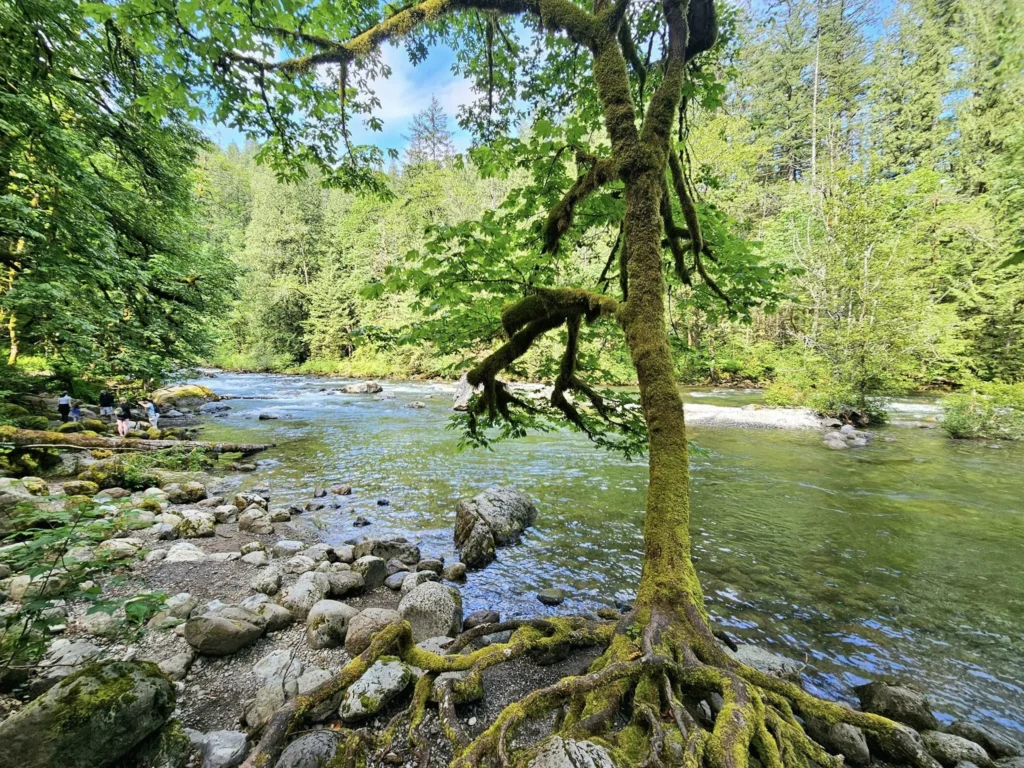
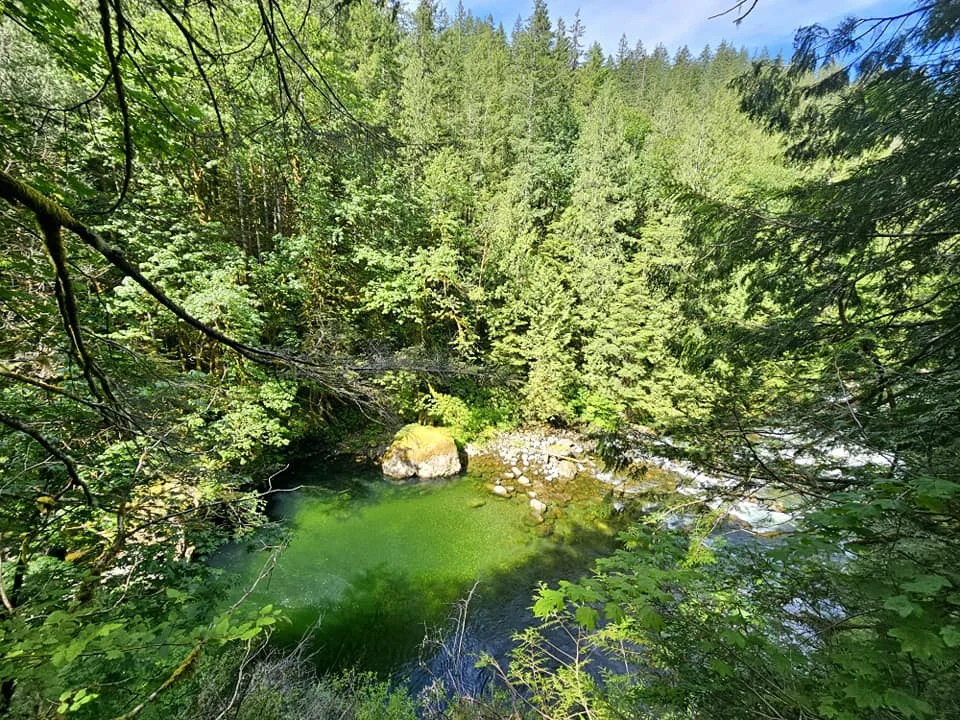
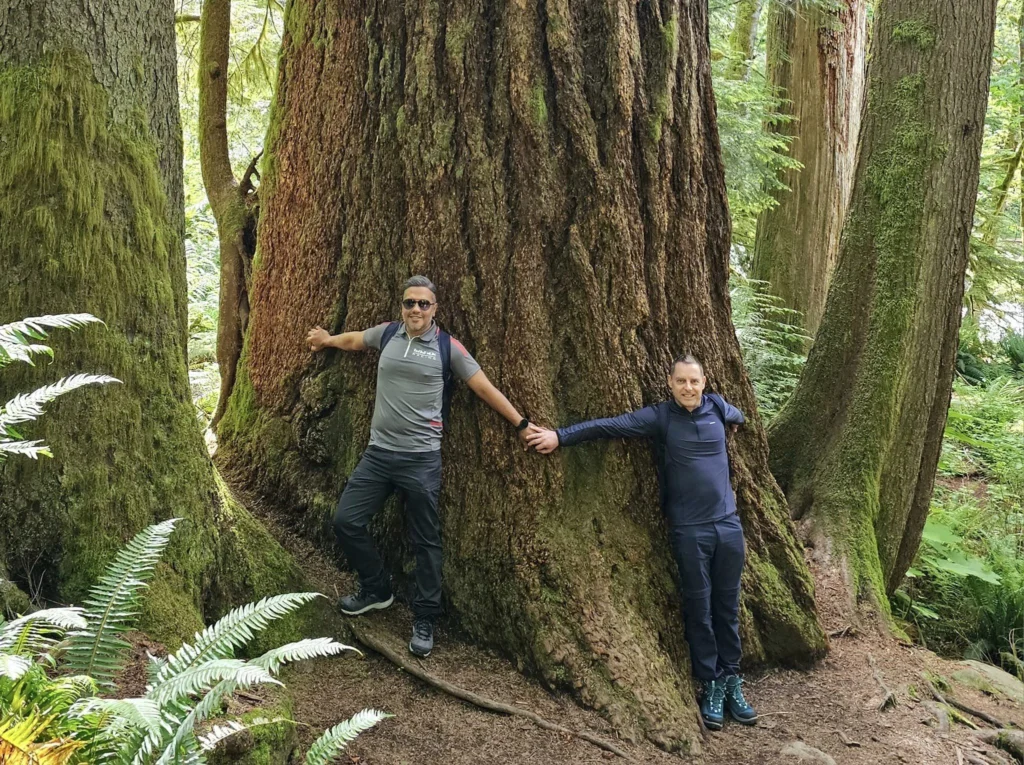
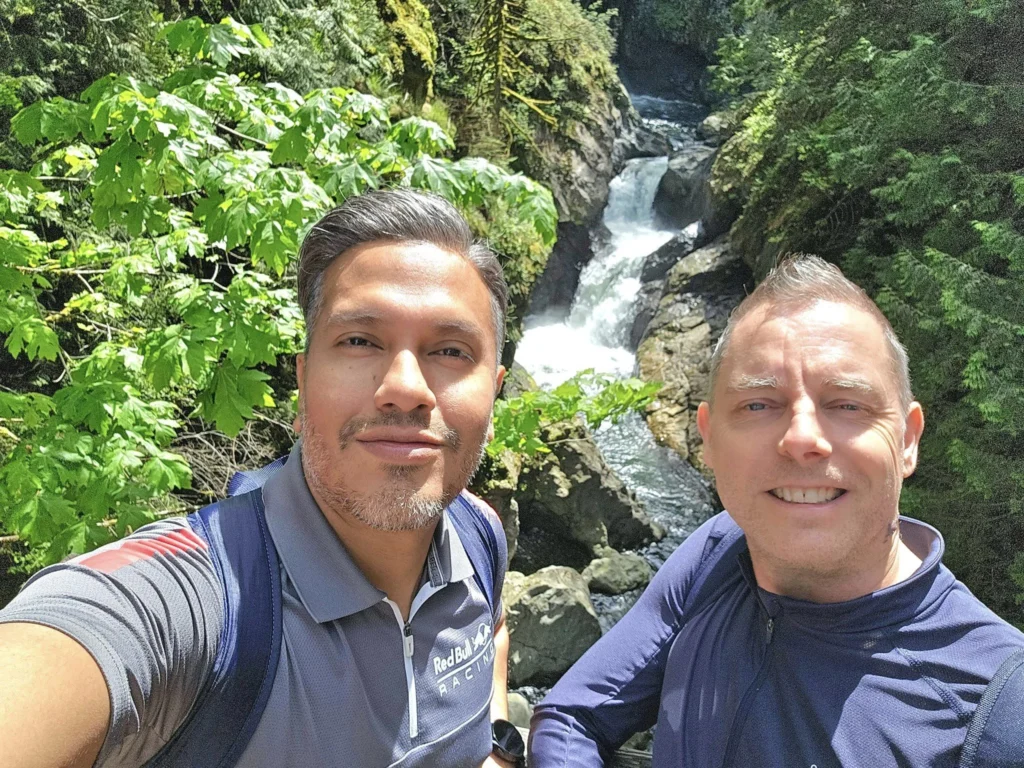
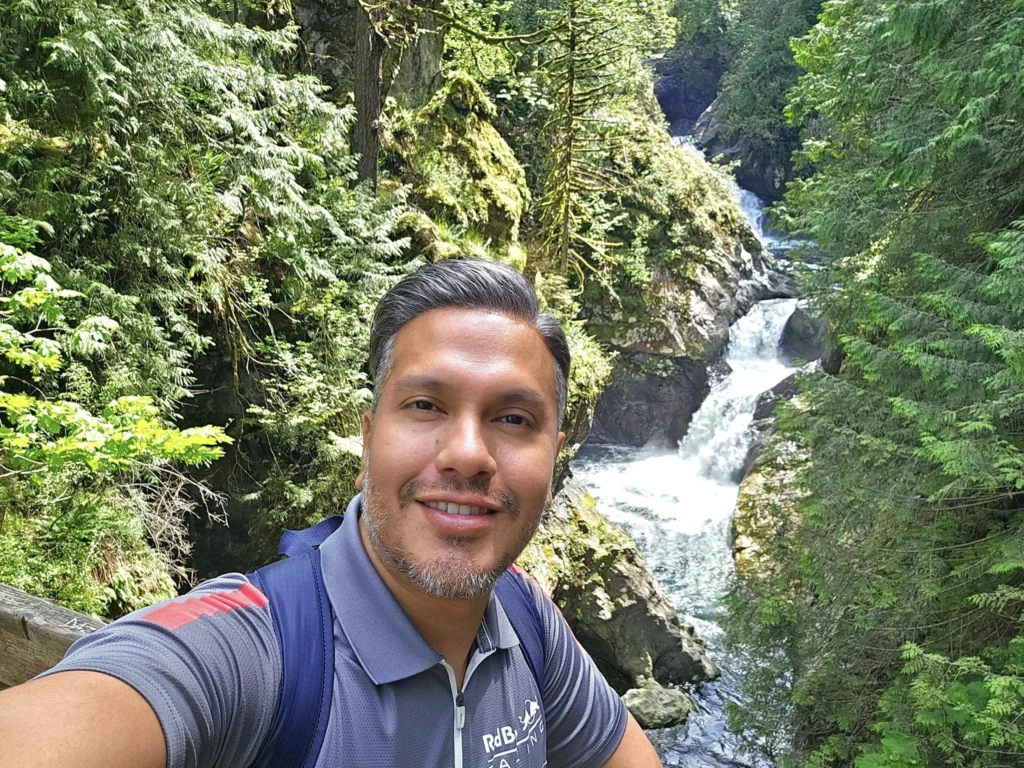
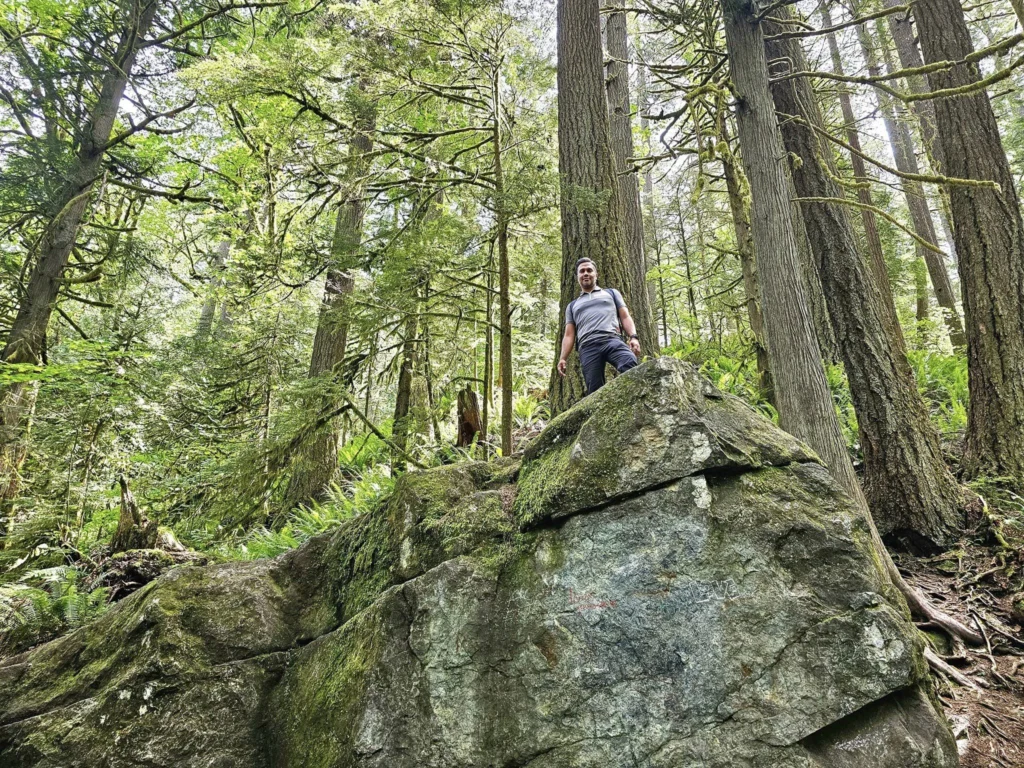
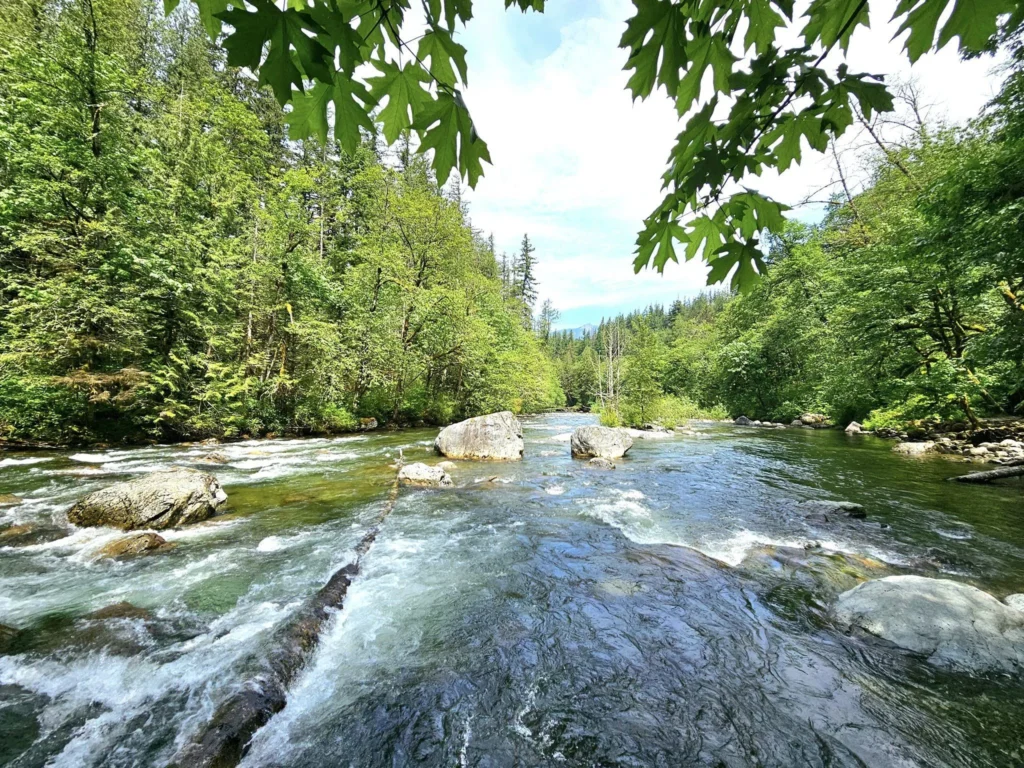
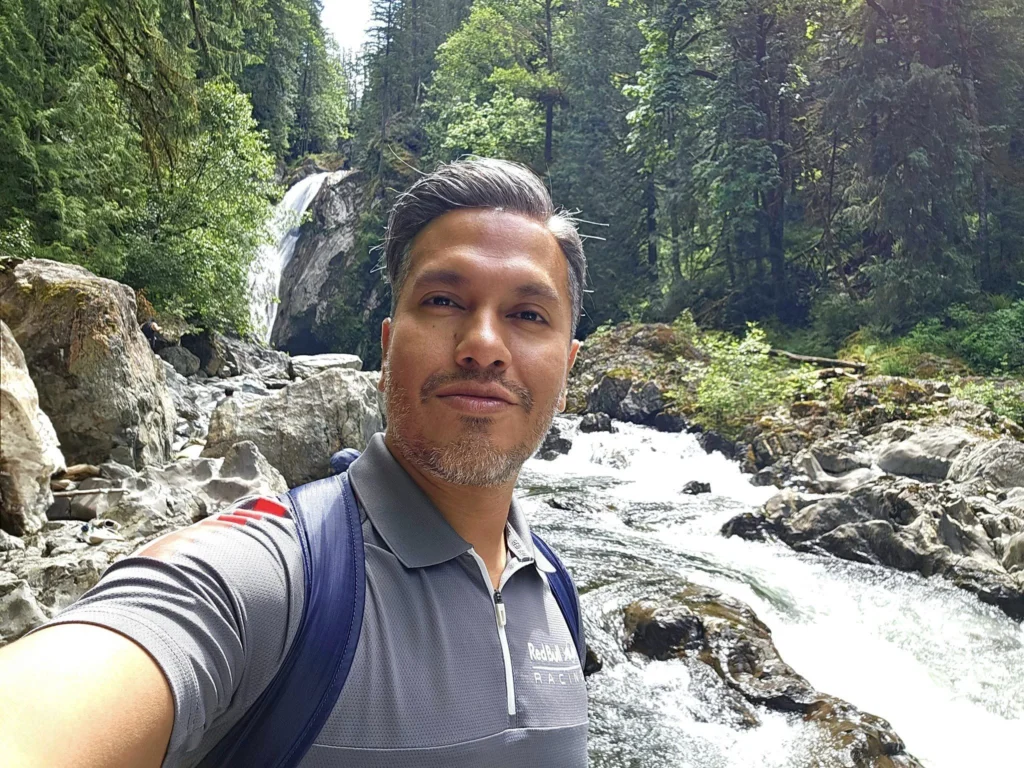
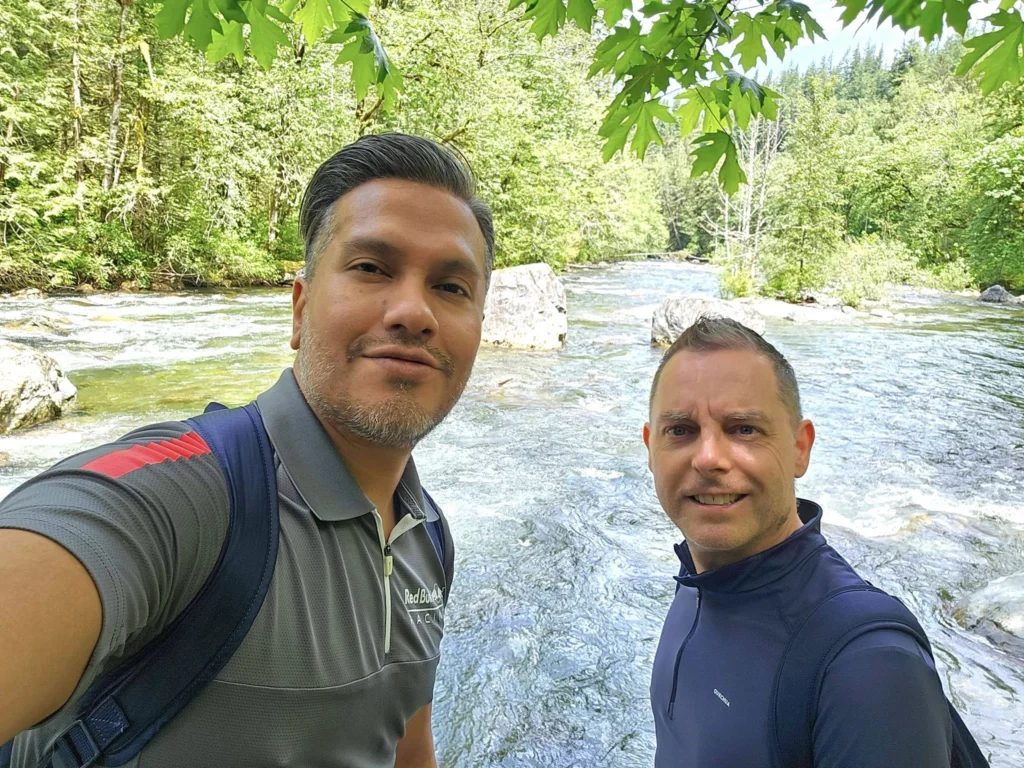
Our first stop was Twin Falls in Olallie State Park, a gem just 30 minutes from Seattle and a highlight of any day trip. The trailhead marked the start of a 2-hour hike, moderately challenging yet accessible to most. The path wound through old-growth forests, where towering Douglas firs and cedars formed a canopy that filtered sunlight into soft, dappled patterns. Wooden bridges crossed babbling brooks, their gentle gurgle a soothing soundtrack. Moss-covered boulders, glistening with dew, added a fairy-tale charm, as if the forest held secrets waiting to be discovered.
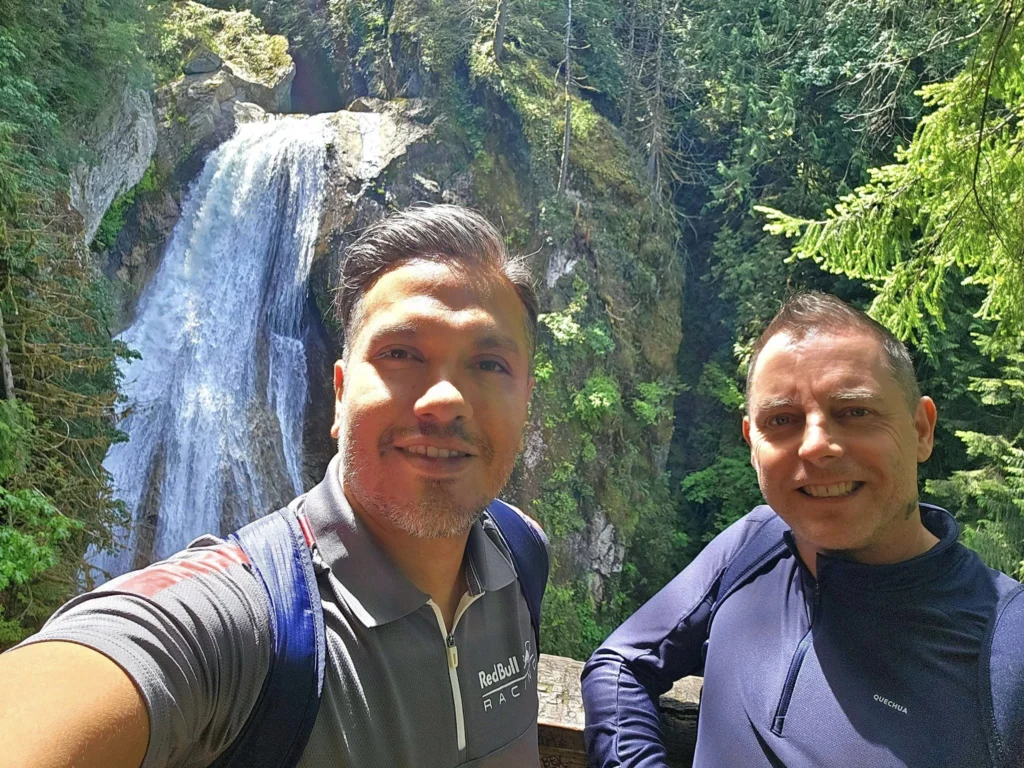
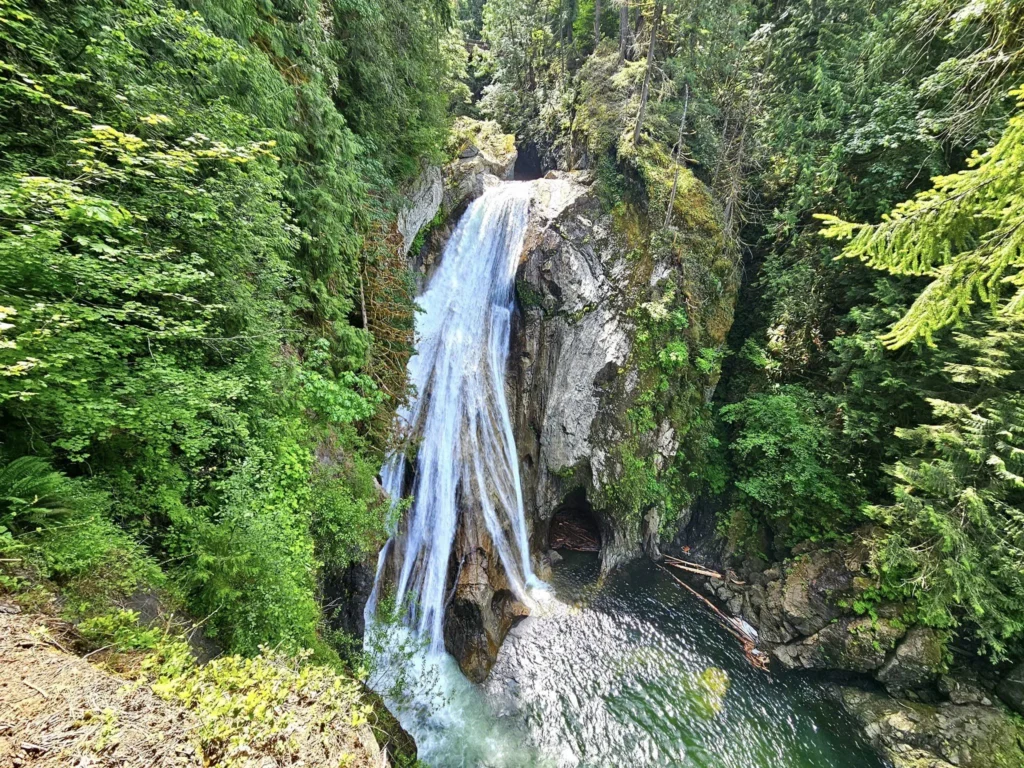
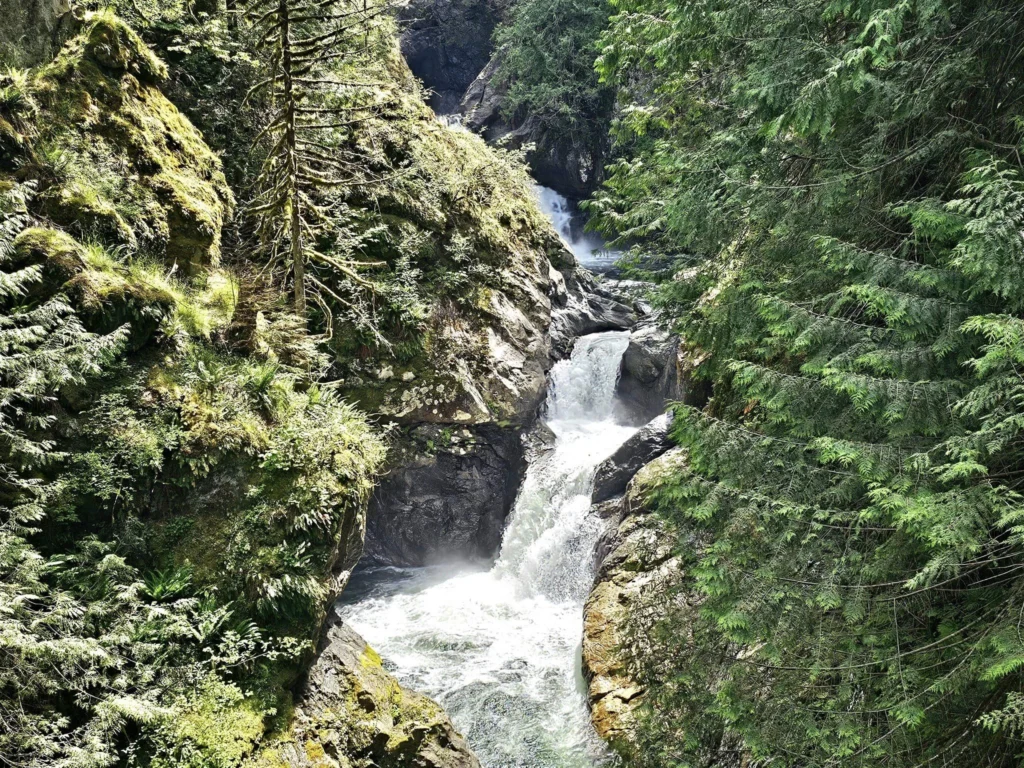
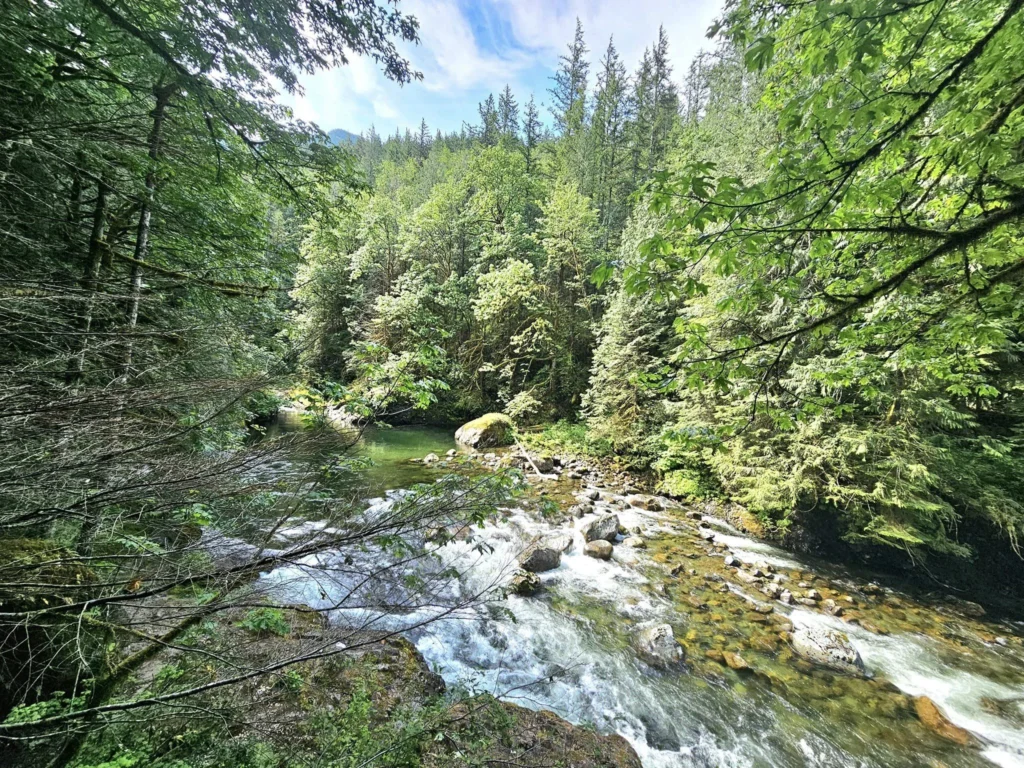
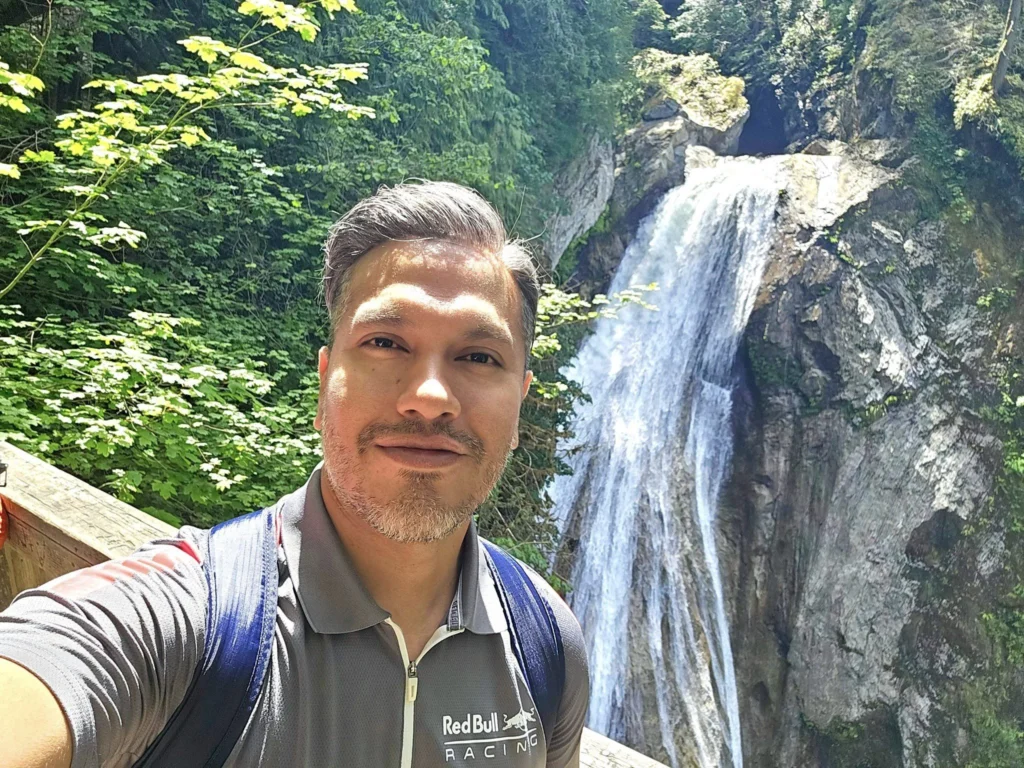
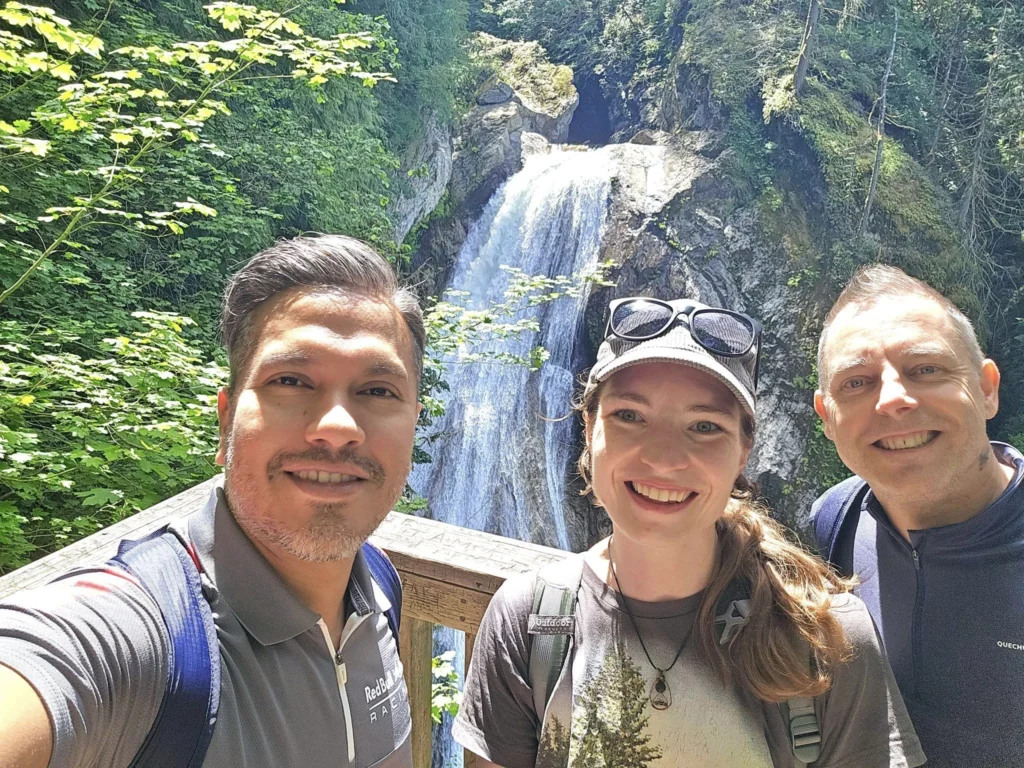
As we hiked, the sound of rushing water grew louder, building anticipation. When we reached Twin Falls, the sight was breathtaking: water cascaded over rocky cliffs, surrounded by lush greenery shimmering in the mist. The Upper Falls, a short walk upstream, offered another stunning view, with water plunging into a serene pool below. We paused to take photos, breathe in the crisp air, and absorb the tranquility. The forest felt alive, its ancient trees standing as silent witnesses to centuries of change.
Twin Falls whispered secrets of the forest, its cascading waters a reminder of nature’s timeless beauty.
We lingered, reluctant to leave the serene beauty behind. The hike back was equally enchanting, with sunlight filtering through the canopy and the forest’s earthy aroma enveloping us. This experience set the tone for the day, grounding us in the Pacific Northwest’s natural splendor.
North Bend: A Nostalgic Pop Culture Stop
Next, we arrived in North Bend, a charming town immortalized as the filming location for Twin Peaks. The iconic diner, instantly recognizable from the cult TV series, was a highlight. We posed for photos outside, feeling a nostalgic connection to the quirky world of David Lynch. North Bend’s main street, lined with quaint shops and cozy cafes, exuded small-town warmth. We stopped for a quick coffee, savoring the rich brew and the relaxed vibe. The surrounding views—rolling hills and dense forests—added to the town’s appeal, making it a delightful pause on our tour.
The drive from North Bend to Snoqualmie was a scenic highlight, with the Cascade Mountains looming in the distance and picturesque valleys unfolding along the way. Our guide pointed out landmarks, including spots tied to Twin Peaks, adding a layer of pop culture intrigue to the journey. The road itself felt like a journey through a painting, with every turn revealing new beauty.
Snoqualmie: A Window into Logging History
Snoqualmie, a historic logging town nestled in the Snoqualmie Valley, transported us back in time. The Northwest Railway Museum, with its vintage locomotives and grand depot, offered a fascinating glimpse into the town’s past. We explored exhibits on the railroads that once carried timber across the region, marveling at the massive steam engines and their intricate mechanics. The historic district, with its old-fashioned street lamps and charming storefronts, felt like a step into a bygone era.
Lunch at a local café was a highlight, with hearty sandwiches, fresh salads, and locally brewed beer that perfectly complemented the day’s adventures. The friendly locals shared stories of Snoqualmie’s history, adding warmth to the experience. As we strolled through the town, the scent of pine and the distant sound of the Snoqualmie River created a sense of timelessness, blending history with the present.
Snoqualmie’s historic charm is a living story, where rails and timber weave a tapestry of the past.
Snoqualmie Falls: The Heart of the Pacific Northwest
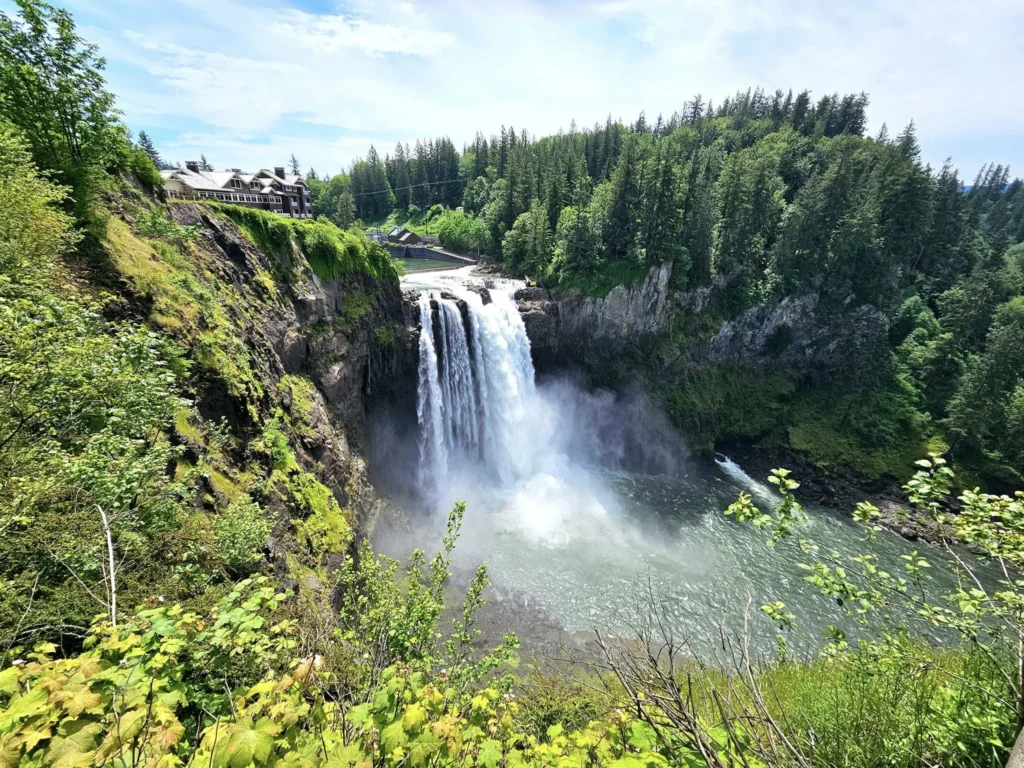
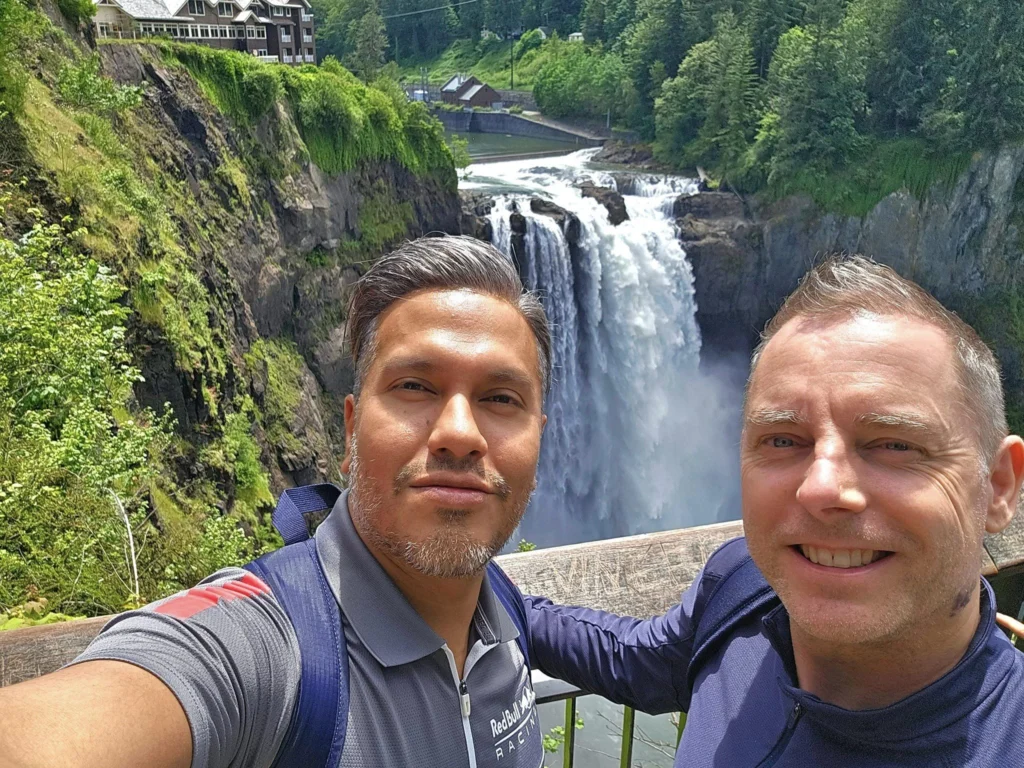
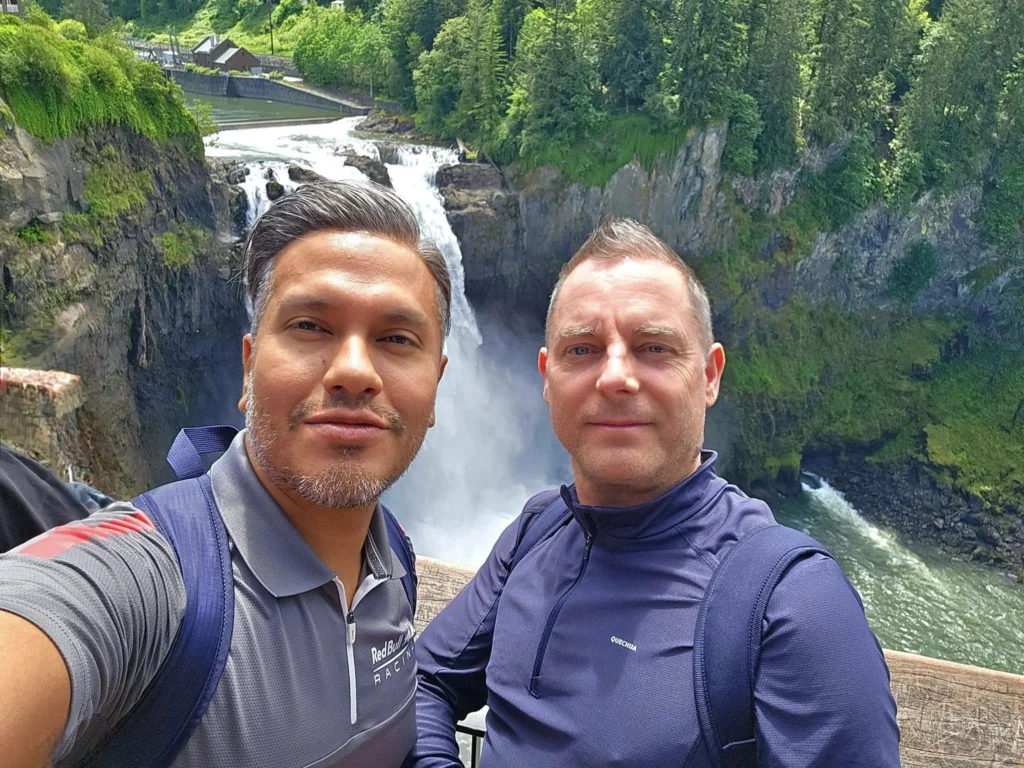
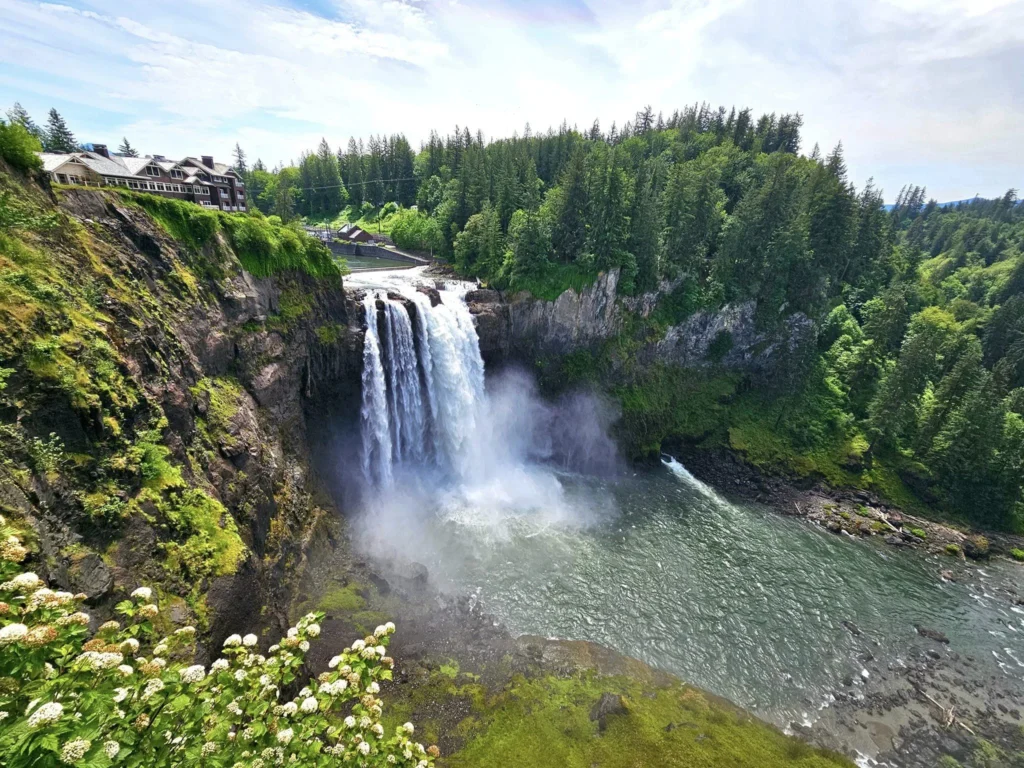
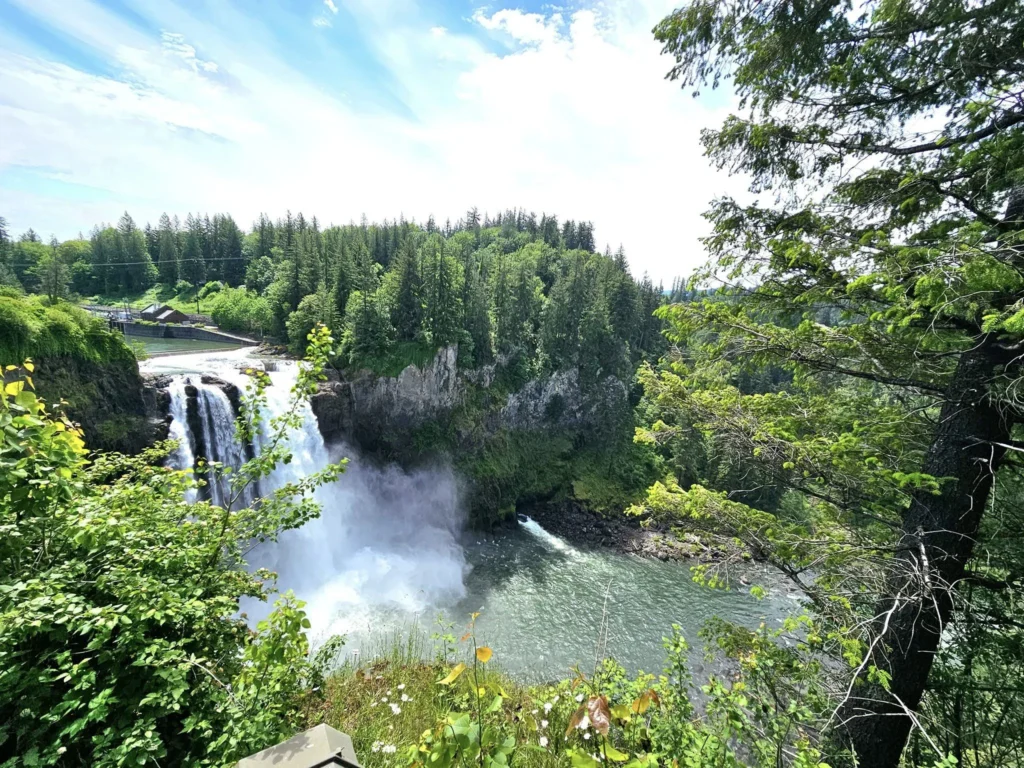
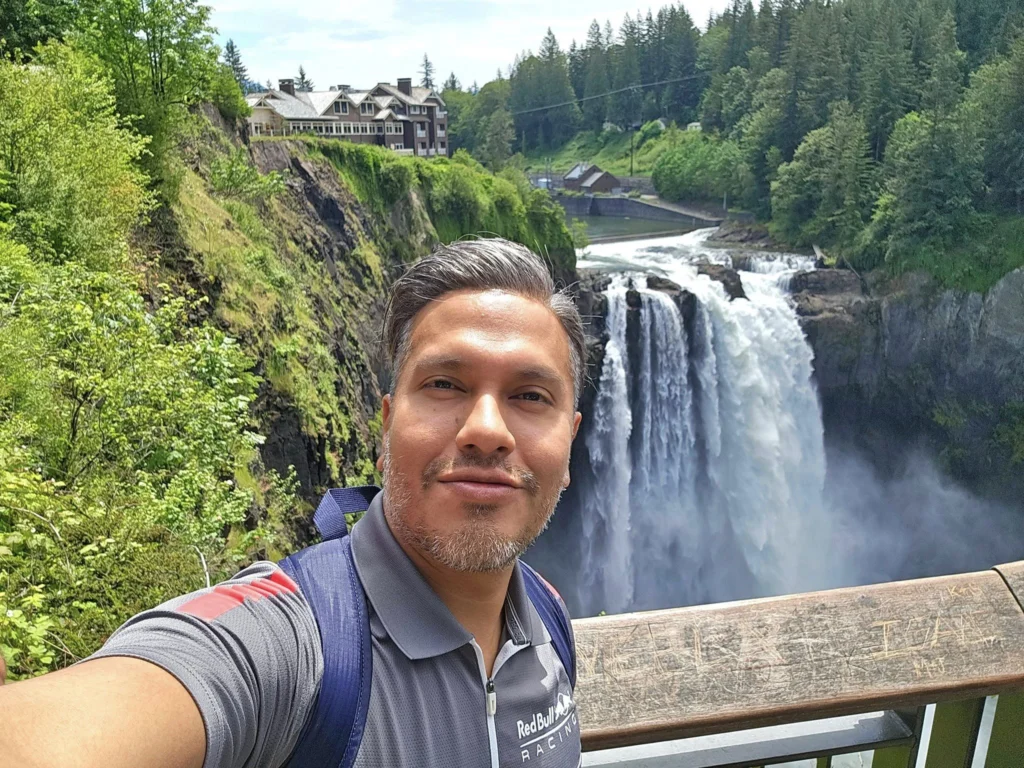
The crown jewel of our tour was Snoqualmie Falls, a 270-foot cascade that ranks among Washington State’s most iconic landmarks. As we approached, the roar of the water was exhilarating, a powerful prelude to the spectacle ahead. The viewing platforms offered multiple perspectives, each showcasing the falls’ raw beauty. From the upper viewpoint, we saw the full height of the falls, water plunging into a misty pool below, creating rainbows in the sunlight. The lower platform brought us closer, where the spray cooled our faces and the sound drowned out all else.
The falls hold deep cultural significance for the Snoqualmie Tribe, who regard them as a sacred site tied to their creation stories. Our guide shared the legend of the falls’ formation, believed to be a gift from the Creator, adding depth to our visit. We explored nearby trails, which offered additional views of the falls and the lush Snoqualmie River Valley. The experience was both humbling and exhilarating, a reminder of nature’s enduring power and cultural resonance.
Snoqualmie Falls is a sacred symphony, where water, stone, and history converge in a breathtaking dance.
We spent extra time here, captivated by the falls’ majesty. The surrounding forest, with its towering trees and mossy rocks, felt like a sanctuary, inviting quiet reflection. Leaving the falls, we carried a sense of awe that would linger throughout the day.

Borst Lake: A Tranquil Oasis
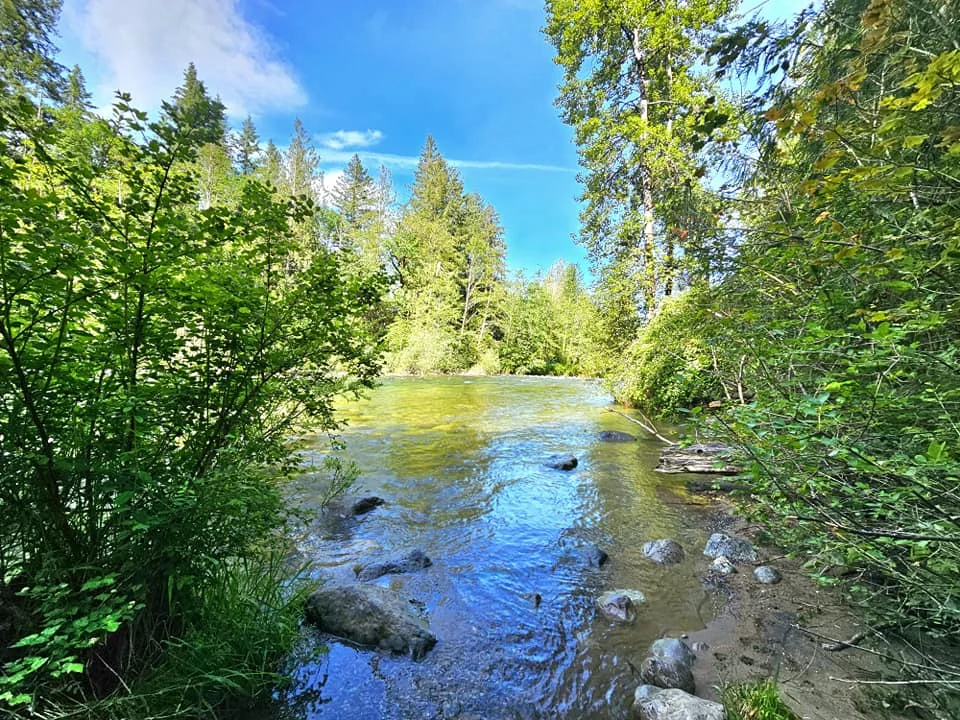
After the dramatic energy of Snoqualmie Falls, Borst Lake offered a serene retreat. Just a short drive from Snoqualmie, the lake is a hidden gem known for its mirror-like reflections of Mount Si. When we arrived, the snow-capped peak, framed by evergreen forests, was perfectly mirrored in the calm waters, creating a postcard-worthy scene. We walked along the lake’s edge, spotting herons gliding across the surface and listening to the gentle rustle of leaves.
Borst Lake is ideal for outdoor activities like kayaking, fishing, or picnicking, but we chose to simply relax. The tranquility was a perfect counterpoint to the day’s more exhilarating moments, allowing us to pause and reflect. The reflection of Mount Si, its jagged silhouette softened by the lake’s stillness, felt like a gift from the Pacific Northwest, a moment of pure calm.
Borst Lake is a mirror of serenity, reflecting the quiet majesty of the mountains and the soul of the Northwest.
The Museum of Flight: A Soaring Conclusion
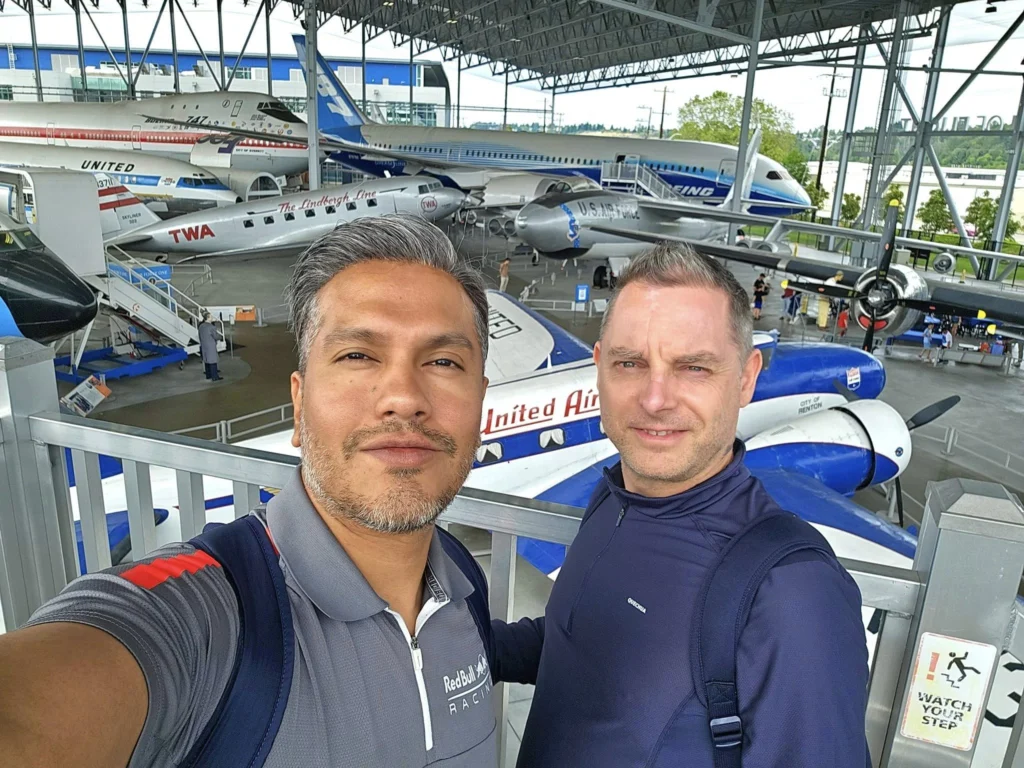
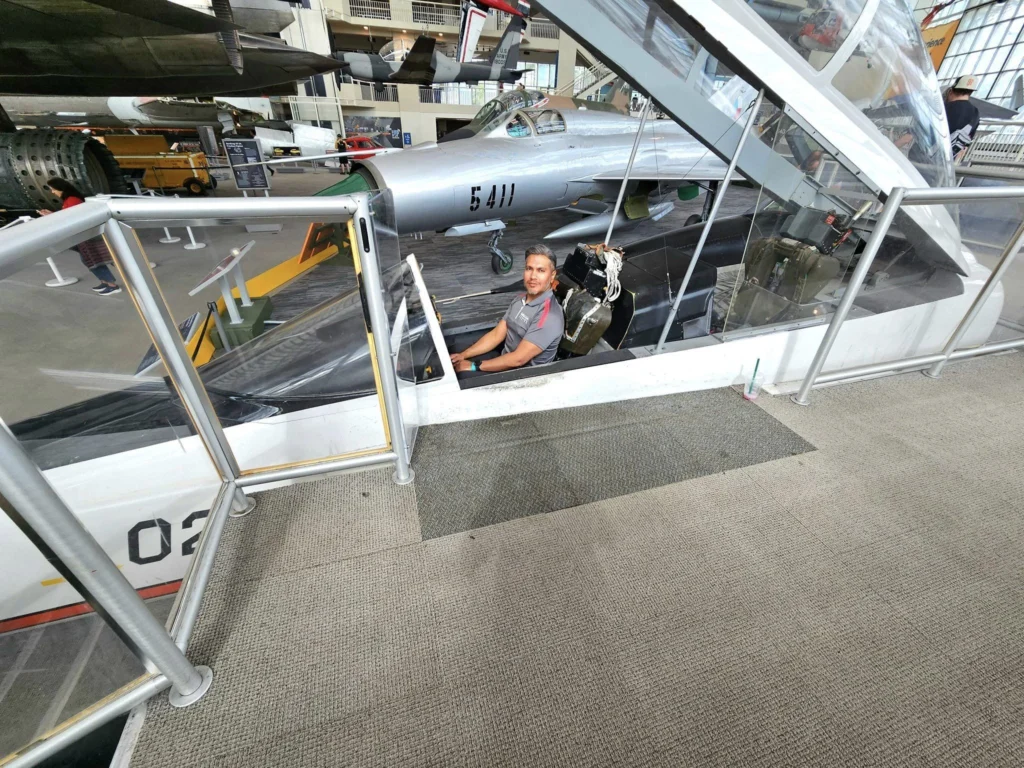
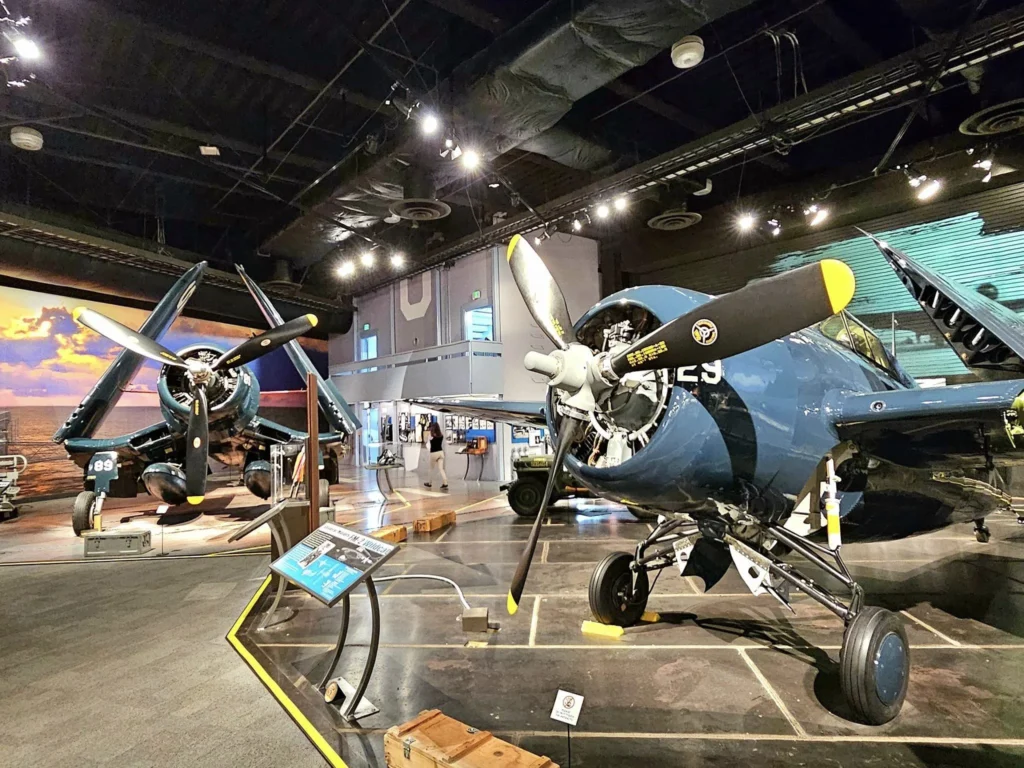
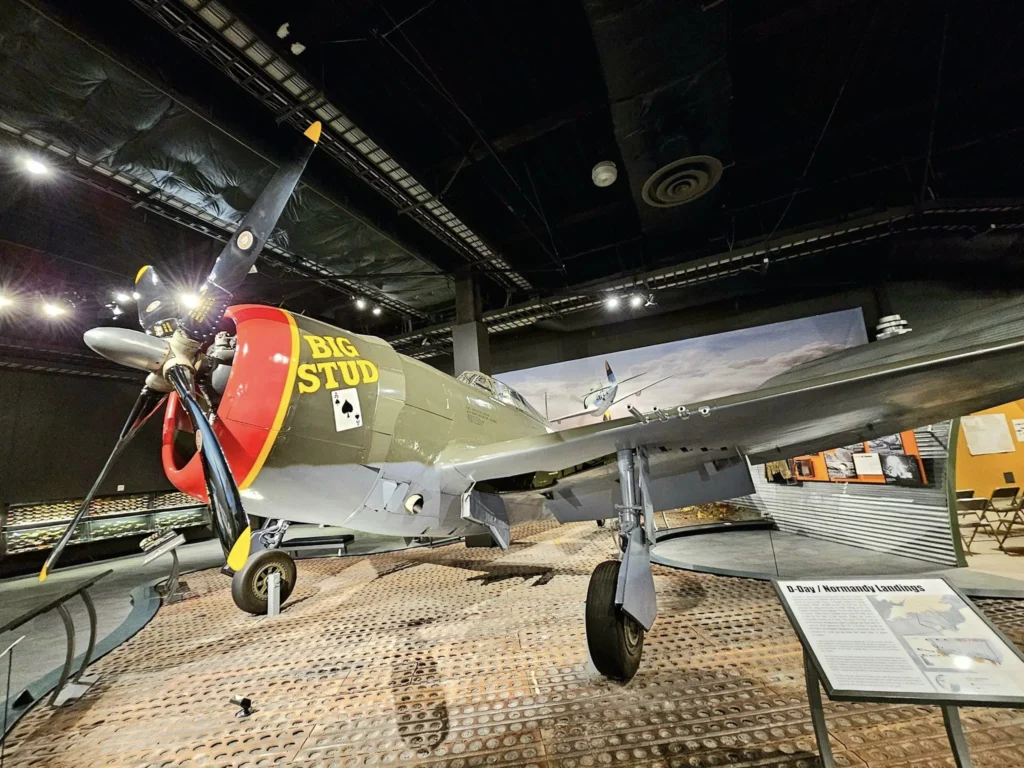
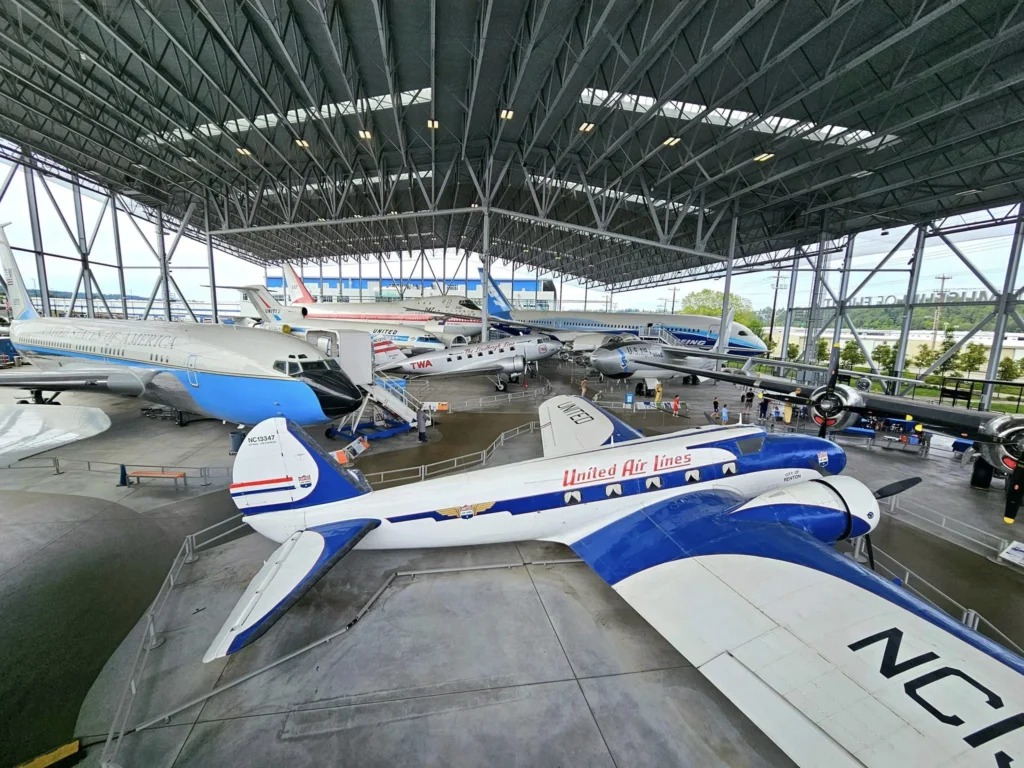
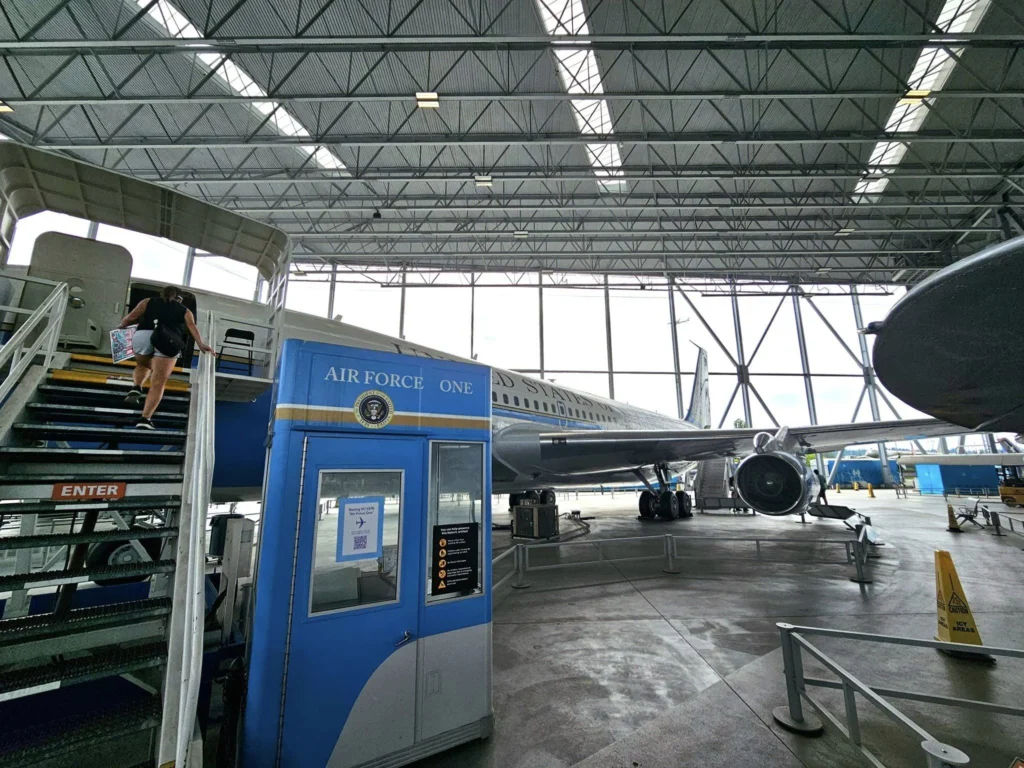
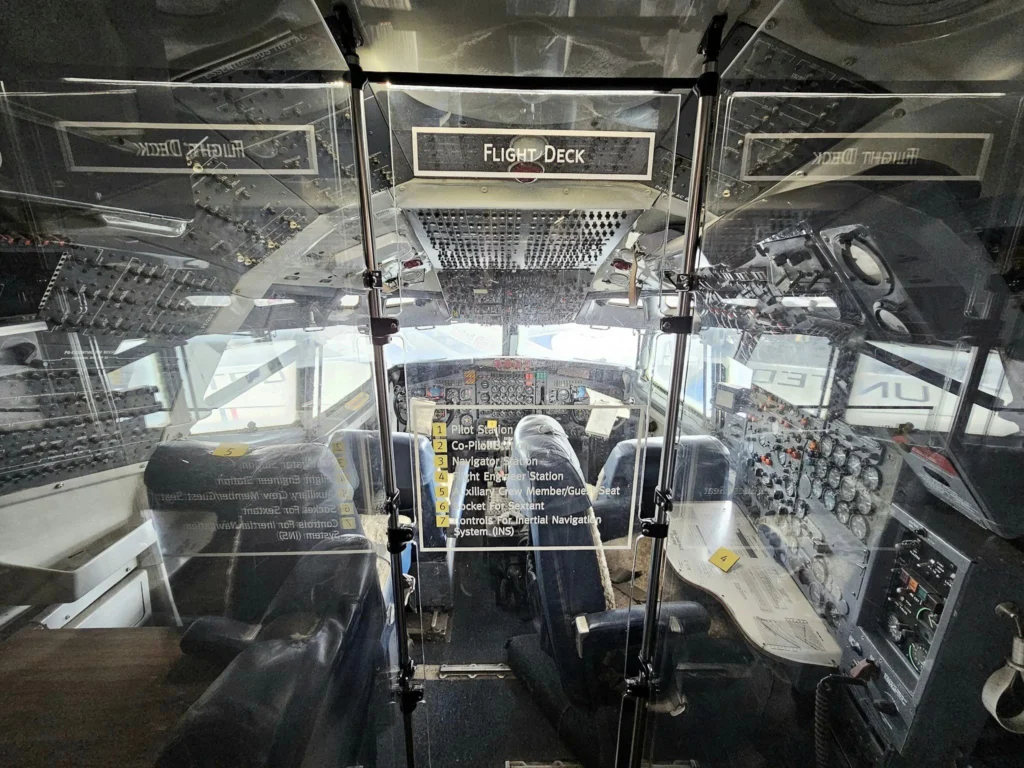
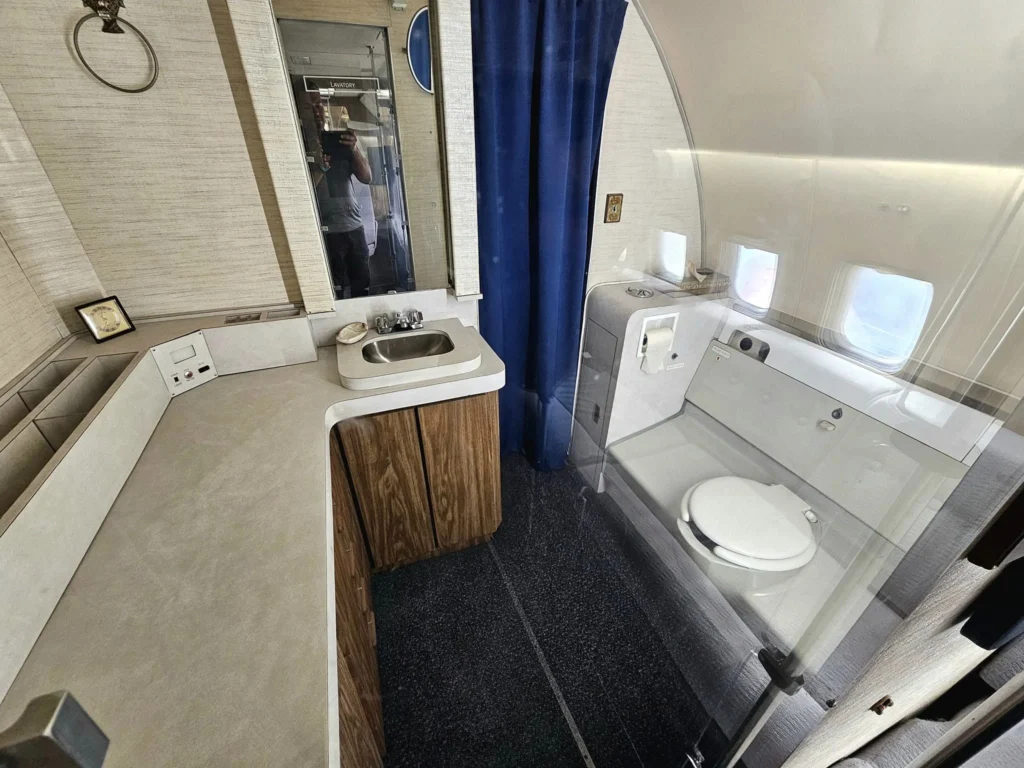
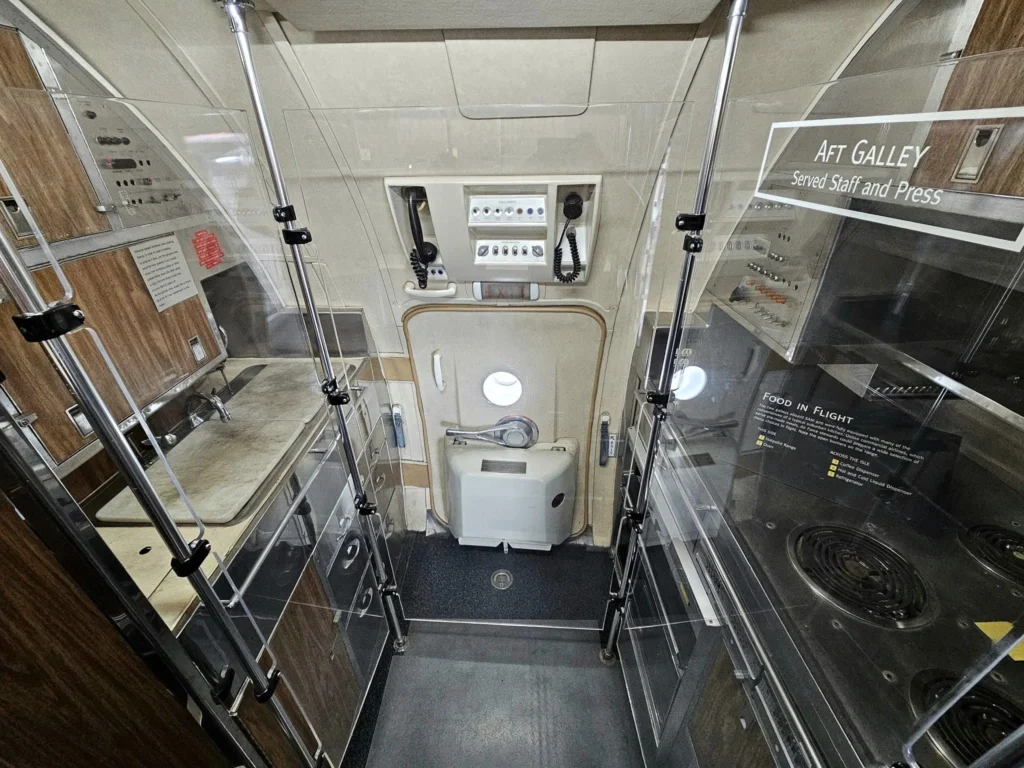
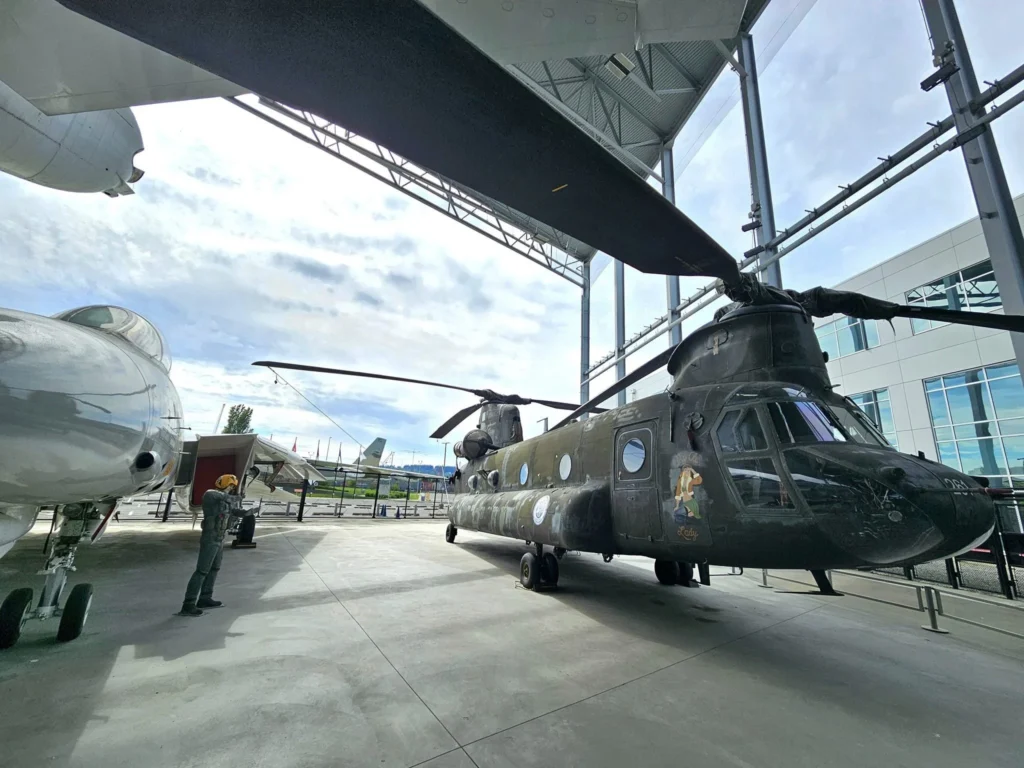
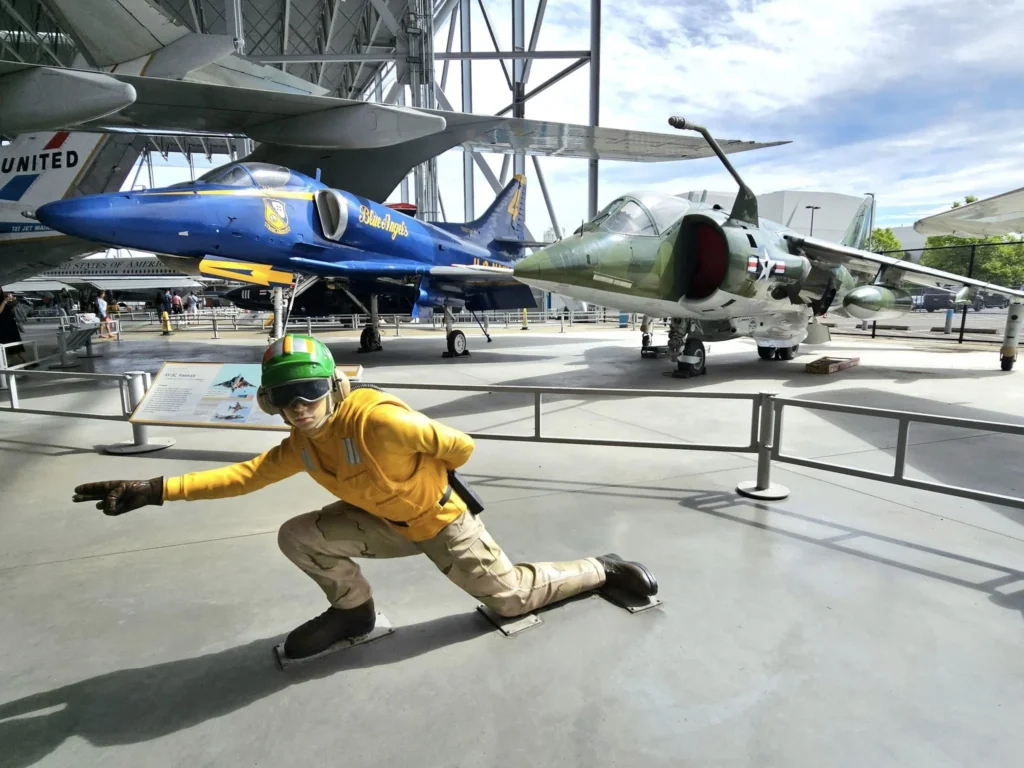
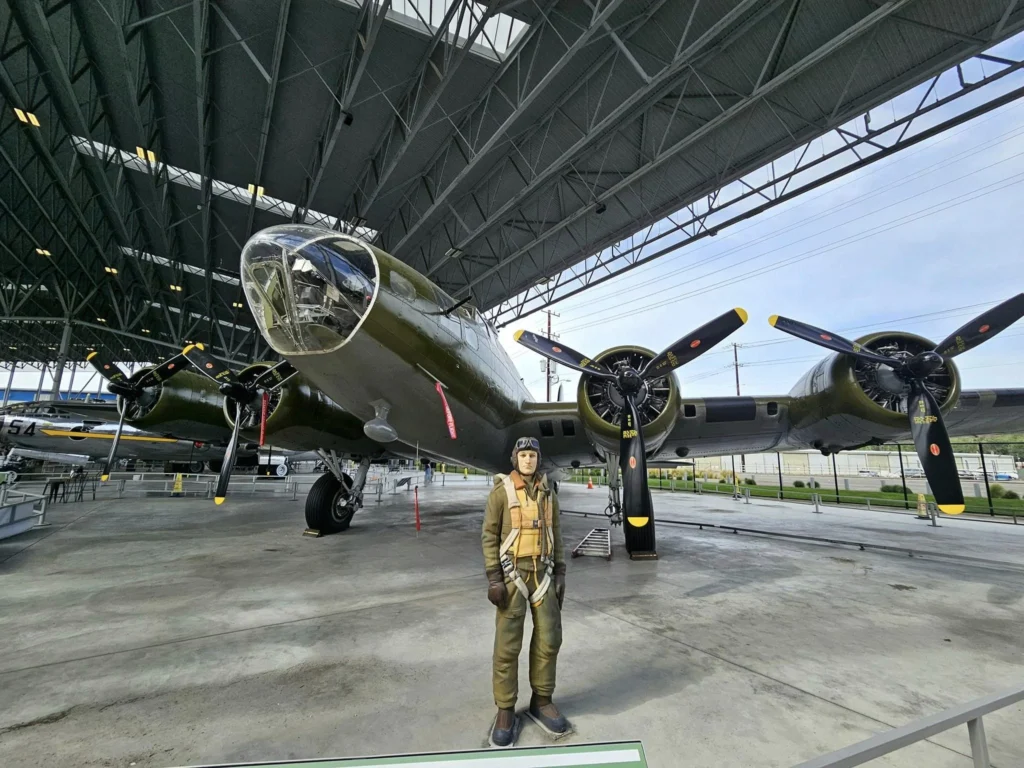
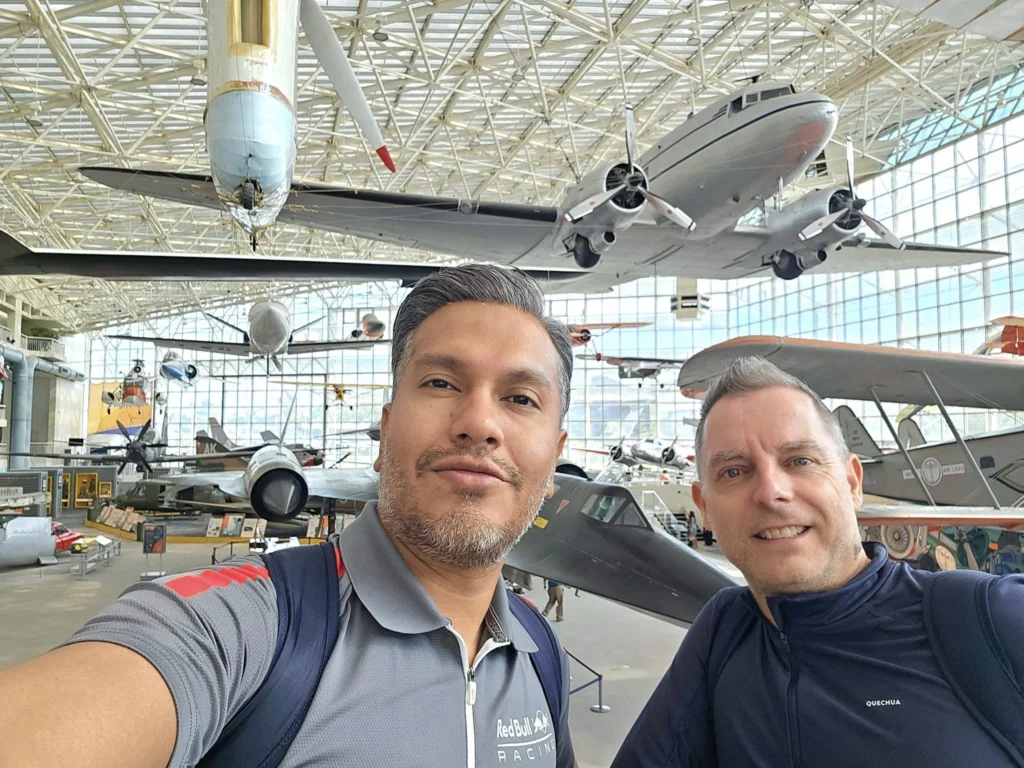
Returning to Seattle, we concluded our tour at the Museum of Flight, located near Boeing Field. This world-class museum, one of the largest aviation museums globally, offered a fascinating contrast to the natural wonders we’d explored. Its collection spans the history of flight, from the Wright brothers’ early designs to modern space exploration. We marveled at the first jet Air Force One, its polished exterior gleaming under the museum’s lights, and the sleek Concorde, a marvel of engineering. The Space Shuttle Trainer, used to train astronauts, was a highlight, offering a glimpse into the challenges of space travel.
Interactive flight simulators brought out our inner pilots, letting us experience the thrill of flying. The Space Gallery, with its full-scale replica of the International Space Station, underscored humanity’s reach for the stars. The museum’s exhibits were engaging for all ages, blending history with hands-on fun. It was a fitting end to our day, celebrating the ingenuity that has shaped Seattle’s identity alongside the natural beauty we’d witnessed.
The Museum of Flight is a soaring tribute to human ambition, where dreams of the sky meet the reality of innovation.


Reflecting on a Day of Wonder
As we returned to our hotel in Seattle, we reflected on our Pacific Northwest Waterfalls Tour. The day had been a rich tapestry of experiences, weaving together the serene beauty of Twin Falls and Snoqualmie Falls, the historic charm of North Bend and Snoqualmie, the tranquility of Borst Lake, and the awe-inspiring exhibits of the Museum of Flight. Seattle had proven itself a vibrant gateway, offering a seamless blend of urban energy and access to the Pacific Northwest’s natural and cultural treasures.
Each stop had left its mark: the misty allure of Twin Falls, the nostalgic charm of North Bend’s diner, the historic echoes of Snoqualmie’s railways, the sacred power of Snoqualmie Falls, the serene reflection of Borst Lake, and the soaring ambition of the Museum of Flight. Together, they painted a picture of a region where nature and human ingenuity coexist in harmony. This day was a perfect prelude to our upcoming adventure aboard Holland America Line’s Westerdam, grounding us in the spirit of exploration that would carry us to Alaska’s icy wilderness.
Our day in Seattle was a journey through time and nature, a prelude to adventure that left our hearts full and our spirits soaring.
Planning Your Own Pacific Northwest Waterfalls Tour
Inspired to explore the Pacific Northwest? Here are practical tips for planning your own Pacific Northwest Waterfalls Tour:
- Base Yourself in Seattle: Seattle offers a range of accommodations, from boutique hotels to budget-friendly options, plus dining and attractions like Pike Place Market and the Space Needle. It’s the perfect starting point.
- Prioritize Waterfalls: Twin Falls and Snoqualmie Falls are must-visits for their accessibility and beauty. Consider adding Wallace Falls or Bridal Veil Falls for a more extensive itinerary.
- Explore Historic Towns: North Bend and Snoqualmie offer rich history and charm. Visit the Northwest Railway Museum or snap a photo at North Bend’s Twin Peaks diner.
- Include the Museum of Flight: Aviation enthusiasts should allocate 2–3 hours to explore its extensive exhibits, from historic aircraft to space artifacts.
- Pack Smart: Bring comfortable hiking shoes, a rain jacket (the Pacific Northwest is known for drizzle), and a camera to capture the stunning scenery.
- Take Your Time: The region rewards slow exploration. Allow ample time to savor the landscapes, history, and tranquility.
Looking Ahead: The Westerdam Awaits
Our day in Seattle was a vibrant prelude to the adventure awaiting us aboard Holland America Line’s Westerdam Alaska Arctic Circle Solstice cruise. The city’s blend of urban energy, natural beauty, and historical significance set the stage for our journey to Alaska’s glaciers and fjords, where the midnight sun would illuminate a new chapter of exploration. As we prepared to board, we carried memories of Seattle’s waterfalls, historic towns, and soaring ambitions, ready to embrace the wild beauty of the north.











Echoes of Seattle’s Soul
In Seattle’s glow, where waters sing,
Pike Place wakes with vibrant spring.
From city’s hum to forest’s call,
We chased the dreams where waters fall.

Twin Falls whispers through emerald shade,
Where ancient woods in silence fade.
Snoqualmie’s roar, a sacred stream,
Weaves nature’s heart with culture’s dream.

North Bend’s diner, a retro spark,
Snoqualmie’s rails light history’s arc.
Borst Lake mirrors the mountain’s grace,
A quiet pause in time’s embrace.

Flight’s museum soars where dreams take wing,
In Seattle’s skies, where hopes still sing.
A day well spent, a journey’s start,
The Northwest lives within our heart.