

**Big Upgrade Coming Soon from Danny and Peter!**
We’re merging and refreshing all our cruise port guides into beautiful new master posts with hundreds of photos and 2026 tips.
This guide will be fully updated soon – stay tuned for the new version!
In the meantime, check our latest posts or subscribe for updates.
Nestled in the heart of Alaska’s Inside Passage, Sitka is a destination that captivates with its breathtaking landscapes, abundant wildlife, and vibrant cultural heritage. Our journey aboard the Holland America Line Westerdam during the Alaska Arctic Circle Solstice cruise introduced us to the unparalleled beauty of Sitka, Alaska. From biking through lush rainforests to witnessing whales breaching in serene waters and immersing ourselves in the traditions of the Tlingit people, Sitka offered an unforgettable adventure that blended nature, wildlife, and culture in perfect harmony. This blog post delves into the rich history of Sitka and chronicles our immersive experience in this Alaskan gem, providing a comprehensive guide for travelers seeking to explore its wonders.
Table of Contents
The History of Sitka, Alaska: A Tapestry of Indigenous Roots, Colonial Ambitions, and Modern Resilience
The Ancient Tlingit Legacy
Sitka, known as Sheet’ká in the Tlingit language, has been a thriving cultural and spiritual hub for the Tlingit people for over 10,000 years. The Tlingit, an Indigenous group of Southeast Alaska, developed a sophisticated society deeply rooted in the region’s abundant natural resources. The temperate rainforest and coastal waters of Sitka Sound provided salmon, halibut, seals, and other marine life, which sustained the Tlingit and shaped their way of life. Their culture emphasized harmony with nature, with fishing, hunting, and gathering forming the backbone of their economy.
Tlingit artistry, particularly their iconic totem poles, remains a hallmark of Sitka’s cultural landscape. These intricately carved poles, often made from western red cedar, served as historical records, storytelling mediums, and symbols of clan identity. Each pole depicted animals, spirits, or ancestors, preserving oral traditions that recounted creation myths, clan histories, and spiritual beliefs. The Tlingit’s clan-based social structure, divided into moieties like Raven and Eagle/Wolf, fostered a sense of community and balance, with ceremonies and potlatches reinforcing social bonds.
Archaeological evidence, including tools, middens, and petroglyphs found around Sitka, attests to the Tlingit’s long presence. Their villages, built along the coast, featured longhouses adorned with carvings and artwork, reflecting their deep connection to the land and sea. The Tlingit also developed a complex trade network, exchanging goods like copper, furs, and basketry with neighboring Indigenous groups.
The Tlingit’s totem poles are not mere carvings; they are living chronicles of a people in tune with the rhythms of nature.
Russian Arrival and the Clash of Cultures
The late 18th century marked a pivotal shift in Sitka’s history with the arrival of Russian explorers. In 1741, Vitus Bering’s expedition opened Alaska to Russian influence, and by 1799, the Russian-American Company, led by Alexander Baranov, established a settlement in Sitka, initially called Redoubt St. Michael. The Tlingit, fiercely protective of their homeland, resisted Russian encroachment, leading to tensions that culminated in the Battle of Sitka in 1804. The conflict, centered around the Tlingit’s fortified village at Noow Tlein (Castle Hill), ended in a Russian victory, though at great cost to both sides.
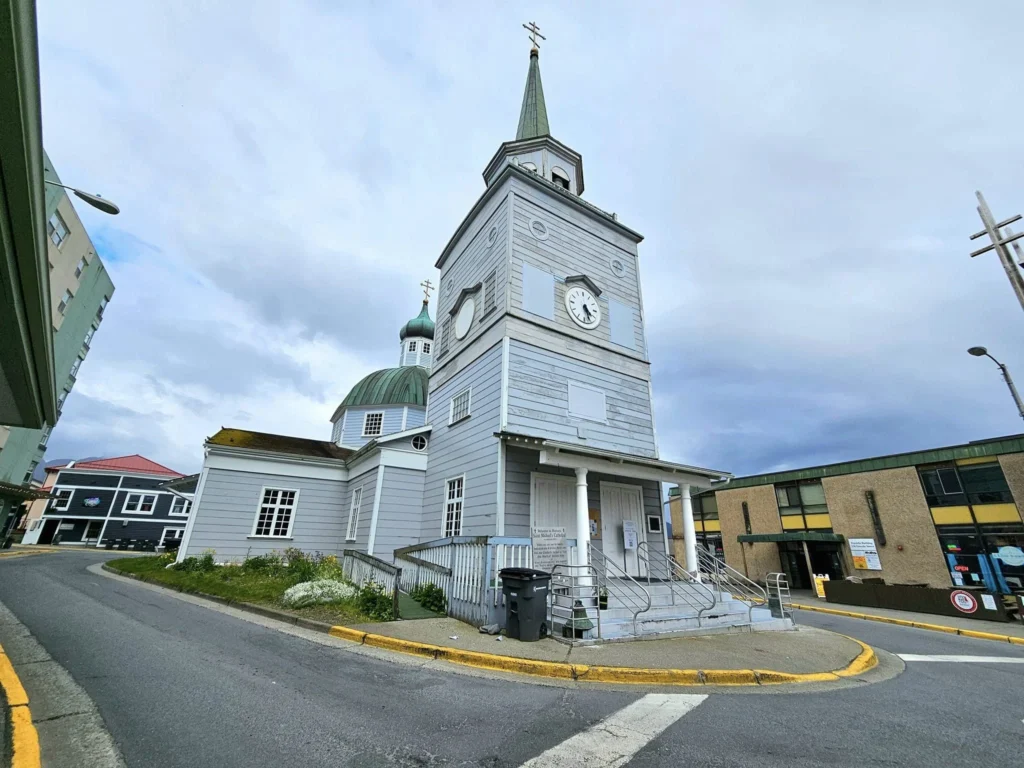
Following the battle, the Russians founded New Archangel, which became the capital of Russian America. Sitka transformed into a bustling hub for the fur trade, particularly in sea otter pelts, which were highly prized in global markets. The Russian-American Company built fortifications, warehouses, and residences, creating a colonial outpost that blended European and Indigenous influences. Russian Orthodox missionaries, led by figures like St. Innocent of Alaska, arrived to spread Christianity, constructing St. Michael’s Cathedral in 1848. The cathedral’s distinctive onion domes and ornate icons became a symbol of Russian presence, contrasting with the Tlingit’s traditional spirituality.
The Tlingit, despite Russian dominance, maintained their cultural practices, adapting to the new economic realities while preserving their language, art, and traditions. Interactions between the Tlingit and Russians were complex, marked by trade, intermarriage, and occasional conflict. The Russian era left a lasting architectural and cultural legacy in Sitka, evident in landmarks like the Russian Bishop’s House and the cathedral.
In Sitka, the echoes of Tlingit resistance and Russian ambition linger, woven into the town’s historic fabric.
The American Era and Sitka’s Transformation
In 1867, the United States purchased Alaska from Russia for $7.2 million in the Alaska Purchase, often derided as “Seward’s Folly.” Sitka played a central role in this transition, hosting the formal transfer ceremony on October 18, 1867, at Castle Hill. The Russian flag was lowered, and the American flag raised, marking the beginning of American governance. Sitka served as the first capital of the Alaska Territory, a role it held until 1906, when the capital shifted to Juneau.
The American era brought new challenges and opportunities. The decline of the fur trade shifted Sitka’s economy toward fishing, canning, and mining. The discovery of gold in nearby regions, such as the Klondike, brought prospectors and settlers, further diversifying the town’s population. The U.S. government established schools, churches, and infrastructure, but these often came at the expense of Tlingit cultural practices, as assimilation policies sought to suppress Indigenous languages and traditions.
Despite these challenges, the Tlingit community persevered, maintaining their cultural identity through oral storytelling, dance, and art. The establishment of the Sitka National Historical Park in 1910 was a significant step in preserving Tlingit heritage. The park, located at the site of the 1804 Battle of Sitka, houses a collection of totem poles and offers interpretive programs that educate visitors about Tlingit history and resilience.
Sitka in the Modern Era: A Cultural and Natural Haven
Today, Sitka is a vibrant community of approximately 8,500 residents, blending its Indigenous, Russian, and American heritage with modern Alaskan life. The town’s economy thrives on tourism, fishing, and education, with institutions like the Sheldon Jackson Museum preserving Tlingit, Russian, and other Alaskan artifacts. Sitka’s designation as a National Historic Landmark underscores its significance as a place where diverse histories converge.
The Tlingit community remains a vital force, with organizations like the Sitka Tribe of Alaska promoting language revitalization, cultural education, and traditional practices. Events such as the Sitka Summer Music Festival and Alaska Day celebrations highlight the town’s cultural vibrancy, drawing visitors from around the world. Sitka’s commitment to preserving its history while embracing sustainable tourism ensures that its legacy endures for future generations.
Key Historical Sites in Sitka
- Sitka National Historical Park: Explore totem poles and the 1804 battle site.
- St. Michael’s Cathedral: Visit this Russian Orthodox landmark.
- Russian Bishop’s House: Tour a preserved piece of Russian America.
- Castle Hill: Stand where Alaska’s transfer to the U.S. occurred.
Our Unforgettable Adventure in Sitka, Alaska: Aboard the Holland America Line Westerdam
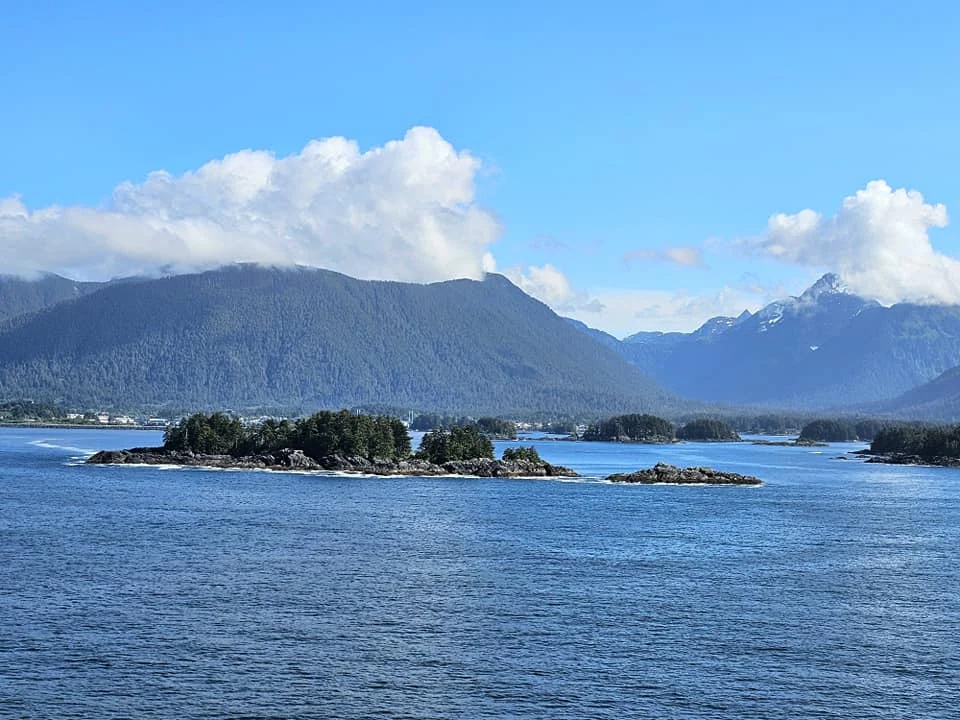
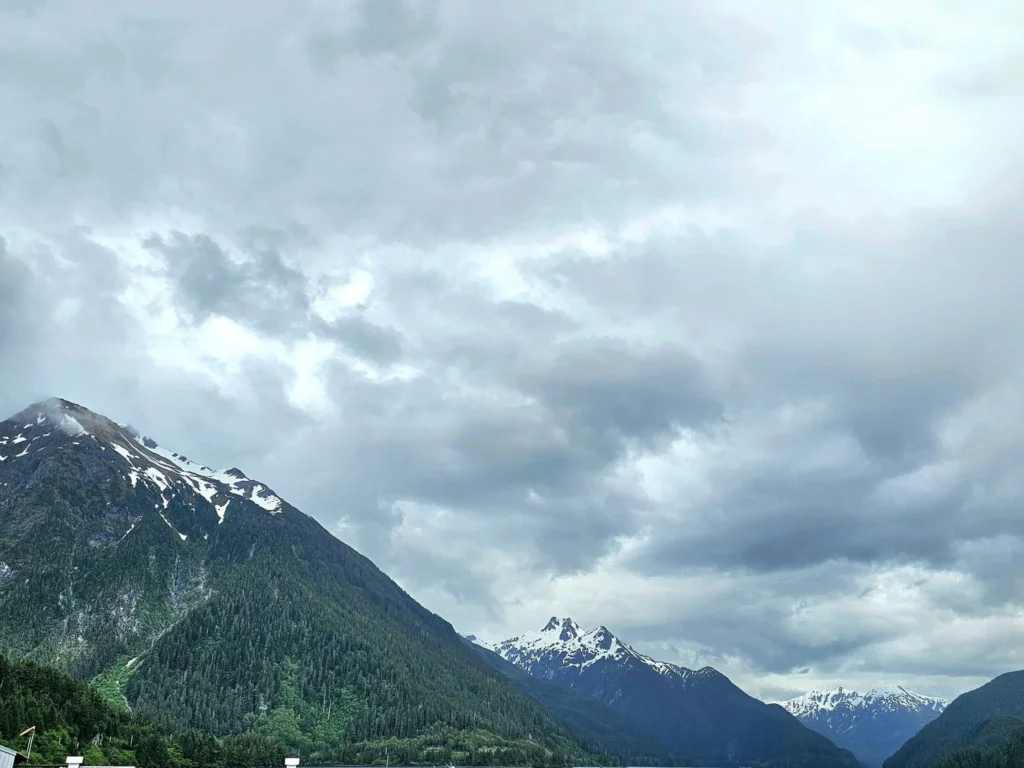
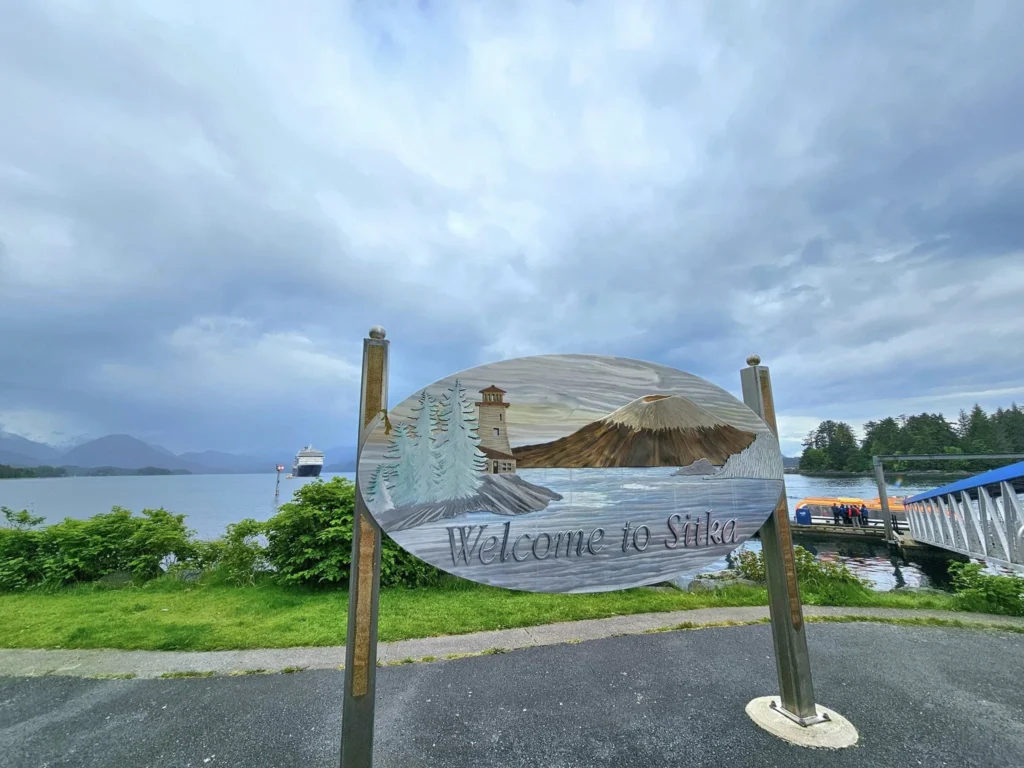
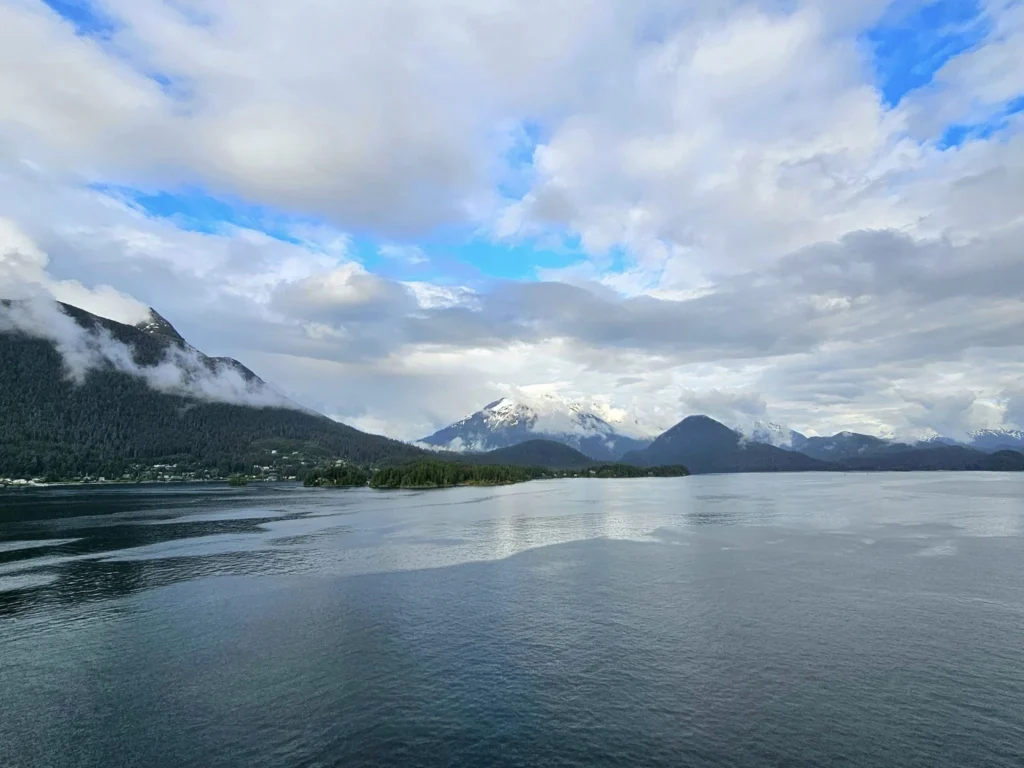
Our journey to Sitka aboard the Holland America Line Westerdam was a highlight of the Alaska Arctic Circle Solstice cruise. The ship, with its elegant design, spacious cabins, and gourmet dining, provided a luxurious base for exploring Alaska’s rugged beauty. As we docked in Sitka’s harbor, the sight of snow-capped mountains, lush rainforests, and the sparkling waters of Sitka Sound set the stage for an extraordinary day. From exhilarating outdoor adventures to awe-inspiring wildlife encounters and immersive cultural experiences, Sitka delivered a journey that touched our hearts and souls.



Biking the Sitka Cross Trail: A Journey Through Nature’s Canvas
Discovering the Trail’s Beauty
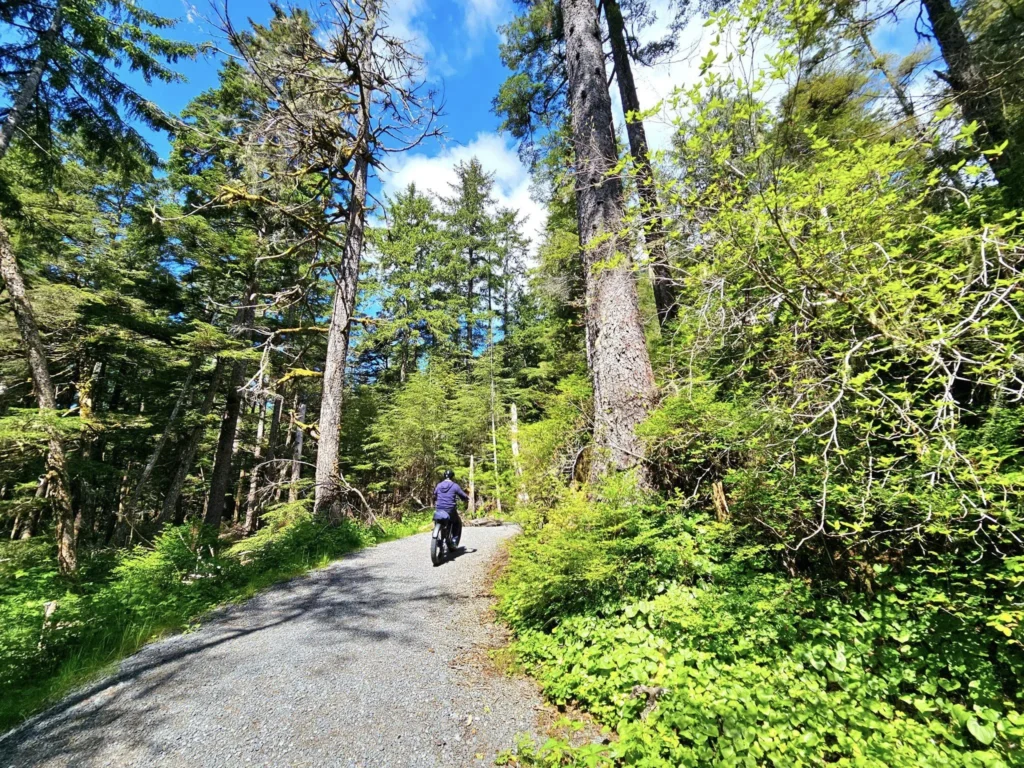
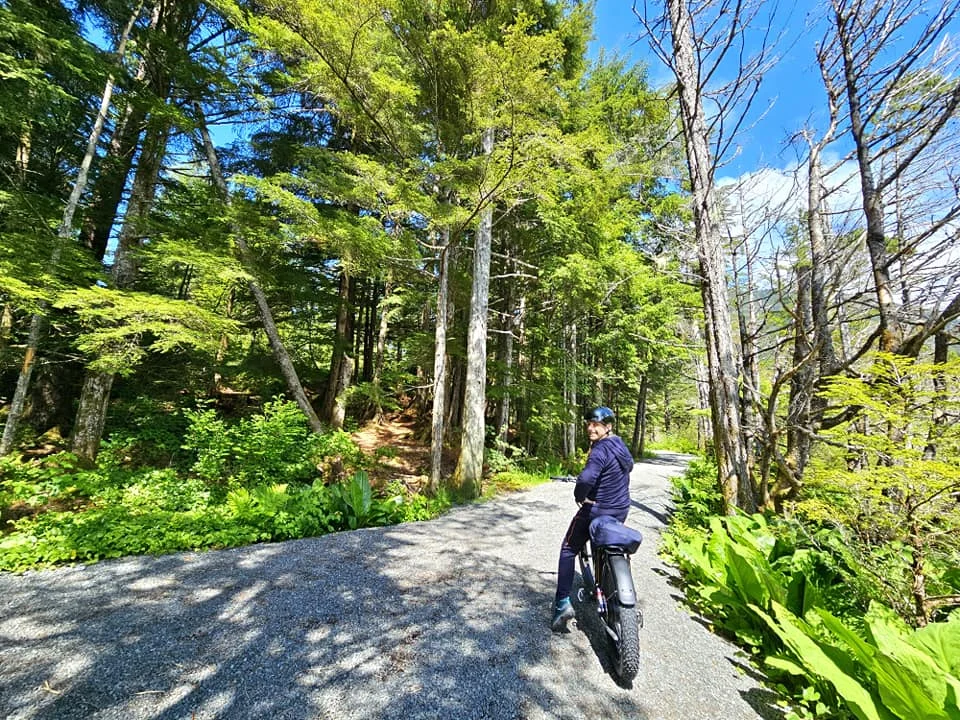
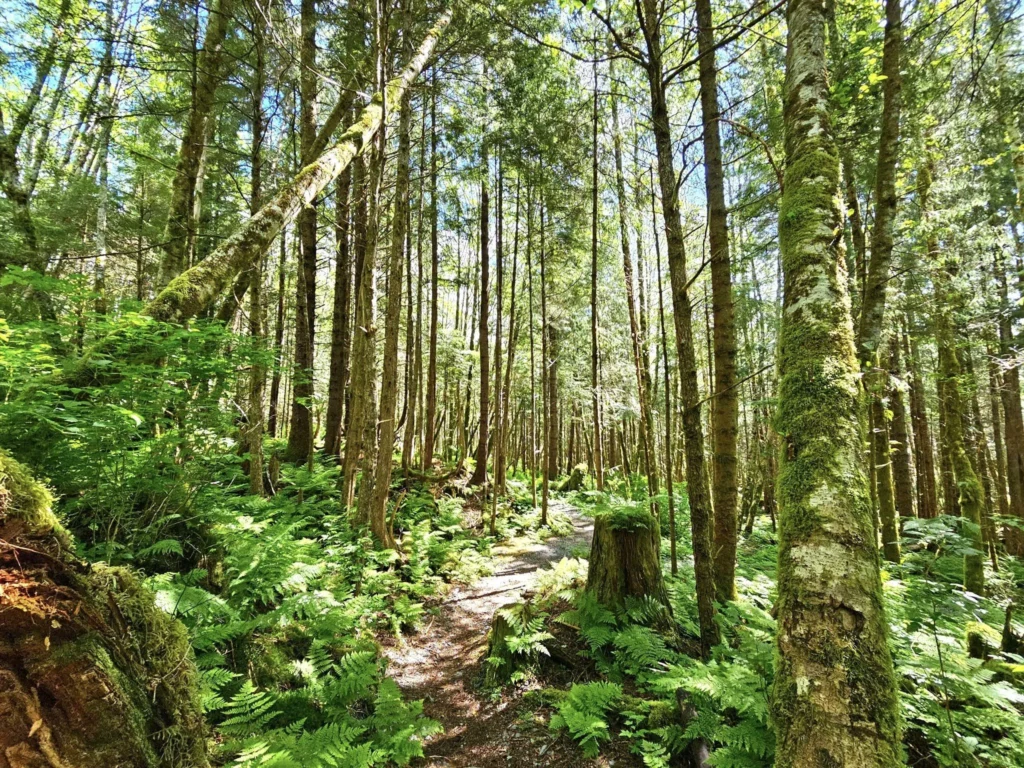
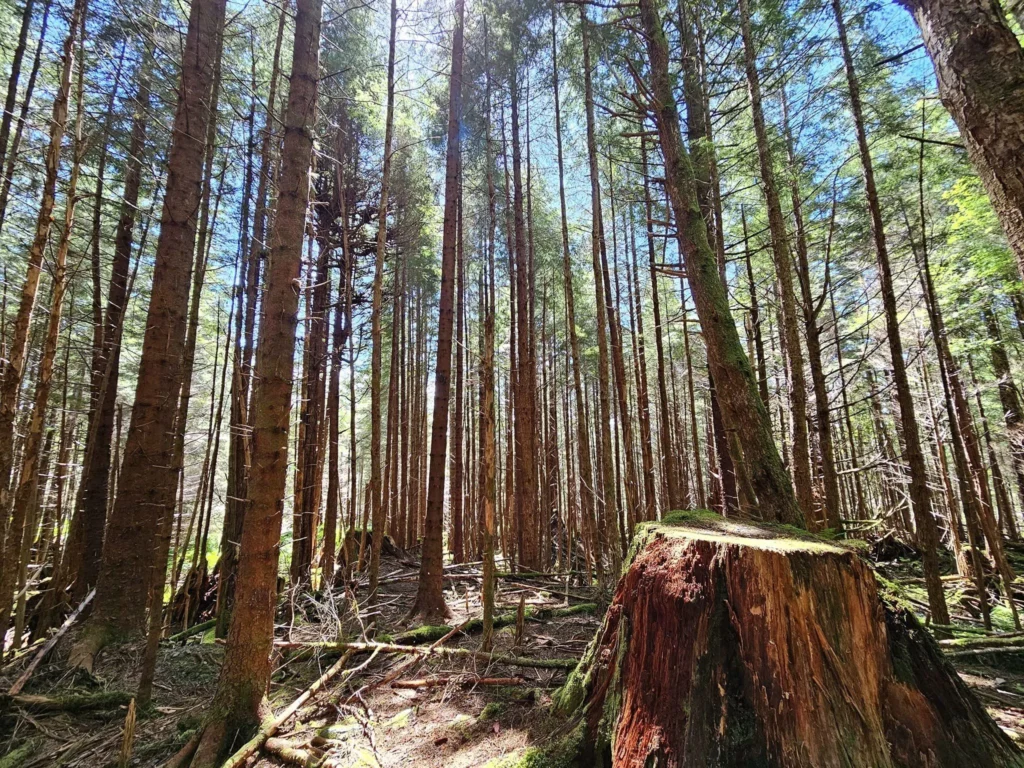
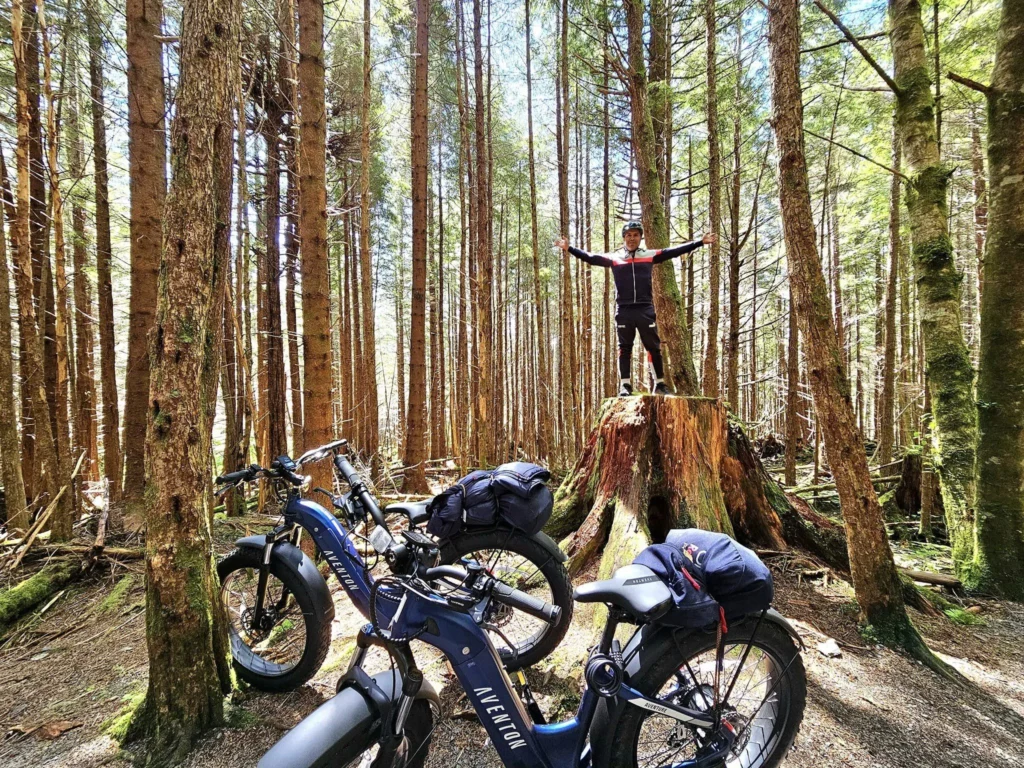
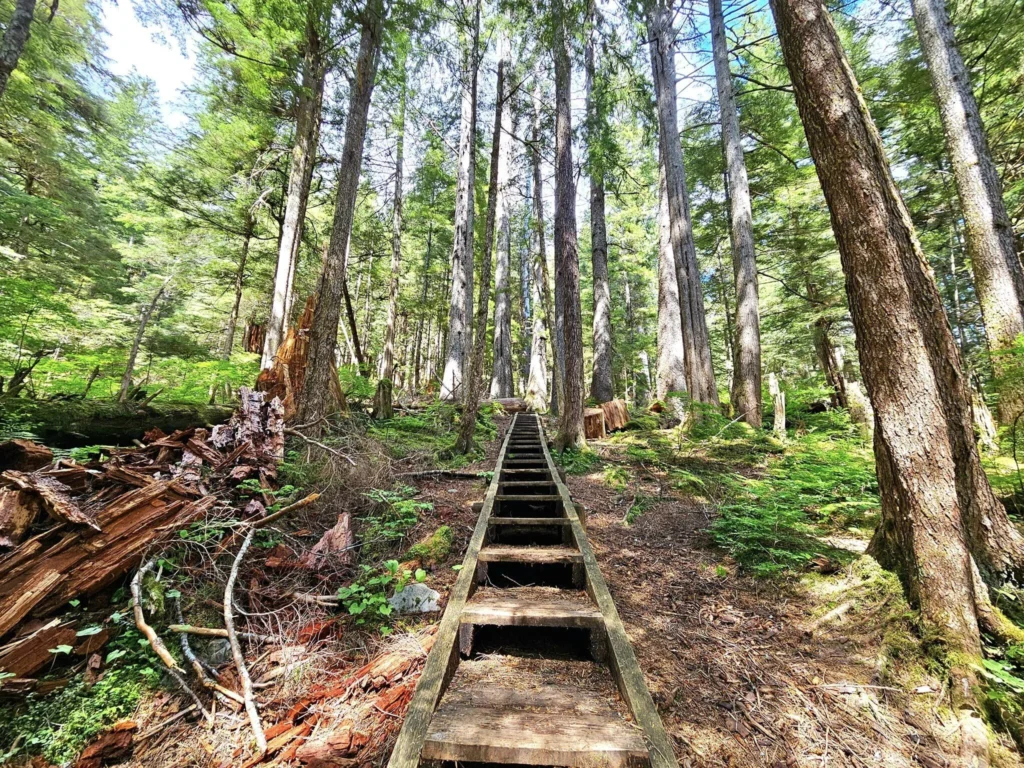
Our adventure began with a thrilling ride along the Sitka Cross Trail, a 4-mile path that winds through Sitka’s temperate rainforest. This well-maintained trail, suitable for cyclists of all levels, offered an immersive introduction to the town’s natural splendor. As we pedaled through the forest, we were enveloped by towering Sitka spruce and western hemlock, their branches forming a verdant canopy that filtered the sunlight into a soft, golden glow. The air was crisp, infused with the earthy scent of moss and pine, invigorating our senses with every breath.
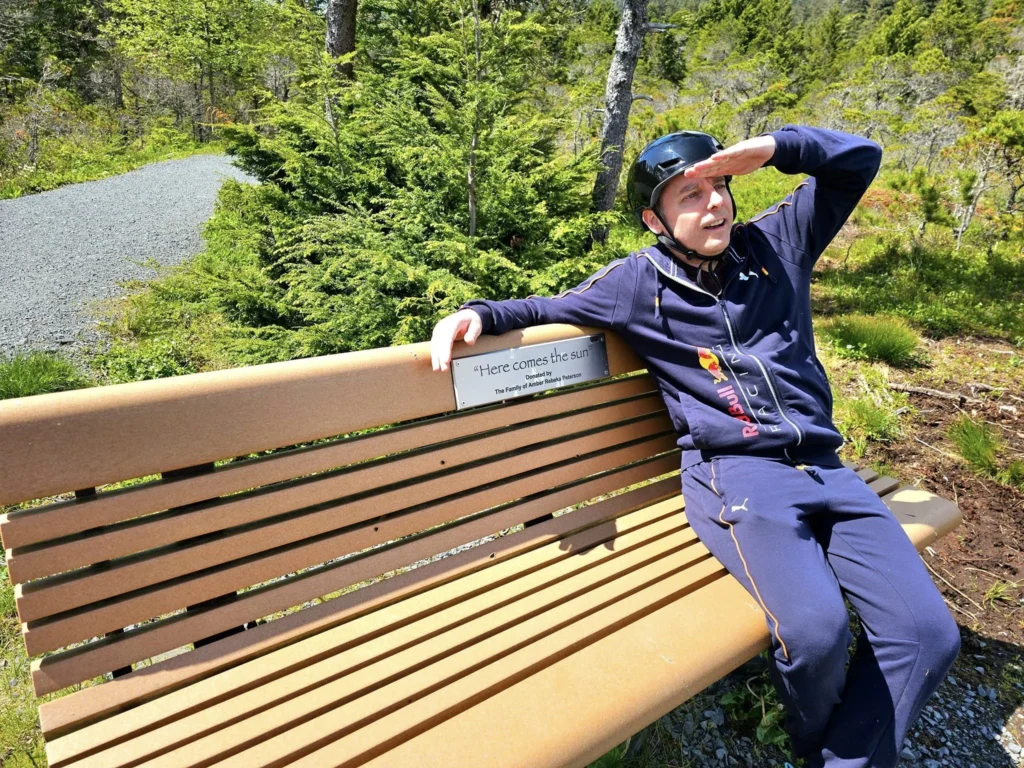
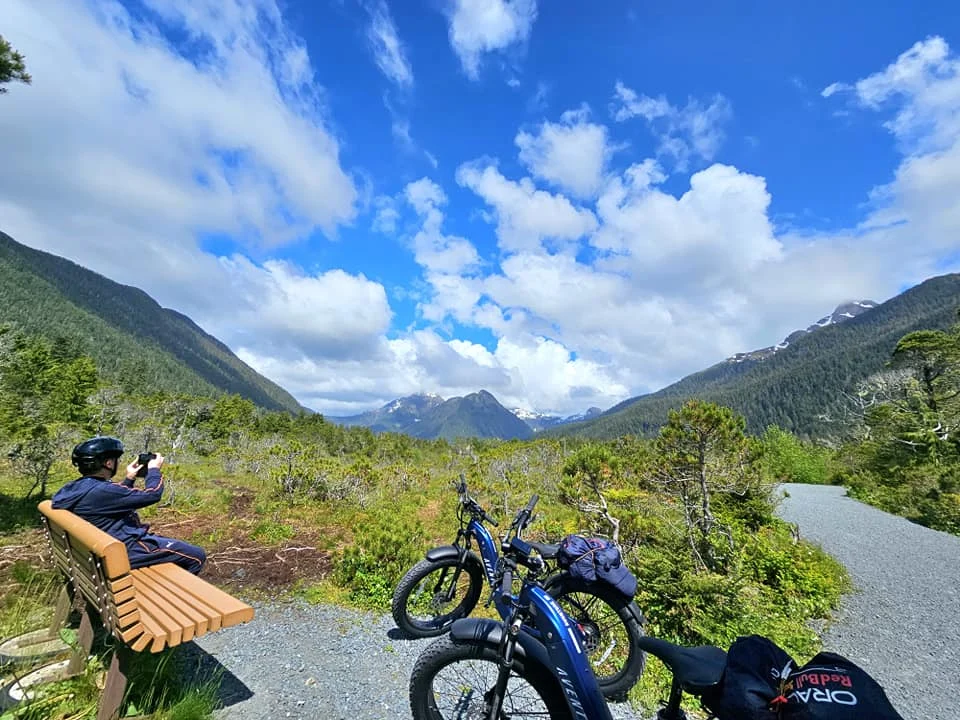
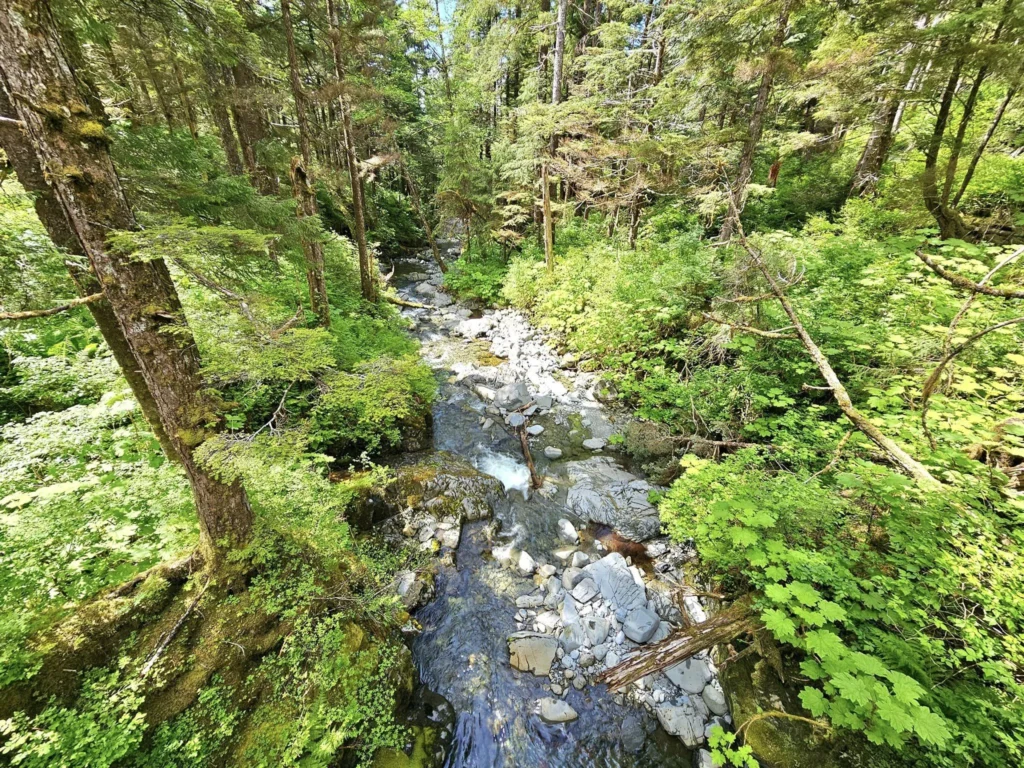
The trail’s gentle slopes and clear markings made it accessible yet engaging, with frequent opportunities to pause and soak in the scenery. At one viewpoint, we stopped to admire a sweeping panorama of the surrounding mountains, their peaks dusted with snow. Wildflowers dotted the trail’s edges, adding bursts of color to the lush greenery. The sound of a nearby stream added a soothing soundtrack to our ride, making it feel like we were pedaling through a living postcard.
Biking through Sitka’s scenic trails is like pedaling through a living postcard, with every turn revealing nature’s artistry.
A Connection to the Wild
The Sitka Cross Trail offered more than just stunning views; it fostered a deep connection to Alaska’s wilderness. We spotted small wildlife along the way—squirrels darting through the underbrush, songbirds flitting among the branches, and even a glimpse of a deer in the distance. These encounters reminded us of the vibrant ecosystem that thrives in Sitka. For outdoor enthusiasts, the trail is a must-do, offering a perfect blend of adventure and tranquility. Whether biking, hiking, or strolling, the Sitka Cross Trail provides a unique perspective on Alaska’s natural beauty.
Tips for Biking the Sitka Cross Trail
- Gear Up: Wear layers and sturdy shoes; helmets are a must.
- Stay Hydrated: Bring a water bottle for longer rides.
- Respect Nature: Stick to marked paths to protect the ecosystem.
- Capture the Moment: A camera or smartphone is essential for scenic shots.

Whale Park: A Serene Encounter with Marine Giants
A Peaceful Haven for Whale Watching
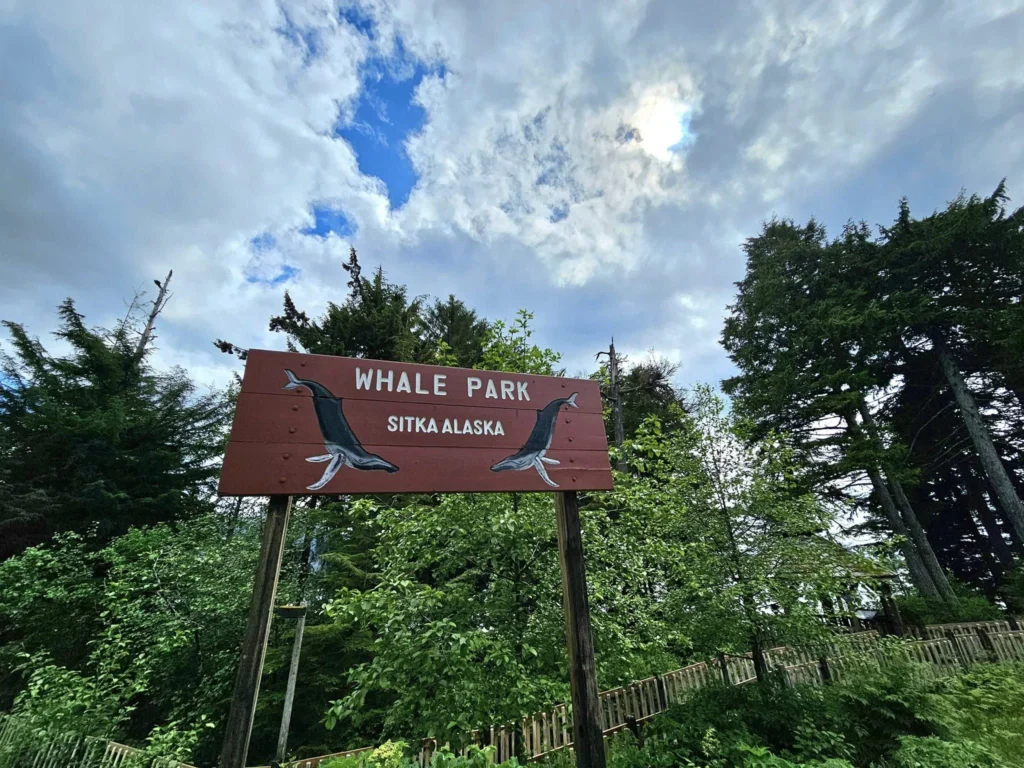
Our next stop was Whale Park, a serene coastal park dedicated to Sitka’s marine life. Nestled along the shoreline of Sitka Sound, the park offers unobstructed views of the ocean, with wooden benches and informative displays creating an inviting atmosphere. As we settled in, the rhythmic sound of waves and the salty breeze set a calming tone, preparing us for the wonders ahead.
Within minutes, we were treated to the breathtaking sight of a humpback whale breaching in the distance. Its massive body rose from the water, twisting gracefully before splashing back into the sea. Over the next hour, we spotted several more whales, their spouts and flukes visible against the horizon. The experience was humbling, a reminder of the ocean’s vastness and the magnificence of its inhabitants.
Whale Park offers a window into the ocean’s majesty, where the gentle giants of the deep remind us of nature’s splendor.
Educational Insights and Birdwatching
Whale Park is not only a scenic retreat but also an educational hub. Informative plaques provided fascinating details about humpback whales, including their migration patterns, feeding habits, and conservation status. We learned that Sitka Sound is a critical feeding ground for humpbacks, making it an ideal spot for sightings during the summer months. The park’s educational resources deepened our appreciation for these creatures and their role in the marine ecosystem.
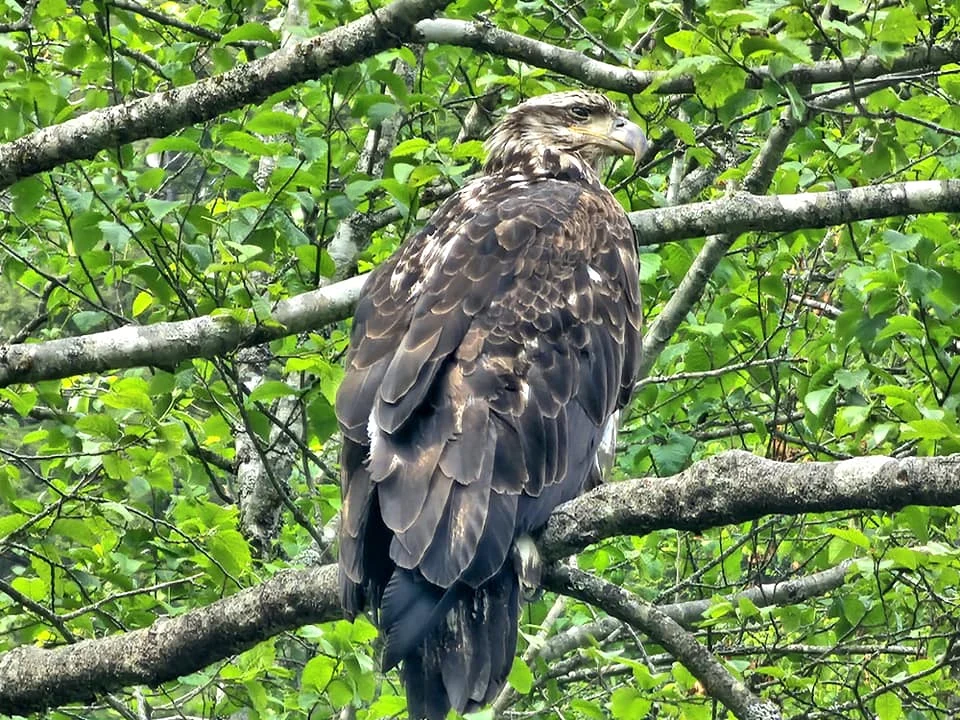
In addition to whales, Whale Park is a haven for birdwatchers. We spotted gulls, cormorants, and a bald eagle perched on a nearby tree, its piercing gaze surveying the coastline. The combination of marine and avian life made Whale Park a multifaceted destination, perfect for those seeking a relaxed yet enriching experience.
Whale Watching Tips at Whale Park
- Best Season: Summer (June–August) for peak whale activity.
- Binoculars: Enhance your view of distant whales and birds.
- Patience: Allow time for whales to appear, as sightings can be sporadic.
- Respect Wildlife: Follow park guidelines to avoid disturbing marine life.


Wildlife Wonders: Bears and Eagles in Sitka’s Wilderness
Thrilling Bear Encounters at Fortress of the Bear
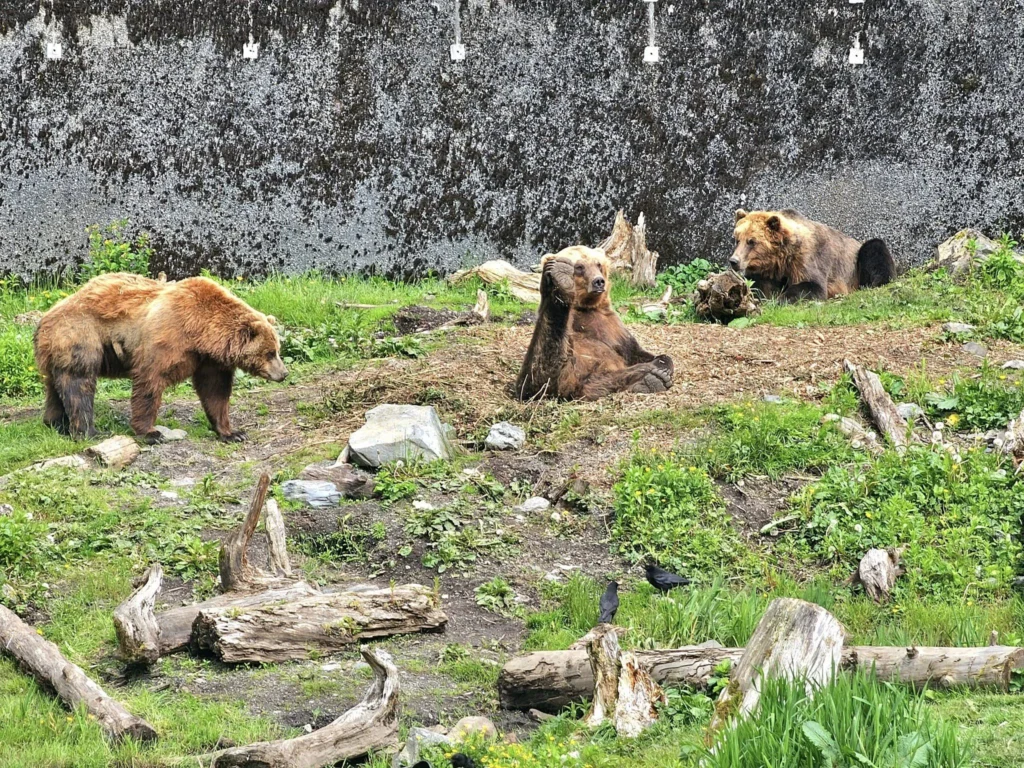
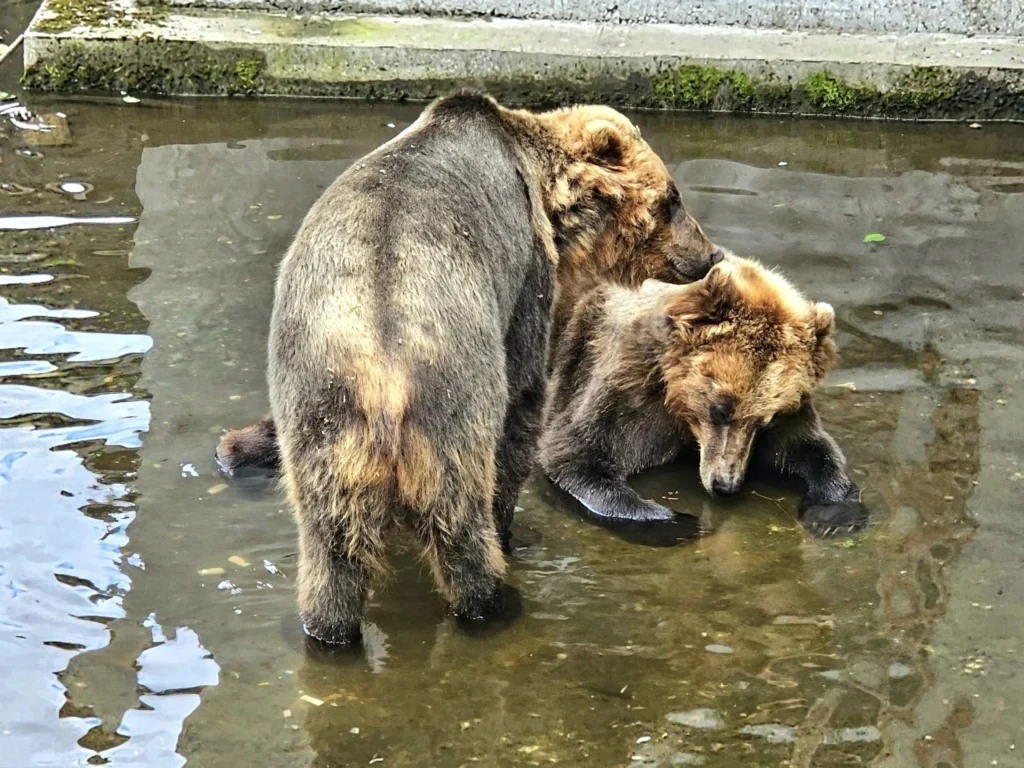
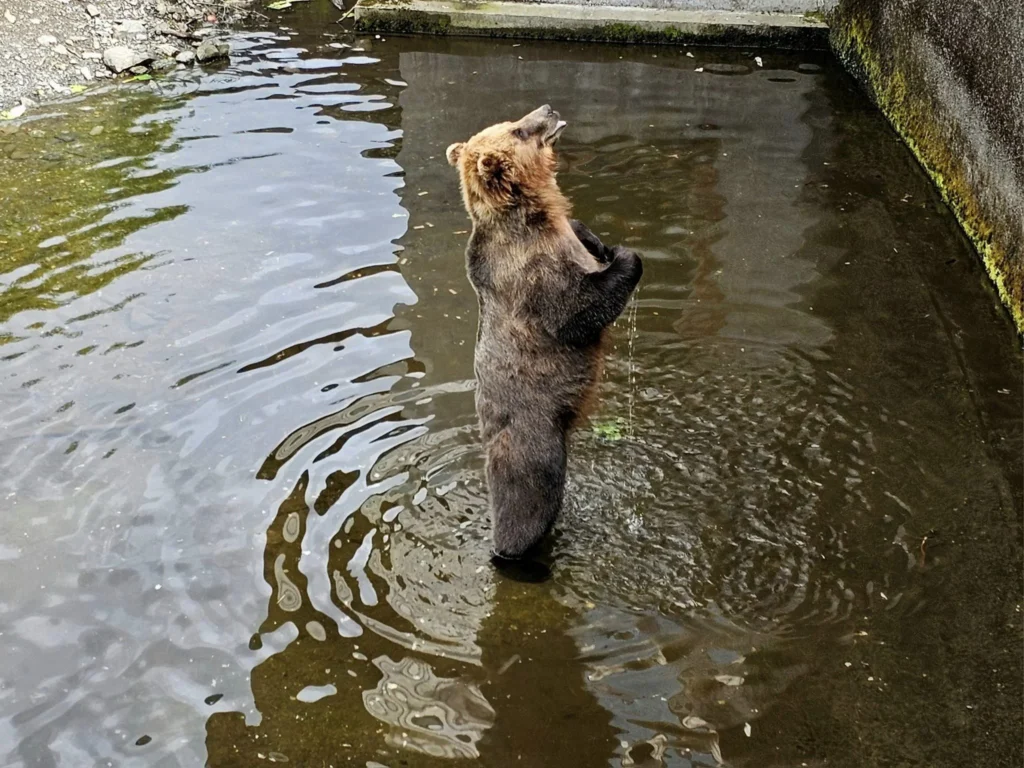
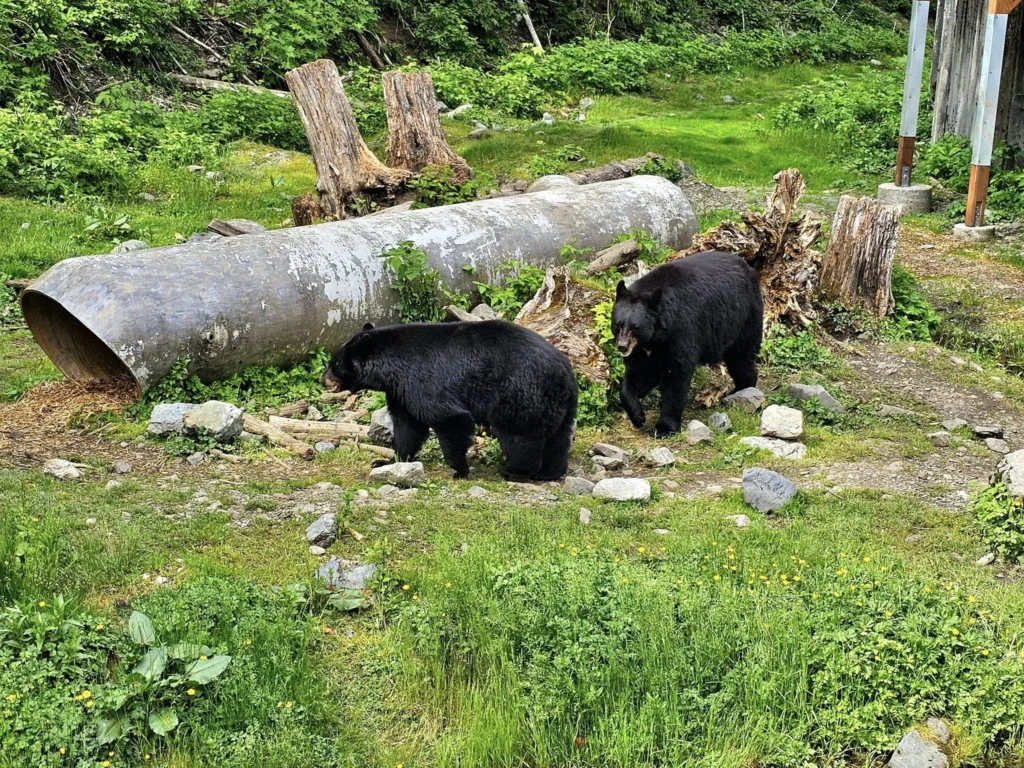
Sitka’s wildlife is a major draw, and our visit to the Fortress of the Bear was a thrilling highlight. This rescue and education center, located just outside downtown Sitka, provides a safe haven for orphaned and injured brown bears, offering visitors a unique opportunity to observe these majestic animals up close. Guided by a knowledgeable staff member, we stood on elevated viewing platforms overlooking spacious enclosures, where we watched bears foraging, playing, and interacting with their environment. The sight of a bear standing upright, its powerful frame moving with quiet grace, was both exhilarating and humbling.
Our guide shared fascinating insights into bear behavior, diet, and the center’s conservation efforts, emphasizing the importance of protecting Alaska’s bear populations. The Fortress of the Bear focuses on rehabilitation and education, housing bears that cannot be released into the wild. The experience was a profound reminder of Alaska’s untamed wilderness and the need for ethical wildlife observation. For wildlife enthusiasts, the Fortress of the Bear is a must-visit, offering a safe and educational way to connect with these iconic animals.
Seeing bears roam freely in Sitka’s wilderness is a reminder of nature’s raw power and beauty.
The Majestic Eagles of Sitka
Bald eagles, with their iconic white heads and powerful wingspans, are a symbol of Sitka’s wild spirit. We spotted these magnificent birds throughout our visit, from their perches along the coastline to their soaring flights above Sitka Sound. One unforgettable moment was watching an eagle dive to snatch a fish from the water, its precision and grace a testament to its role as a top predator.
Eagle watching is accessible at various spots in Sitka, including Whale Park and the Sitka National Historical Park. For bird enthusiasts, guided tours offer opportunities to learn about eagle habitats, nesting behaviors, and their significance in Tlingit culture. The presence of eagles underscores the health of Sitka’s ecosystem, making them a cherished part of the town’s identity.
Best Spots for Eagle Watching in Sitka
- Whale Park: Coastal views with frequent eagle sightings.
- Sitka National Historical Park: Trails offer eagle sightings amid totem poles.
- Guided Tours: Join a wildlife tour for expert-led observations.
- Photography Tips: Use a zoom lens to capture eagles in flight.



Unveiling Sitka’s Cultural Heritage: The Tlingit Legacy
The Artistry of Tlingit Totem Poles
Sitka’s cultural heart beats strongest in its Tlingit heritage, vividly expressed through its totem poles. We explored the Sitka National Historical Park, where a collection of these intricately carved poles stands along forested trails. Each pole, crafted with vibrant colors and detailed figures, tells a story of Tlingit clans, ancestors, or spiritual beliefs. We were captivated by the craftsmanship, from the bold Raven figures to the intricate patterns symbolizing family lineages.
The park’s interpretive center provided context for the totems, explaining their role in Tlingit culture as historical records and artistic expressions. We learned about the Tlingit’s clan structure, their oral traditions, and the significance of animals like the bear and eagle in their stories. The experience deepened our appreciation for Sitka’s Indigenous roots and their enduring presence.
The totem poles of Sitka are more than art; they are a living history of the Tlingit people, telling stories through each carved figure.



Capturing Sitka’s Beauty: A Photographer’s Paradise
Scenic Landscapes for Stunning Shots
Sitka’s landscapes are a photographer’s dream, offering endless opportunities to capture nature’s beauty. The Sitka Cross Trail provided dramatic backdrops of forests, mountains, and streams, with morning light creating ethereal scenes. We also ventured to Herring Cove, where rugged cliffs and calm waters offered striking compositions. The interplay of light and shadow on Sitka’s terrain made every shot a masterpiece.
Wildlife Photography Adventures
Wildlife photography was a highlight of our trip. At Whale Park, we were not fast enough to captured images of humpback whales breaching, their silhouettes framed against the horizon. The bald eagles, with their commanding presence, were equally photogenic, especially during their dramatic dives.
Sitka’s landscapes and wildlife offer a canvas where every photograph tells a story of Alaska’s wild heart.
Photography Tips for Sitka
- Golden Hour: Shoot during early morning or late afternoon for soft lighting.
- Zoom Lens: Essential for wildlife shots, especially whales and eagles.
- Weatherproof Gear: Protect your camera from Alaska’s unpredictable weather.
- Patience: Wait for the perfect moment to capture wildlife in action.


The Holland America Line Westerdam: A Luxurious Gateway to Sitka
The Holland America Line Westerdam elevated our Sitka experience with its exceptional service and amenities. The ship’s spacious cabins, gourmet dining options, and panoramic lounges provided a comfortable retreat after a day of exploration. Onboard lectures about Alaska’s history, wildlife, and Indigenous cultures enriched our understanding of Sitka, preparing us for the adventures ahead. The Westerdam’s seamless integration of luxury and adventure made it the perfect vessel for our Alaskan journey.
Conclusion: Sitka’s Timeless Allure
Sitka, Alaska, is a destination that captures the heart with its blend of adventure, wildlife, and cultural heritage. From the exhilarating ride along the Sitka Cross Trail to the serene moments at Whale Park, from the thrilling bear encounters at the Fortress of the Bear to the majestic bald eagles and the profound connection to Tlingit culture, Sitka delivered an experience that was both thrilling and soul-enriching. Aboard the Holland America Line Westerdam, we discovered a town that embodies the spirit of Alaska—wild, vibrant, and deeply rooted in history.
For travelers seeking an unforgettable adventure, Sitka is a must-visit. Its natural beauty, diverse wildlife, and cultural treasures create a tapestry of experiences that linger long after the journey ends. Whether you’re biking through rainforests, watching whales, or admiring totem poles, Sitka offers a journey that celebrates the best of Alaska.





























Whispers of Sitka: Where Wilderness Meets the Sea
In the heart of Sitka, where the wild meets the sea,
We found a land where nature sings in harmony.
Biking through forests, where the cross trail winds,
The whispering pines told tales of ancient times.

The air was crisp, the path a green embrace,
Each pedal forward, a dance with nature's grace.
Above, the eagles soared with freedom's cry,
While beneath the canopy, the world felt shy.

To Whale Park we wandered, where the ocean kissed the land,
And there, in the distance, a whale breached grand.
The sea held secrets, deep and profound,
As we stood in awe, lost in nature's sound.

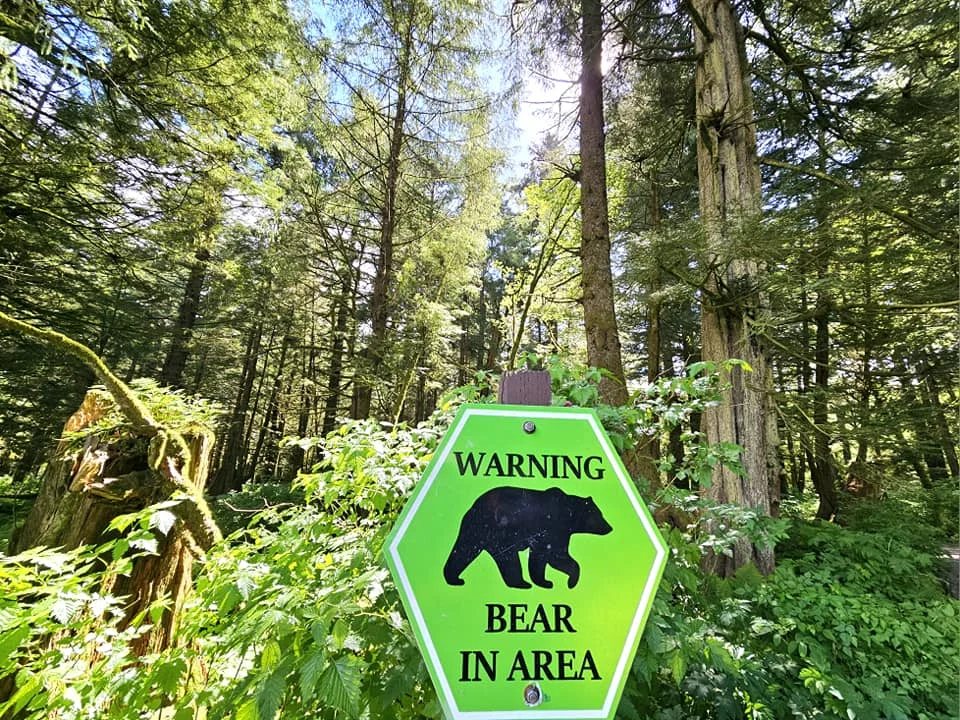
Bears roamed the wilds, in the shadows they played,
A reminder of the untamed world, where the wild ones stayed.
Their strength, their presence, a sight to behold,
In Sitka's embrace, the stories unfold.

The totems stood tall, carved with care,
Stories of the Tlingit, of love, loss, and prayer.
Each figure, each line, a piece of the past,
In Sitka's silence, their whispers would last.

Sitka, oh Sitka, where adventure meets the soul,
Where the wild and the gentle make the spirit whole.
From the trails to the totems, the whales to the bears,
We left with hearts full, and memories to share.