
Nestled in the remote Aleutian Islands, Dutch Harbor and Unalaska, Alaska, are a captivating blend of rugged landscapes, rich cultural heritage, and vibrant wildlife. Our voyage aboard the Holland America Line’s Westerdam during the Alaska Arctic Circle Solstice cruise introduced us to this extraordinary destination, where the Bering Sea meets volcanic peaks under the endless glow of the solstice sun. This comprehensive travel guide and personal account delve into the storied history of Dutch Harbor and Unalaska, followed by an immersive recounting of our unforgettable adventure in this Alaskan gem. Whether you’re drawn to history, nature, or culinary delights, this guide will inspire you to explore the wonders of Unalaska.
Table of Contents
The History of Dutch Harbor and Unalaska, Alaska
The Unangax̂: Stewards of the Aleutian Islands
The history of Dutch Harbor and Unalaska begins with the Unangax̂ (Aleut) people, who have called the Aleutian Islands home for over 10,000 years. These indigenous communities thrived in one of the world’s most challenging environments, adapting to the harsh climate and unpredictable seas. Living in semi-subterranean homes called barabaras, the Unangax̂ built dwellings insulated with earth and sod to withstand fierce winds. Their diet was rich in marine resources—salmon, cod, seals, sea lions, and whales—complemented by berries, roots, and seabird eggs gathered from the tundra.
The Unangax̂ were skilled mariners, crafting baidarkas, lightweight kayaks made from sea lion skins stretched over driftwood frames. These vessels allowed them to navigate the Bering Sea’s treacherous waters with precision, hunting and fishing with remarkable efficiency. Their culture was steeped in oral traditions, with stories, songs, and dances passed down through generations, celebrating their connection to the land and sea.
Archaeological evidence, including tools, fishhooks, and middens, underscores the Unangax̂’s ingenuity. Sites like the Margaret Bay Village, dating back thousands of years, reveal a sophisticated society that balanced survival with artistry, creating intricate bone carvings and woven baskets. Despite their isolation, the Unangax̂ maintained trade networks with neighboring tribes, exchanging goods like furs and obsidian.
The Unangax̂ wove their lives into the fabric of the Aleutians, their resilience a beacon of harmony with nature.
Russian Exploration and the Fur Trade
The arrival of Russian explorers in the 18th century transformed Unalaska’s trajectory. In 1741, Vitus Bering, a Danish navigator serving the Russian Empire, charted the Aleutian Islands during his second Kamchatka expedition. His voyage opened the region to Russian fur traders, who were drawn to the abundant sea otter populations. By 1759, Russian settlers established a permanent outpost in Unalaska, naming the harbor “Dutch Harbor” due to a mistaken belief that Dutch ships frequented the area.
The fur trade brought wealth but also hardship to the Unangax̂. Russian traders, known as promyshlenniki, exploited the region’s resources, often forcing the Unangax̂ into labor-intensive hunts. Diseases like smallpox and influenza, introduced by outsiders, decimated the indigenous population, reducing communities by as much as 80% in some areas. Despite these challenges, the Unangax̂ adapted, incorporating Russian tools and practices while preserving their cultural identity.
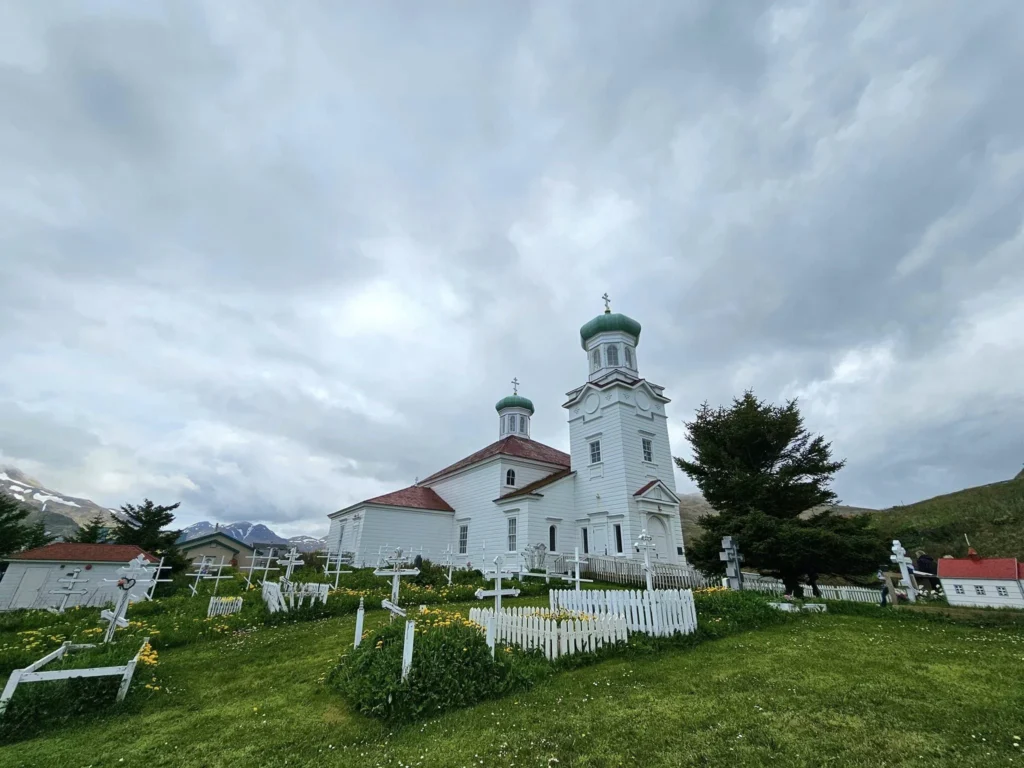
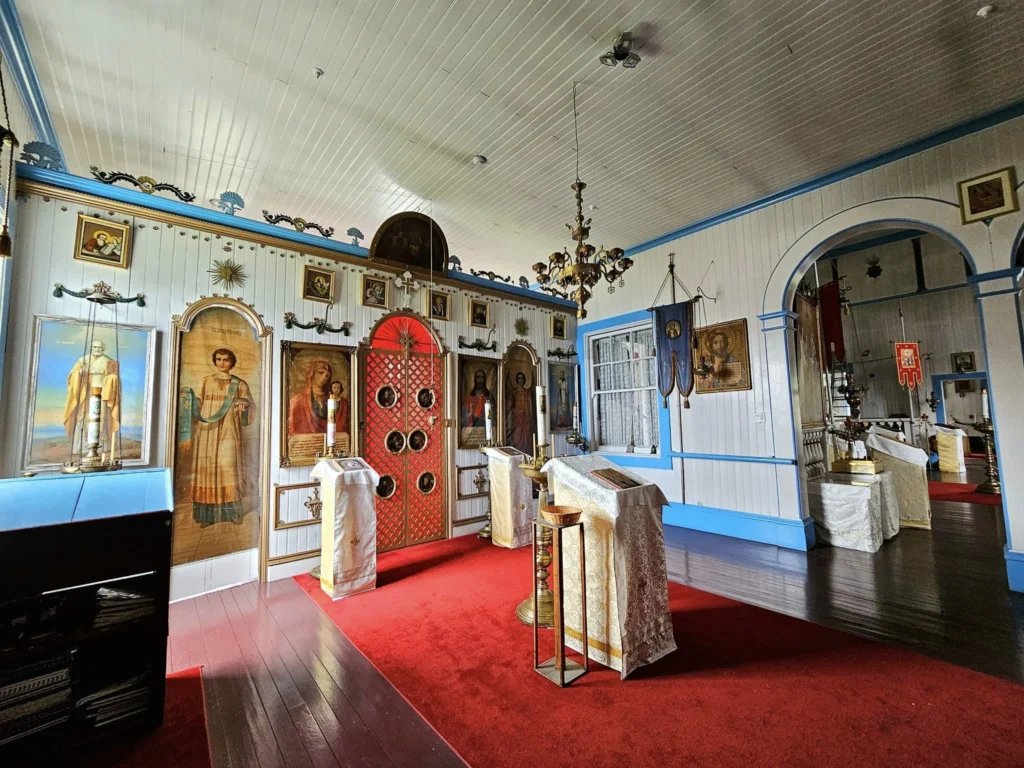
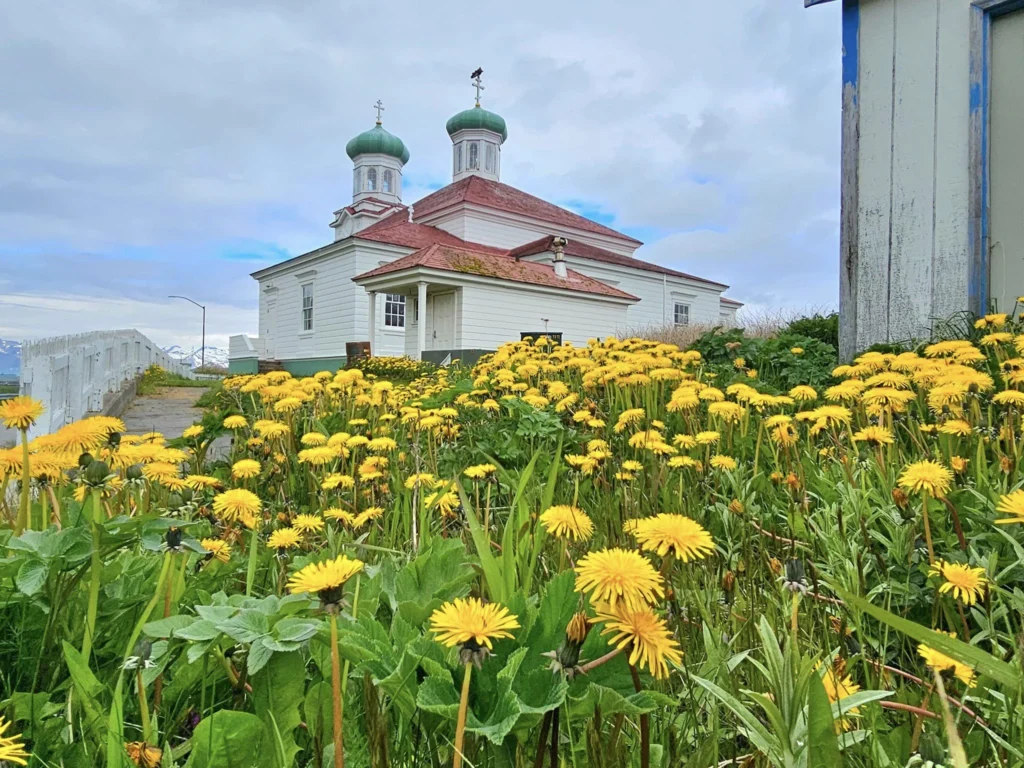
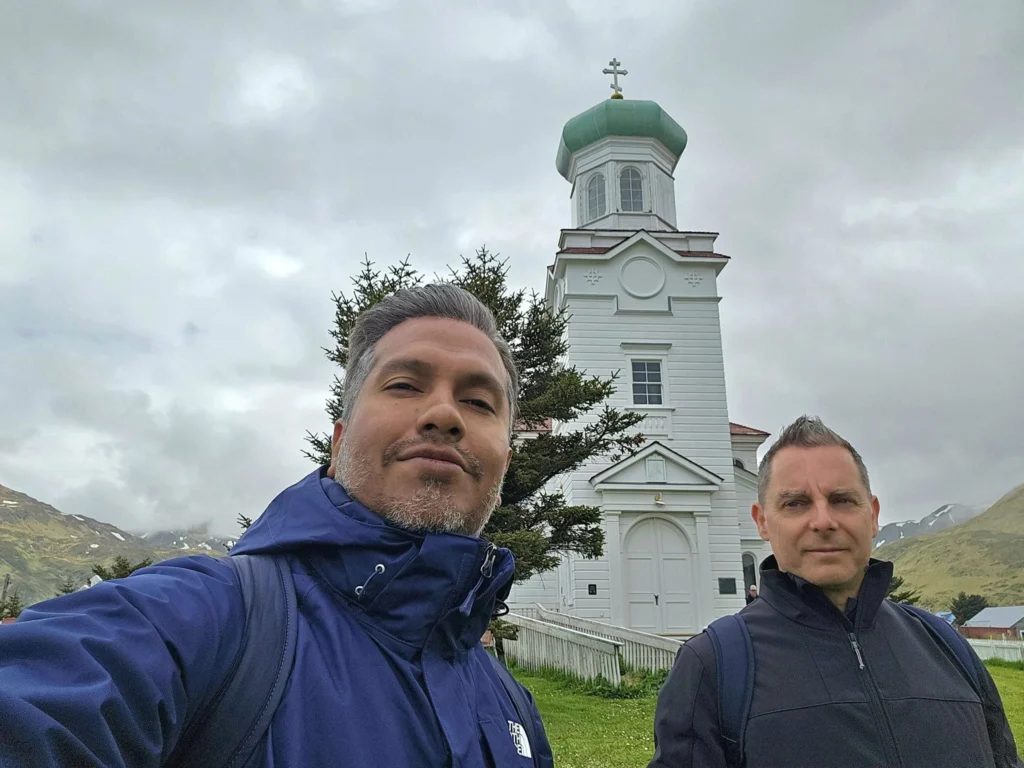
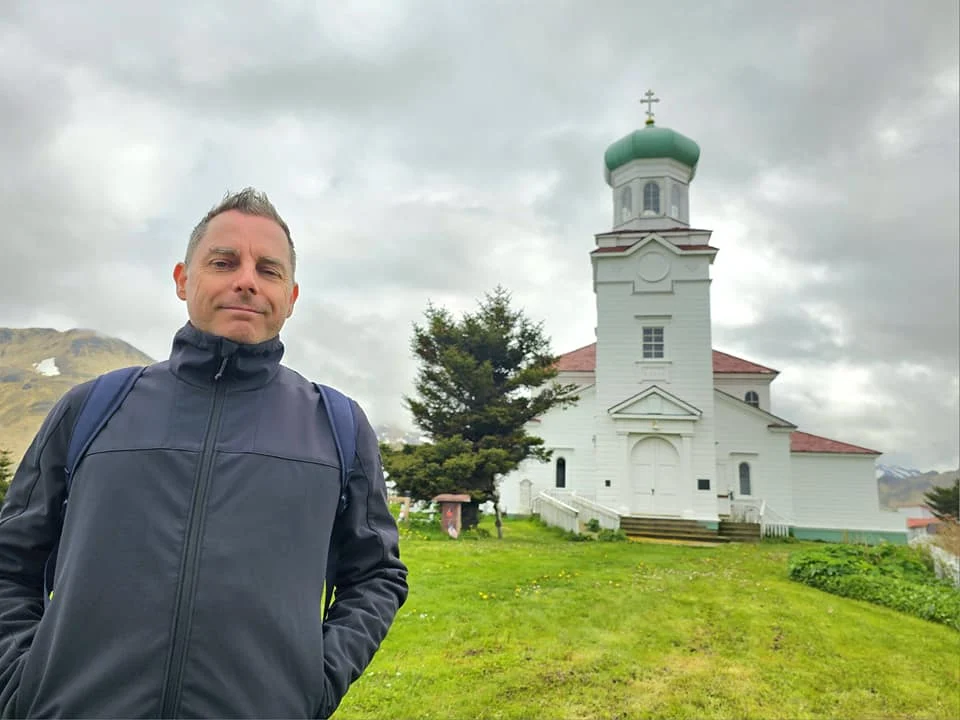
The Russian Orthodox Church played a pivotal role during this era. Missionaries, arriving in the late 18th century, sought to convert the Unangax̂ to Christianity. The Church of the Holy Ascension, first constructed in 1825 and rebuilt in 1894, became a spiritual and cultural cornerstone. Its iconic onion domes and intricate icons reflected Russian influence, while its presence fostered a syncretic blend of Orthodox and Unangax̂ beliefs. The church remains one of Alaska’s oldest, symbolizing the enduring legacy of Russian colonization.
American Acquisition and the Gold Rush Era
In 1867, the United States purchased Alaska from Russia for $7.2 million, a transaction known as “Seward’s Folly.” Unalaska, with its strategic deep-water port, became a vital hub for American maritime activities. The late 19th century saw the Klondike Gold Rush sweep through Alaska, and while Unalaska was not a primary gold destination, Dutch Harbor served as a critical supply point for prospectors heading to the Yukon.
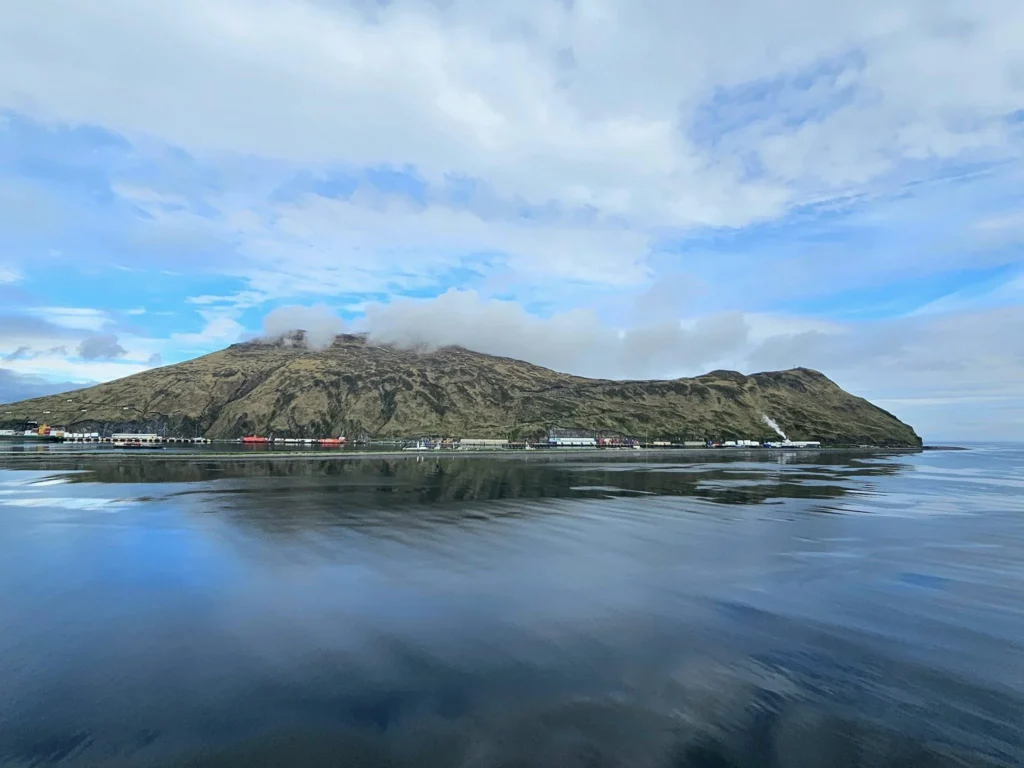
The town’s economy diversified, with fishing and trade gaining prominence. Cod and salmon fisheries flourished, attracting settlers from the U.S. mainland and beyond. Dutch Harbor’s natural harbor, sheltered by Mount Ballyhoo, became a bustling port, with schooners and steamships anchoring regularly. The influx of newcomers brought cultural diversity, laying the foundation for Unalaska’s modern multicultural community.
Dutch Harbor’s harbor was a gateway to dreams, where ships carried hopes of gold and a new life in the wild north.
World War II: The Battle of Dutch Harbor
The most dramatic chapter in Unalaska’s history unfolded during World War II. On June 3–4, 1942, Japanese forces launched a surprise air raid on Dutch Harbor as part of their Aleutian Campaign, aiming to divert U.S. forces from the Pacific theater. The attack targeted the U.S. naval base on Mount Ballyhoo, damaging fuel tanks, barracks, and aircraft. Though casualties were limited, the bombings marked one of the few direct attacks on North American soil during the war.
The U.S. responded by fortifying the Aleutians, transforming Unalaska into a military stronghold. Fort Mears, established near Dutch Harbor, housed thousands of troops, while bunkers, gun emplacements, and airfields dotted the landscape. The Unangax̂ faced immense hardship during this period, as the U.S. government forcibly evacuated them to internment camps in Southeast Alaska. Crowded conditions and inadequate resources led to significant suffering, and many Unangax̂ did not return until after the war.
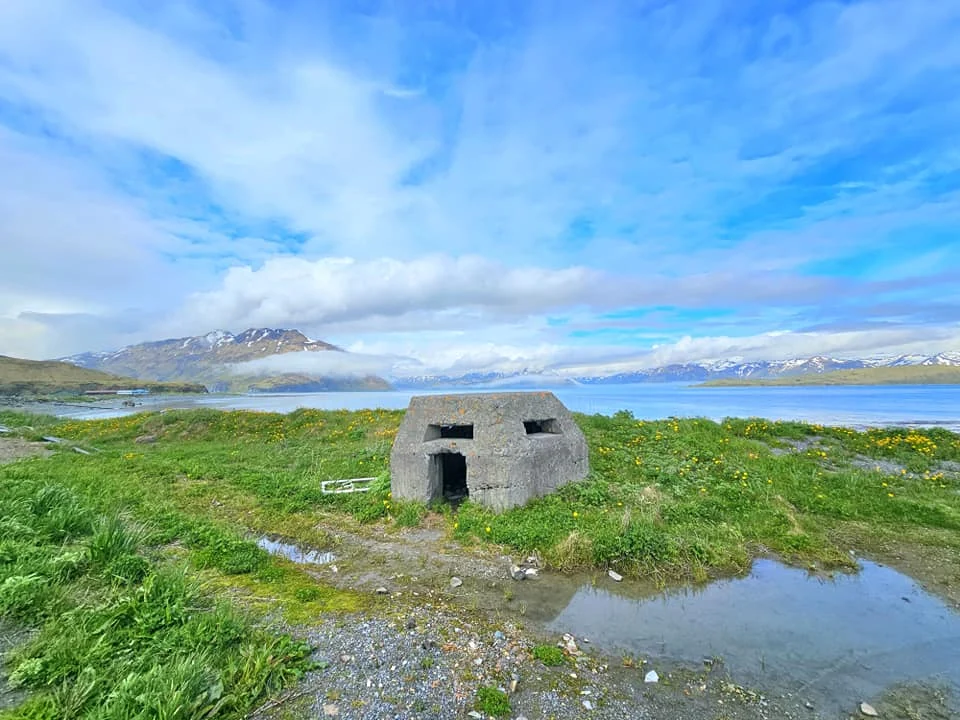
Today, the Fort Mears National Historic Landmark and other WWII relics, such as concrete bunkers and rusted artillery, stand as poignant reminders of this era. The Aleutian World War II National Historic Area, managed by the National Park Service, offers interpretive trails and exhibits that bring this history to life.
The Fishing Industry and Modern Unalaska
After the war, Dutch Harbor emerged as a global powerhouse in the fishing industry. By the 1980s, it had become the top fishing port in the United States by volume, driven by the Bering Sea’s rich stocks of king crab, pollock, and cod. The industry transformed Unalaska’s economy, attracting workers from across the globe and fostering a diverse community. Processing plants like UniSea and Westward Seafoods became economic engines, employing thousands during peak seasons.
The television show Deadliest Catch catapulted Dutch Harbor to fame, showcasing the perilous lives of crab fishermen navigating the Bering Sea’s storms. The show highlighted the town’s gritty charm and the courage of its residents, cementing its reputation as a place of adventure and resilience.
Cultural Preservation and Tourism
Today, Unalaska balances its industrial might with cultural preservation. The Unangax̂ community continues to revitalize their language, Unangam Tunuu, through schools and cultural programs. The Museum of the Aleutians, opened in 1999, houses artifacts ranging from Unangax̂ tools to WWII memorabilia, offering a window into the region’s past. Annual events like the Aleutian Arts Festival celebrate traditional crafts, music, and storytelling.
Tourism has grown, with cruise ships like the Westerdam bringing visitors to explore Unalaska’s natural and historical treasures. The town’s remote location and unique blend of cultures make it a bucket-list destination for adventurers and history enthusiasts alike.
Unalaska’s history is a tapestry of survival, adaptation, and pride, woven by those who call this wild land home.
Our Unforgettable Experience in Dutch Harbor and Unalaska
Sailing into Solstice: The Westerdam’s Arctic Circle Journey
Our adventure began aboard the Holland America Line’s Westerdam, a luxurious vessel crafted for immersive Alaskan exploration. The Alaska Arctic Circle Solstice cruise promised a magical experience, with the solstice’s near-24-hour daylight casting a golden glow over the Bering Sea. The ship’s elegant interiors—panoramic Crow’s Nest lounge, gourmet dining rooms, and cozy cabins—set the stage for a journey of comfort and discovery. As we sailed through the Aleutian Islands, anticipation grew, fueled by tales of Unalaska’s rugged landscapes and storied past. Explore Holland America’s Alaska cruises.
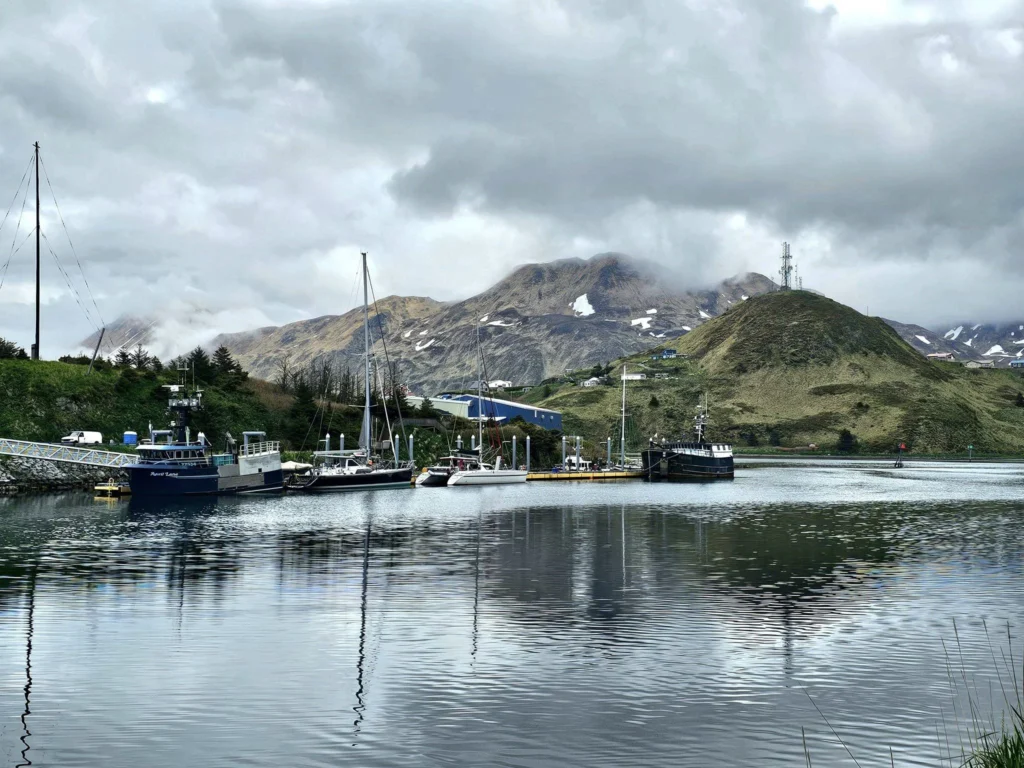
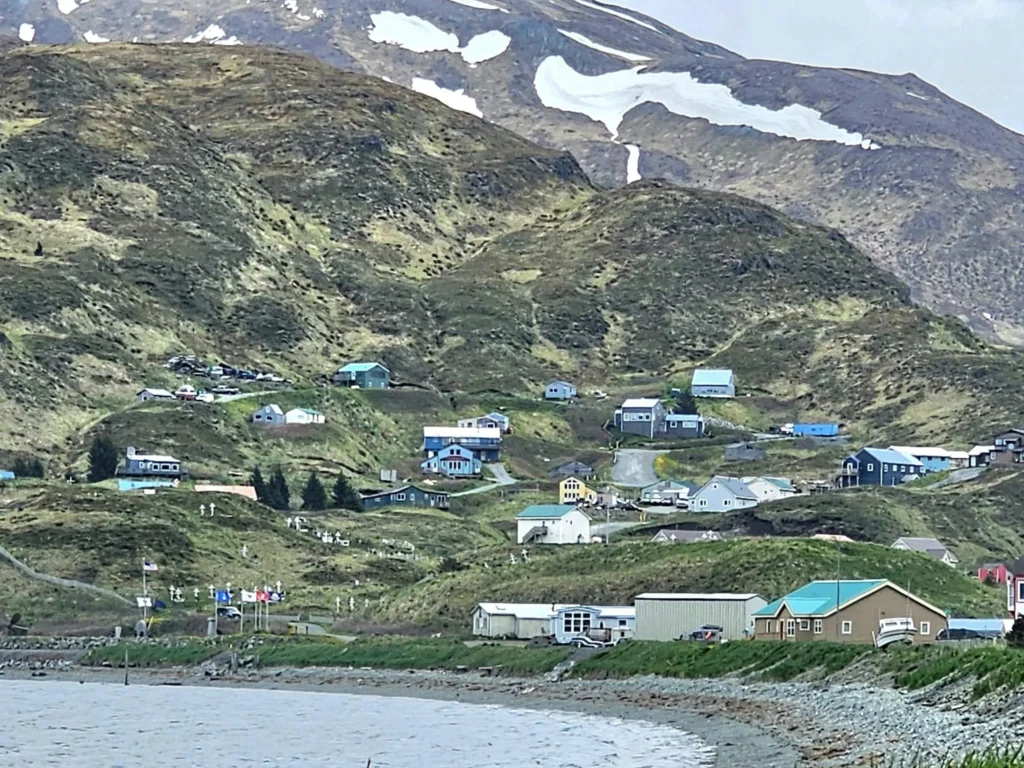
Stepping onto the dock in Dutch Harbor, we were greeted by a crisp breeze carrying the briny scent of saltwater and kelp. The port buzzed with activity—fishing boats bobbed in the harbor, their nets laden with the day’s catch, while locals moved with quiet pride. The rugged silhouette of Mount Ballyhoo framed the horizon, a tempting sight for adventurers. The solstice sun, hovering low but never setting, bathed the landscape in a surreal, ethereal light, making every moment feel like a scene from a dream.
Sailing into Dutch Harbor under the solstice sun felt like stepping into a realm where light and wonder never fade.


A Scenic Walk Through Unalaska’s Heart
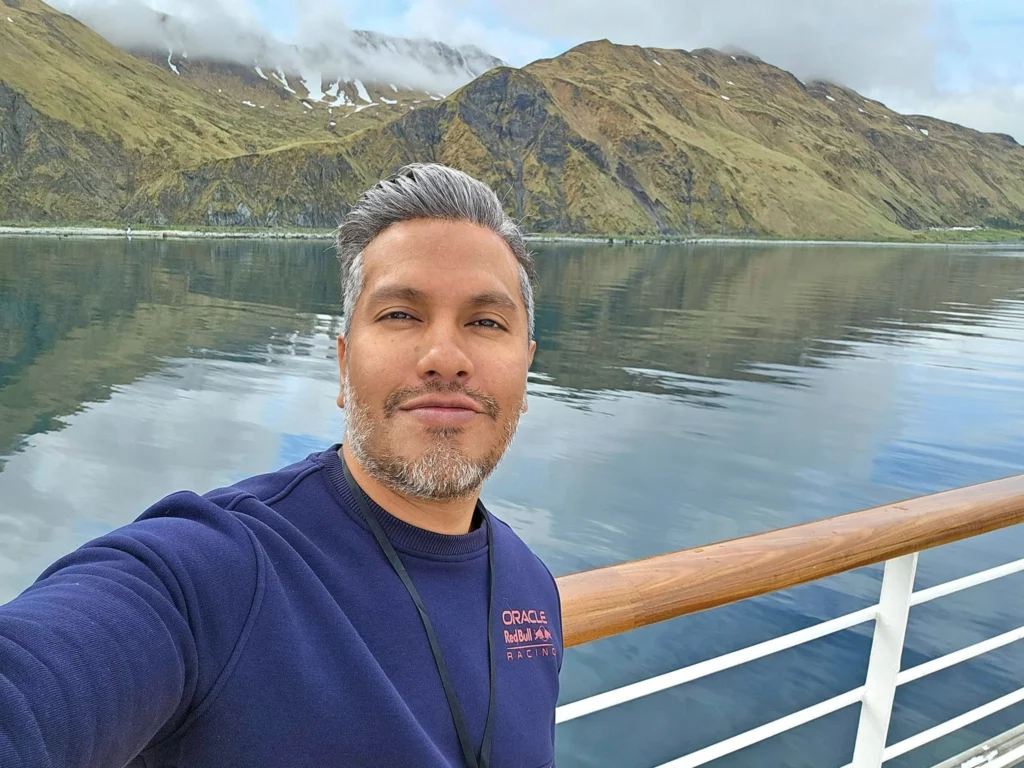
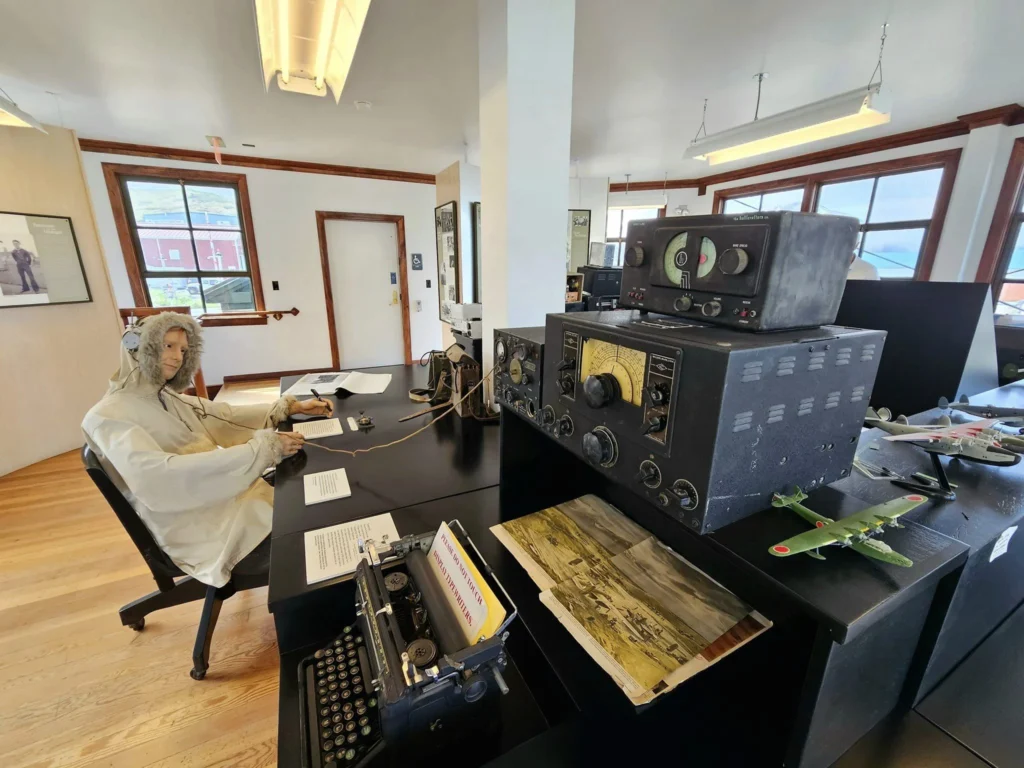
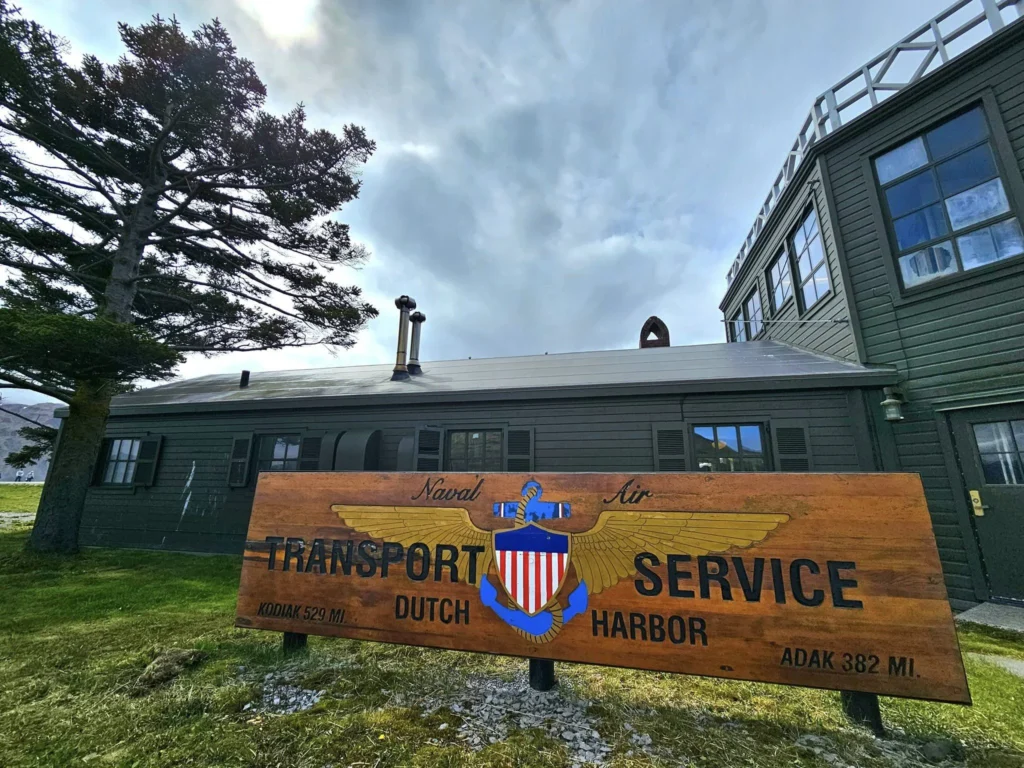
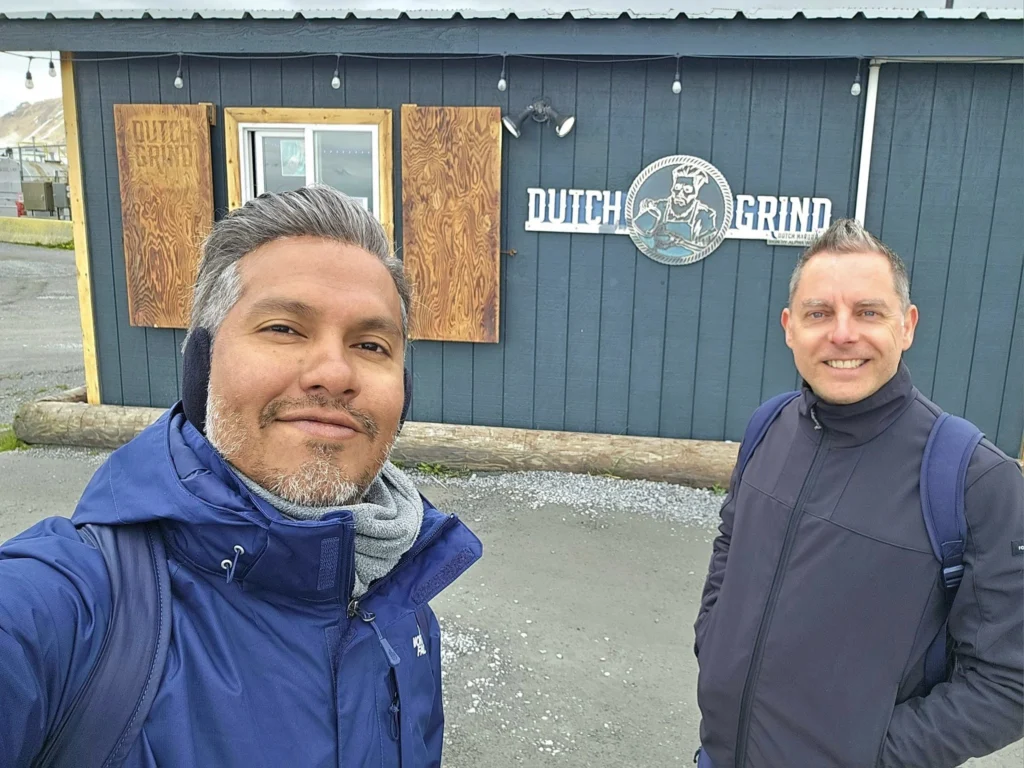
We chose to immerse ourselves in Unalaska’s charm with a leisurely walk from the pier, savoring the great views of nature along the way. Our journey began at the Aleutian Islands WWII National Historic Area Visitor Center, a short stroll from the dock. Housed in a historic WWII-era building, the center offered a fascinating introduction to the 1942 Battle of Dutch Harbor. Exhibits detailed the Japanese air raids, the U.S. military’s response, and the Unangax̂ internment, with artifacts like uniforms, photographs, and maps bringing the era to life. A knowledgeable docent shared stories of local resilience, from soldiers defending the base to Unangax̂ families enduring internment, deepening our appreciation for Unalaska’s wartime legacy. Learn more about WWII history.
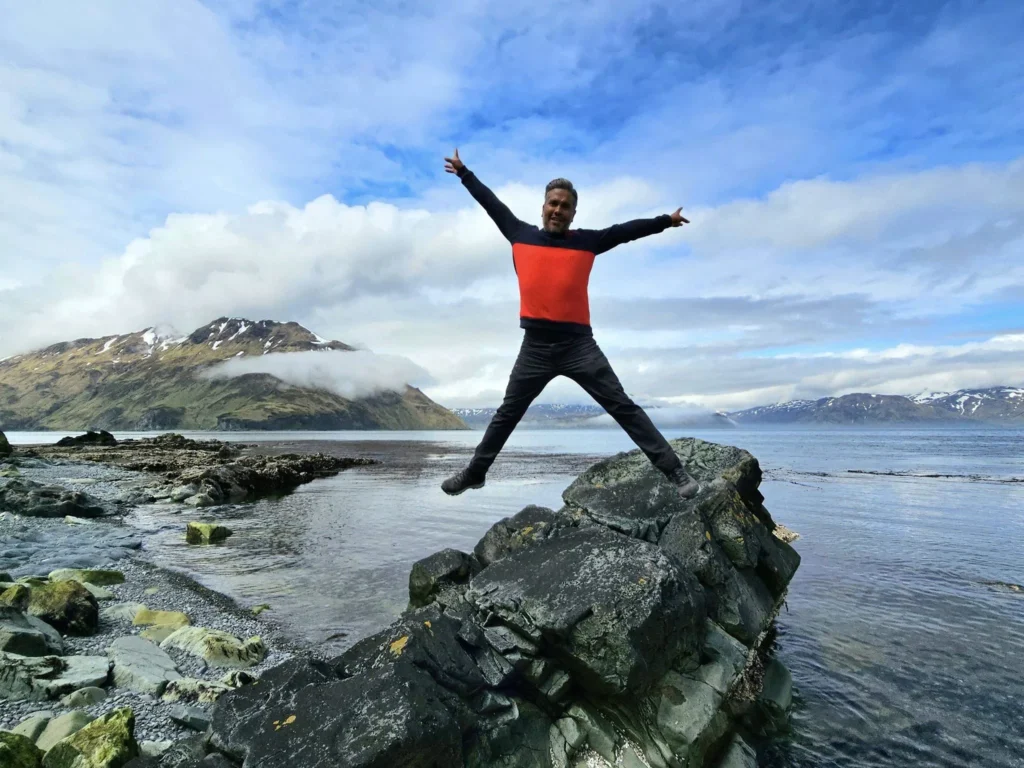
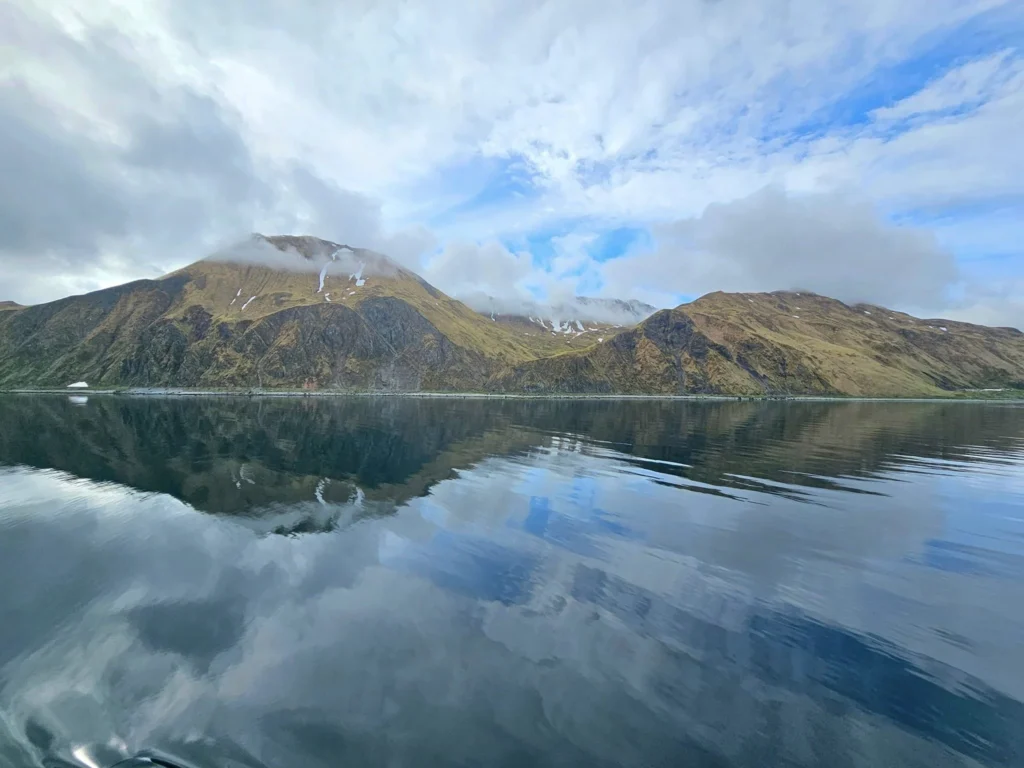
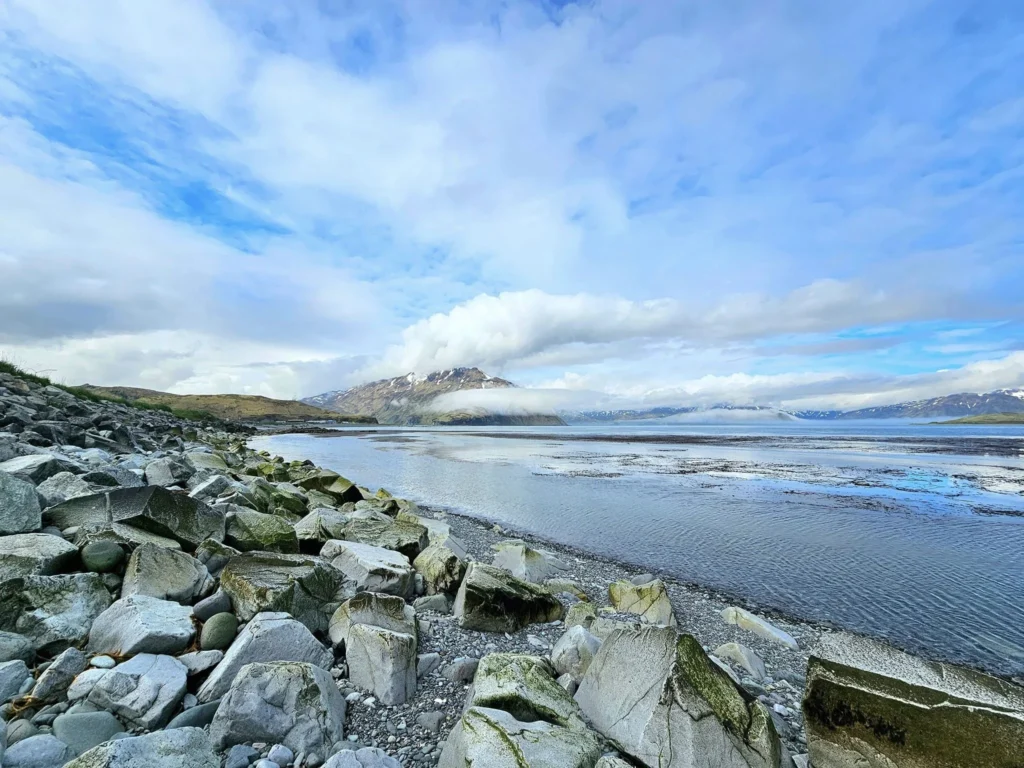
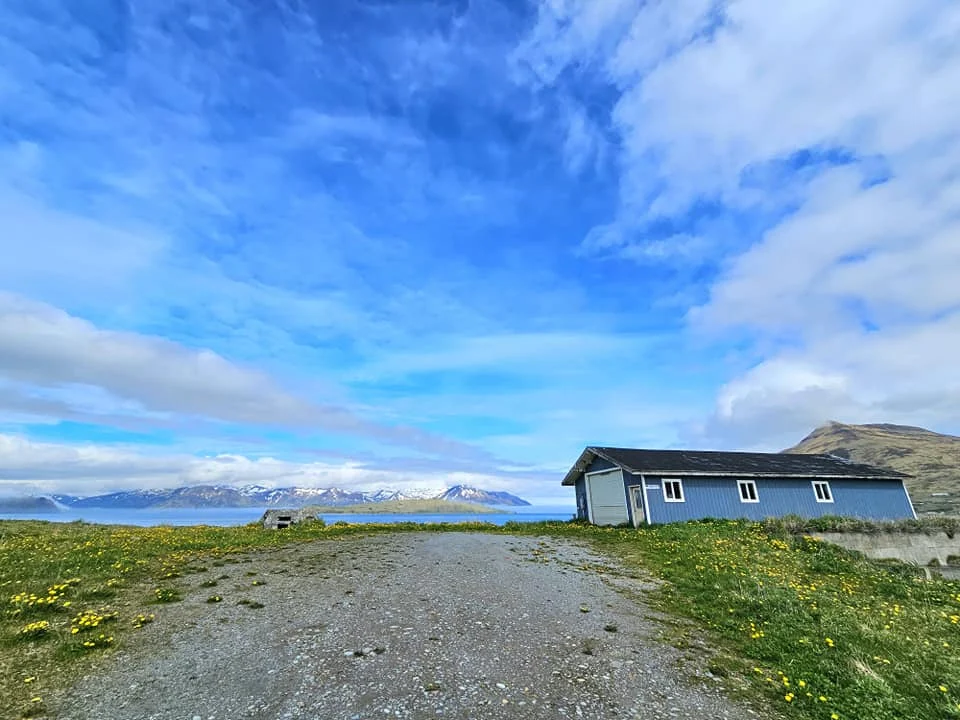
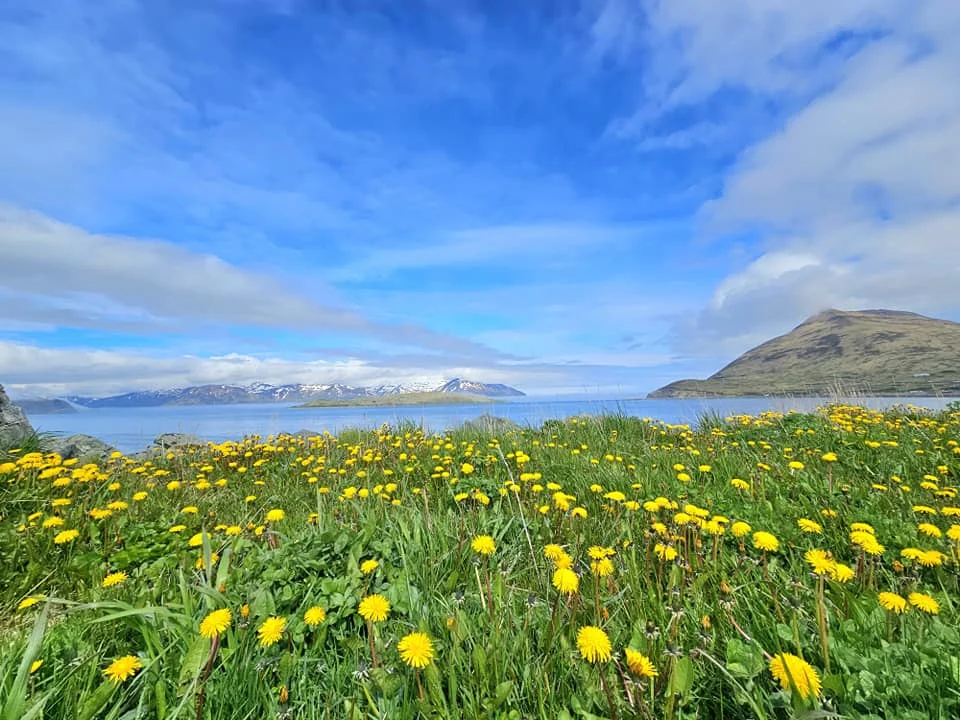
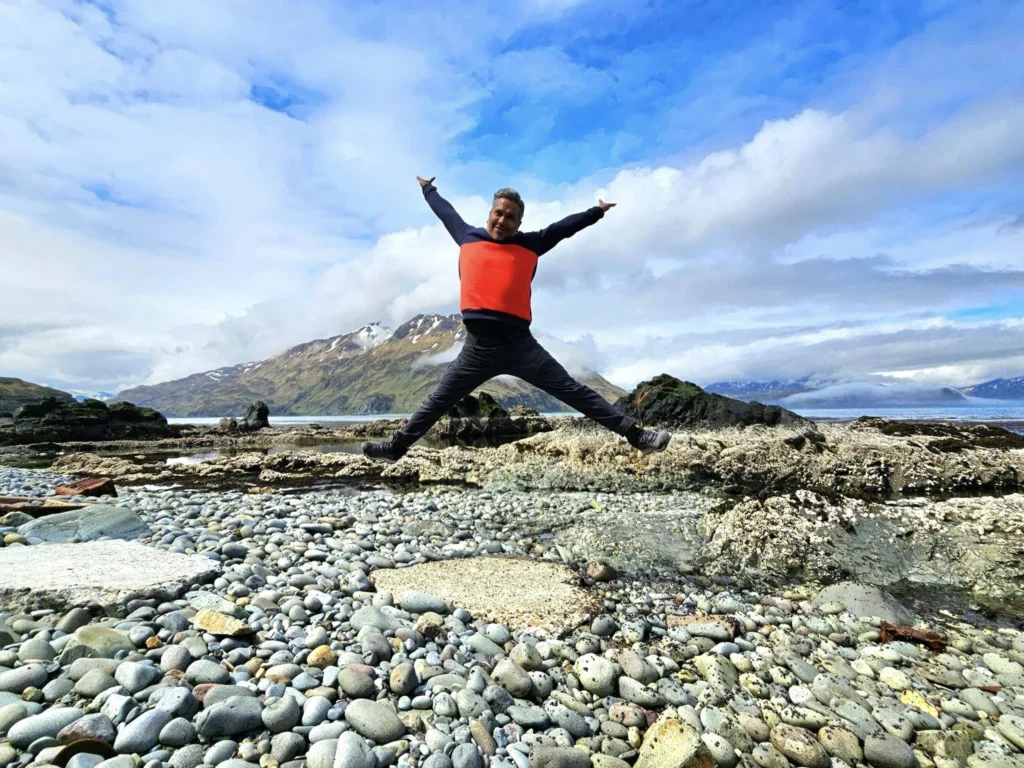
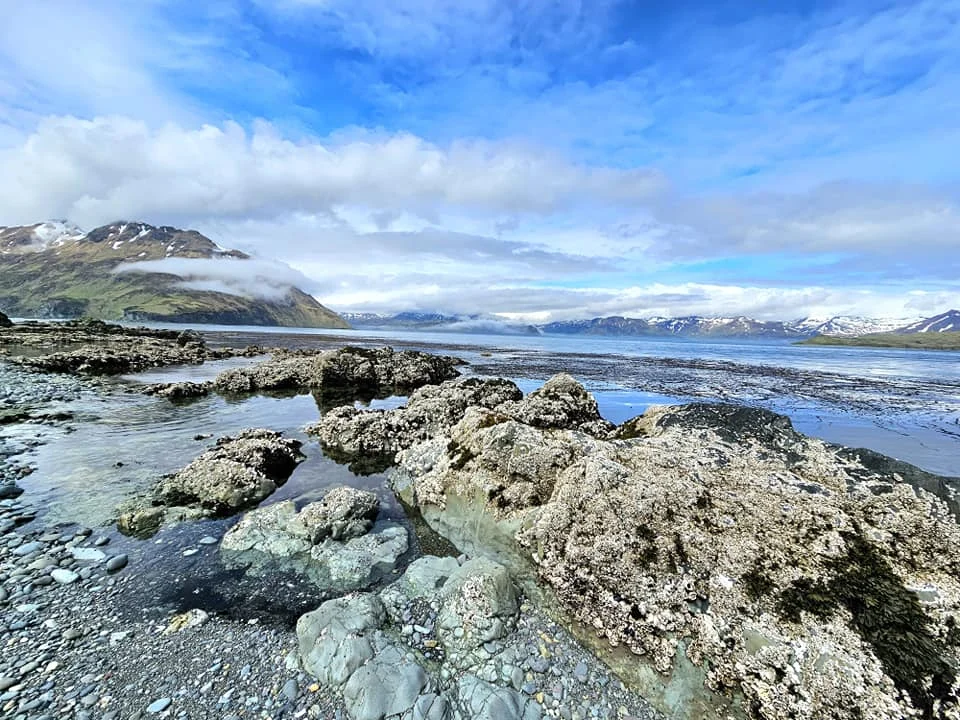
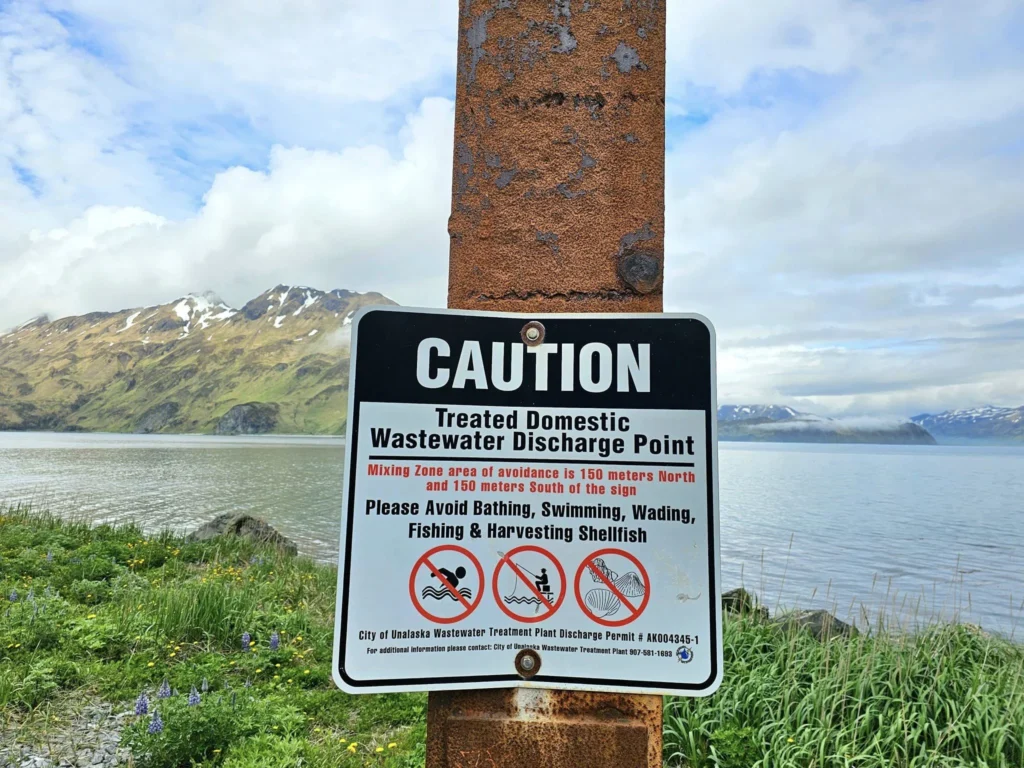
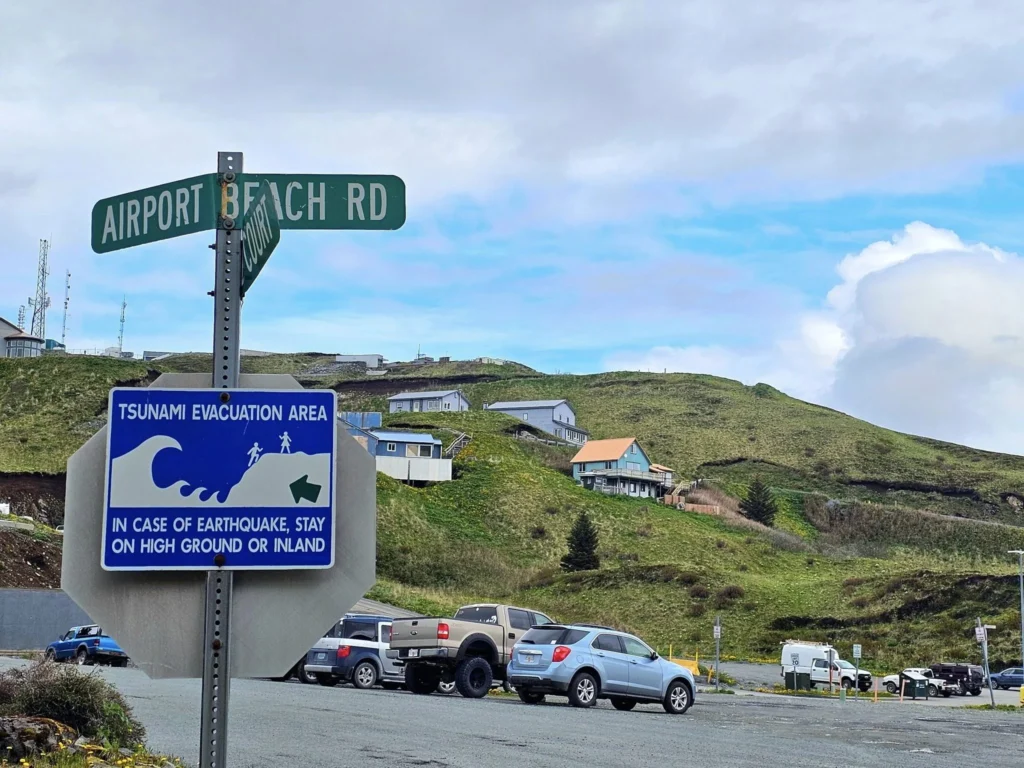
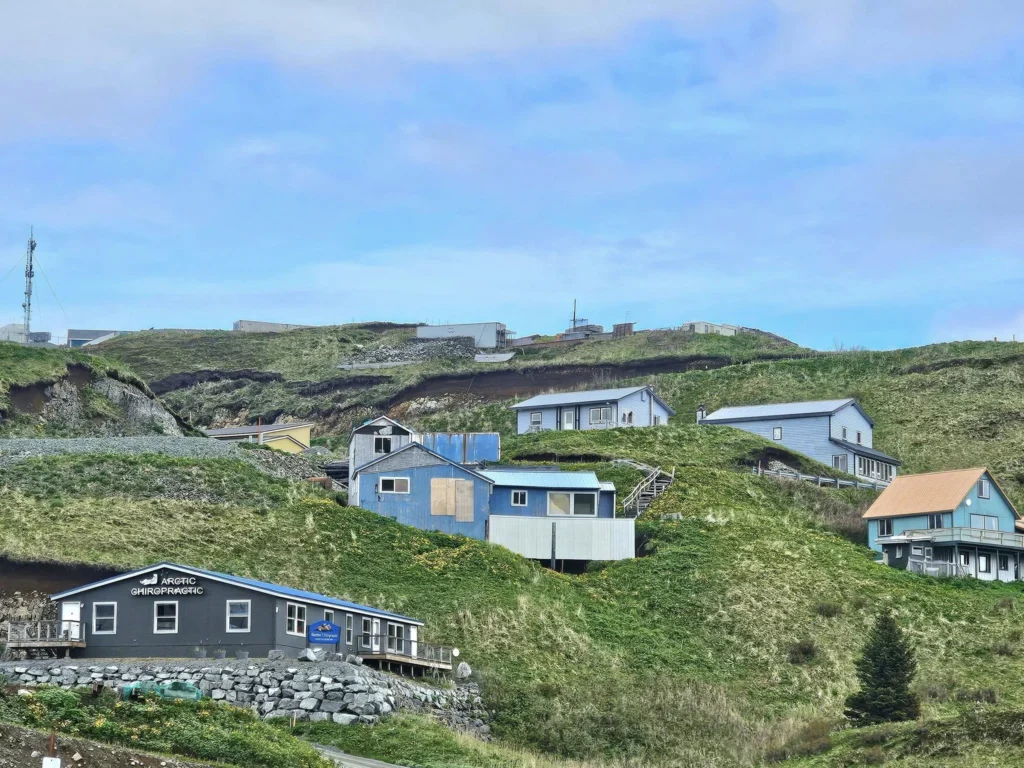
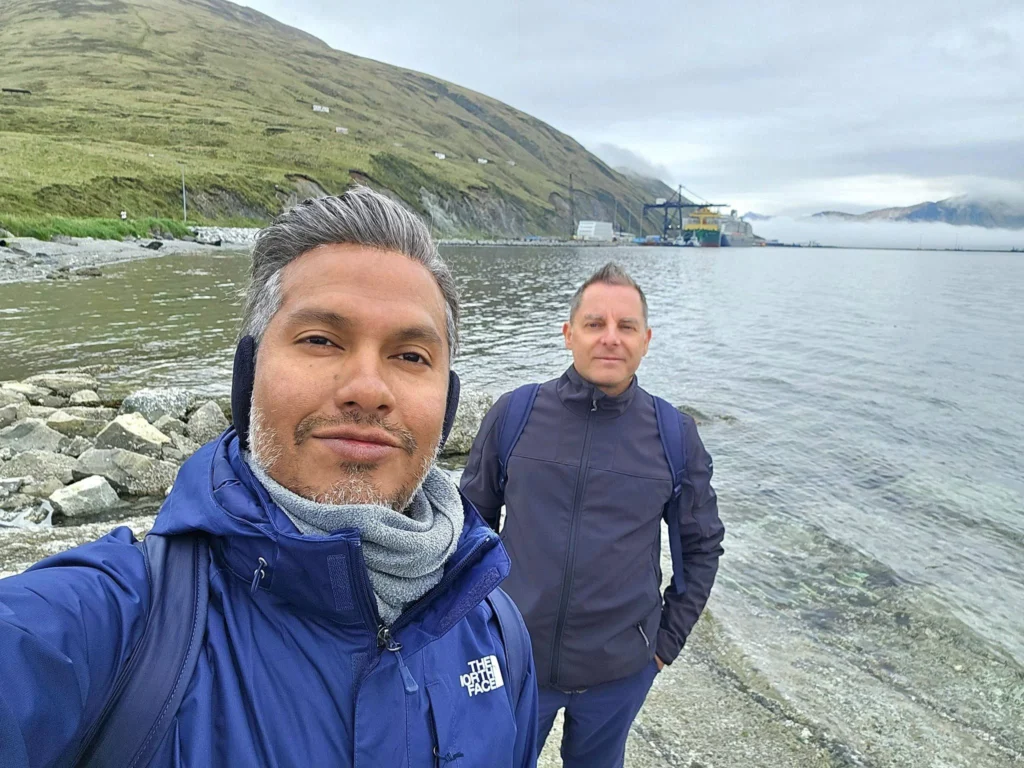
From the visitor center, we followed Airport Beach Road, a scenic route tracing the sandy shores of Iliuliuk Bay. The beach stretched before us, its pebbles glistening under the solstice light, while gentle waves lapped at the shore. The air was alive with the cries of gulls and the rustle of wind through coastal grasses. We paused often to take in the views—rugged mountains rose sharply against the sky, their green slopes dotted with wildflowers like lupine, fireweed, and delicate forget-me-nots. The Bering Sea sparkled in the distance, its vastness both humbling and exhilarating. For those seeking a more challenging experience, the nearby Mount Ballyhoo Trail offers panoramic vistas of Dutch Harbor and the surrounding waters, but our beachside walk was perfect for soaking in Unalaska’s natural beauty. Discover Unalaska’s attractions.
Walking along Airport Beach Road, we felt the pulse of Unalaska’s wild heart, where sea and sky sing in harmony.
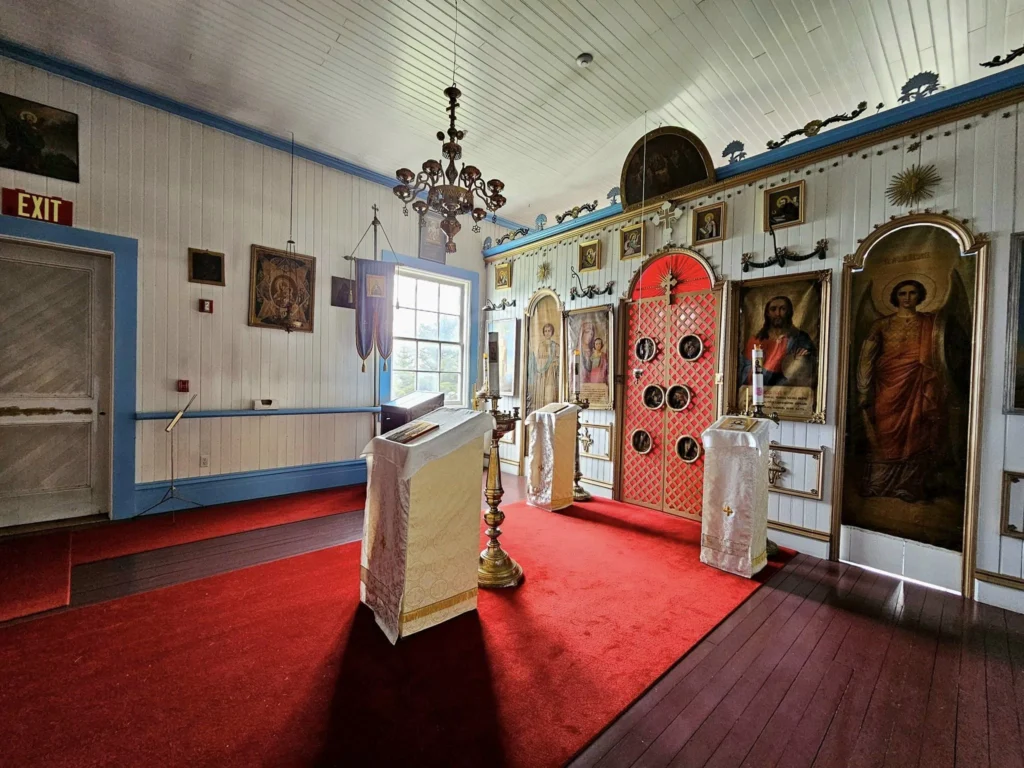
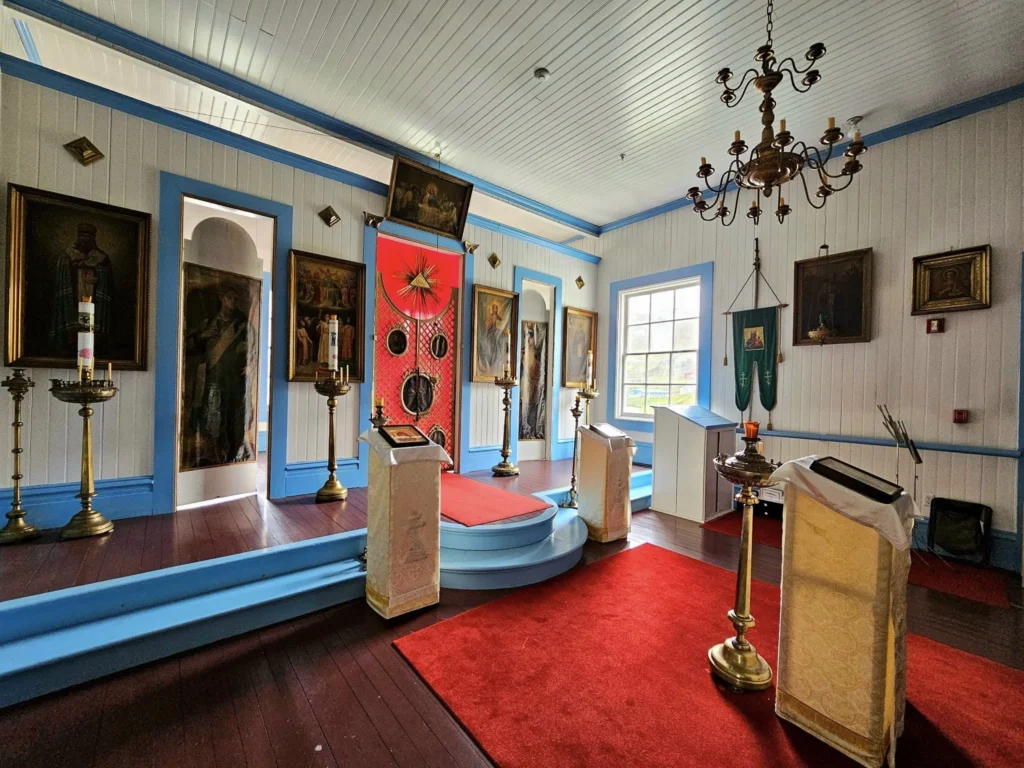
Our walk culminated at the Holy Ascension of Our Lord Russian Orthodox Cathedral, a striking landmark with its green onion domes standing out against the rugged landscape. The cathedral’s serene interior captivated us—golden icons glowed in the candlelight, and the scent of incense created a sacred atmosphere. A local docent shared its history, from its founding in 1825 to its role in the Unangax̂ community, highlighting the challenges of Russian colonization and WWII internment. The cathedral’s preservation, supported by the community, underscored its significance as a cultural anchor. Visiting this site was a poignant reminder of Unalaska’s enduring heritage. Explore the cathedral’s history.


Wildlife Wonders: Birdwatching at the Sanctuary
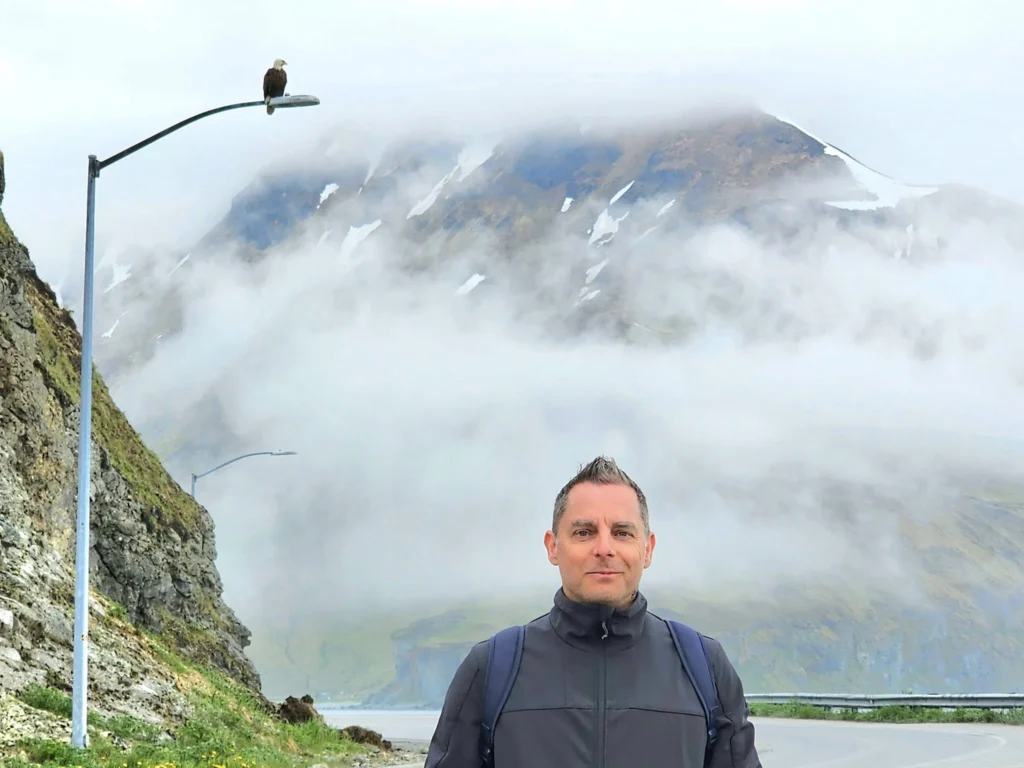
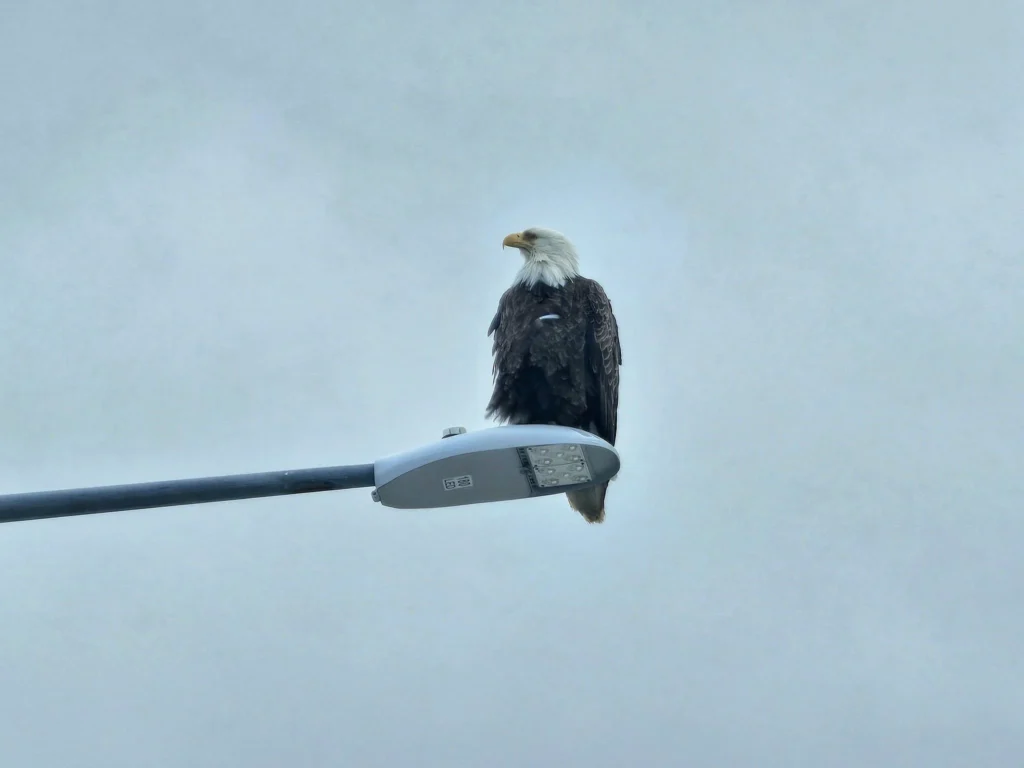
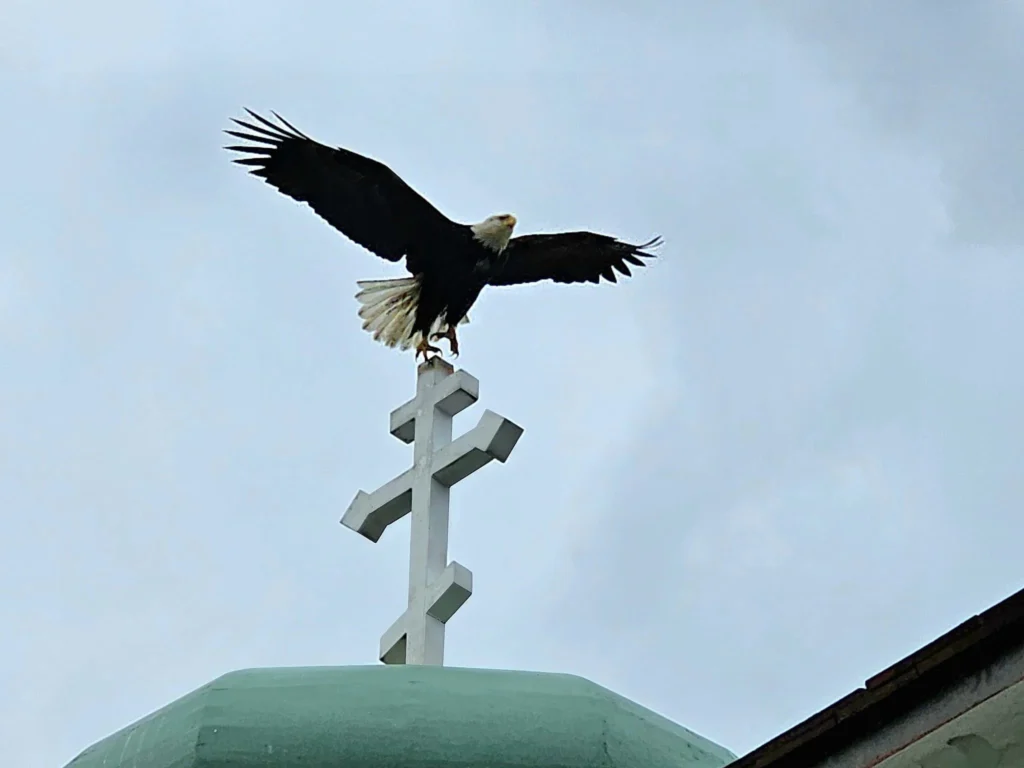
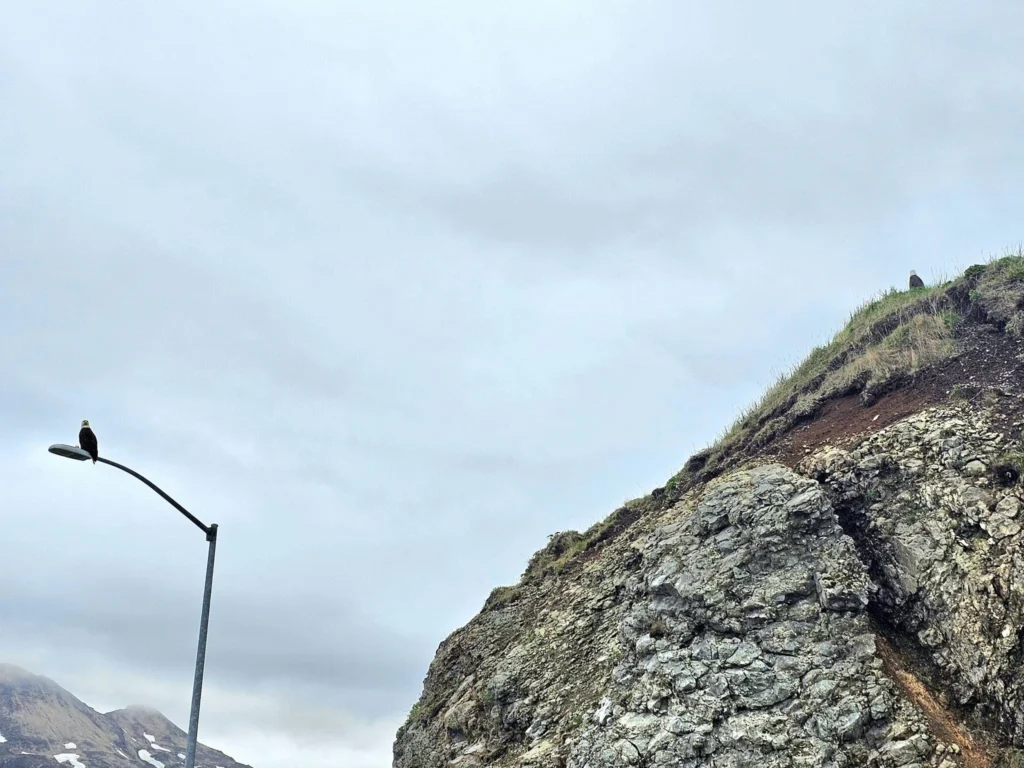
Unalaska’s wildlife was a highlight of our trip. We dedicated a morning to the Unalaska Island Bird Sanctuary, a haven for birdwatchers. Arriving at dawn, we were greeted by a chorus of seabirds—kittiwakes, cormorants, and puffins filled the air with their chatter. Bald eagles perched on rocky outcrops, their piercing gazes surveying the landscape. Our guide, a local naturalist, pointed out rare species like the whiskered auklet, sharing insights into their migratory patterns and nesting habits. The sanctuary’s peaceful setting allowed us to connect with nature, our binoculars trained on puffins bobbing on the cliffs and eagles soaring overhead. The sight of an eagle’s white head and tail against the blue sky was a moment of pure awe, a testament to Unalaska’s wild beauty. Learn about Alaska’s wildlife.
In Unalaska’s wild embrace, every bird tells a story of freedom and grace.
Travel Tip: Visit the bird sanctuary at dawn for the best birdwatching opportunities. Bring binoculars and a camera with a zoom lens to capture the vibrant avian life.


Savoring Local Cuisine in the Westerdam’s Main Dining Room
Dining aboard the Westerdam was a highlight, with the main dining room offering an elegant setting to enjoy Alaskan-inspired cuisine. The room’s sophisticated ambiance—think sparkling chandeliers, white linens, and panoramic windows framing the Bering Sea—elevated every meal. We savored fresh seafood dishes that showcased the region’s bounty, including king crab legs, their sweet meat perfectly tender, and halibut, its flaky texture enhanced by delicate sauces. Each dish was prepared with a blend of traditional and contemporary techniques, reflecting the culinary heritage of Alaska. For dessert, we indulged in a wild berry tart, made with local blueberries and crowberries, its tart-sweet balance a fitting end to the meal. The attentive service and expertly curated menu made dining a celebration of Unalaska’s flavors, enjoyed in the comfort of the ship.
Dining Tip: Request a window table in the main dining room for stunning views of the Aleutian landscape while you dine. Arrive early to secure a spot during peak dining hours.


Exploring Local Culture
Unalaska’s small-town charm was irresistible. We wandered through the town, visiting shops selling Unangax̂ crafts—woven grass baskets, carved bone jewelry, and beaded ornaments. The locals were warm, sharing stories of fishing seasons, community festivals, and their deep connection to the land. This personal touch made our visit feel like a homecoming. The Museum of the Aleutians offered a deeper dive into the region’s past, with exhibits on Unangax̂ culture, WWII, and the fishing industry. Displays of baidarka kayaks and wartime artifacts sparked conversations with museum staff, enriching our understanding of Unalaska’s heritage. Visit the Museum of the Aleutians.
Unalaska’s culture is a vibrant tapestry, woven with stories of sea, land, and community.

Practical Tips for Visiting Dutch Harbor and Unalaska
Weather Preparation
The Aleutians’ weather is unpredictable, with fog, rain, and wind common. We packed waterproof jackets, sturdy shoes, and layers to stay comfortable. A hat and gloves were essential for early morning outings, and sunscreen protected us during the solstice’s long daylight hours. Plan your trip.
Transportation
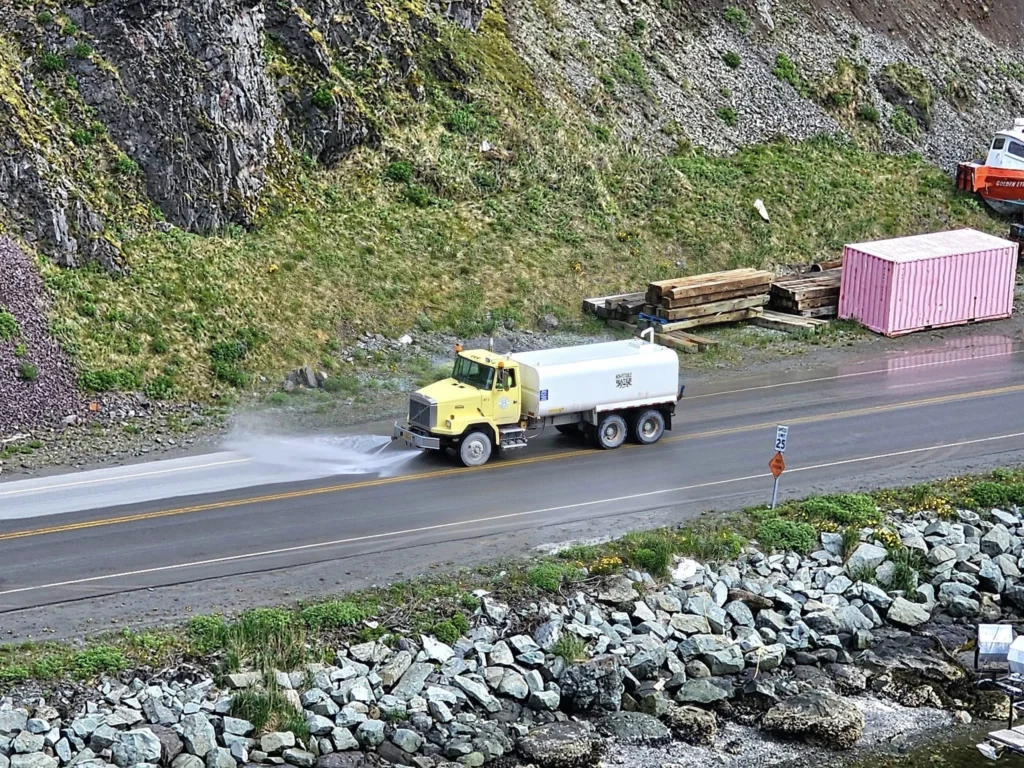
Dutch Harbor and Unalaska are compact, making walking feasible for many attractions, such as the WWII Visitor Center and the cathedral. The Westerdam offered shuttle services for shore excursions, streamlining visits to farther sites. Renting a vehicle is an option for those exploring beyond the town center.
Accommodations
As cruise passengers, we stayed aboard the Westerdam, enjoying its luxurious cabins and dining. For those staying longer, the Unalaska Hotel and Grand Aleutian Hotel offer authentic experiences. Book early, as accommodations are limited during peak season.
Safety and Respect
Walking and birdwatching require caution. We stayed on marked paths, carried water, and remained alert for wildlife. Some areas may require recreational land use permits. Learn about permits. Respecting local culture was paramount—we asked permission before photographing cultural sites and engaged respectfully with residents.

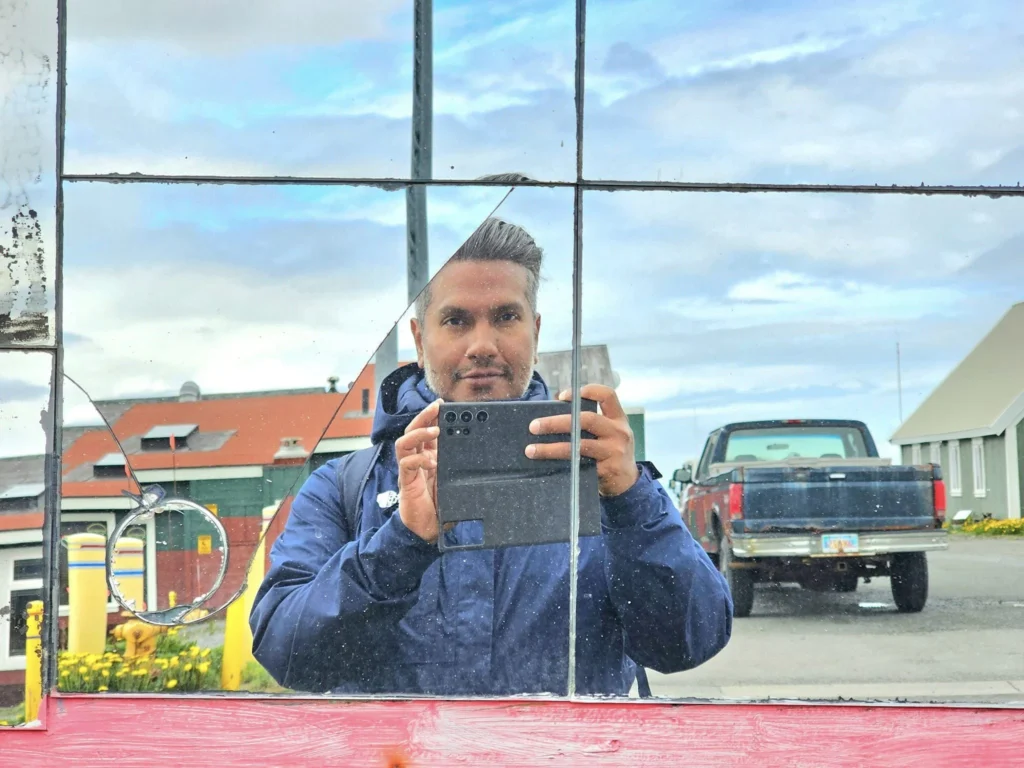
Reflections on an Unforgettable Journey
Our time in Dutch Harbor and Unalaska was a tapestry of history, nature, and culture. The walk from the pier to the WWII Visitor Center and along Airport Beach Road to the Holy Ascension Cathedral immersed us in Unalaska’s past and present, with stunning views of the Bering Sea and rugged mountains. Birdwatching at the Unalaska Island Bird Sanctuary connected us to Alaska’s wild soul, while exquisite seafood in the Westerdam’s main dining room nourished our bodies. The warm hospitality of locals and the ship’s luxurious amenities elevated every moment, set against the solstice’s magical light. Unalaska left an indelible mark, a reminder of the beauty and resilience found in the world’s remote corners. indelible mark, a reminder of the beauty and resilience found in the world’s remote corners.





















Whispers of Dutch Harbor
In the embrace of Alaska’s wild frontier,
Where the Bering Sea’s whispers are clear,
We ventured to Dutch Harbor, a realm so grand,
Where nature’s wonders and history hand in hand.

Rugged mountains rise, their peaks touch the sky,
Veiled in mist, where the eagles dare to fly.
Trails beckon with promises of breathtaking sights,
As we tread the paths of ancient lights.

The Mount Ballyhoo Trail, with vistas wide,
Unfolds the land where wilderness resides.
Each step reveals a world of unspoiled grace,
Where rolling hills meet the sea’s embrace.

Bald eagles, in their majesty, soar high,
A dance of freedom in the vast, open sky.
Their wings carve stories of a land so free,
In the heart of Dutch Harbor, where spirits roam free.

The Russian Orthodox Church stands serene and proud,
Its onion domes like whispers in the clouds.
Within, the sacred icons softly gleam,
Echoing tales of a bygone dream.

Unalaska’s charm, a tapestry woven tight,
Of modern whispers and the old world’s light.
Friendly faces and stories shared in grace,
Adding warmth to this remote, wondrous place.

On plates of fresh seafood, the ocean’s gifts lay,
In Dutch Harbor’s heart, where flavors play.
The essence of the sea, in every bite,
A taste of adventure, a pure delight.

As dusk descends and the sky turns gold,
We cherish the stories that this land told.
From trails to churches, from the sea to the sky,
Dutch Harbor Unalaska, where the wild spirits fly.