
**Big Upgrade Coming Soon from Danny and Peter!**
We’re merging and refreshing all our cruise port guides into beautiful new master posts with hundreds of photos and 2026 tips.
This guide will be fully updated soon – stay tuned for the new version!
In the meantime, check our latest posts or subscribe for updates.
Alaska’s pristine wilderness has long captivated adventurers, and our journey aboard Holland America Line’s Westerdam on the Alaska Arctic Circle Solstice itinerary was no exception. The highlight of this unforgettable voyage was our exploration of Prince William Sound and Valdez Glacier Lake, where nature’s grandeur unfolded in breathtaking ways. From a serene morning cruise through the glassy waters of Prince William Sound to an exhilarating glacier kayaking adventure in Valdez, this trip was a seamless blend of luxury, adventure, and awe-inspiring natural beauty. Below, we dive into the rich history of Prince William Sound and Valdez, Alaska, followed by a detailed account of our experiences aboard the Westerdam and beyond.
Table of Contents
The History of Prince William Sound and Valdez, Alaska
Early Indigenous Presence and Cultural Significance
Prince William Sound, nestled along Alaska’s south-central coast, has been a vital region for thousands of years. The area was home to the Chugach people, an Alutiiq (Sugpiaq) group whose lives were intricately tied to the sea. They relied on the abundant marine life—salmon, seals, and whales—for sustenance, and their deep knowledge of the region’s waterways allowed them to thrive in this rugged environment. Archaeological evidence suggests human habitation in the Sound dating back at least 10,000 years, with the Chugach developing sophisticated tools and traditions adapted to the coastal landscape.
The Sound’s name originates from 1778, when British explorer Captain James Cook named it after Prince William Henry, the third son of King George III. Cook’s exploration marked the beginning of European contact, which would profoundly impact the indigenous communities through trade, disease, and eventual colonization.
Valdez, located on the northern shore of Prince William Sound, also has deep indigenous roots. The area was a traditional fishing and trading hub for the Chugach and Ahtna Athabascan peoples. The town’s modern name, however, stems from Spanish explorer Salvador Fidalgo, who charted the region in 1790 and named the bay after Spanish naval officer Antonio Valdés y Fernández Bazán.
Prince William Sound’s history is a tapestry woven from the resilience of its indigenous peoples and the ambitions of explorers who ventured into its uncharted waters.
The Gold Rush and Valdez’s Rise
Valdez’s modern history is closely tied to the Klondike Gold Rush of the late 19th century. In 1897, prospectors seeking a route to the Yukon goldfields landed in Valdez, establishing it as a key entry point. The “All-American Route” to the Klondike began here, with thousands of hopeful miners braving treacherous trails like the Valdez Glacier Trail. The harsh conditions and lack of infrastructure led to significant hardship, but Valdez’s strategic location ensured its growth as a supply hub.
By the early 20th century, Valdez had become a bustling port town, supporting mining, fishing, and trade. The construction of the Richardson Highway in the 1920s, connecting Valdez to Fairbanks, further solidified its importance as a transportation and economic center. However, the town’s early years were not without challenges—fires, harsh winters, and economic fluctuations tested the resilience of its residents.
The 1964 Earthquake and Its Lasting Impact
The most defining moment in Valdez’s history came on March 27, 1964, when the Great Alaska Earthquake—measuring 9.2 on the Richter scale—struck Prince William Sound. The second-most powerful earthquake ever recorded, it triggered massive landslides, tsunamis, and widespread destruction. Valdez was devastated; the original townsite, built on unstable glacial silt, was obliterated by a tsunami that killed 32 residents. The disaster prompted the relocation of Valdez to its current, more stable location four miles away.
The earthquake also reshaped Prince William Sound’s ecology and economy. Submerged forests, uplifted shorelines, and altered tidal patterns are still visible today, serving as reminders of nature’s raw power. The disaster spurred advancements in seismic research and disaster preparedness, influencing modern Alaska’s infrastructure and safety standards.
The Exxon Valdez Oil Spill and Environmental Recovery
In 1989, Prince William Sound became the focal point of one of the worst environmental disasters in history: the Exxon Valdez oil spill. On March 24, the oil tanker ran aground on Bligh Reef, spilling 11 million gallons of crude oil into the Sound’s pristine waters. The spill devastated marine life, including salmon, herring, seabirds, and marine mammals, and disrupted the livelihoods of local communities dependent on fishing and tourism.
Cleanup efforts were extensive but could not fully mitigate the long-term ecological damage. The spill led to significant changes in environmental regulations, including the Oil Pollution Act of 1990, and heightened awareness of the need to protect fragile ecosystems. Today, Prince William Sound is a testament to nature’s resilience, with wildlife populations slowly recovering, though traces of oil still linger in some areas.
Modern Valdez and Prince William Sound
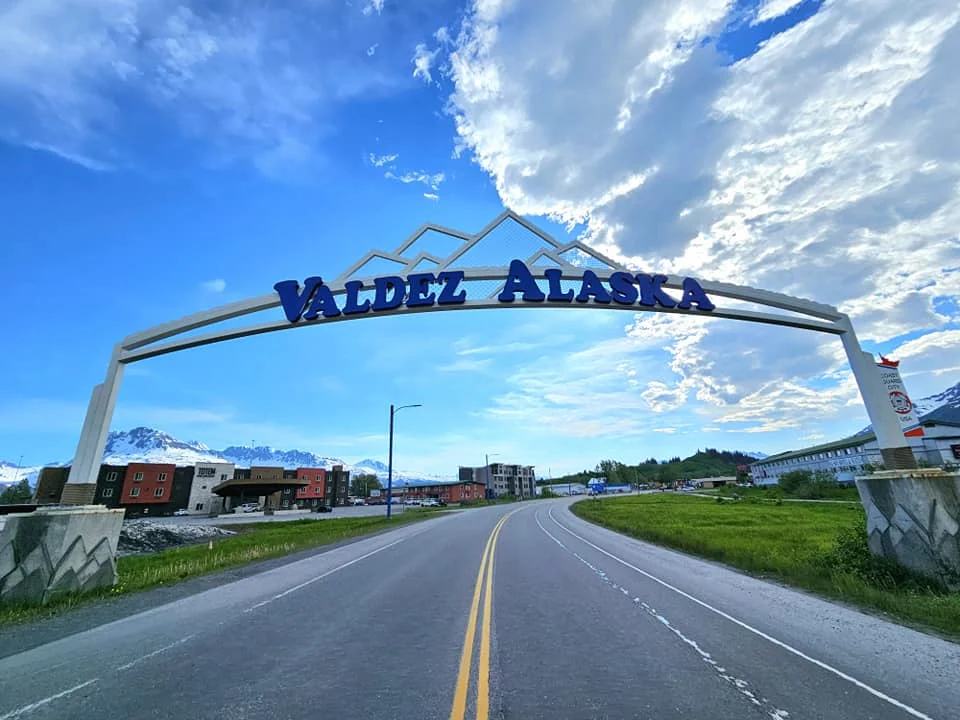
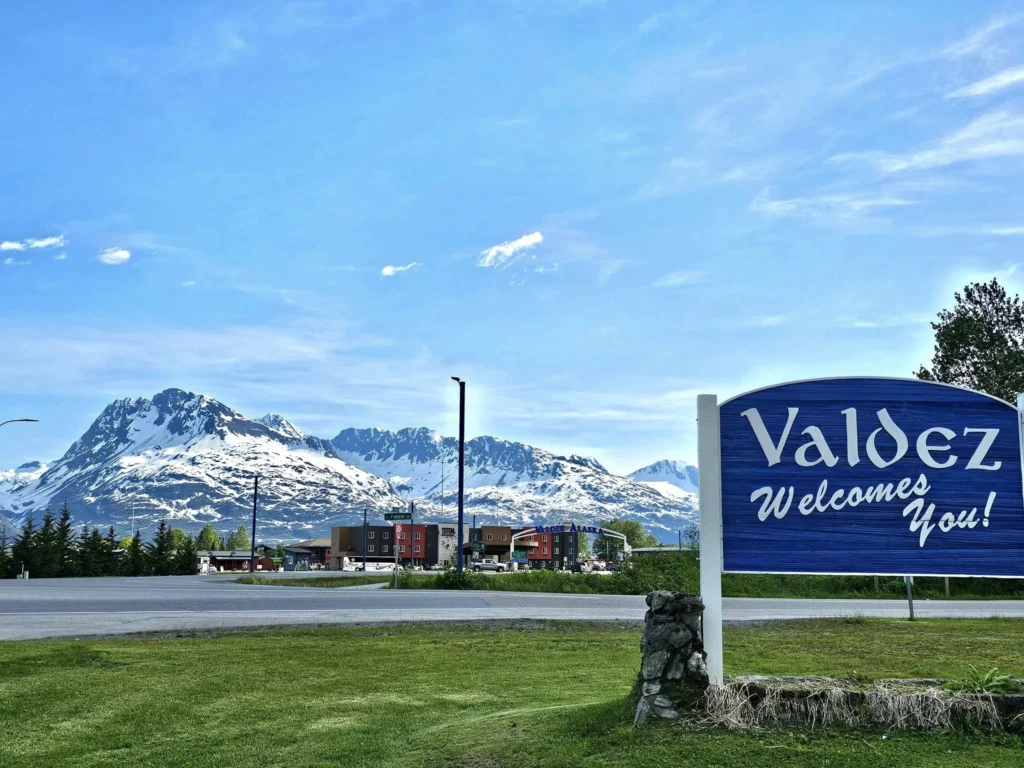
Today, Valdez is a vibrant community of about 4,000 residents, known as the “Switzerland of Alaska” for its dramatic, snow-capped mountains and lush valleys. It serves as the southern terminus of the Trans-Alaska Pipeline System, a critical component of the state’s oil industry. Tourism has also become a cornerstone of the local economy, with visitors drawn to the region’s glaciers, wildlife, and outdoor adventures.
Prince William Sound remains a pristine wilderness, encompassing over 3,000 miles of coastline, countless islands, and glaciers like Columbia and Meares. Its protected waters are a haven for marine life, including humpback whales, orcas, sea otters, and bald eagles. The Sound’s blend of natural beauty and historical significance makes it a must-visit destination for travelers seeking an authentic Alaskan experience.
From indigenous heritage to modern resilience, Prince William Sound and Valdez embody the spirit of Alaska—a land shaped by nature and human determination.
Our Unforgettable Journey Aboard the Westerdam
A Luxurious Morning Cruise Through Prince William Sound
Setting Sail at Dawn
Our adventure began at the crack of dawn aboard the Westerdam, a Holland America Line ship renowned for its elegance and comfort. As we embarked on the Alaska Arctic Circle Solstice itinerary, the morning cruise through Prince William Sound promised a front-row seat to one of nature’s grandest spectacles. The ship’s sleek design and luxurious amenities set the stage for an experience that seamlessly blended sophistication with the raw beauty of Alaska.
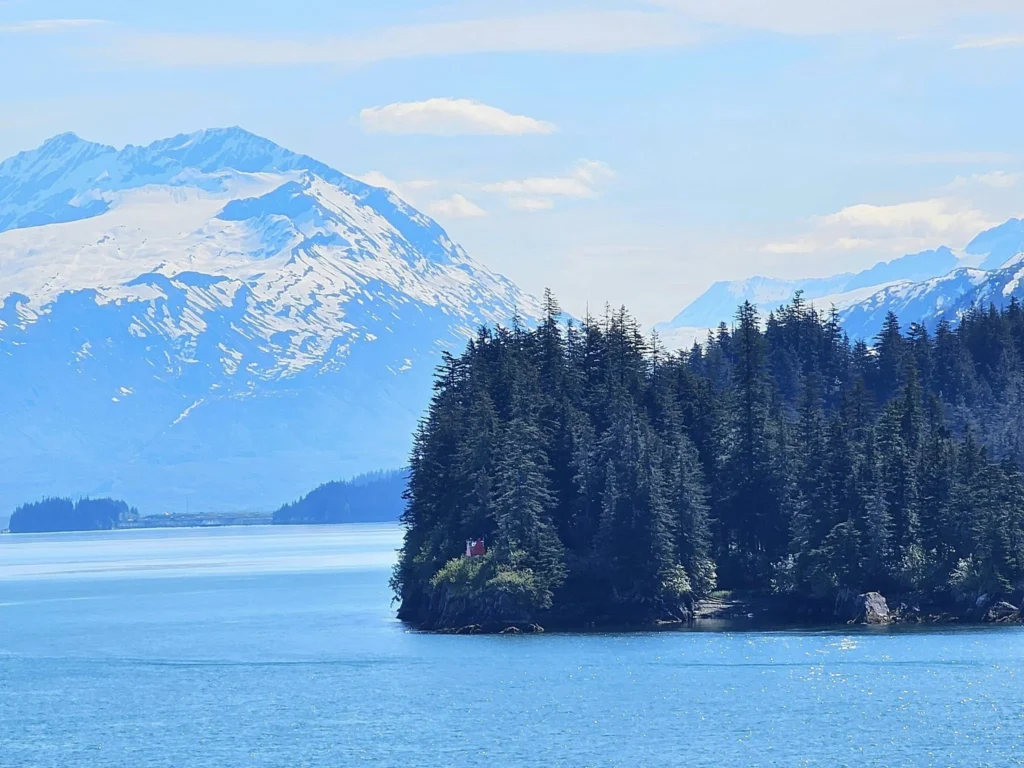
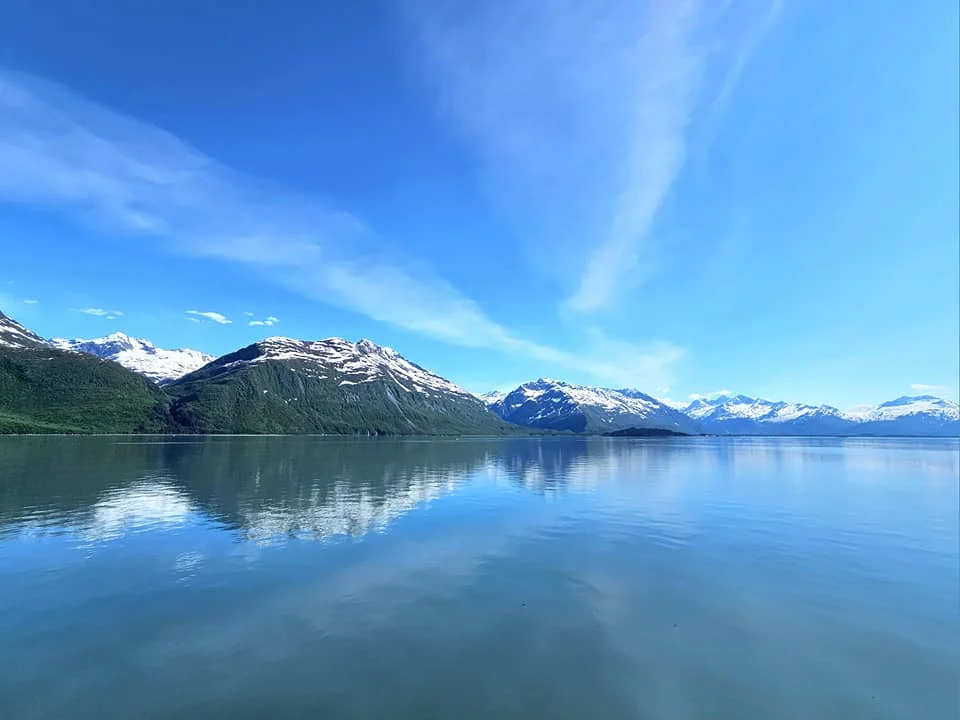
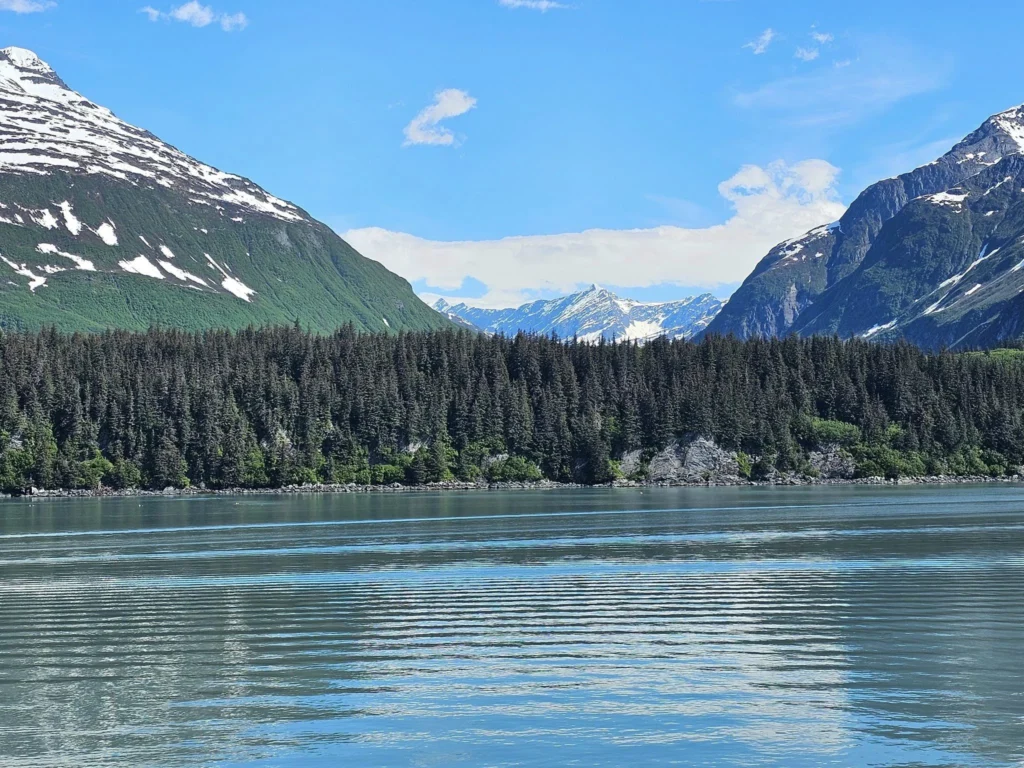
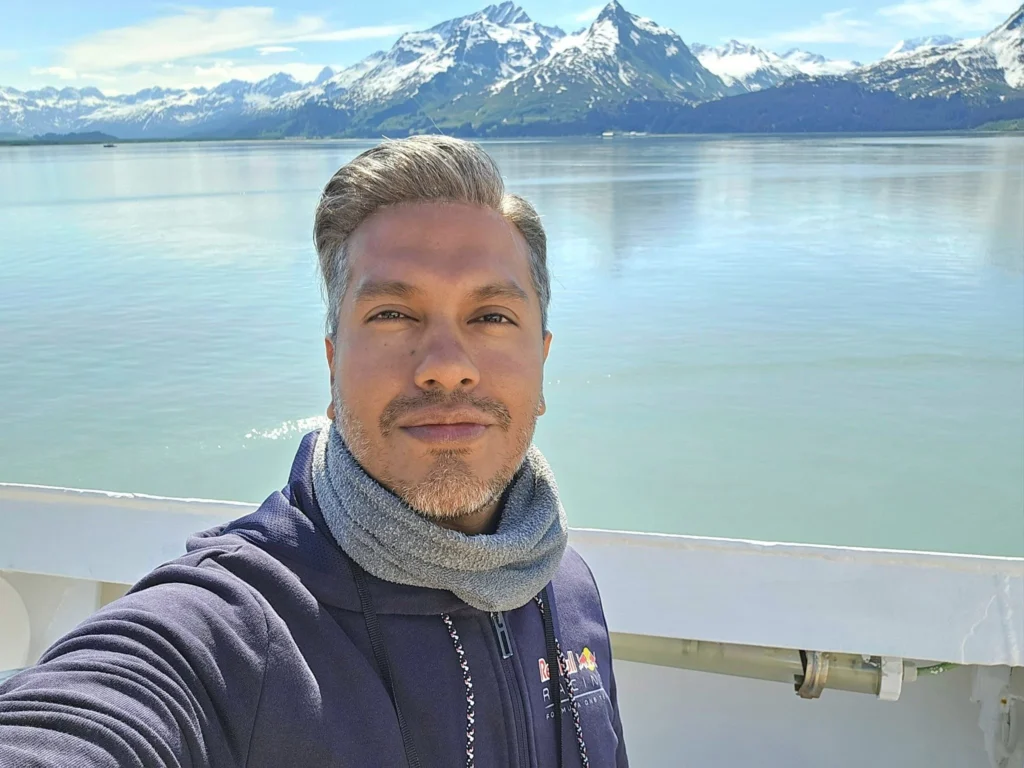
As the first rays of sunlight pierced the horizon, the Westerdam glided smoothly through the calm waters of Prince William Sound. The early morning air was crisp, carrying the scent of saltwater and pine. From the ship’s spacious deck, we marveled at the towering peaks that framed the Sound, their reflections shimmering in the glass-like water. The serene atmosphere was a perfect complement to the Westerdam’s refined ambiance.
As the sun rose over Prince William Sound, the Westerdam became our window to a world where nature’s majesty and human craftsmanship coexist in perfect harmony.
A Feast for the Senses
The morning cruise was a sensory delight. The Westerdam’s observation deck offered panoramic views of the Sound’s dramatic landscape—rugged cliffs, cascading waterfalls, and glaciers that glowed with an ethereal blue hue in the morning light. The ship’s gentle motion and the rhythmic lapping of waves created a soothing backdrop, enhancing the tranquility of the experience.
We savored a gourmet breakfast in the Westerdam’s main dining room, where floor-to-ceiling windows framed the passing scenery. The menu featured Alaskan-inspired dishes, including fresh salmon and locally sourced berries, which added a regional flair to the meal. The attentive crew ensured every detail was perfect, from the steaming coffee to the impeccable service, making the morning feel both indulgent and immersive.
Wildlife Wonders in the Morning Light
One of the most unforgettable aspects of the cruise was the opportunity to witness Prince William Sound’s wildlife in their natural habitat. As the Westerdam navigated the Sound, we spotted pods of humpback whales breaching the surface, their tails slapping the water in a graceful dance. The sight of these majestic creatures against the backdrop of dawn’s golden light was nothing short of magical.
Watching whales breach the surface as the first light of dawn danced on the water was a truly moving experience, showcasing Alaska’s wildlife in their natural glory.
Sea otters floated playfully in kelp beds, their antics bringing smiles to everyone on deck. Overhead, bald eagles soared with effortless grace, their sharp eyes scanning the water for prey. The Westerdam’s naturalist guides provided insightful commentary, sharing facts about the region’s ecology and the behaviors of its inhabitants. Their expertise deepened our appreciation for the delicate balance of this pristine ecosystem.


The Majesty of Glaciers
As the morning progressed, the Westerdam brought us closer to the Sound’s iconic glaciers. The sight of Columbia Glacier, with its towering ice walls and jagged crevasses, was awe-inspiring. The morning light cast a warm glow on the ice, creating a dazzling display of blues and whites. The occasional crack and rumble of calving ice reminded us of the glacier’s dynamic, ever-changing nature.
The Westerdam’s design allowed for optimal viewing, with multiple vantage points to take in the scenery. Whether lounging in the Crow’s Nest lounge or standing at the ship’s railings, we felt fully immersed in the landscape. The combination of natural splendor and the ship’s luxurious comforts made this morning cruise a highlight of our Alaskan adventure.

Glacier Kayaking on Valdez Glacier Lake
Preparing for the Adventure
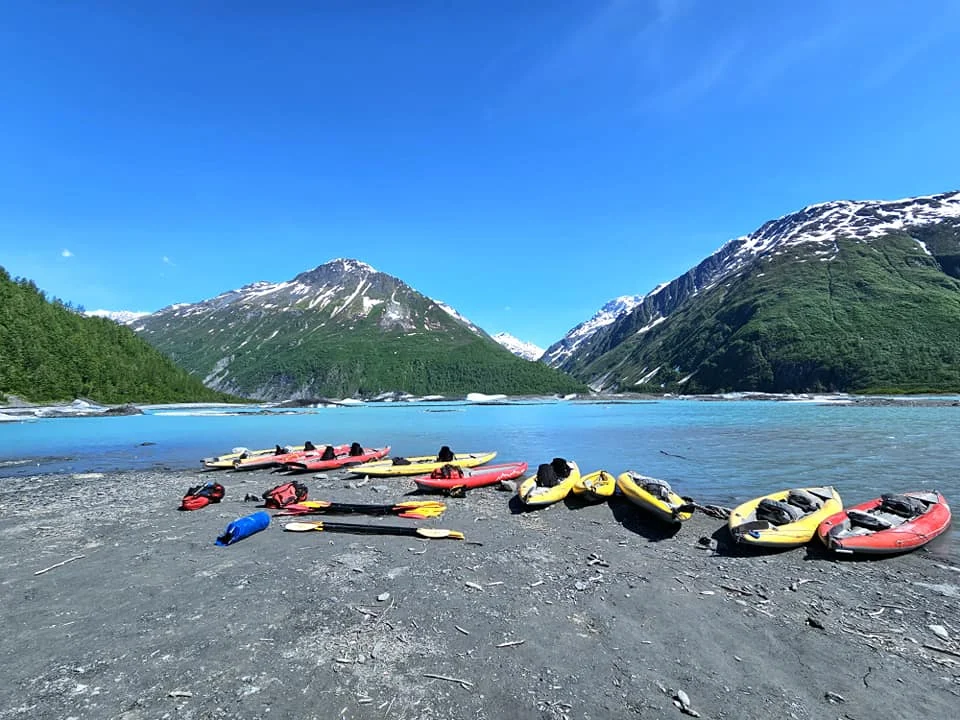
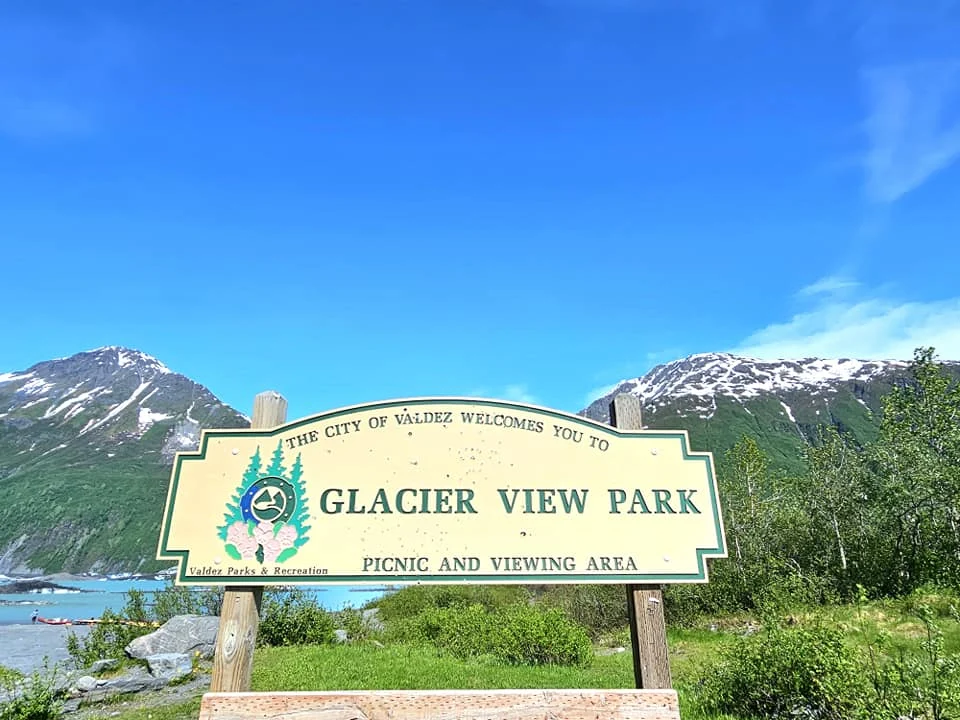
After docking in Valdez, we eagerly prepared for the Glacier Kayaking Tour on Valdez Glacier Lake, an excursion offered through the Westerdam’s shore program. This Alaska Iceberg Paddling adventure promised an up-close encounter with the region’s glacial wonders, and we were thrilled to trade the ship’s elegance for the thrill of exploration.
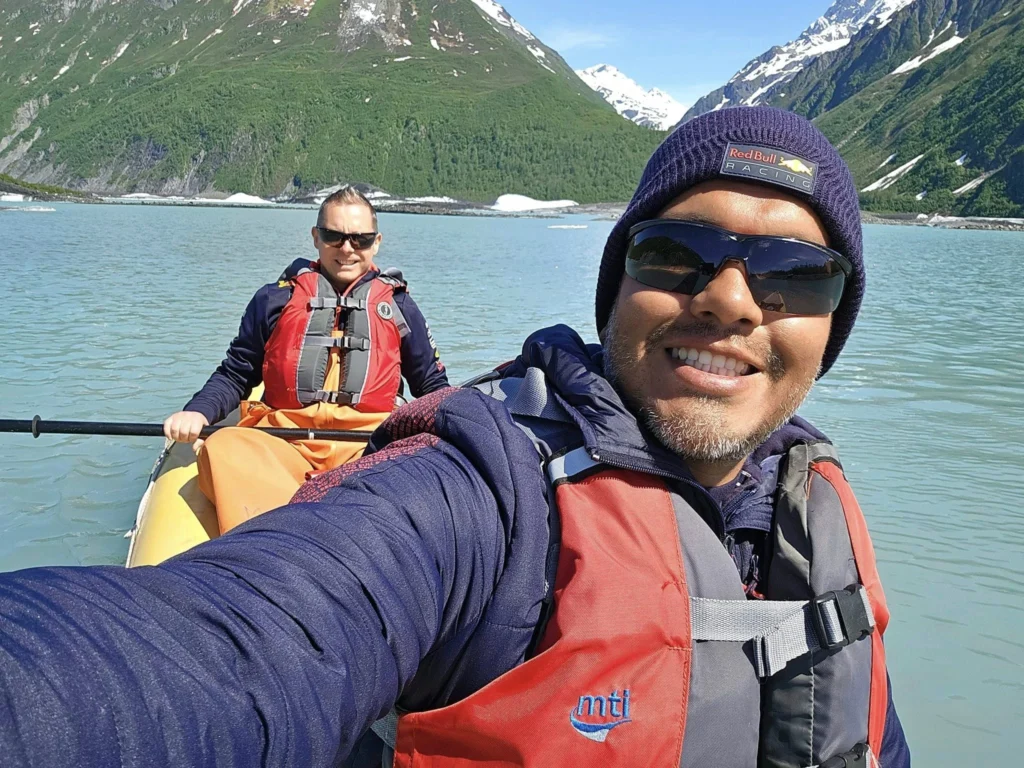
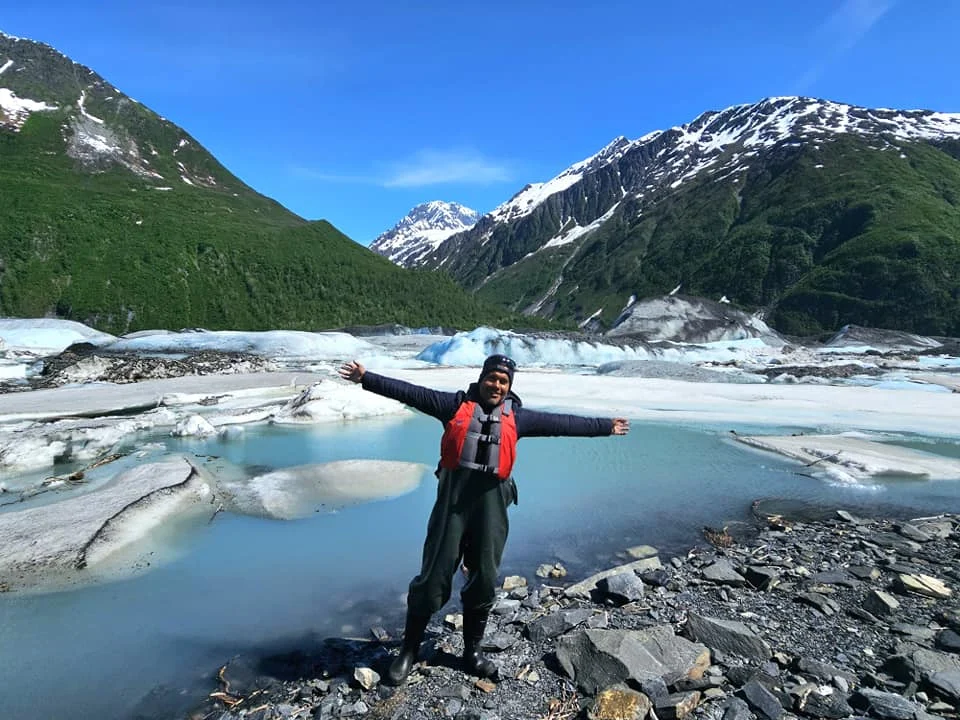
Our tour began with a short transfer to the lake, where our local guides greeted us with warmth and expertise. They provided a comprehensive briefing, covering kayaking techniques, safety protocols, and what to expect on the water. Even as first-time kayakers, we felt confident thanks to their thorough instructions and encouraging demeanor.
The best way to experience the raw beauty of Alaska is to immerse yourself in its landscapes, and glacier kayaking provides an unparalleled vantage point.
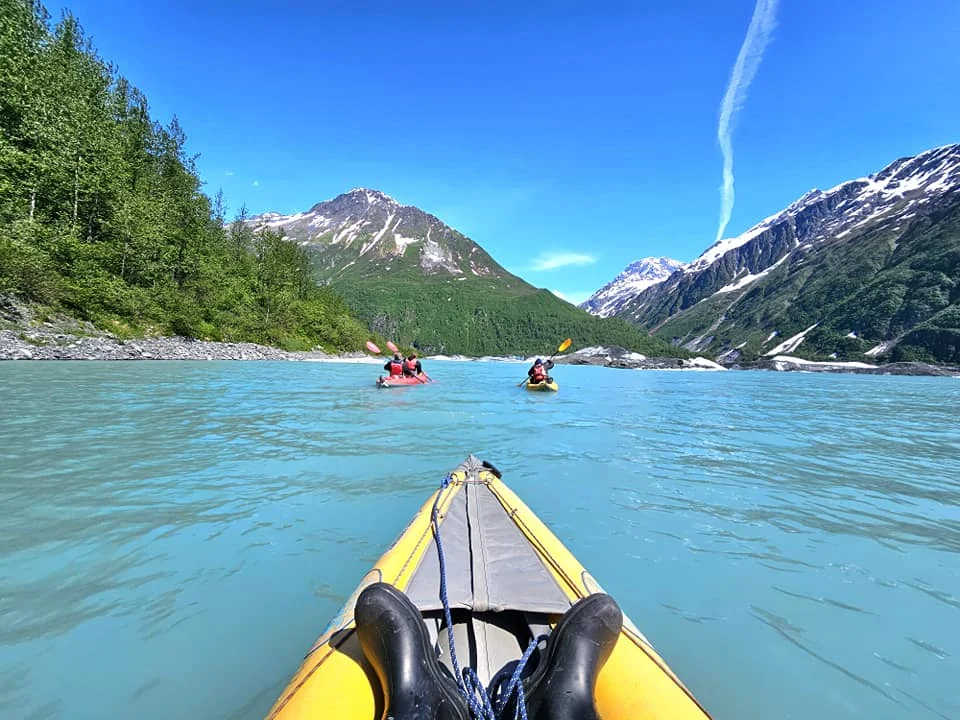
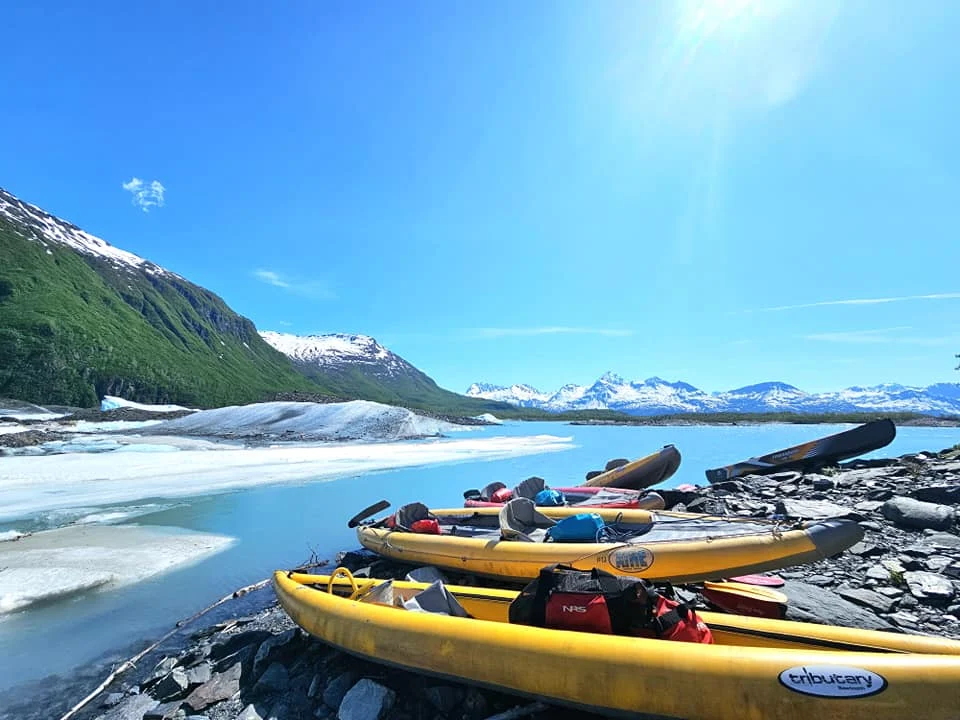
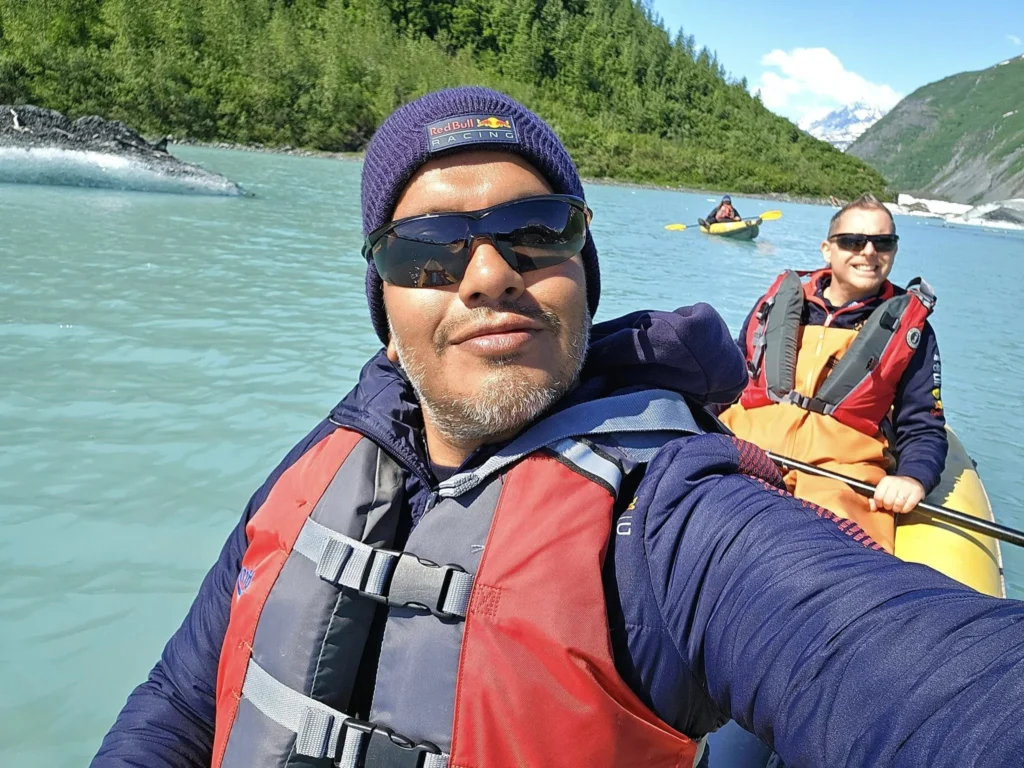
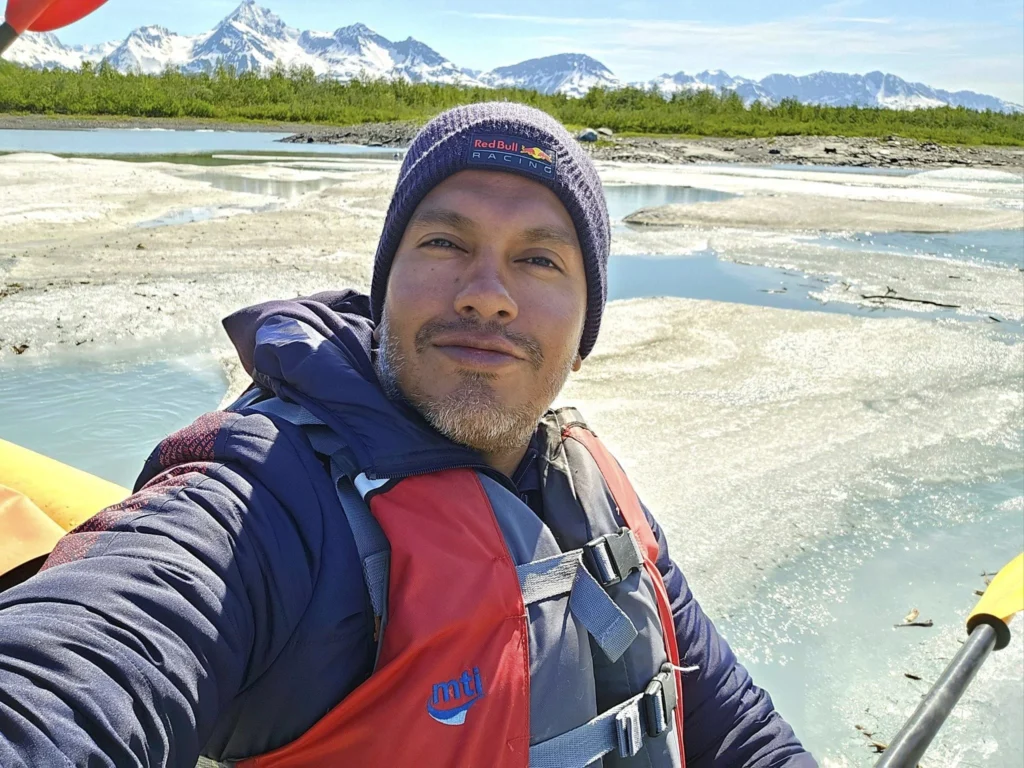
We were outfitted with high-quality gear, including stable kayaks designed for glacial waters, life jackets, and paddles. Our guides recommended layering up with waterproof clothing, gloves, and hats to stay warm in the chilly environment. With everything in place, we launched our kayaks into the serene waters of Valdez Glacier Lake, ready for an unforgettable adventure.
Paddling Among Icebergs
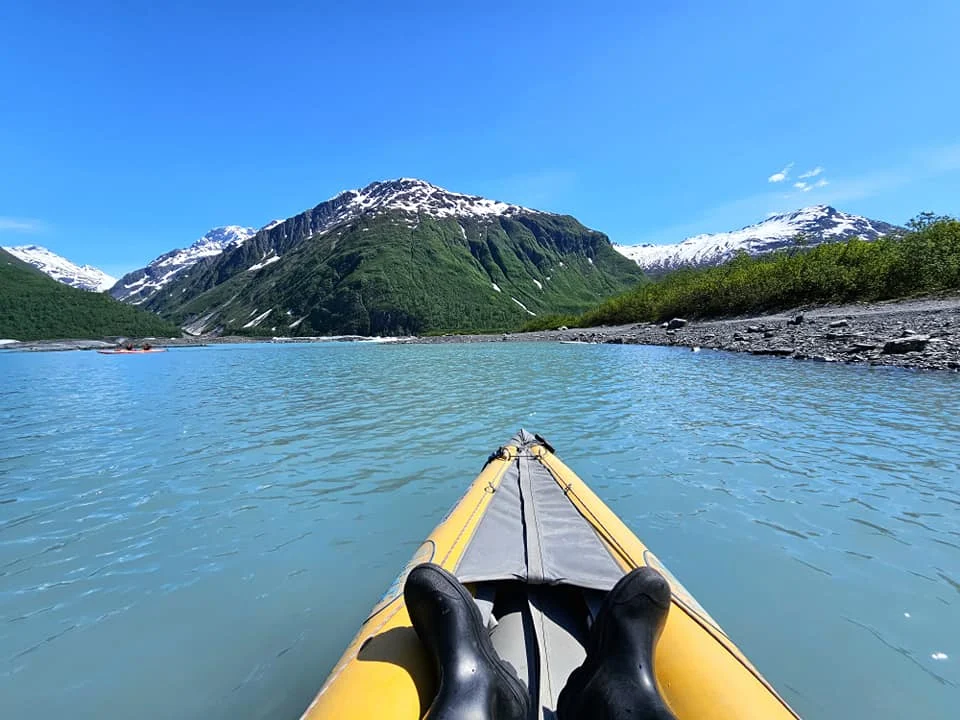
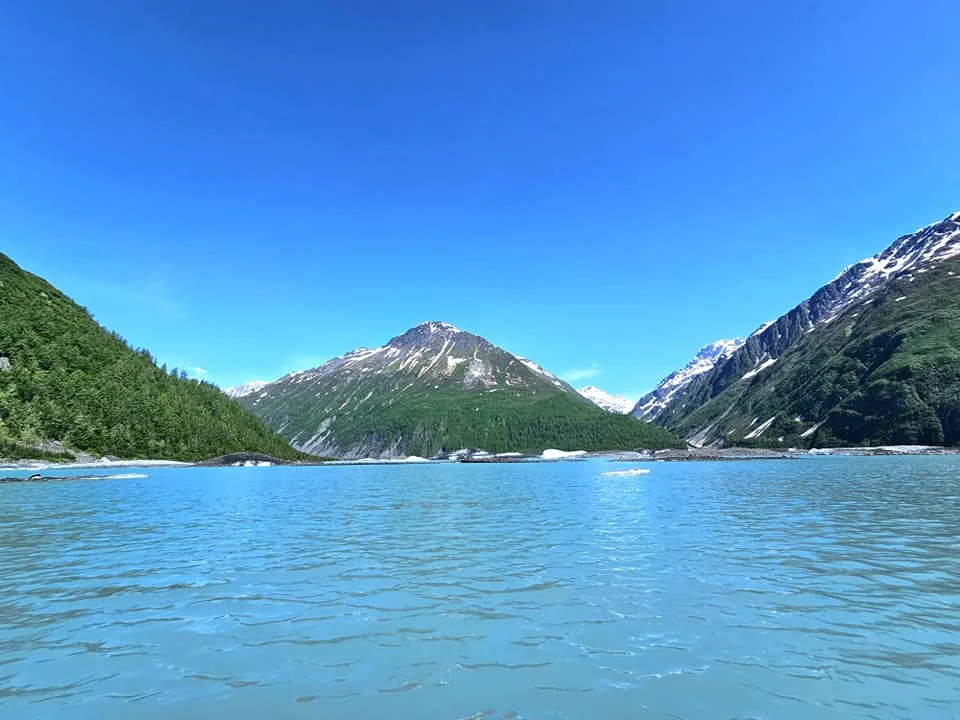
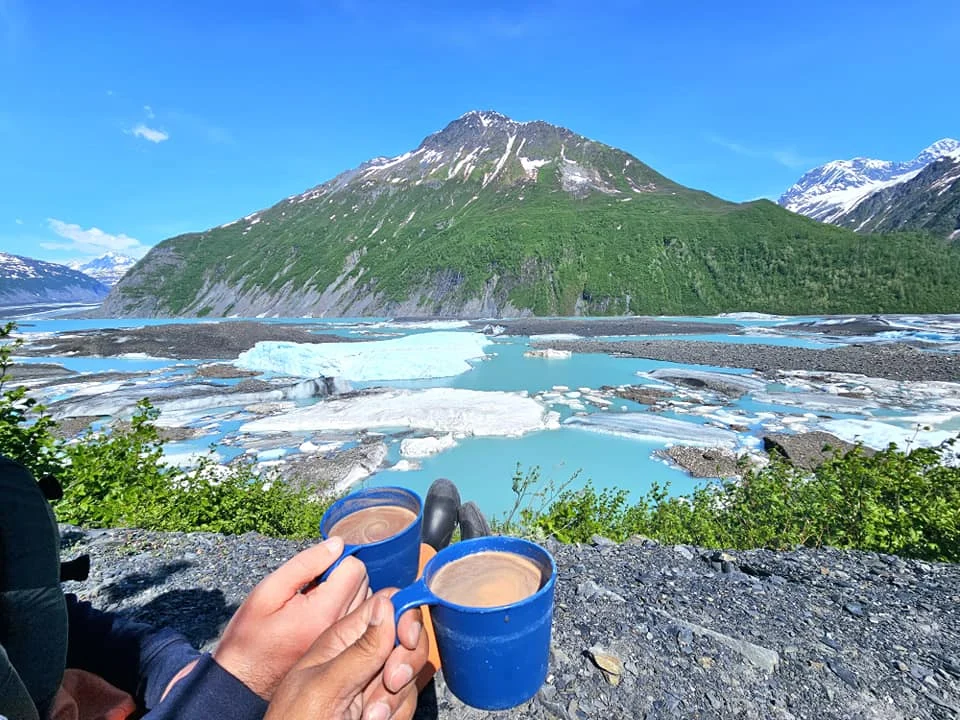
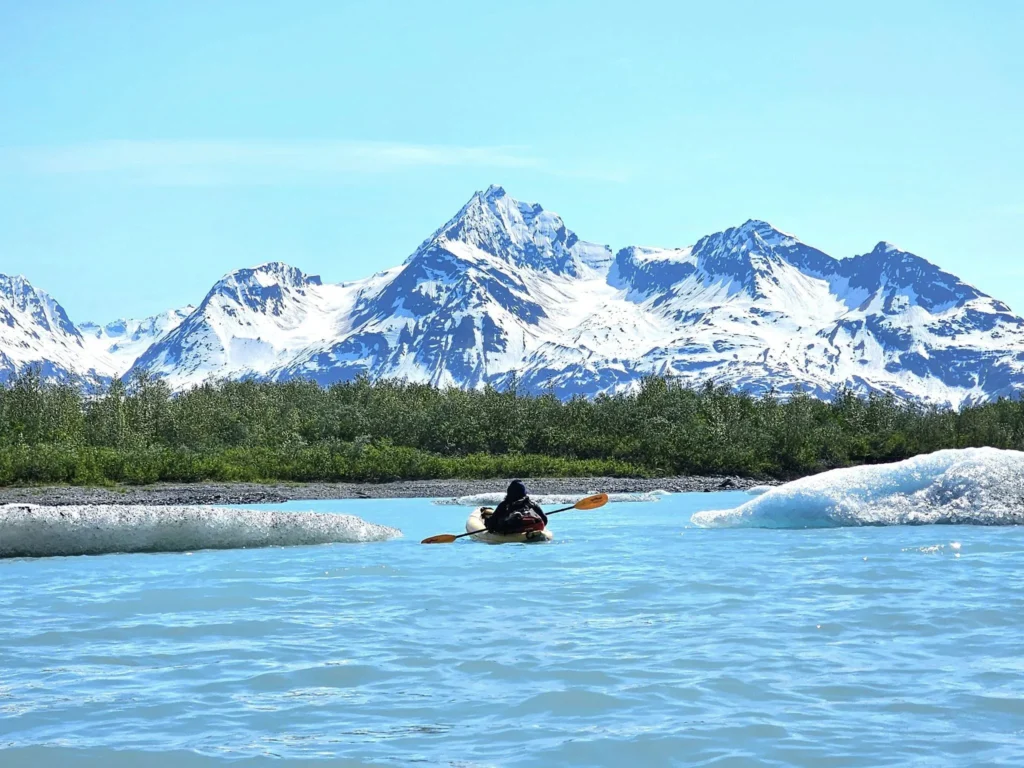
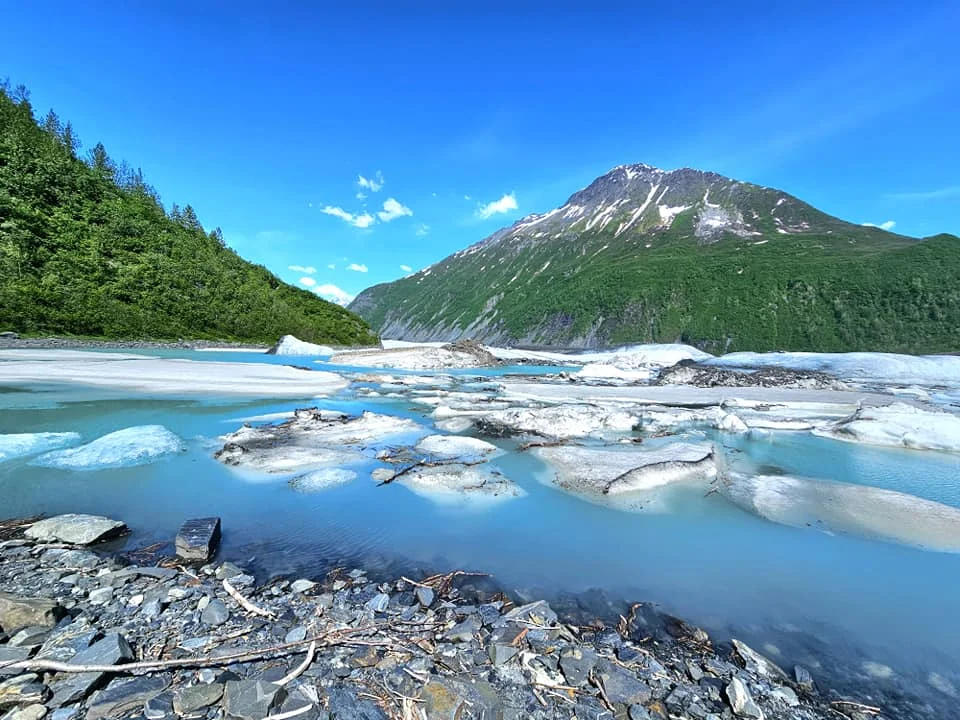
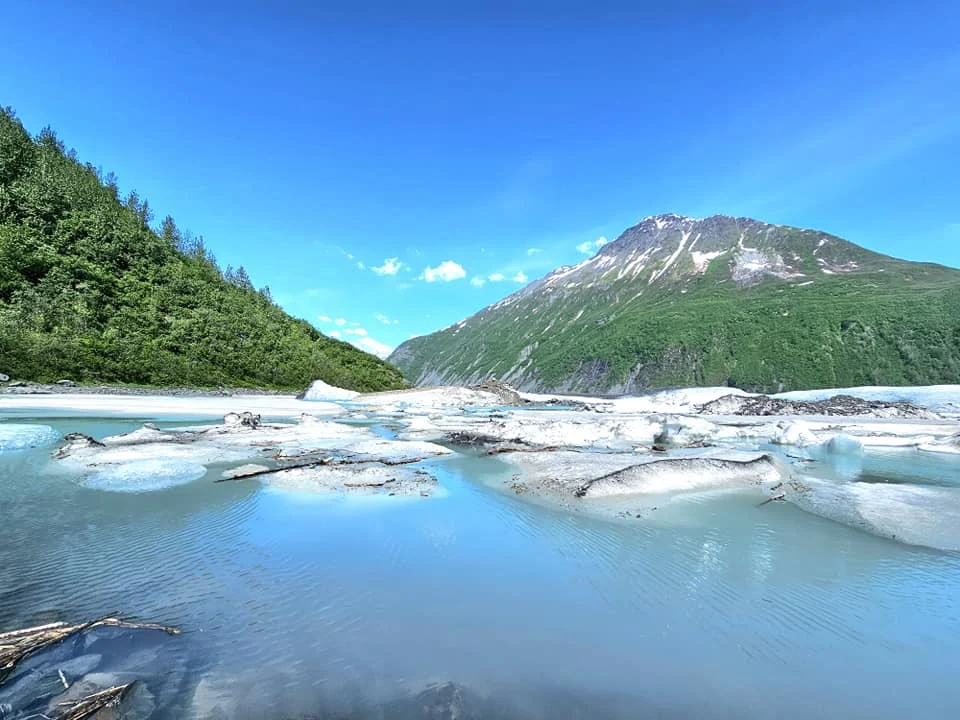
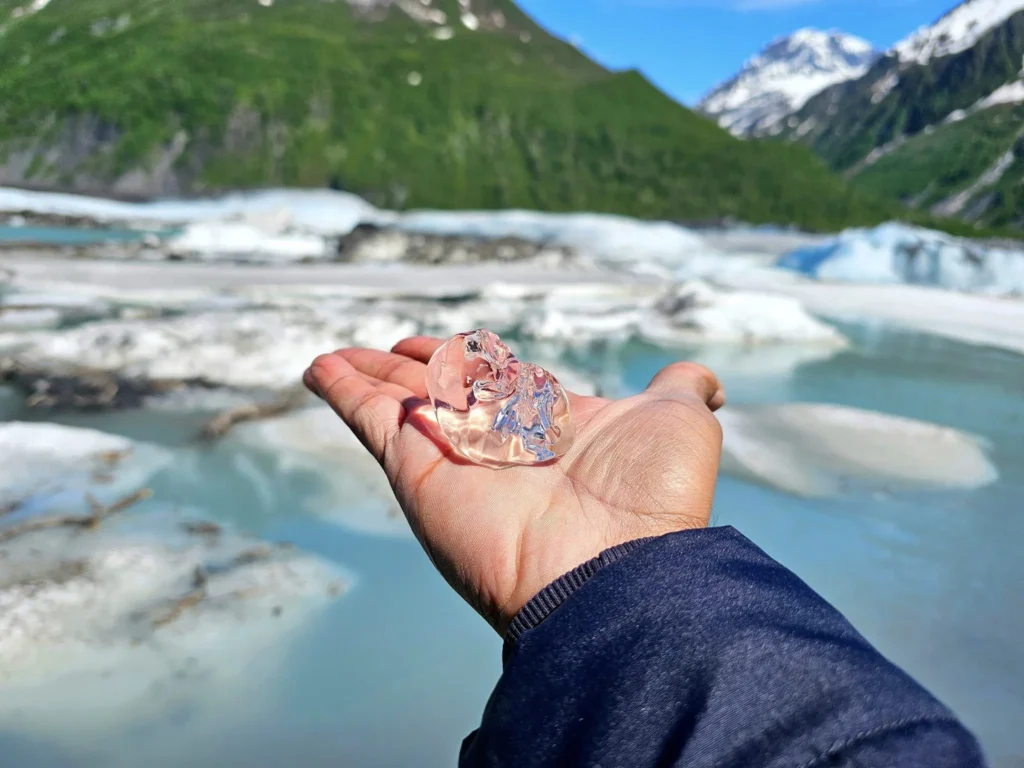
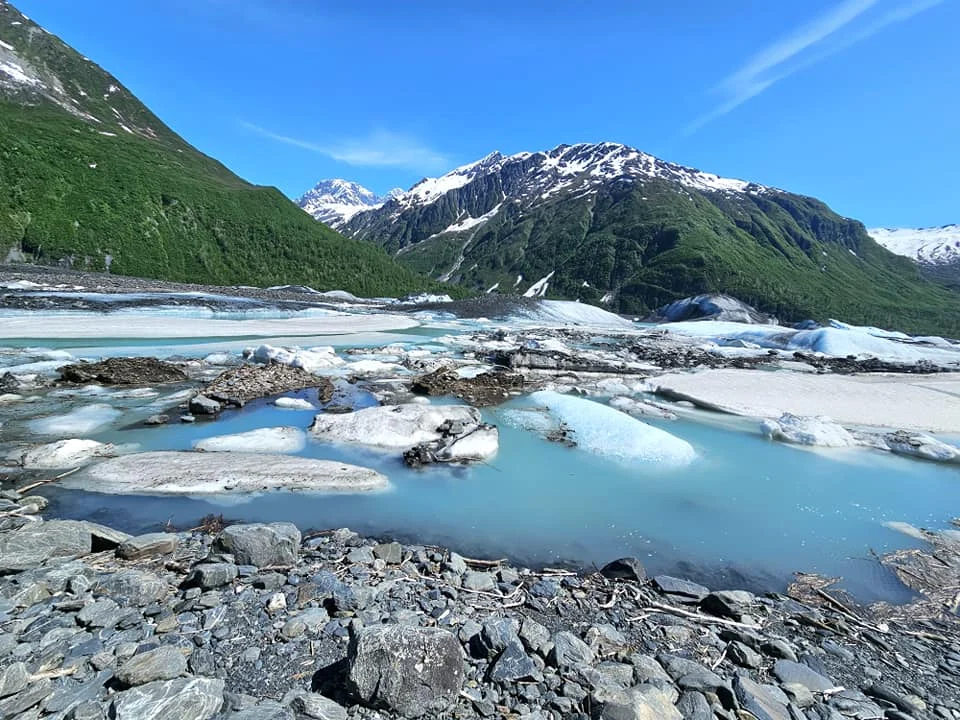
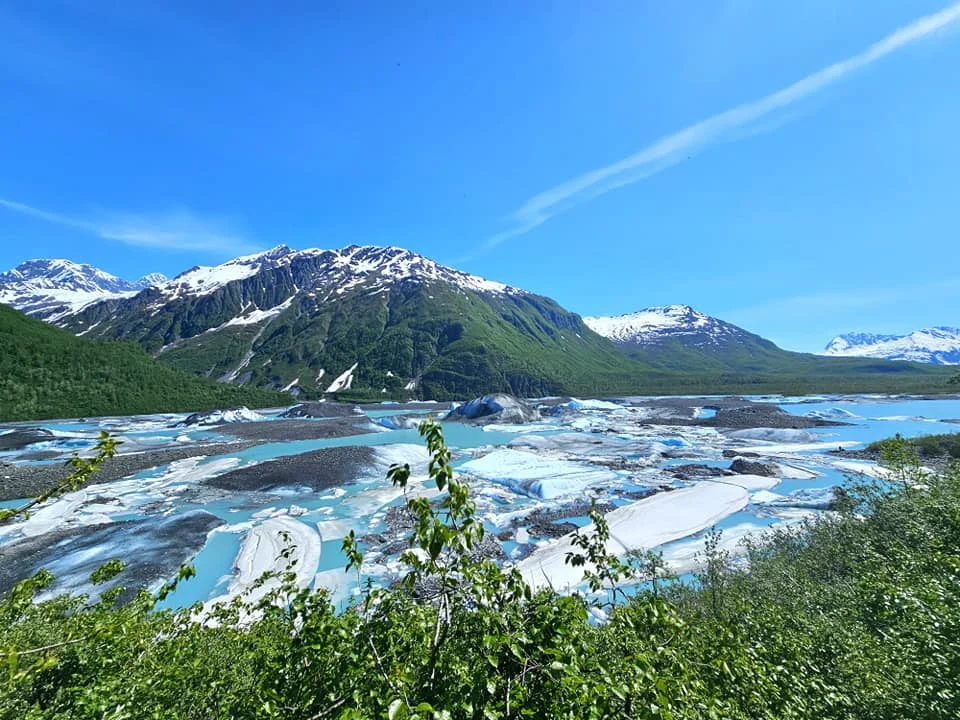
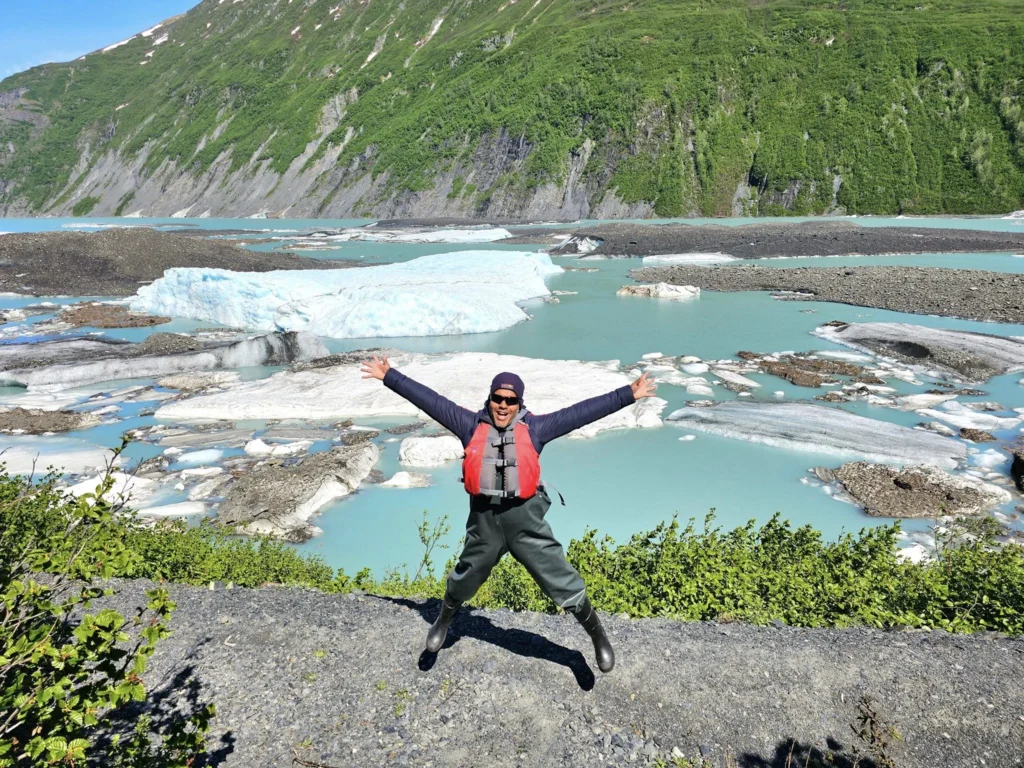
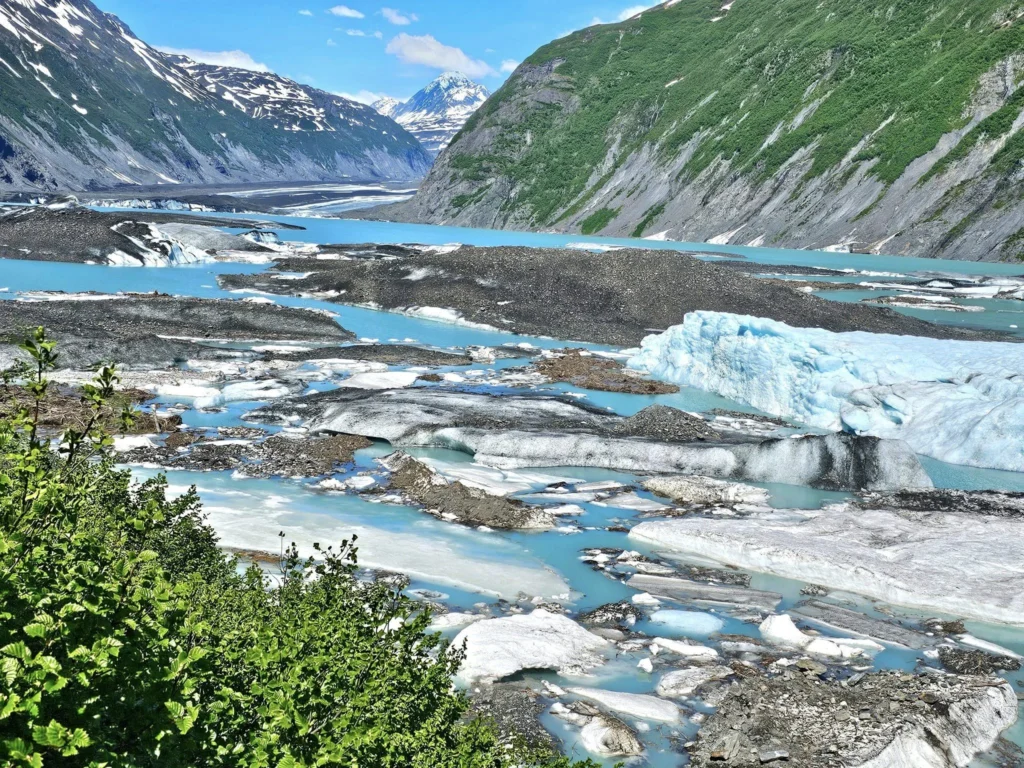
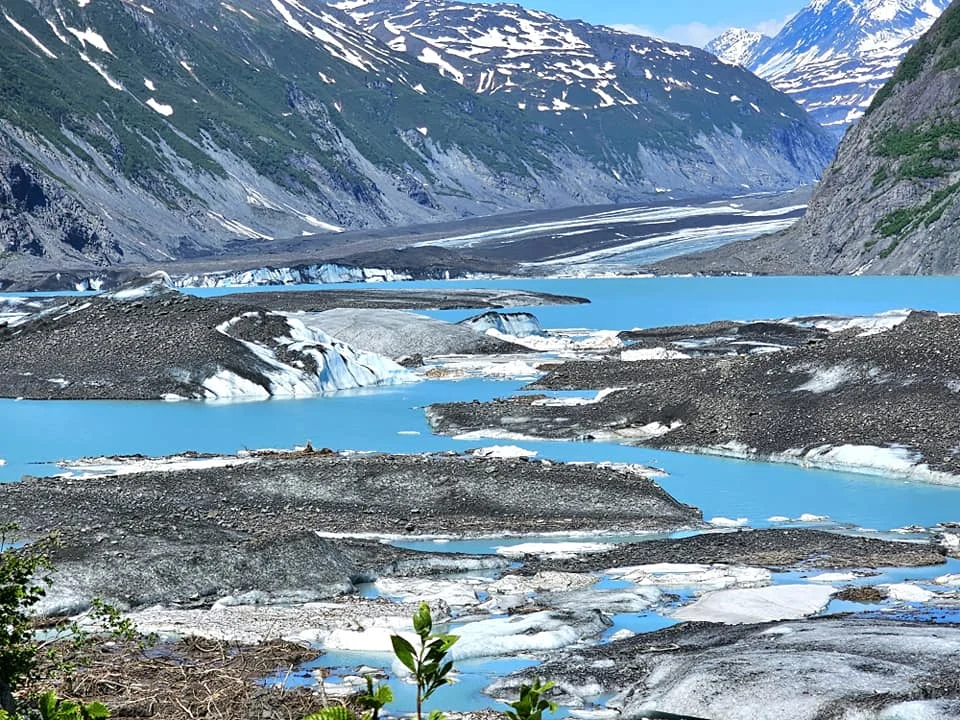
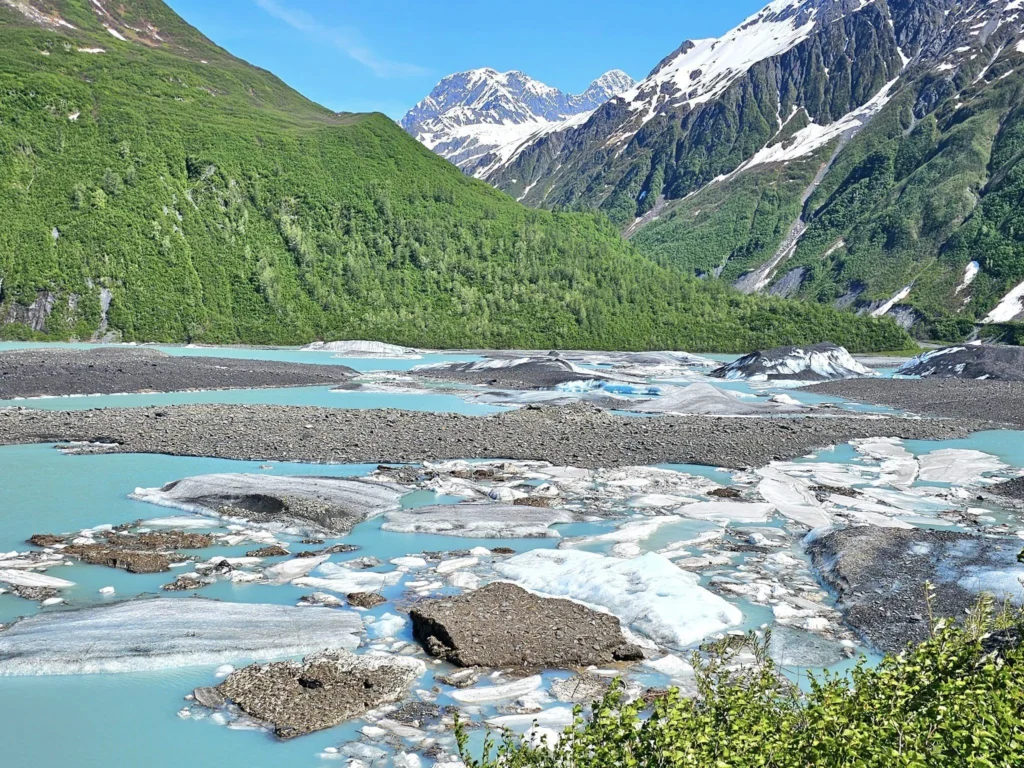
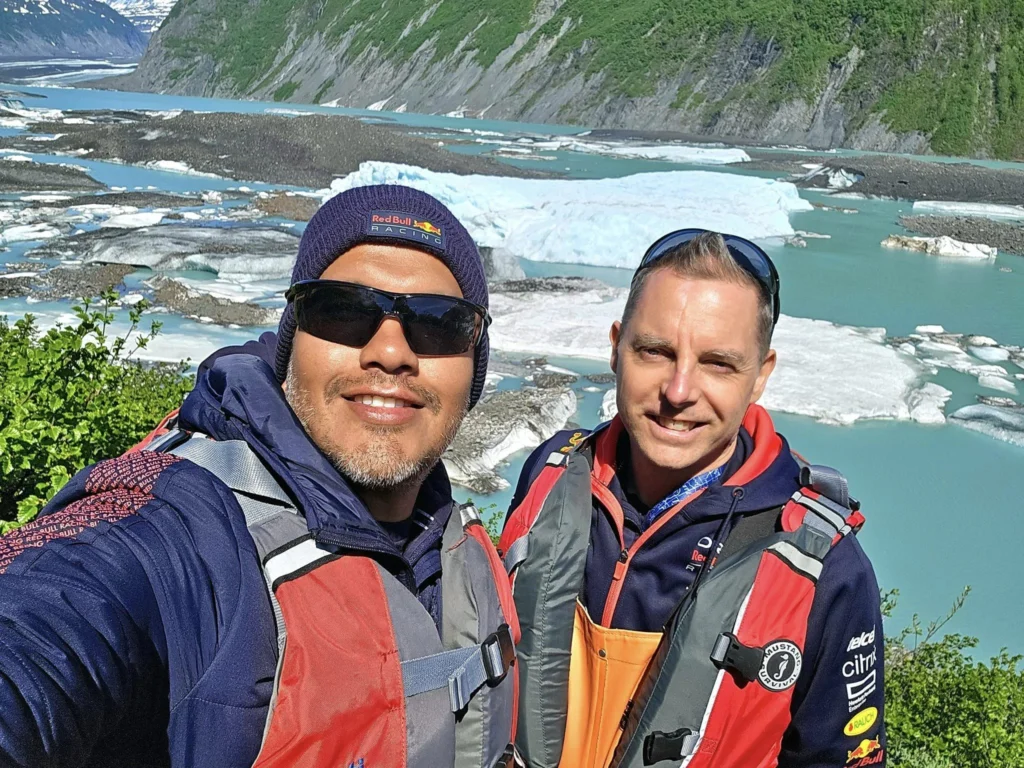
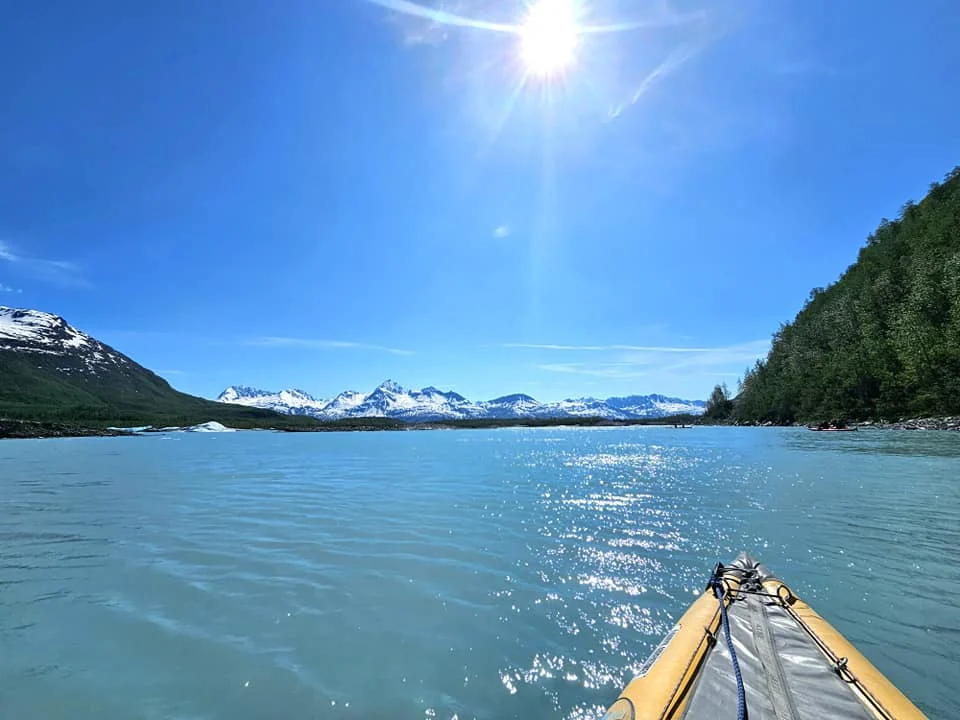
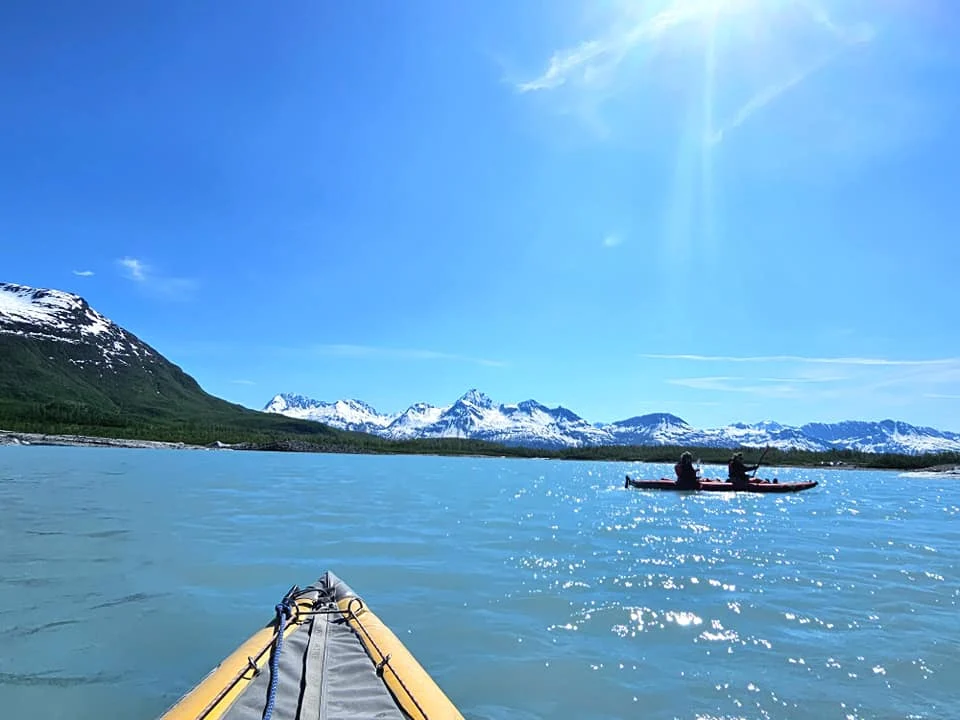
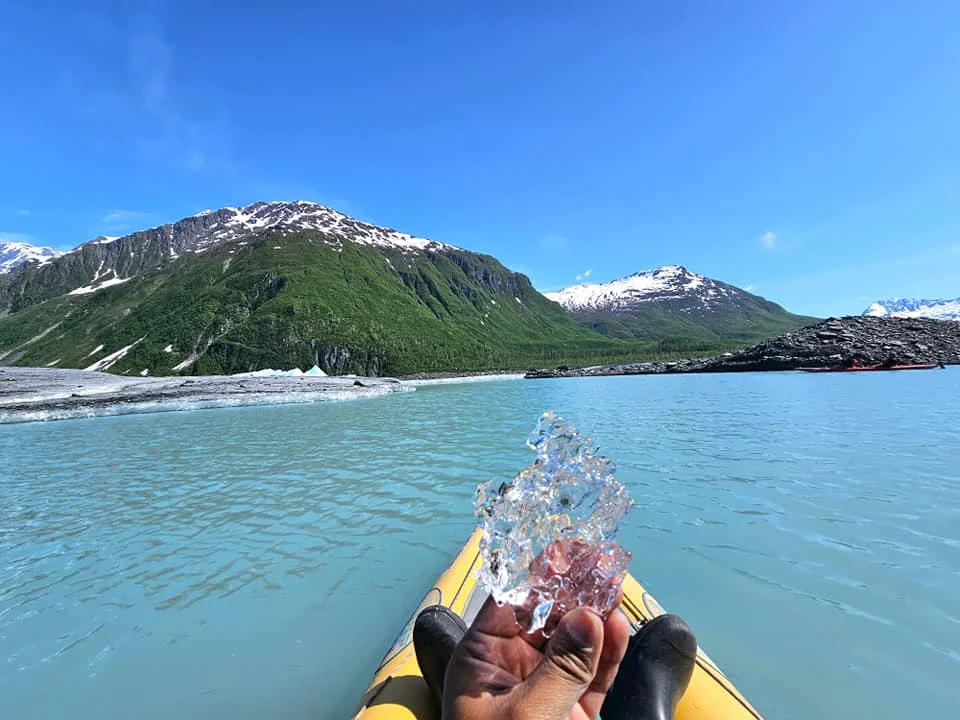
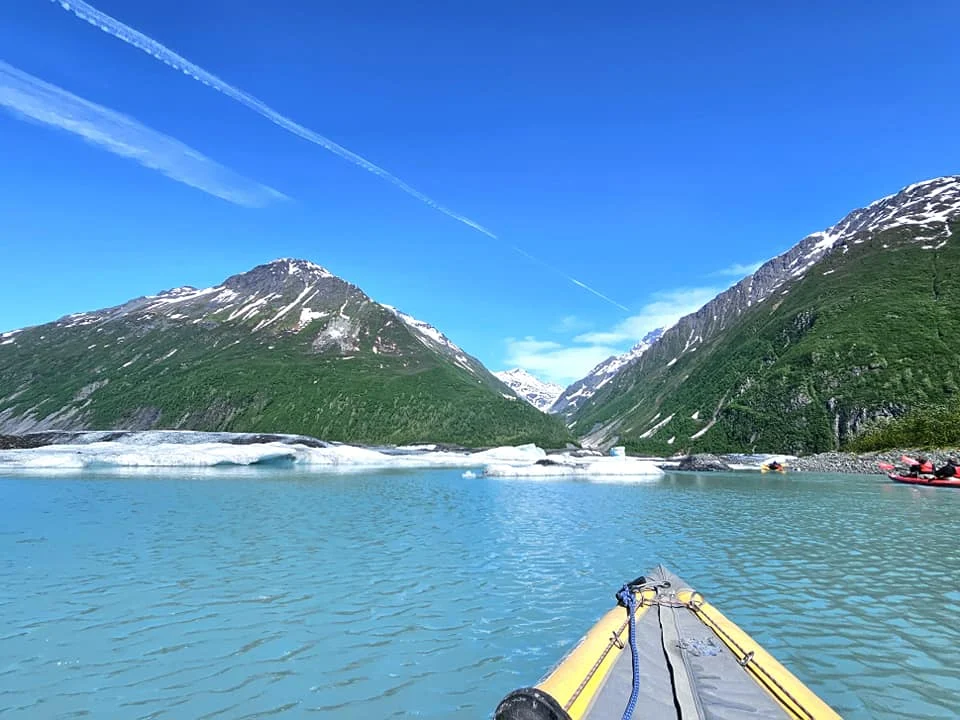
The moment our paddles dipped into the icy water, we were struck by the lake’s otherworldly beauty. Valdez Glacier loomed in the distance, its massive ice face glowing under the soft Alaskan light. The lake was dotted with icebergs, ranging from small, delicate fragments to towering sculptures that seemed to defy gravity. Each iceberg was a work of art, sculpted by nature over centuries.
Navigating through this icy maze was both exhilarating and serene. The only sounds were the gentle splash of our paddles and the occasional groan of the glacier, a reminder of its constant movement. Our guides led us through narrow channels between icebergs, pointing out unique formations and sharing stories about the glacier’s history. We learned about its role in the 1898 Gold Rush, when prospectors crossed its treacherous slopes en route to the Klondike.
Icebergs are nature’s frozen sculptures, each one unique and telling a story of the glacier’s past.
The tranquility of the lake was occasionally interrupted by the sight of wildlife. Harbor seals lounged on icebergs, their curious eyes following our kayaks. Above, a bald eagle circled, its wings cutting through the crisp air. These encounters added a layer of magic to the experience, reminding us of the vibrant ecosystem thriving in this remote corner of Alaska.

Historical Insights and Natural Wonders
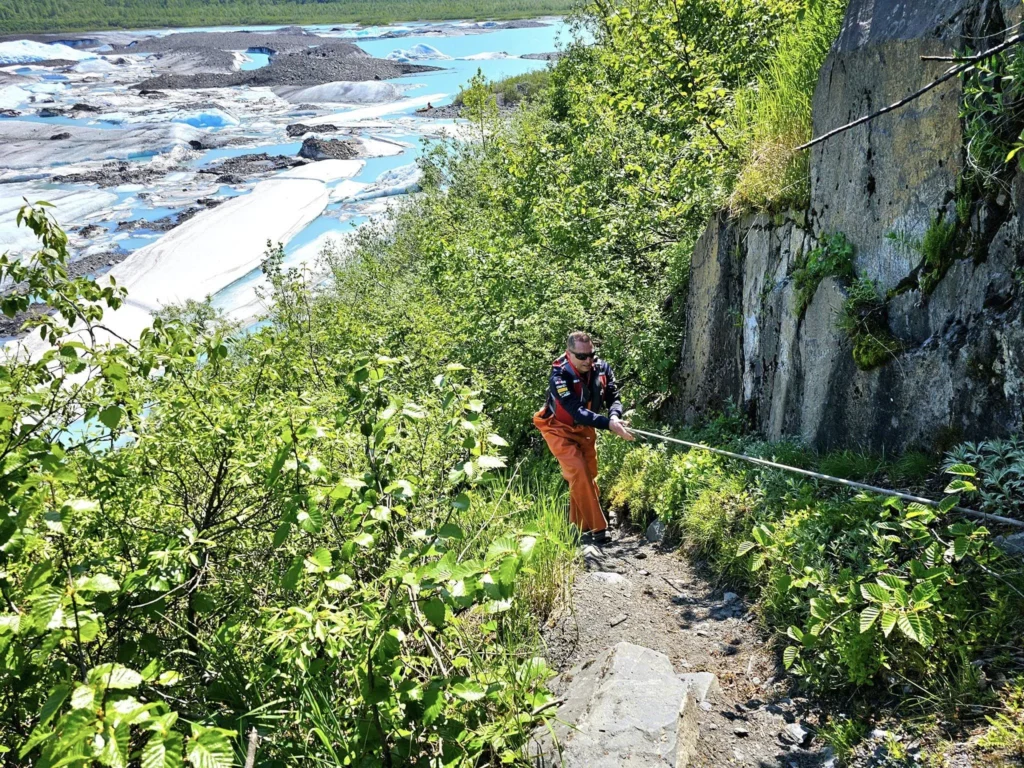
Our guides enriched the tour with tales of Valdez Glacier’s past, from its geological formation to its significance during the Gold Rush. They explained how the glacier has retreated over time, leaving behind the lake we were now paddling. These stories added depth to the experience, connecting us to the region’s rich history and the challenges faced by early explorers.
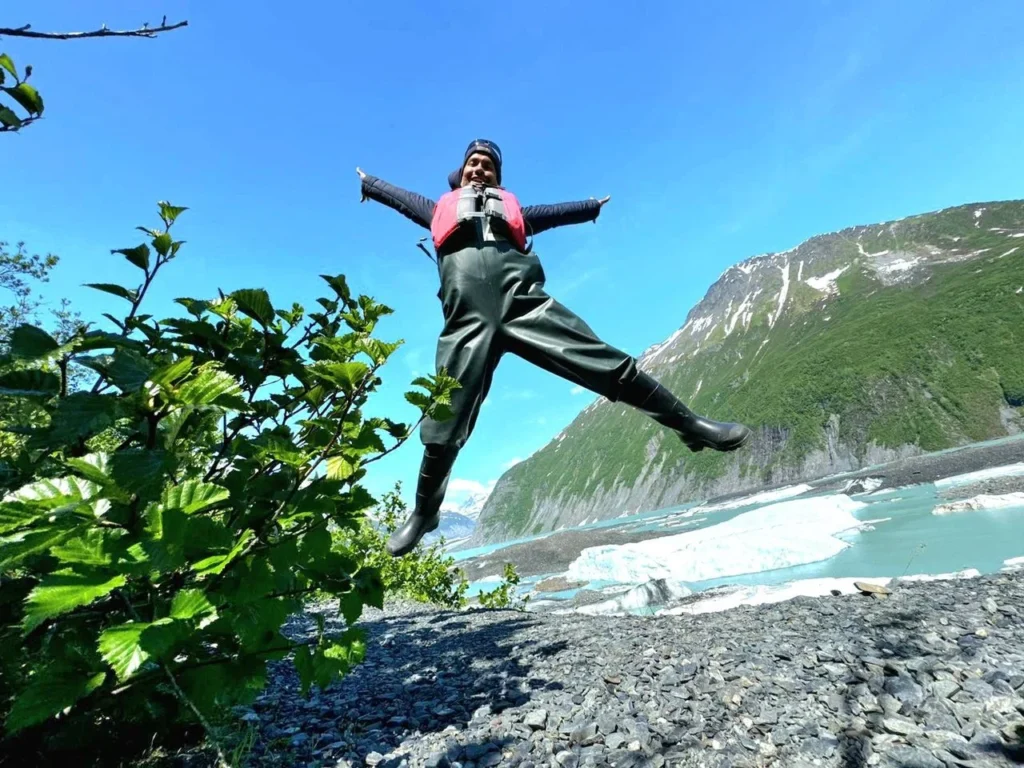
The changing light on the glacier and icebergs created a mesmerizing visual display. As clouds shifted overhead, the ice took on new hues—deep blues, soft greens, and sparkling whites. We paused frequently to take photos, though no camera could fully capture the scale and beauty of the scene. The experience was a powerful reminder of nature’s grandeur and fragility.

Tips for a Memorable Kayaking Experience
To make the most of the Valdez Glacier Kayak Adventure, we recommend embracing the environment fully. Take time to absorb the sights and sounds, from the creak of ice to the distant rumble of the glacier. Be mindful of wildlife, keeping a respectful distance to avoid disturbing their natural behaviors.
Safety is paramount, so always follow your guides’ instructions and wear your life jacket. Layering clothing is essential, as the weather can shift quickly. We found that a waterproof jacket, thermal base layers, and a warm hat kept us comfortable throughout the tour. Bringing a small waterproof bag for snacks and a camera is also a good idea.
In the midst of the icy tranquility, it’s easy to forget the outside world and lose yourself in the grandeur of Alaska’s untouched wilderness.

Reflections on an Unforgettable Journey
As we returned to the Westerdam after our kayaking adventure, we carried with us a profound sense of awe. The morning cruise through Prince William Sound had immersed us in Alaska’s serene beauty, while the glacier kayaking tour had offered a thrilling, hands-on connection to its wild landscapes. Together, these experiences showcased the best of Alaska—its untouched wilderness, vibrant wildlife, and rich history.
The Westerdam elevated the journey with its luxurious amenities and attentive service. From gourmet dining to spacious viewing areas, the ship was the perfect base for exploring Alaska’s rugged beauty. The combination of onboard comfort and off-ship adventure created a balanced, unforgettable experience.
The sunrise cruise through Prince William Sound was more than a journey; it was a serene adventure that celebrated nature’s beauty and the tranquil elegance of the Westerdam.


Why This Adventure is a Must
A morning cruise through Prince William Sound and a glacier kayaking tour on Valdez Glacier Lake are must-do experiences for anyone visiting Alaska. The Westerdam’s Alaska Arctic Circle Solstice itinerary offers a unique opportunity to explore these iconic destinations in style and comfort. Whether you’re drawn to the serene beauty of a sunrise cruise or the thrill of paddling among icebergs, these adventures promise memories that will last a lifetime.
For those planning their own Alaskan journey, we highly recommend booking through Holland America Line’s official website for details on the Westerdam and its excursions. The combination of luxury cruising and immersive shore experiences makes this itinerary a standout choice for travelers seeking both relaxation and adventure.
The morning cruise through Prince William Sound is more than just a scenic trip; it’s a chance to connect with Alaska’s beautiful environment while enjoying the Westerdam’s comforts.




















Solstice Serenade in Prince William Sound
In Prince William Sound, where dawn’s light gleams,
The Westerdam sails through nature’s dreams.
Glaciers stand tall, their icy hearts glow,
Reflecting the sun in a radiant show.

Whales breach the waves with a graceful might,
Their dance in the dawn a breathtaking sight.
Sea otters twirl in the kelp’s gentle sway,
While eagles above carve paths through the day.

On Valdez’s lake, our kayaks glide free,
Through icebergs that whisper of eternity.
The glacier’s deep voice, a rumble, a call,
Tells tales of the past in its ancient thrall.

The Westerdam’s grace, a haven of light,
Blends luxury’s touch with the wild’s pure might.
Each moment aboard, with the Sound’s serene grace,
Weaves memories of Alaska’s untamed embrace.

In morning’s soft hush, the Sound comes alive,
Its beauty and power forever will thrive.
We paddle through silence, where icebergs abide,
A journey of wonder, with nature our guide.

The peaks touch the sky, their shadows unfold,
A story of ice, of ages untold.
In Valdez’s waters, we find our own peace,
Where time seems to pause, and all worries cease.

The Westerdam carries us back to the shore,
Yet the Sound’s quiet magic will linger and soar.
In our hearts, we hold this Alaskan delight,
A solstice adventure beneath the soft light.

From glaciers to whales, from dawn’s golden hue,
Alaska’s wild spirit will always shine through.
This voyage, a poem, etched deep in our soul,
Of Prince William Sound, where the wild makes us whole.